- Motorcycle
- Yamaha (44 offers)
Buy Yamaha Motorcycles
Since 1955, Yamaha has crafted motorcycles that define the Australian riding experience, from the red dust of the Outback to the winding coastal roads of the Great Ocean Road. Whether it is the legendary XT 500 thumper, the versatile XS 650, or the screaming RD 350 LC, the three tuning forks represent a legacy of racing success and mechanical reliability in the Southern Hemisphere.
Search results
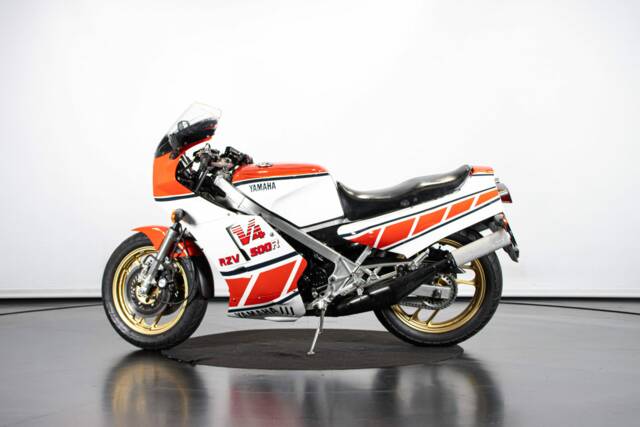
1985 | Yamaha RZV 500 R
Yamaha RZV 500 R

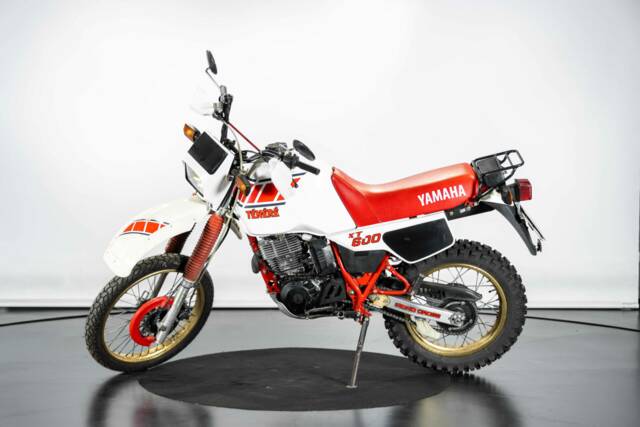
1985 | Yamaha XT 600 Ténéré
Yamaha XT 600 TENERE'
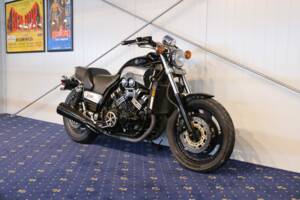
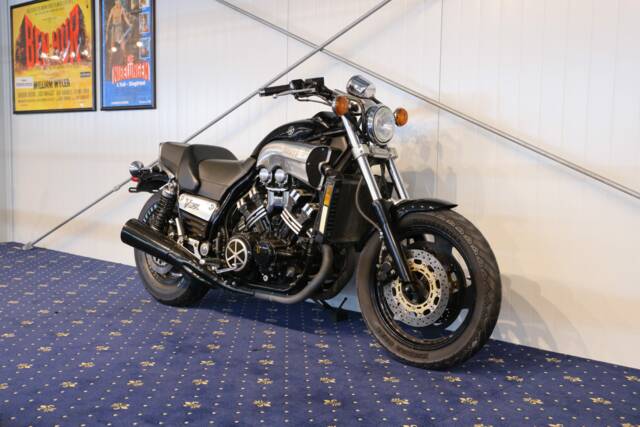
1997 | Yamaha V-Max 1200
1997 Yamaha VMX 1200 · Sammlung Sonderklasse · No reserve

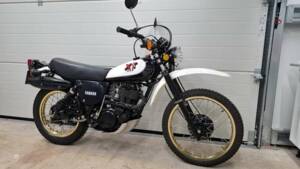
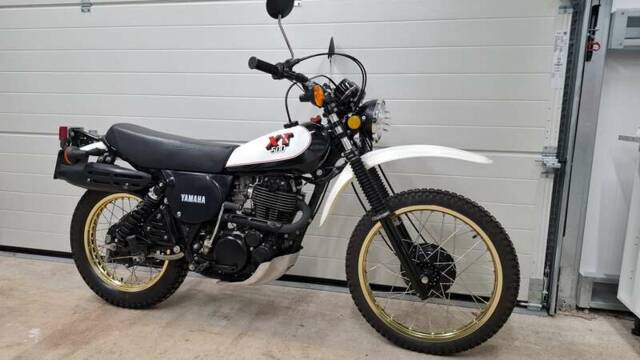
1980 | Yamaha XT 500
1980 Yamaha XT500 499cc

Newsletter
The best Yamaha listings, straight to your inbox
Get hand-picked Yamaha listings, plus the best of cars, motorbikes, and auctions on Classic Trader — all in one place.
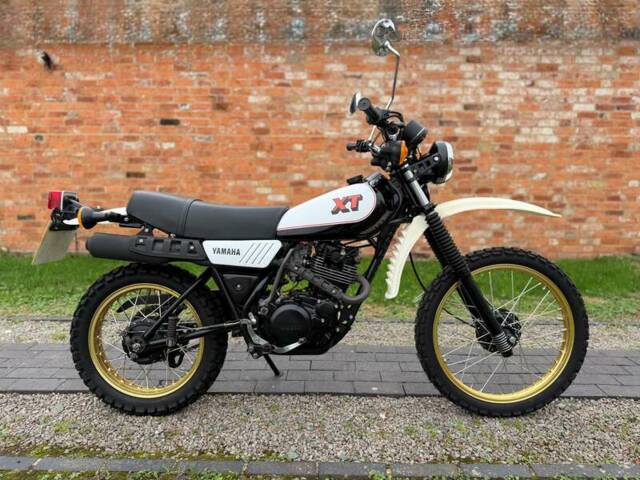
1980 | Yamaha XT 250
1980 Yamaha XT250 249cc
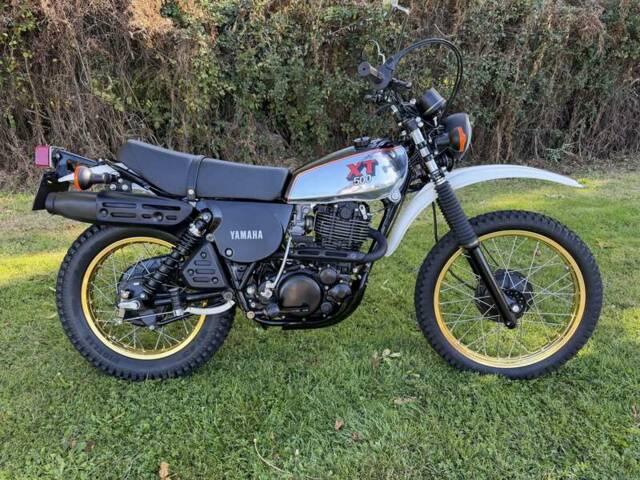
1982 | Yamaha XT 500
1982 Yamaha XT500 499cc
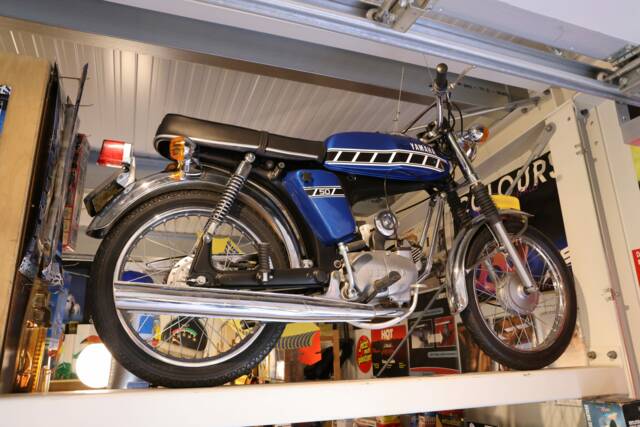
1900 | Yamaha RD 50 M
Yamaha 50 · Sammlung Sonderklasse · No reserve
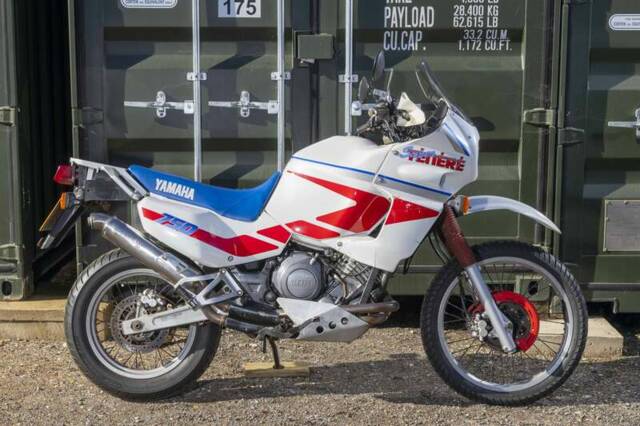
1991 | Yamaha XTZ 750 Super Ténéré
1991 Yamaha Super Tenere XTZ750 749cc
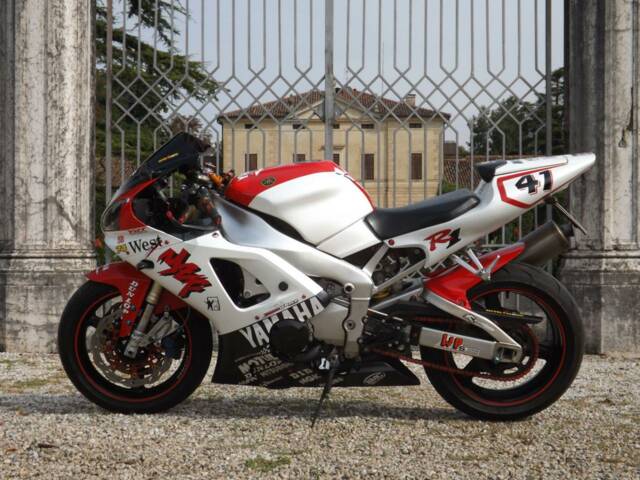
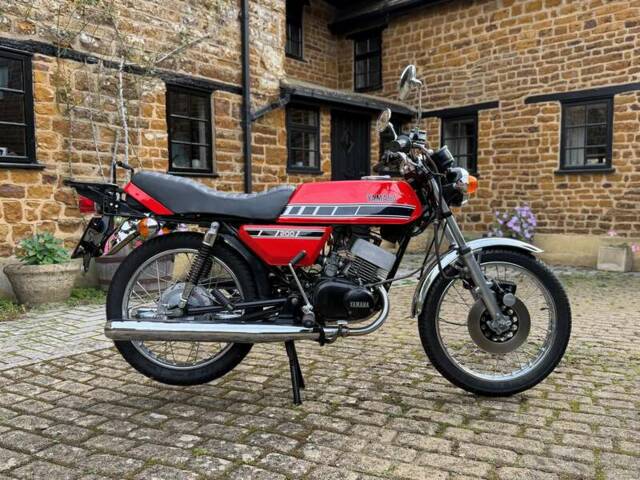
1978 | Yamaha RD 200
1978 Yamaha RD200 195cc
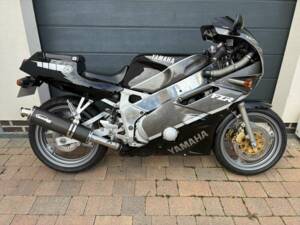
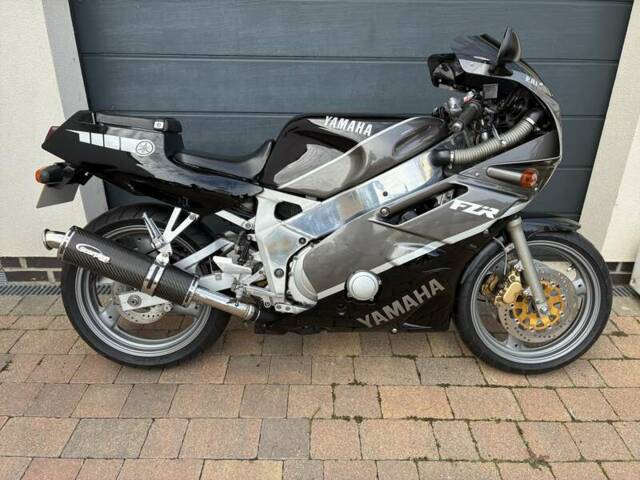
1998 | Yamaha FZR 400
1998 Yamaha FZR400 1WG 399cc
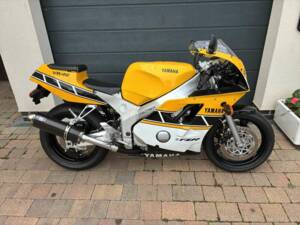
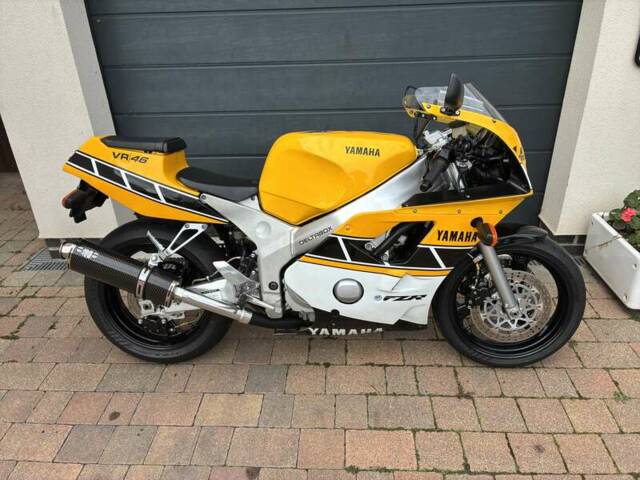
1992 | Yamaha FZR 400
1992 Yamaha FZR400RR 3TJ1 399cc
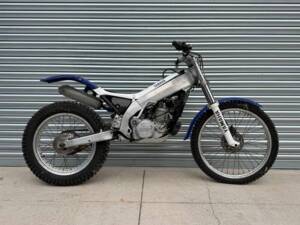
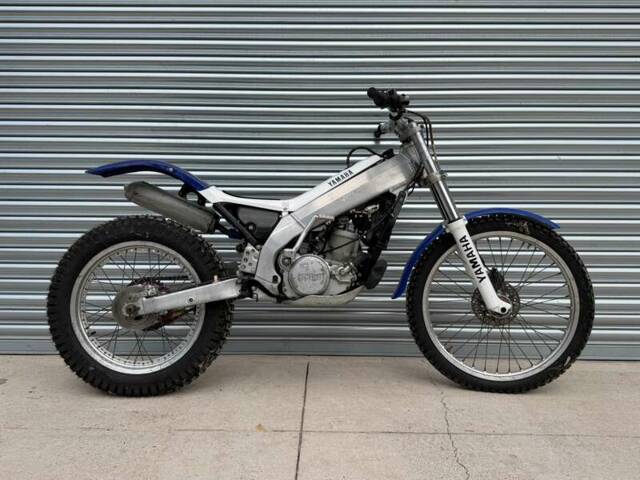
1993 | Yamaha TY 250
1993 Yamaha TY250Z 4GG Trials Bike 249cc
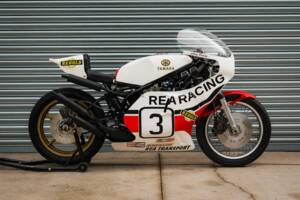
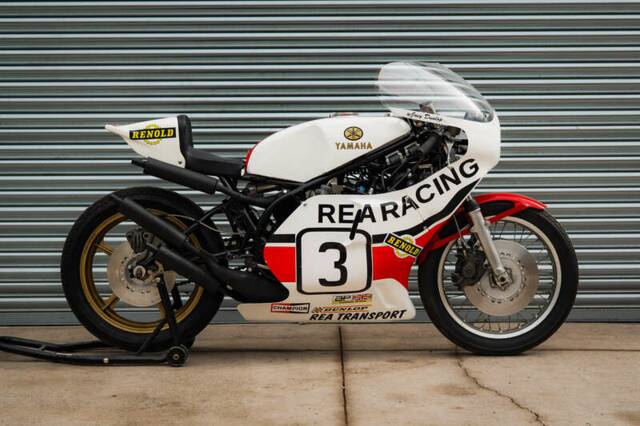
1979 | Yamaha TZ 750
**Sold Pre Sale** c.1979 Yamaha TZ750F Joey Dunlop Replica 747cc
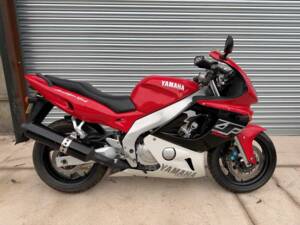
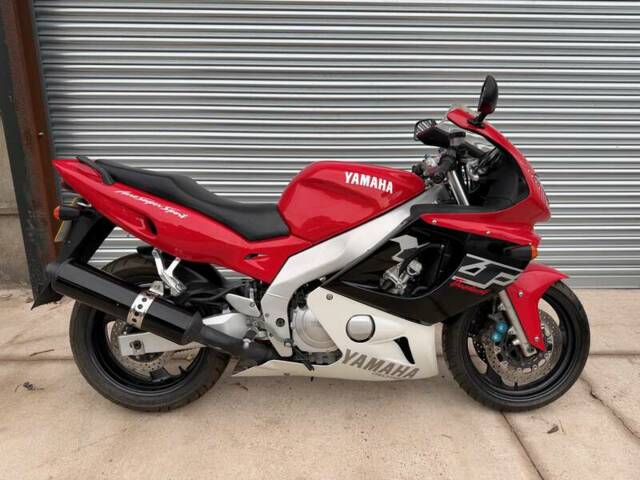
1997 | Yamaha YZF 600 R Thundercat
1997 Yamaha YZF600R Thundercat 599cc
History & Heritage
The story of Yamaha Motor Co., Ltd. began on July 1, 1955, in Hamamatsu, Japan, but its roots stretch back to 1887 with the founding of Nippon Gakki Co., Ltd., a producer of pianos and organs. This musical heritage is still visible today in the iconic three-tuning-fork logo found on every Yamaha tank. After World War II, Genichi Kawakami, the fourth president of Nippon Gakki, sought to repurpose idle aircraft propeller manufacturing machinery. His vision was simple: to create a motorcycle that was more than just transportation, but an instrument of joy.
The result was the YA-1, a 125cc two-stroke single based on the German DKW RT 125. While many manufacturers copied the DKW design, Yamaha refined it with a unique frame, a distinctive chestnut-red finish, and superior build quality. Known as the "Akatombo" (Red Dragonfly), the YA-1 proved its worth immediately by winning the Mount Fuji Ascent Race and dominating the Asama Highlands Race in 1955.
Yamaha's entry into the Australian market in the late 1950s and early 1960s was a pivotal moment for local riders. Early importers like Liberty Motor Co. in South Australia even collaborated with the factory to create Australia-specific models. The Liberty Yamaha Ranch bike, derived from the YDS1, was arguably one of Yamaha's first purpose-built off-road motorcycles, designed specifically for the harsh conditions of the Australian bush.
Throughout the 1960s, Yamaha focused on two-stroke technology, gaining a reputation for lightweight, high-performance machines. While Honda pursued the four-stroke path, Yamaha's mastery of the two-stroke engine allowed them to dominate the smaller and medium capacity classes. This technical expertise translated directly to the racetrack, with Phil Read winning Yamaha's first world title in the 250cc class in 1964.
The 1970s saw the birth of true icons. In 1970, the XS 650 debuted as Yamaha's first four-stroke motorcycle. It was a 654cc parallel-twin that combined British style with Japanese reliability, becoming a massive success in Australia where riders valued its ability to cover long distances without the frequent maintenance required by contemporary European twins.
In 1976, the XT 500 redefined the dual-purpose category. This 499cc air-cooled single-cylinder "thumper" was robust, simple, and capable of tackling any terrain. It famously won the first two Paris-Dakar Rallies in 1979 and 1980, but its impact in Australia was even more profound. The XT 500 laid the groundwork for the Australian Safari culture and became the preferred choice for farmers, adventurers, and weekend warriors alike.
The 1980s brought the water-cooled revolution with the RD 250 LC and RD 350 LC. These "Elsie" models brought Grand Prix technology to the street, offering a power-to-weight ratio that humiliated much larger bikes. In Australia, the RD series became a cult classic among club racers and "boy racers" of the era.
As the 1990s approached, Yamaha pushed the boundaries of four-stroke performance. The FZ 750 introduced five-valve technology, followed by the FZR 1000 with its EXUP exhaust valve and Deltabox frame. Then, in 1998, the YZF-R1 arrived, shattering the supersport hierarchy with 150 hp and a dry weight of just 177 kg.
Today, Yamaha Motor Australia maintains a strong presence, supporting a vibrant classic community that preserves these milestones of engineering. From the vintage tracks of Phillip Island to the local club meets in Sydney and Melbourne, the Yamaha legacy continues to thrive.
Highlights & Features
Yamaha's enduring appeal in the classic motorcycle market is built upon a foundation of engineering innovation and a deep-seated connection to racing. For Australian collectors, certain models stand out not just for their technical specifications, but for the way they influenced local riding culture.
The XT 500 (1976–1989) is perhaps the quintessential Yamaha classic for the Australian landscape. Its 499cc SOHC single-cylinder engine is legendary for its durability. In a country where the next town can be hundreds of kilometres away, the XT's mechanical simplicity was its greatest asset. It features a characteristic 6-volt electrical system (on early models) and a primary kickstart that requires a specific technique—and a bit of muscle—to master. The high-mounted exhaust and slim aluminium tank are design hallmarks that have inspired countless modern scramblers.
The XS 650 (1968–1985) remains one of the most popular platforms for the Australian "New Wave" custom scene. Its horizontally split crankcase and overhead cam design made it more oil-tight and reliable than the British twins it sought to emulate. The XS 650's engine is incredibly robust, often referred to as "bulletproof." Whether in original "Standard" trim or the later "Special" cruiser style, the XS 650 offers a rhythmic, engaging ride that resonates with those who appreciate mechanical honesty.
For those who crave the smell of premix and the hit of a powerband, the RD-series—specifically the RD 250 LC and RD 350 LC—is the ultimate choice. These bikes were the first to bring liquid cooling and monocross rear suspension to the masses. The 350 LC, in particular, was a giant-killer, capable of out-accelerating 750cc four-strokes of its time. Its lightweight chassis and sharp handling made it a favourite on the tight, twisty roads of the Adelaide Hills or the Old Pacific Highway.
The V-Max 1200 (1985–2007) is a muscle bike unlike any other. Built around a 1198cc V4 engine, it featured the "V-Boost" system—a manifold that opened up at 6,000 rpm to allow each cylinder to draw from two carburettors. The resulting surge in power was addictive. In Australia, the V-Max found a dedicated following among those who valued straight-line speed and a presence that demanded respect at every traffic light.
The FZR 1000 (1987–1995) represents the pinnacle of late-80s superbike technology. Its "Genesis" engine used three intake and two exhaust valves per cylinder, a layout Yamaha believed provided the best compromise between airflow and combustion speed. The aluminium Deltabox frame provided a level of rigidity that transformed handling. For Australian riders, the FZR was a high-speed touring weapon, capable of crossing state lines with ease and precision.
Technical Data
The following table provides a comparison of the key technical specifications for the most influential classic Yamaha models in the Australian market.
Market Overview & Buying Tips
The Australian market for classic Yamaha motorcycles is buoyant, driven by a combination of nostalgia, a strong club scene, and the relative ease of maintenance for Japanese machinery. However, buying a classic in Australia comes with its own set of considerations, from the impact of our harsh climate to the complexities of interstate transport and international imports.
XT 500 (1976–1989)
The XT 500 is one of the most sought-after classics in Australia. Prices for good, original examples have climbed steadily. You can expect to pay between AUD 10,000 and AUD 18,000 for a well-maintained bike. Exceptional, low-mileage "survivors" or professionally restored examples can fetch upwards of AUD 25,000 at specialized auctions like Shannons. Projects or bikes requiring significant work typically start around AUD 4,000 to AUD 6,000.
Common Issues: Look for rust in the steel fuel tanks, especially at the seams. The 6-volt electrics are notoriously weak; many Australian owners have converted them to 12-volt for better lighting and reliability. Check the swingarm for play and the engine for any top-end noise, which could indicate worn cam chains or valves. Given the XT's off-road pedigree, inspect the frame for cracks or signs of heavy impact.
Australian Context: Parts are relatively easy to source from specialists like KEDO in Germany, but shipping costs to Australia can be significant. Local clubs often have a stash of used parts. If importing an XT 500 from the US or Japan, remember that bikes manufactured before January 1, 1989, are easier to register under the "25-year rule" (now managed through the ROVER system).
XS 650 (1968–1985)
The XS 650 offers great value for those looking to enter the classic scene. "Standard" models (XS1, XS2, TX650) are the most prized by collectors and can range from AUD 8,000 to AUD 15,000. The later "Special" cruiser models are more affordable, often found between AUD 4,000 and AUD 8,000.
Common Issues: The charging system (stator and rotor) is a known weak point. The starter motor can also be temperamental; many riders rely on the kickstarter. Check for oil leaks from the head gasket and inspect the carburetors for wear, as original parts can be expensive. Many XS 650s in Australia have been modified into "Cafe Racers" or "Bobbers." While these can be great bikes, they rarely hold the same value as an original, unmodified example.
Australian Context: The XS650 Club of Australia is incredibly active and an invaluable resource for parts and technical advice. Most states offer concessional "Club Registration" for bikes over 25 or 30 years old, which significantly reduces the annual cost of ownership.
RD 250/350 LC (1980–1985)
Two-stroke Yamahas have a fanatical following in Australia. An RD 350 LC in excellent condition can easily command AUD 12,000 to AUD 20,000. The smaller RD 250 LC usually sits between AUD 7,000 and AUD 12,000.
Common Issues: Crankshaft seals can harden over time, leading to air leaks and engine failure. Inspect the cylinders for scoring and check the YPVS (Yamaha Power Valve System) on later models to ensure it is functioning correctly. Original exhaust systems are becoming very rare and expensive; many bikes will have aftermarket expansions, which may require re-jetting the carburetors.
Australian Context: Given the high performance and often "enthusiastic" riding style associated with these bikes, verify the frame and engine numbers carefully. Many were used as track bikes, so look for evidence of lock-wiring or crash damage.
V-Max 1200 (1985–2007)
The V-Max is currently an undervalued classic in the Australian market. Good runners can be found for AUD 6,000 to AUD 10,000. Low-mileage, late-model examples might reach AUD 12,000 to AUD 15,000.
Common Issues: The four-carburetor setup requires precise synchronization to run smoothly. The "V-Boost" servo can fail, and the secondary gear in the transmission can be a weak spot on early, high-mileage bikes. The V-Max is heavy (over 260 kg), which puts a lot of stress on the suspension and brakes. Many owners upgrade the front forks and calipers for better performance.
Australian Context: The V-Max's thirst for fuel (often 10L/100km or more) and relatively small fuel tank (15L) can limit its touring range in rural Australia. Always check for a clear title (PPSR) as these were popular targets for theft in the past.
FZR 1000 (1987–1995)
The FZR 1000 offers incredible performance for the money. You can find decent examples from AUD 5,000 to AUD 9,000. The later EXUP models (1989 onwards) are the most desirable and can fetch up to AUD 12,000 for mint condition.
Common Issues: The EXUP valve in the exhaust can seize if not maintained, leading to a loss of mid-range power. The five-valve head makes valve clearance checks a labor-intensive (and therefore expensive) task. Look for cracks in the plastic fairings and check the condition of the Deltabox frame for any signs of repair.
Australian Context: These were high-speed machines often used for long-distance interstate runs. High mileage is common, so prioritize bikes with a documented service history.
Performance & Riding Experience
Riding a classic Yamaha is an exercise in sensory engagement. Each model reflects the engineering philosophy and riding demands of its era, offering a distinct experience that modern, electronically-aided motorcycles often lack.
The XT 500 experience starts before the engine even fires. The ritual of the kickstart—finding the top-dead-centre through the sight glass, pulling the decomp lever, and giving a committed, full-stroke kick—is part of the bike's charm. Once it thumps into life, the XT vibrates with a primal energy. The torque is immediate; it pulls from idle with a steady, relentless rhythm. On the dirt, the XT feels balanced and predictable. Its long-travel suspension soaks up the corrugations of an Outback track with ease. On the road, the vibration becomes more noticeable at higher speeds, and the drum brakes require a firm hand, but the commanding view and the honesty of the ride make every trip an adventure.
The XS 650 offers a more refined, yet equally mechanical feel. The parallel-twin has a characteristic "360-degree" firing order that produces a smooth, rhythmic pulse. It is not as fast as the later multis, but it has a broad spread of power that makes it a joy to ride on winding B-roads. The handling is neutral and stable, typical of the "standard" bikes of the 70s. The sound through a set of classic mufflers is quintessential motorcycling—a deep, resonant growl that never gets tiring. It is a bike that encourages you to take the long way home, enjoying the scenery as much as the machine.
For sheer adrenaline, nothing beats an RD 350 LC. The engine is docile enough at low revs, but as the needle sweeps past 5,000 rpm, the world changes. The two-stroke "hit" is addictive—a sudden, sharp increase in power that lofts the front wheel and sends the bike screaming toward the horizon. The smell of burning two-stroke oil and the high-pitched "ring-ding-ding" exhaust note are evocative reminders of a wilder era of motorcycling. The bike is light and flickable, changing direction with almost telepathic speed. It demands your full attention and rewards you with a level of engagement that is hard to find elsewhere.
The V-Max 1200 is all about the "V-Boost" surge. Cruising at 100 km/h, the V4 engine is effortless and quiet. But drop a gear and pin the throttle, and as the V-Boost kicks in at 6,000 rpm, the bike transforms into a rocket ship. The acceleration is linear and brutal, accompanied by a howling V4 soundtrack. The V-Max's chassis, however, is not as advanced as its engine. It feels long and heavy in the corners, and the shaft drive can cause the rear end to rise under power. It is a bike that requires a "point and shoot" riding style—hard on the brakes, turn it in, and then blast out of the corner with all that V4 torque.
The FZR 1000 is a masterpiece of balance and poise. Despite its size, the FZR feels remarkably light once on the move. The EXUP system ensures there is always power available, regardless of what gear you are in. It pulls cleanly from 3,000 rpm all the way to its 11,500 rpm redline. The Deltabox frame provides incredible stability, especially at high speeds on the open highway. The riding position is sporty but not as punishing as a modern superbike, making it a viable option for fast weekend tours across the Great Dividing Range.
Design & Aesthetics
Yamaha's design language has always been about more than just good looks; it is about "Jin-Ki Kanno"—the harmony between rider and machine. This philosophy is evident in the thoughtful ergonomics and the visual expression of power and purpose found in every model.
The XT 500 is a masterclass in functional minimalism. Every part has a job to do, and there is nothing extra. The slim, polished aluminium fuel tank, the simple round headlight, and the high-mounted black exhaust pipe create a silhouette that is instantly recognizable. It is a design that says "ready for anything," and it has aged remarkably well. Even today, the XT 500 looks modern and purposeful.
The XS 650 is the embodiment of the classic "Universal Japanese Motorcycle" (UJM). The early models, with their chrome fenders, wire wheels, and teardrop tanks, captured the essence of the British twins but with a level of fit and finish that set new standards. The "Standard" models are prized for their clean lines and balanced proportions. The later "Special" models introduced a more American-influenced cruiser aesthetic, with stepped seats, pull-back bars, and cast wheels, reflecting the shifting tastes of the late 70s market.
The RD 250/350 LC brought a new, sharper look to the 1980s. The angular fuel tank, the small "bikini" fairing, and the integrated side covers were a departure from the rounded shapes of the 70s. The "Speed Block" paint schemes—often in white and red or yellow and black—were a direct link to Yamaha's racing success and became a hallmark of the brand's sporting identity.
The V-Max 1200 is one of the few motorcycles that can truly be described as "iconic." Its design is centered around that massive V4 engine. The faux Ram-Air intakes, the four separate mufflers, and the muscular, wide-shouldered stance give the V-Max a presence that is both intimidating and fascinating. It is a design that defies categorization—part cruiser, part dragster, and entirely unique.
The FZR 1000 defined the "Superbike" look of the late 80s and early 90s. The full fairing with its twin round headlights (on early models) or the sleek "Fox Eye" design (on later ones) provided excellent aerodynamics and a serious, purposeful look. The massive aluminium Deltabox frame was not just a structural element; it was a visible statement of the bike's advanced technology.
Racing Heritage & Culture
Yamaha's success on the world stage has been a significant driver of the brand's popularity in Australia. The connection between the "factory" bikes and the ones sitting in Australian showrooms has always been a point of pride for local owners.
In the world of Grand Prix racing, Yamaha's legends are household names among Australian enthusiasts. The likes of Kenny Roberts, Giacomo Agostini, and Valentino Rossi have all tasted victory on Yamaha machinery. Roberts, in particular, had a massive impact on Australian racing culture. His aggressive "knee-down" riding style and his "Speed Block" liveried bikes inspired a generation of Australian racers on tracks like Bathurst and Lakeside.
In the off-road arena, Yamaha's dominance in the early days of the Paris-Dakar Rally resonated with Australia's own desert racing scene. The XT 500's success paved the way for local legends like Stephen Gall, who became a five-time Australian Motocross Champion and a key figure in Yamaha's Australian racing history. The Australian Safari, our own version of the Dakar, saw countless Yamaha machines—from XTs to the later WRs—conquer the harsh Australian interior.
Culturally, Yamaha has fostered a sense of community like few other brands. The XS650 Club of Australia, the V-Max Owners Club, and various two-stroke groups are testament to the enduring passion for these machines. These clubs are not just about the bikes; they are about the shared experiences of riding, restoring, and preserving a piece of motorcycling history. The "Concessional Registration" schemes in various Australian states have made it more affordable for enthusiasts to keep multiple classics in the garage, ensuring that the sight and sound of vintage Yamahas remain a common occurrence on Australian roads.
The Australian classic scene is also characterized by a high degree of technical self-sufficiency. Given our distance from major international parts suppliers, Australian owners have become experts at sourcing, refurbishing, and even manufacturing their own components. This "can-do" attitude is a key part of the local Yamaha culture.
Summary
Yamaha offers perhaps the most diverse and engaging range of classic motorcycles for the Australian collector. From the rugged simplicity of the XT 500 to the high-tech precision of the FZR 1000, there is a Yamaha classic to suit every riding style and budget.
The XT 500 remains the gold standard for those who value adventure and mechanical purity. The XS 650 is the perfect entry point for those seeking a reliable, characterful twin with a massive custom following. The RD 350 LC provides a pure, unadulterated performance experience that is increasingly rare in the modern world. The V-Max 1200 is a unique piece of muscle-bike history, while the FZR 1000 offers incredible superbike performance at a fraction of the cost of its contemporary rivals.
Buying a classic Yamaha in Australia is a journey into a rich heritage of racing success and engineering innovation. With a vibrant club scene, a wealth of local knowledge, and an enduring passion for the brand, owning a classic Yamaha is more than just a hobby—it is an invitation to join a community of like-minded enthusiasts who appreciate the timeless appeal of the three tuning forks. Whether you are searching for a pristine survivor to display or a project to restore and ride, the Australian classic Yamaha market has something for everyone. Find your piece of motorcycling history today and experience the "Kando" for yourself.