Wartime to post-war motoring
The 1940s divide neatly into two very different periods. From 1939, Australia directed industry, fuel, rubber, steel and skilled labour towards defence. Civilian cars were scarce, many manufacturers made military equipment, and motorcycles or utility vehicles were valued for their simple serviceability. After 1945, factories and families faced shortages, but makers gradually returned to civilian production. The result was a mixture of pre-war carry-over engineering, wartime repairs and genuinely new post-war bodies.
The history of an Australian example must be tested rather than assumed. A Jeep may have served with a military unit, or it may have been assembled later from mixed parts. A civilian sedan may have spent the war on restricted use and acquired a replacement engine. An army finish, blackout lamp or service marking can be interesting, but is not proof of a complete original vehicle. Look for numbers, photographs, unit records, delivery documents and consistent construction details.
Cars of utility and renewal
The Willys MB and Ford GPW Jeep became symbols of wartime mobility, while the Austin 8 and other small cars reflected the need for economical transport. Post-war buyers encountered continued versions of pre-war designs alongside new ideas: the Volkswagen Beetle entered large-scale post-war production, the Morris Minor appeared in 1948, and Land Rover was presented in 1948 as a practical four-wheel-drive utility. These dates matter when assessing an Australian car; a vehicle described as a wartime Land Rover, for example, is almost certainly being mislabelled.
Australia’s local industry was also changing. General Motors-Holden continued wartime production and, after the war, developed the 48-215 Holden, launched in 1948. Its Australian design and manufacture made it different from an imported or locally assembled pre-war Chevrolet. Ford Australia resumed civilian work after wartime obligations, but not every Ford seen here was Australian-built. Record whether a car was imported complete, assembled from a kit, or bodied locally before drawing conclusions about originality.
Motorcycles for service, work and travel
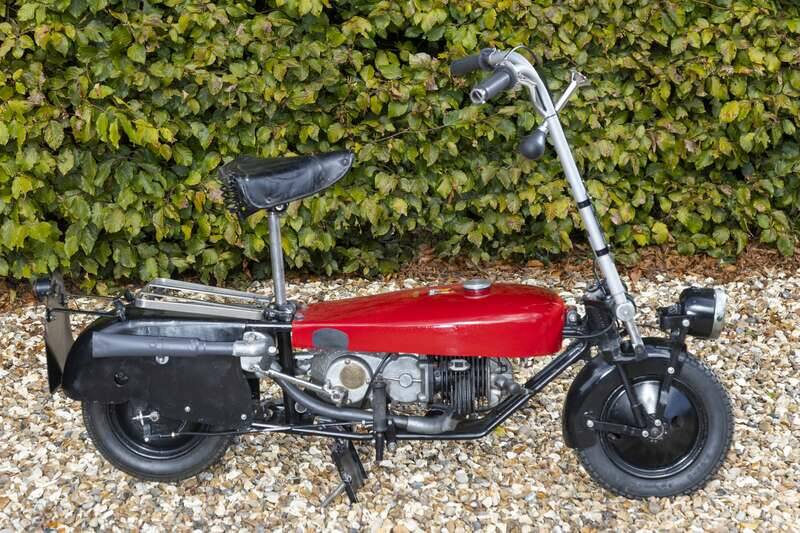
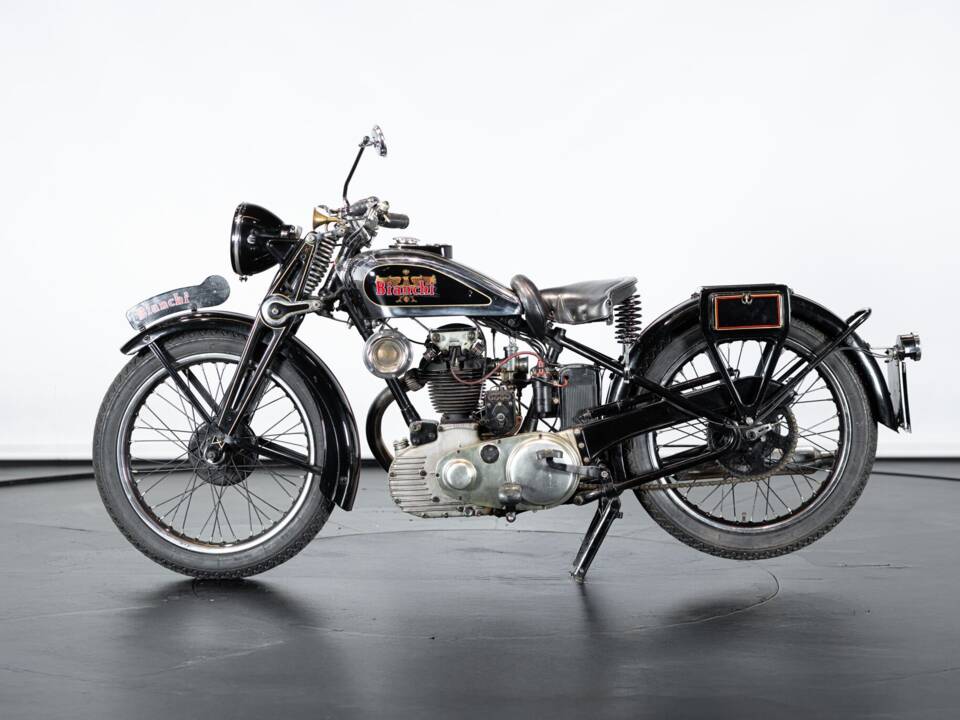
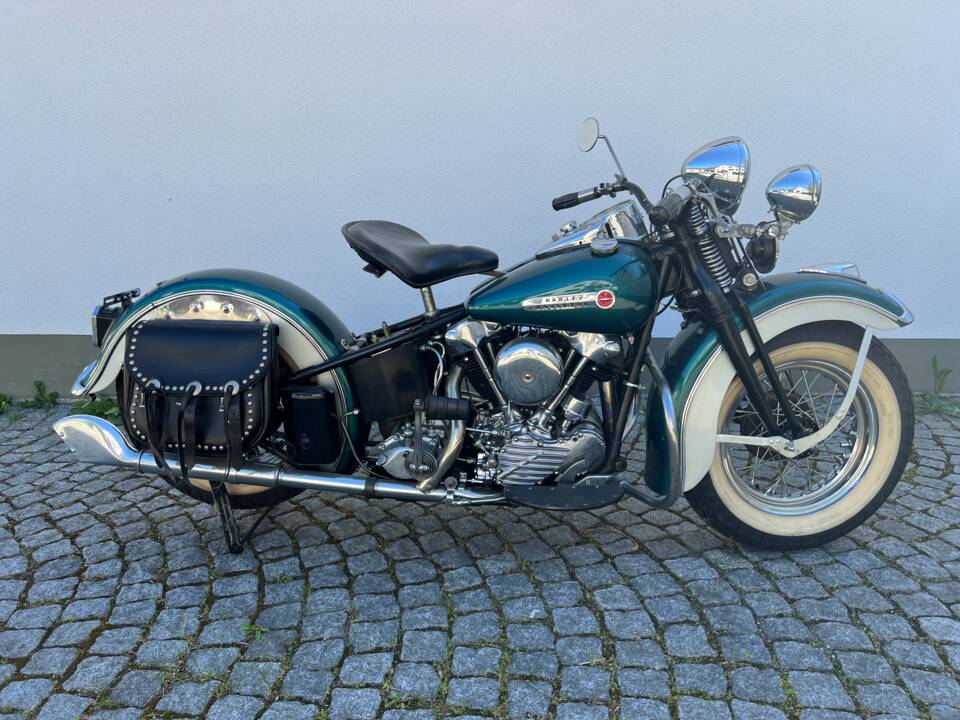
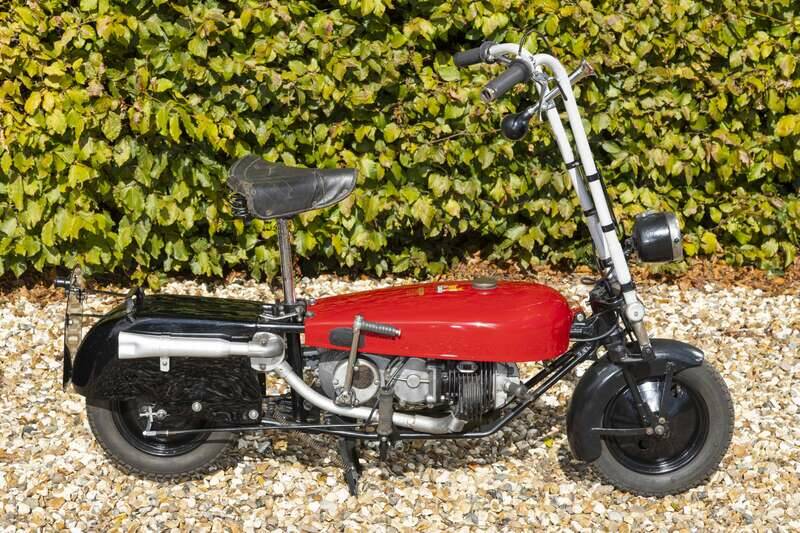
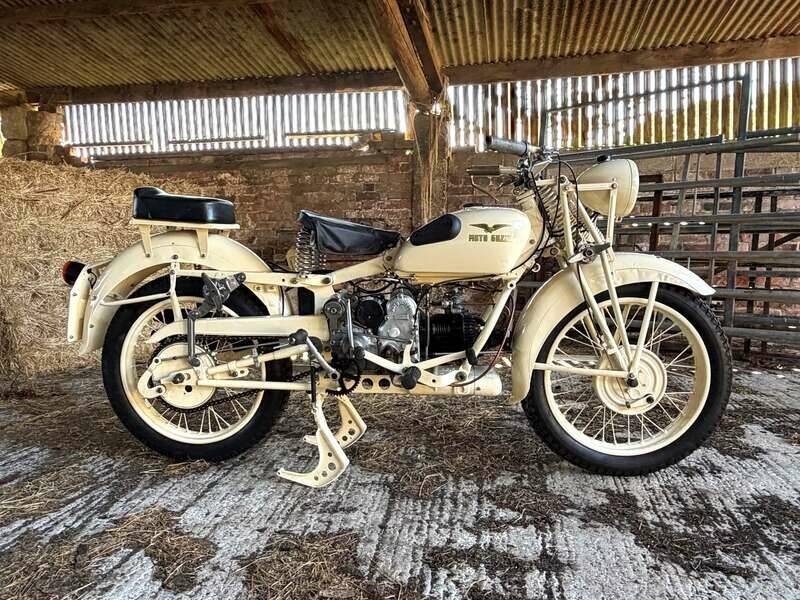
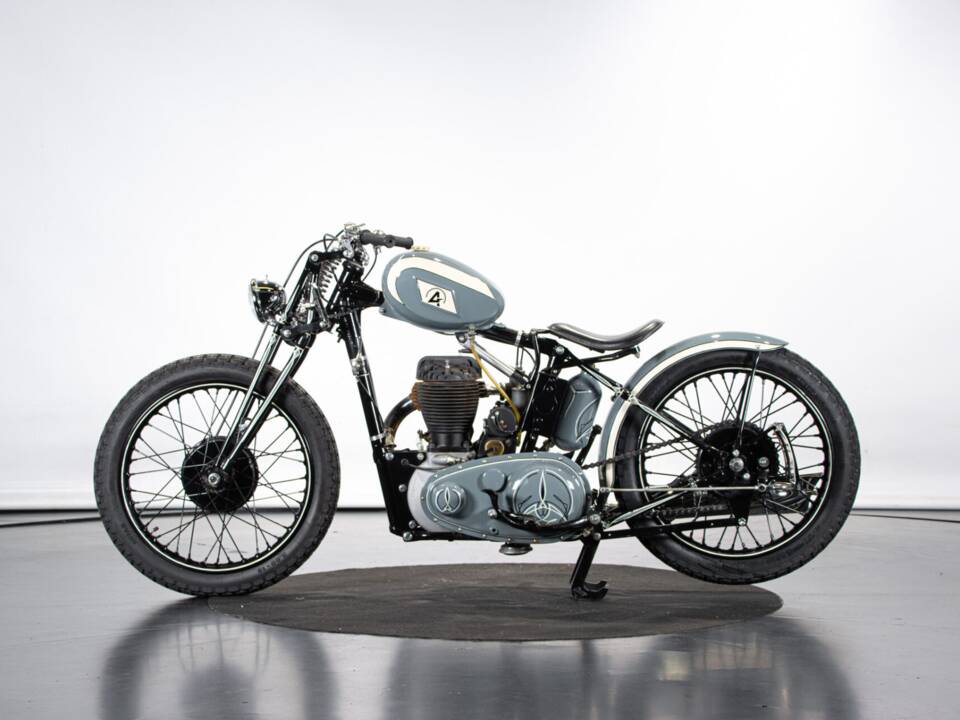
BSA M20 motorcycles were widely associated with military service, and Norton, Triumph, Ariel, Matchless, Royal Enfield and Harley-Davidson supplied machines for defence and civilian use. Wartime motorcycles often had black finishes, simple equipment, canvas accessories and protective fittings, but many were rebuilt after service. A later civilian tank or replacement wheel does not automatically make a bike uninteresting; it does mean the description and valuation should distinguish surviving original parts from replacements.
Post-war machines such as the Triumph Speed Twin carried forward familiar engines and chassis layouts while offering more civilised performance. Inspect steering-head bearings, frame lugs, rear stays, fork tubes, wheel rims, spokes and brake drums. Check engine cases for crash damage and threaded repairs, then test compression, magneto output, oil return, clutch drag and gearbox selection. Six-volt charging systems, brittle insulation and tired rubber can be more important to safe use than a fresh coat of enamel.
Technology chronology and war carry-over
Wartime development improved production methods, four-wheel-drive utility vehicles, radio equipment, electrical reliability and the supply of standardised components. It did not instantly put those technologies into every civilian car. Many 1940s engines still used carburettors, contact-breaker ignition, mechanical fuel pumps, side valves or separate chassis. Hydraulic brakes, independent suspension and unitary construction were adopted unevenly. Later alternators, disc brakes, electronic ignition, fuel injection and electronic control units should be identified as later upgrades unless factory evidence says otherwise.
The post-war carry-over is often mechanical rather than cosmetic. A manufacturer might retain a pre-war engine, gearbox or suspension while fitting a new body. A former service vehicle might retain military gearing but have civilian lights and seats. Compare casting marks, number ranges, wiring diagrams and parts books with the car in front of you. This is particularly important in Australia, where imported components, local repairs and replacement engines could produce a vehicle that is historically layered rather than strictly factory-standard.
Buying and restoring a 1940s vehicle
Begin by establishing what you are buying. Photograph chassis, body and engine numbers; inspect plates for disturbed rivets; and request import, delivery, registration and restoration records. Confirm that a claimed military vehicle has a credible service trail, and that a claimed Australian-built car has evidence of local production or body work. A replacement engine can be perfectly acceptable for touring, but it should be recorded rather than quietly presented as matching.
On a car, inspect chassis rails, cross-members, spring mounts, floors, inner guards, door pillars and windscreen surrounds. Utility bodies often hide repairs beneath trays or external panels. Check cooling-system pressure, oil pressure, temperature, smoke, clutch, gearbox and differential noise. Examine mechanical or hydraulic brakes, steering play, fuel lines and wiring before driving. On a Beetle or other unitary car, pay particular attention to floor sections, heater channels and suspension pick-up areas; on a separate-frame vehicle, the frame is the primary structural concern.
For restoration, buy completeness before shine. Correct grilles, gauges, lamps, wheels, tanks, mudguards, seats and military fittings can be difficult to replace. Photograph wiring and labels, keep removed parts, and obtain a workshop manual and parts book. Treat corrosion, timber, cooling and brakes before paint. A documented, usable car with sympathetic repairs is usually a better Australian historical object than a flawless shell assembled from unrelated parts.
Owning a post-war classic in Australia
Allow for specialist welding, machining, freight, storage and the time needed to locate period-correct components. Ask for a written inspection and inspect the underside, cold engine and damp storage areas in person. For a motorcycle, include wheel rebuilding, fork work, magneto repairs and wiring in the first budget. For a Jeep or early utility, include drivetrain, load-bearing repairs and evidence that modifications were done safely.
Before purchase, check ownership evidence and import paperwork where applicable, then contact the registration authority in the relevant Australian state or territory about current historic-vehicle, inspection, engineering and modification requirements. Rules differ between jurisdictions and may change; do not apply a national assumption or another state’s scheme. Arrange suitable agreed-value insurance, secure storage and roadside assistance. Preserve the vehicle’s war and post-war story while making only well-documented, reversible improvements where practical.