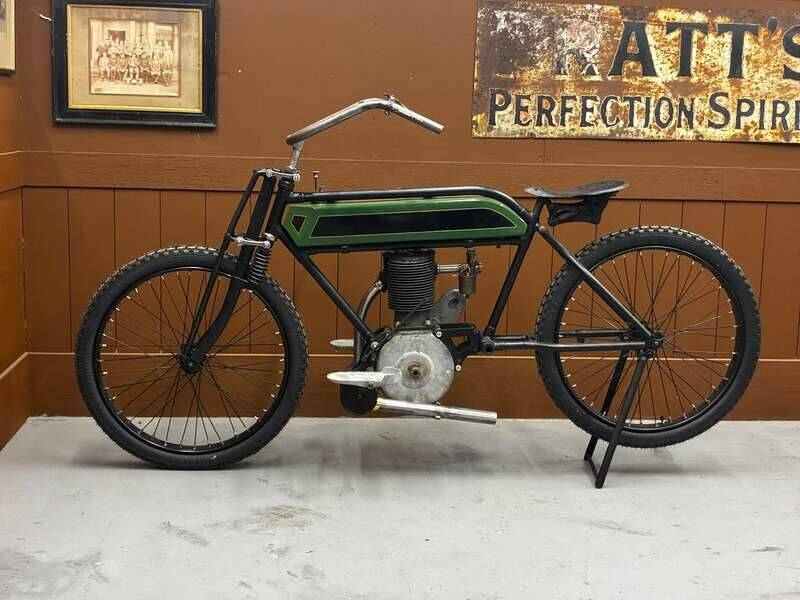
1913
Moyer B&E Series Touring
Modell B
Explore veteran-era cars and motorcycles, from imported pioneers to Australian coachbuilt survivors. Read the era and buyer guide.
Modell B

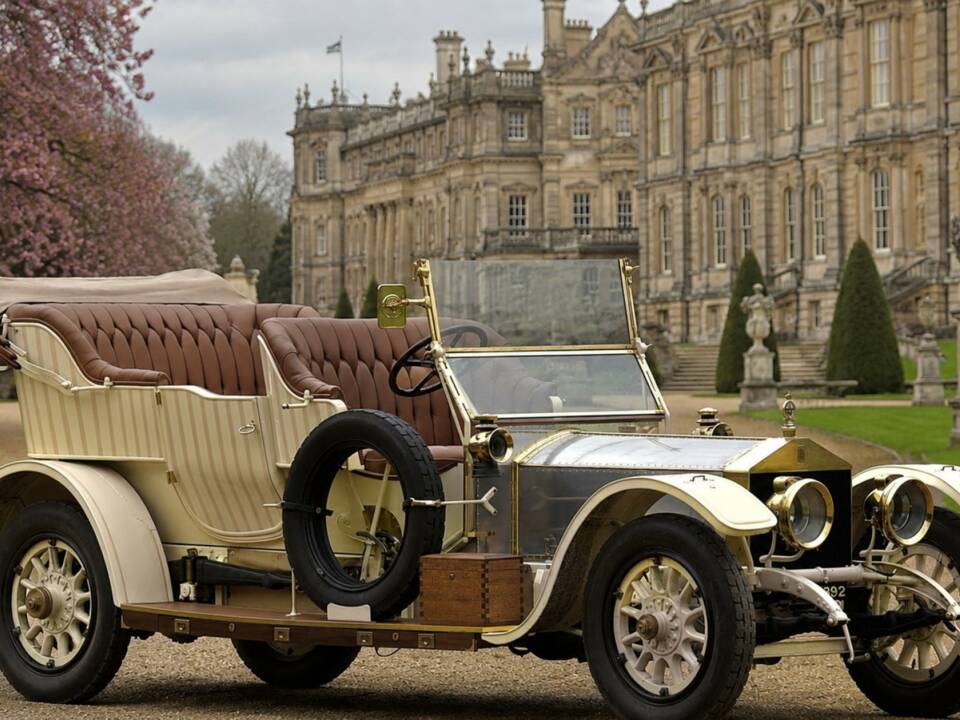

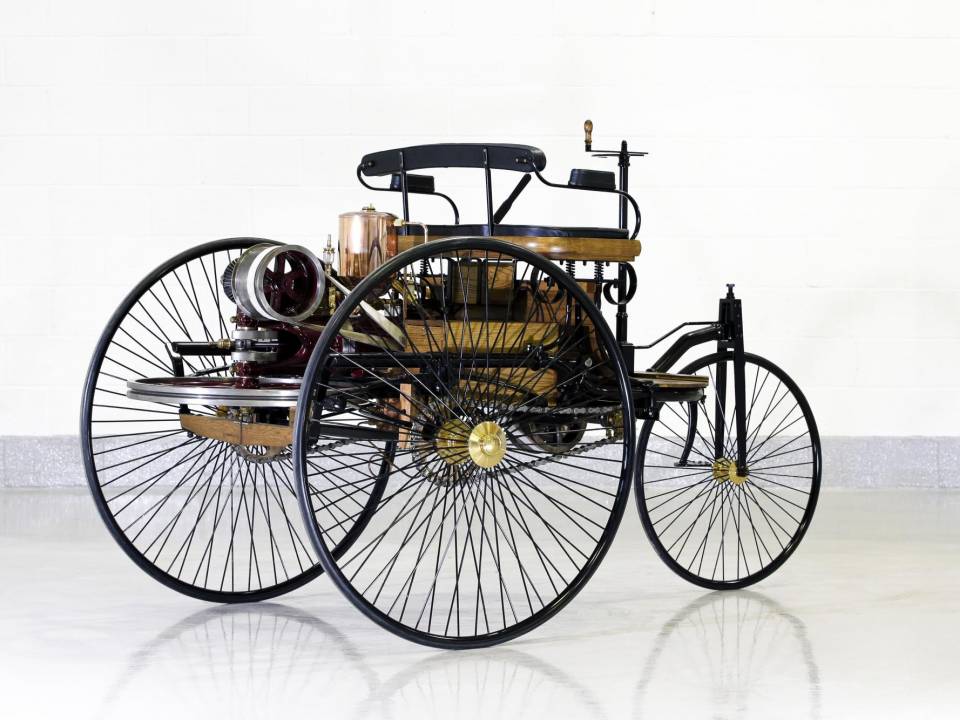
1886 Benz Patent Motor Wagen Replica

American LaFrance Type 75 Pumping Car "Unrestored and in working order" In astonishingly original condition - Even the paintwork is authentic, Delivered new in 1919 to the Ohio Huron Fire Department, "You can't get more original than this", Previous owner drove the London to Brighton run in 2016 with the LaFrance, Offered with history file and printout from American LaFrance Database,

Knight 16/45 HP Tourer


1919 Ford Pickup Truck
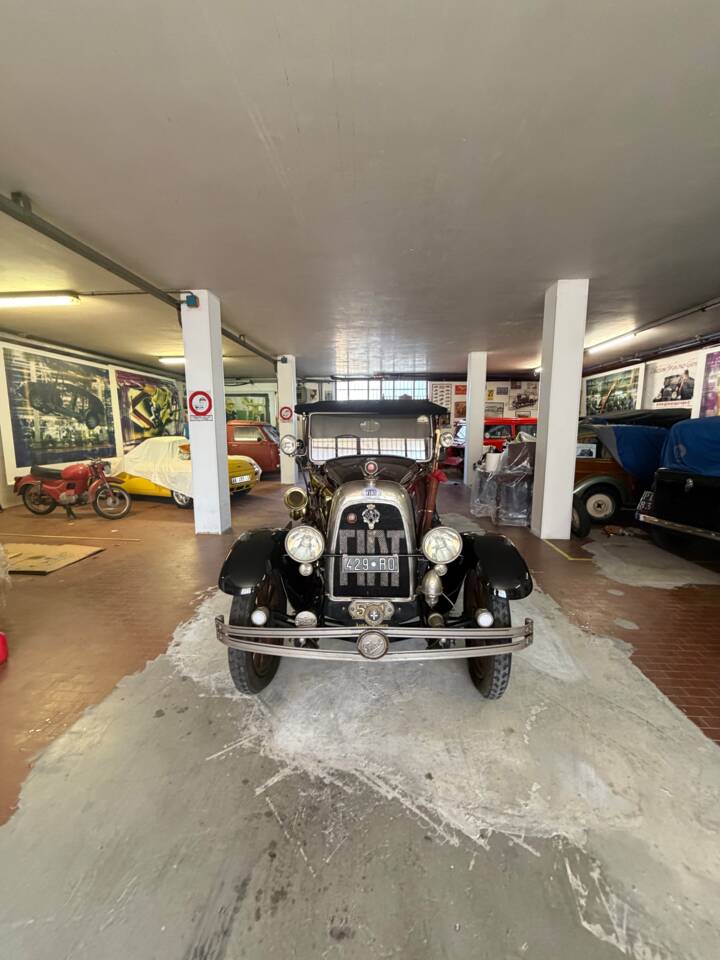
Professional concours restoration


Mercedes Jagdwagen 8.20 originales Fahrzeug mit kompletter Historie
Pre-1920 motoring was not one technology or one style of vehicle. Steam cars, battery-powered cars and internal-combustion cars all existed, while manufacturers and coachbuilders experimented with controls, suspension, brakes and body layouts. Production could range from a small workshop to an increasingly organised factory. A surviving example therefore needs to be read as an individual machine, not merely as a representative of a decade.
Australia was part of this story as an importing and adapting market. Cars and motorcycles arrived from Britain, Europe and North America through agents, dealers and private importers. Some were shipped as complete vehicles; others were supplied as rolling chassis and received bodies locally. Australian roads, distances, heat, dust and limited repair facilities encouraged practical alterations, but a local alteration is not automatically original to the manufacturer or proof of Australian delivery. The useful questions are who built it, when, where, and what evidence connects the present vehicle to that history.
The period also predates a modern assumption of standard equipment. There was no universal arrangement for pedals, throttles, ignition, lighting or starting. A veteran car could require hand cranking, a particular starting sequence and frequent adjustment. A motorcycle might use a belt primary drive, exposed chain, acetylene lighting or a magneto, depending on make and date. Buyers should be wary of descriptions that apply later equipment to an earlier machine, or that turn a familiar badge into a claim about a particular specification.
Early cars include runabouts, high-seated light cars, tourers, limousines and other bodies built around a separate chassis or a more lightly integrated structure. Ford's Model T, introduced in 1908, is important because its production system and simple mechanical layout helped make motoring more accessible; the fact that Model T production continued after 1919 does not make every example a pre-1920 car. Daimler, Peugeot, Renault, De Dion-Bouton, Benz, Rolls-Royce and other makers occupied very different parts of the market. A name on a bonnet is only the beginning of identification.
Australian cars might carry a body made by a local coachbuilder, and the body can be as significant to the vehicle's identity as the imported chassis. Look for construction clues: timber framing, hand-shaped panels, coachbuilder plates, trim patterns, joinery and period repairs. A replacement body may be a well-executed, documented solution, but it should not be presented as factory coachwork without evidence. Likewise, a later engine, gearbox, radiator or magneto may make a car usable while changing its originality and value.
On inspection, start with the frame and its geometry. Look for cracks around spring mounts, repairs near cross-members, corrosion hidden by paint, distorted rails and holes added for later equipment. Examine timber for rot at joints, floor edges, body mounts and areas exposed to trapped moisture. Thin panels can hide filler, torn fasteners and repeated patching. Check that doors, bonnet panels and floorboards fit without forcing them. A shiny finish can conceal structural work that is harder and more expensive than an untidy but complete car.
The engine deserves a cold-start assessment rather than a demonstration after the seller has warmed it. Establish how fuel is delivered, how ignition is set, whether lubrication is total-loss or circulating, and what oil and coolant the engine requires. Listen for bearing noise, piston slap and valve-train distress; check smoke, oil pressure where a gauge exists, coolant contamination and leaks. Do not crank an unfamiliar engine without learning its procedure. A specialist can identify seized components, weak compression and missing proprietary parts before a buyer commits to transport or restoration.
Pre-1920 motorcycles were often light, exposed machines rather than scaled-down versions of later touring bikes. Frames, forks and tanks varied considerably. Engines could be mounted in a frame or below it, with belt, chain or direct drive arrangements. Indian, Harley-Davidson, Triumph, Douglas and other marques produced machines in this broad period, but model-year detail matters. A motorcycle advertised by a familiar name may have a replacement frame, later engine or reproduction tank.
Inspect the frame for brazed or welded repairs, altered brackets, stretched mounting holes and corrosion inside tubes. Girder forks need careful examination at pivots, spring mounts and steering head bearings. Check wheel rims, spokes, hubs and axle threads; old tyres can look presentable while being unsafe. Brakes may be rudimentary and their operation must be assessed without assuming that a lever has modern stopping power. A sidecar frame, luggage rack or auxiliary equipment needs an inspection of its mounts and load paths, not just its appearance.
Magnetos, carburettors, contact points, cables and tanks are common sources of trouble. Test a magneto from cold and establish whether it has been converted, rewound or replaced. A tank can contain internal corrosion or old lining that contaminates fuel. A belt may require correct tension and alignment, while an exposed chain needs guards, lubrication and sound sprockets. Period lighting could involve acetylene equipment or early electrical systems; modern wiring should be traceable and safely fused, while concealed changes should be documented rather than mistaken for period specification.
Motorcycles imported to Australia could be adapted for local touring, transport or competition. A rack, different gearing, a sidecar or a locally made mudguard may tell a useful story. It can also create fatigue, clearance and braking problems if poorly fitted. Ask for photographs and receipts, and keep removed parts with the machine when a reversible safety improvement is made. A right-hand control or other apparently familiar arrangement is not enough to establish Australian origin. Frame numbers, factory records, import papers, registration history and continuous ownership evidence are stronger clues.
The technologies of this period need to be understood on their own terms. Petrol engines commonly used carburettors and magnetos; ignition timing might be manually controlled. Steam cars required a boiler, burner, water management and disciplined preparation. Electric cars depended on heavy battery packs and charging arrangements that differed from modern electric vehicles. These systems are not interchangeable, and a restorer should not substitute a later component merely because it is convenient without considering weight, voltage, controls and historical integrity.
Cooling systems, where fitted, could use a radiator and fan arrangement that is less tolerant of traffic than a modern car. Belts, hoses, soldered joints and water pumps need close examination. Some cars have unusual lubrication systems and rely on the correct grade, level and routine rather than a sealed modern service schedule. Mechanical brakes, if fitted, transmit force through rods, cables or levers. Wear at pins, bushes and pivots can reduce braking even when the linings look sound. Steering boxes, kingpins and wheel bearings should be checked for play before any road use.
Starting, stopping and manoeuvring are skills as well as mechanical tasks. A hand crank can kick back if ignition timing or procedure is wrong. A motorcycle's throttle and advance controls may not behave like later controls. Instruments may be sparse, and a driver may need to monitor sound, smell, temperature and oil rather than rely on warning lights. Practice should happen on private ground with a competent specialist. A veteran vehicle should never be judged safe simply because it can move under its own power.
Begin with identity and ownership. Record every number on the frame, chassis, engine, gearbox, axle and maker's plate, photographing the surrounding metal as well as the digits. Compare them with invoices, factory literature, club registers and import documentation. Ask which parts have been replaced and when. A seller's statement that a vehicle is matching numbers, original or Australian-delivered should be supported by specific records. RHD is not proof of Australian delivery: it can indicate a market configuration, a later conversion or an import from another right-driving country.
Inspect the vehicle in daylight and, if possible, on a hoist. Look underneath for repaired rails, fresh underseal, oil contamination and non-period fasteners. Check that the engine turns only after the correct precautions have been taken. Assess cold starting, charging, fuel leaks, cooling, clutch engagement, gearbox selection, steering return and brake balance with an appropriate expert. For a motorcycle, include fork alignment, wheel run-out, spoke tension, chain alignment, tank condition and magneto output. Written reports should distinguish safety defects, originality issues and ordinary recommissioning work.
Import and ownership costs can be substantial. Freight for a complete vehicle or a fragile body needs suitable packing; scarce parts may require pattern-making, machining or specialist casting. Confirm whether the vehicle is accompanied by customs or import papers and whether its identification is acceptable to the relevant authority. Check insurance terms before transport, particularly agreed value, laid-up restoration cover and use restrictions. Budget for storage, fire protection, fuel handling and recovery equipment rather than treating the purchase price as the project cost.
Registration and road use are not uniform across Australia. Requirements and concessions differ between states and territories, and historic or club schemes can have eligibility, inspection, logbook, membership and use conditions. A vehicle registered in one jurisdiction may not qualify in another. Contact the relevant state or territory road authority and a local veteran club before purchase, and confirm the exact rules for the vehicle's age, modifications, lighting, brakes, plates and intended use. Do not generalise from a friend's registration experience or an old number plate.
The best restoration plan begins with recording, not dismantling. Photograph fasteners, routing, upholstery, paint traces, tool brackets, wiring and body joints. Label removed parts and retain damaged originals, even if they cannot be reused. Search for factory drawings, period photographs, maker literature, club knowledge and comparable vehicles before fabricating a missing item. A replacement made to the correct evidence is more defensible than an attractive part copied from a later model.
Separate safety work from cosmetic work. A sound frame, reliable steering, effective brakes, secure wheels, safe fuel system and dependable cooling come first. Do not hide a modern master cylinder, alternator or electronic ignition if one is installed; document the change and preserve the original arrangement where practical. Any upgrade must fit the vehicle's structure and operating limits. Modern tyres can improve availability, but their size, load rating, rim compatibility and appearance still require specialist advice. A cosmetic repaint cannot compensate for cracked wood or a weak spring mount.
Some cars are better preserved with honest, stabilised finishes than stripped and rebuilt to an imagined showroom condition. Patina is not a substitute for safety, and originality is not an excuse to leave a dangerous repair. A historically informed restoration may retain an Australian body, a documented local repair or a period accessory while correcting hidden deterioration. The important distinction is between evidence-based preservation and unrecorded alteration. Keep a dated file with receipts, measurements, photographs, machine-shop notes and the names of replacement parts.
Early motoring in Australia was constrained by distance and road surfaces. Dirt, dust, corrugations, mud and limited services made cooling, lubrication, tyres and field repairs important. Reliability trials and motoring clubs helped demonstrate vehicles and build practical knowledge, while longer journeys exposed weaknesses that a short city demonstration might not reveal. Such history should not be turned into a claim that every local car was modified for country work; the individual vehicle's photographs and records are needed.
Today, veteran rallies, displays and club events can provide safer, slower contexts for use. They are not a replacement for a mechanical inspection. Plan a route with recovery options, carry suitable tools and spares, and avoid modern traffic where the vehicle's speed, lighting and braking leave too little margin. Consider heat, water crossings and dust when choosing an outing. A car or motorcycle that is complete and correctly operated can be rewarding without being used as an everyday commuter.
Australian motorsport history also includes early hill climbs, trials and speed events, but competition preparation often changed machines. A period competition body, altered gearing or special equipment can be significant when documented; a later replica should be described as such. Verify event photographs, entrant records and component dates before attaching a competition provenance claim. This is especially important where an attractive story has outlived the paperwork.
The central buying rule is simple: verify the exact machine. Pre-1920 vehicles vary too much for a decade label or badge to answer questions about brakes, body, ignition, delivery market or registration. Take time to identify the chassis, obtain an independent inspection and understand the local legal pathway before paying a deposit. A documented Australian history can be valuable, but it must be demonstrated rather than inferred from RHD, a local-looking body or a seller's memory.
It is a car or motorcycle built before 1920, whether imported complete, imported as a chassis, or subsequently bodied or modified in Australia. The build date and the individual vehicle's evidence matter more than a broad veteran label.
Check identity, title, import history, frame, timber, engine, steering, brakes, wheels, tyres, cooling and electrical equipment. A specialist should inspect it cold and compare the numbers and body with period evidence.
Possibly, but registration, concessional schemes, inspections and permitted use vary between Australian states and territories. Ask the relevant authority and an experienced local club before relying on a seller's registration claim.
No. Right-hand drive was used in several markets and a car may have been converted, rebodied or imported later. Seek delivery, import, registration and ownership evidence rather than treating steering position as proof.
Join 100,000+ subscribers getting hand-picked listings
Receive hand-picked collections of the most interesting cars, motorbikes, and auction listings on Classic Trader — straight to your inbox.