- Motorcycle
- Cagiva (2 offers)
Buy Cagiva Motorcycles
From sheet metal manufacturer to Dakar conqueror: Cagiva transformed the motorcycle world through acquisitions of Ducati and MV Agusta, plus legendary desert victories. Discover Italian engineering from the nimble Mito to the formidable Elefant.
Search results
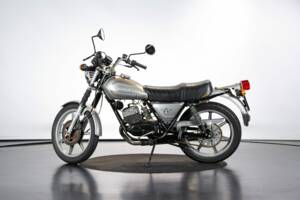
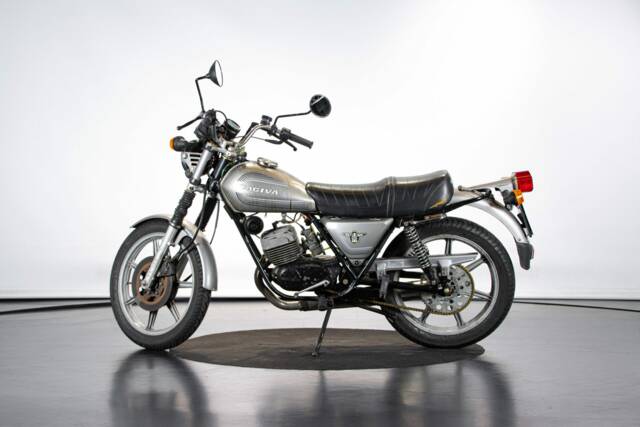
1982 | Cagiva SST 125
Cagiva 125 SST
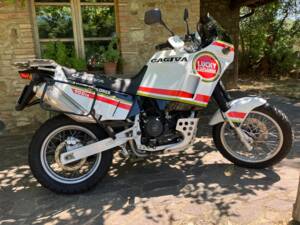
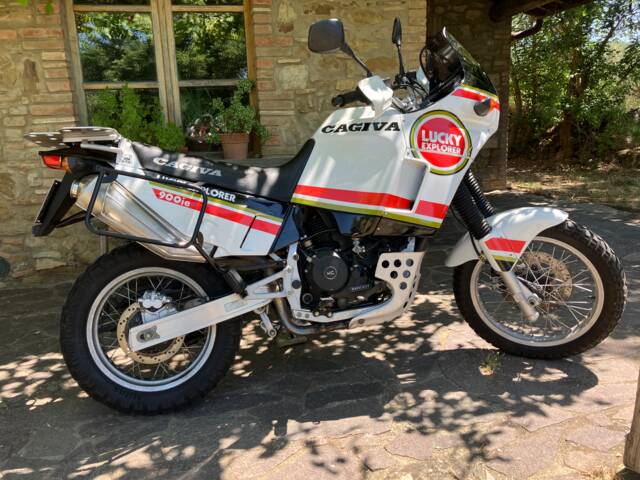
1991 | Cagiva E900 Elefant
Elefant 900 ie
Cagiva listing references from Classic Trader
Below you will find listings related to your search that are no longer available on Classic Trader. Use this information to gain insight into availability, value trends, and current pricing for a "Cagiva" to make a more informed purchasing decision.
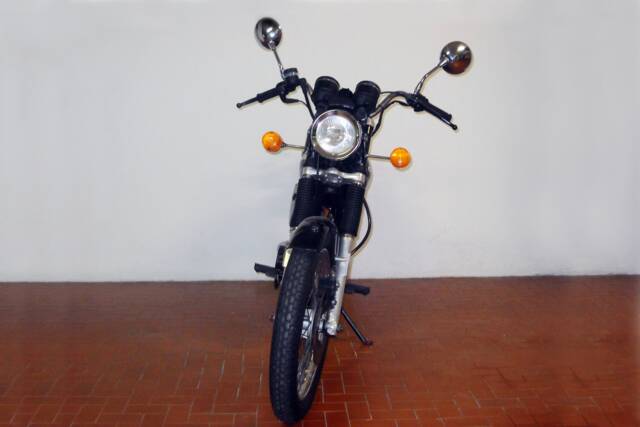
1980 | Cagiva SST 125
HD Cagiva
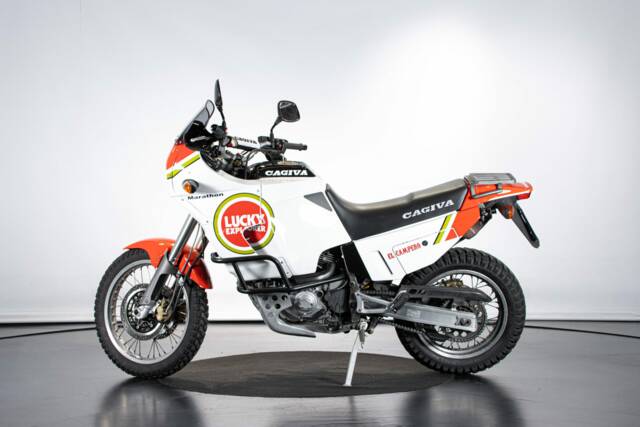
1997 | Cagiva E900 Elefant
Cagiva ELEFANT E 900 AC
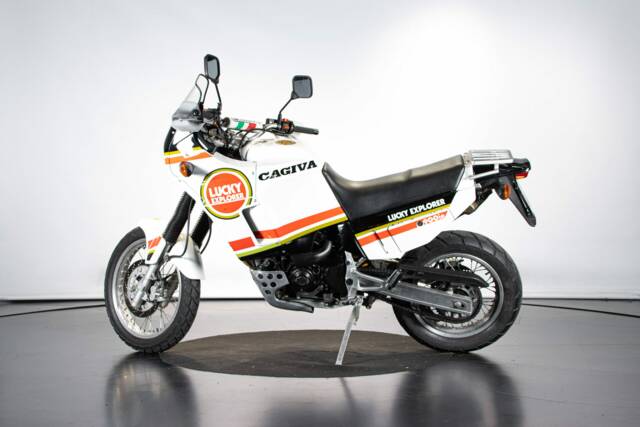
1993 | Cagiva E900 Elefant
Cagiva ELEFANT 900 IE
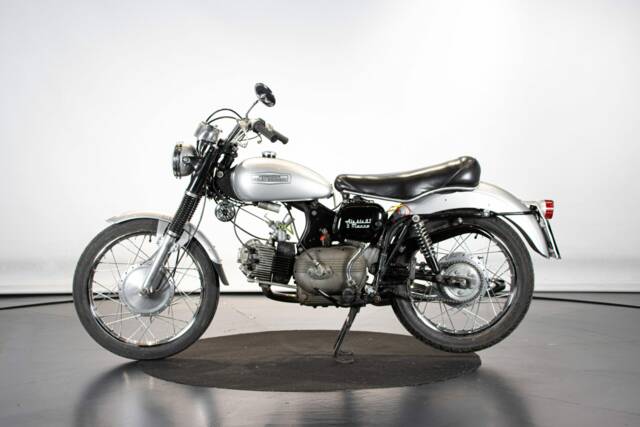
1970 | Cagiva SX 250 Ala Blu
ALA BLU 250 GT
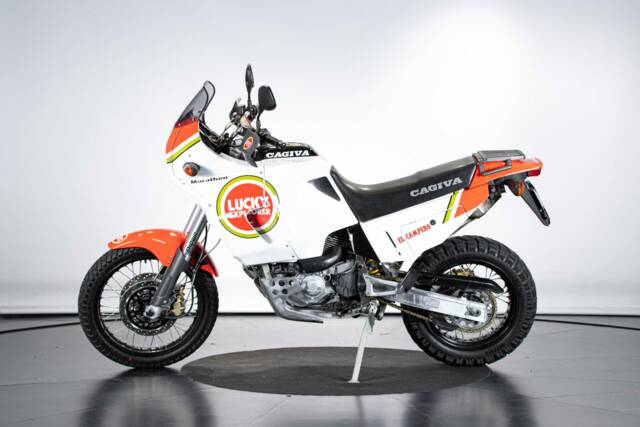
1995 | Cagiva E900 Elefant
Cagiva ELEFANT 900 DESMODUE
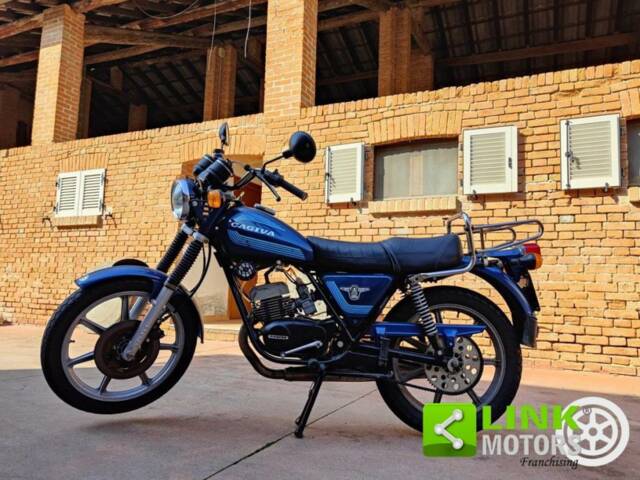
1981 | Cagiva SST 125
-
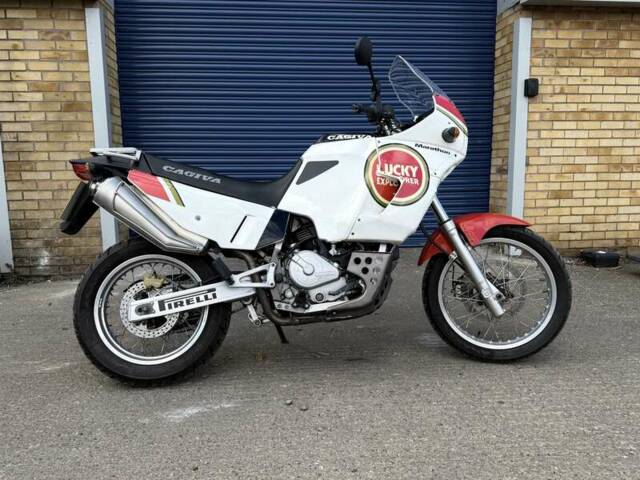
1994 | Cagiva E900 Elefant
1994 Cagiva Elefant 750 748cc

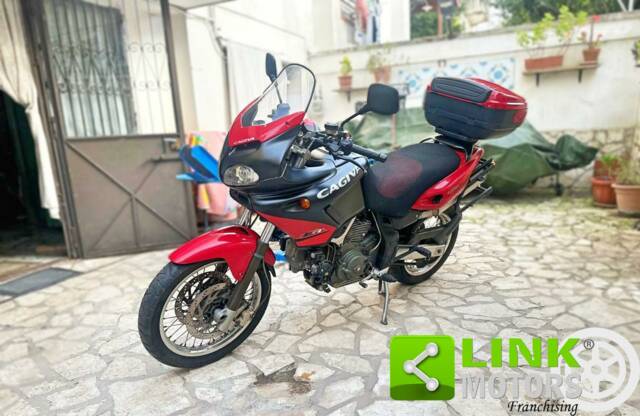
2000 | Cagiva Gran Canyon 900ie
CAGIVA Gran Canyon 900 900
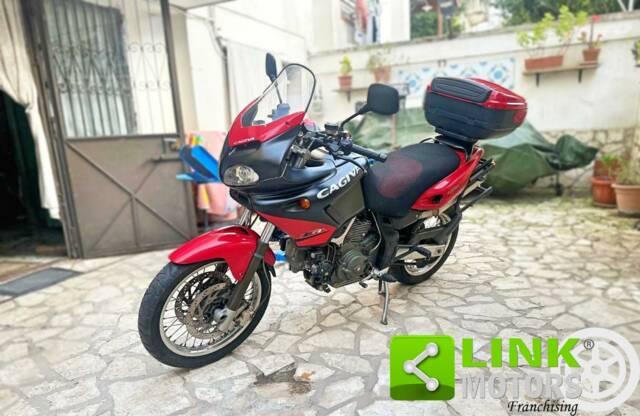
2000 | Cagiva Gran Canyon 900ie
CAGIVA Gran Canyon 900 900
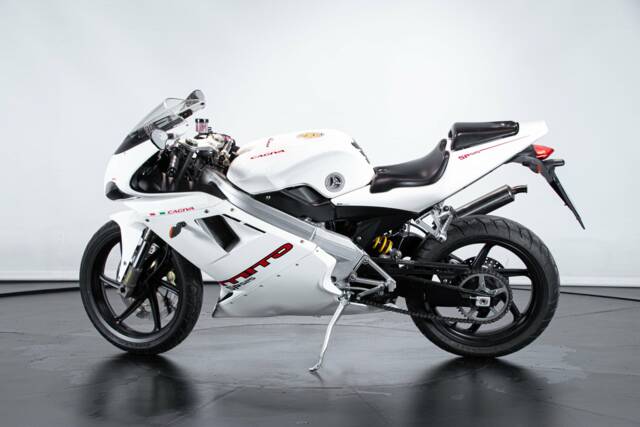
2011 | Cagiva Mito 125
-
History & Heritage
The story of Cagiva is one of the most ambitious narratives in twentieth-century Italian industrial history. It all began in 1950 in Varese, a city in Lombardy renowned for its metalworking industry. Giovanni Castiglioni established a factory there for sheet metal components. The brand name itself is a direct legacy of its founder: CAstiglioni GIovanni VArese. In its early decades, the company produced no vehicles but specialised in small parts, pressings, and metal components for various industrial sectors.
The decisive turning point came in 1978. Giovanni's sons, Claudio and Gianfranco Castiglioni, took over and harboured a vision that extended far beyond sheet metal. They were passionate motorsport enthusiasts and recognised the potential of the motorcycle market. The opportunity was timely: American giant AMF-Harley-Davidson wanted to divest its Italian subsidiary Aermacchi, located in Schiranna on the shores of Lake Varese. The Castiglionis purchased the factory complete with infrastructure, tooling, and workforce. This laid the foundation for an empire that would forever change the European motorcycle landscape.
The first models bearing the Cagiva name were small two-stroke machines with 125 and 250 cc displacement, heavily based on existing Aermacchi technology. Yet the brothers wanted more than just commuter bikes. They understood that racing success was the key to brand building and prestige. By 1979, they were competing in the 500 cc World Championship, the pinnacle of motorcycle racing.
Throughout the 1980s, Cagiva expanded with an aggression rarely seen in the industry. In 1983, they signed a groundbreaking agreement with Ducati to use their air-cooled V-Twin engines in their own models. Just two years later, in 1985, they acquired Ducati outright when the Bologna marque faced serious financial difficulties. Strategic acquisitions followed: Husqvarna (1987), the Swedish off-road icon; Moto Morini (1987); and finally the prestigious revival of MV Agusta in 1991. Cagiva became the lifeline of the Italian motorcycle industry. Without the financial commitment and entrepreneurial courage of the Castiglionis, brands like Ducati might not exist in their current form.
The greatest sporting triumph came in 1990 when Edi Orioli won the Paris-Dakar Rally aboard a Cagiva Elefant 900. This victory was a thunderbolt: it ended years of Japanese dominance from Honda and Yamaha, cementing Cagiva's reputation as a builder of robust, capable long-distance machines that could withstand the world's harshest conditions. A second Dakar victory followed in 1994, solidifying the Elefant's status as one of the finest adventure bikes of its era.
By the late 1990s and early 2000s, the Castiglioni empire faced financial strain. Expansion had been costly, and the market was shifting. Ducati was sold to the Texas Pacific Group in 1996 to settle debts. Cagiva's own model production was gradually reduced as focus shifted to reviving MV Agusta, which achieved world success under Claudio Castiglioni's leadership and designer Massimo Tamburini's vision with the F4 750. The last Cagiva rolled off the line in 2012. Today, the brand is a coveted collector's item, representing an era when Italian courage, technical independence, and uncompromising design challenged world markets.
Highlights & Distinctive Features
Cagiva motorcycles are distinguished by a unique blend of technical pragmatism and Italian flair. While other manufacturers often insisted on isolated in-house developments, Cagiva mastered integration and collaboration.
A central highlight of the early years is the Alazzurra 650 (1985-1989). It was the first tangible result of the Ducati partnership. Essentially a Ducati Pantah dressed in modern, sporty Cagiva clothing. With its 650 cc V-Twin, characteristic desmodromic valve actuation, and sturdy tubular steel frame, it offered genuine Ducati character at a price accessible to a broader audience. In Australia, it became known as the "sensible Ducati"—Italian temperament combined with everyday practicality.
The Elefant series (1985-2000) is undoubtedly the brand's most celebrated legacy. From the small 125 for newcomers to the mighty 900 for world travellers, it covered the entire adventure bike spectrum. The Elefant 900ie with the Ducati 900 SS engine is today an absolute cult machine. Its design—distinctive twin headlights, enormous fuel tank, and the iconic "Lucky Explorer" livery inspired by Lucky Strike sponsorship—is instantly recognisable. It was one of the first true "adventure bikes" that were genuinely off-road capable whilst remaining composed on the motorway.
For the younger generation of the 1990s, the Cagiva Mito 125 was the benchmark. Styled by legendary Massimo Tamburini, it looked like an exact, albeit smaller, copy of the Ducati 916. With its highly tuned single-cylinder two-stroke engine, the open version produced up to 30 PS. At a time when 125s were often dull, the Mito was a radical supersport in pocket-sized form. It featured an aluminium bridge frame and premium Brembo brakes—technology typically found only on larger machines.
In the late 1990s, Cagiva attempted to modernise the Elefant concept. The result was the Gran Canyon 900 (1998-2000). It used the proven 900 cc Ducati engine but adopted a more modern, curve-oriented chassis with a 19-inch front wheel. It was the precursor to what we now call "crossover" or "street-enduro" bikes. Shortly after came the Navigator 1000, where Cagiva first employed Suzuki's 1000 cc V-Twin—an engine renowned for reliability and enormous power delivery.
Another late highlight was the Cagiva Raptor series (650 and 1000). Again partnering with Suzuki, the design came from Miguel Galluzzi, creator of the Ducati Monster. The Raptor was Cagiva's answer to the naked bike boom. It combined Japanese engine reliability with Italian frame design and handling. The Raptor 1000 remains one of the finest-handling naked bikes of its era.
Technical Specifications
Here are the detailed specifications of the most important models for collectors and riders in Australia.
Cagiva Elefant 900ie (1990-1992)
Cagiva Raptor 1000 (2000-2005)
Cagiva Mito 125 (Evo model, circa 1995)
Market Overview & Buying Tips
The market for Cagiva motorcycles in Australia is a niche for knowledgeable enthusiasts. Since the brand ceased production over a decade ago, it is exclusively a used and classic market. Prices for well-maintained examples have risen noticeably in recent years.
Australian Price Guide (2024-2025)
Australian prices tend to be higher than European markets due to import duties, shipping costs from Europe, and the smaller local supply. Expect to pay a premium when sourcing from overseas dealers like Wemoto Australia or EuroBrit, which specialise in European classics.
- Cagiva Mito 125: The entry-level model. Early "Seven Speed" versions or sought-after "Evo" models in original condition trade between A$5,000 and A$9,000. Verify the machine hasn't passed through numerous owners.
- Cagiva Elefant 900: Prices for Dakar replicas (Lucky Explorer) have surged. A well-maintained 900ie or later 900 AC costs between A$12,000 and A$19,500 today. Exceptional low-kilometre examples can exceed this. Smaller 750 models are available for A$6,500 to A$10,500.
- Cagiva Raptor 1000: The insider's tip for riders seeking performance. Expect to pay A$5,000 to A$8,000 for an extremely potent naked bike. The 650 Raptor is similarly priced but rarer.
- Cagiva Gran Canyon / Navigator: These offer substantial motorcycle for the money. A good Gran Canyon costs roughly A$4,500 to A$6,500, whilst a Navigator with the Suzuki engine typically ranges from A$5,000 to A$7,500.
- Cagiva Alazzurra: A rare classic. Prices usually fall between A$6,500 and A$10,500, depending on originality.
What to Check When Buying (Detailed Checklist)
Spare Parts Availability (Critical): This is the most important consideration for any Cagiva purchase. Whilst engine parts for Ducati-based models (Elefant, Alazzurra, Gran Canyon) and Suzuki-based models (Raptor, Navigator) are available through respective brand channels or specialists, Cagiva-specific components are problematic. Fairings, headlights, fuel tanks, and seats are found almost exclusively second-hand. In Australia, local stock is virtually non-existent. Shipping from Europe via Wemoto Australia or EuroBrit adds significant cost and time. Inspect plastic components carefully for cracks or brittleness.
Electrics and Regulators: Italian motorcycles from the 1980s and 1990s often suffer from heat dissipation issues in charging regulators. A failed regulator can destroy the battery and potentially the entire electrical system. During inspection, check the charging voltage at the battery with the engine running (should read 13.5–14.5 volts). Ask for service records confirming regulator condition.
Desmodromic Valve Maintenance: For models with Ducati engines, valve clearance is paramount. Desmodromic adjustment is time-consuming and requires expertise. Request documentation of the last timing belt change (every 2 years or 20,000 km) and valve adjustment. A snapped timing belt means engine death.
Two-Stroke Specifics (Mito): Mito engines are highly tuned. Piston replacement is advisable every 10,000–15,000 km to prevent cylinder damage. Listen carefully to the engine note—metallic rattling suggests worn bearings or piston rings. Verify the oil pump functions correctly or whether the bike has been converted to pre-mix fuelling.
Rust on Frame and Exhaust: Particularly Elefant models were often ridden in winter or off-road. Inspect the frame (especially around swing arm attachment points) and original exhaust for corrosion. Replacement exhausts are scarce and expensive.
Import and Compliance: If importing from Europe, verify the bike meets Australian Design Rules (ADR) or budget for compliance modifications. Shipping costs from Europe typically range from A$1,500 to A$3,000 depending on the bike's size and your location. Factor in customs duties and GST.
Service History: Request complete service records. Cagivas require specialist knowledge; not all mechanics are familiar with their quirks. Establish a relationship with a Ducati or Italian bike specialist before purchasing.
Riding Experience & Performance
Riding a Cagiva means forging an emotional connection with your machine. These are not clinically perfect motorcycles but bikes with character and personality that reward an engaged riding style.
The Elefant 900 delivers a majestic, almost regal riding experience. You sit upright and commanding above the road. The Ducati V-Twin supplies a meaty, pulsing torque from low revs. On the winding roads of the Blue Mountains or the coastal runs of the Great Ocean Road, it reveals its strengths. The chassis, often equipped with premium Marzocchi and Öhlins components, absorbs imperfections smoothly whilst providing enough feedback for spirited cornering. The sound—a deep, guttural growl—is unmistakable.
The Mito 125 is the polar opposite. It is a precision instrument for the track or tight country roads. Its light weight and stiff frame permit lean angles that riders of larger machines can only dream of. The engine demands attention: below 7,000 rpm, little happens, but once the exhaust port opens, there is a tangible surge, and the machine storms toward 11,000 rpm. It is a purist's experience requiring concentration and smooth throttle control.
The Raptor 1000 combines the best of both worlds. The Suzuki engine is a powerhouse—more refined than older Ducati twins but with enormous punch. Paired with the nimble Italian chassis, it becomes a "country road weapon". The Raptor steers with playful ease and remains stable through fast corners. The Brembo brake system remains excellent by modern standards.
Design & Aesthetics
Design at Cagiva was never merely functional but an expression of identity. The Castiglionis had a talent for engaging the finest designers of their era.
The Elefant defined the modern adventure bike aesthetic. Its functional design—large protective fuel tank, tall front end—was pioneering. The "Lucky Explorer" graphics are now cult icons, frequently cited as retro design inspiration on contemporary motorcycles. It is an aesthetic radiating adventure and wanderlust.
The Mito may be the most beautiful 125 ever built. That Massimo Tamburini was permitted to transpose the lines of the legendary Ducati 916 almost exactly onto the small Mito was a masterstroke. Every line, from headlight to tail fairing, feels purposeful and dynamic.
The Raptor represents the transition to modern, aggressive naked bike styling. The tubular steel frame is deliberately exposed, the lines muscular and compact. It is a timeless design that does not age. Cagiva proved here that without directly copying a Ducati model, they could establish their own strong visual language.
Racing Heritage & Culture
Cagiva was a motorsport force, often battling the overwhelming Japanese competition—and winning. The 1990 and 1994 Dakar victories by Edi Orioli are legendary. They demonstrated that an Italian team with passion and technical innovation could win the world's toughest rally.
In the 500 cc World Championship, Cagiva was the proud underdog. The red Cagiva C594 is regarded today as one of the most beautiful racing motorcycles ever built. When Eddie Lawson scored Cagiva's first Grand Prix victory in the rain at Hungary in 1992, the entire pit crew wept—it was a victory of heart over budget. John Kocinski later achieved further success on the marque.
In Australia, Cagiva has a small but fiercely loyal following. Whilst large brand clubs no longer exist, enthusiasts are well-connected through forums and classic bike gatherings. Owning a Cagiva often means becoming part-mechanic or cultivating a relationship with a very good one. It is a culture of preservation and pride in a brand that dared to be different.
Sourcing Parts in Australia
One of the greatest challenges for Cagiva owners in Australia is parts availability. The brand's small market presence means local suppliers are virtually non-existent. However, several strategies exist:
European Specialists: Wemoto Australia and EuroBrit are the primary sources for European classics. Both maintain stocks of Cagiva parts and can arrange shipping, though costs are substantial. A simple headlight or fuel cap can cost A$50–A$150 in shipping alone.
Ducati and Suzuki Parts: For engine-related components, Ducati dealers (for Elefant, Alazzurra, Gran Canyon models) and Suzuki dealers (for Raptor, Navigator) can supply many parts. This is often more economical than sourcing Cagiva-specific items.
Online Marketplaces: eBay and specialist forums occasionally list used Cagiva parts from European sellers. Patience and persistence are essential.
Fabrication: For unique items like fairings or seat covers, local fabricators experienced with fibreglass or upholstery can create replacements, though this is expensive.
Community: Connect with other Cagiva owners through forums and classic bike clubs. Shared knowledge about sourcing and workarounds is invaluable.
Conclusion
Purchasing a Cagiva today means seeking a machine with soul and history, not merely sensible transport. Whether it is the technical refinement of an Elefant with a Ducati heart, the pure two-stroke emotion of a Mito, or the raw power of a Raptor—Cagiva offers experiences increasingly rare in today's often sanitised motorcycle world.
In Australia, owning a Cagiva is a statement. You must be prepared to invest time in maintenance and navigate parts sourcing challenges. Yet the reward is a motorcycle with genuine character, outstanding handling, and the ability to turn heads at every stop.
Cagiva: Italian passion, Varese courage, and a legacy that remains unforgotten on the roads and trails of the world.