- Motorcycle
- Piaggio (68 offers)
Buy Piaggio Motorcycles
Since 1884, Piaggio has been a cornerstone of Italian engineering, but it was the 1946 invention of the Vespa that redefined global mobility. Today, the group leads the European market, offering a blend of timeless steel-bodied classics and cutting-edge urban commuters for the discerning Australian rider.
Search results
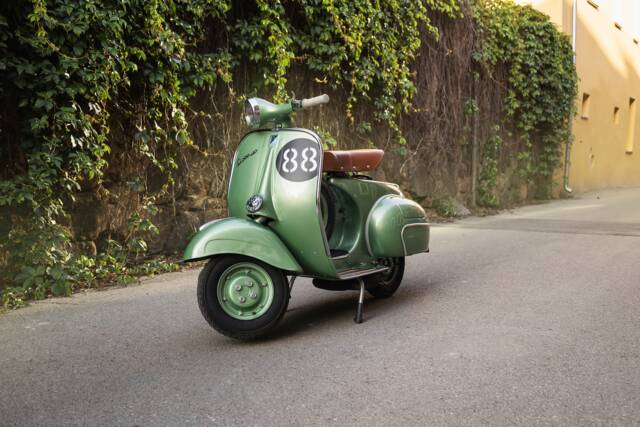
1961 | Piaggio Vespa 150
1961 Vespa 150 VBB1 | Matching Numbers | Professional 2025 Restoration | Pinasco 177
Current bid
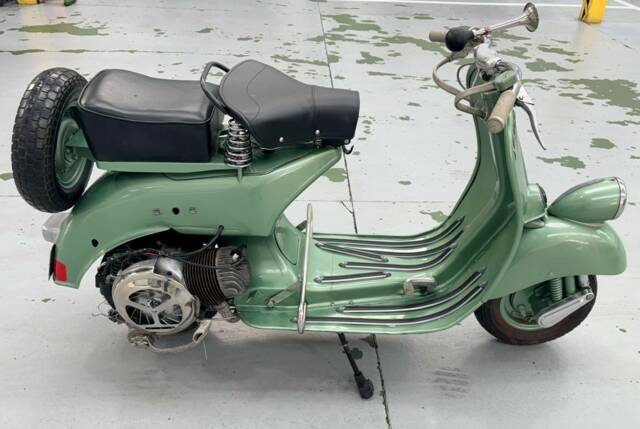
1956 | Piaggio Vespa 125
Restored 1956 Vespa Faro Basso with 125 cc two-stroke engine, historically inspired paintwork and carefully modernized technology
Current bid
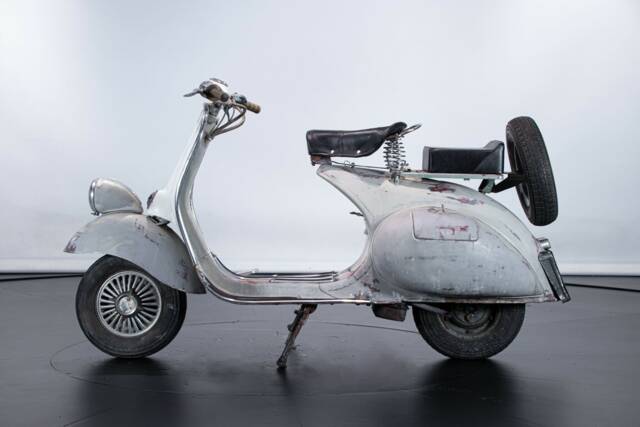
1954 | Piaggio Vespa 125
Piaggio VESPA 125 FARO BASSO

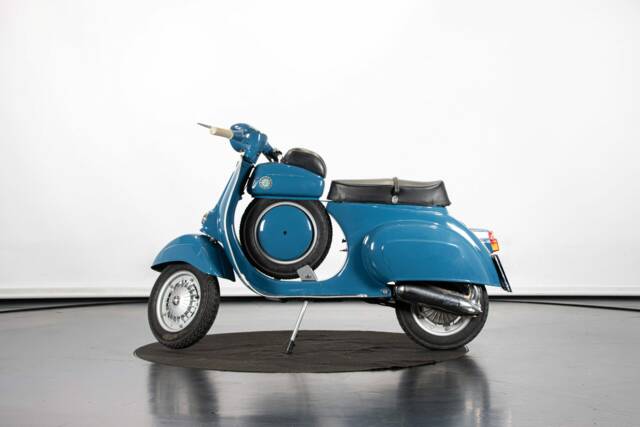
1966 | Piaggio Vespa 90 SS
Piaggio VESPA 90 SS
Newsletter
The best Piaggio listings, straight to your inbox
Get hand-picked Piaggio listings, plus the best of cars, motorbikes, and auctions on Classic Trader — all in one place.
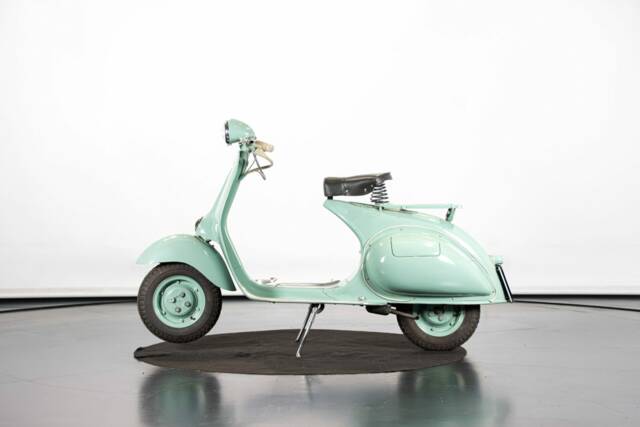
1953 | Piaggio Vespa 125
Piaggio VESPA 125 U (UTILITARIA)
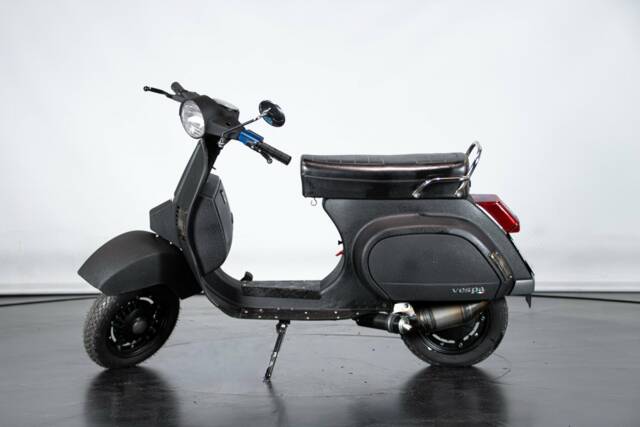
1987 | Piaggio Vespa PK 50 XL
Piaggio VESPA PK 50 XL
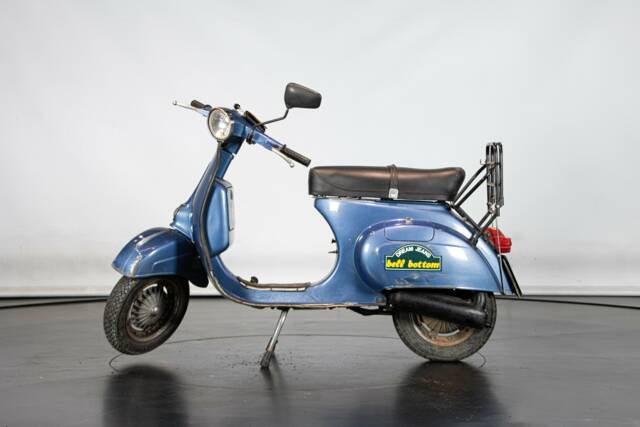
1977 | Piaggio Vespa 125 Primavera ET3
Piaggio VESPA 125 PRIMAVERA
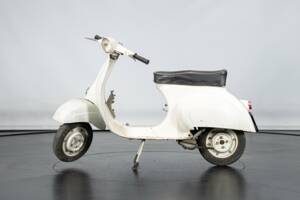
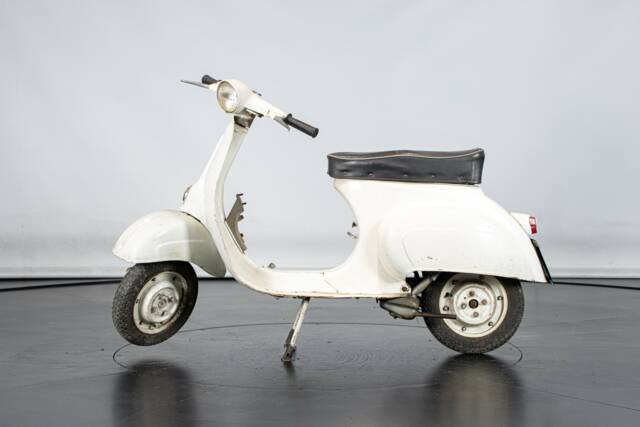
1968 | Piaggio Vespa 50 L
Piaggio VESPA 50 L
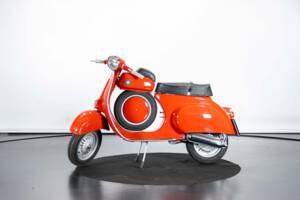
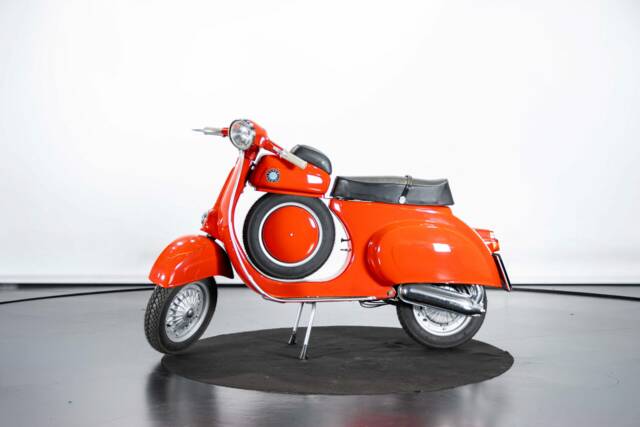
1967 | Piaggio Vespa 90 SS
Piaggio VESPA 90 SS
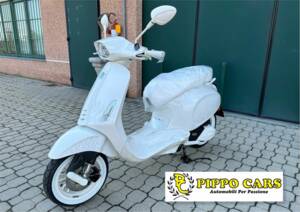
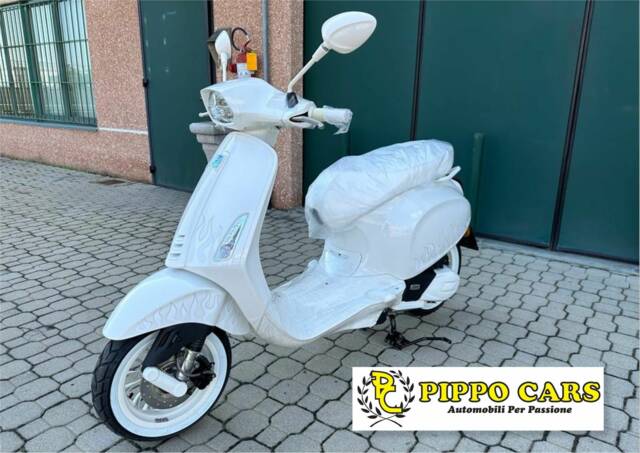
2024 | Piaggio Vespa Sprint 125 Justin Bieber
PIAGGIO VESPA SPRINT 125 LIMITED EDITION JUSTIN BIEBER
VAT is reclaimable
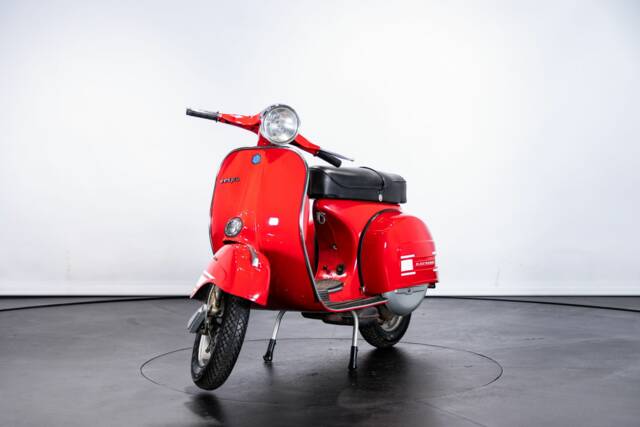
1977 | Piaggio Vespa 200 Rally
TOTALY RESTORED !!!
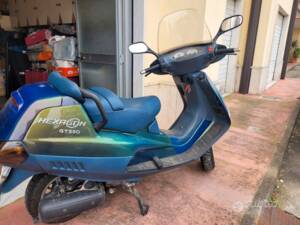
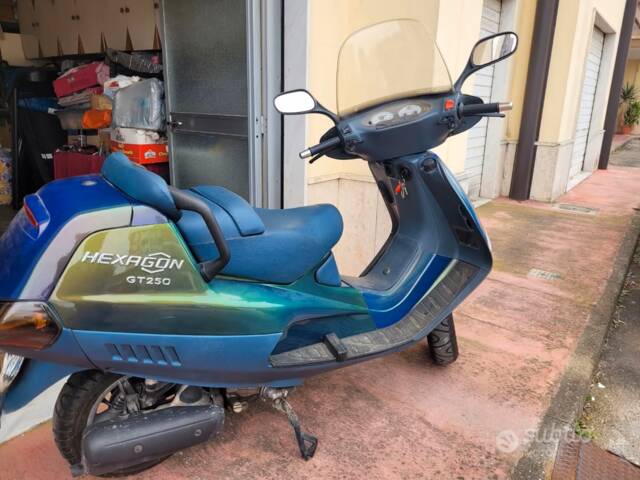
1999 | Piaggio Hexagon 250 GT
EXCELLENT CONDITION
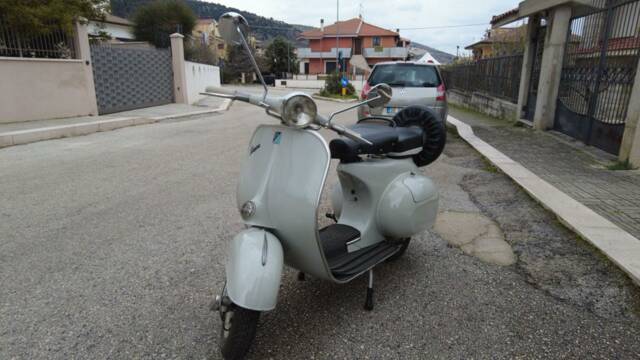
The distinctive silhouette of a Vespa, with its pressed-steel monocoque chassis, remains one of the most enduring design icons in the history of transport. For over 75 years, these scooters have rolled out of the Pontedera plant—some as practical urban runabouts, others as blue-chip collector items fetching five-figure sums at auction. Today, the Piaggio Group encompasses seven brands, including Aprilia, Moto Guzzi, and Derbi, yet the heart of the empire remains the motor scooter that rose from the ruins of World War II to put Italy, and eventually the world, back on wheels. For enthusiasts in Australia, from the vibrant cafe scenes of Melbourne and Sydney to the coastal roads of Queensland, Piaggio represents more than just a commute; it is an invitation to embrace the "dolce vita" with a uniquely European flair.
History & Heritage
The story of Rinaldo Piaggio began in 1884 in Sestri Ponente, near Genoa, with a company focused on marine outfitting. Within a few years, the focus shifted to railway carriages and, eventually, aviation. During the First World War, the Piaggio factories produced seaplanes, and by the Second World War, they were manufacturing bombers and fighter aircraft. However, in 1943, Allied bombing raids decimated the production facilities in Pontedera and Biella. Rinaldo’s son, Enrico Piaggio, was left with a ruined factory and a critical question: how to reinvent an aviation company in a country where aircraft production was now prohibited?
The answer arrived in 1945 with the MP5 "Paperino" (Donald Duck), a somewhat awkward prototype with a central tubular frame. Enrico Piaggio was dissatisfied with the design and turned to Corradino d'Ascanio, an aeronautical engineer who famously disliked motorcycles. D'Ascanio viewed traditional motorbikes as dirty, uncomfortable, and difficult to maintain, particularly when it came to changing a tyre. He set out to design the antithesis of the conventional motorcycle: a self-supporting monocoque body made of pressed steel (inspired by aircraft construction), a front hub-link suspension (eliminating the mess of telescopic forks), a rear-mounted engine (allowing for direct drive and easy wheel changes), and a step-through design that allowed riders to mount the vehicle with ease and keep their clothes clean. When Enrico Piaggio saw the refined MP6 prototype in 1946, he exclaimed, "Sembra una vespa!" (It looks like a wasp). The name stuck.
The Vespa 98 launched in April 1946, featuring a 3.2 hp 98cc engine, a top speed of 60 km/h, and a three-speed gearbox. In a war-torn Italy with crumbling roads, it provided affordable, reliable mobility for the reconstruction era. Within two years, Piaggio had sold 19,822 units. By 1948, the Vespa 125 was introduced, and by the early 1950s, licensed production had spread to Germany (Hoffmann), France (ACMA), and Spain (Moto Vespa). Hollywood provided the ultimate marketing boost: in the 1953 film "Roman Holiday", Audrey Hepburn and Gregory Peck famously rode a Vespa 125 through the streets of Rome, creating a global desire for the brand that Piaggio could never have bought with traditional advertising.
In the 1960s, Piaggio expanded the range to cater to a more diverse audience. The Vespa 150 GS (1955–1961), with its 8 hp engine and 100 km/h top speed, became a sporting milestone. The Vespa 50 (introduced in 1963) captured the youth market, while the Ape (introduced in 1948), a three-wheeled commercial vehicle, became the backbone of small-scale Italian commerce. The Ciao moped (1967–2006) became one of Europe’s most successful motorised cycles, with over 3.5 million units produced. The Vespa Rally 200 (1972–1979) was the first 200cc Vespa, combining long-distance touring capability with everyday reliability.
The 1980s and 90s saw the introduction of modern plastic-bodied scooters outside the core Vespa line, such as the Sfera, Zip, and Hexagon. In 1996, to celebrate the 50th anniversary, Piaggio introduced the Vespa ET series, including the first four-stroke models—a necessary shift to meet tightening emission standards. Since the turn of the millennium, Piaggio has expanded through strategic acquisitions, bringing Derbi (2001), Aprilia, Moto Guzzi, and Laverda (2004) into the fold. Today, Piaggio is a publicly traded company with over 6,700 employees, maintaining a dominant position in the global scooter market.
For the Australian market, the history of Piaggio is intertwined with the post-war migration boom. Many Italian immigrants brought their love for the brand to Australia, and by the 1960s, Vespas were a common sight in inner-city suburbs. While the distance from Europe meant that parts and new models often took months to arrive, a dedicated community of "Vespisti" ensured the brand’s survival. Today, Australia boasts a thriving classic scooter scene, with clubs in every major city dedicated to preserving the heritage of these Italian masterpieces.
Highlights & Features
Piaggio’s enduring success lies in its ability to balance tradition with innovation. The Vespa line (Primavera, Sprint, GTS) continues to use the signature pressed-steel monocoque chassis, providing a unique tactile feel and a level of durability that plastic-bodied competitors cannot match. In contrast, the Piaggio-branded line (Liberty, Beverly, Medley) utilises tubular steel frames with high-quality plastic fairings—lighter and more cost-effective to produce, yet still engineered with Italian precision.
The Vespa 150 GS (Gran Sport): Often cited as the most beautiful Vespa ever made, the GS (1955–1961) was the first "sporting" scooter. Its 145cc two-stroke engine produced 8 hp, allowing it to reach speeds that were genuinely impressive for the era. The GS featured 10-inch wheels (larger than the standard 8-inch wheels of the time) for better stability and a distinctive "star" hub design. For the modern collector, a well-restored GS is the ultimate prize, with Australian prices reflecting its global "blue-chip" status.
The Vespa 200 Rally: Produced between 1972 and 1979, the Rally 200 was the flagship of the "large frame" era. It was the first Vespa to feature electronic ignition (on later models), making it significantly more reliable for daily use. Its 12.5 hp engine provided enough torque for two-up riding and highway cruising. In Australia, the Rally 200 is highly sought after for its robustness and the ease with which it can be maintained using readily available parts from European specialists.
The Piaggio Ciao: While not a scooter in the traditional sense, the Ciao moped (1967–2006) is a cult classic. Its minimalist design, featuring a step-through frame and pedals, made it accessible to everyone. The Ciao used a simple centrifugal clutch or a CVT (Variomatic) transmission, making it incredibly easy to ride. In the Australian context, the Ciao is often seen as an entry-point into the world of vintage Piaggio, popular with urban dwellers looking for a stylish, low-maintenance runabout.
The Modern GTS 300: Since its introduction in 2005, the GTS has been the pinnacle of the modern Vespa range. Powered by a liquid-cooled, fuel-injected 278cc (and later 310cc) four-stroke engine, it produces up to 24 hp. It combines the classic steel-body aesthetic with modern safety features like ABS and ASR (traction control). For the Australian rider who wants the look of a classic but the reliability and performance required for modern traffic, the GTS 300 is the definitive choice.
Australian Context - The "Mod" Influence: Australia’s classic Piaggio scene was heavily influenced by the British "Mod" subculture of the 1960s. This led to a tradition of customising Vespas with multiple mirrors, spotlights, and chrome accessories. Even today, many Australian collectors prefer the "Mod" look, and finding a period-correct customised Vespa can be just as rewarding as finding a factory-original example.
Technical Data
The technical evolution of Piaggio vehicles reflects the shift from simple, air-cooled two-strokes to sophisticated, liquid-cooled four-strokes. The following table provides a comparison of key models across the decades:
Engine Philosophy: For most of its history, Piaggio relied on the single-cylinder two-stroke engine. These units are famous for their simplicity, distinctive "ring-ding" sound, and the requirement to mix oil with petrol (pre-mix), although later models like the PX featured "autolube" systems. The transition to four-stroke engines in the late 1990s brought greater fuel efficiency and lower emissions, but many collectors still prefer the character and mechanical simplicity of the vintage two-strokes.
Chassis and Suspension: The monocoque chassis is the defining technical feature of the Vespa. By using the body as the frame, Piaggio achieved a high level of rigidity while keeping the weight low. The single-sided front swingarm, inspired by aircraft landing gear, allows for rapid wheel changes—a practical feature in an era when punctures were common.
Market Overview & Buying Tips
The Australian market for classic Piaggio and Vespa scooters is robust, driven by a mix of nostalgia, style, and practical urban transport needs. However, buying a vintage Italian scooter in Australia requires a different approach than in Europe, primarily due to the geographical isolation and the specific history of imports.
Price Levels 2024-2025 (AUD)
Prices in Australia are generally higher than in Europe or the UK, reflecting the costs of original importation, shipping, and the relative scarcity of high-quality, unrestored examples.
- Vespa 150 GS (VS1-VS5): These are the "holy grail" for many collectors. A concours-quality, Australian-delivered GS can fetch between A$20,000 and A$35,000. Unrestored but complete projects are rare and typically start at A$10,000.
- Vespa Rally 200: Highly desirable for their rideability. Expect to pay A$12,000 to A$18,000 for a top-tier example. "Daily rider" condition bikes usually sit in the A$7,000 to A$10,000 range.
- Vespa PX 200: The most practical classic. Early "P200E" models (1977-1982) are favoured by purists and cost between A$5,000 and A$8,500. Later disc-brake models (PX 200 MY) are excellent commuters and fetch similar prices.
- Vespa 50 / 90 (Smallframe): Popular with younger riders and those without a full motorcycle licence (where state laws allow). Prices range from A$4,000 to A$7,500 depending on condition and engine size (90cc models are more valuable).
- Piaggio Ciao: An affordable entry point. Good, running examples can be found for A$1,500 to A$3,000.
- Modern GTS 300 (Used): A five-to-ten-year-old GTS 300 with reasonable kilometres typically sells for A$5,500 to A$8,500.
The Australian Context: Shipping and Imports
Many classic Vespas currently for sale in Australia were imported from Southeast Asia (particularly Vietnam and Indonesia) in the early 2000s. While some of these "Asian imports" were restored to a high standard, many were "bodge-jobs" involving excessive body filler and mismatched parts.
- The "Bodge" Warning: Be extremely cautious of scooters with overly shiny paint and lots of new chrome accessories but no mechanical documentation. Check for "wavy" bodywork under the paint, which indicates heavy use of filler.
- Importing from Europe: If you choose to import a high-value model like a GS from Italy or the UK, factor in A$3,000 to A$5,000 for shipping and insurance.
- Import Duties and GST: For vehicles over 30 years old (pre-1995), import duties are often waived under certain schemes, but you will still be liable for 10% GST on the landed value (purchase price + shipping + insurance).
- Asbestos Regulations: Australia has zero tolerance for asbestos. Any vintage scooter imported must have a certificate proving that brake linings, gaskets, and clutch plates are asbestos-free, or they must be removed before shipping.
What to Look for When Buying
Body Integrity is Everything: Unlike a motorcycle with a tubular frame, a Vespa’s body is the frame. Check the floorboards (especially where they meet the leg shield) for rust or soft spots. Inspect the centre tunnel for signs of "buckling," which indicates a previous front-end collision.
Engine and Mechanics:
- Engine Numbers: Ensure the engine prefix matches the frame prefix (e.g., a VSE1T frame should have a VSE1M engine). While "matching numbers" aren't as critical as they are for a Brough Superior, they still add value.
- The "Kick" Test: A healthy two-stroke should have good compression. If the kickstarter feels "mushy" or offers no resistance, a top-end rebuild (piston and rings) is likely needed.
- Oil Leaks: Some "sweating" is normal for a vintage Piaggio, but heavy leaks from the selector box or the rear hub indicate worn seals.
- Electricals: Vintage Vespas (especially 6V systems) are notorious for weak lighting. Check that the horn, lights, and kill switch function correctly.
Parts Availability in Australia: While local dealers may not stock parts for a 1962 VBB, Australia has excellent specialist suppliers like GPS Imports or Vespa House in Melbourne. Most enthusiasts, however, rely on major European warehouses like SIP Scootershop or Scooter Center. Shipping to Australia is fast (often 5-7 days via DHL) but can be expensive—expect to pay A$50 to A$100 in freight for even small orders.
Performance & Riding Experience
Riding a classic Piaggio is a visceral, mechanical experience that connects you to the road in a way no modern "twist-and-go" scooter can. It requires a different set of skills and a certain level of mechanical empathy.
The Manual Shift: The most distinctive part of the classic Vespa experience is the four-speed handlebar gear change. You pull the clutch lever and twist the entire left grip to select gears. It’s clunky, mechanical, and immensely satisfying once you master the "click" into each gear. Finding neutral can be a challenge on older machines, often requiring a delicate touch.
Handling Characteristics: With the engine mounted on the right-hand side, a classic Vespa has an asymmetrical weight distribution. You’ll notice a slight tendency for the bike to lean to the right, which you naturally compensate for with your body weight. The small wheels (8 or 10-inch) make the steering incredibly quick and agile—perfect for darting through city traffic—but they can feel nervous at high speeds or on poor road surfaces.
The Two-Stroke Soul: The engine’s power delivery is "peaky." There’s very little torque at the bottom end, followed by a sudden surge of power as the engine hits its "power band." The smell of burnt two-stroke oil and the rhythmic "pop-pop-pop" at idle are essential parts of the charm. On a long country road, a well-tuned Rally 200 will sit happily at 90 km/h, the engine singing a steady, high-pitched tune.
Braking and Safety: Vintage Piaggios use drum brakes front and rear. By modern standards, they are adequate at best. The front brake on older models is particularly weak and prone to "diving" due to the suspension geometry. Experienced riders rely heavily on the rear brake and engine braking. In contrast, a modern GTS 300 with its twin disc brakes and ABS provides a level of stopping power that allows for much more aggressive riding in modern traffic.
The Australian Environment: Riding in Australia presents unique challenges. The heat of an Australian summer can lead to engine overheating (heat seize) on air-cooled two-strokes if they are pushed too hard. Ensuring your cooling fins are clean and your carburettor is correctly jetted for local fuel is vital. Additionally, the vast distances between Australian towns mean that a vintage Vespa is best suited for urban exploration or organised club runs rather than transcontinental touring.
Design & Aesthetics
The genius of Corradino d'Ascanio was in creating a vehicle that was as much a piece of art as it was a machine. The design of the Vespa has remained remarkably consistent over eight decades, a testament to the "rightness" of the original vision.
The Monocoque Form: The smooth, flowing lines of the steel bodywork are not just for show; they provide the structural integrity of the vehicle. The way the front leg shield curves into the floorboards and then sweeps back into the rounded side cowls (the "cheeks") is a masterclass in industrial design. This "aeronautical" approach eliminated the need for a separate frame and messy plastic panels.
The "Wasp" Silhouette: The name "Vespa" was chosen because of the narrow "waist" and the flared rear end, which mimicked the anatomy of a wasp. This shape is most pronounced on the "large frame" models of the 60s and 70s. The handlebar casting, which integrates the headlight and the speedometer, is another signature element that has been reinterpreted on every generation of Vespa.
Colour and Patina: Piaggio has always embraced a vibrant colour palette. From the muted pastels of the 1950s (Max Meyer "Azzurro" and "Verde") to the bold, bright oranges and yellows of the 1970s, the colour of a Vespa often defines its era. In the current market, there is a growing appreciation for original paint (conserved) scooters. A Vespa with 50 years of honest wear, scratches, and faded paint (patina) is often more valuable to a serious collector than one that has been perfectly resprayed.
Accessories and Personalisation: The Australian scene has a long tradition of "dressing up" scooters. Chrome crash bars, front and rear luggage racks, and whitewall tyres are common additions. For the modern GTS owner, the options are even more extensive, with high-end aftermarket parts from brands like Zelioni and Akrapovič allowing for a "custom-tech" look that blends classic style with modern performance.
Other: Culture, Ape & Racing
The influence of Piaggio extends far beyond the two-wheeled scooter. It is a brand that has shaped entire subcultures and provided the mechanical backbone for developing economies.
The Piaggio Ape: Introduced in 1948, the Ape (Italian for "bee") is a three-wheeled light commercial vehicle based on Vespa mechanics. In Italy, it is the quintessential vehicle of the narrow village streets. In Australia, the Ape has found a new life as a popular platform for mobile coffee vans and prosecco bars. Vintage Apes (especially the "faro basso" or low-headlight models) are now highly collectible, with restored examples fetching upwards of A$15,000.
Scooter Racing: While d'Ascanio designed the Vespa for comfort, enthusiasts immediately began racing them. From the Vespa Sei Giorni (Six Days) racers of the early 50s to modern "Scooter Sport" categories, Piaggio products have a long competitive history. In Australia, the scooter racing scene is small but passionate, with tuned Vespas and Gileras competing on go-kart tracks. These racing machines often produce over 30 hp and feature sophisticated suspension and braking upgrades.
The Global Community: Owning a Piaggio is a ticket into a global family. The Vespa World Days event attracts thousands of riders from across the globe. In Australia, the Vespa Club of Australia (VCOA) and its various state chapters (such as the Vespa Club of Melbourne or Sydney) organise regular breakfast runs, rallies, and technical workshops. For a new owner, joining a club is the best way to access local knowledge and find reliable mechanics.
Pop Culture Legacy: Beyond "Roman Holiday," the Vespa has appeared in countless films, from "Alfie" to "The Talented Mr. Ripley." It remains the ultimate symbol of European cool. In Australia, this cultural connection is a major driver of the market, with many buyers looking to capture a piece of that timeless cinematic style.
Summary
Piaggio is more than just a manufacturer; it is the architect of the modern scooter. From the utilitarian Vespa 98 that helped rebuild Italy to the sophisticated GTS 300 that navigates the streets of modern-day Melbourne, the brand has remained true to its core values of style, practicality, and engineering innovation.
For the Australian collector or enthusiast, the journey into Piaggio ownership is one of discovery. Whether you are drawn to the "blue-chip" investment potential of a Vespa 150 GS, the rugged reliability of a Rally 200, or the simple, nostalgic charm of a Piaggio Ciao, you are acquiring a piece of industrial history. While the challenges of distance and the "Asian import" market require a cautious approach, the rewards of riding a classic Italian masterpiece on a sunny Australian afternoon are unparalleled.
As the world moves towards electric mobility with models like the Vespa Elettrica, the legacy of the classic petrol-powered Piaggio only grows stronger. These machines are not just transport; they are time capsules of a golden era of design. By following the right advice, conducting thorough research, and engaging with the local community, you can find a Piaggio that will provide years of "dolce vita" on Australian roads.
Find your Piaggio motorcycle on Classic Trader today—from the iconic GS to the modern GTS, from the humble Ciao to the powerful Rally. Offers & Prices are waiting for you to discover your next Italian icon.