- Motorcycle
- Simson (14 offers)
Buy Simson Motorcycles
From Suhl in the Thuringian Forest came thousands of these iconic mopeds: Simson motorcycles have shaped German and European roads for decades. From the Schwalbe to the S 51 – each model tells the story of GDR industrial ingenuity and continues to inspire a devoted community.
Search results
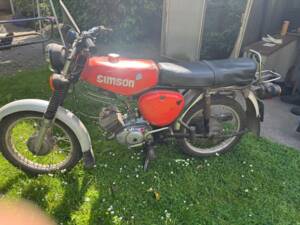
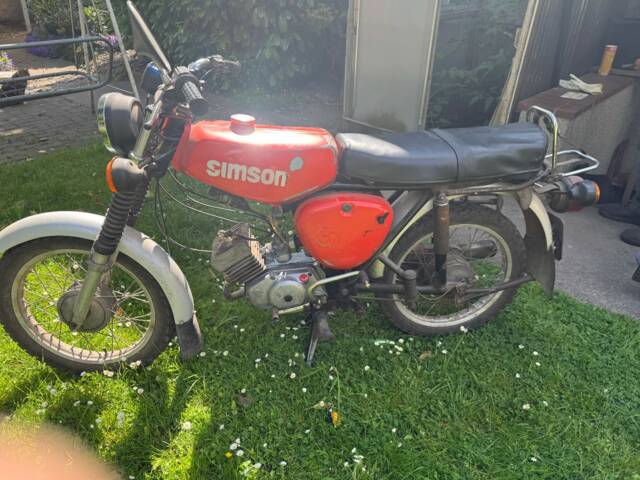

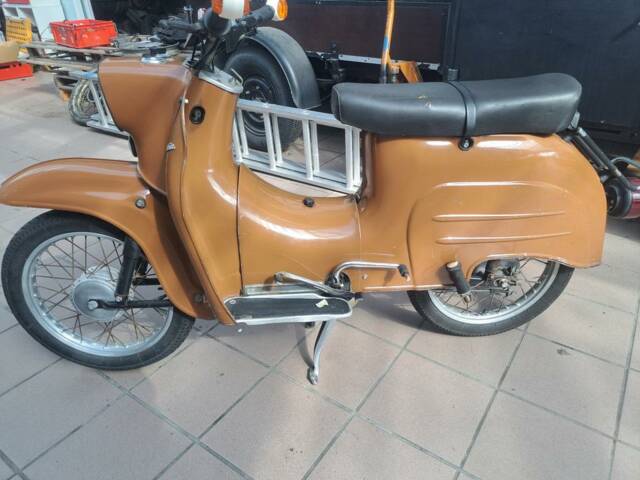
1984 | Simson Schwalbe KR 51/2
Simson Schwalbe Kr 51 / 2
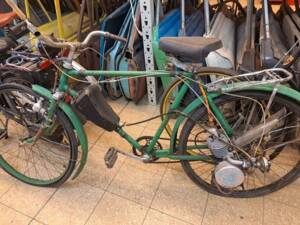
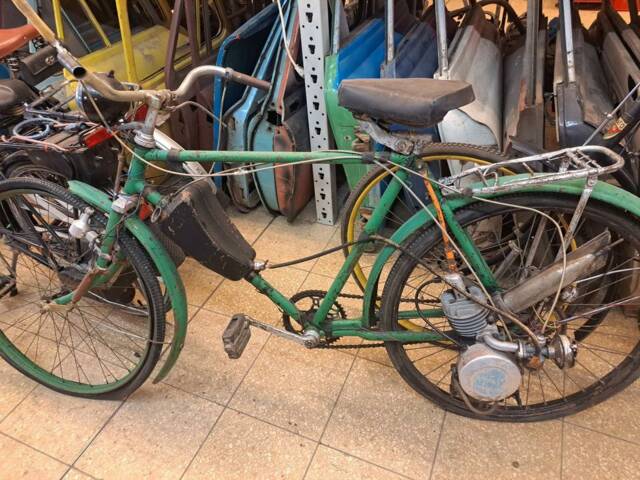
1900 | Simson MAW motorcycle
Simson MAW Fahrrad mit Hilfsmotor , NSU Fahrrad
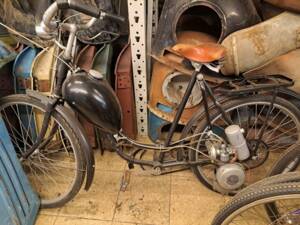
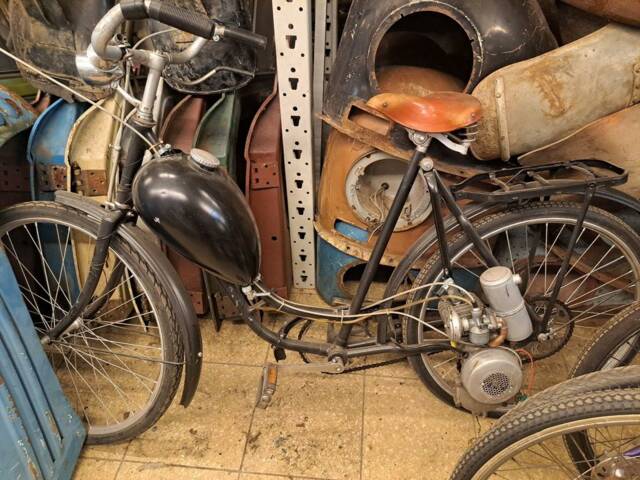
1900 | Simson MAW motorcycle
Simson MAW Fahrrad mit Hilfsmotor ,
Newsletter
The best Simson listings, straight to your inbox
Get hand-picked Simson listings, plus the best of cars, motorbikes, and auctions on Classic Trader — all in one place.
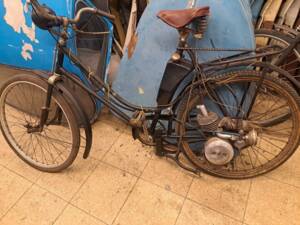
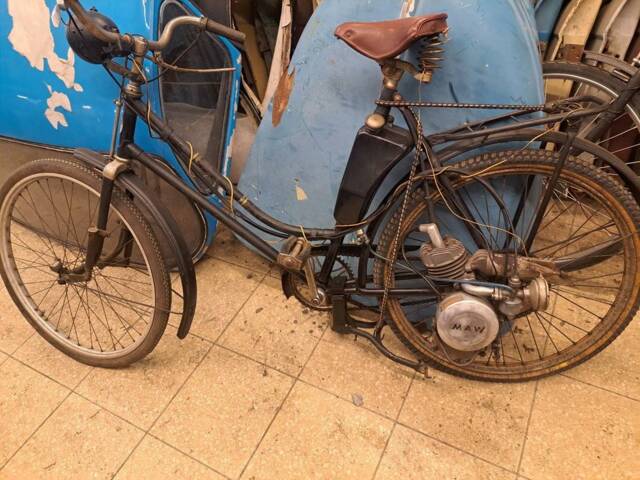
1900 | Simson MAW motorcycle
Simson MAW Fahrrad mit Hilfsmotor ,
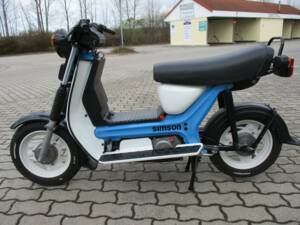
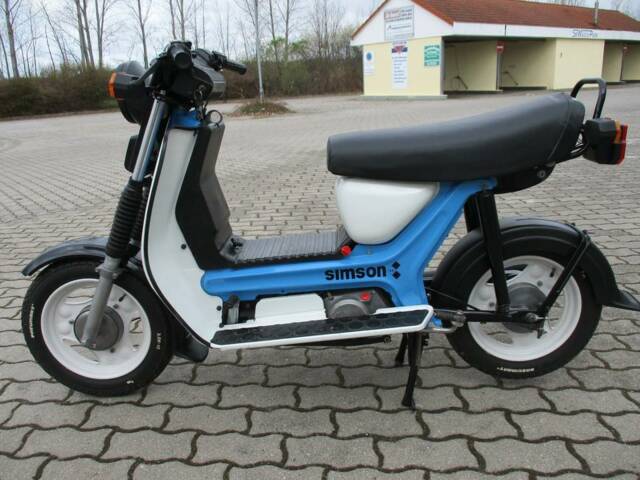
1989 | Simson SR50/1 C
Simson SR 50 Nummer 59921
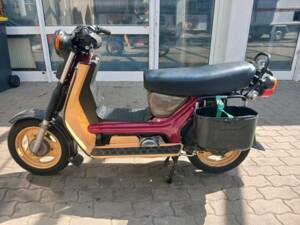
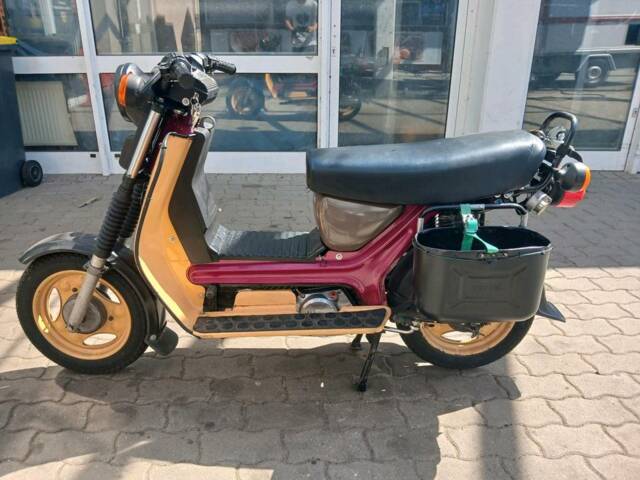
1986 | Simson SR50 B4
Simson SR50 4 Gang Nr. 62722
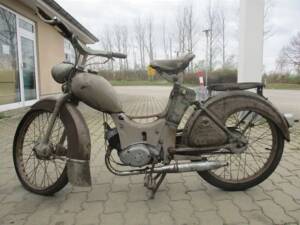
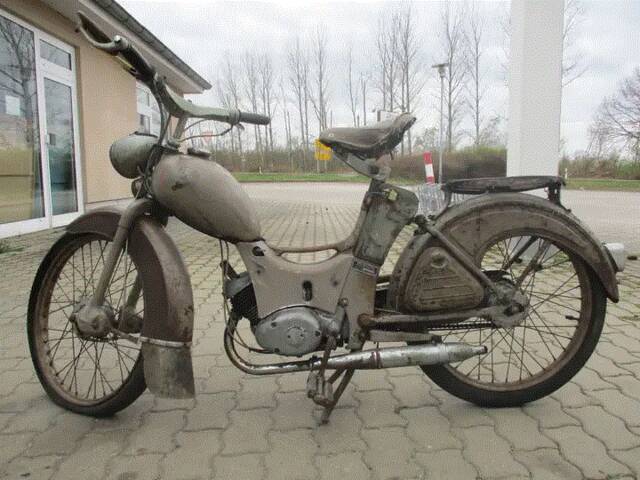
1958 | Simson SR 2
Simson SR 2 NR. 57822
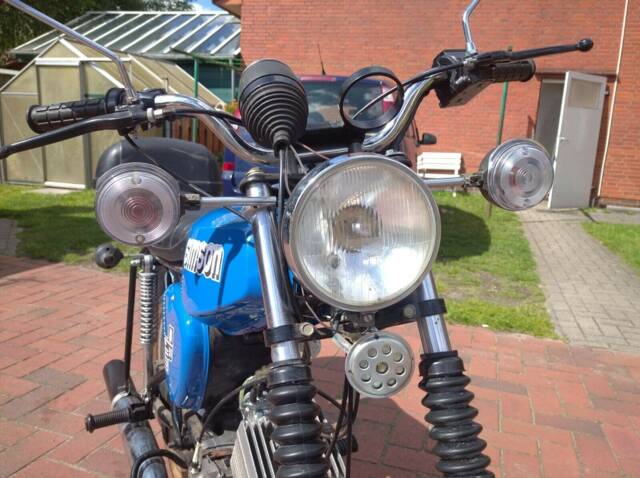
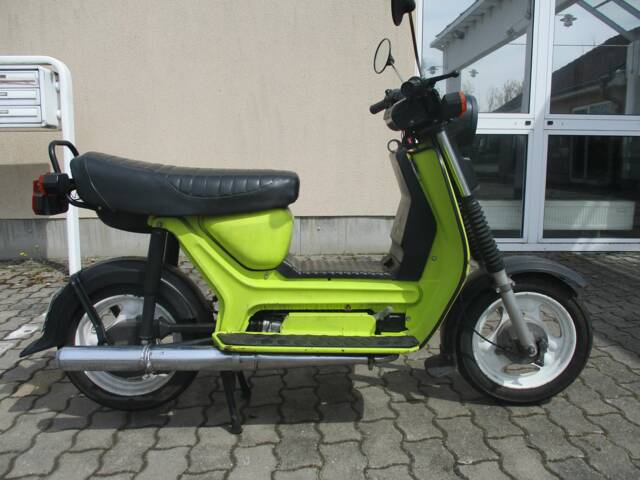
1990 | Simson SR 50/1 MXG
Simson SR 50
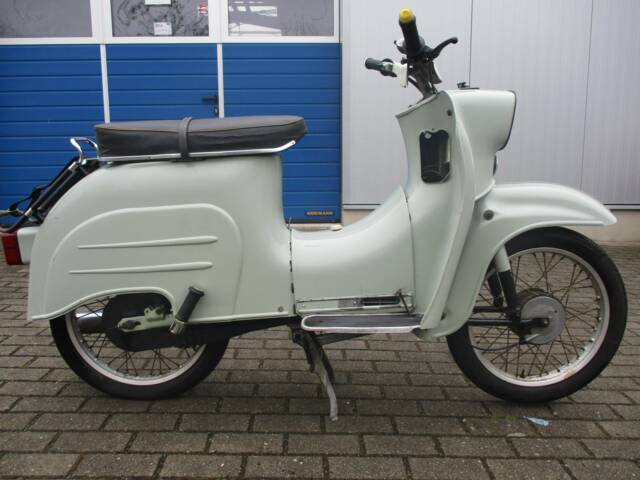
1973 | Simson Schwalbe KR 51/1
Simson KR 51 Schwalbe KR 51 / 1
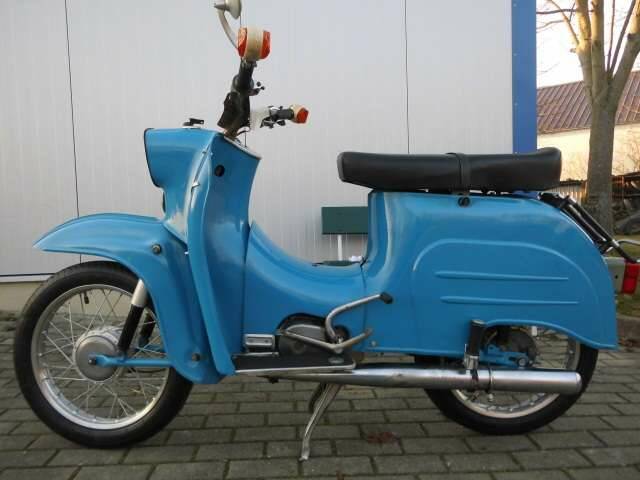
1973 | Simson Schwalbe KR 51/1
Simson KR 51 Schwalbe Kr 51 / 1
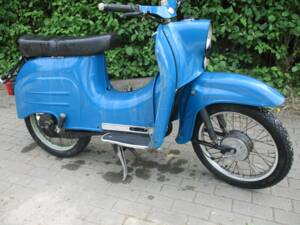
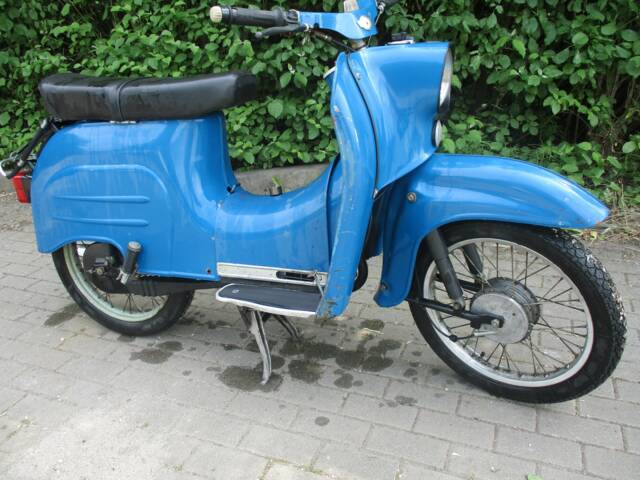
1980 | Simson Schwalbe KR 51/1
Simson KR 51 Schwalbe Kr 51 / 1
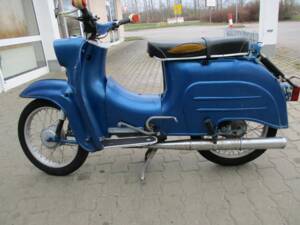
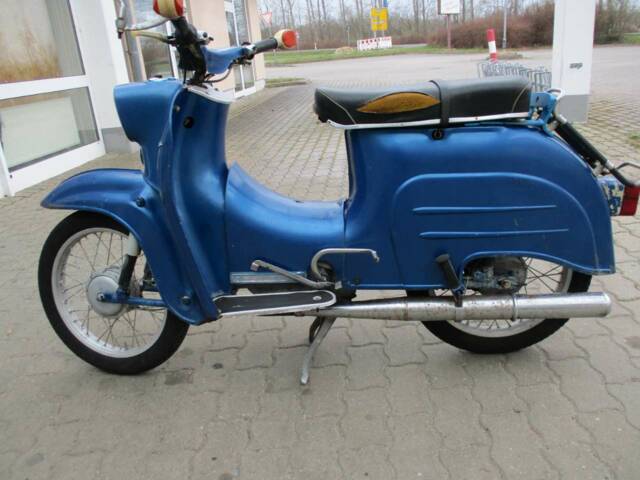
1969 | Simson Schwalbe KR 51
Simson KR 51 Schwalbe Kr 51 / 1
Simson listing references from Classic Trader
Below you will find listings related to your search that are no longer available on Classic Trader. Use this information to gain insight into availability, value trends, and current pricing for a "Simson" to make a more informed purchasing decision.
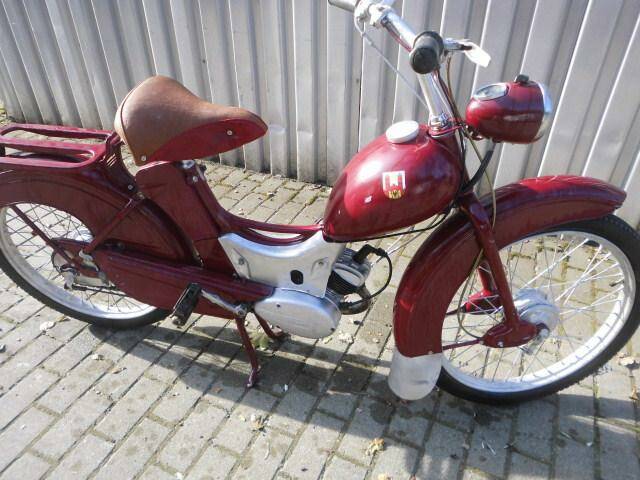
1957 | Simson SR 2
Simson SR 2 unsere Nummer 221017
History
The Simson story begins in 1856 when Jewish brothers Löb and Moses Simson acquired a third of a Thuringian steel hammer mill in Suhl and founded Simson & Co. The company initially produced weapons before turning to bicycle manufacturing at the turn of the century. By 1896, Simson had become Germany's largest bicycle manufacturer – a remarkable achievement that laid the foundation for what would eventually become one of the most beloved motorcycle brands behind the Iron Curtain.
After World War II, the company faced a new beginning. The Allies dismantled much of the production facilities, and the company was repurposed for Soviet production. The destruction was massive – what had been a thriving industrial concern was now a shadow of its former self, forced to contribute to war reparations. In 1952, it was renamed VEB Fahrzeug und Gerätewerk Simson Suhl – the beginning of an era that would define the brand for decades. In the GDR (East Germany), Simson became the most important manufacturer of small-displacement motorcycles and mopeds, filling a crucial niche in the planned economy where private transportation was limited but highly valued.
The breakthrough came with the Vogelserie (Bird Series), which began in 1964 with the Schwalbe KR 51. The models Schwalbe (Swallow), Spatz (Sparrow), Star (Starling), Habicht (Hawk) and Sperber (Sparrow Hawk) shaped the streets of the GDR and are now sought-after classics. Production of the Schwalbe continued until 1986, with over 1.17 million units produced – a staggering number that speaks to its popularity in a society where private car ownership was rare.
Alongside series production, Simson was also active in motorsport, demonstrating that the brand was more than just a producer of utilitarian mopeds. In the 1950s, 15 racing motorcycles with 250cc displacement were created, showcasing the engineering capability of the Suhl works. The Simson RS 350/7, a 4-stroke racing motorcycle from 1959, can now be admired at the Suhl Vehicle Museum – a testament to the company's racing heritage. In the late 1980s, Simson returned to motorsport with the RS 81 in motocross, proving that even as the company faced economic pressures, the racing spirit remained alive.
After reunification in 1990, Simson faced significant challenges. The sudden exposure to Western competition, combined with the collapse of the planned economy that had sustained it, made survival impossible. The attempt to establish itself in the West German motorcycle market ultimately failed – the brand that had been a household name in the East was simply not competitive in the new market reality. Today, the Simson brand no longer exists as a company, but the vehicles live on: estimates suggest around one million Simson mopeds are still registered or roadworthy across Germany and Europe, a remarkable survival rate for vehicles that are now 40-60 years old.
Highlights of Simson Classics
Each Simson model from the GDR era has its own distinct character, and understanding these differences is crucial for any prospective buyer. The range was remarkably diverse for a manufacturer operating in a command economy, offering everything from elegant scooters to practical mopeds and even sporty derivatives.
Simson Schwalbe KR 51: The most famous model, and arguably the most recognizable vehicle to emerge from East Germany. Produced from 1964 to 1986 in over 1.17 million units, the Schwalbe became the definitive vehicle of GDR mobility – appearing in films, television shows, and countless personal memories. With 3.4 hp and 60 km/h top speed, it was many teenagers' first motorized vehicle, a rite of passage for an entire generation. The distinctive styling, with its graceful curves and enclosed front wheel, gave it a sophistication that belied its modest specifications.
Simson S 50 / S 51: The successors to the Schwalbe as mopeds, these models represented a more traditional approach to motorcycle design. The S 50 debuted in 1976, establishing a new formula that combined practical transportation with genuine riding pleasure. The S 51 followed in 1983 with an improved engine and 4-speed transmission, offering better performance and versatility. The enduro variants of the S series are particularly sought after today, as they offer genuine off-road capability in addition to street usability – a rare combination in the GDR market.
Simson SR 50 / SR 80: The scooter variant of the S series, these models bridged the gap between the classic Schwalbe design and the more modern S platform. The SR 50 entered series production in 1984, with annual production figures of around 195,000 units – demonstrating massive demand. The SR 80 offered increased displacement for those seeking more performance while maintaining the convenience of automatic transmission.
Simson Habicht SR 4-4: The sporty model of the Bird Series, the Habicht (Hawk) was aimed at riders who wanted something more dynamic. With its 4.6 hp engine and 75 km/h top speed, it was the fastest production Simson of its era. The sharp styling and premium finish set it apart from its siblings, making it a collectible today.
Simson Sperber SR4-3: Also part of the Bird Series, the Sperber (Sparrow Hawk) debuted in 1966 with its distinctive design that combined practical considerations with aesthetic appeal. It occupies a middle ground between the utilitarian models and the sporty Habicht.
Simson AWO 425: An important model from the transition period before the Bird Series. The AWO (originally Amateur-Werk-Offenburg, later absorbed into Simson) was produced from 1952 to 1962. With its 250cc four-stroke engine producing 12 hp, it reached 110 km/h – genuine motorcycle performance in an era when most GDR citizens could only dream of car ownership. Well-preserved examples are now rare, and prices of €4,000 to €6,500 are common in the European market.
Technical Data
| Model | Production | Displacement | Power | Top Speed | Units |
|---|---|---|---|---|---|
| Schwalbe KR 51 | 1964–1986 | 49.9 cc | 3.4 hp | 60 km/h | ~1,176,640 |
| S 51 | 1983–1990 | 49.9 cc | 4.3 hp | 70 km/h | ~206,000 |
| SR 50 | 1984–1990 | 49.9 cc | 4.3 hp | 70 km/h | ~1,000,000 |
Market Overview & Buying Tips
Price Overview (2025):
Note on parts for Australia:
Importing Simson parts to Australia can be expensive due to shipping costs. Consider the total cost of ownership when budgeting for a restoration project.
Performance
Riding a Simson is an experience fundamentally different from modern vehicles. The two-stroke engine with its characteristic soundtrack – the distinctive "rattling" that separates it from the silent efficiency of modern electric vehicles – conveys a sense of freedom and immediacy that many riders describe as addictive. There's an honesty to the mechanical operation that connects rider to machine in a way that contemporary motorcycles cannot match.
The handling is characterised by simple but robust technology. The left-hand gear change of the Schwalbe (the three-speed gearbox operated with the left hand) takes some getting used to but works well once mastered. This unique arrangement was a signature Simson feature that distinguished their products from competitors. The wheelbase provides stable handling, and the low weight (approximately 75–85 kg depending on model) makes the Simson extremely agile – threading through traffic or carving country lanes is a genuine pleasure.
The charm of the Simson really comes into its own on country roads. At a maximum of 60–70 km/h, it's no speed demon, but that's precisely the point. You notice the landscape in a way that高速 travel never allows. You smell the nature around you. You feel the wind in a direct, unmediated fashion. It's not about speed – it's about the experience of riding, about being present in the moment rather than rushing toward a destination.
For younger riders accustomed to the instant torque of electric vehicles, the deliberate response of the two-stroke engine requires adjustment. The carburettor needs careful tuning, and the mixture ratio must be correct. But when everything is working properly, there's a satisfaction in mastering this simpler technology that modern vehicles simply cannot provide.
Design
The design of Simson vehicles reflects the design philosophy of the GDR industry: functionality before extravagance, but with an eye for aesthetics that prevented the vehicles from being merely utilitarian. The Bird Series with its bird names was not just a product line but also a marketing idea designed to emphasise the lightness and agility of the vehicles – a clever piece of branding in a society where marketing as we know it did not exist.
The Schwalbe with its elegant, streamlined design is the most famous example. The name (literally "Swallow") was chosen to evoke the bird's lightness and grace, and the design delivers on this promise. The deeply recessed front wheel, enclosed in an aerodynamic knee guard, gave the scooter a sophisticated appearance that stood out against the more basic competitors. The flowing lines were advanced for their time and remain appealing today.
In contrast, the Habicht (Hawk) stood for sportiveness – a more aggressive stance, sharper lines, and premium detailing aimed at younger buyers who wanted to stand out from the crowd. The Sperber (Sparrow Hawk) occupied a middle ground, offering practical features with aesthetic appeal.
The Simson logo – a flowing horizontal script or an S in a circle with suggested wings on either side – remains a recognisable symbol to this day. The wings reference the company's early history in the weapons industry and its tradition of mobility. Even today, the logo evokes nostalgia and pride among enthusiasts.
Summary
Simson mopeds are more than just classics: they are pieces of German and European history, documenting a chapter of industrial development in the GDR that shaped the lives of millions. With their characteristic two-stroke rattling, simple technology, and practical design, they have accompanied and continue to inspire generations of riders.
Entering the Simson world is relatively affordable, although prices have risen significantly in recent years. Those looking for a well-preserved Simson should expect to pay A$3,300 to A$5,400 for roadworthy examples, with restored specimens commanding premium prices. Good parts supply from European suppliers and an active community make maintenance manageable for committed owners.
For Australian buyers, the key considerations are shipping costs for parts and the challenge of registering a vehicle that was never officially exported to Australia. However, for collectors willing to invest the extra effort, a Simson represents a unique piece of automotive heritage that continues to appreciate.
Discover Simson offers on Classic Trader now and find your piece of GDR mobility history!