- Motorcycle
- Ducati (38 offers)
Buy Ducati Motorbike
Since 1926, motorcycles have left the factory in Bologna – each bearing the signature of a brand that dominates race tracks and utilizes desmodromic valve timing, a system no other manufacturer implements in series production.
Search results
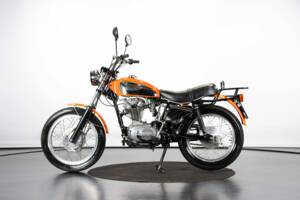
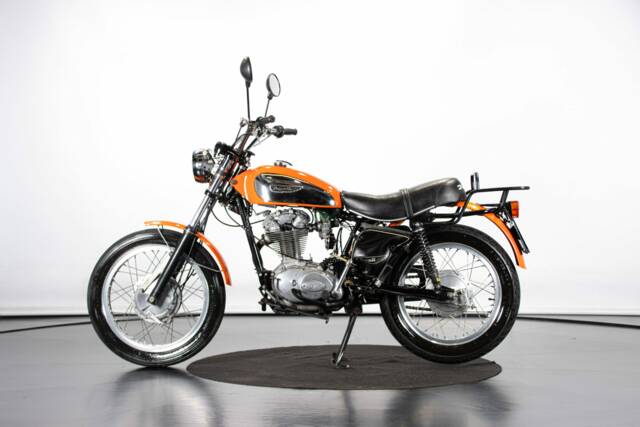
1974 | Ducati 350 Scrambler
Ducati SCRAMBLER 350

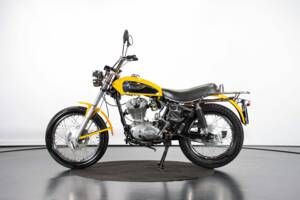
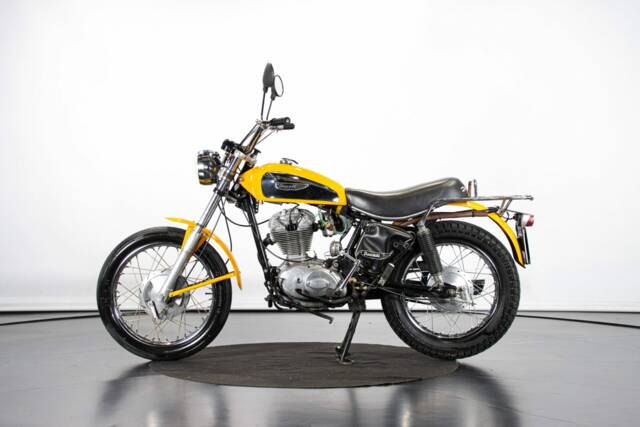
1971 | Ducati 250 Scrambler
Ducati SCRAMBLER 250
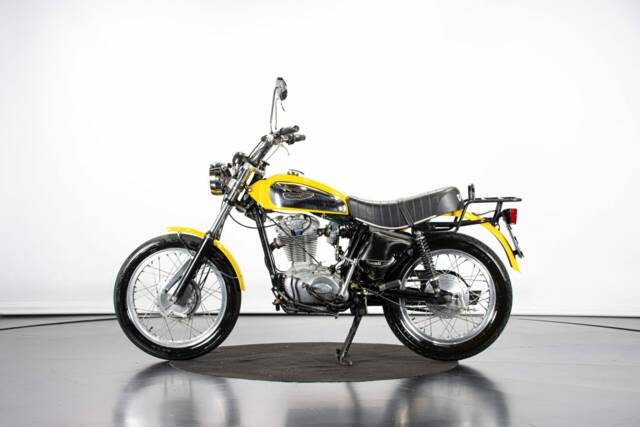
1969 | Ducati 450 Scrambler
Ducati SCRAMBLER 450
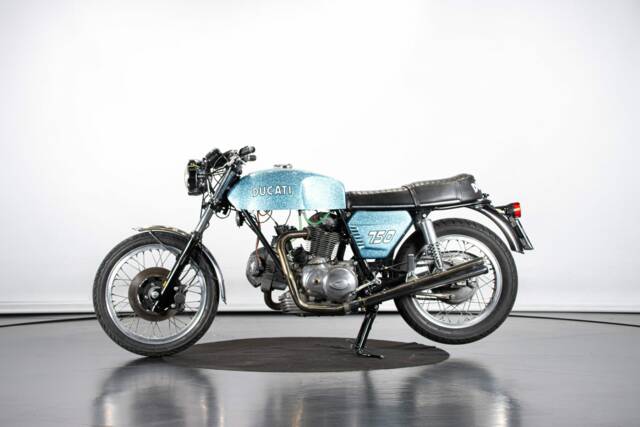
1972 | Ducati 750 GT
Ducati 750 GT
Newsletter
The best Ducati listings, straight to your inbox
Get hand-picked Ducati listings, plus the best of cars, motorbikes, and auctions on Classic Trader — all in one place.
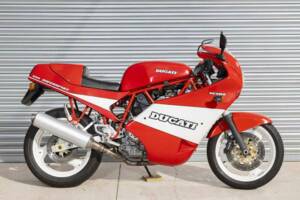
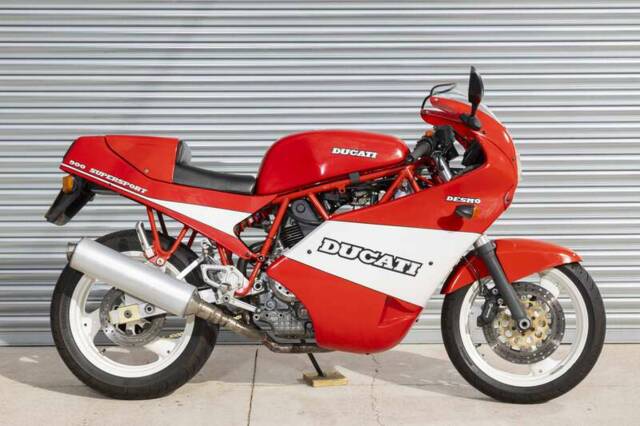
1989 | Ducati 900 Supersport
1989 Ducati 900SS 904cc

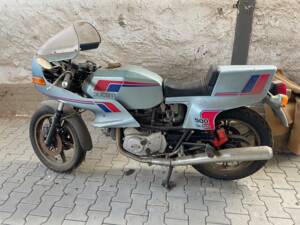
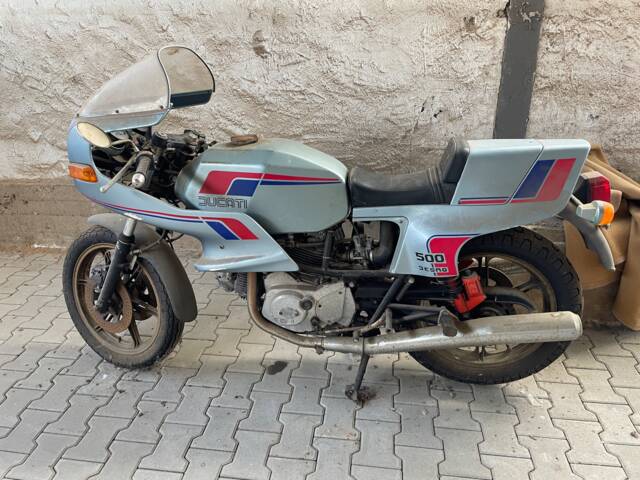
1979 | Ducati 500 SL Pantah
Ducati Pantah 500 SL as a restoration project

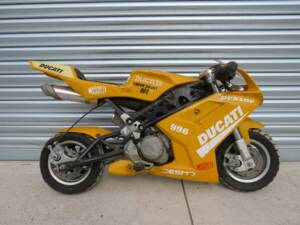
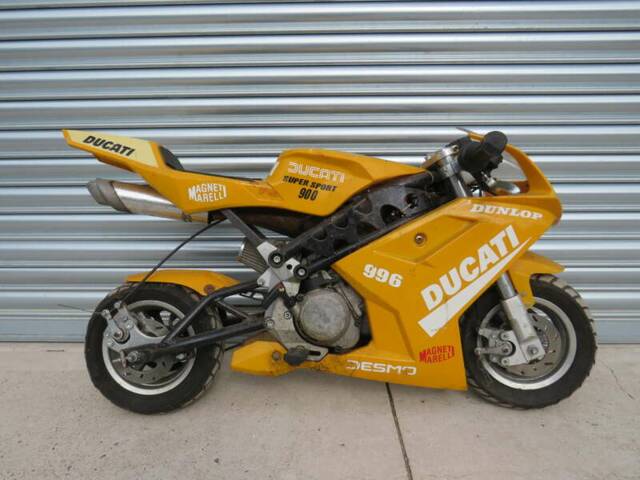
1990 | Ducati Mini Bike Racing
c1990 SQ Mini Moto Replica Ducati Racer 49cc
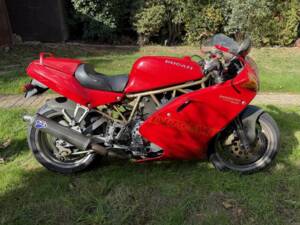
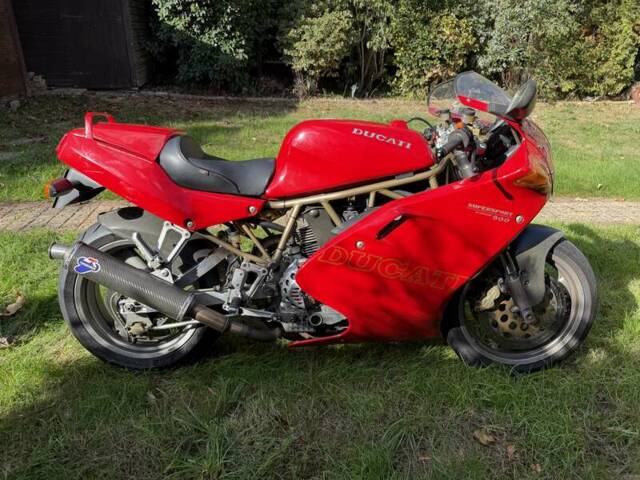
1995 | Ducati 900 SS
1995 Ducati 900SS 904cc
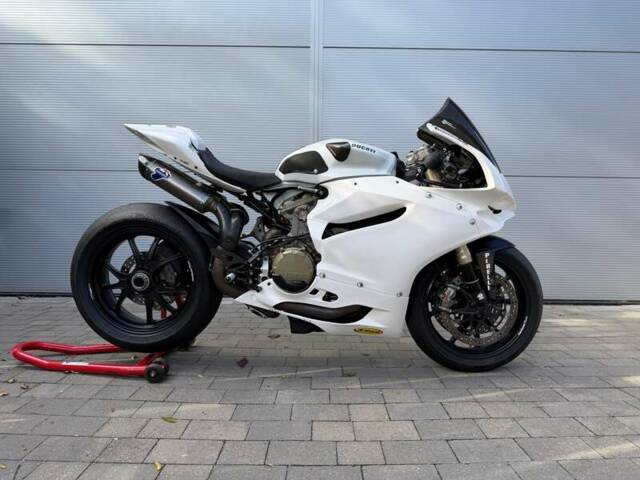
2015 | Ducati 1299 Panigale
2015 Ducati 1299 Panigale V2 1285cc
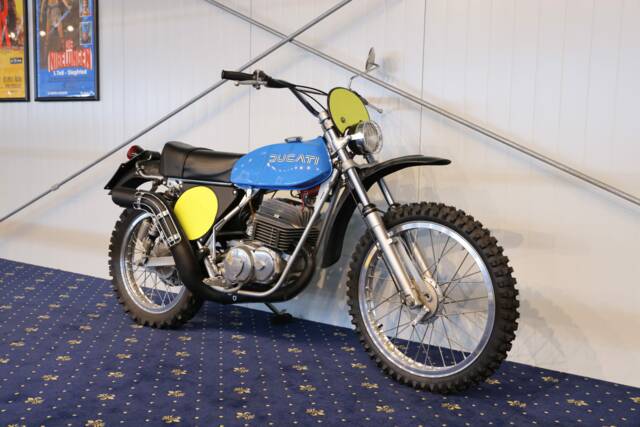
1900 | Ducati Regolarità 125
Ducati 125 Motocross · Sammlung Sonderklasse · No reserve

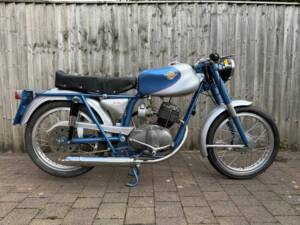
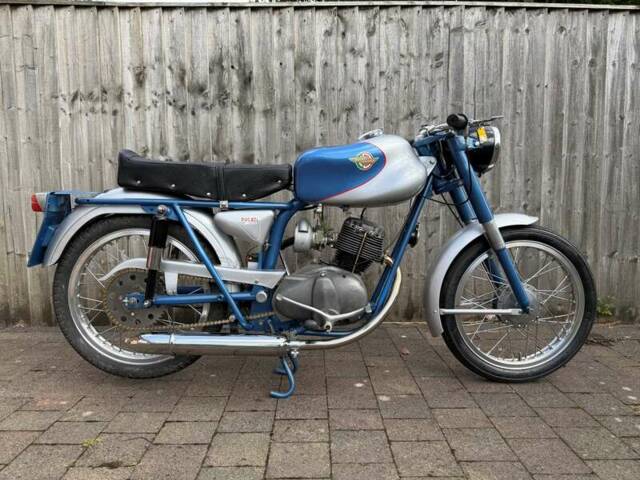
1958 | Ducati 85 Sport
c.1958 Ducati 85 Sport 84cc
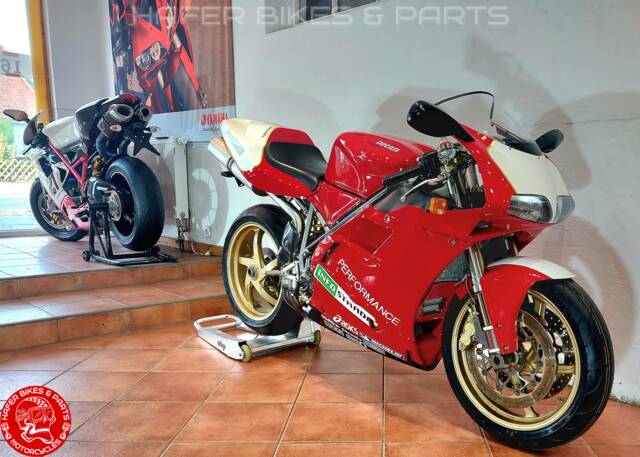
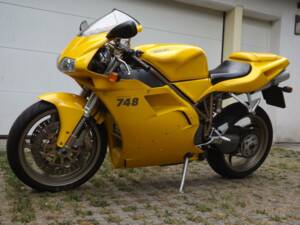
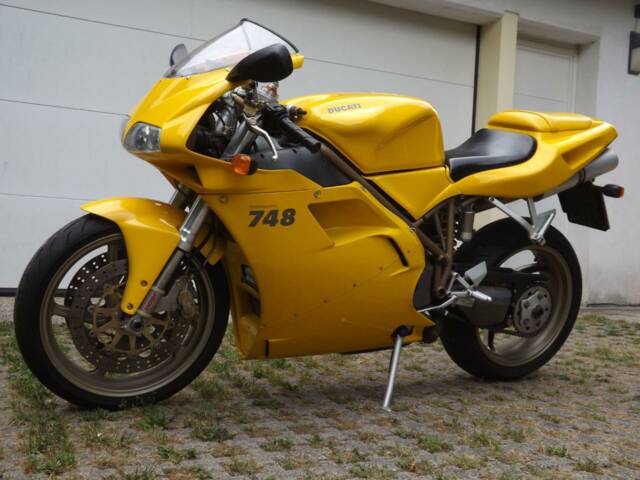
2002 | Ducati 748 S
748S Mono only 6.924km 1.Hand SERVICE NEW
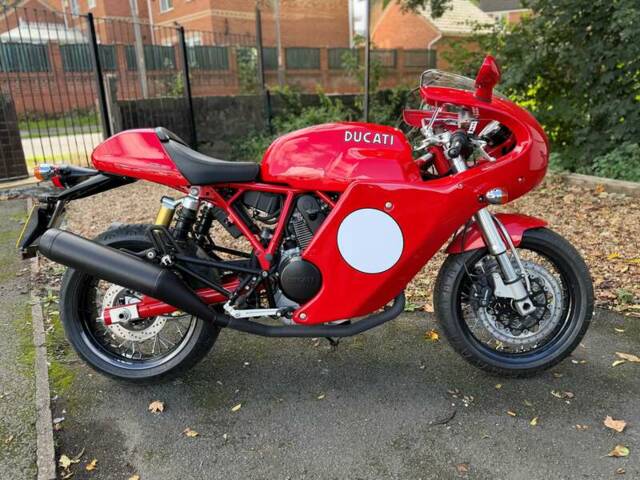
2009 | Ducati Sport 1000 S
2009 Ducati Sport Classic 1000S 992cc
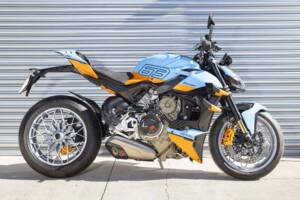
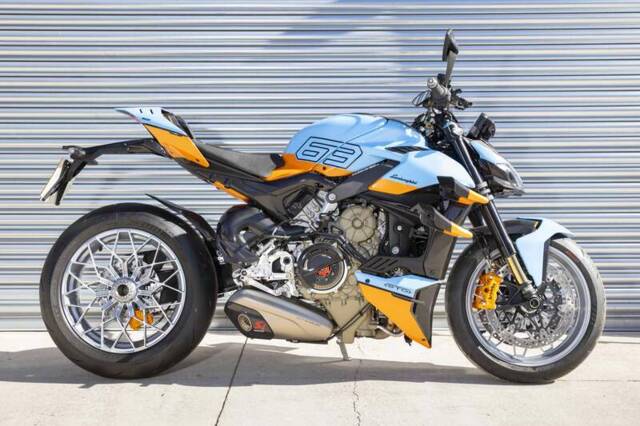
2024 | Ducati Streetfighter V4 Lamborghini
2024 Ducati V4S Lamborghini Special Clienti Streetfigher 1,104cc - Zero Miles
Ducati stands for uncompromising sportiness and Italian engineering. The manufacturer from Bologna has set technical standards with its L-twin engines and desmodromic valve control that endure today. Models like the 750 Super Sport, the 916, the Monster family, or the Pantah define entire eras of motorcycling – and are among the most sought-after collector's items of their time.
History & Heritage
The Beginnings – From Radio Parts to Motorcycles
Antonio Ducati founded a company for radio technology in Bologna in 1926. Together with his three sons Adriano, Bruno, and Marcello, he initially manufactured radio components and capacitors. The family business expanded rapidly and moved to a larger factory site in Borgo Panigale in 1935 – the location that remains Ducati's home today.
World War II destroyed large parts of the production facilities. After 1945, Ducati sought new business areas. In 1946, production began on the Cucciolo, a 48 cc auxiliary bicycle motor developed by the Turin firm SIATA. The small four-stroke with 1.5 hp was a bestseller in the post-war period and laid the foundation for Ducati's transformation into a motorcycle manufacturer.
In 1950, Ducati presented its first independent motorcycle: a 48 cc machine with a Cucciolo engine, weighing 44 kilograms and reaching a top speed of 64 km/h. By the mid-1950s, Ducati quickly developed larger single-cylinder models for sport and road use.
Taglioni and Desmodromics
In 1954, Fabio Taglioni joined the company as chief designer – a turning point for technical development. Taglioni brought the Gran Sport with a 100 cc four-stroke engine, overhead camshaft, and bevel gear drive. More importantly, he adapted and perfected desmodromics, a forced valve control system without return springs. The principle was not new – Mercedes-Benz had used it in racing – but Taglioni made it production-ready and implemented it in road machines starting with the Mark 3D (1969). To this day, Ducati is the only manufacturer to use desmodromics in series production.
The technical advantage: At high speeds, valve springs cannot close the valve fast enough, leading to valve float. Desmodromics opens and closes the valve mechanically via separate cams – precise, reliable, and high-revving. The disadvantage: higher maintenance intervals, as valve clearances must be adjusted regularly.
The V2 Engine and the Breakthrough
In 1970, the 750 GT arrived with the first Ducati engine in a V2 configuration with a 90° cylinder angle – the now-famous L-twin unit. Taglioni chose the layout to combine optimal mass balance with a compact design. The engine produced around 60 hp and was first combined with desmodromics in the 750 Sport (1972).
The breakthrough came on April 23, 1972, at the Imola 200, an endurance race for production-based 750 cc machines. Paul Smart and Bruno Spaggiari drove factory-prepared 750 Super Sports to a double victory against international competition from MV Agusta, Honda, Norton, and Kawasaki. 70,000 spectators saw Ducati break the dominance of Japanese and British brands. Overnight, Ducati became a serious sports brand.
The road version of the racing machine – the 750 SS (from 1974) – became a legend: 748 cc, 65 hp, 151 kilograms, 200 km/h. It is considered one of the purest sports machines of its era. From 1975, the 900 SS followed with 864 cc and around 70 hp. Both models are highly sought-after collector's items today – a 750 SS from the 1970s changed hands in 2024 for A$52,000 at auction.
Pantah and Belt Drive Control
In 1980, Ducati presented the Pantah 500 SL, the first model with a belt-driven camshaft instead of bevel gears. This reduced weight, noise, and maintenance effort. The Pantah used a new trellis frame – a construction principle that became a brand identifier. As a TT2 racer with 600 cc, the Pantah was successful in racing, but as a road machine, it was commercially less popular. Today, Pantah models are appreciated by connoisseurs but remain in the shadow of the bevel-drive classics.
The Crisis and the New Beginning
Despite technical successes, Ducati fell into economic difficulty. In 1985, the Italian group Cagiva took over the company. Under Cagiva, Ducati returned to sporting relevance: the Paso (1986) with fully enclosed bodywork and the 851 (1987) with a liquid-cooled four-valve V2 and 100 hp marked the beginning of a new era. The 851 dominated the Superbike World Championship from 1988 – the start of an unparalleled success series.
916 – The Icon
In 1994, the Ducati 916 debuted, designed by Massimo Tamburini. Single-sided swingarm, under-seat exhaust system, striking dual headlights – the 916 set aesthetic and technical standards. With 114 hp, 916 cc, and 195 kilograms dry, it was the fastest production machine of its time. Between 1994 and 2002, the 916 (and its developments 996 and 998) dominated the Superbike World Championship with a total of eight rider titles.
In the Australian collector market, 916 SPS models now fetch over A$45,000. A 1997 916 Senna II sold for A$50,500 at a Shannons auction, highlighting the strong local demand for limited editions.
Monster – The Bestseller
In 1993, Ducati presented the Monster 900 – a naked motorcycle without fairing that made technology the statement. Designer Miguel Galluzzi created an archetype of the naked bike category. The Monster became the most commercially successful Ducati model of all time and brought the brand out of its niche. Variants from 400 to 1198 cc followed. Early carb models of the 900 series are solid entry-level classics today – well-maintained examples in Australia cost between A$5,000 and A$12,000.
Modern Era and VW Takeover
In 1998, Cagiva sold Ducati to the Texas Pacific Group. Technical innovations followed, such as the Multistrada (2003) as a sport-tourer hybrid, the 1199 Panigale (2011) with a monocoque frame, and the V4 engines from 2018 – the first departure from the classic V2 concept.
In 2012, Audi (Volkswagen Group) fully took over Ducati. Production, quality assurance, and sales were modernized without diluting the sporting identity. Ducati remains an independent segment within the VW Group today and continues to dominate MotoGP and the Superbike World Championship.
Highlights & Special Features
Desmodromics – Ducati's Technical Unique Selling Point
No other series brand relies on desmodromic valve control. Opening and closing cams positively control each valve – this allows for higher revs, more precise timing, and more aggressive camshaft profiles. The sound of a desmodromic Ducati V2 is unmistakable: a deep, irregular thumping at idle that turns into a metallic howl at higher revs.
L-Twin with 90° – The Characteristic Engine
Ducati consistently calls its V2 engines L-twins because the front cylinder lies almost horizontally. The 90° angle ensures optimal mass balance and a compact design. Early models were air-cooled with two valves per cylinder (Zweiventiler), while water-cooled four-valvers (Quattrovalvole) arrived in the mid-1980s. Both concepts have loyal followers: two-valvers are considered easier to maintain, while four-valvers are more powerful.
Trellis Frame – Lightweight Construction from Bologna
Starting with the Pantah, Ducati relied on trellis frames made of high-strength steel tubes. The engine is integrated as a stressed member. The concept saves weight, allows for easy repairs, and is visually striking. Most classic Ducati models from 1980 onwards use this construction.
Superbike Dominance and Racing Success
Between 1990 and 2007, Ducati won 14 rider titles and 17 manufacturer titles in the Superbike World Championship. Pilots like Carl Fogarty (four titles), Troy Bayliss (three titles), and Neil Hodgson rode the 916, 996, 998, and 999 to success. In MotoGP, Casey Stoner won the world championship title in 2007 – a victory that resonated deeply in Australia.
Legendary Models for Collectors
- 750 SS / 900 SS (1974–1982): Bevel classics, Imola heritage, A$50,000–A$100,000 for restored examples.
- 916 / 996 / 998 (1994–2002): Superbike icon, SPS variants particularly valuable, from A$25,000.
- Monster 900 (1993–2002): Naked bike archetype, beginner-friendly, A$5,000–A$12,000.
- Pantah 600 / 650 (1980–1986): Underrated belt-drive pioneers, A$8,000–A$15,000.
- 851 / 888 (1987–1994): First four-valvers, Superbike winners, from A$15,000.
- MH900e (2001–2002): Retro homage to Mike Hailwood's racing machine, strictly limited (2,000 units), from A$35,000.
- SportClassic Family (2006–2009): GT1000, Sport 1000, Paul Smart – retro design with modern tech, rising sharply, A$18,000–A$40,000.
Technical Data
Market Overview & Buying Tips
Price Ranges by Model Groups
The Ducati collector market in Australia is highly segmented. Bevel classics (750 SS, 900 SS with bevel gear control) range between A$50,000 and A$110,000, depending on originality and condition. The 916 family moves between A$15,000 (late Biposto models) and A$60,000 (early SPS variants). Monster 900 of the first generation are affordable entry-level classics at A$5,000 to A$12,000. SportClassic models have seen significant growth, with Paul Smart editions often exceeding A$40,000.
Significant Value Increases
The 916 has experienced the strongest value increase between 2015 and 2025: an average of 10–15% per year, with SPS models reaching 20% annually. Reasons include 1990s nostalgia, design icon status, and Superbike success. Pantah models are still undervalued – connoisseurs expect gains here in the medium term, as belt-drive classics are more maintenance-friendly than bevel machines.
Buyer Profile and Usage
Ducati buyers in Australia fall into three groups:
- Track Enthusiasts: Seek 916, 996, 998 for track days. Accept modifications, value performance.
- Originality Purists: Prefer bevel classics or SPS homologations with matching numbers, original parts, and complete history.
- Everyday Riders: Buy Monster, SportClassic, or late 900 SS – more reliable, affordable, and suitable for daily use.
Parts and Maintenance in Australia
Spare parts supply for Ducati is model-dependent. For Monster, 916, 996, and 998, availability is good – many parts are still available from the factory or through specialists. In Australia, shipping costs for parts from Europe or the US can be significant, so local specialists like Gowanloch Ducati or Raider Moto are vital resources.
Bevel classics (750 SS, 900 SS with bevel gear) require specialized workshops – few mechanics in Australia master the adjustment of desmodromics with bevel drive. Costs for a bevel service can range from A$2,500 to A$5,000 for a major inspection.
For belt-drive models (from Pantah onwards), the rule is: belt change every 24,000 km or five years. Costs: A$1,000–A$2,000 including valve adjustment. Desmodromics requires precise valve clearance adjustment – not a job for hobbyists. Ducati specialists in Australia charge A$120–A$180 per hour.
Brand-Wide Peculiarities
- Corrosion: Italian motorcycles from the 1970s–1990s are prone to rust on bolts, footpegs, and exhaust clamps. Thorough inspection before purchase is essential, especially for bikes from coastal Australian regions.
- Electronics: Older Ducatis (pre-2000) have vulnerable regulators/rectifiers and weak alternators. Check: charging voltage at idle and 3,000 rpm.
- Tank Coating: Many classic Ducati tanks rust from the inside. Check with a flashlight through the filler cap. Re-coating costs A$500–A$900.
- Clutch: Ducati uses a dry clutch (characteristic rattling at idle). Wear is normal; plates cost A$300–A$600, and replacement is manageable for experienced owners.
Stable Investments
For value appreciation: 916 SPS, 750 SS Desmo, MH900e, SportClassic Sport 1000 S. For riding fun without value loss: Monster 900 S4, 900 SS Final Edition (1998), 996 Biposto. For speculators: Pantah 650 SL, 851 Kit Strada.
Avoid:
- Accident damage without documentation (frame cracks in the 916 family).
- Engine damage without detailed history (expensive repairs: A$8,000–A$15,000).
- Extreme modifications without original parts.
- Missing papers or VIN discrepancies (crucial for Australian registration).
Performance & Riding Experience
Bevel Classics: 750 SS / 900 SS
The early Super Sports are uncompromising sports machines. The seating position is extremely stretched, with low clip-on handlebars and high footpegs. The clutch is heavy, the shifting clunky, and the brakes are weak by today's standards (Brembo drum brakes or early disc brakes). The engine responds directly to the throttle and forgives no mistakes. The idle rumbles unevenly, but from 4,000 rpm, the pull begins. At 7,000 rpm, full power arrives – a singing, shrill crescendo up to the limiter.
These machines are not beginner motorcycles. They demand respect, experience, and strength. The reward: an immediate, unfiltered connection between rider and machine. Every revolution is felt, every bump in the road transmitted through the handlebars. For purists, it is the purest form of motorcycling.
Pantah: The Underrated Turning Point
The Pantah feels more modern than the bevel machines: more compact, lighter, and more agile. The engine revs more willingly, the clutch is lighter, and the shifting more precise. The riding position is sporty but not extreme. The 600 TL produces 58 hp, enough for 190 km/h – sufficient for country roads and mountain passes. Brakes (Brembo discs) are contemporary, the suspension firm but not uncomfortable. The Pantah is a secret tip for frequent riders: less cult, more utility.
Monster 900: The All-Rounder
The Monster democratized Ducati. An upright seating position, wide handlebars, and low seat height. The air-cooled two-valver runs smoothly and pulls evenly from 3,000 to 8,000 rpm. No aggressive peak power, but a broad torque band. The chassis is balanced, the brakes safe, and the weight low. The Monster forgives mistakes, is fun in city traffic, and handles Alpine passes. It is the ideal entry-level model for Ducati newcomers.
916 / 996 / 998: Racing Potential
The 916 is a homologated racing machine. Extremely low seating position, knees at the tank, arms stretched. Fidgety under 4,000 rpm, the four-valver awakens to brutal acceleration from 6,000 rpm. The 916 pushes up to 11,000 rpm with linear power, the sound changing from a deep growl to a sharp, mechanical scream. The suspension is stiff, the steering geometry sharp, and the cornering precise. On winding pass roads, it is a revelation; on the highway, a torture. The 916 is not a touring motorcycle – it is art on two wheels that must be felt.
SportClassic: Retro with Modern Comfort
The GT1000 and Sport 1000 combine classic looks with everyday technology. The seating position is relaxed, the handlebars wide, and the footpegs not extremely high. The air-cooled two-valver (from the Monster/SS family) runs smoothly and offers decent torque. The suspension is comfortable, and the brakes with Brembo radial pumps are contemporary. The SportClassic family is suitable for touring and daily use – a rarity for Ducati. You can ride 500 kilometers without feeling broken.
Design & Philosophy
Massimo Tamburini – The Shaper
The 916 is considered the most beautiful motorcycle of all time. Designer Massimo Tamburini eliminated everything superfluous: exhaust under the seat, single-sided swingarm, minimal fairing. Every line is functional, every curve necessary. Tamburini previously designed the Bimota DB1 and later the MV Agusta F4 – both with a similar design language. The 916 became the reference point for sports motorcycle design.
Miguel Galluzzi – The Minimalist
The Monster was born out of necessity: Ducati needed an affordable, simple model for young buyers. Chief designer Miguel Galluzzi reduced the motorcycle to its essence – engine, frame, tank, seat. No fairing, no frills. The result: a timeless statement. The Monster influenced an entire generation of naked bikes (Triumph Speed Triple, Aprilia Tuono, KTM Duke).
Giugiaro and the SportClassic
The SportClassic family (designed by Pierre Terblanche with cues from Giorgetto Giugiaro) cites 1970s aesthetics: round headlights, classic tank lines, and a two-seater rear. Technically modern (fuel injection, monoshock swingarm), visually retro. A bridge between nostalgia and the present. The series flopped commercially (2006–2009) but is now considered an underrated design milestone – especially after its appearance in the film "Tron: Legacy" (2010).
Color Codes and Special Paint Finishes
Classic Ducati colors: Red with white stripes, Yellow (racing homage), Silver/Grey (SPS models). Special paint finishes (e.g., 916 Senna, 900 SS Superlight) command premiums of 20–40%. Original paint increases value – any repaints should be documented.
Other
Racing Culture and Club Scene in Australia
Ducati has a vibrant club scene in Australia, with active branches of the Ducati Owners Club (DOC) in most states. Events like the Festival of Italian Motorcycles in Melbourne or the Desmo Owners Club track days at Phillip Island or Eastern Creek are highlights for local enthusiasts. Ducati owners are passionate brand ambassadors – a community you automatically join with your purchase.
Import Context and Regional Variants
Many classic Ducatis in Australia are private imports from Japan, the UK, or the USA. Japanese imports often have very low mileage but may suffer from corrosion due to the humid climate. US models sometimes have restricted engines (EPA regulations) or modified exhaust systems. Australian-delivered bikes are generally preferred by collectors for their documented history and compliance with local standards.
Pop Culture and Media
Ducati motorcycles have shaped film and photography: Matrix Reloaded (998), Tron: Legacy (Sport 1000), and countless music videos. The 916 became the pin-up machine of the 1990s – posters in every workshop, covers of magazines. Ducati cultivates this imagery specifically: collaborations with fashion (Diesel, Armani), luxury goods (IWC watches), and lifestyle events.
Summary
Ducati is more than a motorcycle brand – it is a philosophy. The combination of uncompromising technology (Desmodromics, L-twin), aesthetic excellence (916, Monster), and racing success makes Ducati one of the most desirable collector brands.
The 750 SS and 900 SS are icons for purists – technically demanding, historically significant, and value-stable. The 916 family combines design and performance like no other machine of the 1990s. The Monster democratized Ducati and remains the ideal entry point. The SportClassic series is the secret tip for value appreciation. The Pantah is still waiting to be rediscovered.
Anyone who buys a classic Ducati is not just acquiring a machine – they are entering a community that celebrates technology, aesthetics, and emotion in equal measure. Provided they accept: you don't just ride a Ducati. You live with it.