Australian context and buying
Australia entered the 1980s with locally made family cars, high interest in touring-car racing and a growing appetite for Japanese and European technology. Holden Commodore, Ford Falcon and Toyota Corolla were everyday reference points; Group A Commodores, turbocharged imports and homologation-inspired models added excitement. Import rules and local availability shaped which examples arrived, so an Australian-delivered car, a later import and a converted vehicle are different propositions.
The decade’s electronics can make a vehicle easier to use and harder to assess. Fuel injection, engine control units, oxygen sensors, electronic ignition, trip computers and digital dashboards arrived at different times and in different models. Turbocharging is not a generic eighties feature. Confirm the exact build, engine code, gearbox, emissions equipment and Australian specification before valuing a component as original. Current registration, inspection and engineering rules vary between states and territories; check the relevant authority rather than relying on a plate or right-hand-drive layout.
Cars: Commodore, Falcon and imported technology
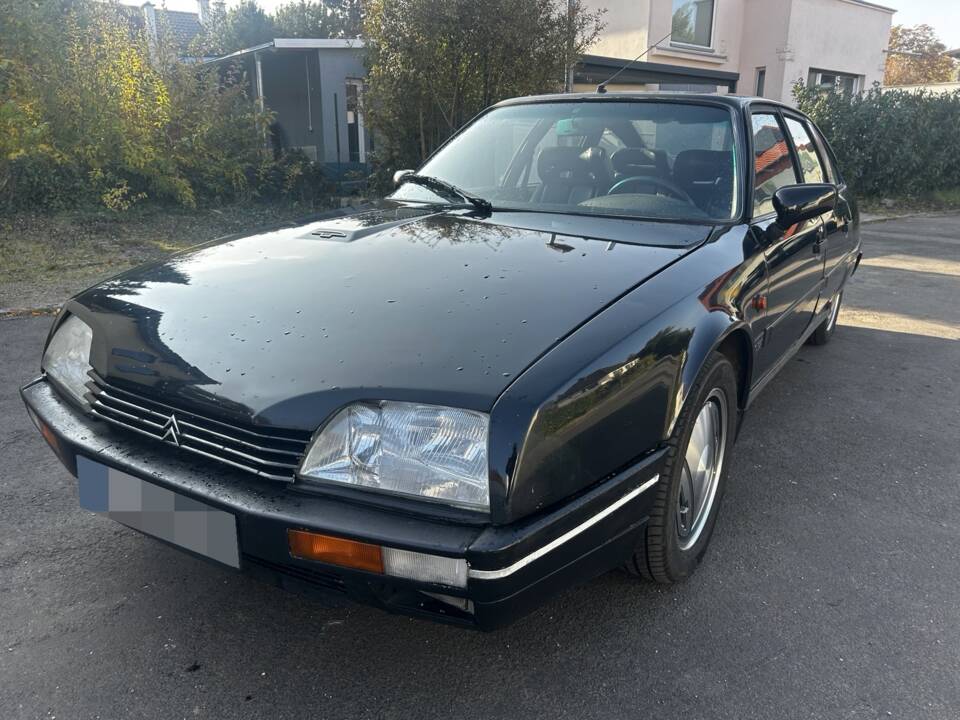
Holden VK and VL Commodore, Ford XE and XF Falcon, Toyota Supra, Mazda RX-7, Mitsubishi Starion, Nissan Skyline and Porsche 944 illustrate different engineering choices. A Group A-style body kit or large intercooler does not establish a genuine performance variant. Inspect identification plates, chassis numbers, factory tags, engine and gearbox numbers, and the details that are hard to fake: wiring routes, brackets, brake assemblies, trim, wheels and cooling hardware. Compare evidence with period brochures, workshop manuals, service books and known model registers.
On a unibody car, inspect front rails, floors, sills, suspension pick-up points, boot wells and windscreen apertures for rust or crash repair. Check seam sealer, paint texture and fastener marks for a story that does not match the seller’s account. On a turbocharged engine, look for oil leaks, shaft play, smoke after idle, cracked hoses, heat damage and an overworked cooling system. On fuel-injected cars, test cold enrichment, idle control, sensors, relays and fuel pressure. A diagnostic socket or warning lamp may reveal a problem, but an old ECU still needs someone who understands its model-specific wiring.
Test every electrical feature: windows, central locking, mirrors, heater controls, air conditioning, warning lamps, instruments, stereo and dashboard illumination. Brittle connectors and sun-damaged plastics can cost more than expected. A cold road test should cover clutch take-up, synchromesh, differential noise, steering alignment, brake pull, ride height and temperature stability. Original wheels, seats, gauges, injectors, turbo plumbing and body mouldings can be more valuable than an expensive respray.
Motorcycles: superbikes, tourers and early electronics
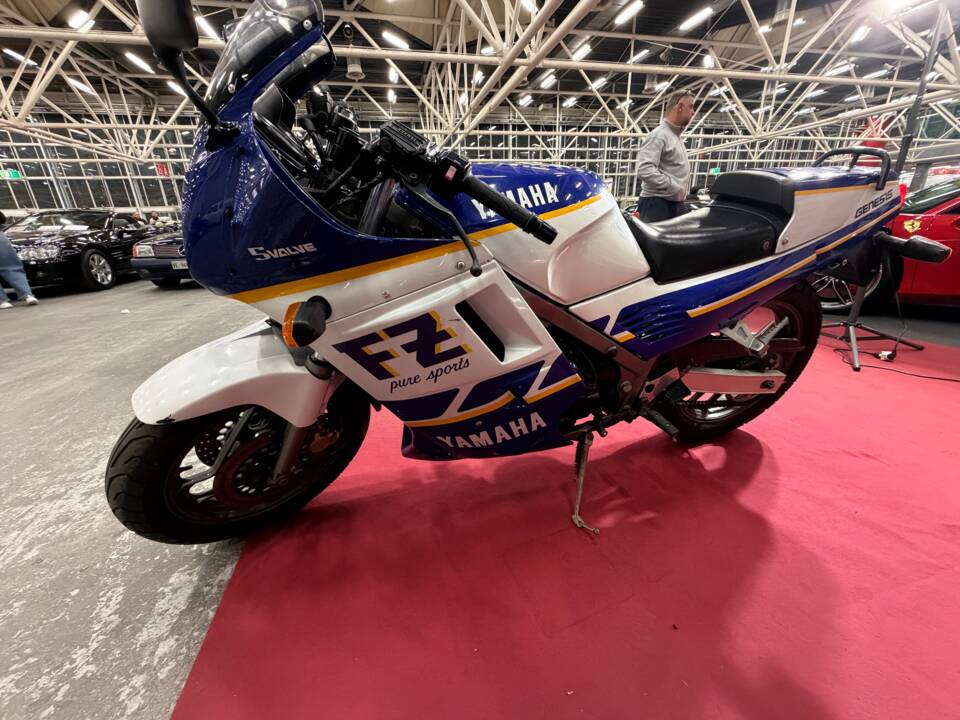
Honda VFR750, Honda CBX, Yamaha FJ1200, Suzuki GSX-R, Kawasaki GPZ and BMW K-series motorcycles show the decade’s move from simple carburetted machines towards liquid cooling, alloy frames and electronic control. The VFR’s gear-driven cam arrangement is model-specific; a GSX-R’s light alloy chassis and fairing can conceal crash damage; an FJ1200’s touring use may mean high kilometres rather than neglect. Identify the exact variant before ordering parts or judging originality.
Check the frame number, steering head, swingarm, engine mounts and subframe for distortion, cracks or welds. Inspect fork tubes, seals, steering bearings, wheel bearings, spokes or cast wheels, tyres and brake discs. Look under fairings for scraped engine cases, bent brackets and non-factory wiring. Start from cold and check oil pressure where the model permits, coolant circulation, fan operation, charging voltage and fuel delivery. Carburettor rack condition, fuel-pump contacts, regulator-rectifiers and early ECUs are common sources of expensive troubleshooting, but symptoms must be diagnosed rather than guessed.
Track-day and race replicas may have braided lines, rear sets, altered gearing, race exhausts or removed lights. Such changes can be useful, but ask for the original parts and a clear account of frame and suspension work. Fairings, instruments, airboxes, silencers and correct indicators are often scarce. A touring screen or pannier system is not a fault if it is safely mounted and documented. Confirm capacity, lighting, modification and registration requirements with the applicable Australian authority.
Originality, documents and parts
Build a document trail before calling a vehicle original. Request purchase invoices, import and customs records where relevant, service books, old inspection reports, repair photographs, dyno sheets and correspondence with previous owners. A compliance plate supports identity but does not guarantee the present engine, turbo, dashboard or trim. A plate number or steering position cannot prove provenance. Match identifiers and equipment to period Australian brochures and manuals, and record every discrepancy.
Make a parts plan before starting restoration. Eighties bumpers, mouldings, digital instruments, ECU connectors, factory wheels, turbo actuators, fuel-injection components and motorcycle fairings may be model-specific. Ask marque clubs, specialist wreckers, auto electricians, motorcycle dismantlers and reputable reproduction suppliers about availability. Keep removed parts, labels and photographs. Do not discard a cracked-looking original dashboard or unusual bracket until a specialist confirms it is beyond repair; substitutes may fit poorly and reduce confidence in the car’s history.
Restoration, ownership and Australian rules
Use three budgets: acquisition, immediate safety work and sympathetic restoration. Allow for freight, storage, rust repair, paint, trim, diagnostic time, turbo rebuilding, injector service, cooling work, tyres and specialist machining. Commission an independent inspection with a hoist and cold start. For a motorcycle, include fork, brake, wheel and charging checks. For a turbo car, include boost, oil and cooling checks. Photographs cannot replace an underside inspection or a road test.
Keep the distinction between preservation and improvement. New hoses, modern fluids, electronic ignition, upgraded brake lines or reversible tyres may improve reliability, but document them and retain removed factory parts. Do not tune around a fault or fit a modern ECU without recording the change. After recommissioning, test brakes, steering, lights, cooling, charging and fuel systems in a controlled setting. Keep a dated log of kilometres, part numbers, settings, invoices and photographs.
Ask the seller for clear ownership evidence, import documents where relevant and receipts for major work. Contact the registration authority in the state or territory where the vehicle will be used about transfer, roadworthiness, historic schemes, engineering approval, plates and modifications. Rules vary and change. Arrange suitable insurance, secure storage and roadside assistance, and disclose non-standard performance equipment. A well-documented eighties vehicle is easier to maintain, insure and pass on than one whose history depends on confident guesswork.
Source brief: Australian wording and context were checked against publicly available Australian Design Rules material, state and territory registration guidance, National Library of Australia historical material, and period manufacturer brochures and workshop literature. Electronic and model claims are deliberately limited to particular vehicles and build dates.