
1929
Mercedes-Benz 14/70 PS Typ Mannheim 350
Mannheim 350 Spohn Ravensburg Cabriolet D -W10
Explore 1920s cars and motorcycles, from Australian-bodied imports to sporting and touring machines. Read the era overview and buyer guide.
Mannheim 350 Spohn Ravensburg Cabriolet D -W10


Model A Pickup


4,5 Litre Supercharged Tourer by Graham Moss,
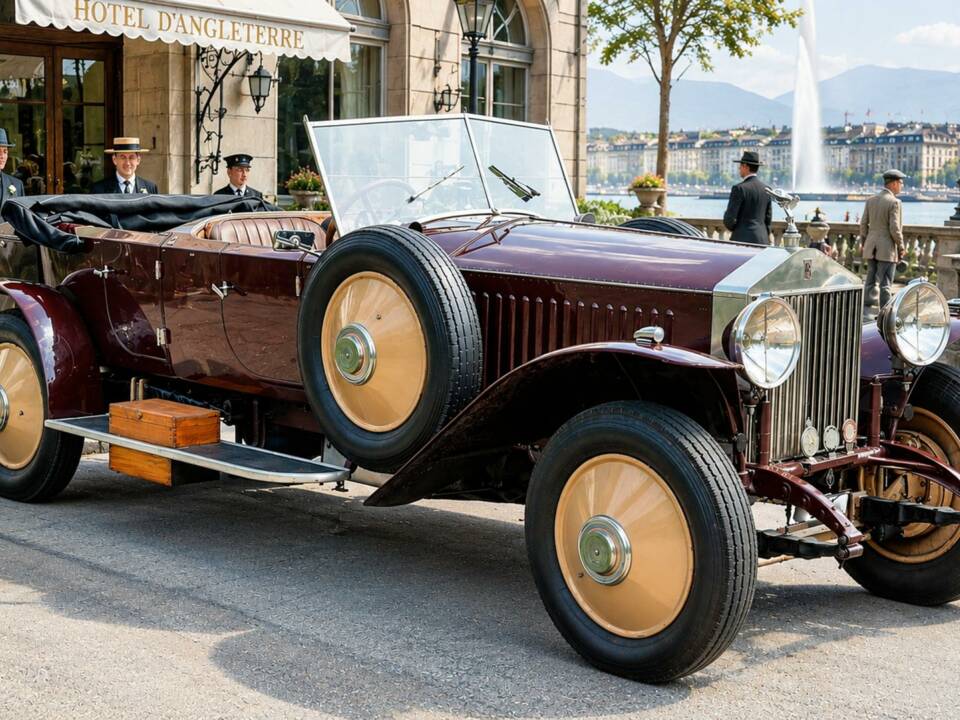

Arthur Mulliner enclosed drive limousine


Dodge Standard Six Limousine

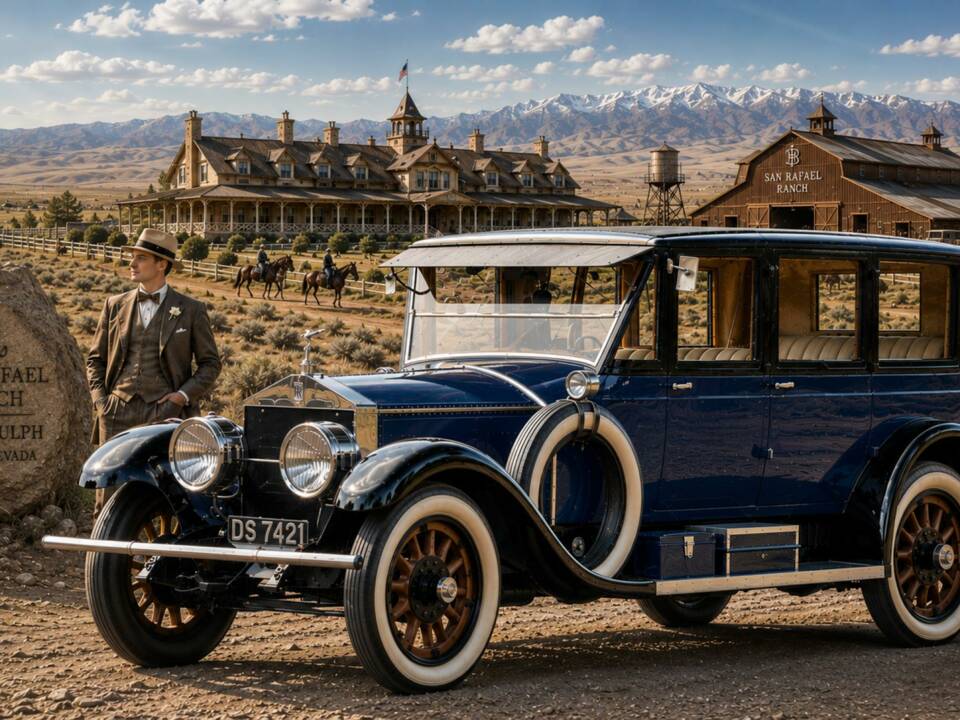
Pickwick Limousine RHD -
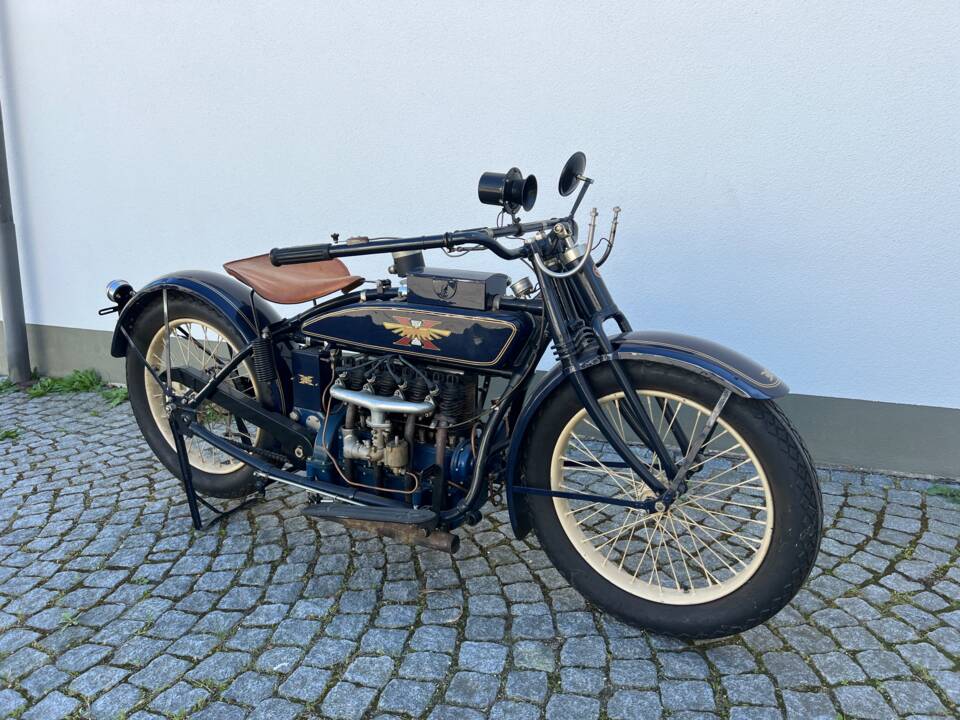
Henderson Model K "De Luxe Four" – ca. 1919/1920

Jap, England - Schweden 1928
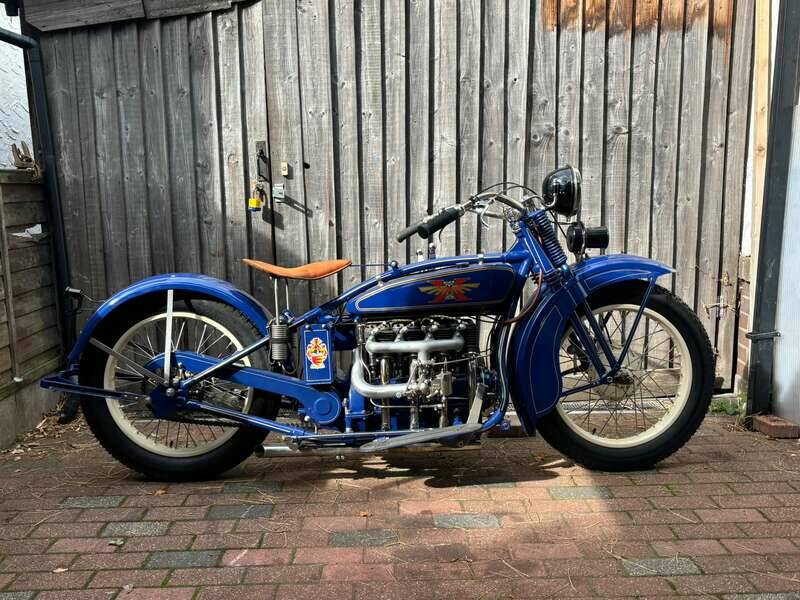
1928 Henderson De Luxe Four 1,200cc
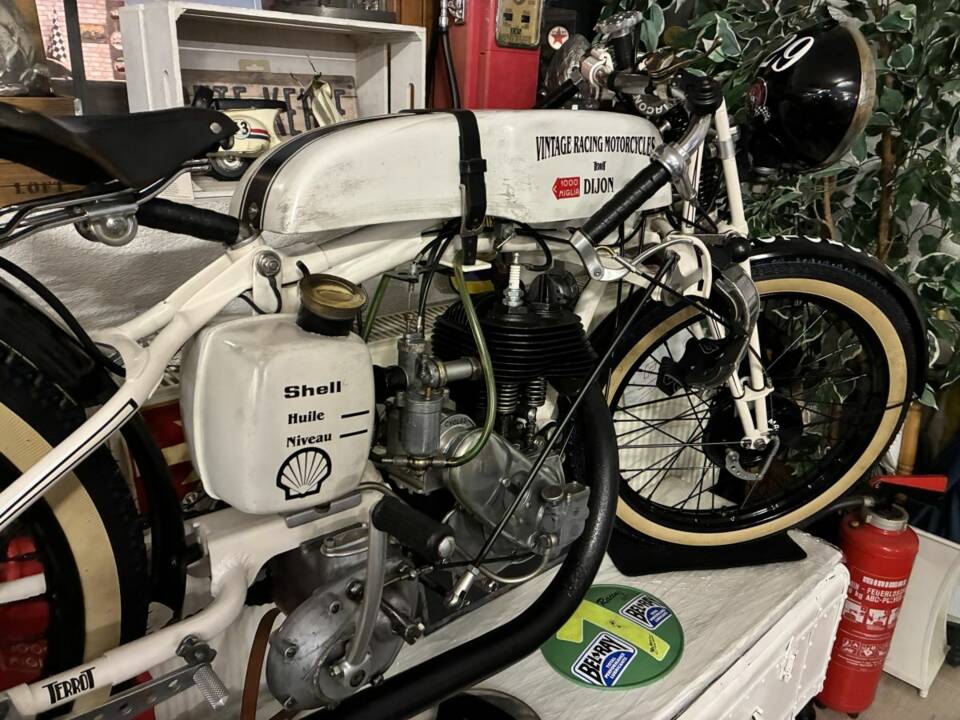
DIJON Terrot 250 PU BOARD -Tracker RACING MACHINE Yr. 1929
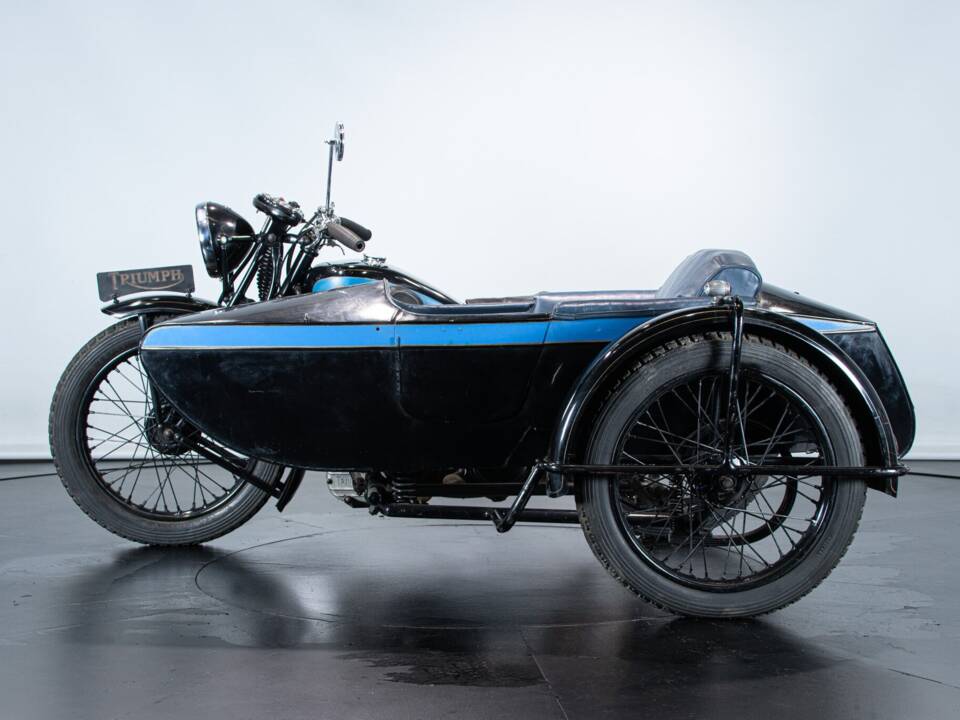
Triumph CSD 550 SIDECAR

1928 Terrot HT '28
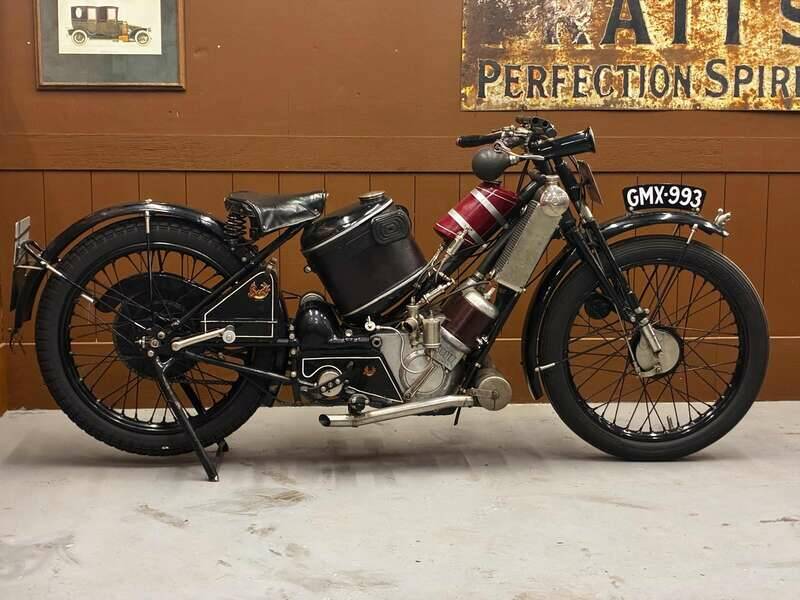
1924 Scott Flying Squirrel 596cc

ONE OF THE FIRST MOTO GUZZI EVEN BUILT !!!!
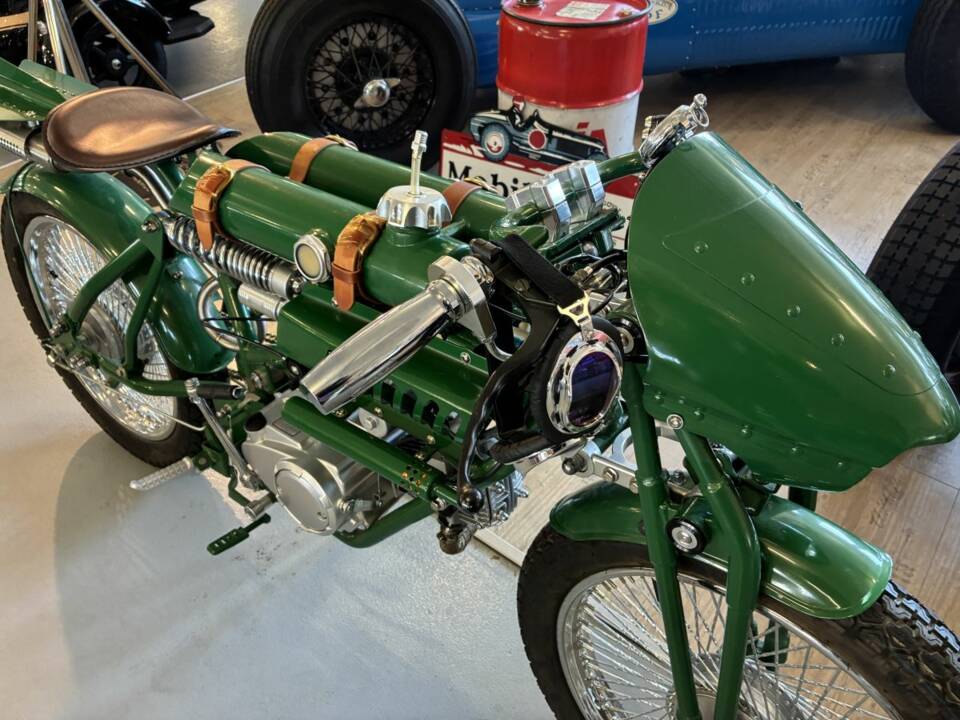
Rocket motorcycle 125ccm one-off unique new build !

Oldtimer race motor
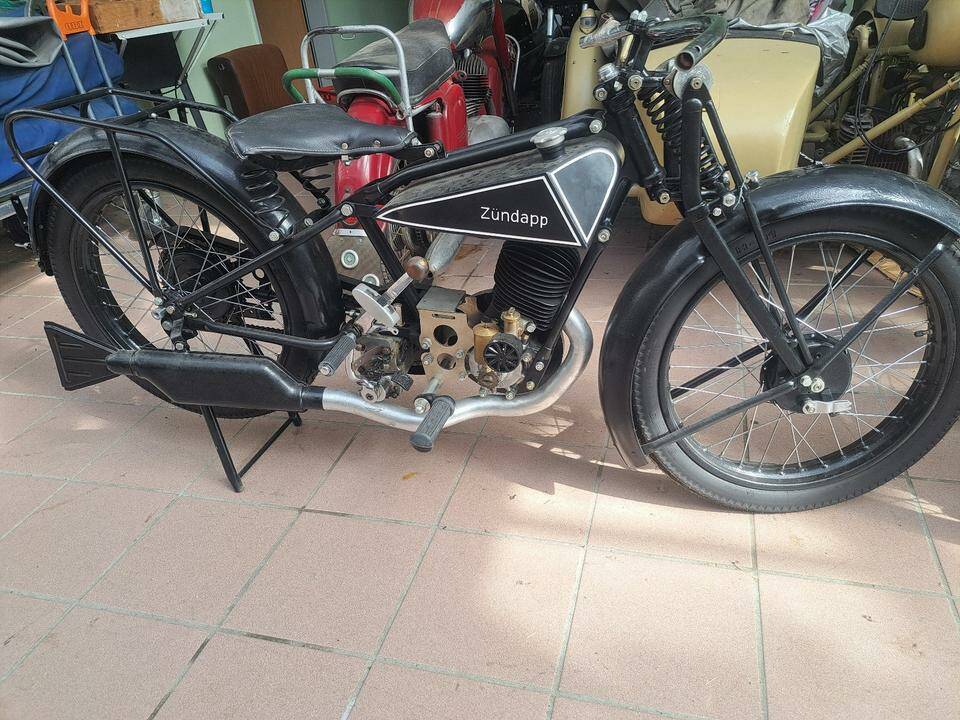
Zündapp Z 200

1929 Indian Scout 101 '29
The 1920s were a decade of transition rather than a clean technical boundary. Manufacturers improved factory organisation and repeatable production, while many cars still used separate chassis, timber body framing, mechanical brakes and unsynchronised gearboxes. Coachbuilt bodies remained important, particularly at the more expensive end of the market. A 1920s vehicle can therefore be both an industrial product and a highly individual piece of bodywork.
Australia received a wide mixture of cars and motorcycles from Britain, Europe and North America. Some arrived as complete vehicles, while others came as chassis for bodies made or fitted locally. Dealers, agents, distributors and coachbuilders created a local history that may not match a catalogue photograph from the country of manufacture. Australian roads and long distances encouraged attention to cooling, ground clearance, luggage and repairability, but those features must be demonstrated on the particular vehicle. A locally fitted body is evidence of adaptation, not automatic proof of a factory specification or Australian delivery.
The decade also includes vehicles with very different levels of standardisation. Ford's Model T was introduced in 1908 and continued into the 1920s, so a 1920s Model T should be dated by its own records and components rather than by the model's introduction. The Austin Seven was launched in 1922, and its Australian history needs to be separated from later arrivals and later restorations. Citroën, Renault, Morris, Chevrolet, Dodge, Studebaker and many others had their own engines, brakes, bodies and parts systems. Model knowledge is essential before judging originality.
Tourers, roadsters, saloons, coupés and light cars occupied different roles. An open tourer may have timber framing, removable weather equipment and a body designed for access rather than modern sealing. A saloon demands careful inspection of roof, pillars, doors, window surrounds and interior timber. A sporting body can be period, later or entirely reproduced. Compare the vehicle's proportions, fasteners, instruments, seat layout and body mounts with reliable model references instead of assuming that an attractive shape is original.
Start beneath the paint. A separate chassis should be checked for straight rails, sound cross-members, cracks around spring hangers, corrosion and unrecorded holes. Body mounts need to be secure and correctly spaced. Inspect floors, sills and outriggers where relevant, and examine timber for damp damage, insect damage and crushed joints. On a more integrated body, inspect seams, pillars, floor edges and suspension pick-up areas for distortion and corrosion. Paint depth, fresh underseal and a very clean underside can justify more questions, not fewer.
Mechanical brakes were becoming common in the decade but were not universal in every model or specification. Balloon tyres were also spreading, but the presence of a particular tyre does not date the whole car. Check rods, cables, levers, pivots, drums, linings and return springs. Measure play in steering joints, kingpins, wheel bearings and the steering box. Confirm wheel size and rim compatibility before ordering tyres. A car that stops in a driveway may still pull, fade or lose braking force on a descent.
Engine inspection should include a cold start, correct oil level, compression or leak-down assessment where suitable, cooling performance and evidence of coolant in the oil. Observe oil pressure, exhaust smoke, bearing noise and valve-train sounds without treating a dashboard gauge as proof of engine health. Check the clutch for drag, gearbox selection for noise and axle for leaks or backlash. A complete, honest car with worn consumables can be a more sensible purchase than a glossy car with a replacement engine and undocumented structural repairs.
Motorcycles in the decade ranged from light singles to substantial touring machines and combinations. BMW's R 32, introduced in 1923, used a horizontally opposed twin and shaft drive, while Indian and Harley-Davidson offered different frame, engine and drive arrangements. These examples illustrate the range rather than a single definition of a 1920s motorcycle. Confirm the model year, frame identity and specification before applying a catalogue description to the machine in front of you.
Inspect the frame, steering head, fork links or girder forks, wheel hubs, rims and spokes. Look for fatigue around engine plates, altered brackets, poor welds and damage from a sidecar. Check tank seams and internal corrosion, mudguard stays, stands and footrest mounts. Drum brakes need examination of drums, linings, cables or rods and operating cams. Wheel alignment and tyre condition are safety matters, even where a machine is primarily a display or rally vehicle.
Magnetos, carburettors, contact points and six-volt charging systems require period-appropriate testing. A cold start can reveal a weak magneto, flooding, air leaks or an incorrect starting procedure. Inspect wiring for brittle insulation, poor earths, unfused additions and hidden modern components. A sidecar, rack, different gearing or Australian lighting conversion can be historically interesting when supported by photographs or invoices, but mounts must be structurally sound and the combination must be assessed as a whole.
Do not value completeness by paint alone. Correct tanks, badges, levers, instruments, exhausts, mudguards, air boxes and control cables can be difficult to source. Reproduction parts may be useful, but their profile and material should be recorded. A motorcycle with an authentic-looking later tank or replacement frame can be harder to return to specification than a tired but complete example. Retain removed parts when making a reversible safety change, and label any new wiring or altered controls.
A 1920s car rewards a different driving method from a modern vehicle. Many gearboxes are unsynchronised, requiring deliberate clutch work and sometimes double-declutching. Controls can be arranged differently, with a hand throttle, manual ignition advance, floor-mounted levers or a starting switch that does not behave like a contemporary key. Learn the exact procedure from a manual or experienced specialist before operating the car. Never assume that a familiar badge means familiar controls.
Cooling systems need attention in slow traffic and on hot days. Check radiator core condition, water pump or thermosyphon operation, fan, hoses and the accuracy of temperature information. Examine the fuel tank, lines, shut-off tap and carburettor for leaks. Six-volt electrical systems can work well when clean and correctly earthed, but poor connections and unsuitable bulbs create problems. An alternator, electronic ignition or hidden relay may improve usability, yet it changes the specification and should be disclosed and documented.
The 1920s did not have electronic engine management, fuel injection or modern hydraulic braking as a default. Later conversions should not be described as period technology. Conversely, an original mechanical system should not be condemned merely for lacking modern equipment; it must be inspected, adjusted and used within its design limits. Safe operation depends on sound structure, appropriate tyres, functional lights, clear controls and a driver who understands the vehicle's limits.
Make identity the first part of the purchase. Photograph chassis, frame, engine, gearbox and maker's plates, then compare the numbers with factory literature, marque registers, invoices and import papers. Ask whether the body, engine, transmission, axles and instruments belong together. A replacement engine may be a practical and historically understandable repair, but it affects matching-numbers claims. RHD does not establish Australian delivery: a vehicle may have originated in another right-driving market or been converted later.
Ask for a cold inspection by someone familiar with the model. Check starting, oil pressure, temperature, charging, smoke, clutch, gearbox, steering and brakes. Inspect the underside for rails, body mounts, floor repairs, rust and fresh coatings. On motorcycles, include frame alignment, fork movement, spoke tension, brake operation, magneto output and tank condition. A professional report should identify immediate safety defects separately from missing trim, paint damage and desirable originality work.
Calculate the project beyond the sale price. Timber repair, panel shaping, machining, upholstery, plating, specialist electrical work and overseas freight can each alter the budget. Confirm parts availability before dismantling a rare European or low-production model. Ask whether the seller has retained moulds, patterns, original instruments and removed components. Check insurance for agreed value, transport, restoration and restricted use, and arrange dry, secure storage with suitable fire precautions.
Registration requirements vary by Australian state and territory. Historic, club and conditional schemes can have different age rules, inspections, club membership requirements, logbook conditions and permitted uses. A registration plate or concession in one jurisdiction does not guarantee eligibility elsewhere. Contact the relevant road authority and a local marque or historic-vehicle club before purchase, and establish how the vehicle's identity, modifications, lighting, brakes and intended use will be assessed. Do not rely on an old registration label or a seller's general statement.
Record the car or motorcycle before removing anything. Photograph wiring routes, fasteners, body joints, paint layers, upholstery, tool clips, casting marks and repairs. Mark components and retain all removed parts. Search period photographs, parts books, workshop manuals, factory literature and Australian club knowledge. Those sources can reveal whether a body style, instrument, lamp, wheel or accessory belongs to the build date, a later period or a modern restoration.
Structural and mechanical work comes before cosmetics. Repair chassis cracks, rotten timber, loose body mounts, worn steering, weak brakes, unsafe wheels and leaking fuel systems before applying a finish. Test cooling and charging under controlled conditions. If a modern component is fitted, document its purpose, date and wiring, and preserve the original part where feasible. A discreet improvement is not necessarily a fault, but presenting it as factory equipment is misleading. Restoration quality includes truthful description.
For an Australian vehicle, local history can be part of its significance. A body by an Australian coachbuilder, a documented dealer conversion or a period touring accessory may deserve preservation rather than replacement with an overseas catalogue part. Conversely, a later body should be identified as later, even if it has been on the chassis for many years. Provenance is strongest when a chain of invoices, registration records, photographs and ownership statements supports it; a story based only on RHD or a familiar local body is weak.
Preservation does not mean leaving a dangerous vehicle untouched. Stabilised original paint can be preferable to an invented concours finish, while a careful mechanical rebuild can make an otherwise historic car usable. Keep a dated restoration file with measurements, suppliers, part numbers, machine work and photographs. Future owners need to know what is original, what is repaired, what is reproduced and what is modern. That record protects both historical value and practical resale confidence.
Australian roads in the 1920s included sealed urban streets and extensive dirt routes. Dust, corrugations, mud, heat and distance made spare parts, cooling, tyres and accessible mechanicals important. Motoring clubs and reliability events helped owners learn the capabilities of their cars, while touring encouraged equipment such as luggage racks, tools and weather protection. A period photograph of such equipment can establish history, but it does not prove that every similar item on a restored vehicle is original.
Club rallies and displays offer sensible settings for a sound 1920s vehicle, provided the event's route and conditions suit it. Plan for slow traffic, hills, heat and recovery. Test brakes, steering, tyres, lights and cooling away from public traffic before a long outing. A car designed for 1920s roads does not have the acceleration, braking reserve or lighting of a modern car. A motorcycle combination needs particular attention to sidecar handling, loading and stopping distance.
Early Australian competition included trials, hill climbs, reliability events and speed contests, but competition use could involve altered engines, gearing, bodies, wheels and brakes. Such history is valuable when supported by entrant lists, event photographs, results or continuous ownership records. A later recreation may be enjoyable and well made, but it should be described as a recreation. Do not allow an attractive competition story to substitute for chassis and component evidence.
Before collection, learn the starting and recovery procedure, identify fuel shut-offs and carry tools appropriate to the exact model. Keep a maintenance log for oil, coolant, magneto, points, chains, belts, tyre pressure and fasteners. Store the vehicle dry and ventilated, protect timber from damp, and avoid leaving fuel in a system known to corrode. A specialist should set up brakes, steering and wheel bearings before regular use.
Use is best matched to condition and history. A structurally original car may be more suitable for display and short runs than for high-speed touring. A correctly restored example can join a club event, but its route should avoid conditions that exceed its cooling, braking or lighting capability. Confirm insurance and registration restrictions for each intended use. The fact that a vehicle is currently registered does not remove the owner's responsibility to maintain it or to comply with local conditions.
The strongest 1920s purchase is an honestly identified vehicle with a clear inspection path. Establish its exact model and build date, separate factory specification from Australian adaptation, and budget for the work that makes it safe. Then verify registration with the appropriate state or territory authority. Good documentation is not bureaucracy added to the enjoyment; it is what allows the car or motorcycle's Australian story, engineering and restoration to be understood.
The decade combined improving production with separate chassis, coachbuilt bodies, mechanical controls and many unsynchronised gearboxes. The actual specification, build date and later history matter more than a generic vintage label.
Verify chassis and engine identity, body construction, repair quality, cooling, steering, brakes, tyres, gearbox and documentation. Inspect it cold with a specialist and distinguish Australian alterations from factory equipment.
A sound motorcycle can suit club rides and relaxed touring, but its brakes, lighting, gearing, controls and six-volt or magneto equipment require period-appropriate maintenance and a realistic route.
No. RHD is not proof of Australian delivery. Confirm provenance with import records, registration history, dealer evidence, factory information, photographs and ownership records.
Join 100,000+ subscribers getting hand-picked listings
Receive hand-picked collections of the most interesting cars, motorbikes, and auction listings on Classic Trader — straight to your inbox.