Style and technical progress
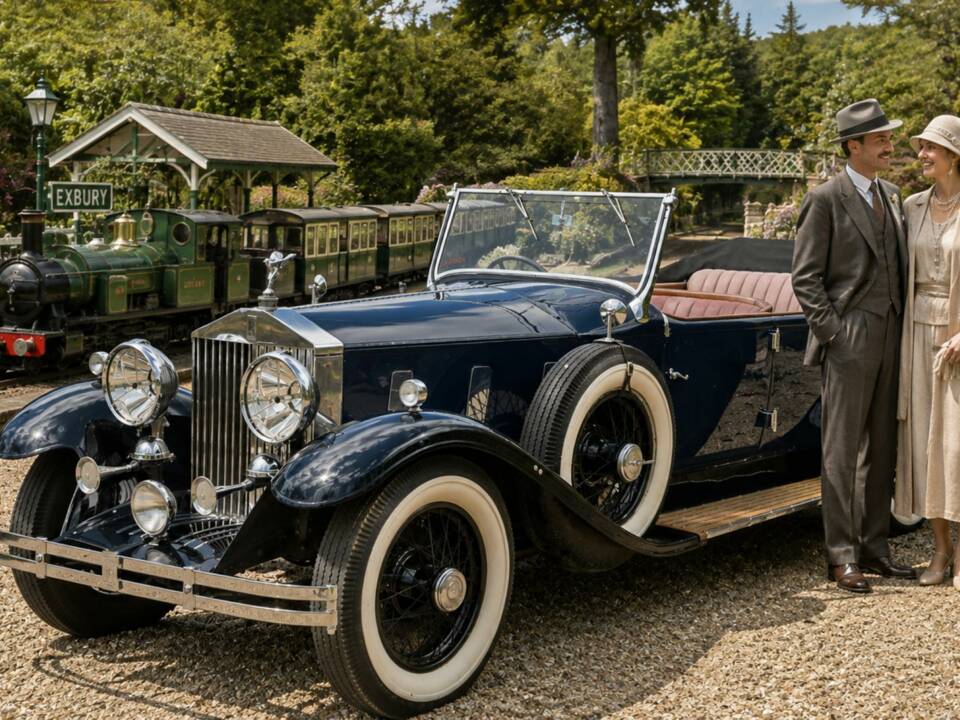
The 1930s were not one uniform style. Early cars still wore upright bodies on separate frames, while the later decade brought lower rooflines, flowing guards, better sealing and, on selected models, all-steel construction. Hydraulic brakes, independent front suspension, synchromesh gearboxes and improved dampers arrived at different times and were never universal. A 1938 car should therefore be checked against its exact factory specification, not a general description of the decade.
For Australian buyers, the story also involves distance. Cars arrived as complete imports, in partially knocked-down form for local assembly, or with bodies made or altered here. General Motors-Holden began assembling cars in Australia in the 1920s and became General Motors-Holden in 1931; Ford’s Geelong plant began production in 1936. Holden’s body-building tradition meant an imported chassis could acquire Australian coachwork, trim or repairs. Those facts do not prove that every surviving car was locally made: confirm the body, chassis and delivery history from plates, records and period photographs.
Sporting and touring cars
The decade offered a broad choice, from an affordable Ford V8 or Chevrolet to a Riley, Alvis, Lagonda, Bentley, Lancia or SS Jaguar. The Ford V8’s side-valve engine and strong performance made it influential, while the SS 100 and other sports cars turned low weight and attractive coachwork into a distinct form of appeal. Citroën’s Traction Avant, introduced in 1934, demonstrated front-wheel drive and unitary construction; it should not be used as evidence that all 1930s cars had either feature.
Australian touring cars had to cope with rough surfaces, heat, dust and long distances. A locally repaired mudguard, altered cooling system or replacement upholstery may tell a useful story rather than automatically reducing interest. Look for evidence: a registration photograph, a dealer invoice, an old club logbook or an Australian coachbuilder’s plate is more useful than a seller’s confident description. Separate an honest period modification from a modern change presented as original.
Motorcycles before the war
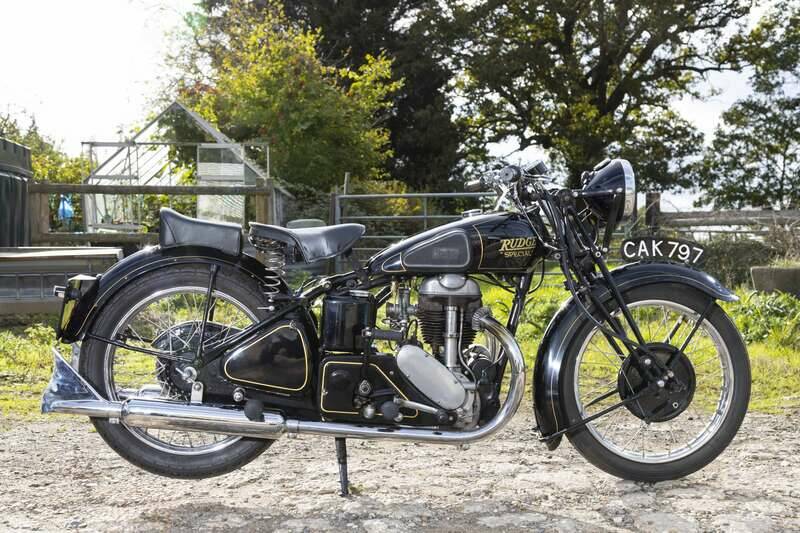
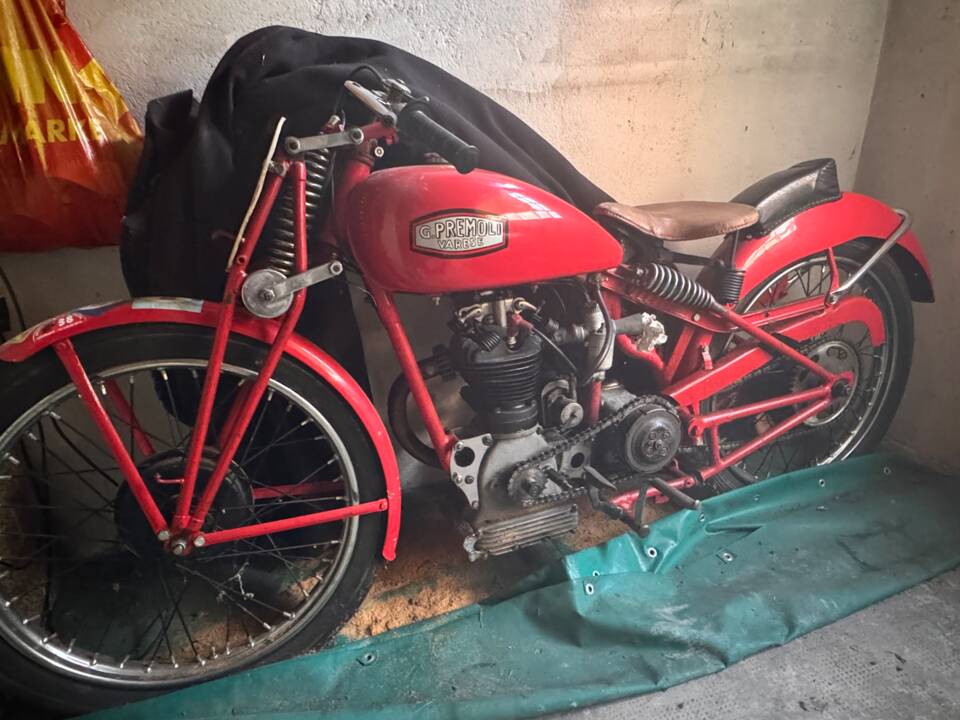
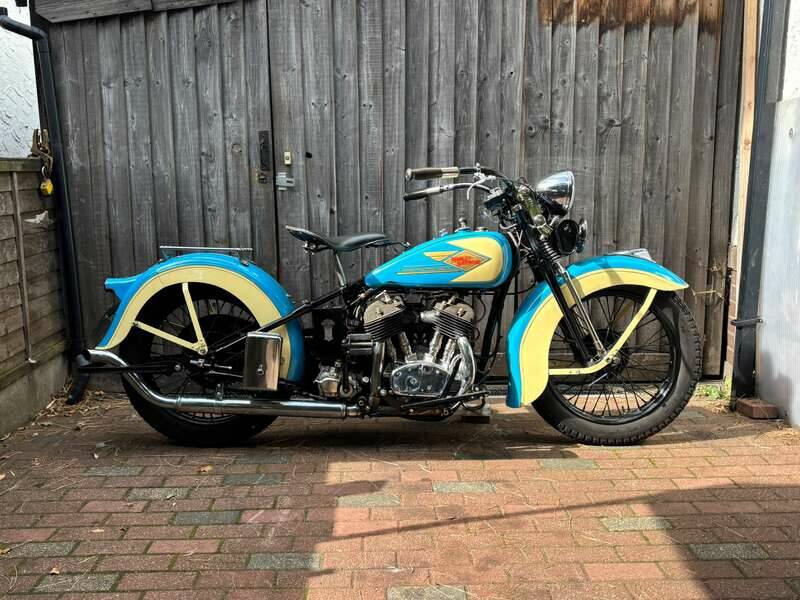
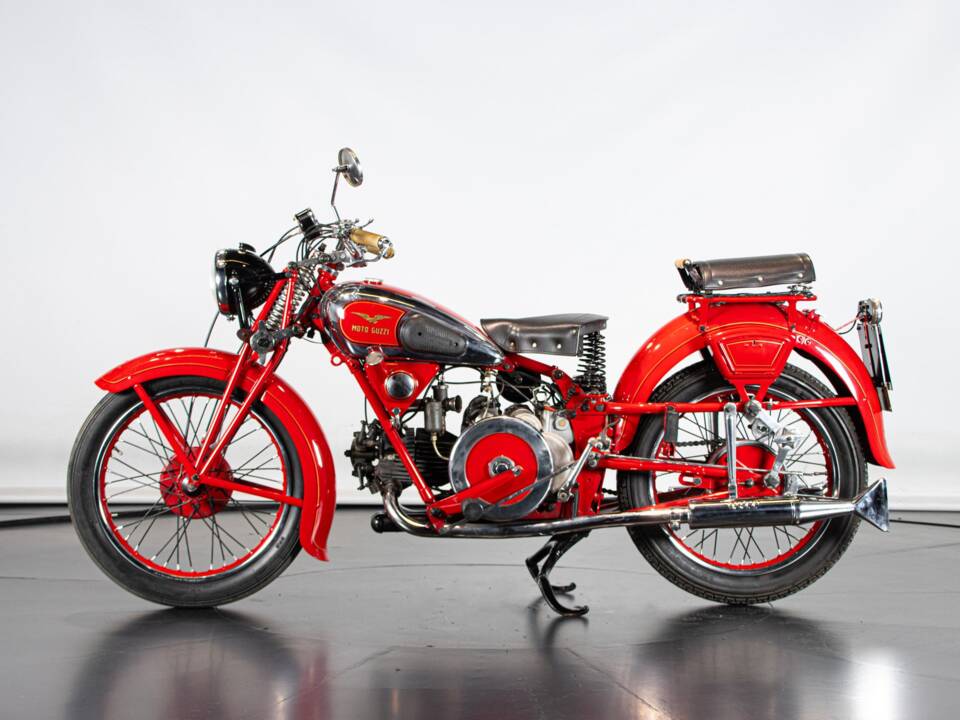
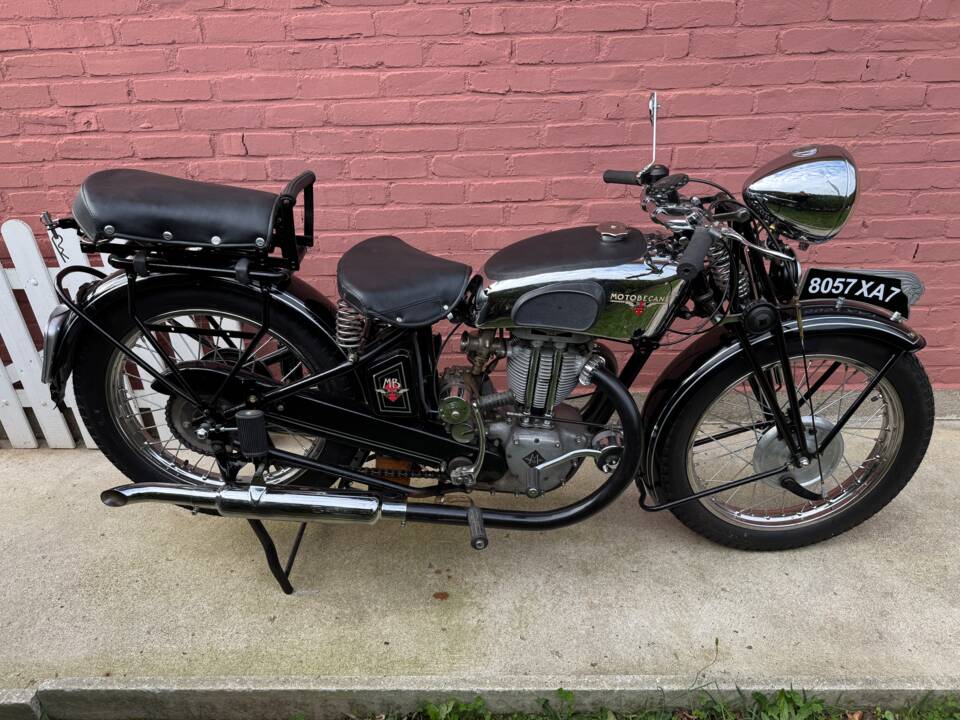
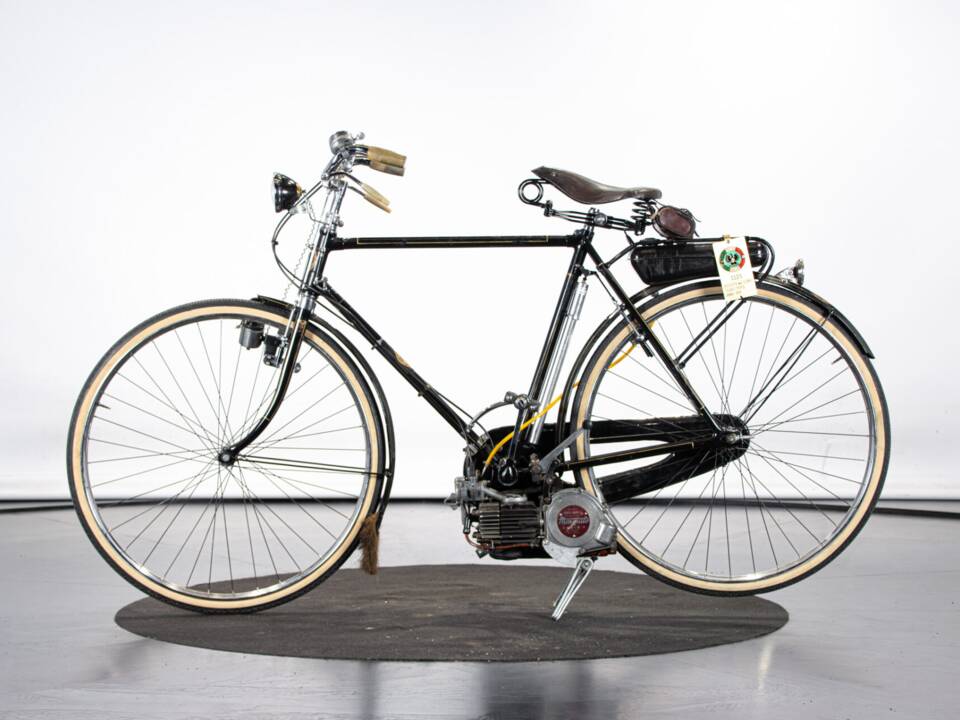
Motorcycles were practical transport as well as competition machines. BSA, Norton, Triumph, Ariel, Velocette, Matchless, BMW and Indian were represented in Australia largely through importers and dealers, with supply and specification varying by year. Norton’s International, the BSA Blue Star, Triumph’s Speed Twin at the end of the decade and BMW’s shaft-drive machines show the range from sporting single-cylinder design to fast touring equipment. Local accessory fitments, sidecars and replacement lights were common enough to merit investigation.
Inspect a motorcycle as a stressed structure, not a small car. Check the steering head, frame lugs, rear stays and any sidecar mounts for cracks or poor welding. Spin the wheels, check spoke tension and rim condition, measure fork straightness, and inspect brake drums and linings. A cold start can reveal magneto weakness, worn valve gear, noisy big ends and gearbox trouble. Oil leaks may be ordinary maintenance issues, but an impact-damaged crankcase or pitted fork stanchion can change the budget completely.
Australian assembly, imports and the road network
Australian market history matters when comparing two apparently similar cars. General Motors-Holden assembled and bodied several imported designs, Ford Australia assembled vehicles at its plants and a number of specialist Australian coachbuilders supplied bodies or commercial work. Components and specifications could differ from North American or European catalogues. Record the maker’s plate, chassis number, body number, engine number and any Australian distributor mark before ordering parts.
The new roads and expanding suburbs increased demand for reliable family transport, while clubs, hill climbs and country touring created a market for sporting cars. Fuel quality, dust and heat influenced local maintenance, but they did not create a separate Australian factory specification for every model. Claims such as “Australian-built”, “factory special” or “original country body” need supporting evidence. A body rebuilt after a country accident may be historically valuable, yet it should be described accurately.
Buying and restoring a 1930s vehicle
Start with identity and completeness. Photograph every plate and number, compare them with marque references, and ask whether the engine, gearbox, body and chassis have always belonged together. On a timber-framed body, probe lower rails, door pillars, floor edges and windscreen posts for damp damage. On a steel body, inspect seams, guards, sills, floor pans and inner wings. On a separate chassis, examine rails, cross-members, outriggers, spring hangers and body mounts for distortion or fresh plates welded over corrosion.
Run the engine from cold where possible. Check oil pressure, coolant circulation, temperature, smoke, bearing noise, clutch operation and gearbox selection. Mechanical brakes demand especially careful inspection: worn rods, seized pivots and oval drums can make a car unsafe even when it stops during a short test. Hydraulic systems on later examples need inspection for old hoses, leaking wheel cylinders and contaminated fluid. Tyres, steering joints, wiring, fuel lines and glass deserve a safety budget before cosmetic work.
Restoration should be staged. Preserve photographs, labels and removed parts; catalogue fasteners before dismantling; and obtain a parts book before replacing unusual trim. Correct gauges, wheels, hubcaps, carburettors, lamps and badges can cost more than paint. Reversible improvements may be sensible for touring, but disclose them and retain the original components. A sympathetic restoration with documented Australian history is generally more convincing than a generic rebuild using attractive but incorrect parts.
Owning a pre-war classic in Australia
Budget for freight between states, specialist machining, panel and timber work, storage, period-correct tyres and parts that must be imported. Ask the seller for clear ownership evidence, import papers where relevant, restoration invoices and photographs. Arrange an independent inspection on a hoist and a cold road test; do not rely on polished photos. Before purchase, contact the registration authority in the state or territory where the vehicle will be kept about its current historic-vehicle, engineering, inspection and modification requirements. Those arrangements differ and can change, so do not assume another state’s scheme applies.
Use secure, dry storage and keep a log of kilometres, fluids, repairs and electrical changes. After recommissioning, test steering, brakes, lights, charging and cooling away from traffic, then build confidence gradually. A 1930s car or motorcycle rewards an owner who understands its limits: it is a piece of Australian motoring history, but also a machine whose age requires regular inspection.