- Motorcycle
- Peugeot (2 offers)
Buy Peugeot Motorcycle
Peugeot sits in a rare corner of the classic market: part pioneering motorcycle maker, part post-war commuter specialist, part moped and scooter icon. For Australian buyers, that means a Peugeot can be anything from an early Bol d’Or-era single to a tidy 103 or Speedfight with real French nostalgia and relatively approachable entry pricing.
Search results
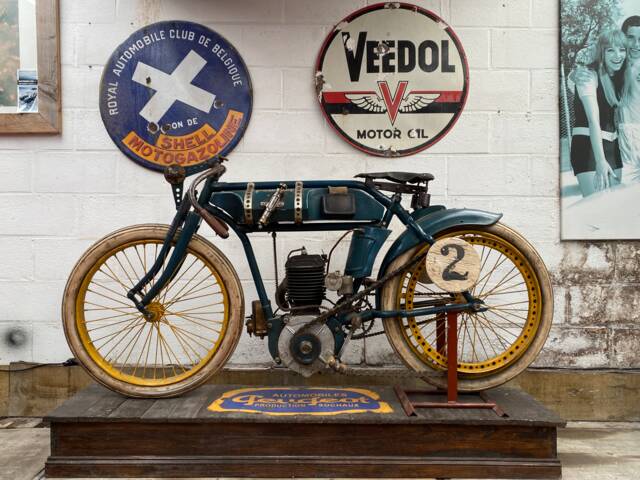
1928 | Peugeot P 108
Oldtimer race motor

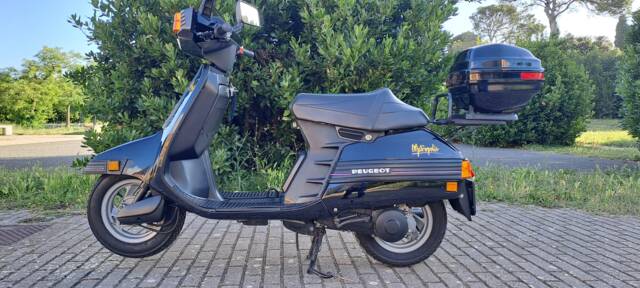
1993 | Peugeot Metropolis 50
Peugeot Metropolis 50 (1993) – Showroom Condition, Fully Original, Inspected

Peugeot listing references from Classic Trader
Below you will find listings related to your search that are no longer available on Classic Trader. Use this information to gain insight into availability, value trends, and current pricing for a "Peugeot" to make a more informed purchasing decision.
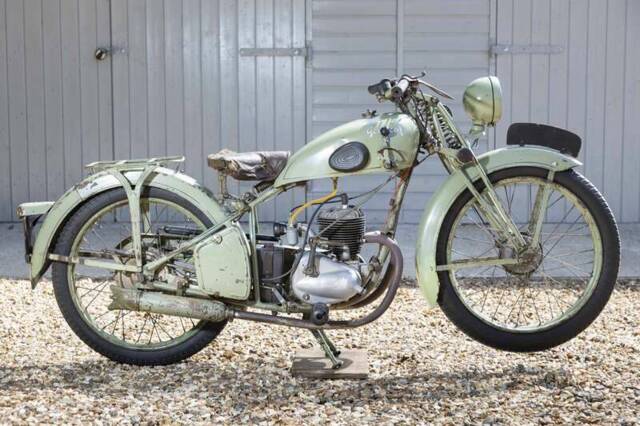
1947 | Peugeot 55
1947 Peugeot P55 125cc *

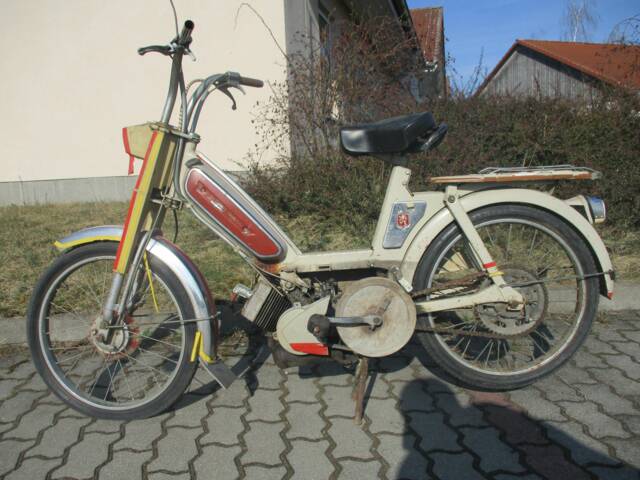
1973 | Peugeot 103 MD
Peugeot P105 103M-D

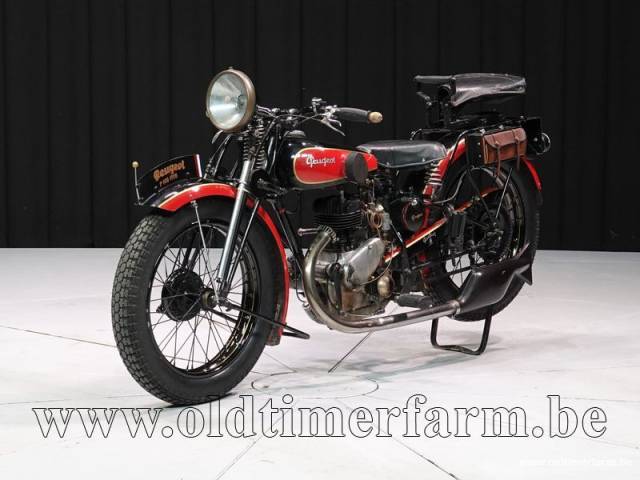
1929 | Peugeot P 108
1929 Peugeot P108 '29
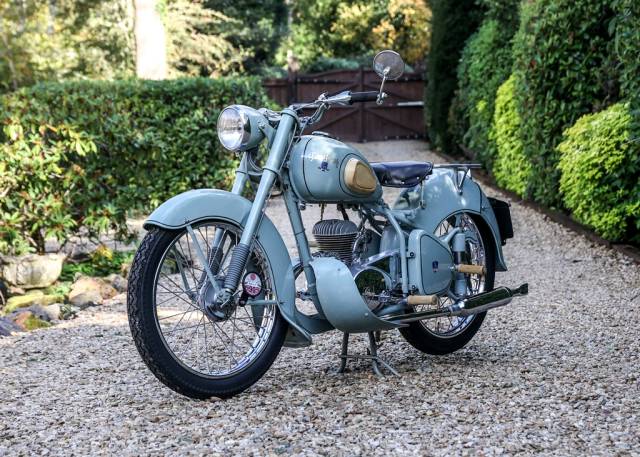
1953 | Peugeot 55
Peugeot Type 55 TCL (125cc)
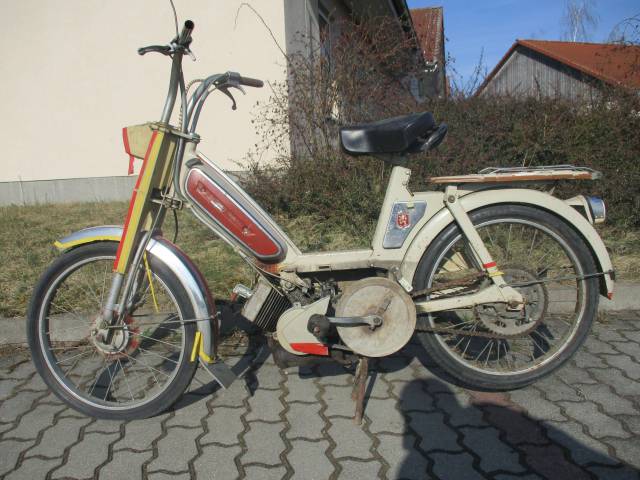
1973 | Peugeot P 105
Peugeot P105 103M-D
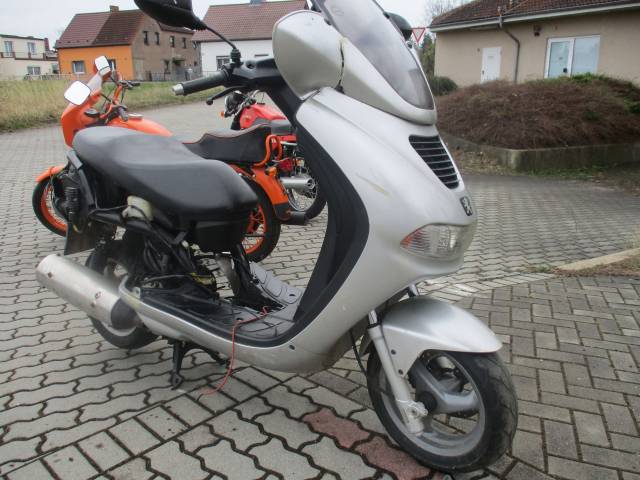
2000 | Peugeot Elyseo 125
Peugeot Elyseo 125
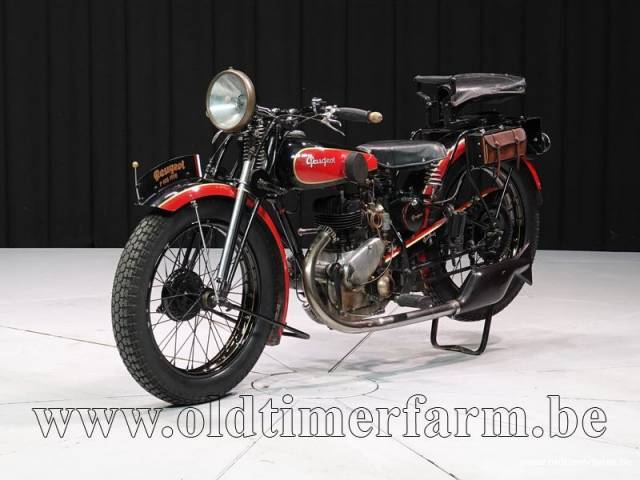
1929 | Peugeot P 108
1929 Peugeot P108 '29
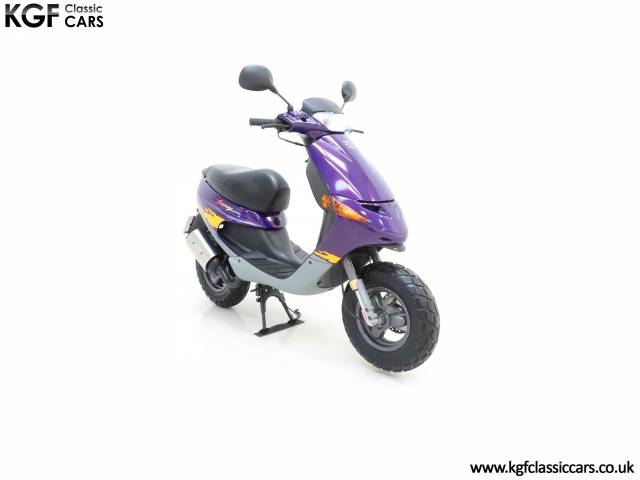
1995 | Peugeot Buxy
A Deliciously 90’s Peugeot Buxy Unregistered with Just 21 Miles!
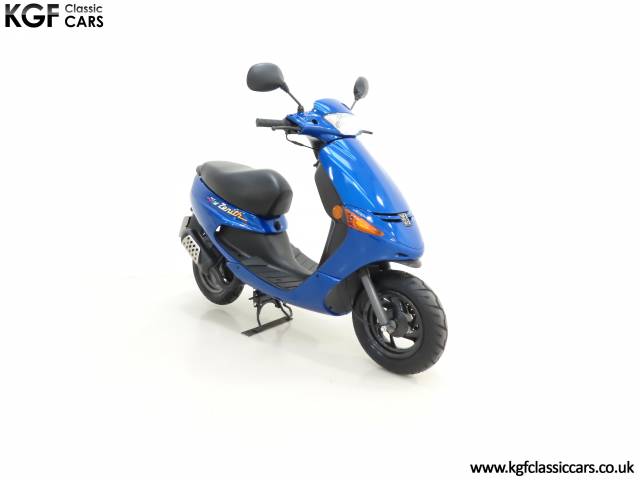
1995 | Peugeot Zenith L
A Deliciously 90’s Peugeot Zenith L Unregistered with Just 61 Miles!
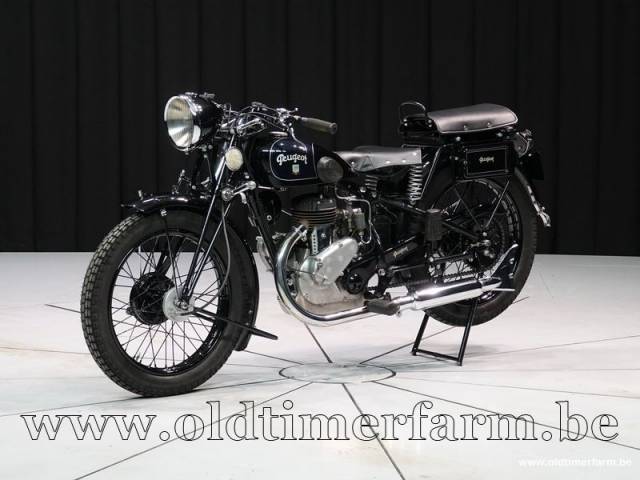
1934 | Peugeot P 112
1934 Peugeot P112 '34
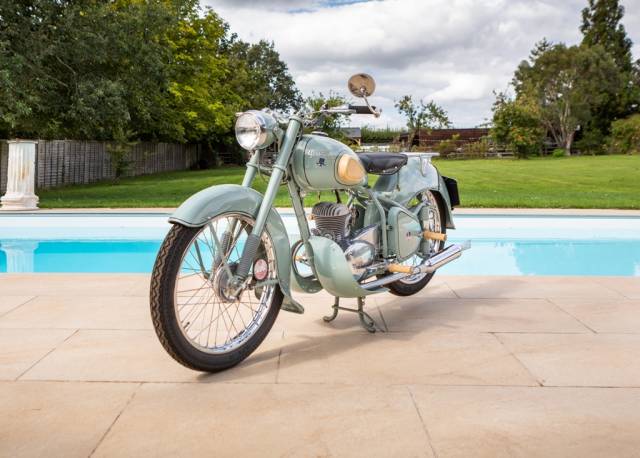
1953 | Peugeot 55
Peugeot Type 55 TCL (125cc)
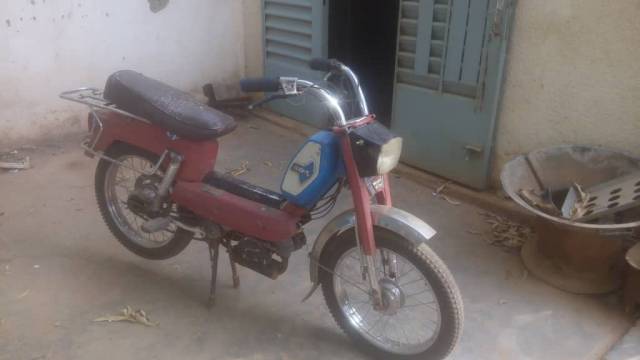
1973 | Peugeot 104
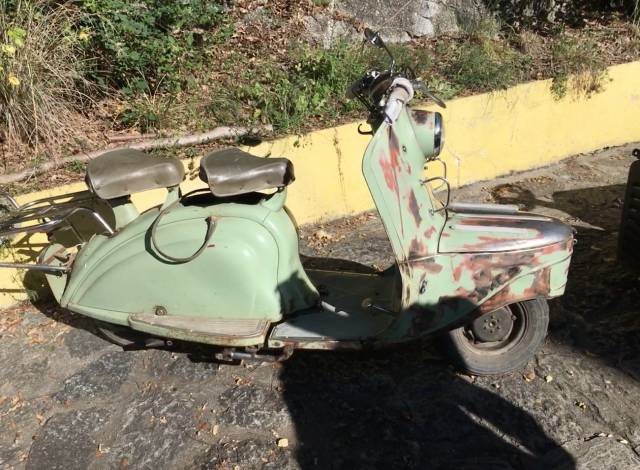
1955 | Peugeot 55
SA 57 licence AUTOMOTO

History & Heritage
Peugeot is far older as a two-wheeler brand than many buyers first assume. The company’s industrial roots go back to the early 19th century, Peugeot entered bicycle production in 1881, and by 1898 it had presented its first motorised two-wheeler. Official Peugeot history for both the global brand and the Australian distributor still leans on that date, positioning Peugeot as the oldest motorcycle and scooter manufacturer still in operation. For a collector, that matters: when you buy an early Peugeot, you are not buying a side note to the car business, but a machine from one of Europe’s foundational names in powered two-wheel transport.
The first chapter is the one specialists remember most vividly. In 1901, Peugeot launched its first series-built motorcycle, still close in concept to a reinforced bicycle but already signalling serious intent. By the 1910s, Peugeot was thinking beyond utility. The famous 500 M racing twin of 1913-1914, developed in the Ernest Henry orbit, used gear-driven double overhead camshafts and four valves per cylinder. That was extraordinary engineering for its day. Contemporary Peugeot heritage sources and later registries both credit the 500 M with a 122 km/h flying-kilometre record, a figure that still gives the model almost mythical standing in pre-war motorcycle history.
For most buyers, though, the collector market becomes more tangible with Peugeot’s interwar singles. In 1928, the P108 arrived as Peugeot’s return to the 250 cc class and became part of a commercially successful family that also included the P107, P109, P110 and P111. The P108 mattered on the track as well as in the showroom: Robert Pahin won the 1933 Bol d’Or 250 cc class on one. If you are browsing Peugeot listings today, the P108 is one of the names that immediately tells you the bike belongs to the brand’s proper classic core rather than its later scooter era.
Peugeot then pushed upward to meet British competition. The answer was the P515, presented in 1933, with overhead valves and a much more ambitious brief. A year later it set nine world records, including a 24-hour mark at 118.747 km/h average at Montlhéry. That record, repeatedly cited in Peugeot heritage material, explains why the brand deserves more respect than its often modest market values suggest. Peugeot was capable of both everyday transport and technically serious, competition-shaped machines.
After the Second World War, Peugeot’s role changed. France needed simple, durable, affordable mobility, not exotic race hardware, and Peugeot responded with light two-strokes. The best-known family here is the P55 line, introduced from 1946 onward. These bikes were not glamorous in the way of a contemporary Italian sporting single, but they were exactly what the market needed: light, economical and practical. That post-war honesty is now part of their collector appeal. A sound P55 does not try to be a prestige item; it represents the moment when a motorcycle was a tool for rebuilding ordinary life.
The most desirable post-war Peugeot for many enthusiasts is the 176 family, especially the 176 TC4 and 176 GS Bol d’Or. Peugeot competition success lit the fuse. In the 1952 Bol d’Or, five factory-prepared 176s started, four finished, and André Bouin won the 175 cc class while placing fifth overall. Peugeot then turned that result into a road-going halo bike, the 176 GS, sold from 1953 to 1957. Period specialists reckon that nearly 4,000 were built, enough for surviving bikes to surface occasionally but few enough to keep the model genuinely significant.
From the late 1950s onward, Peugeot’s classic-motorcycle identity blurred into mopeds and scooters. That is not a weakness on today’s market; it is part of what makes the marque unusual. The 103, launched in 1971, became one of the defining French mopeds of its era. Peugeot now claims more than four million were produced by the end of the 1990s. Then came the Speedfight, one of the major names in sporty urban scooters, with Peugeot citing more than 500,000 sold. For Australian buyers, this means a Peugeot search can uncover very different collector propositions: an austere post-war 125, a Bol d’Or-flavoured 175, a youth-culture moped, or a now-retro 1990s scooter.
Highlights & Features
What makes Peugeot worth searching for on Classic Trader rather than simply admiring in a museum footnote? First, the marque covers an unusually wide spectrum of collector taste. Some brands have a single dominant identity: racing, touring, luxury, or commuters. Peugeot can offer pre-war engineering prestige, post-war utility charm, and late-20th-century nostalgia all under one badge.
The standout collector models are easy to map. The 500 M is the engineering legend, even if almost no buyer will ever have the chance to own one. The P108 is the interwar entry point with proper competition credibility. The P515 shows Peugeot at full pre-war ambition. The P55 family captures post-war practicality and remains one of the most approachable ways into early French motorcycling. The 176 TC4/176 GS is the enthusiast’s sweet spot: stronger performance, clearer sporting identity, and a real Bol d’Or backstory. The 103 and Speedfight, meanwhile, pull Peugeot into the realm of accessible nostalgia, especially for buyers who want a lighter, lower-cost collectible.
Second, Peugeot has an appealingly understated character. These machines are rarely about status. A collector arriving on a pre-war BMW or a 1970s Ducati is making a fairly obvious statement. Turning up on a good Peugeot says something more specific: that you value French engineering history, smaller-production stories, and machines whose appeal lies in their detail rather than their badge prestige.
Third, Peugeot often rewards buyers who value originality over shiny restoration. This is especially true of the P55 and 176 range. Over-restoration can flatten their charm. A mechanically correct motorcycle with sensible paint, correct fittings and period character is usually more convincing than a cosmetically glossy example with the wrong carburettor, the wrong saddle, modern electrics or improvised trim.
Fourth, Peugeot sits in a useful place on the price ladder. Recent public results show that you do not need headline-auction money to enter the marque. A 1956 Peugeot 176 TC4 Militaire sold at Iconic Auctioneers in April 2024 for £3,450. A 1947 Peugeot P55 sold there again in November 2025 for £1,725. Even mopeds show the breadth of the market: a 1979 Peugeot 103 SP sold at UK auction in June 2024 for £160 hammer, while a Petersen Museum-owned 1979 Peugeot 103 SP sold through Iconic Motorbike Auctions in May 2025 for US$351 including buyer’s fee. Those numbers do not make Peugeot cheap in the sense of risk-free, but they do show why the brand attracts buyers who want character without entering the six-figure end of the hobby.
Technical Data of Key Collector Models
For buyers, the table underlines an important truth: Peugeot is not one market but several. A P108 project, a 176 GS rider and a Speedfight original are all Peugeot, yet they belong to very different collecting cultures. That is why a broad Peugeot search works best when you know whether you want heritage, rideability, nostalgia, or a mix of the three.
Market Overview & Buying Tips
The current Peugeot marketplace is thin but varied. Classic Trader’s live Peugeot category currently shows a small number of offers rather than a deep pipeline, including P108 listings from the late 1920s and a 1990 Metropolis 50 scooter listed at €3,500. That scarcity is normal. Peugeot is not a make where dozens of comparable examples sit online at any given moment. Buyers often need patience, especially if they want the right specification rather than just the next available bike.
For Australian shoppers, the market has two layers. The first is the global collector layer, where the best early and post-war Peugeots are usually found in France, Belgium, Italy or the UK. The second is the local brand-awareness layer. Peugeot Motocycles still has an official Australian presence, but today that presence is almost entirely scooter-focused, with models such as the Django, Tweet, XP400 and Metropolis 400. That matters because the badge is still visible in Australia, yet the genuinely classic motorcycles nearly always need to be sourced offshore.
The price evidence from 2024-2025 helps frame expectations. A restored 176 TC4 Militaire at £3,450 tells you that useful, complete post-war Peugeot motorcycles still sit below many equivalent Italian or British classics. The £1,725 result for a P55 shows how affordable entry can appear at auction, but buyers should not confuse low hammer prices with low ownership cost. Cheap French lightweights become expensive when they are incomplete, poorly restored or missing hard-to-source cycle parts. Even humble bikes can absorb serious money in tanks, mudguards, carburettors, ignition pieces and trim.
For mopeds and later scooters, the numbers are different. The 103 has a broad range because condition matters enormously. A rough auction bike can sell for next to nothing, as shown by the £160 UK result, while a cleaner, more presentable or culturally desirable example can command far more in enthusiast circles. The Speedfight and related later scooters are not blue-chip collector machines yet, but the best, most original survivors are starting to separate themselves from used-up commuter stock.
There are four Peugeot buying zones worth keeping straight:
1. Pre-war motorcycles: P108, P107, P515 and related types
Buy these for rarity, provenance and historical depth. They suit experienced collectors. Condition and completeness trump paint. If the machine is a project, assume long lead times for correct parts.
2. Post-war 125s: P55 and Type 55 variants
These are the sensible entry point. They have charm, manageable mechanical complexity and recognisable market value, but only if the bike is substantially correct.
3. Sporting 175s: 176 TC4, 176 GS Bol d’Or
This is where many Peugeot specialists focus. Performance is livelier, the story is stronger, and good examples feel more serious as motorcycles.
4. Mopeds and scooters: 103, Speedfight, Metropolis and related machines
These suit buyers chasing nostalgia, low entry cost, or a second collectible that is easier to store and use. Original plastics, correct exhausts and unmodified drivetrains matter more than many newcomers expect.
Australian buyers should also think carefully about import and logistics. Government guidance is clear that a road-vehicle import approval must be secured before shipping to Australia, and GST applies to most imported goods. Even before taxes, the parts equation matters. For small consumables, European suppliers still make Peugeot ownership viable; one major EU parts seller quotes shipping to Australia from about US$36.52 for rest-of-world parcels. But bulky items are another story. German and Dutch shipping tables aimed at motorcycle parts buyers show Australia-bound bulky parcel costs commonly in the €59.90-€105 range or higher, with extra oversize surcharges for exhausts, bodywork, wheels and similar items. In Australian dollars, that can mean a modest missing mudguard or exhaust rapidly becomes a A$100-A$180 freight exercise before customs or GST. That is why buying the most complete bike you can afford is especially important here.
Inspection priorities are broadly consistent across the make:
- Engine correctness: look for the right carburettor, proper ignition layout, sensible starting behaviour, and no obvious bodged sealing or wiring.
- Gearbox and controls: Type 55 hand-shift or foot-shift hardware should feel coherent, not improvised. A 176 should engage gears cleanly.
- Cycle parts: tanks, mudguards, chain guards and brackets are often harder to replace than core engine internals.
- Model fidelity: Peugeot made many sub-variants. Mixed-and-matched parts are common and can be expensive to undo.
- Paperwork and numbers: especially important for bikes coming from continental Europe into Australia.
The core buying rule is simple: buy completeness first, cosmetics second. On Peugeot, a scruffy but correct machine is usually a better long-term proposition than a shiny one with the wrong hardware.
Performance & Riding Experience
Riding a classic Peugeot is rarely about brute force. The appeal is more subtle, and that is exactly why devotees keep looking for them. A good P55 feels light, narrow and mechanically honest. The little two-stroke does not overwhelm the rider; instead, it invites smooth timing, measured throttle use and sympathy for momentum. On quiet roads, that can be deeply satisfying. The bike communicates every small input and gives back a distinctly mid-century rhythm.
The 55 TCL is a more rounded road bike. Its improved suspension and foot-shift layout make it less antiquated in feel than the earlier, more basic Type 55 versions. You do not ride it for speed; you ride it because it turns modest engineering into a coherent, companionable experience.
The 176 TC4 and especially the 176 GS step Peugeot into more enthusiastic territory. These bikes still feel lightweight and French rather than muscular, but they have enough pace and urgency to feel genuinely sporting. The GS in particular makes sense to riders who want a classic that can do more than simply parade. Its Bol d’Or connection is not just a brochure flourish; you can feel the intent in the sharper performance and more serious stance.
Pre-war Peugeots such as the P108 or P515 offer a very different type of satisfaction. They ask for anticipation, mechanical respect and a taste for older riding technique. Nothing about them is casual. But that deliberate, involved quality is exactly the reward. They do not feel like modern motorcycles with less speed; they feel like machines from a different engineering culture.
Later Peugeot collectibles change the mood entirely. The 103 is about lightness, sound, smell and memory. The Speedfight is urban energy in 1990s form, with styling and attitude that now read as period-correct rather than disposable. For an Australian buyer with limited storage or budget, those later Peugeots can be a clever way into the marque.
Design, Philosophy & Accessories
Peugeot design is best understood as functional elegance. The pre-war bikes are still close to pure machine architecture: exposed mechanical logic, straightforward frames, and restrained ornament. The post-war models introduce more style but never become theatrical. A good P55 or 176 looks resolved rather than flamboyant.
That matters when assessing restoration quality. Peugeot motorcycles do not benefit from excess. Too much chrome, over-deep paint, incorrect upholstery grain or modern detailing can make them feel less authentic rather than more valuable. Buyers should look for bikes that preserve Peugeot’s quiet design language: slim proportions, practical finishes, correct lighting and sensible trim.
Accessories are more important than Peugeot prices sometimes imply. Correct saddles, lamps, switches, chain cases, badges and instrument details can materially affect both authenticity and total ownership cost. On 176 military derivatives, original panniers or service equipment add real interest. On 103s and Speedfights, stock exhausts, original plastics, factory decals and uncut mudguards often matter more than engine tuning. In a market where many surviving later scooters were modified when nearly new, originality has a way of becoming the rarest feature.
For Australians, accessories also link back to the shipping question. A local owner can usually sort consumables, cables and generic service parts. But a missing tank emblem, an early mudguard or a correct exhaust often means a European search, international freight and a wait. That again favours complete motorcycles, even if the purchase price is higher.
Competition, Mopeds & Australian Relevance
Peugeot’s wider cultural value comes from how many worlds it touched. The brand has real competition legitimacy, from the 500 M and P515 to the P108’s Bol d’Or class win and the 176’s 1952 Bol d’Or success. Yet it also helped mobilise post-war Europe through light, everyday motorcycles and later became embedded in youth transport through the 103.
That layered identity matters in Australia. Local enthusiasts are more likely to have seen Peugeot as a scooter brand in recent years, thanks to the official line-up and dealers, than as a classic motorcycle name. That gives older Peugeot motorcycles an interesting niche: they feel recognisable enough to spark curiosity, but unusual enough to stand apart from the usual British, Japanese and Italian classics seen at local events.
There is also a practical upside. Because Peugeot still trades as a powered two-wheeler brand in Australia, the lion badge is not obscure to the public. A classic Peugeot therefore has a built-in conversation starter, even when the model itself is rare on local roads.
Summary
Peugeot is one of the more distinctive searches you can make in the classic motorbike world. The marque offers a genuine engineering milestone in the 500 M, interwar credibility in the P108 and P515, approachable post-war charm in the P55, true enthusiast appeal in the 176 TC4 and 176 GS, and a whole extra lane of nostalgia through the 103 and Speedfight.
For Australian buyers, the opportunity is clear. Peugeot remains a living scooter brand locally, but the best classic motorcycles usually need to be found in Europe or the UK. That means logistics matter, completeness matters, and patient buying matters. Find the right Peugeot and you get something many better-known marques no longer offer at the same money: real history, real individuality, and a machine that feels informed rather than obvious.