- Car
- Land Rover (116 offers)
Buy Classic Land Rover Cars
From a locally assembled Series working truck to a V8 Range Rover Classic, an old Land Rover has a distinctly Australian story as well as British roots. Find classic Land Rover cars in Australia, with the RHD specification, provenance and chassis condition to suit the way you intend to use one.
Search results
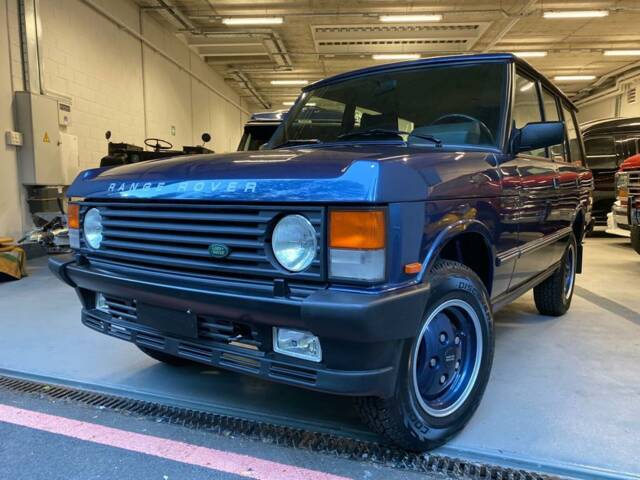
1991 | Land Rover Range Rover Classic 3.9
Land Rover Range Rover Classic 3.9
Preview
VAT is reclaimable

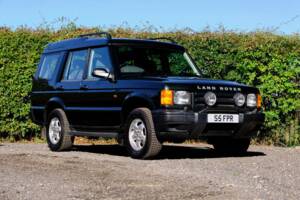
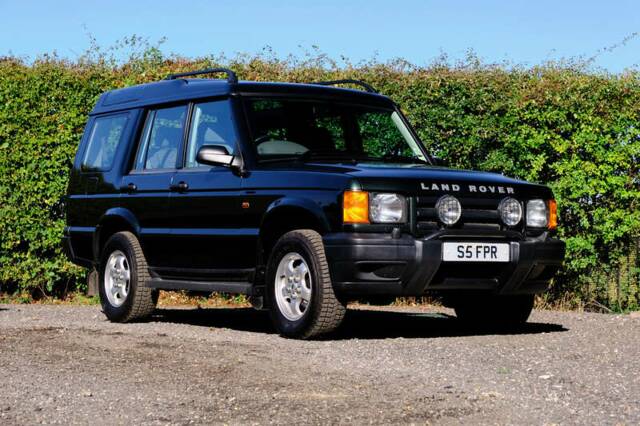
2002 | Land Rover Discovery 2.5 Td5
2002 Land Rover Discovery TD5 'S'

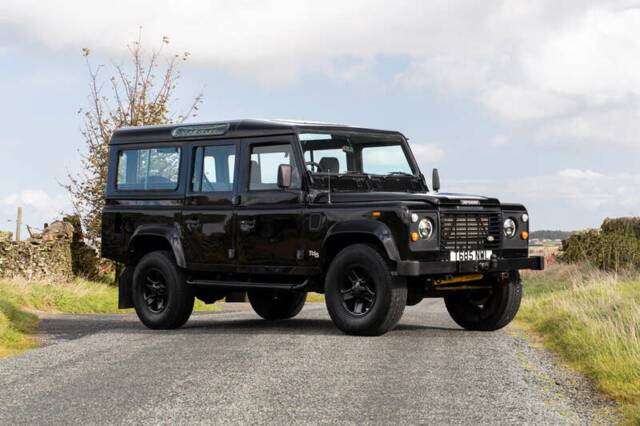
1999 | Land Rover Defender 110 Td5
1999 Land Rover Defender 110 County TD5 - 12 Seater
Newsletter
The best Land Rover listings, straight to your inbox
Get hand-picked Land Rover listings, plus the best of cars, motorbikes, and auctions on Classic Trader — all in one place.
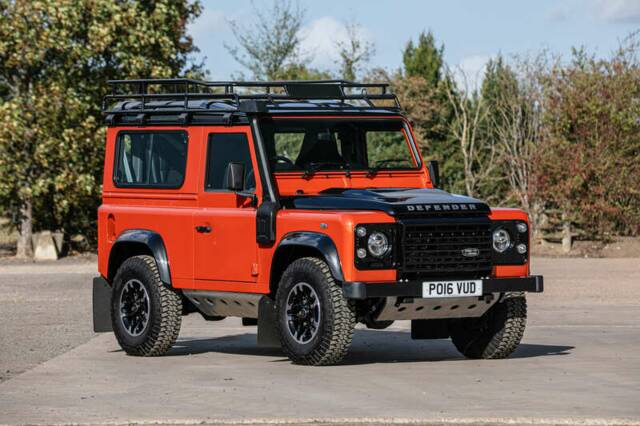
2016 | Land Rover Defender 90 "40th Anniversary Overfinch"
2016 Land Rover Defender 90 2.2 TDCi Adventure Edition - 4,283 Miles
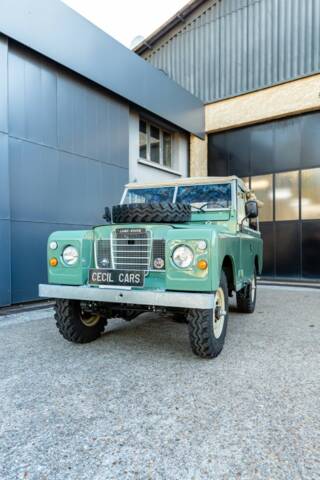

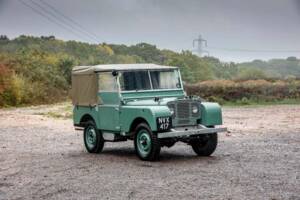
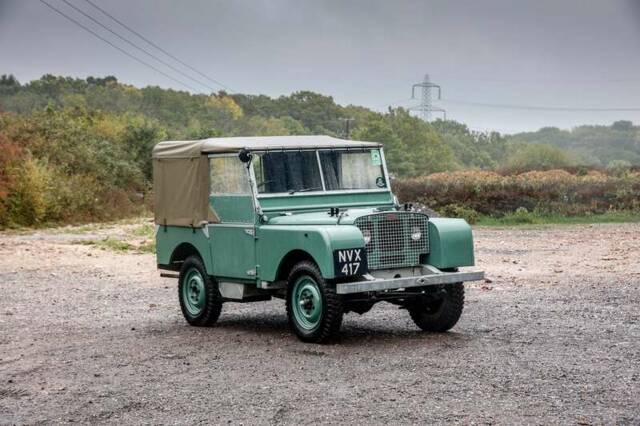
1948 | Land Rover 80
1948 Land Rover Series I 80-inch
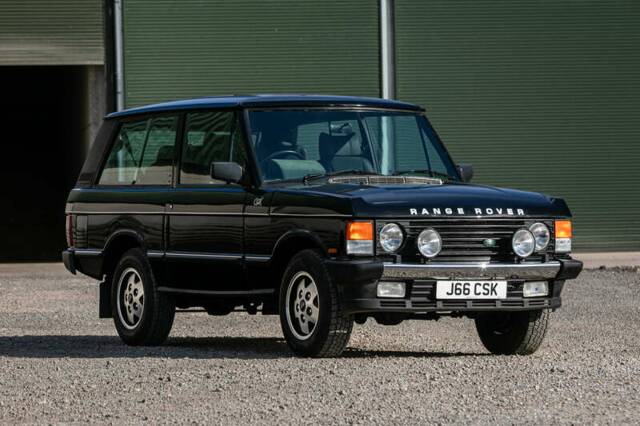
1991 | Land Rover Range Rover Classic CSK
1991 Range Rover CSK
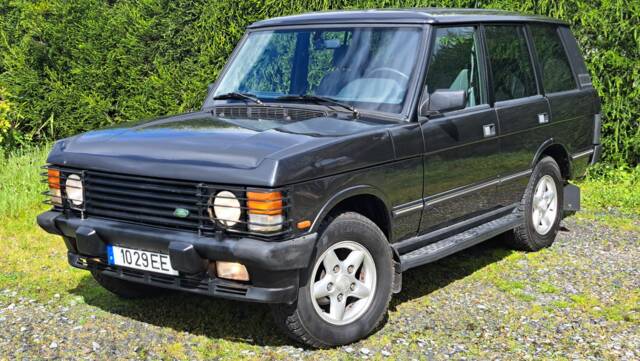
1994 | Land Rover Range Rover Classic Vogue TDi
Land Rover Range Rover Classic | 1994 | Route 66 Auctions - For sale by auction. Estimate 15000 EUR

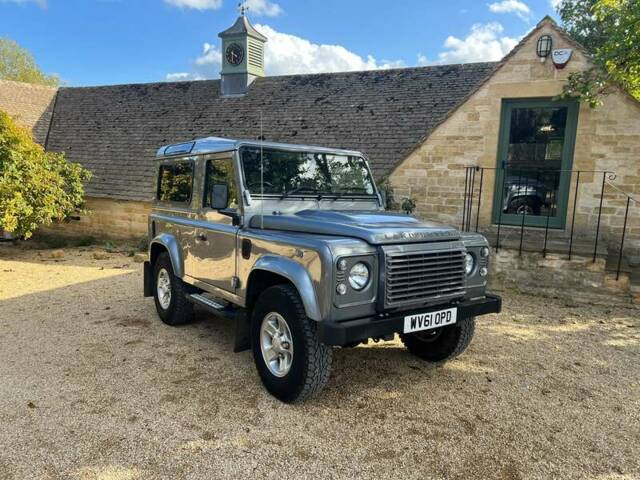
2011 | Land Rover Defender 90
2011 Land Rover Defender 90 2.4 XS
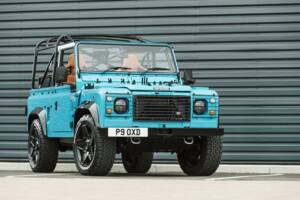
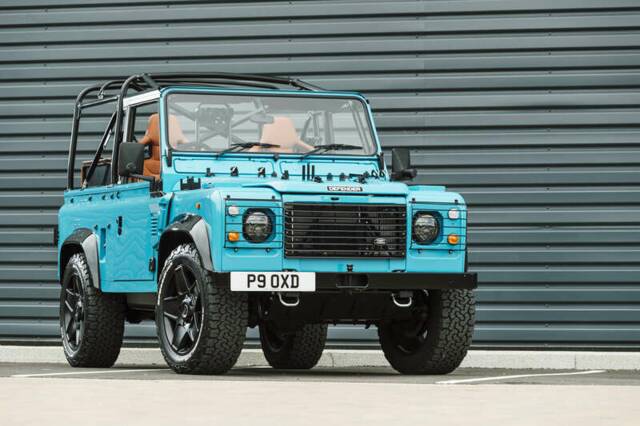
1997 | Land Rover Defender 90
1997 Land Rover Wolf Defender 90
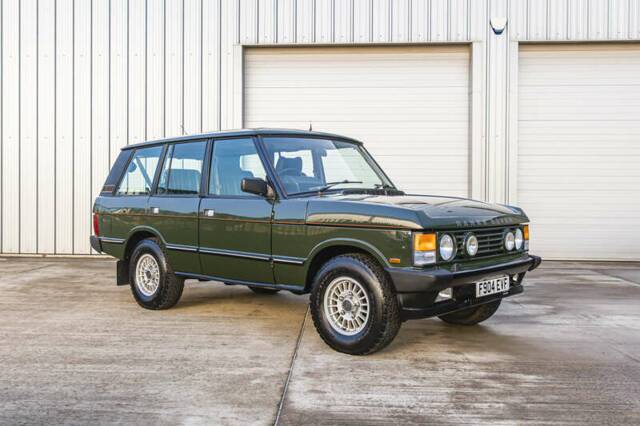
1988 | Land Rover Range Rover Classic EFI
1988 Range Rover 3.5-Litre EFi (Manual) by Wood &Pickett
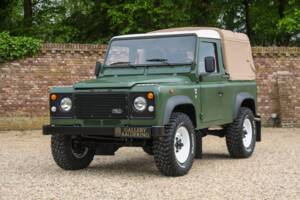
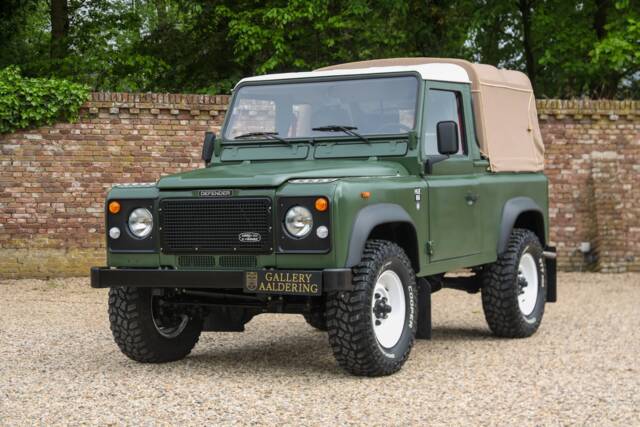
1990 | Land Rover 90
Land Rover 90 Pick-up with canvas top "Restored-rebuilt-renewed" Fully restored - But why? - "Because there's no substitute for experience",Restoration described with extensive photographic material,In "LaRo"-showroom condition, Bought from a LaRo-expert friend of ours in Switzerland - He restored the 90, Comes in "Verde Militare" with a tan canvas top,This is the gasoline version,Newly delivered in Switzerland,
VAT is reclaimable
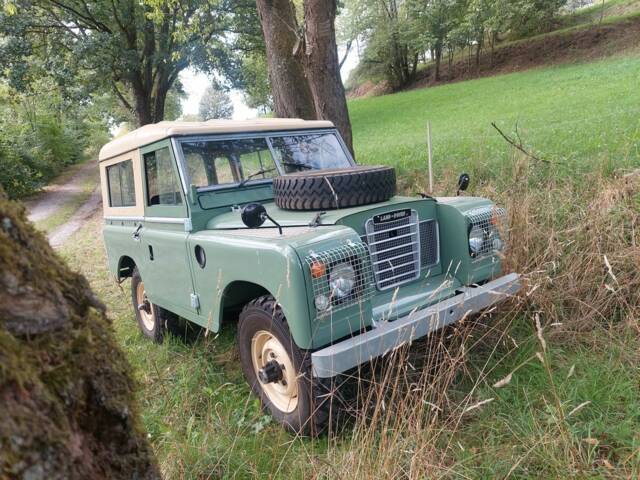
1974 | Land Rover 88
Series III Hardtop Frame-off restoration


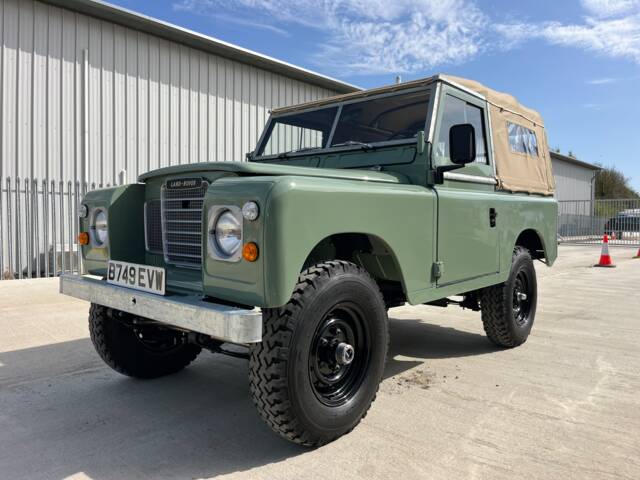
1984 | Land Rover 88
**Full professional restoration just completed**
History & Heritage
Land Rover arrived in Australia as more than a fashionable imported four-wheel drive. The first vehicles made sense on stations, in forestry, on remote roads and in military service: they were compact, capable and could be repaired far from a capital city. The underlying design, unveiled in 1948 by Rover chief engineer Maurice Wilks, was admirably direct. A steel ladder chassis carried rigid axles, leaf springs and a detachable aluminium body. Post-war steel shortages made Birmabright aluminium practical rather than decorative; its ability to avoid red surface rust remains a useful advantage in Australia, although it is no substitute for a sound chassis.
Australia soon became an important right-hand-drive market. Locally assembled Series vehicles are a particularly interesting part of the marque’s history. Pressed Metal Corporation at Enfield, Sydney assembled Land Rovers from CKD packs from the mid-1950s, and Australian content and detail specification varied with period and contract. That makes a genuine Australian-delivered Series more than an imported British utility: its compliance plate, chassis stamping, dealer material and period registration papers can tell a local story. It also means buyers should not reject every difference from a British brochure without first establishing whether it is an authentic local feature.
The Series I of 1948–58 began with 80-inch wheelbase, 1.6-litre petrol power and an agricultural brief. Later 86-, 88-, 107- and 109-inch versions broadened its appeal. The Series II arrived in 1958 with a wider, more rounded body and the long-wheelbase 2.25-litre petrol engine. Its successor, the Series IIA (1961–71), became the familiar working Land Rover of photographs from the outback, while the Series III (1971–85) brought a more civilised fascia and a fully synchromeshed four-speed gearbox. The Series era generated an extraordinary range of wagons, hardtops, tray-backed utilities, ambulances and military vehicles; condition and identity matter more than a fashionable paint colour.
Australian military association deserves separate attention. Series II, IIA and III Land Rovers served the Australian Army in substantial numbers, usually as 109-inch vehicles and often with locally specific equipment. Later, the locally developed Perentie programme turned the 110 into 4x4 and 6x6 military variants. A released military vehicle can be a compelling, honest collector purchase, but it must be assessed as a former working asset. Look for disposal records, correct chassis and ARN history where available, and evidence that any conversion from military to civilian presentation was carried out properly rather than cosmetically.
In 1983 the 90 and 110 replaced leaf springs with coils, permanent four-wheel drive and a more modern chassis layout. Renamed Defender in 1990, this family continued until 2016. It retained the Series silhouette but became the useful all-round Land Rover: a 90 is compact and characterful, while a 110 offers genuine family and touring space. Australian-delivered late Defenders are especially appealing because they are already RHD and were sold with local compliance. The 2015 Heritage and Adventure editions are a recognisable final chapter; the 90 Heritage launched here at A$54,900 plus on-road costs and the 110 Heritage at A$59,900, making documented Australian cars a distinct proposition today.
Land Rover’s other great branch began with the Range Rover in 1970. It combined a 3.5-litre alloy V8, coil springs and a lockable centre differential with an unusually refined body. Official Australian sales commenced in 1972. From 1979, Range Rovers were assembled from CKD kits at Enfield; roughly 5,970 were assembled there before the programme ended in the mid-1980s. An early Australian two-door or an Enfield-built four-door therefore deserves investigation on its own terms, not merely comparison with a UK import. The Discovery I of 1989–98 then brought much of the Range Rover’s running gear into a more practical, seven-seat-capable package.
Highlights & Features
The enduring attraction is not one model but a coherent approach to mobility. A classic Land Rover can be simple enough for an owner to understand, broad enough in capability to carry camping gear or a load, and distinctive enough to feel special on a suburban errand. The details that make this possible also define the buying risks.
- Aluminium outer panels: They do not rust like conventional steel panels, but aluminium meeting steel creates galvanic corrosion. Check door frames, cappings, firewall interfaces and riveted seams for bubbling, separation and white corrosion.
- Steel chassis and bulkhead: These are the structural heart of a Series or Defender. They rust internally as well as externally, especially where mud, salt air or red dust has sat against boxed sections.
- Real low range: Series transfer cases, the Range Rover’s permanent 4WD system and Defender hardware were designed for slow, controlled work. Test high range, low range and differential lock rather than assuming they work because the lever moves.
- Exceptional parts support: Mechanical, trim and body components remain available through established specialists. Availability does not make poor restoration inexpensive: labour, freight to regional Australia and correct fitting still count.
- Enormous specification variety: Wheelbase, roof, engine, military equipment, station-wagon trim and later upgrades have a major effect on value. A coherent vehicle is usually preferable to one assembled from several donor vehicles.
For Australian ownership, originality and usability must be balanced. Period accessories such as a bullbar, long-range tank, roof rack or winch may be part of a vehicle’s local story, yet can add weight, obscure corrosion or affect registration and insurance. Ask whether accessories are engineered or documented where required. A well-executed galvanised replacement chassis, replacement bulkhead or upgraded wiring loom can be a sensible long-term improvement when supported by invoices and photographs. It should be declared as restoration work, not presented as an untouched survivor.
The models offer different ownership experiences. A Series III is the elemental, low-speed choice; it rewards patient maintenance and makes even a beach track feel like an occasion. A Defender is more capable on long touring routes and carries stronger collector attention, especially in original Australian specification. A Range Rover Classic offers the biggest leap in ride quality and road speed, but its V8, cooling system, automatic transmission and luxury trim demand a deeper budget. The Discovery I is often the practical entry into coil-sprung Land Rover ownership, provided rust and deferred maintenance have not been ignored.
Technical Data
Figures differ by wheelbase, body, engine and market. For a particular Australian car, use its chassis number, compliance plate, engine number and factory or club records to establish its actual specification. The usual mechanical layout is straightforward but not crude: Series axles and leaf springs require regular lubrication, while coil-sprung vehicles add radius arms, bushes, more complex driveline components and, on later examples, electronic systems.
Market Overview & Buying Tips
Classic Land Rover values in Australia span a wide range because a cheap purchase can conceal an expensive structure. As a useful current market frame, a usable Series II/IIA or III commonly sits around A$12,000–25,000, with correctly restored, attractive station wagons and early vehicles moving beyond A$35,000. A former military vehicle may be cheaper at entry but should be costed as a restoration project unless its conversion and condition are documented. The price premium belongs to sound chassis rails, original identity, quality workmanship and a credible history—not simply to a new coat of limestone or pastel green paint.
For a sound Australian-delivered Defender 90 or 110, allow broadly A$35,000–70,000 depending on age, diesel type, kilometres and modifications. Late, low-kilometre Heritage or Adventure editions can command materially more. The original Australian Heritage prices demonstrate how quickly the last traditional Defenders acquired collector status, but edition badges alone do not cure corrosion, hard off-road use or poor repairs. Keep a reserve for tyres, suspension bushes, cooling, brakes and driveline work after purchase.
Range Rover Classics remain the most nuanced part of the make-level market. A tired four-door V8 project can appear at A$10,000–20,000; a very good, original or well-restored example is more often A$35,000–70,000, while early two-doors, carefully preserved local cars and notable specifications can exceed that. Discovery I vehicles can still offer access from roughly A$10,000–25,000, but they are not disposable old SUVs: inspect them with the same seriousness as a Range Rover.
Prices are indicative Australian market ranges, not a substitute for inspection. Condition, provenance, state, registration status and recent work can change value sharply. Be especially wary of a vehicle advertised as “rust free” merely because its aluminium panels look tidy. Take a torch, lift mats, inspect door bottoms and firewall footwells, and examine the chassis from inside and out. Fresh black underbody coating deserves questions: ask for before-and-after images and probe strategic areas rather than accepting appearance as evidence.
Make-level inspection priorities:
- Chassis and crossmembers: Check main rails, rear crossmember, outriggers, spring mounts and body mounts. A replacement chassis is not inherently negative, but its make, galvanising, VIN treatment and engineering should be clear.
- Bulkhead / firewall: Look below windscreen hinges, around vent flaps, at footwells and the A-post bases. This is a labour-heavy repair and a decisive price factor on Series and Defender models.
- Aluminium-to-steel joints: Door frames, tailgates, seat-box interfaces and cappings can corrode invisibly beneath paint or sealant. A crisp panel line does not guarantee a healthy frame.
- Driveline operation: On a road test, listen for transmission whine, clunks on take-up and vibration under load. Engage low range and centre lock where fitted on suitable ground; long-unused mechanisms can seize.
- V8 health: A Rover V8 should not overheat, pressurise the cooling system or leave persistent sweet-smelling coolant traces. On 3.9- and 4.2-litre engines, ask about liners, block history and cooling maintenance.
- Electrics and water ingress: Test every lamp, wiper, heater, fan, gauge and accessory. Lucas-era wiring can be made reliable, but amateur joins and water-damaged fuse boxes are warning signs.
- Paper trail: Match chassis and engine numbers to registration documentation. Receipts from a recognised specialist, restoration photographs and previous inspection records are more valuable than a generic statement of “full rebuild”.
An imported car needs an extra layer of calculation. Australian-delivered RHD cars avoid the uncertainty of conversion history and generally make local registration and resale simpler. A UK-sourced RHD Land Rover can be appealing, but the purchase price is only the beginning. Before shipment, obtain the Commonwealth import approval; vehicles 25 years or older may use the concessional older-vehicle RAV pathway, yet federal approval does not guarantee state or territory registration. Budget for freight, marine insurance, biosecurity cleaning or treatment, customs processing, duty where applicable, 10% GST, port and broker charges, roadworthy or engineering requirements, registration and insurance. Confirm the rules with the registration authority in the state where the vehicle will live before committing. A left-hand-drive import adds another practical and jurisdictional question even if it is eligible to enter Australia.
Driving Feel
Driving a Series Land Rover is physical, deliberate and remarkably satisfying when expectations are correct. The upright windscreen, thin doors and exposed hardware put the driver close to the machinery. A 2.25-litre petrol engine has a willing, agricultural note; the diesel answers with a measured clatter. Steering is slow, braking demands anticipation and cruising speed is governed by sympathy as much as gearing. On corrugations or a rutted track, however, the same modest dimensions and low-range control explain the loyalty these cars earned in rural Australia.
A Defender feels like its descendant rather than a replacement. Coil springs take the edge off rough roads, the seating position is commanding and a Tdi or later Puma diesel has the torque needed for a loaded touring day. Wind noise, offset pedals and the square cabin remain part of the contract. It is not a modern SUV, and that is precisely why a well-kept Defender feels purposeful at 80 km/h on a country road or when manoeuvring a camper trailer.
The Range Rover Classic is the surprise. Its V8 burble, long-travel coils and airy glasshouse make it genuinely relaxed on sealed roads, then its low range and centre differential lock bring it back to the bush. Fuel use in the high teens or more is realistic for a carburetted or injected V8. A Discovery I offers much of this confidence with a more upright, family-friendly cabin. Across the marque, the reward is a vehicle that encourages observation and mechanical empathy rather than speed.
Design
Land Rover design began as engineering with almost no ornament. Flat aluminium panels could be produced cheaply, repaired individually and rearranged into different bodies. The Series face, round lamps and narrow body look friendly today, but every proportion originated in function. Short-wheelbase soft-tops, long-wheelbase wagons and tray utilities each tell a different Australian story.
The Range Rover Classic transformed that language. David Bache’s clean two-door form, floating roof and clamshell bonnet combined agricultural clarity with metropolitan restraint. Four doors added practicality without losing the original silhouette. In Australia, the “Toorak Tractor” nickname captures its unusual dual role: it could carry a family to town in comfort yet still feel credible beyond the bitumen.
Defender design preserved the useful box, then added broader wheel arches and a more substantial stance. Keep an eye out for over-restored examples whose aftermarket lights, oversized wheels and tactical accessories overwhelm the original design. Correct steel wheels or period alloys, sensible tyres, original seats and an honest roof configuration often make the more convincing collector vehicle.
Other
Australia’s Land Rover club network is a genuine ownership asset. Clubs and specialist workshops can help identify Australian assembly details, source parts, decode chassis numbers and distinguish a carefully upgraded tourer from a compromised project. For military vehicles, historians and ex-military groups are equally valuable for checking configuration and provenance.
Before a long trip, treat an older Land Rover as a vehicle to prepare, not merely pack. Renew aged fuel hose and tyres, inspect brakes and wheel bearings, service the cooling system, grease the specified points and carry sensible spares. The famous Land Rover ability to travel remote distances depends on this routine. A pre-purchase inspection by a marque specialist is usually inexpensive compared with rectifying a bulkhead, chassis or V8 problem after settlement.
Summary
Classic Land Rover ownership in Australia can mean a locally assembled Series workhorse, a collectible RHD Defender, an Enfield-built Range Rover Classic or a practical Discovery I. Each gives a different answer to the same appeal: useful engineering, recognisable design and real ability away from sealed roads.
Buy structure and provenance before paintwork. Prioritise a healthy chassis and bulkhead, working four-wheel-drive hardware, honest documentation and a specification that suits your intended driving. Find classic Land Rover cars on Classic Trader and choose the example whose condition and Australian story justify its price.