Australian roads and real-world buying
The 1970s were a particularly Australian mix of long distances, family sedans, rougher country roads and motorsport enthusiasm. Holden Torana and Kingswood, Ford Falcon and Chrysler Valiant were familiar local answers, while Toyota, Mazda, Datsun, Volkswagen and European marques widened the choice. A car sold in Australia may have been assembled locally, imported new, or brought in later; its story needs checking rather than guessing from a badge, plate or steering position.
Fuel-price shocks changed how owners used large engines, but they did not end the appeal of a V8 or a quick six-cylinder. Touring, towing and club events left many cars with extra cooling, altered gearing, sports exhausts or suspension work. These changes may be sensible period history, yet they are not automatically factory specification. Ask what was fitted, by whom, and when. State and territory requirements vary, so check the current authority before buying a modified or conditionally registered vehicle.
Cars: local muscle, imports and new engineering
The Holden LH/LX Torana, including the A9X, Ford Falcon hardtops and sedans, Valiant Charger and early Toyota Celica each show a different side of the decade. A Torana’s competition reputation can make a replica look persuasive; inspect its body shell, tags, seams, floor, suspension pick-up points and evidence of replacement panels. On a Falcon or Valiant, check rails, cross-members, spring mounts, firewall and windscreen surrounds, not merely the visible guards. A Celica or Golf can hide corrosion in seams and cavities just as effectively as a larger Australian car.
Technology must be judged by model and build date. Carburettors remained normal, while electronic ignition, transistorised ignition and fuel injection appeared in selected engines and markets. Rack-and-pinion steering was not universal. Disc brakes, limited-slip differentials, air conditioning and emission equipment also varied. Do not describe an upgrade as original because it looks period-correct. Photograph the compliance or identification plate, chassis number, engine number and major components, then compare them with a factory brochure, workshop manual or marque register.
Buy a cold-start inspection where possible. Watch oil pressure and coolant temperature, listen for timing-chain, bearing and differential noise, and look for blue smoke, mayonnaise under the oil cap or bubbles in the radiator. Test the clutch, gearbox synchromesh, steering play, brakes, heater, wipers and gauges. Rust repair hidden under underseal deserves particular suspicion. A complete, dry car with tired mechanicals is often a better restoration prospect than a shiny shell missing its correct seats, instruments, wheels, badges or induction parts.
Motorcycles: Japanese fours, British survivors and touring machines
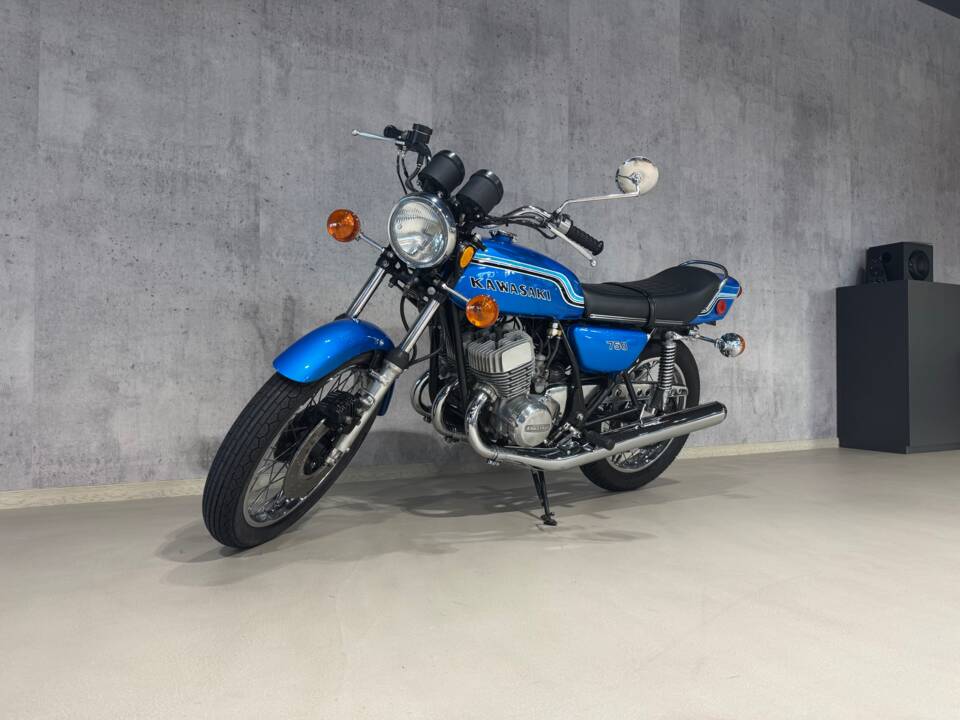
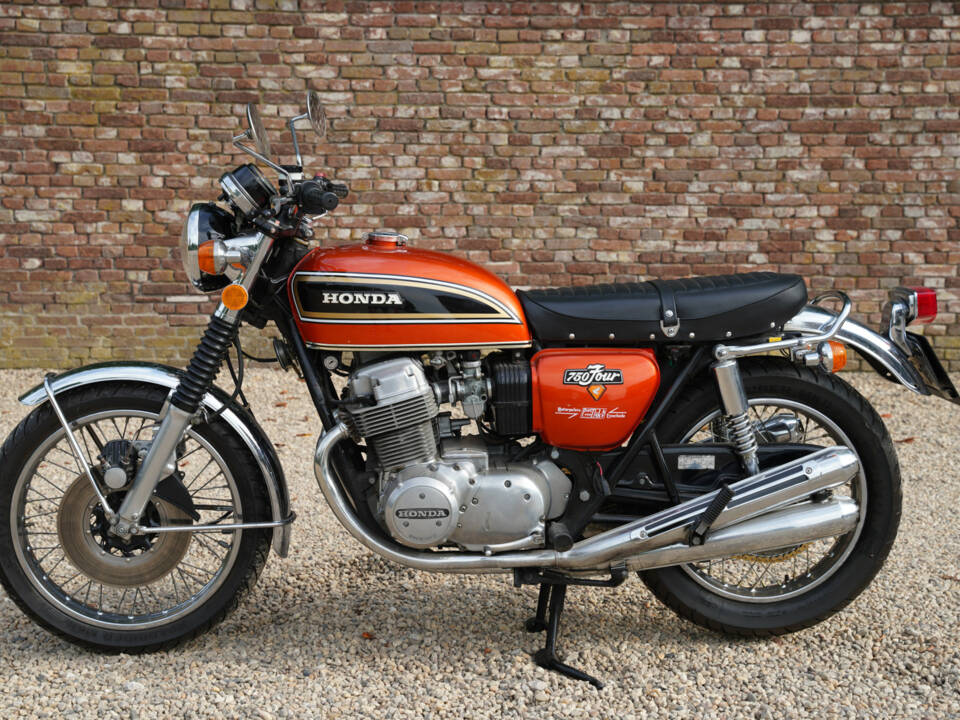
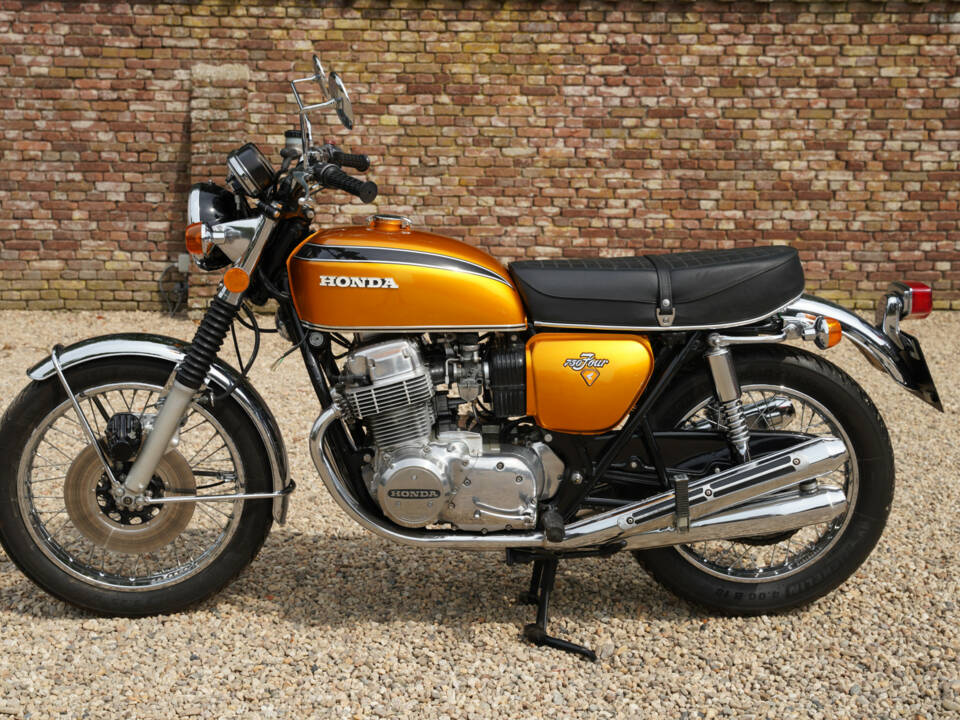
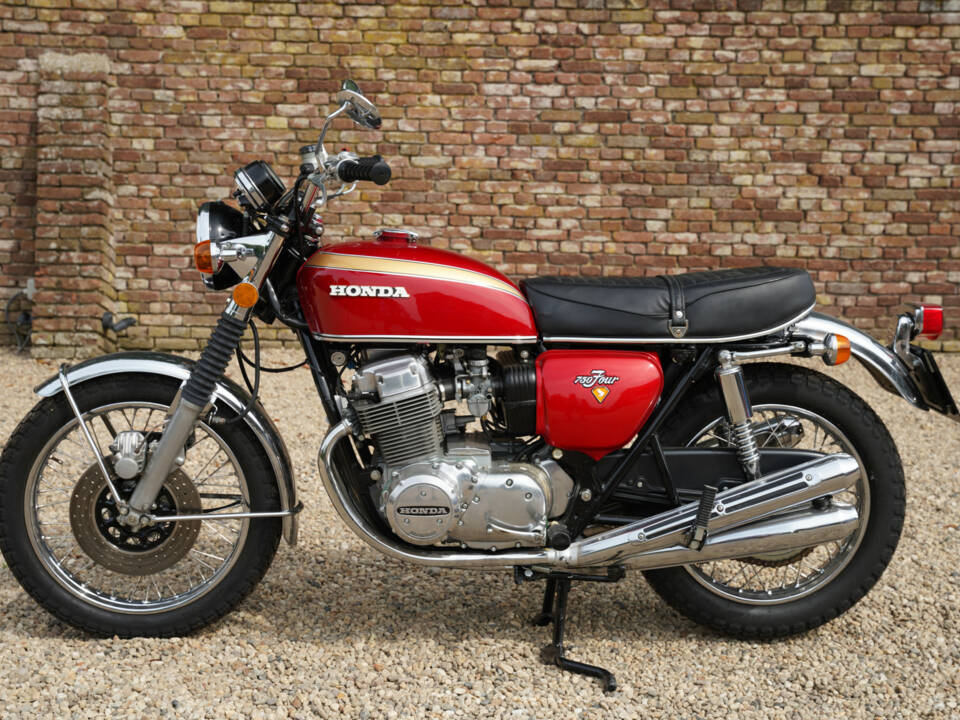
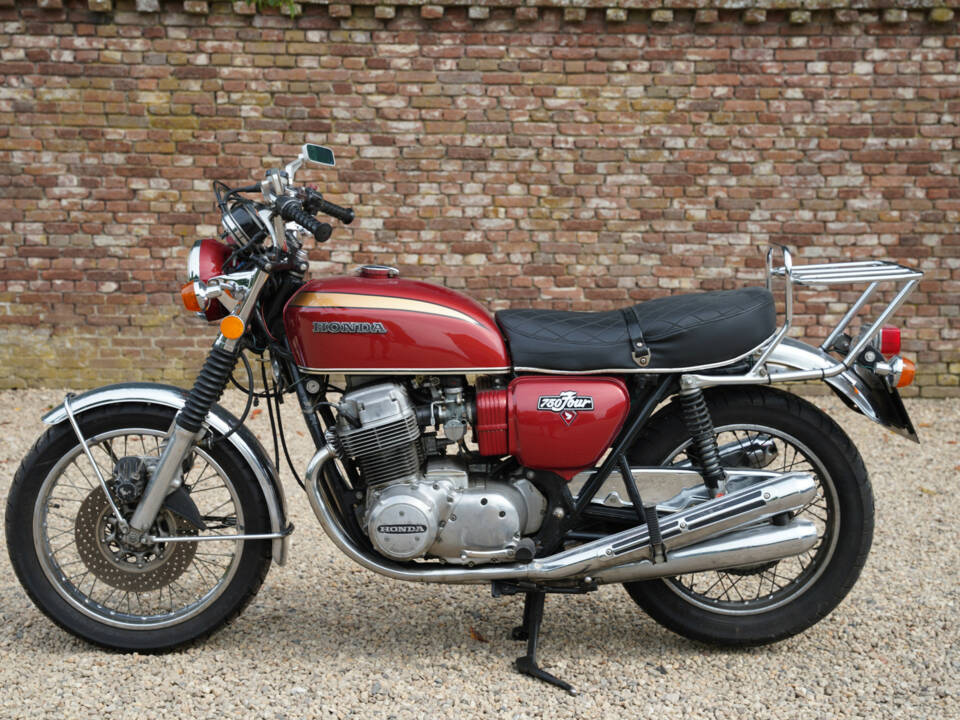
Honda CB750, Kawasaki Z1, Suzuki GT750, Yamaha XS650, BMW R-series tourers and surviving Triumph and Norton machines give the decade considerable breadth. The CB750’s overhead-cam four, the Z1’s larger four-cylinder engine and the GT750’s liquid cooling create different inspection questions. Check whether the airbox, carburettors, exhaust headers and side covers are present: replacement parts can be costly, and pod filters may hide an unresolved tuning problem.
Verify the frame identity and inspect the steering head, swingarm pivots and engine mounts for cracks, distortion or amateur welding. Look for pitted fork stanchions, leaking seals, loose head bearings, oval brake discs, cracked tyres and damaged wheel rims. On a cold start, assess smoke, cam-chain or primary noise, oil leaks and charging voltage. Points, condensers, six-volt wiring and contact-breaker ignition need different care from later electronic ignitions; neither is automatically better for originality.
Australian motorcycles were often fitted for distance: a rack, panniers, fairing, crash bars, different gearing or a sidecar. Period touring equipment can be valuable history if its mounts are sound and the work is recorded. Café, drag and club-racing conversions require extra scrutiny of frame cuts, rear-set brackets, brake lines and wiring. Keep removed mudguards, airboxes, silencers, indicators and controls labelled and dry. Confirm capacity, frame identity, lighting and modification acceptance with the relevant state or territory authority; rules are not uniform.
Originality, evidence and parts
Originality is a documented comparison, not a claim based on paint colour. Seek the delivery specification, old registration papers where available, invoices, service books, club records, restoration photographs and correspondence with previous owners. Compare casting marks, trim patterns, wheel dates and engine details, while allowing for legitimate replacement of consumable parts. A replacement engine or gearbox should be disclosed, not treated as a secret defect; it may affect value, but it also explains how the vehicle has survived.
Before bidding, make a missing-parts list. Correct Australian-market bumpers, lenses, instruments, badges, carburettors, airboxes, seats and exhausts may take longer to find than mechanical parts. Ask marque clubs, specialist dismantlers, swap meets and established reproduction suppliers about availability and quality. Reproduction panels and rechromed pieces can differ in profile. Keep invoices, photographs, removed components and part numbers in a vehicle file so a later owner can distinguish factory, period and modern work.
Restoring and owning a seventies classic
Budget separately for purchase, immediate safety work and restoration. Include freight across Australia, storage, rust cutting, machining, upholstery, paint, tyres, cooling work and specialist electrical diagnosis. Have an independent inspection cover the underside, shell identity, cold running, brakes, steering and road test. Do not let a fresh respray prevent access to sills, floors or repaired rails. For a motorcycle, include wheel rebuilding, fork work, carburettor cleaning and a proper brake overhaul.
Restore structure and safe operation before cosmetics. Use suitable modern consumables where needed, but record the change and retain reversible original equipment. A period-looking electronic ignition, radial tyres or upgraded brake hose can improve use without making the machine factory-original. Tell the insurer and prospective buyer exactly what changed. Maintain a log with dates, kilometres, photographs, fluids, clearances and part numbers.
Ask for proof of ownership and import paperwork where relevant. Before handing over money, contact the registration authority in the applicable Australian state or territory about transfer, inspection, historic schemes, engineering certification, plates and permitted modifications. Requirements can change and vary by jurisdiction; a plate, a right-hand-drive cabin or a seller’s confident description does not settle compliance. Arrange suitable agreed-value insurance, secure storage and roadside assistance once the vehicle is yours.
Source brief: Australian terminology and context were checked against publicly available Australian Design Rules material, state and territory registration guidance, National Library of Australia historical material, and period manufacturer brochures and workshop literature. Model details are presented as market- and build-date-dependent, not as universal claims.