Classic MZ Motorcycles for Sale
From the RT 125 to the ETZ 250, MZ motorcycles trace the engineering history of Zschopau in eastern Germany. The range includes two-stroke singles, the shaft-driven BK 350 and later four-stroke models.
Search results
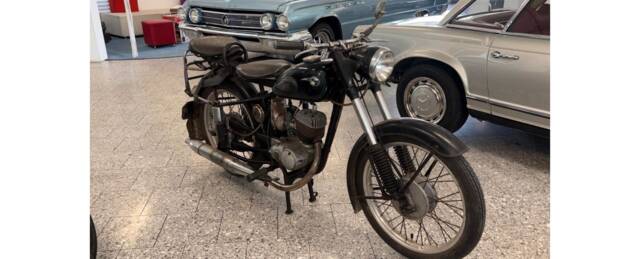
1960 | MZ 125/3
MZ RT 125/3 4-Gang Originalzustand
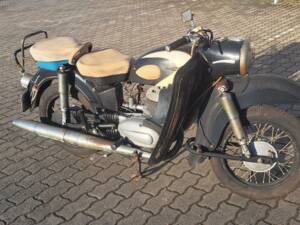
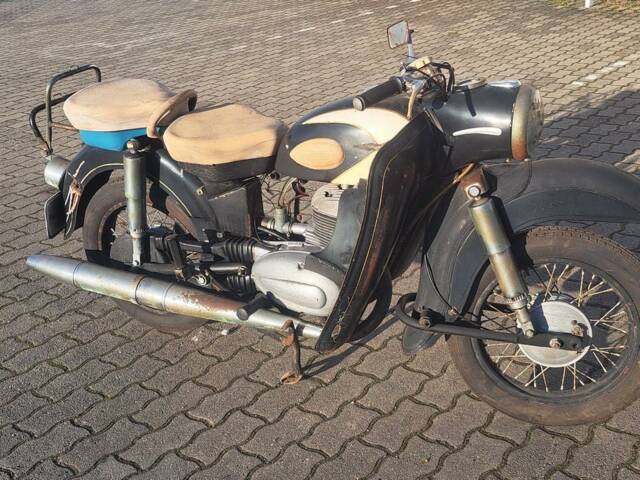
1900 | MZ ES 175/1
MZ ES 175-1
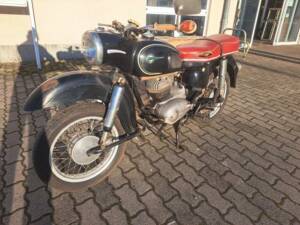
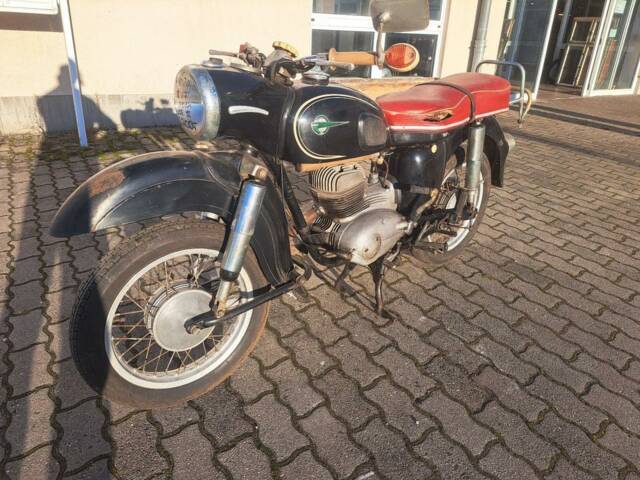
1900 | MZ ES 175/1
MZ ES 175-1
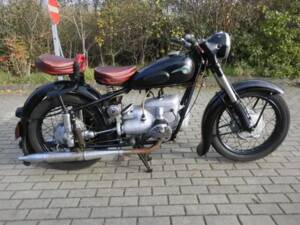
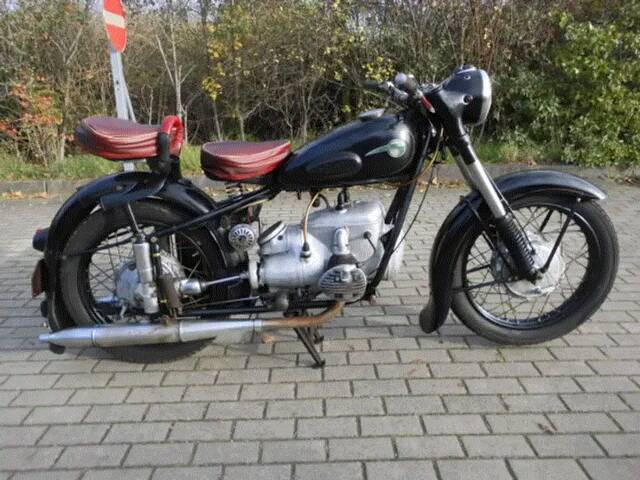
1959 | MZ BK 350
MZ BK 350 NR. 201620
Newsletter
The best MZ listings, straight to your inbox
Get hand-picked MZ listings, plus the best of cars, motorbikes, and auctions on Classic Trader — all in one place.
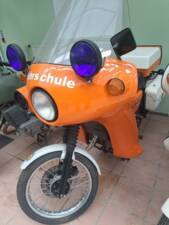
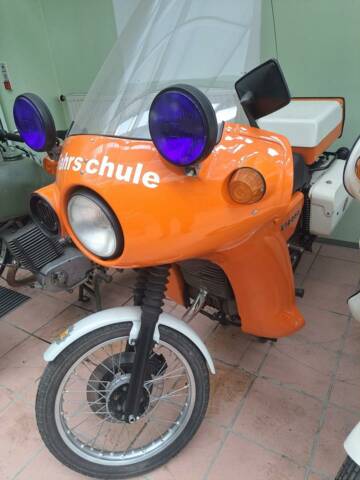
1986 | MZ ETZ 250
MZ ETZ 250 VoPo | Volkspolizei - Polizeifahrschule
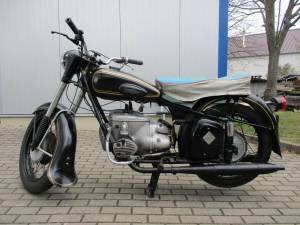
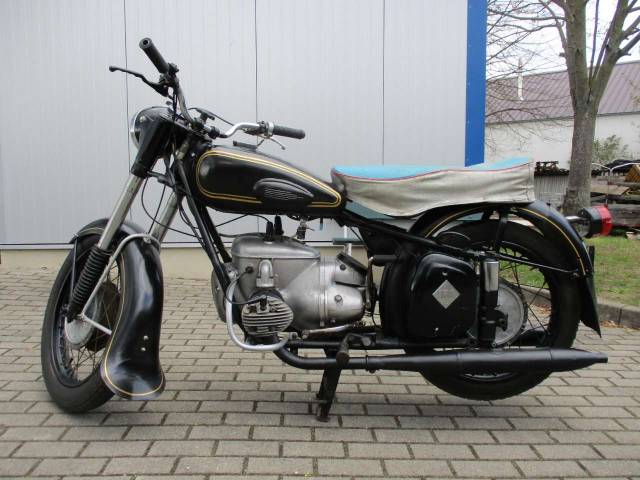
1964 | MZ BK 350
MZ BK 350
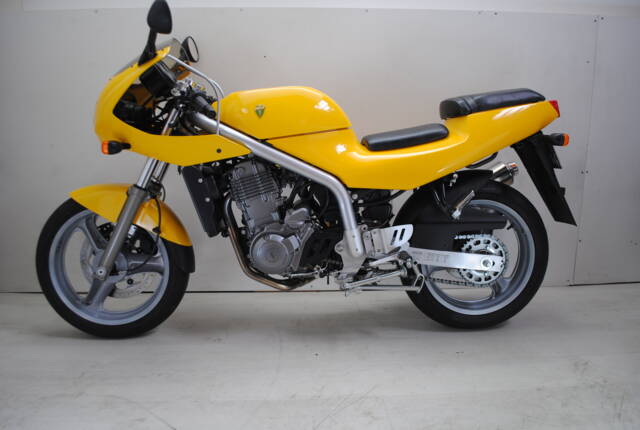
1998 | MZ Skorpion Sport
MZ Skorpion 660 sport

MZ listing references from Classic Trader
Below you will find listings related to your search that are no longer available on Classic Trader. Use this information to gain insight into availability, value trends, and current pricing for a "MZ" to make a more informed purchasing decision.
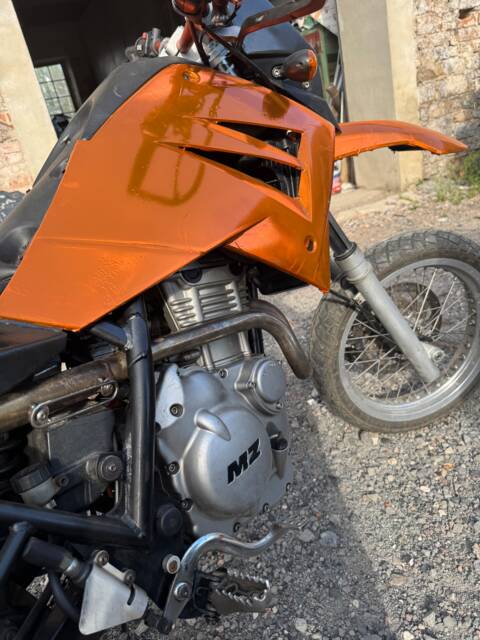
2004 | MZ RT 125
Mz funktioniert einwandfrei und fahrbereit
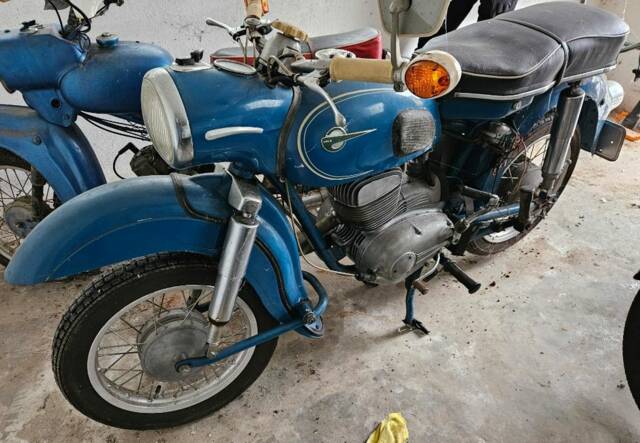
1967 | MZ ES 250/2
MZ ES 250/1 Baujahr 1967 – Originalzustand mit DDR-Papieren
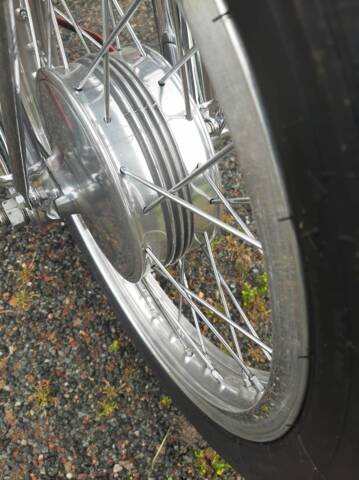
1972 | MZ ETS 250
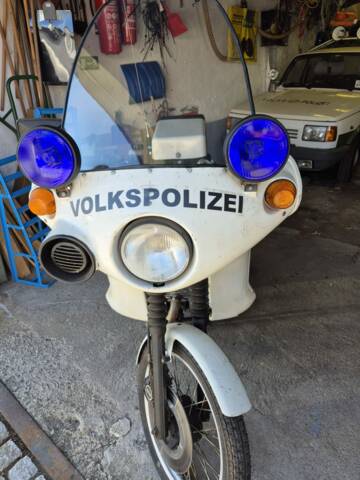
1985 | MZ ETZ 250
MZ ETZ250 der Volkspolizei der DDR
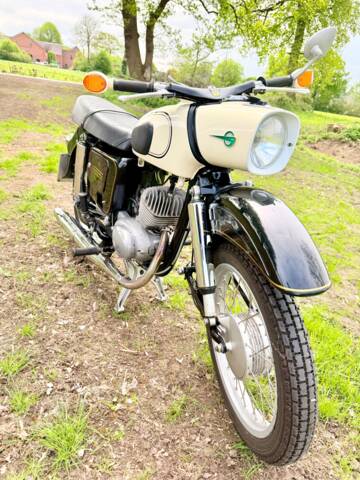
1971 | MZ ETS 150/1
mit neuem TÜV (mangelfrei) – Festpreis
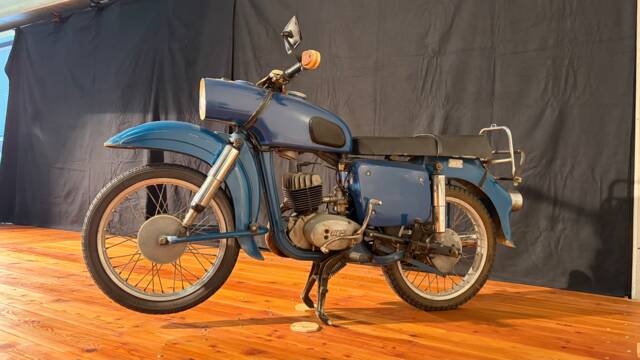
1971 | MZ ES 150
Part of East German motorcycle culture of an entire generation

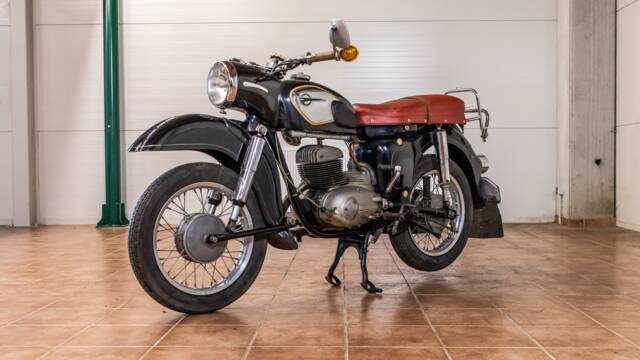
1966 | MZ ES 250/1-Superelastic
Distinctive Two-Stroke Classic from Zschopau
The History of MZ
MZ’s roots go back to 1906, when Danish industrialist Jørgen Skafte Rasmussen bought a former textile mill in Zschopau, Saxony. The factory built its first motorcycles in 1922 under the DKW name. By 1929, DKW was producing around 60,000 motorcycles a year at Zschopau.
After the Second World War, Soviet forces dismantled the production equipment. Motorcycle manufacture subsequently resumed under the East German IFA organisation, including production of the RT 125. The MZ name appeared on motorcycles in 1956.
Following German reunification, MZ was privatised and struggled with the loss of eastern European markets. Malaysian group Hong Leong took over in 1996, but motorcycle production at Zschopau ended in 2008. MZ was declared insolvent in 2013.
MZ Model History
The RT 125 linked MZ to its pre-war DKW roots. Its design also influenced motorcycles built elsewhere, including the British BSA Bantam. The RT 125/2 was among the first motorcycles to carry the MZ name in 1956, alongside the ES 175, ES 250 and BK 350.
The ES 125 and ES 150 followed the RT range, with the related TS and ETS 125/150 series contributing to a combined production figure of approximately 900,000 machines. MZ marked its millionth motorcycle in 1970 with an ETS 250 Trophy Sport; its two millionth, in 1982, was an ETZ 250. Later developments included the Skorpion and the four-stroke 1000 S family.
What Makes MZ Motorcycles Distinctive?
For much of its history, MZ concentrated on small-capacity, single-cylinder two-strokes derived from the DKW 125. The BK 350 took a different approach with two-stroke power and shaft drive.
MZ also made its mark in racing. Engineer Walter Kaaden was associated with the development of rotary-valve technology, while Ernst Degner won five 125 cc Grands Prix riding for MZ between 1957 and 1961.
MZ Technical Data
Buying and Maintaining a Classic MZ
When assessing a two-stroke MZ, ask what engine work has been completed: an overhaul may include new seals, a rebuilt crankshaft and standard-size pistons and cylinders. Check tyres, gaskets, chain hoses and other rubber parts for age and wear.
Identify whether the motorcycle retains contact-breaker ignition or has been converted to a 12-volt electronic system such as Vape or Powerdynamo. On an MZ fitted with a sidecar, inspect the sidecar brake and its components; some combinations have been upgraded with modern master cylinders and braided hoses.
Engines and Riding
The small two-stroke singles of the RT, ES and related MZ ranges contrast with the shaft-driven BK 350. Later motorcycles moved beyond the traditional two-stroke formula: MZ used Yamaha-sourced single-cylinder engines after German reunification, while the 1000 S, 1000 SF and 1000 ST used four-stroke twins rated at up to 113 hp at 9,000 rpm.
Design and Accessories
Period details on classic MZ motorcycles can include steel rims, hand-applied lining and an air pump beneath the tank. Original paint, seats and fittings can help preserve a machine’s period character; check restored examples for the finish and parts used.
Accessories included luggage racks, panniers and knee shields. Some MZ motorcycles were fitted with Stoye sidecars, including the Elastik and SM; a tonneau cover could protect the sidecar interior.
Choosing a Classic MZ
An MZ can represent several distinct chapters of German motorcycle history: the DKW-derived RT 125, the two-stroke ES and TS ranges, the shaft-driven BK 350 or a later four-stroke. Before buying, establish the model and engine specification, inspect any sidecar installation and check whether ignition and restoration work suit the motorcycle’s intended use.