- Car
- BMW (443 offers)
Buy BMW Classic Cars
BMW classics reward an owner who values engineering, honest condition and a car that can still be driven properly. From a nimble 2002 to a handsome six-cylinder coupé, find BMW classics in Australia and overseas on Classic Trader.
Search results
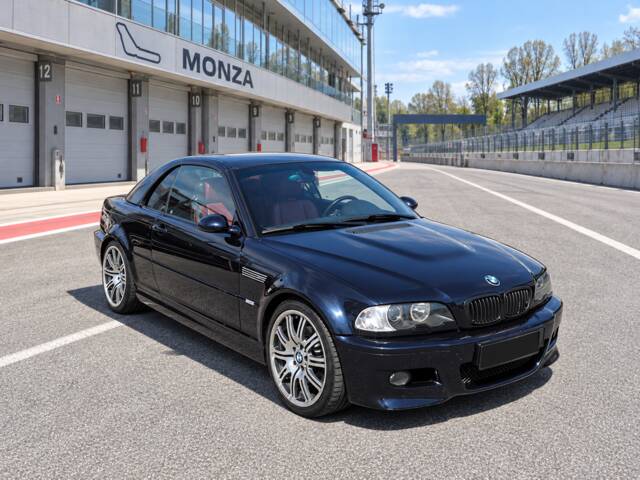
2002 | BMW M3
BMW M3 E46 Cabriolet from 2002 with 343 hp, SMG2, red leather, hardtop and 134,000 km
Preview

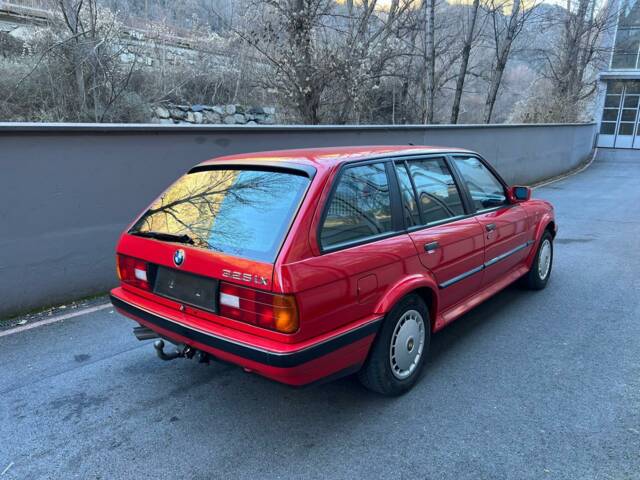
1989 | BMW 325ix
1989 BMW 325iX Touring – 122,930 km – All-wheel drive
Preview
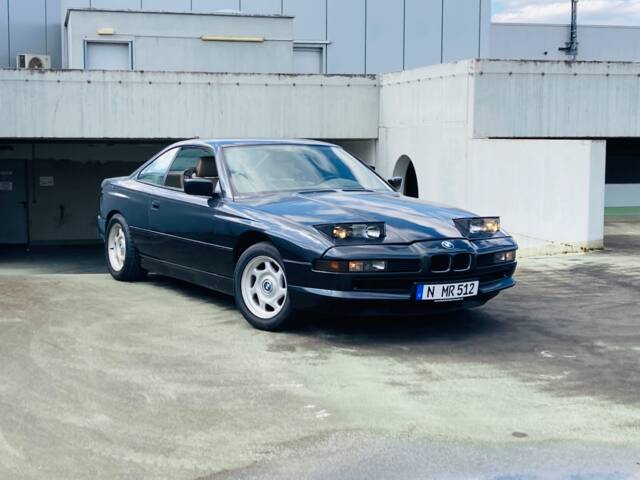
1992 | BMW 850i
*Leasing/Finanzierung*Gepflegt*H Zulassung*Motor Überholt*

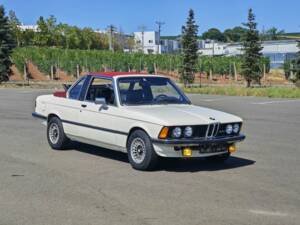
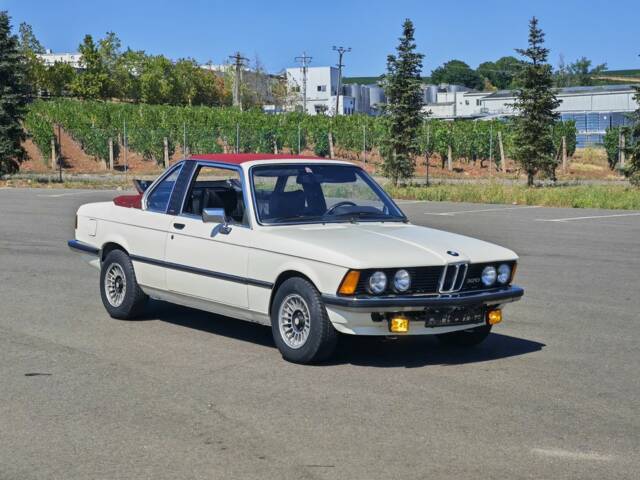
1978 | BMW 320 Baur TC
BMW 320-6 Baur | 1978 | Route 66 Auctions - For sale by auction. Estimate 10200 EUR

Newsletter
The best BMW listings, straight to your inbox
Get hand-picked BMW listings, plus the best of cars, motorbikes, and auctions on Classic Trader — all in one place.
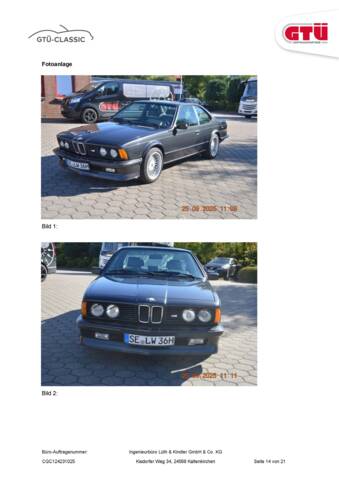
1986 | BMW M 635 CSi
Type BMW 6 CS/1
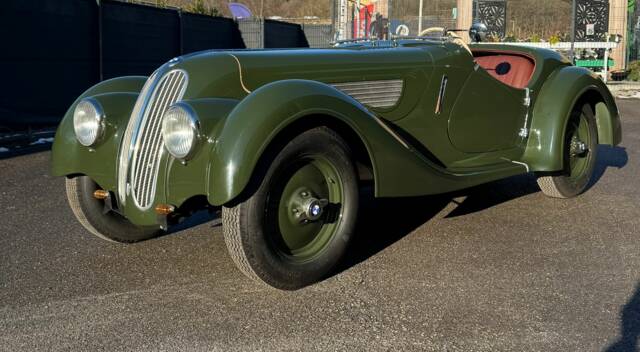
1939 | BMW 328
Completely restaured
VAT is reclaimable

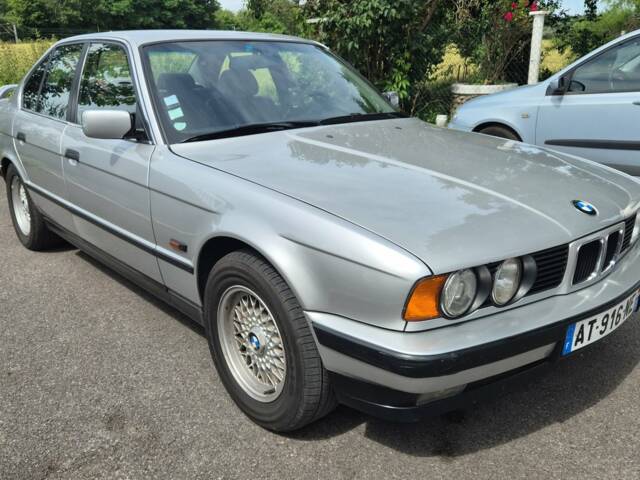
1993 | BMW 525i
BMW 525i | 1993 | Route 66 Auctions - For sale by auction. Estimate 7200 EUR
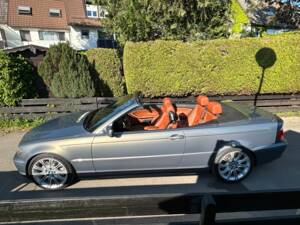
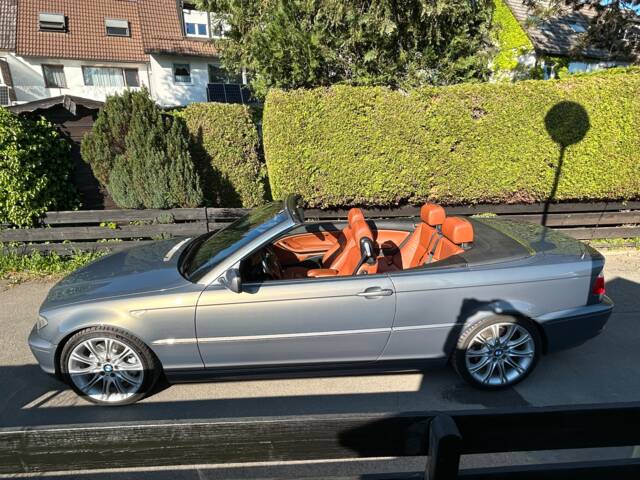
2003 | BMW 330Ci
E46 Facelift, Individual, SMG, Navi, TV, Xenon, Telefon
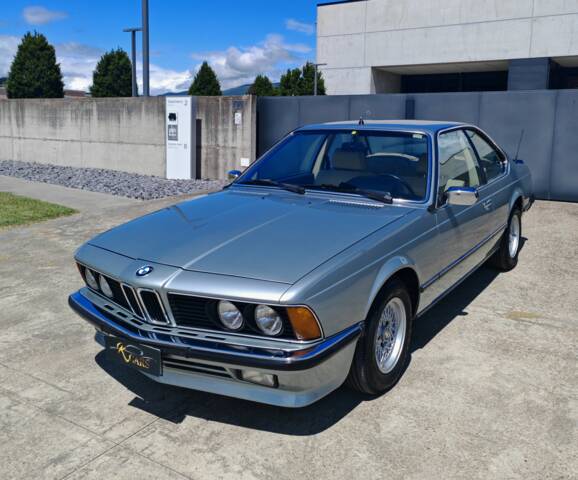
1981 | BMW 635 CSi
GETRAG 265/5
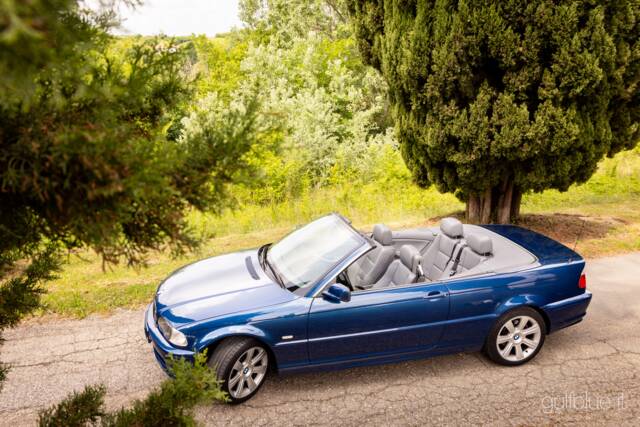
2000 | BMW 323Ci
Sold new in Brescia, with hard-top, 125.000kms, ASI registered
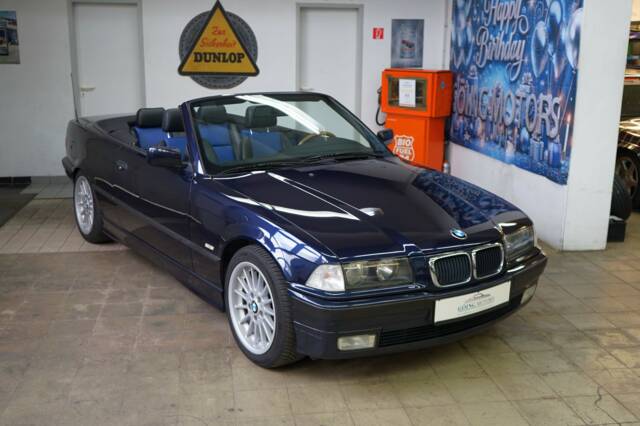
1999 | BMW 318i
Exclusive Edition with great Individual special equipment
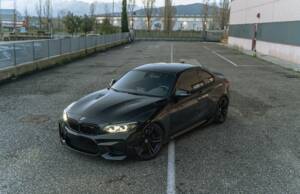
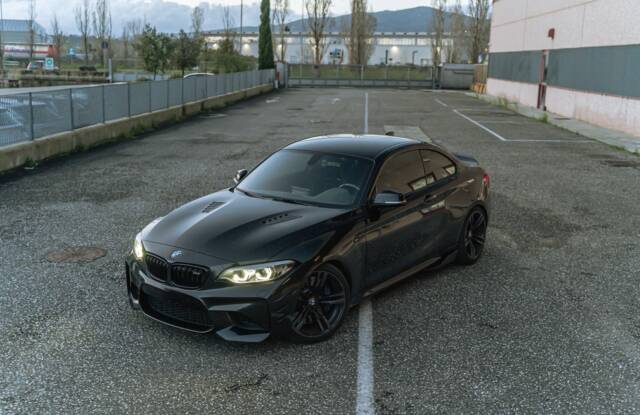
2018 | BMW M2 Coupé
750 hp
VAT is reclaimable
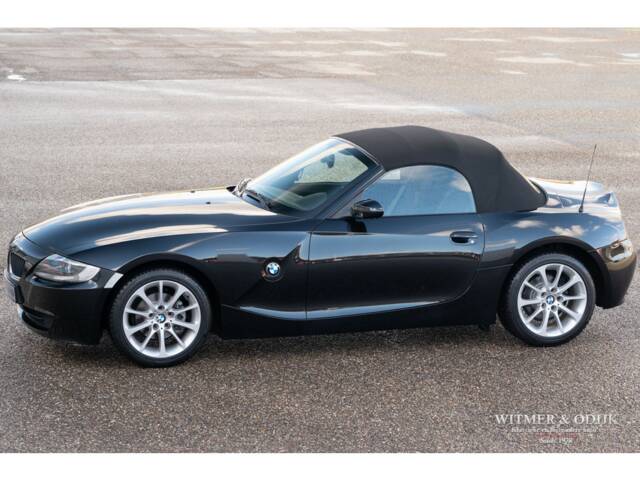
2007 | BMW Z4 2.0i
Roadster 2.0i
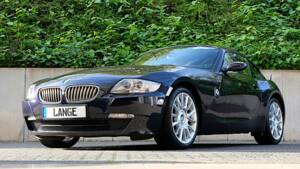
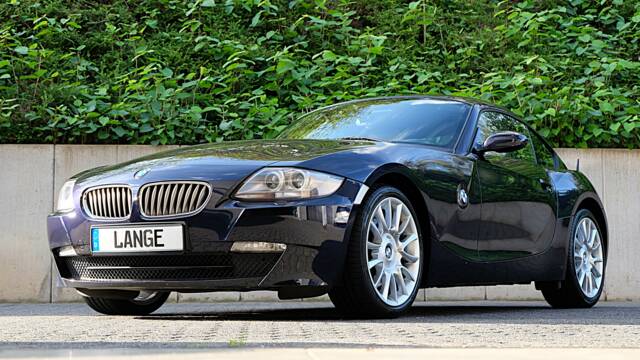
2007 | BMW Z4 Coupé 3.0si
Individual with a beautiful color combination in excellent condition !!!!!
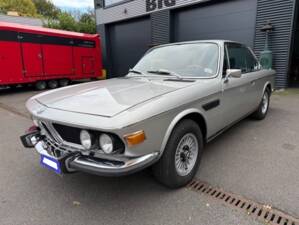
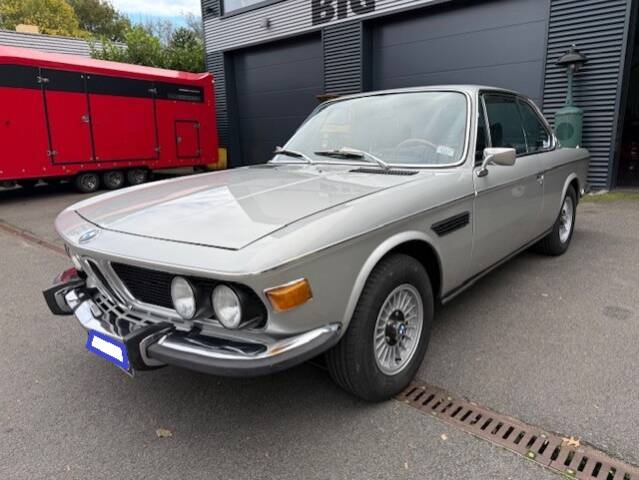
1972 | BMW 3.0 CSi
BMW 3.0 CSi coupé
BMW classics: a sporting idea that endured
BMW’s most convincing classics have a shared purpose: they make the driver feel involved without demanding that every trip be an event. The familiar recipe is simple—an engine mounted lengthways, driven rear wheels, a well-placed steering wheel and a clear view out—but the way it was expressed changed markedly from the 1960s to the 1980s. That breadth is useful to an Australian buyer. A small four-cylinder saloon, a delicate pillarless coupé and a later grand tourer can all carry the blue-and-white roundel while offering very different ownership experiences.
The turning point was the Neue Klasse of 1961. Its 1500 saloon helped restore BMW’s financial health, and its compact two-door relative, the 1600-2 of 1966, provided the basis for a car that would define the marque internationally. BMW launched the 2002 in January 1968. Its 1,990cc M10 four-cylinder gave the little two-door the performance its practical shape promised. BMW Group Classic records 330,000 sales of the standard 2002 alone between 1968 and October 1975; the broader 02 family continued into 1977 in some forms. The injected 2002tii and the 170PS Turbo demonstrated how much latent ability sat in the compact platform, but a sound standard car remains the most direct expression of the original idea.
At the other end of the range, BMW was turning six-cylinder engineering into elegant long-distance cars. The E9 coupé, built by Karmann from 1968, evolved from the 2800 CS into the 3.0 CS and fuel-injected 3.0 CSi. Its M30 straight-six, slim roof pillars and generous glass area made it a sophisticated alternative to an Italian or British grand tourer. The lightweight 3.0 CSL was created for homologation and racing, but the CSi is the useful reference point for a road buyer: it has the same essential shape and much of the atmosphere, without making every decision about originality as high-stakes.
The 6 Series, introduced in 1976, succeeded the E9 as BMW’s luxury coupé. The first-generation E24 was styled under Paul Bracq and brought a more angular, cockpit-led interpretation of the same long-bonnet theme. The 635CSi combined the 3.5-litre M30 with genuine four-seat touring ability. It is an appealing Australian proposition because it can cover large distances with ease, provided its body and electrical systems have been maintained rather than merely polished for sale.
BMW then distilled its sporting saloon approach into the 1980s compact range. The second-generation 3 Series, known internally as E30, arrived in 1982 and became a common sight in Australia as a sedan, coupé, convertible and Touring. It offered a broad choice of four- and six-cylinder engines, yet retained compact dimensions and unusually good visibility. Australian-delivered manual six-cylinder cars are valued not because every example is rare, but because their steering position, local history and familiar parts support make them particularly usable here. The period also gave Australia its own BMW touring-car memories through Frank Gardner’s JPS BMW Team and Tony Longhurst.
These cars are not interchangeable investments. They are four distinct ways into the marque: the 2002 for lightness, the E9 for occasion, the E24 for continent-crossing comfort and the compact 1980s cars for everyday sporting fluency. That is a healthier starting point than chasing a badge or a fashionable modification.
Highlights that make BMW worth collecting
The best classic BMWs make their engineering legible. In the 2002, the M10 is a tough, single-overhead-cam four with a cast-iron block and a huge knowledge base. The base car has enough performance to be entertaining at ordinary road speeds. A 2002tii adds Kugelfischer mechanical fuel injection, 96kW and stronger running gear; it is more valuable, but the injection pump, linkages and calibration require a specialist rather than a generic tune-up. The Turbo is a genuine historical landmark, with 125kW and 1,672 built, but it is a specialist left-hand-drive purchase rather than the default route into 02 ownership.
An E9 earns its appeal through proportion and atmosphere. The M30 six is durable when serviced, and Bosch D-Jetronic injection gives a 3.0 CSi 147kW. Yet a beautiful-looking E9 with compromised structure is no bargain. Its value lies in the integrity of the shell, the accuracy of its restoration and the completeness of its brightwork, timber and trim. A documented CSi can therefore be a more satisfying road car than an uncertain CSL-shaped project.
The E24 635CSi gives the straight-six formula greater maturity. Its 160kW M30 is smooth, long-legged and well understood by BMW specialists. Manual cars are relatively uncommon, but an automatic is not automatically a lesser car: it suits the grand-touring brief, as long as it shifts cleanly and has proper service history. The M635CSi is an exceptional M88-powered variant, though a buyer should not let that halo obscure a sound ordinary 635CSi with good bodywork and complete records.
The compact 1980s cars offer the most approachable balance of usability and analogue feel. A 325i or Australian-market 325iS uses the 2.5-litre M20B25 six, rated at 125kW, and a manual gearbox makes the most of its flexible torque. The lighter 318iS uses the 100kW M42 twin-cam four and has its own following. Motorsport’s homologation special from this era is important historically, but it is a separate, factory left-hand-drive proposition with bespoke bodywork and an S14 four; an Australian buyer should value an honest locally delivered six-cylinder car on its own merits, not as a substitute for it.
Across the marque, originality needs careful definition. Sensible safety, cooling or tyre upgrades can improve a driver, while period accessories may be part of a car’s story. But non-factory engine swaps, replica body kits, unsupported “limited edition” claims and missing compliance paperwork change what is being bought. VIN decoding, factory build information, old registration documents, invoices and photographs taken during restoration should all agree before a premium is paid.
Technical data: representative BMW classics
Figures below are representative factory specifications. Outputs, weights and performance can differ by year, market, emissions equipment and transmission; verify an individual car through its VIN, factory data and records.
Market Overview & Buying Tips
Condition, provenance and landed cost matter more than a broad price guide. The following 2024–26 auction results show the spread between models and conditions, not an Australian valuation. Currency conversion, buyer premium, shipping, tax, compliance work and registration can make an overseas purchase cost substantially more than its hammer price.
For the small BMW, recent public results show why an original shell and credible history matter. A 1973 2002 with a five-speed conversion sold through Bring a Trailer for US$40,250 in March 2024; the same vehicle had sold for US$35,251 in January 2024. That is useful evidence of the premium for presentation and recent work, not a promise for a modified car in Australia. A less glamorous but well-documented standard example can be the better ownership decision, particularly if it has original panels and a known local history. BMW’s heritage parts support is a practical advantage, though local stock and freight time should be checked before committing to a restoration.
E9 pricing is even more dependent on metalwork. A refurbished European 1973 3.0 CSi sold on Bring a Trailer for €93,000 in May 2025; a 1972 example sold for US$90,000 in August 2025. Both were manual, injected cars with records, but neither result translates directly to a left-hand-drive Australian import. They do demonstrate that buyers pay for documented condition. Conversely, a 1971 CSi with a five-speed conversion failed to meet reserve at US$70,000 in January 2025, a reminder that modifications and a seller’s expectation can alter the result.
The E24 remains a comparatively accessible six-cylinder grand tourer, provided the price leaves room for preventative work. A low-mileage, UK-supplied 1982 635CSi sold for £21,375 in May 2024, while a manual 1982 recommissioning project sold for £11,730 in February 2024. The gap is not simply mileage: completeness, corrosion repair, maintenance and how long a car has been dormant all count. Australian buyers should regard an apparently inexpensive imported coupé as a project until photographs and a specialist inspection prove otherwise.
Local examples deserve an equally rigorous approach. Australian-delivered right-hand-drive cars can be easier to insure, register and use, but local delivery does not eliminate rust, accident repair or deferred maintenance. Coastal storage, leaking windscreens, damp carpets and a previous life in the UK, Japan or northern Europe all warrant scrutiny. Put the car on a hoist. On a 2002, inspect front strut towers, inner guards, battery tray, sills, floors, rear spring mounts, boot floor and spare-wheel well. On an E9 or E24, check the front and rear screen surrounds, A-pillars, scuttle, sills, jacking points, wheel arches, inner wings, boot and fuel-filler area. Fresh black underseal should invite documentation, not confidence by itself.
For the compact 1980s cars, inspect lower front guards, sill junctions, jacking points, floorpans, strut towers, rear arches, boot floor, rear beam mounts, windscreen corners, scuttle and sunroof cassette. A six-cylinder M20 needs invoices for timing-belt and water-pump replacement, cooling-system work and regular oil servicing; overheating can damage its cylinder head. Test for smooth idle, stable temperature, oil leaks, clutch slip, differential noise and an honest steering response. The M42 in a 318iS needs credible timing-chain, profile-gasket and cooling-system history. A claimed 325iS should be supported by factory build information and its physical equipment, not merely spoilers and wheels.
Imported classics are normal in Australia, but the approval process must be planned before shipping. The Department of Infrastructure says a vehicle originally built more than 25 years ago may be eligible for a concessional Register of Approved Vehicles (RAV) entry approval; that approval also permits importation. RAV entry is generally a prerequisite for registration, not a registration guarantee. States and territories set their own inspection, registration and insurance requirements, and this is particularly important for left-hand-drive vehicles. Confirm the rules in the state where the car will be presented before paying a deposit.
Build a landed-cost worksheet that includes shipping, marine insurance, approval fees, customs duty, 10% GST, any applicable luxury car tax, biosecurity cleaning, port and broker charges, storage, transport, compliance work and state registration. Australian Border Force and the Department of Infrastructure both emphasise that importing involves multiple agencies and costs. Right-hand-drive candidates from the UK, Japan, South Africa or New Zealand can suit Australian roads well, but investigate corrosion, repair quality, conversion history and odometer evidence with the same care as any other import. Retain approval papers, customs documentation, RAV confirmation, inspection reports and invoices; in a market rich in imports, that folder becomes part of the car’s value.
Before purchase, spend money on an independent inspection by a marque specialist. Ask for cold-start video, compression or leak-down results where appropriate, underside photographs, close images of seams and drain points, and a scan of every service invoice. Confirm the engine and chassis identifiers, but do not treat matching numbers as a substitute for structural condition. A sound shell, honest repair history and usable parts supply are often worth more than a fashionable colour or a low unverified odometer reading.
Driving character across the range
The 2002 makes modest power feel vivid. Its narrow pillars, upright seating position and compact footprint make it easy to place on a winding road. A good M10 has a crisp mechanical note and responds best when the driver carries momentum. The tii adds sharper throttle response rather than changing the car’s character; the Turbo adds the distinct pause-and-surge of early forced induction. None needs enormous speed to feel rewarding.
The E9 is more ceremonial. Its long bonnet and airy cabin make a country run feel special before the engine has worked hard. The M30 gathers speed in a smooth, unforced swell, and the steering asks for deliberate inputs rather than quick corrections. It is a car for an owner who accepts that delicacy and visibility are part of the charm, and that rain, heat and poor road surfaces deserve sympathy.
An E24 is the relaxed long-distance choice. The six-cylinder is quieter and more muscular than the earlier coupé, the driving position is more enveloping and the chassis feels settled at Australian highway speeds. A well-maintained automatic suits this role; a manual adds involvement but should not be bought at the expense of service history. The pleasure is not a racing-car impression but an old-school grand-tourer’s ability to cover distance without strain.
The compact 1980s cars feel more modern and agile. A healthy six-cylinder model has natural pedal placement, a clean gearshift and a rear axle that communicates grip clearly. A four-cylinder twin-cam version feels lighter at the nose. Wander, clunks, bump steer or nervousness are not desirable personality traits: they usually point to tired bushes, dampers, tyres, alignment, steering components or underlying structural problems. A correct suspension refresh can transform one of these cars without needing dramatic modifications.
Design, engineering and provenance
BMW design has a rare continuity. Kidney grilles, twin headlamps, a long bonnet, a set-back cabin and the Hofmeister kink recur, but each period interprets them differently. The 2002 is upright, compact and almost architectural. The E9 stretches those cues into a low, glassy Karmann shape. Paul Bracq’s E24 turns them into a crisp wedge with a driver-focused dashboard, while the later compact saloons compress the theme into clean three-box proportions.
That coherence makes small details valuable. Correct bumpers, grilles, seat fabric, timber, wheel design, air conditioning equipment and period radio can materially improve a car’s appeal. It does not mean every car needs concours perfection. An owner who has retained removed original parts, recorded a sensible upgrade and kept invoices is giving the next custodian useful evidence. A seller who cannot explain a colour change, a steering conversion, a replacement engine or an extensive repaint is asking the buyer to assume risk.
For an Australian buyer, provenance includes steering position, delivery market and the administrative path. Factory left-hand drive is correct for some European variants and does not make a car undesirable, but it can affect registration, insurance and resale. Australian-delivered right-hand-drive cars offer a clear local narrative, particularly when books, dealer stamps and historic registration records support it. Imported examples can be excellent purchases when their approval, RAV status where applicable, state eligibility and restoration history are transparent.
Motorsport, Australian culture and support
BMW’s competition record gives several road cars added context. The 2002 built a touring-car reputation, while the lightweight CSL became a European touring-car force. The 1980s homologation special won the 1987 World Touring Car Championship and succeeded in DTM and national racing. In Australia, the JPS BMW Team made the marque part of local touring-car culture through Frank Gardner and Tony Longhurst. That history is enjoyable, but a tribute livery, aftermarket flares or racing decals never establish competition provenance.
Ownership is often easier when it is social. BMW clubs, independent workshops and model communities can help decode options, identify correct components and recommend a pre-purchase inspector. Use that knowledge before buying. In a country with long transport distances and many imported vehicles, it is often wiser to pay for a detailed report and interstate transport of the right car than to compromise on structure or paperwork nearby.
Summary: choose the soundest BMW
A classic BMW offers a broad choice of character: light and lively, elegant and six-cylinder, or composed enough for serious road miles. The common thread is driver-focused engineering, but no badge can compensate for corrosion, incomplete history or an unplanned import.
For an Australian purchase, establish the car’s identity, body condition, service record and registration pathway first. Then find the best-documented example that suits the way you intend to drive it on Classic Trader.