- Motorcycle
- Peugeot (2 offers)
Buy Peugeot Motorcycle
Peugeot spans an unusually broad collector spectrum, from pre-war Bol d'Or singles and post-war lightweights to cult mopeds and city scooters. For UK buyers, that means scarce but characterful early motorcycles, modest entry prices at the small-capacity end, and a brand that rewards originality more than over-restoration.
Search results
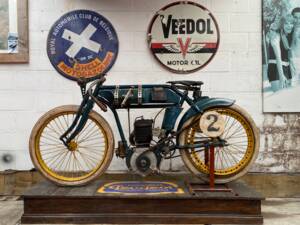
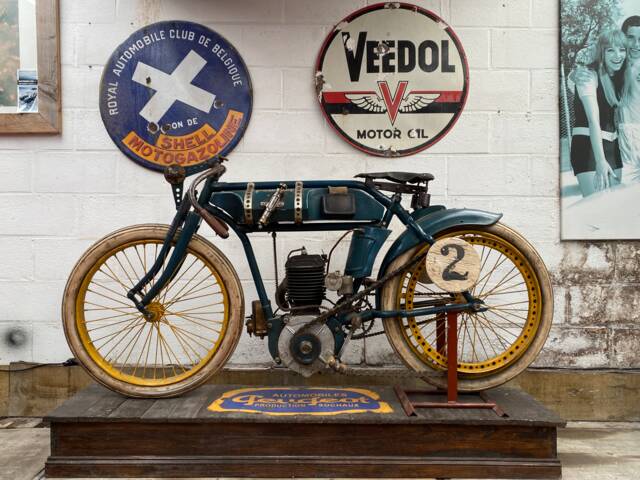
1928 | Peugeot P 108
Oldtimer race motor

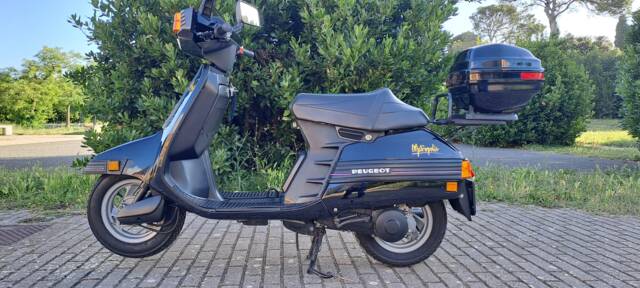
1993 | Peugeot Metropolis 50
Peugeot Metropolis 50 (1993) – Showroom Condition, Fully Original, Inspected

Peugeot listing references from Classic Trader
Below you will find listings related to your search that are no longer available on Classic Trader. Use this information to gain insight into availability, value trends, and current pricing for a "Peugeot" to make a more informed purchasing decision.
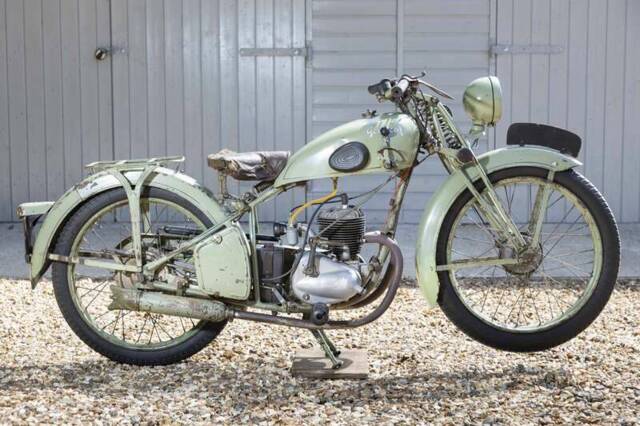
1947 | Peugeot 55
1947 Peugeot P55 125cc *

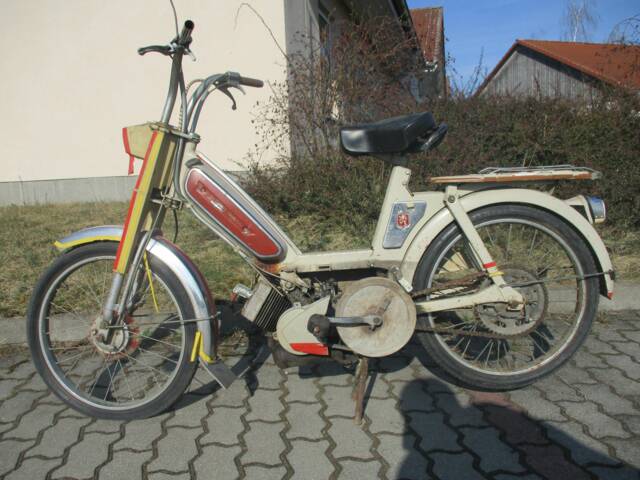
1973 | Peugeot 103 MD
Peugeot P105 103M-D

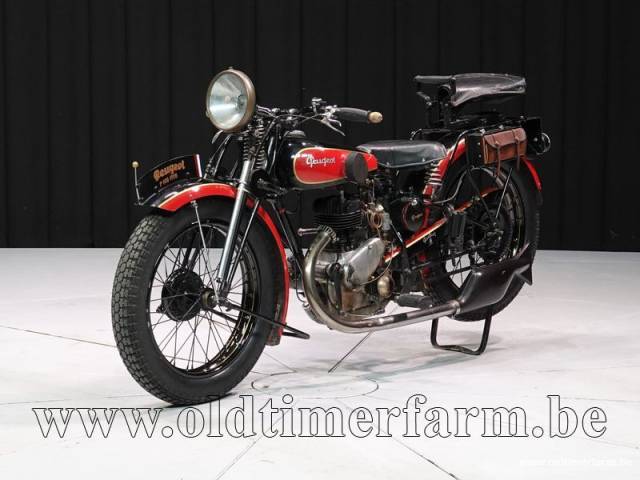
1929 | Peugeot P 108
1929 Peugeot P108 '29
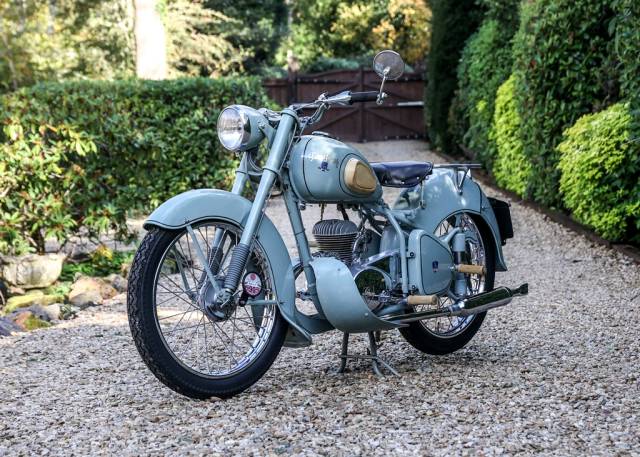
1953 | Peugeot 55
Peugeot Type 55 TCL (125cc)
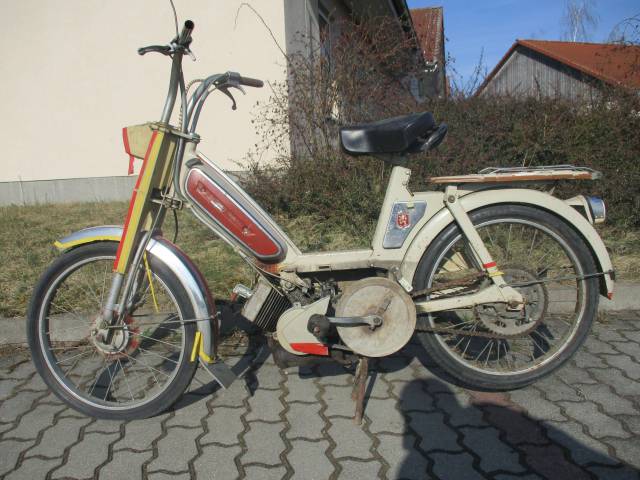
1973 | Peugeot P 105
Peugeot P105 103M-D
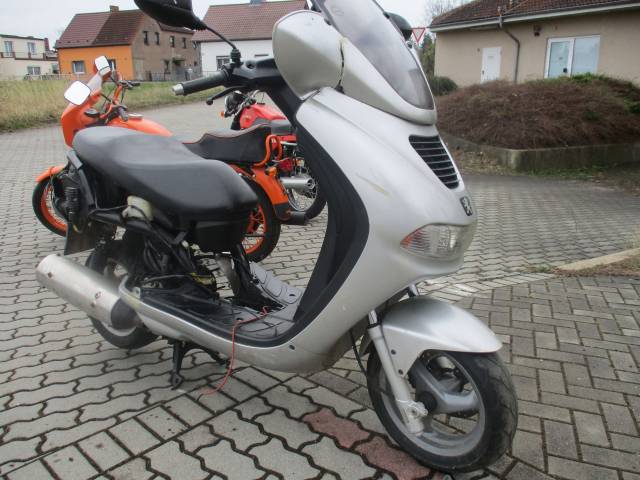
2000 | Peugeot Elyseo 125
Peugeot Elyseo 125
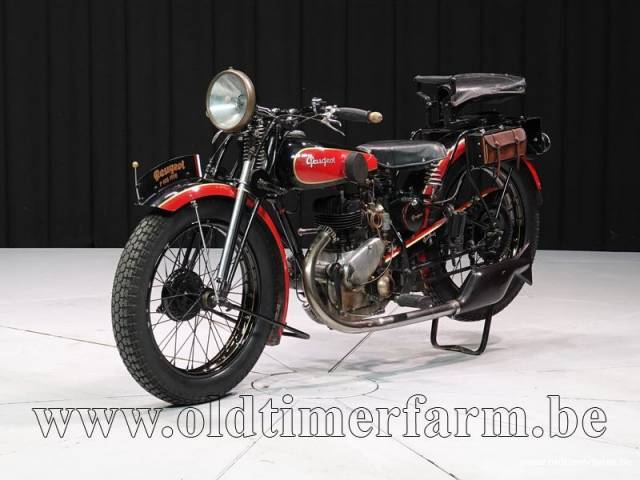
1929 | Peugeot P 108
1929 Peugeot P108 '29
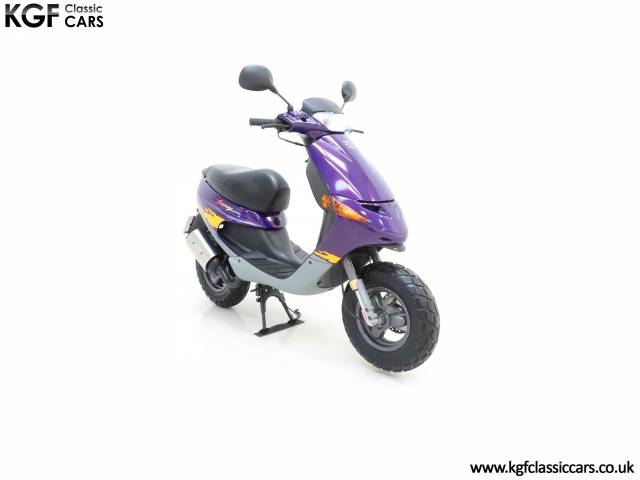
1995 | Peugeot Buxy
A Deliciously 90’s Peugeot Buxy Unregistered with Just 21 Miles!
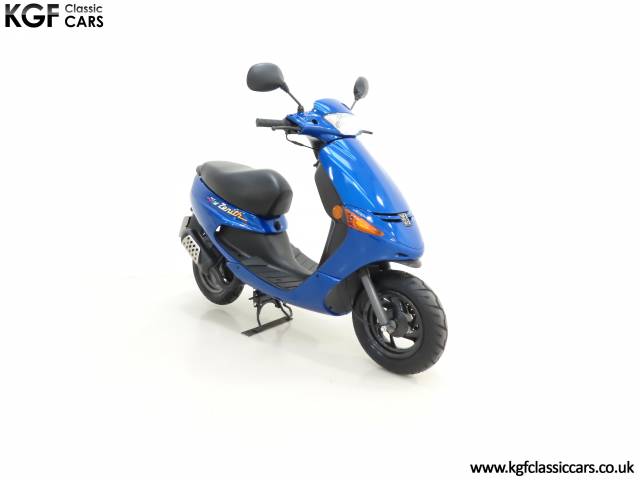
1995 | Peugeot Zenith L
A Deliciously 90’s Peugeot Zenith L Unregistered with Just 61 Miles!
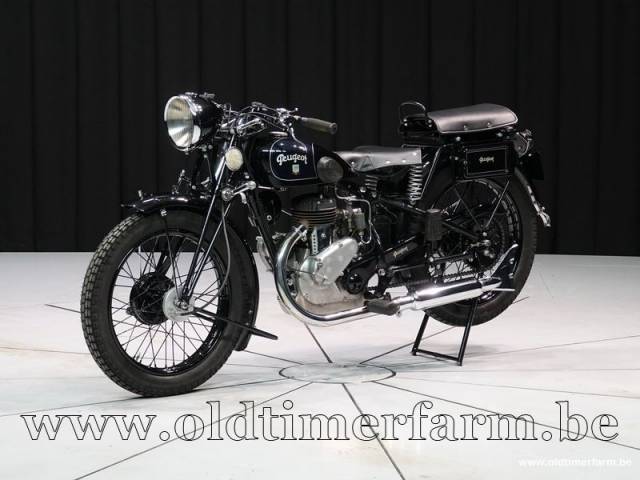
1934 | Peugeot P 112
1934 Peugeot P112 '34
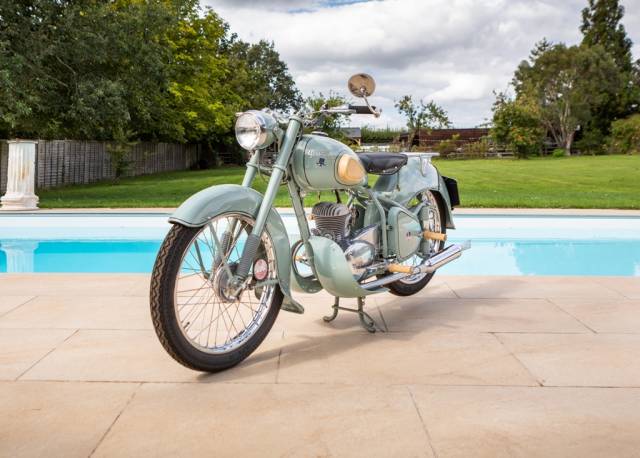
1953 | Peugeot 55
Peugeot Type 55 TCL (125cc)
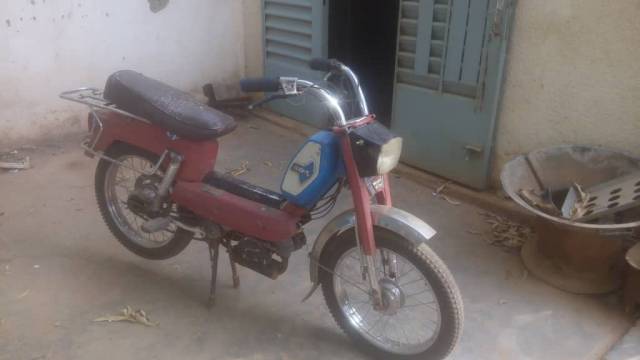
1973 | Peugeot 104
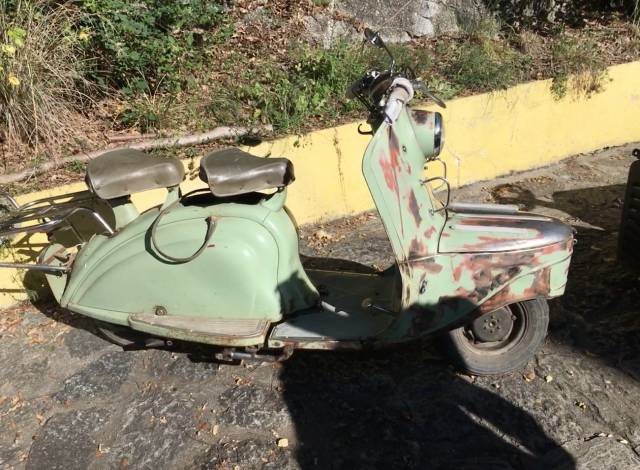
1955 | Peugeot 55
SA 57 licence AUTOMOTO

History & Heritage
Peugeot sits in a curious place in classic motorcycling. Most British enthusiasts know the lion badge from cars, scooters or a teenage Speedfight, yet the brand's two-wheel story starts so early that it overlaps with motorcycling's own infancy. Peugeot began with steel goods in the 19th century, moved into bicycles in 1881, showed a motorised tricycle in 1898, and by 1901 had put the Motobicyclette into series production. That makes Peugeot not an occasional badge-user but one of the oldest continuously recognisable names in powered two-wheel transport.
The important point for buyers is that Peugeot never followed one single, easy collector narrative. It was not exclusively a race marque like pre-war Rudge, not exclusively a utilitarian builder like many French post-war moped firms, and not exclusively a scooter company either. Instead, Peugeot kept shifting with the market while leaving behind several distinct collector chapters. For a make-level buyer page, four matter most: early technical pioneers, pre-war sporting singles and twins, post-war lightweights led by the Type 55 and 176 families, and the later 103 / Speedfight moped-scooter culture that still shapes the brand's visibility in Britain.
The first major high-water mark came before the First World War. Peugeot's 500 M of 1914 was a 500cc parallel-twin racer with double overhead camshafts and four valves per cylinder, an engineering statement remarkable even by modern standards. War prevented the career Peugeot had planned for it, but the machine still set a flying kilometre record at 122 km/h, proving that the firm did not merely assemble practical transport; it could also think like a serious competition engineering house.
In the inter-war years Peugeot became easier to place in the market, and this is where many collectors first encounter the make in a usable form. The P 108 250, introduced in 1928, became one of the defining pre-war Peugeots. It mattered not because it was the biggest bike in the range, but because it was a proper, durable French lightweight with competition credibility. Robert Pahin won the 1933 Bol d'Or 250 class on a P 108, giving the model a motorsport link that still helps it stand out among otherwise modest-specification continental singles. Peugeot also pushed upward with the 515 and 517 500cc four-strokes to answer British larger-capacity competition. The 515, launched in 1933, sealed its place in history by setting a 24-hour world record at an average 118.747 km/h on the Montlhéry circuit in 1934.
After the Second World War, Peugeot adapted faster than many prestige-minded firms because the market had changed. France needed transport that was cheap, economical and easy to keep alive. Peugeot responded with the P 55 in 1946, a 125cc two-stroke single derived from pre-war thinking but tuned to post-war necessity. It started in stripped-back form with girder-style front suspension, rigid rear end and hand-change transmission, then evolved into a surprisingly complex family of variants. By the early 1950s the 55 TC and especially 55 TCL had telescopic forks, rear sliding suspension, foot change and smarter trim. For collectors, that evolution is central: a Peugeot Type 55 is not one model but a family, and value depends heavily on getting the exact sub-type right.
Peugeot then moved into a more vivid sporting niche with the 176 series. The 176 T4 arrived in 1950, the 176 TC4 followed with rear suspension, and after works success Peugeot launched the 176 GS, effectively the road-going 175 Bol d'Or replica. According to marque documentation, the GS took on special cylinder, head and piston work, a separate-float carburettor, aluminium wheel and larger brakes, producing about 10 bhp and a claimed 110 km/h. That is why many informed buyers see the 176 line as the sweet spot of classic Peugeot motorcycles: still accessible, still simple, but undeniably more serious than a basic utility 125.
The next big shift came when motorcycles ceased to be Peugeot's main story. From 1957 onward the firm increasingly prioritised scooters, mopeds and light urban transport. Yet that later chapter is far from irrelevant on today's collector market. The Peugeot 103, launched in 1971, became a cultural phenomenon with more than three million built, while the Speedfight, first seen in 1996, passed half a million sales worldwide and remains the Peugeot many British riders remember from their first licence years. That breadth explains why a Peugeot search on a marketplace often looks strange beside a BSA or Moto Guzzi search: you may see a 1928 P 108, a 1947 Type 55, a 1970s 103, and a much later Metropolis 50 or Speedfight in the same family tree.
Highlights & Defining Models
What makes Peugeot genuinely appealing to a classic buyer rather than merely historically interesting? First, it offers range with identity. Plenty of old manufacturers built both practical and sporting machines, but Peugeot's line-up crosses more eras than most while staying recognisably French: clean industrial logic, light mechanical feel, and a tendency to favour efficiency over flamboyance.
For collectors, five model groups define the make.
1. 500 M (1914)
This is the myth machine. You are unlikely to find one casually, but it matters because it proves Peugeot belonged in the conversation about early advanced motorcycle engineering. When buyers pay attention to Peugeot's credibility, the 500 M is the reason.
2. P 108 (1928-1939)
The P 108 is the pre-war collector's Peugeot. It is not intimidatingly large, but it carries real competition relevance thanks to the Bol d'Or class win. Today it appeals to buyers who want a rare French inter-war single with usable visual presence and stronger historical substance than its modest 250cc output suggests.
3. 515 (from 1933)
The 515 stands for Peugeot's ambition against British heavyweights. Record history, bigger engine capacity and stronger road presence give it a very different status from the P 108. If the P 108 is the clever light athlete, the 515 is the pre-war prestige machine.
4. Type 55 / 55 TCL (1946-1955)
The post-war Type 55 family is where most collectors can realistically enter classic Peugeot ownership. The crucial detail is variant literacy. Early P 55 machines are more basic; the later 55 TCL is the more desirable three-speed road version with telescopic front end, rear suspension, foot control, chrome tank panels and, visually, the elegant twin-exhaust look that many buyers associate with a 'proper' 1950s French lightweight.
5. 176 TC4 / 176 GS (1951-1960 / 1953-1956)
These are arguably the most rounded classic Peugeot motorcycles to buy and use. They have stronger performance, stronger sporting links, and enough rarity to matter without becoming impossible to own. The 176 GS in particular has collector cachet because it directly channels the Bol d'Or success story.
Two later names sit just outside the classic-motorcycle core but still matter at make level.
Peugeot 103 is important because it gives Peugeot emotional pull far beyond traditional collectors. In France it is youth culture. In Britain it is more niche, but a clean 103 still speaks to buyers who want lightness, simplicity and continental cool without Vespa money.
Speedfight matters because it anchors Peugeot in living memory. A rider who would never buy a pre-war French single may still search Peugeot because they had a Speedfight 2 at sixteen. That kind of memory often pulls new buyers into the older part of the catalogue.
Another attraction is value logic. Peugeot does not usually carry the badge premium of British, Italian or German blue-chip classics. That can be an advantage. A good Peugeot often buys you more engineering interest per pound than a similarly priced mainstream classic. The flip side is that resale depends more on correctness, originality and documentation because the market is thinner and more informed.
Technical Data of Key Collector Models
The table also shows why buying a Peugeot starts with deciding which Peugeot world you want. A pre-war P 108 buyer is hunting scarcity, provenance and event eligibility. A 55 TCL buyer is looking for originality, completeness and a charming road-going lightweight. A 176 GS buyer wants the best mix of rideability and sporting cachet. A 103 buyer is often shopping memory, while a Speedfight buyer may be chasing either nostalgia or an early modern-classic scooter.
Market Overview & Buying Tips
The current Peugeot market is thin, scattered and more interesting than its headline values suggest. On the Classic Trader UK Peugeot motorcycle page, there were five listings at the time of research: a 1928 P 108, a 1947 55, a 1973 103 MD, and two Metropolis 50 scooters from 1990 and 1993. One of those current scooter listings, the 1993 Metropolis 50, was advertised at £1,122, while the 1928 P 108 and 1990 Metropolis 50 were shown price on request. That mix tells you almost everything about the make: low supply, broad era spread, and no single dominant collector profile.
Hard sale data from 2024-2025 is limited but useful. A 1956 Peugeot 176 TC4 Militaire sold at Iconic Auctioneers in April 2024 for £3,450. A 1947 Peugeot P55 sold at Iconic Auctioneers in November 2025 for £1,725. Those two numbers are revealing. First, classic Peugeot motorcycles remain relatively affordable compared with equivalent-era British machinery. Second, the market does distinguish between a more desirable, more capable 176 and a simpler, more basic P55. That gap is logical and worth keeping in mind when a private seller prices a restored 125 as though it were a Bol d'Or replica.
At the newer end, Peugeot still has live showroom relevance in Britain. The UK Speedfight 4 50 Standard was listed by Peugeot Motocycles at £2,849 plus OTR charges, which helps frame later Peugeot scooters as transport objects first and collector objects second. That matters because it keeps the badge visible, but it also limits speculative pricing on used late-model scooters unless mileage, originality or model significance is unusually strong.
For 103 mopeds, the market is broader on the Continent than in Britain. French classifieds still show wide stock and real asking prices from roughly €500 to €2,000 for ordinary 103s, with tidier SP, Vogue or near-original examples clustering higher. In the UK the same bike is rarer, so buyers often pay as much for completeness and paperwork as for mechanical condition.
From a buyer's perspective, Peugeot breaks into four broad zones:
Pre-war collector bikes: P 108, P 107, 515
These are provenance-led purchases. Condition matters, of course, but correctness matters more. On a pre-war Peugeot, wrong lamps, wrong carburation, non-original controls or fabricated tinware will alter both value and historical credibility. For a British buyer, another layer is documentation: many of these machines come from France or Belgium, so you want frame and engine numbers checked carefully and enough paper trail to support an age-related UK registration if needed.
Post-war 125s: P 55 and Type 55 family
This is the entry point for many collectors, but it is also where you can make the most expensive cheap mistake. Type 55 variants are frequently mixed. A seller may describe a bike simply as a P55 when it actually wears a blend of 55 TC, 55 TCL and earlier parts. Tank trim, mudguards, rear suspension type, shift arrangement, hubs and exhaust layout all matter. Because headline values are not huge, sloppy restorations are common. Buy the most complete and most coherent example you can, not the glossiest repaint.
Sporting lightweights: 176 TC4, GS, D4, military variants
This is the Peugeot sweet spot for many enthusiasts. They are faster, more usable, and more distinctive than the 125s. The 176 family also deserves a closer mechanical inspection because buyers tend to use them harder. Check crank seals, gearbox engagement, top-end noise, carburettor type, exhaust correctness and brake hardware. On a 176 GS, sporting details are part of the point; if those details are absent, it may just be an ordinary road model wearing a better story.
Mopeds and scooters: 103, Metropolis, Speedfight
Here originality shifts from painted tinware to plastics, trim, exhausts and transmission specification. A late Speedfight with incorrect body panels, aftermarket indicators and half-finished tuning parts is usually worth less than a scruffy but honest original bike. The same goes for the 103: period charm beats random modification unless the buyer specifically wants a French custom scene build.
There are also some Peugeot-specific buying checks worth treating as non-negotiable.
Engine and ignition: Older Peugeot two-strokes are simple, but poor rebuilds are common. Watch for weak magnetos, crude rewiring, smoky running blamed on 'French character', and badly matched carburettors. On a Type 55 or 176, a clean cold start and stable idle are worth far more than fresh paint.
Variant accuracy: This is vital. Peugeot used many close sub-types with overlapping parts. A bike can be largely genuine yet still wrong enough to affect value. Study tank badges, wheel and brake sizes, suspension style, gear change system and exhaust layout before viewing.
Tinware and fittings: Tanks, deep mudguards, chain guards, toolbox parts, military panniers and correct lights are often harder to replace than pistons or cables. Missing bodywork can turn an affordable project into a long hunt across French autojumbles.
UK paperwork: Many Peugeot motorcycles in Britain are imports rather than long-term domestic bikes. Make sure the machine has a sensible registration trail, matching identification numbers where expected, and enough dating evidence to avoid a long DVLA argument. With obscure French machines, admin pain can outweigh purchase price.
Parts supply: Consumables are manageable. Club knowledge, specialist French suppliers and the wider moped/scooter aftermarket help. But model-specific items for P 108, 515, 55 TCL or 176 GS are much less straightforward. Buy the bike with the rare parts already on it.
The short version is this: Peugeot rewards patience and punishes assumption. The badge may look affordable, but the best buy is nearly always the more original, better-documented machine.
Performance & Riding Experience
No one buys a classic Peugeot for brute force, and that is exactly why the best ones are enjoyable. They have a lightness of touch that larger classics often lose.
A good Type 55 feels narrow, mechanical and unpretentious. The small two-stroke responds best to smooth inputs rather than aggression. You do not so much accelerate as gather momentum. On quiet B-roads that can be deeply satisfying. The machine feels closer to a powered bicycle in spirit than to a heavy post-war motorcycle, and once you accept that rhythm, its charm becomes obvious.
The 55 TCL is the more civilised expression of that idea. Telescopic front suspension, rear movement and foot control make it less archaic than early P 55 forms. It is still not fast, but it feels coherent, and coherence is a virtue in a small classic. A sorted 55 TCL can be delightful on short lanes, village roads and club runs where the point is movement and conversation, not pace.
Step onto a 176 TC4 and Peugeot becomes much more convincing as a motorcycle in the fuller sense. The engine has more urge, the four-speed gearbox suits rolling roads better, and the chassis feels less minimal. On a good one, you stop thinking of it as an interesting French lightweight and start thinking of it simply as a pleasant classic bike. That distinction matters because it is why many experienced buyers gravitate to the 176 family.
The 176 GS adds a sharper edge. It is still light and compact, but it carries some of the tension of a road-going sporting machine. That makes it one of the Peugeots most likely to win over a rider who normally shops British or Italian lightweights.
Pre-war machines such as the P 108 or 515 deliver a different satisfaction altogether. They are about anticipation, mechanical sympathy and theatre. Controls are slower, braking demands thought, and every mile reminds you of how much motorcycle design once depended on momentum and judgement. That is not for every buyer, but it is precisely the point for those who want an inter-war machine with more individuality than the usual British choices.
Later Peugeots change tone completely. A 103 is all about weightlessness, noise and memory. A Speedfight is urban, sharp-edged and youthful. Neither offers the gravitas of a pre-war single, but both carry a kind of social history that classic markets increasingly value: not just what a machine did, but what it meant to ordinary riders growing up with it.
Design, Culture & Accessories
Peugeot design rarely shouts. Even its sportier motorcycles tend to look tidy, rational and balanced rather than dramatic. That restraint is a strength.
The pre-war machines show Peugeot's engineering mind clearly. Tanks, frames and engines sit in a practical relationship, with little wasted gesture. By the early 1930s, the P 108 and 515 had enough presence to look serious without losing that sense of industrial logic. They do not posture. They look built.
Post-war Peugeot design is especially attractive when left honest. The 55 TCL is a perfect example. Its chrome tank panels, deep mudguards and twin silencers add enough visual richness to lift it above bare transport, yet it still avoids the excess seen on some contemporaries. A restored 55 TCL can look very elegant; an over-restored one can quickly lose its credibility.
That same principle applies to accessories and trim. On Peugeot, small correct details often matter more than expensive restoration work. Original lights, proper switchgear, right-pattern saddles, correct mudguard shapes, military panniers on a 176 TC4 Militaire, or the proper exhaust arrangement on a 176 GS can change the whole bike. Because Peugeot values remain relatively grounded, buyers sometimes underestimate how much those details affect collectability. They should not.
The later mopeds and scooters add another cultural layer. The 103 is a style object as much as a vehicle. In France it sits somewhere between transport, teenage rite of passage and custom scene base. The Speedfight does something similar for the late 1990s and early 2000s generation. In Britain that nostalgia is more niche than Vespa or Lambretta nostalgia, but it is real and growing.
From a design-philosophy standpoint, Peugeot works best when preserved with restraint. These bikes and scooters are at their most convincing when they still feel like Peugeot products rather than generic restorations.
Peugeot in Britain and Wider Collector Culture
For a British buyer, Peugeot ownership often means joining a market that is slightly off the beaten track. That is no bad thing. It usually means fewer impulse buyers, less fashion pricing, and more transactions between people who actually know what they are looking at.
Britain's connection to Peugeot motorcycles has always been selective. The Isle of Man TT sits in the background of Peugeot's early story, later lightweight Peugeots arrived in modest numbers, and scooters such as the Speedfight became familiar on UK roads decades later. But Peugeot never built the same broad UK dealer-era mythology as BSA, Triumph, Vespa or Lambretta. As a result, British buyers often encounter classic Peugeots through importers, auctions or specialist adverts rather than through inherited family ownership.
That changes the ownership experience. You rely more on marque clubs, continental contacts and archive material. You may buy in Belgium, France or Italy and repatriate the machine. You may need to decode French naming conventions and sub-types before you even book a viewing. Yet that is also what makes Peugeot satisfying. It feels like discovery rather than default collecting.
There is another advantage: Peugeot still makes sense to newer enthusiasts. A buyer who comes from scooter culture can understand a 103 or Speedfight immediately, then work backwards into the Type 55 or 176 story. Few classic marques offer that kind of cross-generational doorway.
Summary
Peugeot is a make for buyers who value character, engineering history and originality over easy prestige. The pre-war P 108 and 515 give the brand serious historical weight. The post-war Type 55 range offers an accessible way into French classic motorcycling, especially in 55 TCL form. The 176 TC4 and 176 GS are the collector's stand-out lightweights, combining better performance with genuine competition pedigree. And the later 103 and Speedfight keep Peugeot culturally alive in a way many historic marques can only envy.
If you want the simplest buying rule, it is this: buy the most complete, most correct and best documented Peugeot you can find. On this marque, authenticity matters more than sparkle. Do that, and a Peugeot can offer far more history and individuality than its price tag first suggests.