- Motorcycle
- Honda (82 offers)
Buy Honda Motorcycles
From the first Dream to the world-changing CB 750 Four, Honda transformed the global motorcycling landscape. Find your next classic Honda on Classic Trader, where Japanese engineering excellence meets a thriving Australian collector community.
Search results
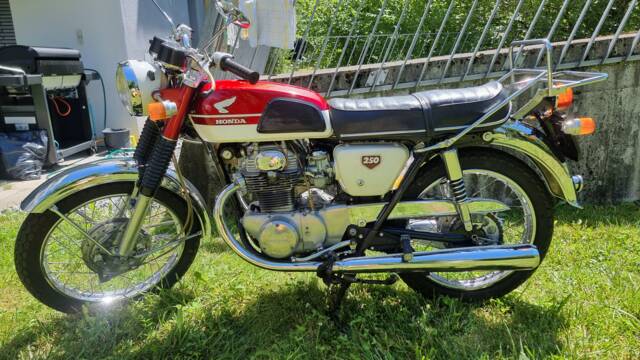
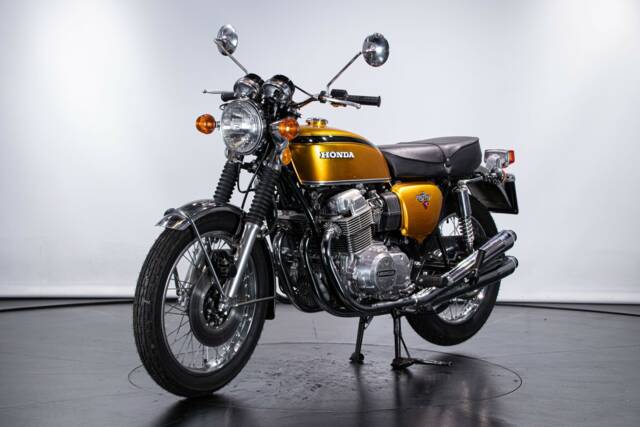
1970 | Honda CB 250 K2
Honda CB 250 (1970) – Original Condition | 16,609 km | Swiss Veteran Registration
Preview

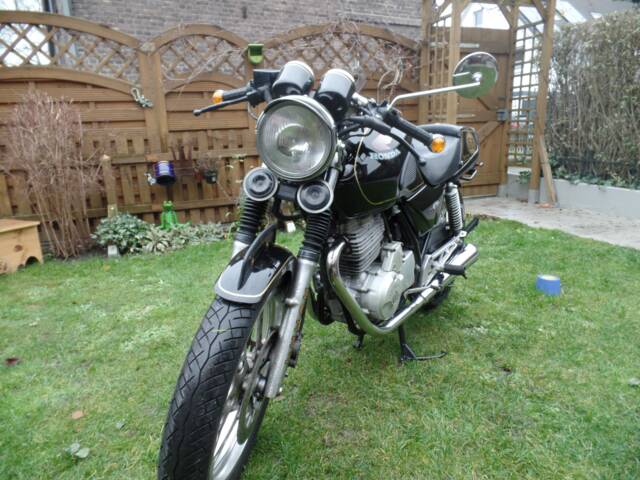
1988 | Honda XBR 500
Honda XBR 500 Cafe Racer 2-year TÜV

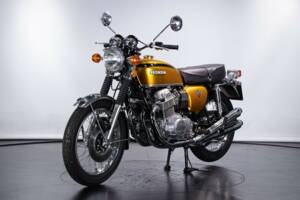

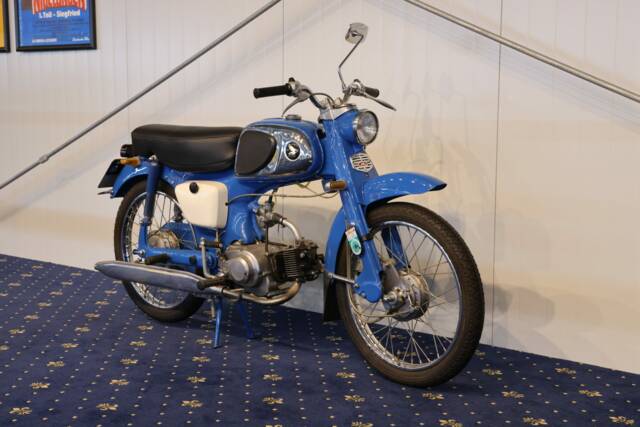
1900 | Honda Super Cub C 110
Honda HM50 · Sammlung Sonderklasse · No reserve

Newsletter
The best Honda listings, straight to your inbox
Get hand-picked Honda listings, plus the best of cars, motorbikes, and auctions on Classic Trader — all in one place.
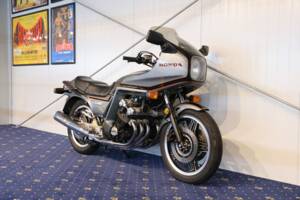
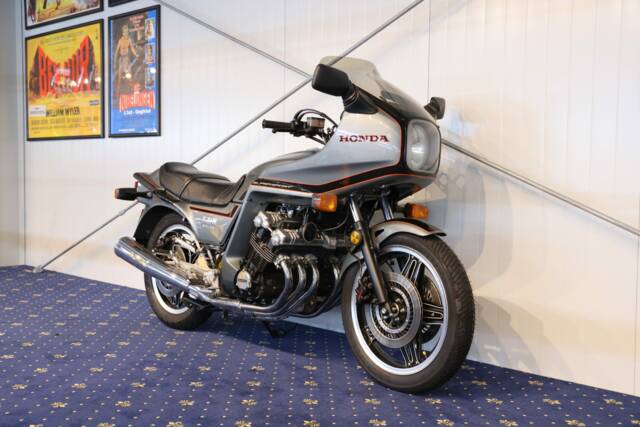
1981 | Honda CBX 1000
1981 Honda CXB SC 06 · Sammlung Sonderklasse · No reserve
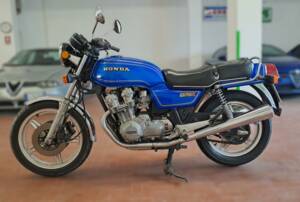
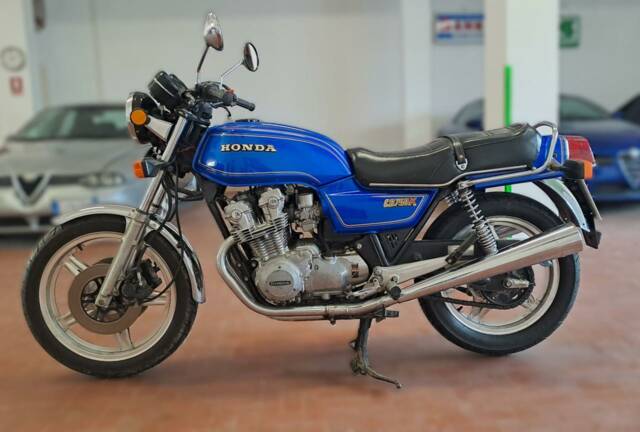
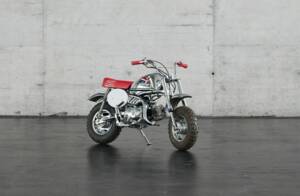
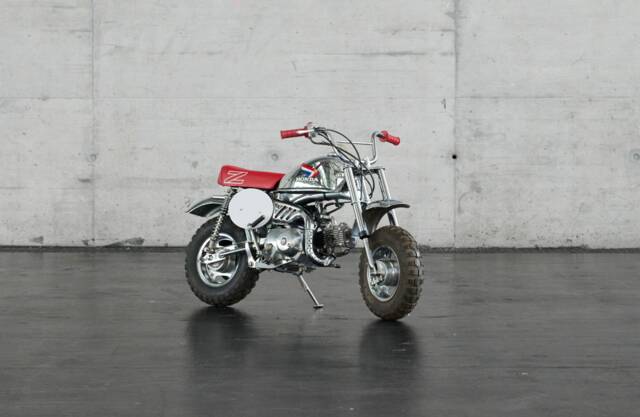
1986 | Honda Z 50 Monkey
1986 Honda Z50 RD Monkey. Im Auktionsverkauf. Schätzwert: 4.000 € - 6.000 €. Ohne Mindestpreis!
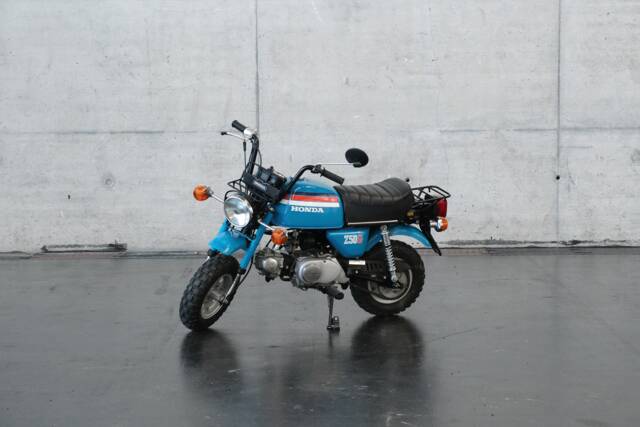
1984 | Honda Z 50 Monkey
1984 Honda Z50 J Monkey. Im Auktionsverkauf. Schätzwert: 4.000 € - 6.000 €. Ohne Mindestpreis!
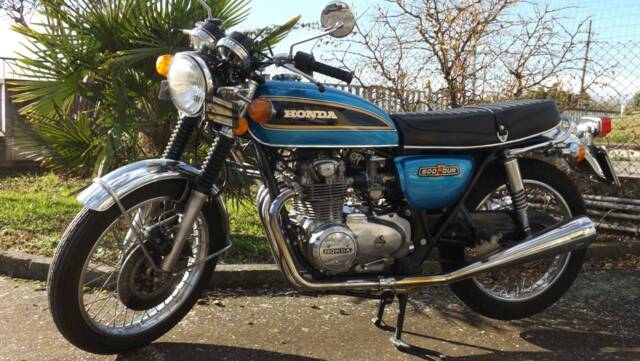
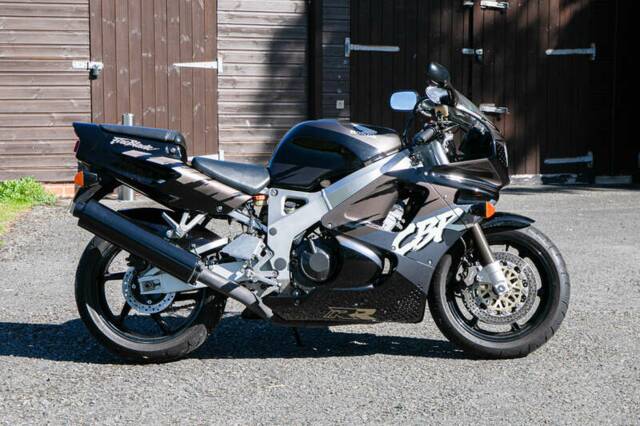
1992 | Honda CBR 900RR Fireblade
1992 Honda CBR900RR FireBlade 893cc

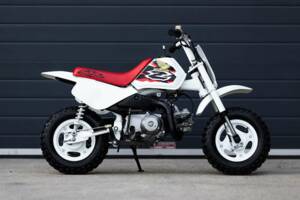
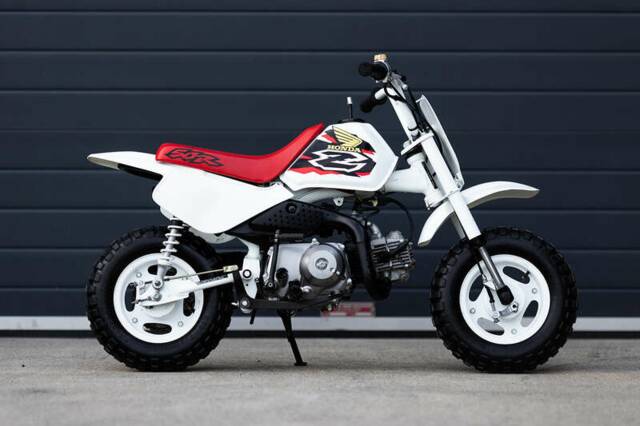
1998 | Honda Z 50 R
c.1998 Honda Z50R Monkey Bike 49cc
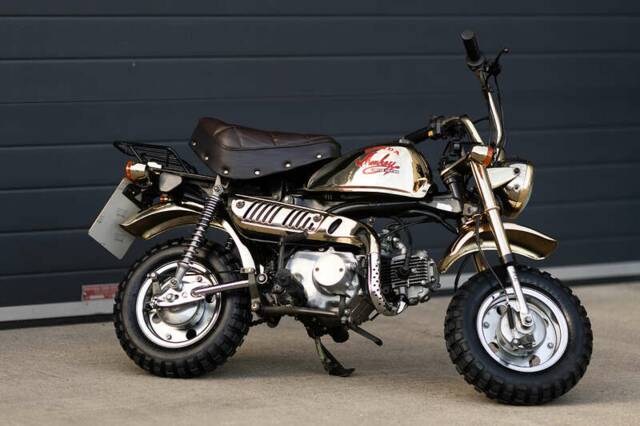
1985 | Honda Z 50 J Monkey
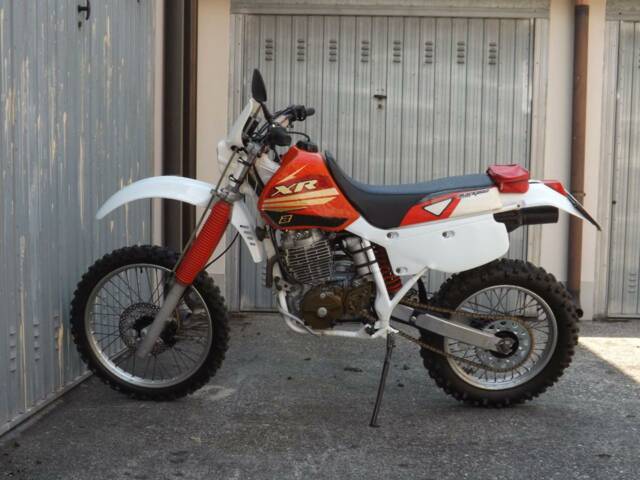
1985 Honda Z50J Gold Limited Edition Monkey Bike 49cc
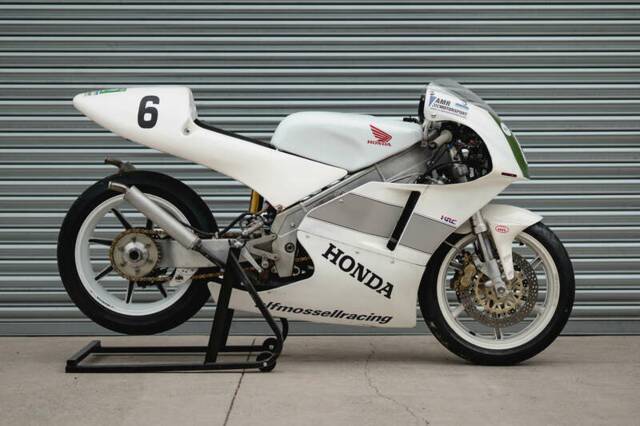
1993 | Honda RS 250 RF
1993 Honda RS250RF 249cc
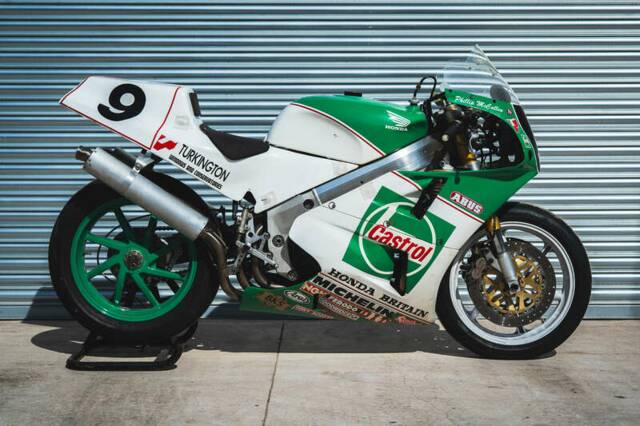
1992 | Honda VFR 750R RC 30
1992 Honda VFR750R Type RC30 Ex-Phillip McCallen 748cc
History & Heritage
The story of Honda Motor Co., Ltd. is one of relentless innovation and a refusal to accept the status quo. Founded in September 1948 by Soichiro Honda, the company rose from the ruins of post-war Japan to become the world's largest motorcycle manufacturer. Soichiro was an intuitive engineer who started by motorized bicycles using surplus generator engines. By 1949, the Dream Type D arrived, marking Honda's first complete motorcycle.
Australia played a vital role in Honda's global expansion. The brand established a presence early, with small displacement commuters like the Super Cub proving perfectly suited to the growing urban needs of Australian cities. However, it was the 1960s that truly cemented Honda's reputation. While British twins leaked oil and required constant tinkering, Honda's small twins and fours offered electric starts, reliability, and performance that felt years ahead of the competition.
The watershed moment came in 1969 with the release of the CB 750 Four. It wasn't just a new model, it was the birth of the Superbike. With its transverse four-cylinder engine, front disc brake, and overhead camshaft, it made every other high-performance motorcycle obsolete overnight. In Australia, the impact was immediate. Local riders embraced the 750 Four for its ability to cross the vast distances of the continent without skipping a beat.
Throughout the 1970s and 80s, Honda continued to push boundaries. The Gold Wing GL1000 (1975) redefined long-distance touring, while the CBX 1000 (1978) stunned the world with its six-cylinder engine. In the racing world, Honda's dominance in the Isle of Man TT and later in the Dakar Rally provided the DNA for models like the VFR 750R RC30 and the Africa Twin. For Australian enthusiasts, this racing heritage is more than just marketing, it represents a standard of engineering that thrives in the harsh local conditions.
Highlights & Features
Honda's classic lineup offers a diverse range of experiences for the Australian collector. Whether you seek the mechanical complexity of a multi-cylinder masterpiece or the ruggedness of a desert racer, these highlights define the brand's appeal:
The CB 750 Four remains the gold standard. Early "Sandcast" models (K0) are the ultimate prize, but later K-series and F-series models offer more accessible entry points into the SOHC four-cylinder experience. Its balance of power, sound, and classic 1970s styling makes it a centerpiece for any collection.
For those who value engineering audacity, the CBX 1000 stands alone. The sight of six chrome headers emerging from the massive 1047cc engine is a design statement that hasn't been matched since. In the Australian market, well-maintained CBX models are highly sought after for their unique 24-valve symphony and presence on the road.
The VFR 750R RC30 represents the pinnacle of 1980s racing technology brought to the street. Built by HRC as a homologation special for World Superbike racing, its gear-driven cams and single-sided swingarm are hallmarks of a machine that was built to win. In Australia, the RC30 is a blue-chip investment, with local examples often hidden away in private collections.
Adventure riders in Australia have a deep affection for the Africa Twin XRV 750. Inspired by the NXR750 Dakar winners, the Africa Twin's V-twin reliability and long-travel suspension are perfect for the dirt roads and Outback tracks that define the Australian riding experience. It is widely regarded as one of the best "all-rounders" ever made.
Finally, the Gold Wing GL1000 shouldn't be overlooked. Before it became the fully dressed touring behemoth of later years, the original GL1000 was a powerful, naked flat-four. Its low center of gravity and shaft drive made it an exceptional choice for crossing the Nullarbor or touring the Great Ocean Road.
Technical Data
Market Overview & Buying Tips
The Australian market for classic Honda motorcycles is robust, supported by a dedicated community and generally good parts availability. Prices have seen a steady climb over the last five years, with auction results from Shannons and Lloyds reflecting a strong appetite for original, Australian-delivered machines.
Honda CB 750 Four
As the definitive Japanese classic, the CB 750 Four dictates the market. A decent, rideable K-series model in Australia typically starts around A$8,000 to A$12,000. Fully restored examples or exceptionally original survivors can easily fetch between A$18,000 and A$28,000.
The "Sandcast" K0 models are in a different league. While rare in Australia, they occasionally appear at specialist auctions. In 2021, a 1969 Sandcast achieved A$37,750 in Sydney. Today, a top-tier Sandcast would likely exceed A$45,000. When inspecting any CB 750, check for original "no-slot" exhaust systems, as genuine replacements are expensive. Look for oil leaks around the head gasket and verify that the frame and engine numbers are period-correct.
Honda CBX 1000
The CBX has transitioned from a niche curiosity to a top-tier collectible. Prices for fencer-style twin-shock models (1978-1980) are significantly higher than the later Pro-Link touring versions. In the current Australian market, a good CBX 1000Z will cost between A$25,000 and A$35,000. A restored 1978 model recently sold in South Australia for A$33,500.
Maintenance history is critical. The 24-valve head requires precise adjustment, and the six Keihin carburetors need professional synchronization. Listen for cam chain rattle, which is a common but fixable issue. Ensure the plastic fairings and original 6-into-2 exhaust are intact, as these parts are difficult to source in Australia.
Honda VFR 750R RC30
The RC30 is the "holy grail" for many Australian Honda fans. Due to their rarity and racing pedigree, prices are high and listings are infrequent. Expect to pay between A$40,000 and A$60,000 for a road-going example. Exceptional, low-kilometer machines have been known to push toward A$100,000 in private sales.
When buying an RC30, provenance is everything. Check for original bodywork, as many were raced and fitted with aftermarket fiberglass. The magnesium components can suffer from corrosion if not stored in a dry environment. Verify the presence of the original rear stand and toolkit, which add significant value to a collector-grade bike.
Honda Africa Twin XRV 750
The XRV 750 is a favorite among Australian adventure riders who prefer mechanical simplicity over modern electronics. Prices for the RD04 and RD07 models have remained stable, typically ranging from A$7,000 to A$12,000 depending on condition and accessories.
Inspect the output shaft splines for wear, as this can be a costly engine-out repair. The fuel pump and voltage regulator are known weak points that most owners replace with aftermarket units. Check for rim corrosion, especially on bikes that have spent time in coastal regions.
Honda CB 500 & 350 Four
For those looking for a more accessible VJMC (Vintage Japanese Motorcycle Club) experience, the smaller fours are excellent choices. A good CB 500 Four can be found for A$5,000 to A$9,000, while the rarer CB 350 Four often sits between A$4,000 and A$8,000. These bikes offer the same SOHC charm as the 750 but in a lighter, more nimble package.
Buying Tips for Australia
- Historic Registration: Most Australian states offer a "Club Permit" or "Historic Plate" scheme for motorcycles over 25 or 30 years old. This significantly reduces registration and insurance costs (often under A$100 per year) but limits use to 45, 60, or 90 days per year via a logbook.
- Parts Sourcing: While local dealers may have limited stock for older models, specialists like David Silver Spares (UK) and CMSNL (Netherlands) are essential. Be prepared for international shipping costs and potential GST on imports over A$1,000.
- Clubs: Joining the VJMC Australia or a state-specific Honda club (like the Honda CB750/4 SOHC Club in Queensland) provides access to technical expertise and rare parts.
Performance
Riding a classic Honda is a lesson in refined engineering. Even decades later, the "Honda feel" is evident in the smooth power delivery and predictable handling.
The CB 750 Four provides a quintessential 1970s experience. The engine has a wide spread of torque, making it easy to ride in modern traffic. While the brakes and suspension feel dated compared to modern machinery, the sensation of the four-cylinder engine singing through its original pipes at 6,000 rpm is one of the great joys of motorcycling. It feels substantial and stable, a bike designed for the open road.
The CBX 1000 is an sensory overload. The engine is surprisingly smooth, with a jet-like whistle that turns into a primal scream as the revs climb. Despite its massive width, it carries its weight well once moving. However, the narrow tires and period suspension mean it requires respect in the corners. It is a bike for "grand touring" rather than carving tight mountain passes.
The Africa Twin XRV 750 offers a completely different kind of performance. The 52-degree V-twin provides a rhythmic thrum and plenty of low-end grunt. It is incredibly balanced at low speeds, making it a joy on gravel roads. In the Australian context, its ability to cruise comfortably at 110 km/h on the highway and then tackle a sandy track is what makes it so enduringly popular.
For the pure enthusiast, the RC30 is the sharpest tool in the shed. The V4 engine has a unique, gravelly character at low revs that smooths out into a frantic, gear-driven howl. The handling is incredibly precise, even by modern standards. It is a compact, focused machine that demands commitment from the rider but rewards with an experience that is pure racing distilled for the street.
Design
Honda's design philosophy has always been characterized by a balance of form and function. In the classic era, this translated to clean lines, high-quality finishes, and an attention to detail that set the industry standard.
The CB 750 Four established the silhouette of the modern motorcycle. The "Candy" paint colors—Ruby Red, Gold, and Blue Green—are iconic. The symmetry of the four exhaust pipes and the chrome fenders give it a timeless elegance. Inside the cockpit, the large, clear gauges and well-placed switchgear reflect Honda's focus on the rider's experience.
The CBX 1000 is a masterpiece of industrial design. By making the engine the primary styling element, Honda created a machine that looks powerful even when standing still. The way the six cylinders dominate the front view is a deliberate show of strength. The later Pro-Link models introduced more aerodynamic fairings, but the original naked "Z" model remains the purest expression of the CBX spirit.
The Africa Twin carries the "adventure" aesthetic perfectly. Its dual headlights, large fuel tank, and high-mounted exhaust are functional requirements for rally racing that happen to look fantastic on the street. The bold Rothmans-inspired or tri-color HRC paint schemes are instantly recognizable to any fan of desert racing.
In the RC30, every design choice was made to save weight or improve performance. The aluminum beam frame, the single-sided swingarm for quick wheel changes, and the quick-release fairing fasteners are all racing features. It is a beautiful machine because it is so purposeful. There is no "slop" in the design, every curve and angle serves a reason.
Racing & Culture
Honda's racing success is inextricably linked to its brand identity in Australia. The company's "Win on Sunday, Sell on Monday" approach was incredibly effective in the local market.
The Dakar Rally connection is particularly strong. Honda's dominance in the late 1980s with the NXR750, winning four consecutive titles from 1986 to 1989, coincided with the growth of the adventure touring scene in Australia. This heritage is what made the original Africa Twin a legend before it even arrived on our shores. More recent successes in the 2020s have only reinforced this "King of the Desert" reputation.
In road racing, the Isle of Man TT holds a special place in the hearts of Australian riders. Legends like Mike Hailwood and later Joey Dunlop achieved incredible feats on Honda machinery. The VFR 750R RC30 was the tool of choice for many privateers and factory teams, including the successful campaigns of Fred Merkel in the inaugural World Superbike seasons.
In Australia, the VJMC (Vintage Japanese Motorcycle Club) is the heart of the classic Honda culture. With branches in every state, the club organizes rallies, swap meets, and ride days that celebrate the preservation of these machines. The culture is inclusive, welcoming everything from a pristine 1960s CB 450 "Black Bomber" to a well-used XR 600 dirt bike. This community ensures that the knowledge and parts required to keep these classics on the road are shared among enthusiasts.
Summary
Buying a classic Honda in Australia is more than just a purchase, it is an entry into a legacy of engineering perfection. From the revolutionary CB 750 Four that started the Superbike era to the desert-conquering Africa Twin, Honda offers a model for every type of collector.
The Australian market remains strong, with a healthy supply of bikes and a supportive club scene. While prices for top-tier models like the CBX 1000 and RC30 have reached significant heights, there are still plenty of opportunities to find well-maintained examples of the CB 500 Four or Gold Wing GL1000 at accessible prices.
When searching for your next Honda, focus on originality and maintenance history. Utilize the expertise found in local clubs and take advantage of the historic registration schemes to make ownership affordable. Whether you want to relive your youth or invest in a piece of motorcycling history, a classic Honda is a choice that offers both emotional rewards and mechanical satisfaction.
Find Honda motorcycles on Classic Trader—from the world-changing CB 750 Four to the legendary Africa Twin and the six-cylinder CBX. Your next adventure starts here.