- Motorcycle
- Laverda (10 offers)
Buy Laverda Motorcycles
From the agricultural roots of Breganze emerged motorcycles that refused to compromise – from the slender post-war four-strokes to the brutal three-cylinder machines that claimed the superbike throne in the late 1970s.
Search results

1975 | Laverda 750 SF 3
Laverda 750 SF3

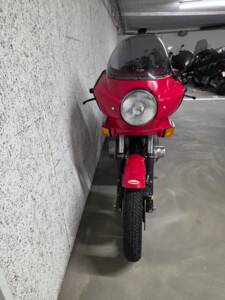
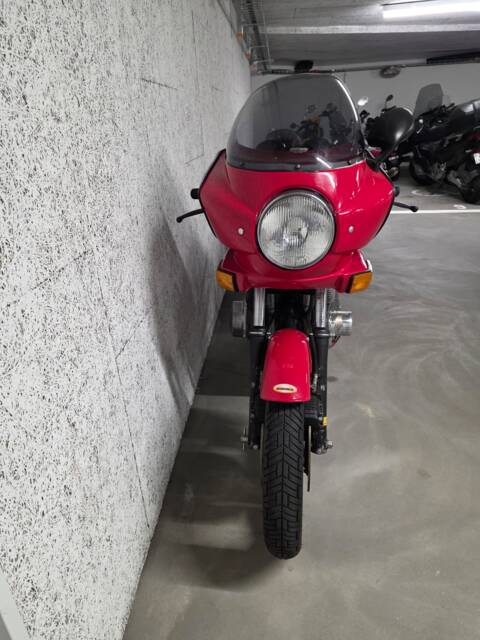
1981 | Laverda Jota 1000
Veteran motorcycle. Very good condition

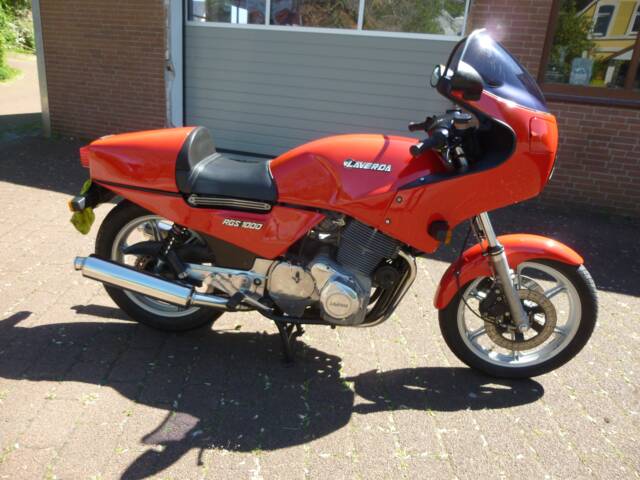
1983 | Laverda 1000 RGS
With original 27,100 km, very well-maintained, beautiful condition

Newsletter
The best Laverda listings, straight to your inbox
Get hand-picked Laverda listings, plus the best of cars, motorbikes, and auctions on Classic Trader — all in one place.
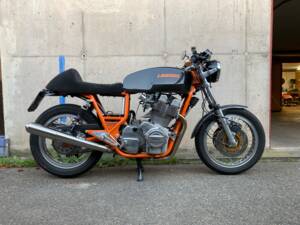
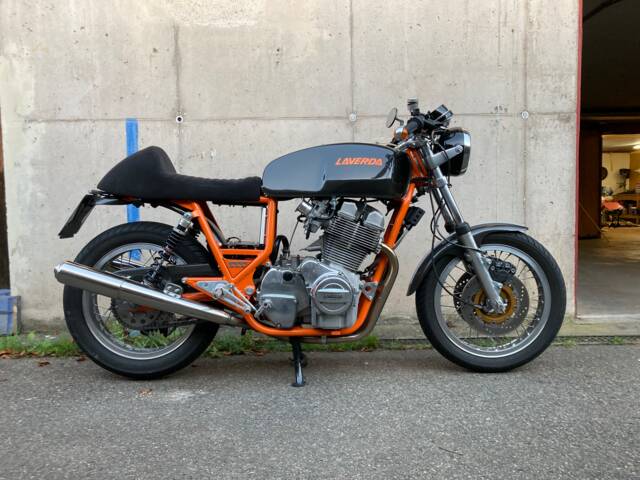
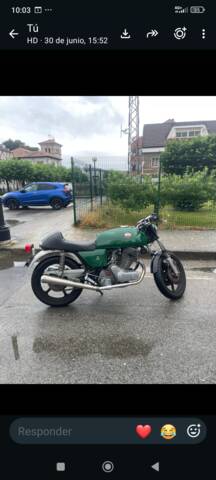
1976 | Laverda 1000 3 C I
Cafe Racer
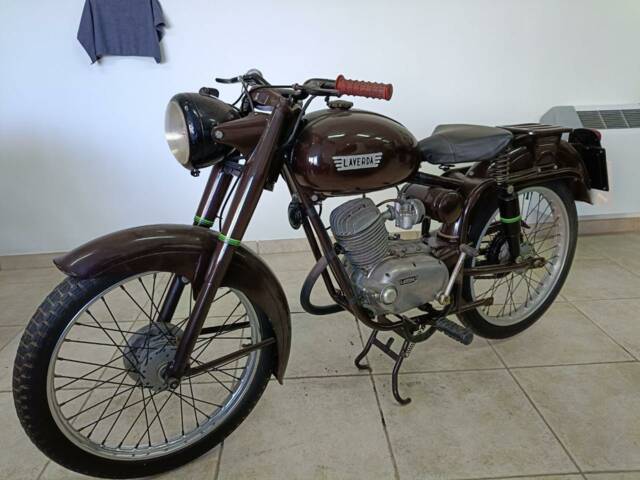
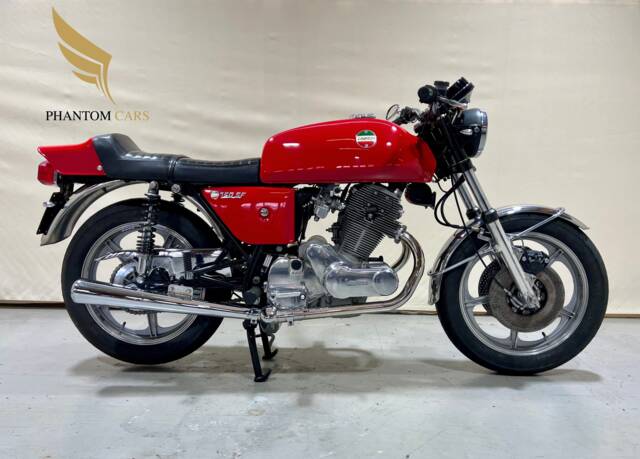
1976 | Laverda 750 SF 3
*** VETERAN *** Restauriert *** Guter Zustand mit Patina*** Eintausch & Finanzierung möglich ***
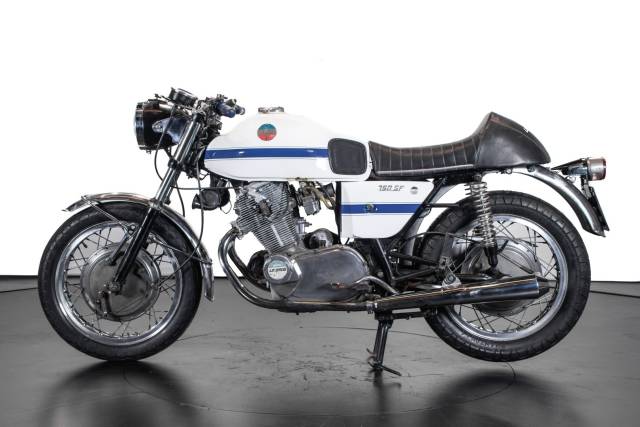
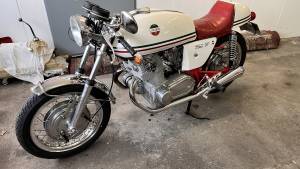
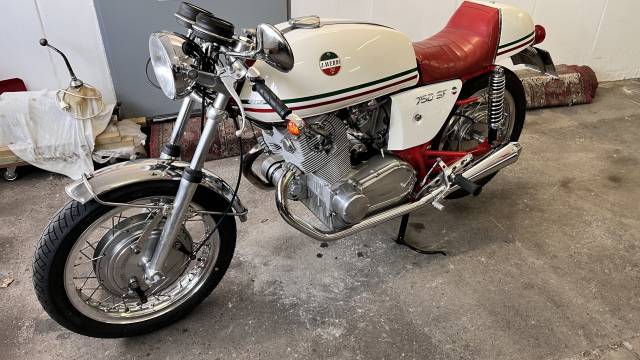
1970 | Laverda 750 SF
Schöner restaurierter Zustand
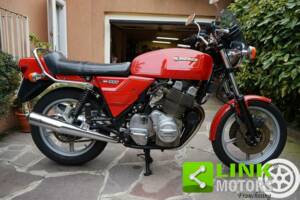
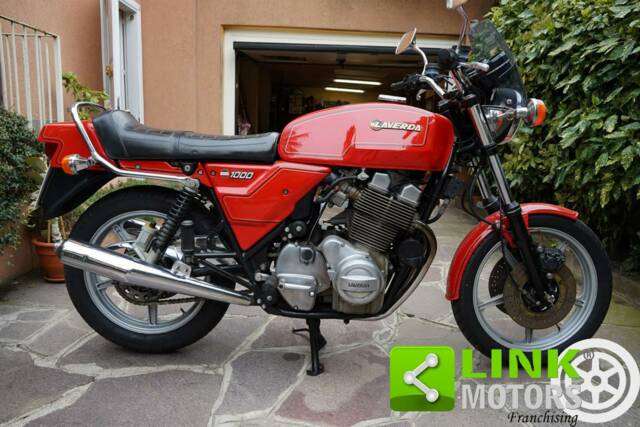
1977 | Laverda 1000 3 C I
LAVERDA 3C/CL 1000 1977 - 17.000KM ORIGINALI - ISCRITTA FMI
Laverda listing references from Classic Trader
Below you will find listings related to your search that are no longer available on Classic Trader. Use this information to gain insight into availability, value trends, and current pricing for a "Laverda" to make a more informed purchasing decision.
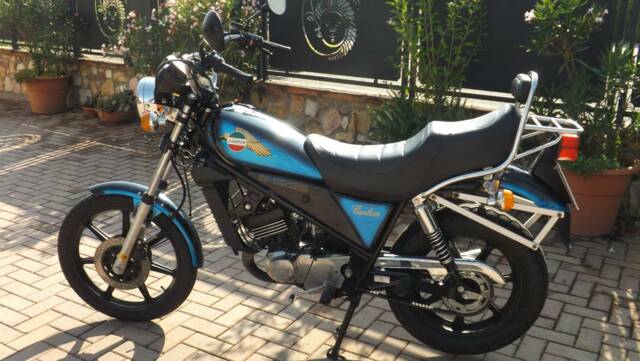
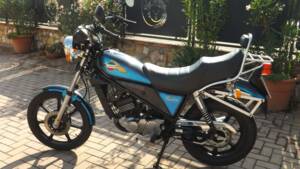
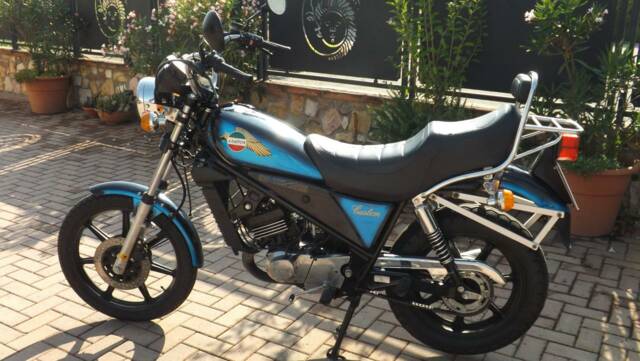
1988 | Laverda 125 LB Custom
-
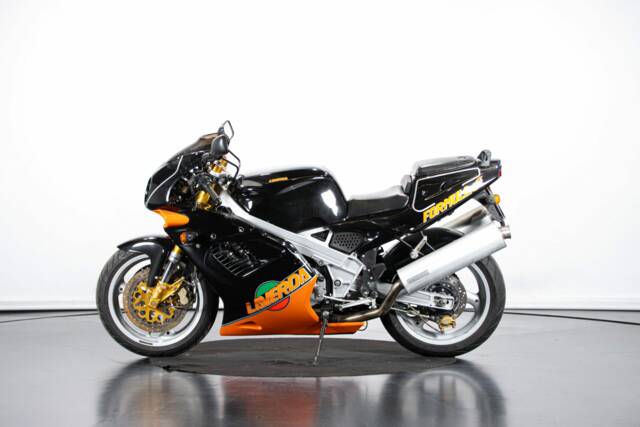
2000 | Laverda 750 S Formula
Laverda 750 FORMULA S
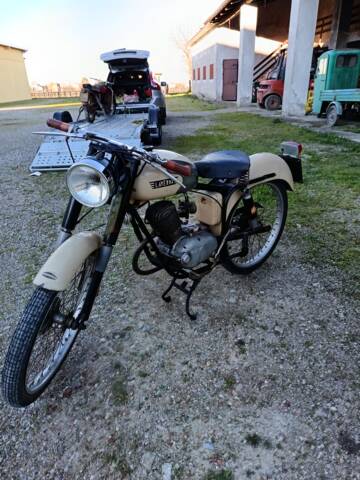
1953 | Laverda 75 Sport
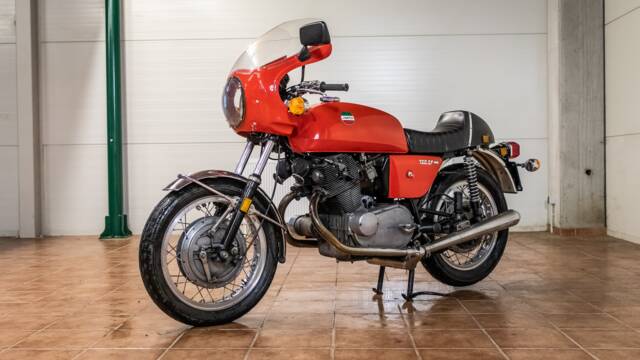
1976 | Laverda 750 SF
Built for speed, character and long country roads

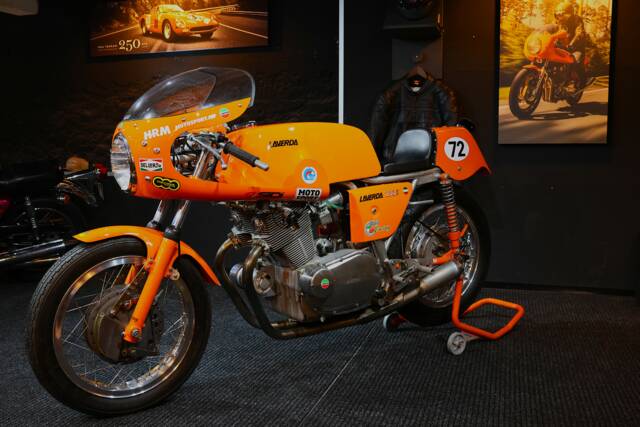
1970 | Laverda 750 S
Entwicklungs-SFC vom Werk - keine gewöhnliche Replika
Since 1949, the Laverda name has represented Italian motorcycle engineering defined by robustness and racing success. What began as an offshoot of an agricultural machinery manufacturer evolved into a boutique factory for high-performance machines that gained international acclaim in the 1970s with their legendary triples. In Australia, the brand maintains a dedicated following, supported by a network of specialists who keep these "Lamborghinis of motorcycles" on the road from Perth to Sydney.
History & Heritage
Founding and Early Years (1949-1960)
Francesco Laverda, grandson of agricultural machinery producer Pietro Laverda, founded Moto Laverda S.p.A. in Breganze in 1949. The experience gained from building farm equipment influenced the construction of robust motorcycles. Starting in 1950, the Laverda 75 left the factory – a compact 75cc four-stroke motorcycle characterised by affordable production and reliability. In 1955, the Laverda 100 followed, achieving top positions in races like the Milano-Taranto with riders such as Mariani, Fontanili, and Castellani. These small machines contributed significantly to the motorisation of Italy after the Second World War.
The Rise to Large-Capacity Manufacturer (1968-1973)
When Massimo Laverda, himself a successful racer on Laverda machines, took over management, the focus shifted to larger displacements. In 1968, the twin-cylinder 650 and 750 models were born, designed with an open frame and a stressed-member engine. The variants 750 GT, 750 S, 750 SF, and 750 GTL were built until 1977, establishing Laverda in the segment of sporting touring motorcycles. Simultaneously, the Breganze factory developed the 1000cc three-cylinder with overhead camshafts, which entered series production in 1973. This machine laid the foundation for Laverda's reputation as a manufacturer of uncompromising high-performance motorcycles.
The Era of the Triple Legend (1973-1982)
The Laverda 3C (1973) combined 981cc displacement, double overhead cams, and a 180° crankshaft offset. With 85 hp at 7,250 rpm, the machine reached over 210 km/h. In 1976, at the suggestion of British importers Slater Brothers, the Laverda Jota was created – named after a Spanish dance in triple time. Through high-compression pistons, sharper camshafts, and a free-flowing exhaust system, the Jota produced 90 hp and accelerated to 225 km/h. Until the introduction of the Honda CBX1000 in 1978, it was the fastest production motorcycle in the world. The Jota was produced until 1982, with the Jota 120° appearing in 1982 with a revised crankshaft offset. Parallel models included the RGS 1000 (tourer) and the Laverda 1200 (1982-1988) with increased displacement.
Decline and Revival (1980s-2000s)
Despite technical successes, Laverda faced a financial crisis in the mid-1980s. Production was not aligned with market demands, and the machines were considered complex and maintenance-intensive. In March 1987, the company had to file for bankruptcy. A return occurred in 1993: the factory moved to Zane, where modern sporting motorcycles based on the 650 series (until 1997) were produced. These were followed by the Zane models (Laverda 750 in various versions), built until 2002. After that, motorcycle production ended. In 2004, Laverda was merged with Aprilia, and in 2006, Piaggio took over the group. Since then, the brand has remained dormant.
Highlights & Features
The 180° Triple
Laverda's 981cc engine with a 180° crankshaft offset produced a characteristic sound that sat somewhere between a twin and an evenly firing triple. The asymmetrical firing order caused distinctive vibrations above 5,000 rpm, earning the machine its reputation as an "untamed racehorse." The 120° variant introduced in 1982 offered smoother running characteristics but is considered by many collectors to have less character.
Race-Proven Technology
The 750 SFC (Super Freni Competizione) dominated endurance racing from 1971-1976, including a victory at the 24 Hours of Barcelona (Montjuïc) in 1972. Only 549 examples of this racing motorcycle were built (1971-1976), including 100 for US export with a 75 hp engine, larger Dell'Orto carburettors, and triple Brembo disc brakes. The SFC was a road-legal racing motorcycle with a speedometer and indicators – a true "racing machine for the road."
British DNA in an Italian Body
The Jota was not born in Italy but in the workshop of British importers Slater Brothers in Bromyard, Herefordshire. They developed the tuning concept that was later adopted by Laverda as a factory model. This Anglo-Italian collaboration explains why UK specifications (different exhaust system, slightly higher power) are particularly sought after by collectors – although these machines often bring challenges due to decades spent in the damp British climate.
Aluminium Quality
Laverda used aluminium of questionable quality that becomes brittle with heat cycles and age. Cylinder head material, pistons, and casing parts frequently show signs of fatigue in older machines. This is one of the primary causes of costly restorations.
Technical Data
Laverda Jota 1000 (1976-1982)
Laverda 750 SFC (1971-1976)
Market Overview & Buying Tips
Price Ranges by Model (2024-2025 in AUD)
The Australian market for Laverda is small but passionate. Prices often reflect the scarcity of local examples and the high cost of importing from Europe or the UK.
- 750 SFC (1971-1976): A$50,000–A$180,000. Genuine SFCs are exceptionally rare in Australia. A 1974 model with impeccable provenance recently listed for A$89,000 at a specialist dealer. Top-tier examples with racing history can exceed A$150,000.
- Jota 1000 (1976-1982): A$25,000–A$45,000. Australian-delivered Jotas are highly prized. A well-restored 1979 Jota recently sold for approximately A$32,000 in Western Australia. Rougher projects start around A$15,000, but restoration costs in Australia are significant.
- 750 SF/SF2/SF3 (1970-1976): A$12,000–A$25,000. The SF series remains the most accessible entry point. A restored 1974 SF2 might fetch A$17,000–A$20,000.
- RGS 1000 (1982-1987): A$10,000–A$20,000. The more "civilised" triple is gaining traction as a usable classic for longer Australian rides.
- Zane Models (1990s 650/750): A$8,000–A$15,000. These modern classics are cheaper but suffer from known crankshaft issues that require specialist attention.
The Australian Context: Import & Shipping
Many Australian collectors look to Europe (Italy, Germany) or the UK for specific models. Importing a Laverda to Australia involves several layers of cost:
- Shipping: Sea freight from Europe typically costs A$2,500–A$4,000 depending on crating and insurance.
- Import Approval: Mandatory via the Department of Infrastructure (ROVER system).
- GST & Duty: 10% GST is applied to the total landed cost (purchase price + shipping + insurance). Duty may apply depending on the country of origin and trade agreements.
- Asbestos Clearance: A critical Australian requirement. Older Laverdas often contain asbestos in gaskets or brake linings. Testing and removal before shipping are essential to avoid seizure by Australian Border Force.
Local Specialists & Parts
Australia is home to world-class Laverda expertise. Specialists like Italbrit Classic Motorcycles in Perth or EuroBrit MotorBikes in Melbourne provide essential support. Parts availability is generally good for mechanical components, but bodywork and specific trim items often need to be sourced from European specialists like Wolfgang Haerter (Columbia Car & Cycle) or OCT in Germany. Expect shipping times of 2-4 weeks and significant freight costs for heavy items like exhausts or cranks.
What to Look for When Buying
Engine Condition (Critical): A compression test alone is insufficient. Piston ring grooves wear vertically, causing issues under load. Valve seats can recede into the head, making adjustment impossible – a professional head rebuild can cost A$3,000+. Since no exhaust valve seals were fitted originally, guide wear is common. Full engine revision: A$12,000–A$20,000.
The "Australian" Factor: Bikes kept in coastal areas (Sydney, Gold Coast, Perth) may suffer from salt-air corrosion on aluminium casings and chrome. Conversely, bikes from the dry interior often have perished rubber components and cracked leather due to heat and UV exposure.
Originality vs. Rideability: Many Australian Jotas have been modified with Mikuni carburettors or electronic ignitions (like the Sachse or Witt systems). While these improve reliability for the Australian climate, purists prefer the original Dell'Orto pumpers. Ensure any modifications are reversible if you are buying for investment.
Documentation: Matching numbers are vital for value, typically adding 20-30%. The frame number is on the brace below the battery box (left side); the engine number is on the crankcase.
Riding Experience & Character
The Jota 1000: An Experience, Not Just a Machine
The first thing you notice is the clutch – heavy, very heavy. In Melbourne's stop-start traffic, it's a workout; on the open roads of the Great Ocean Road, it's manageable. Below 4,000 rpm, the engine is grumpy, with vibrations pulsing through the bars, pegs, and seat. But above 5,000 rpm, the beast awakens. The triple-cylinder howl swells to a roar, vibrations intensify, but the power delivery is intoxicating. At 7,000 rpm, it's controlled chaos – the mirrors are a blur, the pegs are drumming, but the acceleration is brutally linear.
Nervous Below 110 km/h, Stable Above
The Jota's chassis is a compromise between track focus and road legality. Below 110 km/h, it can feel top-heavy and reluctant to turn. Above 120 km/h, the geometry stabilises, the Marzocchi forks track true, and the Brembo brakes provide reassuring stopping power. The Jota is at home on fast sweeping bends and long highway stretches, not tight city streets.
The 750 SFC: A Purebred Racer
With a dry weight of 190 kg and 70-75 hp, the SFC is significantly more nimble than the Jota. The riding position is extreme – low, forward-leaning, with high-mounted pegs. It demands to be ridden hard: late braking, sharp turn-in, and early throttle. The narrow twin-cylinder layout allows for impressive lean angles. The sound is sharp and aggressive – a DOHC twin at 8,000 rpm screams rather than roars.
The 750 SF: The Civilised Italian
The touring version of the 750 twin offers similar power to the SFC (65-70 hp) but with relaxed geometry, a more comfortable seat, and longer service intervals. It's the machine for the rider who wants Italian style and sound without the physical demands of the Jota or SFC.
Design & Philosophy
Functionalism Over Styling
Laverda designers followed technical requirements rather than design schools. The massive double-cradle steel frame is exposed, welds are visible, and wiring looms run without concealment. The tank is broad, the seat narrow, and the exhaust system dominates the right side. Nothing is hidden; everything is functional. This "naked" approach feels more honest today than modern retro-bikes with plastic covers imitating mechanical components.
Colour as a Trademark
The 750 SFC in vibrant orange (GelCoat, not paint) with white stripes is a design icon. The Jota appeared classically in red with gold pinstripes over a silver frame, and later in green. These colour combinations are unmistakable and should be respected during restorations. Modern RAL paints often fail to capture the depth of the original finishes.
British Influence on Italian Design
The Slater Brothers brought not only tuning but also British design elements: wider handlebars, different seat padding, and UK-specific indicators and mirrors. These details made the Jota more successful in English-speaking markets than in Italy. Today, these Anglo-Italian hybrids are highly sought-after collector pieces in Australia.
Target Audience: Experienced Riders
Laverda never aimed at beginners. The machines were expensive (a 1976 Jota cost more than a Honda Gold Wing), difficult to master, and maintenance-intensive. The target group was wealthy enthusiasts who wanted Italian prestige and racing performance without relying on Japanese ubiquity. This positioning explains the low production numbers and current cult status.
Racing & Successes
Endurance Dominance (1971-1976)
The Laverda 750 SFC was developed specifically for endurance racing and dominated from 1971-1976. The highlight was the victory at the 24 Hours of Barcelona (Montjuïc) 1972, ridden by Piero Laverda (son of Francesco) and Claudio Cavani. Other successes included the 1000 km of Monza (1972), the Thruxton 500, and the Bol d'Or. The SFC competed against the Ducati 750 SS, Honda CB750, and BMW R90S – and won through sheer robustness and stamina.
No MotoGP Glory, But Plenty of Character
Laverda never attempted a full Grand Prix entry (unlike MV Agusta or Moto Guzzi). The focus remained on endurance and production racing. This limitation explains why Laverda never achieved the mainstream glamour of Ducati but is held in higher regard by endurance purists.
The Jota: Too Late for the Track?
By the time the Jota appeared in 1976, the era of production racing was shifting. The machine was heavy and complex for the new generation of racers. Its reputation as the "fastest production motorcycle" was based on road tests (Motor Cycle, 1976: 141 mph / 227 km/h) rather than race wins. The Jota is a racing machine that never truly raced – a tragedy or a liberation, depending on your perspective.
Summary
Laverda motorcycles are not for the casual rider or the faint-hearted investor. They demand mechanical understanding, regular maintenance, and a willingness to compromise on comfort. The 750 SFC remains the ultimate collector's choice: rare (549 units), successful (24h Barcelona), and appreciating in value (A$80,000–A$180,000). The Jota 1000 embodies the uncompromising superbike era of the 1970s: brutally fast, full of character, and physically demanding.
For an Australian buyer, a rideable, reliable Jota 1000 will require a budget of A$30,000–A$45,000, plus an allowance for immediate specialist servicing. Restoration projects are financially irrational – expect to invest A$50,000+ for a result worth A$35,000 – but Laverda was never about rationality. When you hear that triple-cylinder roar at 7,000 rpm on a quiet Australian country road, logic fades away. It’s about passion, engineering, and the legacy of Breganze.
Three Key Takeaways for Buyers:
- SFC for Collectors (A$80,000–A$180,000): An investment-grade icon with racing provenance, best kept for special occasions.
- Jota for Riders (A$25,000–A$45,000): The quintessential 70s superbike experience, requiring expertise and a healthy maintenance budget.
- 750 SF for Enthusiasts (A$15,000–A$25,000): A more accessible entry into the brand that still offers the authentic Italian twin-cylinder soul.
Laverda is a brand for the few who refuse to compromise – just like the machines that rolled out of the Breganze factory.