- Motorcycle
- BSA (11 offers)
Buy BSA Motorcycle
From the rugged M20 military workhorse to the legendary Gold Star that dominated the Clubmans TT, BSA defined British motorcycling for decades. Discover the heritage of Birmingham's finest and find your perfect classic BSA among our curated listings.
Search results
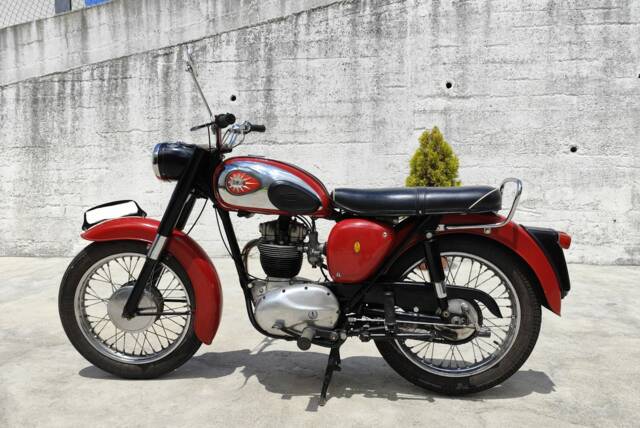
1966 | BSA B 44
1966 BSA B40 350cc – Fully Restored – Excellent Condition
€ 4,000 - € 5,000

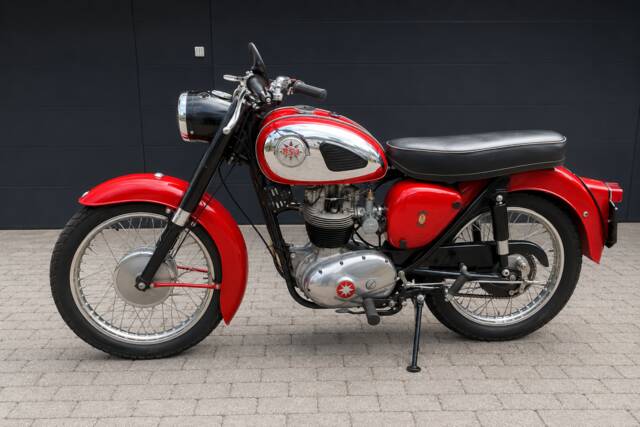
1963 | BSA B 40
BSA B40 Star – British Motorcycle Heritage with Soul

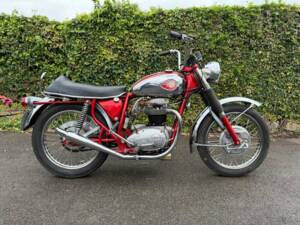
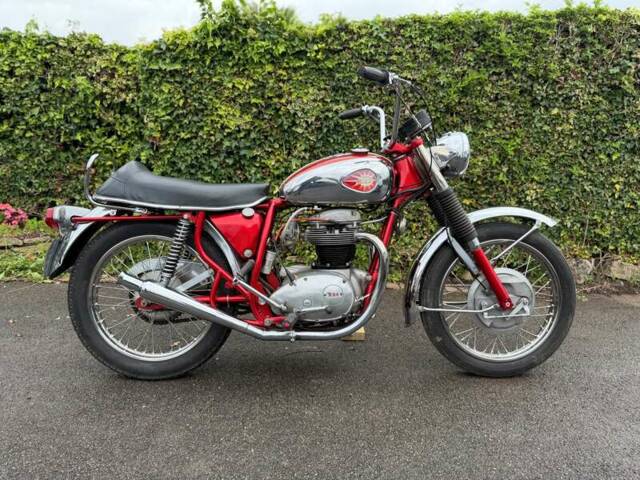
1969 | BSA A 65 Thunderbolt
1969 BSA A65T Thunderbolt 654cc

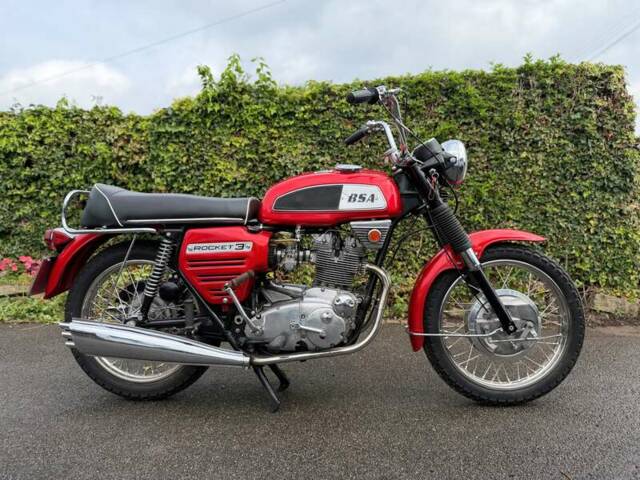
1969 | BSA A 75 Rocket 3
1969 BSA A75R Rocket 3 Mk1 740cc
Newsletter
The best BSA listings, straight to your inbox
Get hand-picked BSA listings, plus the best of cars, motorbikes, and auctions on Classic Trader — all in one place.
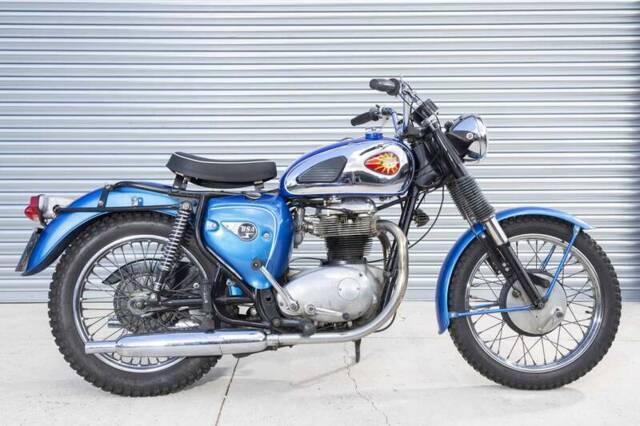
1967 | BSA A 65 Thunderbolt
1967 BSA A65T 654cc
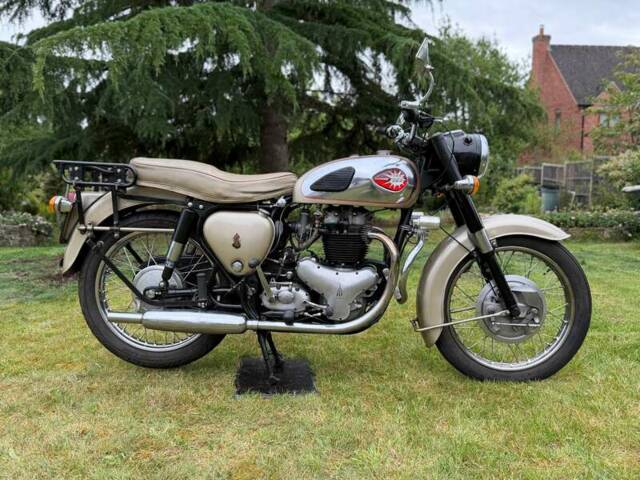
1960 | BSA A 10 Golden Flash
1960 BSA A10 Golden Flash 646cc
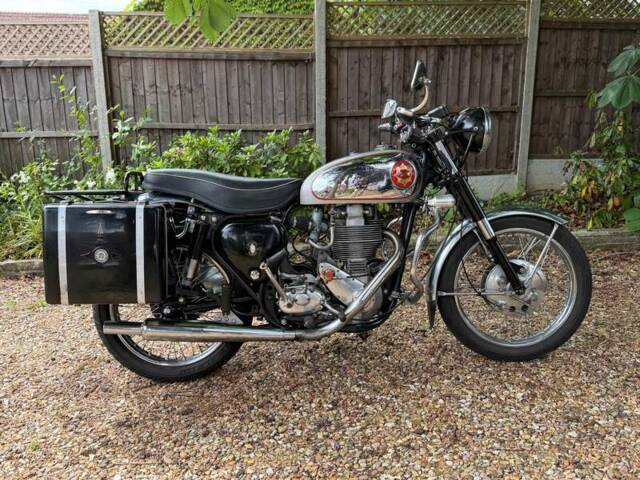
1958 | BSA DBD 34 Gold Star
1958 BSA DBD34 Gold Star 499cc
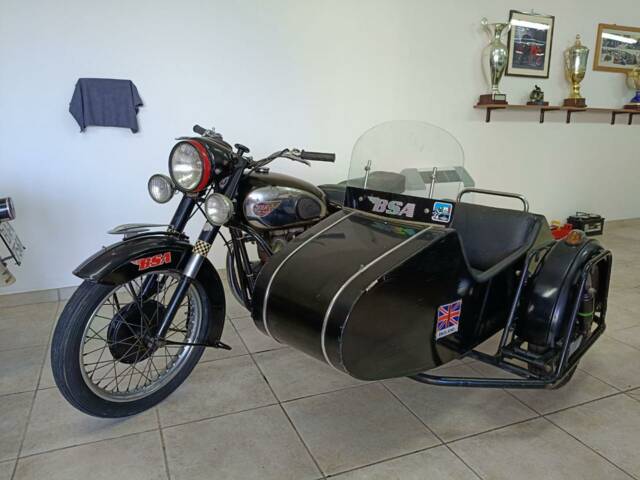

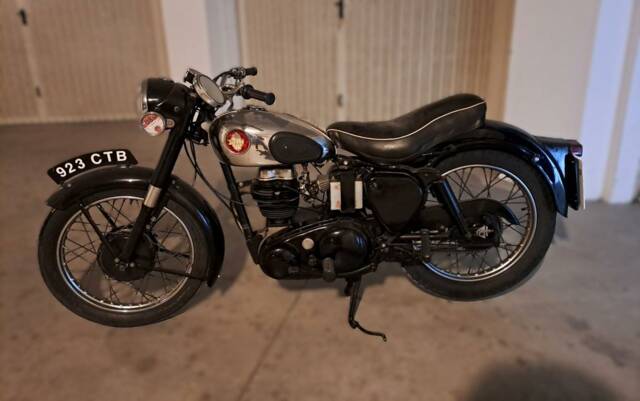
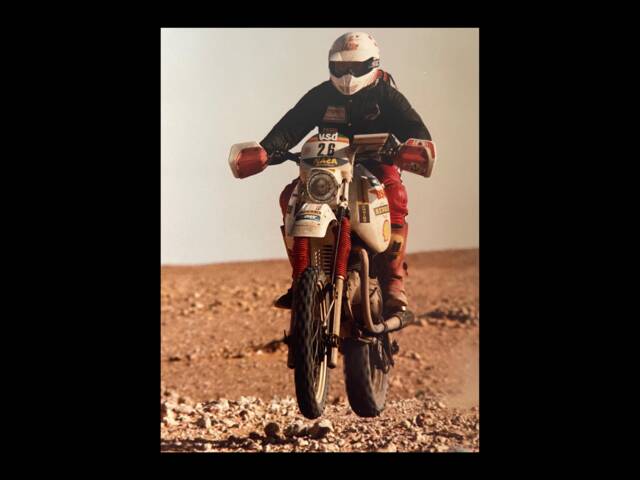
1972 | BSA A 65 Lightning II
Wettbewerbsmaschine Rallye Paris Dakar
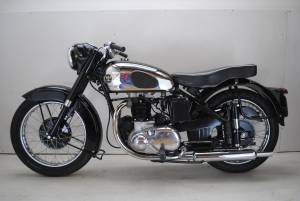
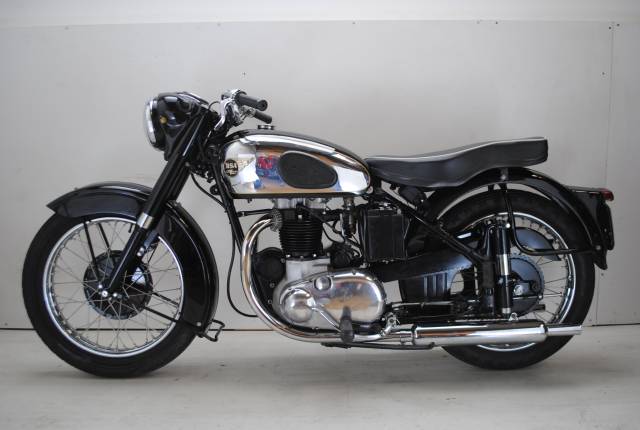
1953 | BSA A 10 Golden Flash
BSA A10 Golden Flash

BSA listing references from Classic Trader
Below you will find listings related to your search that are no longer available on Classic Trader. Use this information to gain insight into availability, value trends, and current pricing for a "BSA" to make a more informed purchasing decision.
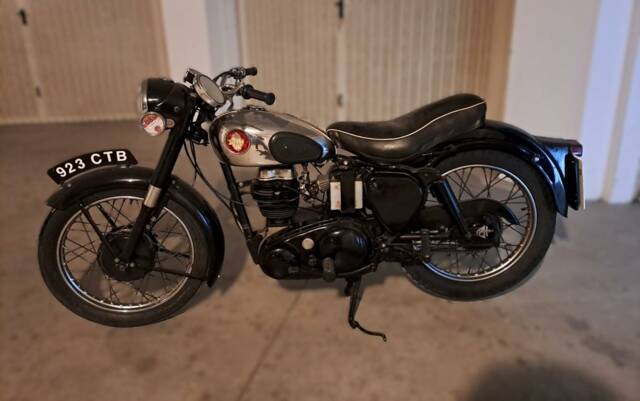
1957 | BSA C 11, C 12
-
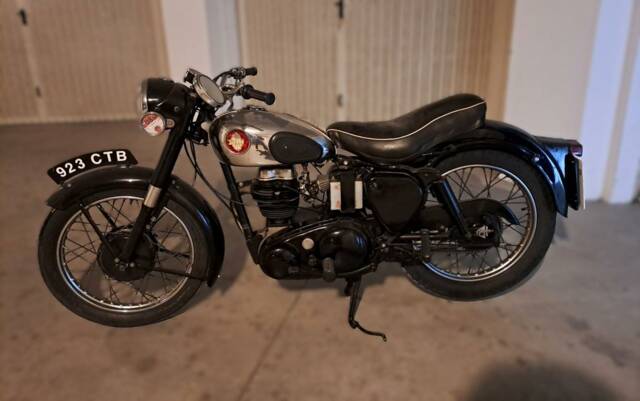
1957 | BSA C 11, C 12
-
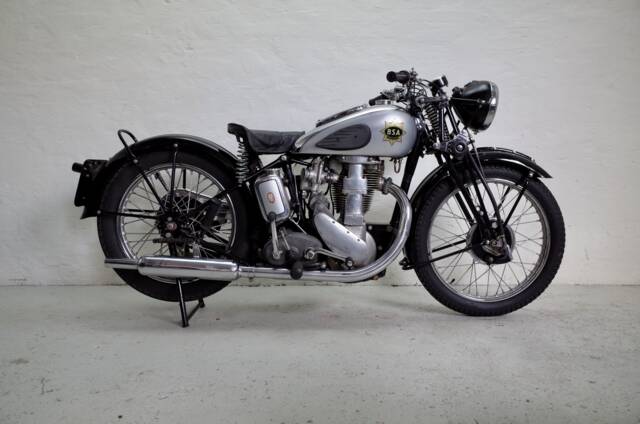
1938 | BSA M 24 Gold Star
Matching numbers and very correct specification including magnesium gearbox

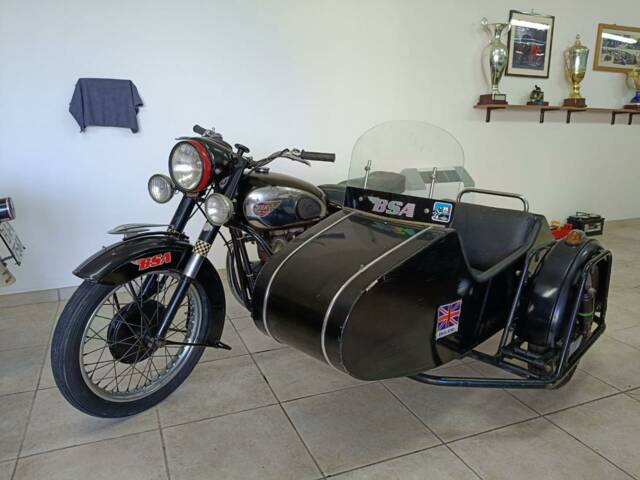
1965 | BSA A 10 Golden Flash
-
History & Heritage
The Birmingham Small Arms Company, better known as BSA, represents one of the most significant chapters in the history of global motorcycling. Founded in 1861 by a group of fourteen master gunsmiths to supply weapons during the Crimean War, the company’s transition from armaments to bicycles and eventually motorcycles was born out of necessity as the demand for firearms fluctuated. By the early 20th century, BSA had established itself as a powerhouse of British engineering, a reputation that would eventually see it become the largest motorcycle manufacturer in the world.
In Australia, the BSA brand holds a special place in the hearts of classic enthusiasts. During the post-war era, British motorcycles dominated the Australian landscape, largely due to Commonwealth trade preferences that made them more accessible than American alternatives. For many Australian riders in the 1950s and 60s, a BSA wasn't just a machine; it was a reliable companion for navigating the vast distances and often challenging road conditions of the Sunburnt Country.
The first BSA motorcycle appeared in 1910, featuring a 3.5 hp engine. However, it was the interwar period that saw the brand truly find its stride. The development of the M-series in the 1920s introduced the world to the robust single-cylinder side-valve engines that would become the backbone of the company’s reputation for reliability. The BSA M20, in particular, became a symbol of endurance. During World War II, BSA produced approximately 126,000 M20 motorcycles for the Allied forces, many of which found their way to Australian shores as military surplus after the conflict, providing affordable transport for a generation of young Australians.
Post-1945, BSA entered its "Golden Era." The acquisition of Triumph Motorcycles in 1951 solidified its position as a global leader. This period saw the introduction of the A7 and A10 Golden Flash parallel twins, which set new standards for performance and style. The 646cc A10 Golden Flash, with its distinctive "Beaver Tail" rear lamp and optional plunger or swingarm suspension, became a common sight on Australian highways.
The 1950s also belonged to the BSA Gold Star. Between 1949 and 1956, the Gold Star dominated the Isle of Man Clubmans TT, winning eight consecutive years. This racing pedigree translated into immense popularity in Australia, where the Gold Star became the weapon of choice for local scrambles and road racing events. The DBD34 500cc single remains one of the most sought-after British classics in the Australian market today.
As the 1960s progressed, BSA introduced the A65 series—the Lightning, Thunderbolt, and Spitfire—to compete with the rising tide of Japanese imports and domestic rivals like Norton. The A65 Lightning, famously featured in the James Bond film Thunderball, represented the pinnacle of BSA’s twin-cylinder development. However, the late 60s and early 70s brought challenges. Quality control issues and the rapid advancement of Japanese technology began to erode BSA’s market share. Despite innovative efforts like the B44 Victor, which brought motocross success with Jeff Smith’s world championships in 1964 and 1965, the company struggled financially.
By 1972, the Birmingham factory fell silent, and the brand was eventually absorbed into Norton-Villiers-Triumph. Yet, the legacy of BSA lives on. In Australia, a vibrant community of collectors and restorers continues to keep these machines on the road. From the dry, rust-preserving climates of inland New South Wales and Western Australia to the bustling classic scenes in Melbourne and Sydney, the "Piled Arms" logo remains a symbol of a time when British bikes ruled the road.
Highlights & Features
What makes a BSA truly special is the blend of utilitarian robustness and refined British performance. Unlike some of its more temperamental contemporaries, BSA machines were often engineered with a "built to last" philosophy that resonated deeply with the Australian market.
The Gold Star is undoubtedly the crown jewel of the BSA range. Its defining feature was its versatility; a buyer could order a Gold Star in various states of tune, from a mild-mannered tourer to a full-blown racing machine. The DBD34 model, with its 500cc OHV single-cylinder engine, could produce up to 42 hp, an impressive figure for the era. Its lightweight frame and exceptional handling made it a favourite on both the track and the winding coastal roads of Australia.
The A10 Golden Flash and its sportier sibling, the Super Rocket, showcased BSA’s mastery of the parallel twin. The 646cc engine was known for its smooth power delivery and characteristic "British Twin" exhaust note. Australian riders particularly appreciated the A10’s ability to cover long distances without the excessive vibration that plagued some other twins of the period. The introduction of the swingarm frame in 1954 was a significant highlight, greatly improving rider comfort on Australia’s often corrugated rural roads.
In the 1960s, the A65 Lightning brought a more modern aesthetic and increased performance. With its unit-construction engine (where the engine and gearbox share a single casing), the A65 was more compact and oil-tight than its predecessors. The Lightning featured twin Amal carburettors and a high-lift camshaft, allowing it to reach speeds of up to 110 mph (180 km/h). For the Australian enthusiast, the A65 represents the final flourish of BSA’s twin-cylinder heritage.
The M20 remains a highlight for those who value history and simplicity. Its 496cc side-valve engine is famously "unstoppable." While it lacks the speed of the Gold Star, its torque and reliability made it the perfect choice for sidecar duty—a popular configuration in post-war Australia for families who couldn't yet afford a car.
Another significant model is the B44 Victor. Derived from the world-championship-winning motocross bikes, the Victor brought "scrambler" styling to the street long before it became a modern trend. Its 441cc single-cylinder engine provided punchy performance, and its lightweight, minimalist design made it ideal for the burgeoning off-road scene in Australia during the late 60s.
Key features across the BSA range often included:
- Robust Engine Design: Whether side-valve or OHV, BSA engines were designed for ease of maintenance.
- Interchangeability: Many parts were shared across models, which is a boon for modern restorers in Australia who often have to source parts from overseas.
- Distinctive Styling: From the chrome tanks of the Gold Star to the "Amaranth Red" of the Golden Flash, BSA bikes had a presence that was both elegant and purposeful.
- Racing Pedigree: The knowledge gained on the Isle of Man and in international motocross was directly applied to the production machines, ensuring they handled as well as they looked.
Technical Data
Technical Highlights:
- Gold Star: Compression ratios were highly variable, ranging from 6.5:1 for standard fuel to a staggering 13:1 for racing applications.
- A10 Series: Frame options evolved from rigid (1950–1954) to plunger (1951–1954) and finally the superior swingarm (from 1954).
- A65 Series: Introduced 12-volt electrics with Zener diode voltage regulation from 1962, a significant step towards modern reliability.
- A70 Lightning: An extremely rare model with only 202 units produced for AMA homologation, primarily for the US market, though a few have made their way to Australia.
- M20: Featured a Lucas DU142 headlight and magneto ignition, with a 13.6-litre fuel tank suitable for long-range military reconnaissance.
Market Overview & Buying Tips
The market for BSA motorcycles in Australia is diverse, reflecting the brand's wide range of models and their historical significance. Prices for collector-grade BSAs have seen a steady increase over the last decade, driven by a combination of local nostalgia and international demand. When buying a BSA in Australia, it is crucial to consider not just the purchase price but also the logistical realities of owning a British classic in the Southern Hemisphere.
Price Ranges in Australia (AUD):
- Gold Star DBD34: As the most desirable model, a Gold Star in excellent, original condition can command between A$25,000 and A$45,000. Rare racing specifications or the elusive Rocket Gold Star (which combined the A10 engine with the Gold Star frame) can fetch significantly more at auction.
- A10 Golden Flash & Super Rocket: These popular twins typically range from A$12,000 to A$22,000. Early plunger models are generally at the lower end, while well-sorted swingarm Super Rockets sit at the top.
- A65 Lightning & Thunderbolt: These are more accessible entries into the BSA world, usually priced between A$10,000 and A$18,000. Late-model "oil-in-frame" versions (1971–72) are often cheaper due to perceived quality issues, while early 60s models with better finishes are more prized.
- M20: The entry point for many collectors, a decent M20 can be found for A$7,000 to A$12,000. Military versions with documented history or post-war civilian models with the aluminium cylinder head are particularly sought after.
- B44 Victor: Depending on whether it's the GP, Enduro, or Roadster version, prices range from A$8,000 to A$15,000.
The Australian Context: Climate and Parts One of the greatest advantages of buying a classic motorcycle in Australia is the climate. In many inland regions, the low humidity and lack of road salt mean that frames and tinware are often remarkably well-preserved compared to their UK counterparts. However, coastal bikes (Sydney, Melbourne, Brisbane) are at high risk of salt-air corrosion. Always inspect the "hidden" areas of the frame and the inside of the fuel tank for rust.
Parts availability is a double-edged sword. While there is a dedicated network of British bike specialists in Australia, many specific or rare parts must be sourced from the UK or Europe. Suppliers like Draganfly Motorcycles and Amal Carburettors in the UK are essential resources. When budgeting for a restoration or maintenance, factor in the "Australia Tax"—shipping costs can be substantial, and import duties/GST may apply to larger orders. Lead times of 4 to 8 weeks for parts are common, so patience is a prerequisite for BSA ownership in Australia.
Inspection Priorities:
- Frame Integrity: Check for cracks, especially around the plunger mounting points on A10s or the steering head on hard-ridden Gold Stars.
- Engine Health: Listen for excessive mechanical noise. BSA twins are known for timing gear whine, but heavy knocking suggests big-end bearing issues.
- Magneto Function: Many BSAs rely on Lucas magnetos. These can be temperamental when hot. If the bike starts easily when cold but struggles after a 20-minute ride, the magneto likely needs a costly professional rebuild.
- Oil Leaks: While some "marking of territory" is expected, excessive leaks from the crankcase join or the primary chaincase suggest poor past maintenance or warped casings.
- Originality: Verify engine and frame numbers. In the collector market, a "matching numbers" bike carries a significant premium. Be wary of "bitsas"—bikes built from a collection of parts from different years and models.
Buyer Profiles:
- The Purist: Seeks a Gold Star for its racing heritage and investment potential.
- The Tourer: Prefers an A10 or A65 for weekend rides and club rallies.
- The Historian: Drawn to the M20 for its military connection and simplicity.
- The Dirt Enthusiast: Looks for a B44 Victor to participate in vintage motocross or "scrambler" events.
Riding Experience & Performance
Riding a BSA is an exercise in sensory immersion. Each model offers a distinct character that reflects its intended purpose and the era of its design.
The BSA M20 provides a stately, unhurried experience. With only 13 hp, it is not a machine for the impatient. The side-valve engine produces a soft, rhythmic thrum and delivers its torque low in the rev range. On a quiet Australian country road, the M20 feels unstoppable, its heavy flywheel smoothing out the power pulses. It’s a bike that encourages you to take the scenic route, enjoying the mechanical harmony of a bygone age. When fitted with a sidecar, the M20 becomes a stable, predictable platform, though its braking performance requires forward planning.
In contrast, the A10 Golden Flash offers the classic British twin experience. The 650cc engine is surprisingly flexible, pulling cleanly from low speeds with a deep, authoritative growl. At 100 km/h, the A10 is in its element, cruising comfortably with enough reserve power for overtaking. The vibration, while present, is more of a "characterful pulse" than the high-frequency buzz found in later, more highly tuned twins. The handling is stable and reassuring, particularly on the later swingarm models which soak up road imperfections with ease.
The Gold Star is a different beast altogether. It is a high-performance machine that demands your full attention. The 500cc single-cylinder engine is mechanical and loud, with a sharp exhaust note that is unmistakable. It vibrates significantly, especially at high revs, but the reward is a level of responsiveness and agility that few 1950s bikes can match. The Gold Star feels "alive" in your hands; it turns in with precision and offers a direct connection to the road. It is not a bike for the city or for casual commuting—it belongs on a twisty mountain pass or a race track where its pedigree can shine.
The A65 Lightning represents the evolution of the BSA twin into the modern era. It feels faster and more eager than the A10, with a power delivery that encourages spirited riding. The twin Amal carburettors provide crisp throttle response, and the bike pulls hard all the way to its 180 km/h top speed. However, the increased performance comes with more pronounced vibration at higher RPMs. The double-leading-shoe front brake (on later models) provides decent stopping power, though it still requires a firm grip compared to modern discs.
Finally, the B44 Victor offers a raw, visceral experience. It is light, narrow, and punchy. The 441cc single is all about torque and immediate response. On a gravel track or a fire trail in the Australian bush, the Victor is a joy—it’s easy to flick around and has enough power to loft the front wheel with a handful of throttle. On the tarmac, it feels a bit nervous and "busy," but its "street-legal racer" vibe is incredibly addictive.
Design & Style
BSA’s design philosophy was rooted in the British tradition of "form follows function," yet they managed to create some of the most aesthetically pleasing motorcycles of the 20th century.
The Gold Star is the epitome of the "Cafe Racer" look, even before the term was widely coined. Its design is minimalist and purposeful: the iconic chrome fuel tank with the red and gold star badge, the swept-back exhaust, and the clip-on handlebars (on Clubman models) create a silhouette that suggests speed even when standing still. Every component looks like it was designed to be as light and efficient as possible.
The A10 Golden Flash brought a touch of elegance to the range. Its "Amaranth Red" paintwork, often accented with gold pinstriping and generous amounts of chrome, gave it a premium feel. The design of the engine, with its polished timing cover and neatly enclosed valve gear, was a point of pride for BSA. The "Beaver Tail" rear light assembly is a classic design touch that enthusiasts still celebrate today.
As we moved into the 1960s, the A65 series adopted a more streamlined, "unit" look. The engine casings were smoother and more integrated, reflecting the move towards modern mass production. The Lightning and Spitfire models used bold colours—like "Power Red" or "Flamboyant Blue"—and featured more contemporary graphics on the tanks. The transition from the traditional separate gearbox to the unit-construction engine was a major design shift that defined the look of the final generation of BSA twins.
The M20’s design is one of rugged utility. In its military guise, the olive drab paint and lack of chrome speak of its wartime service. Even in civilian trim, the M20 retains a "heavyweight" look, with its large mudguards and substantial frame. It is a design that conveys strength and reliability above all else.
The B44 Victor introduced a new design language to the BSA stable—the "Scrambler" aesthetic. With its high-mounted exhaust, small fuel tank, and long-travel suspension (for the time), it looked ready for adventure. The use of aluminium for the tank and engine components not only saved weight but also gave the bike a high-tech, competitive appearance.
Throughout the decades, BSA designers maintained a sense of brand identity. Whether it was the shape of the "Piled Arms" logo or the specific curve of a mudguard, a BSA was always recognisable. For the Australian owner, this design heritage is a key part of the appeal—owning a BSA is like owning a piece of industrial art that represents the peak of British manufacturing.
Racing & Culture
The culture surrounding BSA is deeply intertwined with its successes on the track. In Australia, this racing heritage was a major driver of the brand's popularity.
The Isle of Man Clubmans TT was the ultimate proving ground for BSA. The Gold Star’s dominance in this event—winning every year from 1949 to 1956—was unprecedented. These weren't purpose-built factory racers; they were production-based machines that the average rider could buy. This "win on Sunday, sell on Monday" philosophy worked perfectly. In Australia, local heroes would campaign Gold Stars in events like the Bathurst Easter races, further cementing the bike's legendary status.
In the world of motocross (or "scrambling" as it was then known), BSA was equally formidable. Jeff Smith’s back-to-back World Championships in 1964 and 1965 on the 441cc BSA were a source of immense pride for the company. These victories led directly to the development of the B44 Victor, allowing Australian riders to own a machine with genuine world-championship DNA. The rugged nature of Australian off-road racing meant that BSA singles were a common sight at local tracks across the country.
Beyond racing, BSA became a part of the cultural fabric. The A65 Lightning’s appearance in the 1965 James Bond film Thunderball gave the brand a "cool" factor that resonated with the youth of the 60s. In Australia, BSAs were used by various police forces and government departments, reinforcing their image as reliable, "official" machinery.
Today, the culture lives on through clubs like the BSA Owners Club of Australia. These organisations are vital for the survival of the brand, providing a platform for members to share technical knowledge, source parts, and organise rallies. Events like the "All British Day" in various Australian states see hundreds of BSAs gathered together, a testament to the enduring passion for the brand. The "ton-up" culture of the 1960s, while perhaps less rebellious today, still influences the way many Australian enthusiasts ride and customise their BSAs, keeping the spirit of the cafe racer alive.
Summary
BSA represents the heart and soul of the British motorcycle industry. From its origins as a gunsmith to its time as the world's largest motorcycle manufacturer, the company’s journey is a reflection of the 20th century itself. For the Australian enthusiast, a BSA is more than just a classic bike; it is a connection to a period of engineering excellence and a reminder of the days when British machines dominated the Australian roads.
Whether you are drawn to the legendary performance of the Gold Star, the classic elegance of the A10 Golden Flash, the modern spirit of the A65 Lightning, or the rugged reliability of the M20, there is a BSA that speaks to every type of rider. While owning one in Australia comes with its challenges—primarily in terms of parts logistics and the need for vigilant maintenance—the rewards are immense.
The "Piled Arms" logo remains a symbol of quality and heritage. As you browse the listings on Classic Trader, remember that you are not just looking for a vehicle; you are looking for a piece of history. A well-maintained BSA is an investment in pleasure, a machine that will provide years of characterful riding and a guaranteed conversation starter at any Australian bike meet. Birmingham’s finest are waiting to be rediscovered—find your BSA today and become part of a legacy that spans over a century.