- Car
- MG (222 offers)
Buy MG Classic Cars
MG classic cars put light weight, open-air motoring and distinctly British character within reach of Australian enthusiasts. From pre-war competition machines to practical grand tourers, an honest car with sound structure and records can be a deeply rewarding weekend companion.
Search results
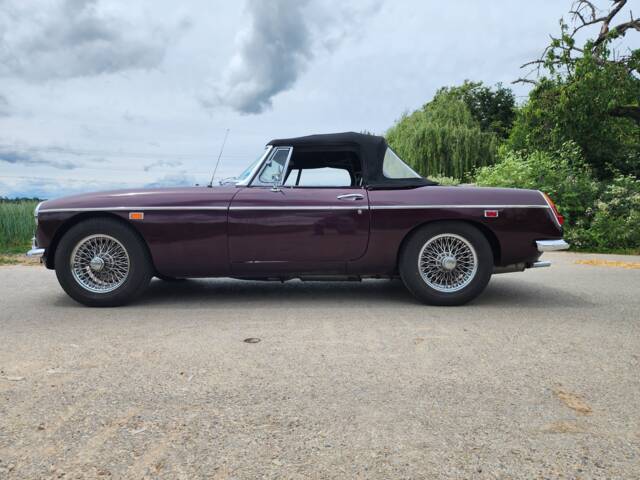
1969 | MG MGB
1969 MG MGB Roadster – US Import, Classic Analytics Condition Grade 3 and Extensive Documentation
Current bid

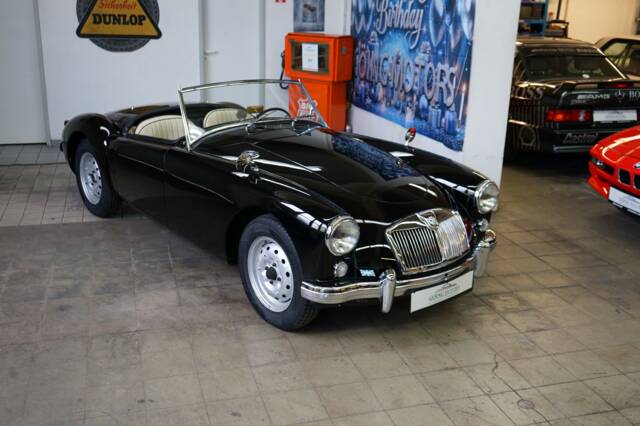
1959 | MG MGA 1500
MG A in great condition
Auctions ending soon

Loading…
Loading…
Loading…
Loading…


1958 | MG MGA 1500
MG MG A 1500

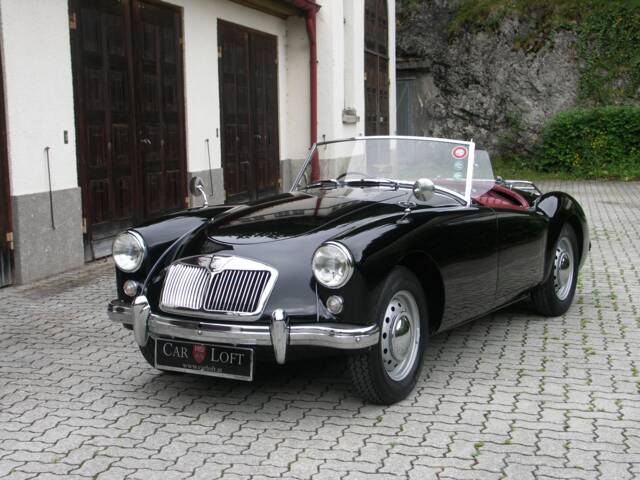
1956 | MG MGA 1500
MG A Roadster in hervorragendem Zustand!

Newsletter
The best MG listings, straight to your inbox
Get hand-picked MG listings, plus the best of cars, motorbikes, and auctions on Classic Trader — all in one place.
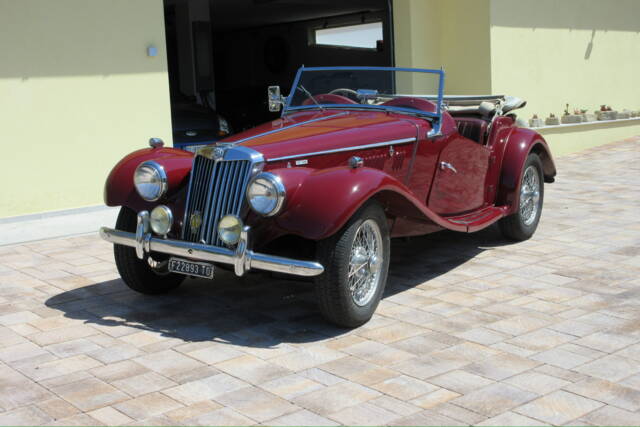
1954 | MG TF 1500
Matching Numbers Complete restoration ASI Mille Miglia eligible


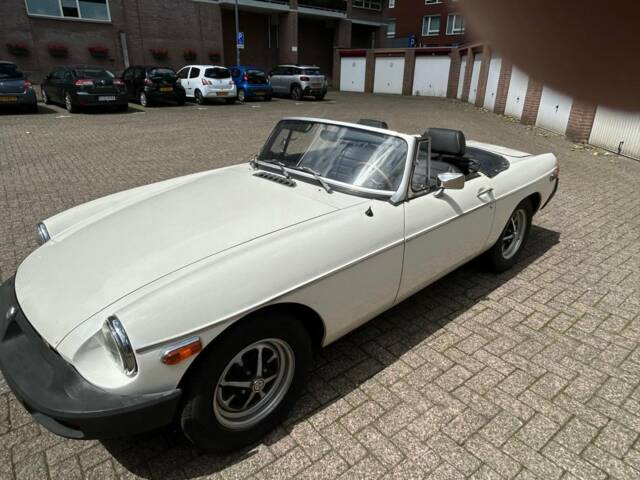
1979 | MG MGB
MG MGB Cabriolet | 1979 | Route 66 Auctions - For sale by auction. Estimate 4800 EUR
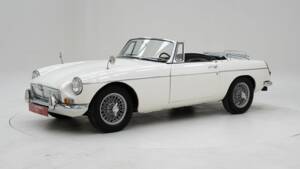
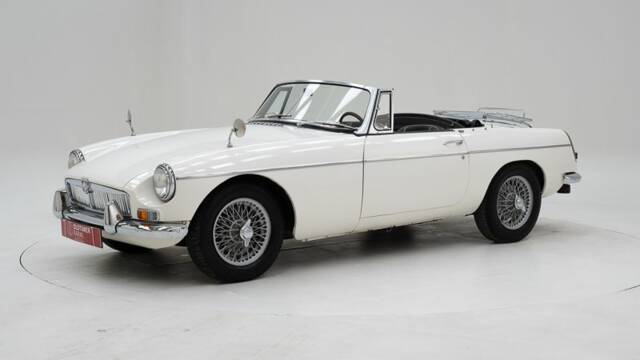
1967 | MG MGB
1967 MG B '67


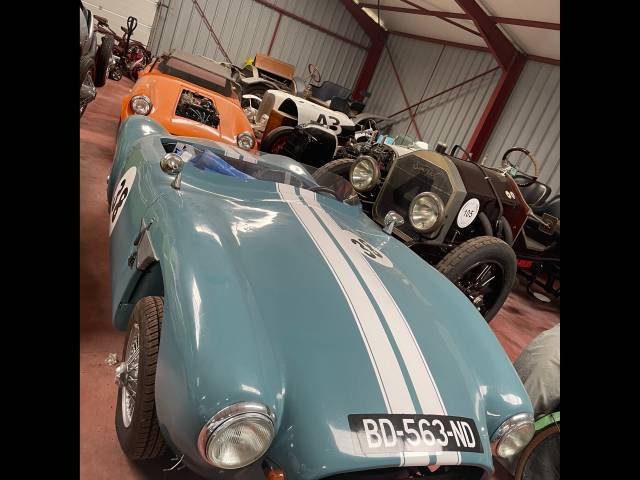
1980 | MG MGB
MG barquette style Le Mans


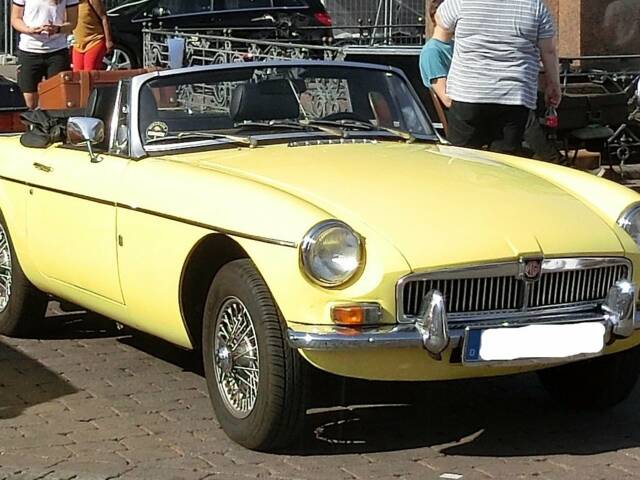
1975 | MG MGB
MG MGB | 1975 | Route 66 Auctions - For sale by auction. Estimate 7200 EUR
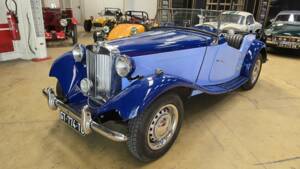
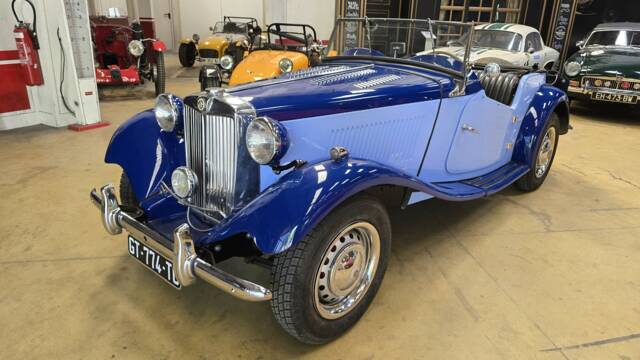
1952 | MG TD
MG TD
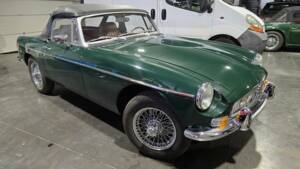
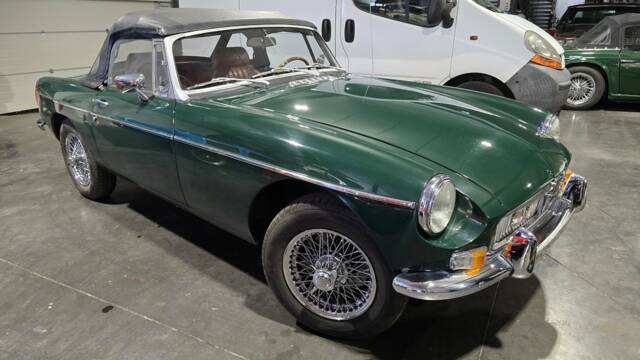
1979 | MG MGB
MG B ROADSTER
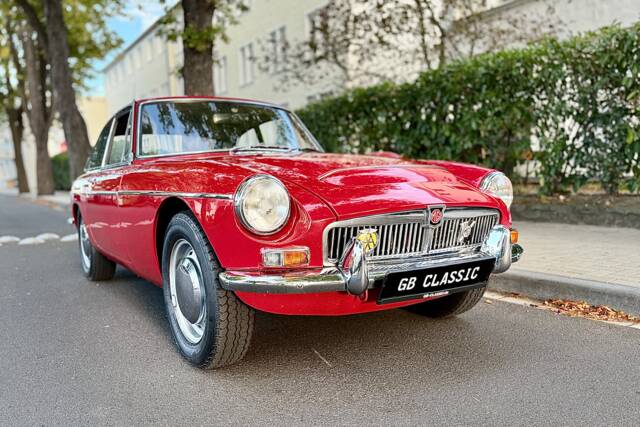
1968 | MG MGC GT
Overdrive
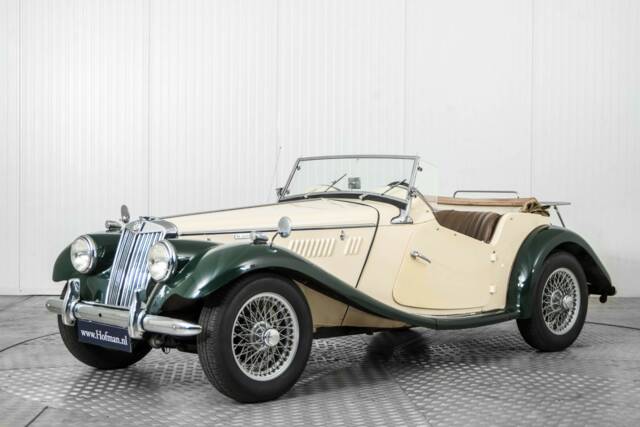
1954 | MG TF
MG TF
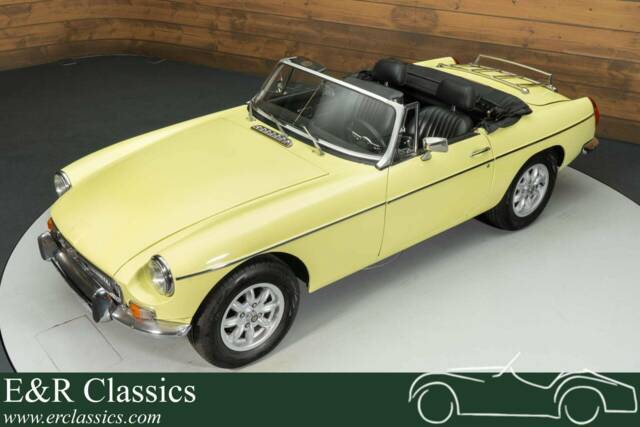
1977 | MG MGB
MG MGB
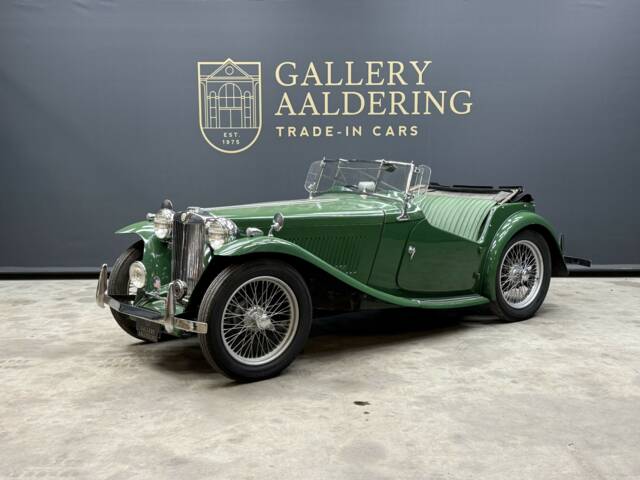
1948 | MG TC
MG TC Roadster "The full BRG experience" "The full BRG experience" - British Racing Green remains the color of choice for open-top British sports cars,A great and manageable project for the winter, According to the "Black plate" dated '63 it had been in California for a long time,"An MG TC is still one of our favorites—it just has the right dimensions",
MG: a century of accessible sporting cars
MG began as Morris Garages, William Morris’s Oxford retail and service business. Its energetic manager, Cecil Kimber, saw that a lighter, lower and more purposeful version of a Morris could turn everyday mechanicals into something far more engaging. The octagonal MG badge was registered in 1924; the M.G. Car Company followed in 1930. That origin matters to a buyer. MG was rarely a maker of remote, expensive exotica. It built cars meant to be driven, repaired and campaigned by ordinary enthusiasts.
The early Midgets, Magnas and Magnettes established a durable formula: modest-capacity four-cylinder engines, low seating, handsome coachwork and a willingness to race. In the 1930s MG’s K- and N-Type competition cars, plus the six-cylinder Magnette, gave the marque real sporting authority. Abingdon became the spiritual home of its post-war output, while record attempts and competition work gave the octagon credibility well beyond Britain.
Post-war export demand changed MG’s scale and its relationship with Australia. T-Type roadsters were sent around the world; servicemen who encountered them in Britain helped create an appetite for small British sports cars. In Australia, their narrow bodies, right-hand drive layout and cheerful mechanical simplicity suited club runs and country touring. The TD introduced independent front suspension, the TF refined the traditional shape, and the car that followed in 1955 put MG in a new visual era: a low, envelope-bodied roadster with a separate chassis and a far more modern stance.
The BMC years broadened the catalogue. MG could be a two-seat roadster, a sporting saloon or a compact family car, usually sharing sensible components within a larger group. A well-restored Magnette ZA/ZB is a particularly civilised expression of that idea: four doors, wood and leather, but a lively B-series engine and crisp rack-and-pinion steering. Later, the compact roadster and GT of the 1960s and 1970s delivered the marque to vast export markets; the C-powered grand tourer showed that an MG could also carry a six-cylinder engine and serious touring pace. These are useful representatives, not a reason to overlook the older or less common cars.
Corporate ownership became complicated. MG entered BMC in 1952, passed through British Motor Holdings and British Leyland, then Rover Group and MG Rover. Production at Abingdon ended in 1980, but the badge returned on later sporting cars, including the mid-engined F and TF. After MG Rover’s 2005 collapse, Nanjing Automobile acquired the MG assets; Nanjing merged into SAIC Motor in 2007. SAIC Motor is the current owner of the MG marque. Today’s Australian new-car brand and the historic cars share the octagon and a long story, but a collector should assess an old MG on its own condition, provenance and parts support rather than assume any modern dealer relationship.
Why an MG feels different
The appeal is not just nostalgia. The best MGs place the driver close to the rear axle, with a thin-rimmed wheel, a direct manual gearbox and an engine that rewards revs rather than effortless torque. Their uncomplicated engineering makes the cause and effect of a tuning change unusually clear. Correct ignition timing, carburettor mixture, damper oil, tyre pressures and wheel alignment each make a noticeable difference.
Several features link otherwise different eras:
- Lightness before horsepower. A TC needs no great output to feel alive; later B-series cars make use of a stiff, compact package rather than extravagant power.
- Usable, shared engineering. Many service parts remain available through British-car specialists in Australia and overseas. This lowers the barrier to ownership, but does not make a neglected restoration cheap.
- Club knowledge. Marque clubs are often the fastest route to a pre-purchase inspection, a known specialist, a source for trim patterns or advice on an unfamiliar chassis number. That human network is a major part of ownership value.
- A wide collector spectrum. There is a real difference between a wire-wheeled, pre-war competition car, a four-door sporting saloon, a 1950s open tourer and a later V8 grand tourer. Buy the experience you want, not merely the lowest entry price.
For the Australian buyer, right-hand-drive provenance deserves special attention. Locally delivered cars can have helpful history, familiar compliance equipment and fewer import questions. However, an imported UK or Japanese car may be excellent too. The deciding factors are body integrity, identity, documentation and how sympathetically the vehicle was converted or maintained—not where the auction catalogue says it came from.
Representative technical data
The figures below show the breadth of the marque. They are period specifications or commonly quoted factory figures; individual cars may differ through export tuning, optional equipment, restoration choices and measuring method.
Numbers are a starting point rather than an identification guide. On a T-Type, establish whether the engine, chassis and body numbers make sense together. On a BMC-era car, identify the actual engine fitted, carburettors, overdrive or automatic transmission, axle ratio and braking specification. A car advertised as a rare factory derivative should be supported by a recognised marque registrar, heritage record where available and period documentation.
Market Overview & Buying Tips
MG remains a remarkably broad market. At the approachable end are project cars and older restorations where the purchase figure can look tempting but body reconstruction, paint, timber framing, trim and freight soon eclipse it. At the other end are correct, documented pre-war competition machines, exceptional early roadsters, original low-mile examples and limited later cars. Condition, correctness and history are more important than a bright repaint.
Recent auction activity illustrates the spread rather than setting an Australian price guide. Bring a Trailer’s MG page, checked on 24 July 2026, showed a refurbished 1953 TD bid at US$7,000, a backdated 1971 roadster at US$13,000 and a 1974 roadster at US$5,600 while their auctions were active. Those are bidding snapshots, not sold prices, and none includes Australian freight, duty, GST, biosecurity treatment, compliance work, registration or currency movement. They are nevertheless useful evidence that specification and presentation can divide superficially similar cars sharply. Do not convert a US hammer price straight into an A$ budget.
For an Australian purchase, a sensible budget separates four lines: purchase price; an independent inspection and transport; immediate safety/mechanical work; and an annual reserve for maintenance. A complete, running car with an old restoration can be the better proposition if its steel and chassis are sound. Conversely, a shiny recent import with vague photos underneath is not automatically a bargain.
Inspect structure first. On separate-chassis cars, inspect the chassis rails, spring hangers, crossmembers, steering mounts and body-to-frame fixings with the body supported safely. On unitary-bodied later cars, examine sills—inner, outer and castle sections—floor edges, jacking points, front suspension mounts, battery boxes, boot floor, windscreen surround and every seam that can trap moisture. Australian sun cracks paint and upholstery, but imported UK cars may hide much more expensive corrosion. Fresh underseal over poor metal, blocked drain holes, uneven panel gaps and a magnet that behaves differently along a sill deserve questions.
Then inspect mechanical health. Blue smoke on overrun, low hot oil pressure, persistent overheating, a weak clutch hydraulic system, noisy differential bearings and tired lever-arm dampers are all invitations to price the remedy. A rebuilt engine is reassuring only with invoices that say who performed the work, which parts were used and how long ago. On SU-equipped cars, a clean, balanced pair of carburettors is more valuable than a polished air filter. Confirm that the cooling system, fuel hoses, brake pipes, tyres and electrics are suitable for Australian heat and modern traffic.
Originality needs judgement. Period accessories, an alternator conversion, upgraded cooling or a discreet electronic ignition can improve usability. A V8 conversion, replacement shell or non-standard front suspension changes the car’s identity and insurability more substantially. Neither is inherently wrong; it must be declared, competently engineered where required and priced as the car it is. Keep removed original parts and all modification paperwork.
Australian imports and registration require their own due diligence. Before bidding on an overseas car, verify its import pathway with the Australian Government’s current road-vehicle import guidance and confirm the exact vehicle identification number, build date, title and shipping paperwork. Import rules, the Road Vehicle Standards framework, biosecurity requirements and state registration evidence are separate matters; eligibility to land a vehicle does not guarantee straightforward registration. Soil, seeds and organic material can cause costly cleaning or delay at the border, so ask for detailed underbody, wheel-arch and cabin photographs before shipment.
State-based historic or club schemes are not a universal registration shortcut. Requirements and permitted use vary. Victoria’s Club Permit Scheme is administered through approved clubs and offers 45- or 90-day permits; NSW historic-vehicle arrangements require compliance with that state’s scheme and club process. Other states have their own age thresholds, inspection, modification and use rules. Check the current authority and the proposed club before buying, especially if the car is modified. A club permit may suit a weekend enthusiast; full registration may be the honest choice for frequent touring.
An Australian MG club can provide more than social runs. Ask whether a particular car is known, whether its chassis plate details look plausible, which engineer or trimmer has done good local work and whether a workshop understands SU carburettors, Lucas electrics and obsolete fasteners. A marque specialist’s inspection before purchase is inexpensive compared with correcting rusty sills or a poorly assembled engine.
Driving an MG on Australian roads
Drive an early MG at the speed it enjoys rather than the speed modern traffic demands. A T-Type feels intimate: the upright screen frames the road, the narrow track asks for smooth steering and the separate chassis communicates rough surfaces honestly. The drum brakes and non-synchromesh early gearbox require anticipation. That is not a defect; it is the pace and technique that turn a quiet coastal run into an occasion.
The 1950s cars feel lower and more settled, while a sporting saloon brings space for passengers and luggage without abandoning the light controls. The six-cylinder grand tourer changes the character again: more shove, a deeper exhaust note and the ability to cover distance, albeit with more weight over the front wheels. A later V8 roadster is less delicate but very effective on a long Australian route, provided heat management and brakes are in proper order.
All reward a mechanically sympathetic driver. Let oil temperature rise before working the engine, use the gearbox positively, keep an eye on coolant temperature in summer and leave a braking margin around modern SUVs. Well-adjusted steering and suspension should feel precise, not vague. If a test car wanders, clunks or pulls, assume there is a cause to find rather than calling it “classic character”.
Design, engineering and the octagon
MG design evolved from exposed wings, slab tanks and fabric hoods to smooth envelope bodies, disciplined saloons and later wedge-influenced sports cars. The common thread is an almost architectural economy. Even the elaborate pre-war cars use a compact wheelbase and purposeful proportions; the post-war roadsters make a feature of their low scuttle, simple grille and small cockpit. The badge itself is unusually effective: a clean octagon that signals sporting intent without a great deal of ornament.
Coachbuilders and suppliers played an important role in the early years. Carbodies supplied bodies for the earliest Kimber Specials, while later Abingdon-built cars combined MG-specific tuning and bodywork with group components. This is why understanding the original construction method matters. A timber-framed body, a steel monocoque and a steel body on a separate chassis demand different restoration skills, corrosion checks and budgets.
The later cars also show the tension inherent in MG’s history: the desire to remain an affordable sporting marque while operating inside larger corporations. That can make the catalogue look diverse, but it gives the buyer choice. One owner may want polished wood and a bench seat; another may want a simple open cockpit; another may prefer a comfortable, fast V8 tourer. The right MG is the one whose design purpose matches the miles you genuinely plan to do.
Competition, export and community
Competition is part of MG’s DNA, not merely a badge on a modern brochure. Before the war, MG pursued speed records and fielded serious racing cars. After it, private entrants made the marque visible in club racing, trials, hill climbs and endurance events. The modest capacity classes mattered: a carefully prepared small MG could be competitive because it was light, predictable and easy to service between runs.
Export made the marque global. North America absorbed enormous numbers of post-war roadsters, Japan received many later cars, and Australia developed a durable local community. This global footprint has a practical benefit: parts sources, workshop manuals, registries and owner knowledge are unusually deep. It also means an imported car can have a long, complicated history. A US title, UK MOT records, Japanese auction sheet or Australian compliance paperwork should be read as evidence, not decoration.
For a collector, community is a preservation tool. Club events exercise the car; technical days improve repairs; registrars help protect identity; and shared knowledge can prevent a well-meaning restoration from deleting rare details. Join before you buy if possible. The best purchase often starts with someone recognising a chassis number, a trim combination or an old race sticker.
Buy an MG classic car with clear eyes
An MG can be an entry into pre-war motoring, a graceful 1950s tourer, a useful sporting saloon or a muscular later grand tourer. Across those choices, the buying priorities stay consistent: solid structure, believable identity, evidence of quality work, suitable Australian registration plans and a car that matches the driving you intend to do.
Find a classic MG with clear photographs, chassis and engine details, restoration invoices and honest description on Classic Trader. A representative roadster, saloon or grand tourer may offer very different ownership, but every good example preserves the same central pleasure: a direct connection between driver, machine and road.