- Motorcycle
- Moto Morini (8 offers)
Buy Moto Morini Motorcycles
Since 1937, Moto Morini has built motorcycles for enthusiasts who refuse to follow the crowd. From the legendary 3½ Sport to the modern X-Cape adventure bikes, discover Italian engineering that prioritises character over mass production.
Search results
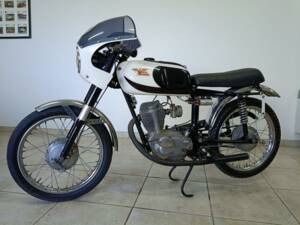
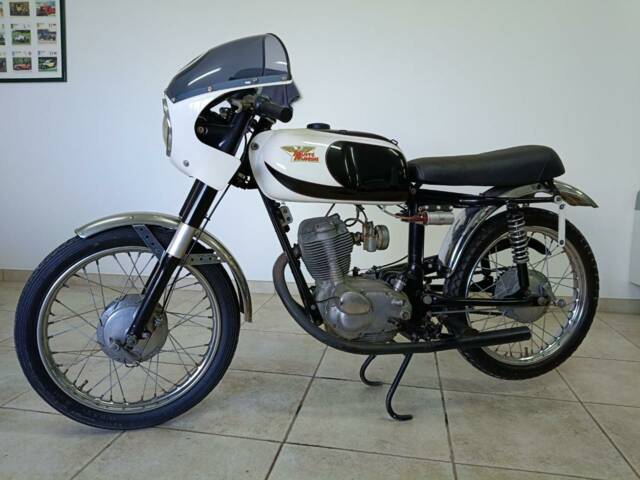

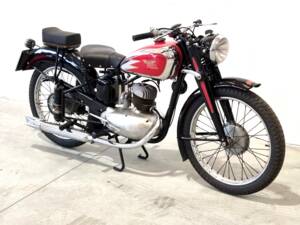
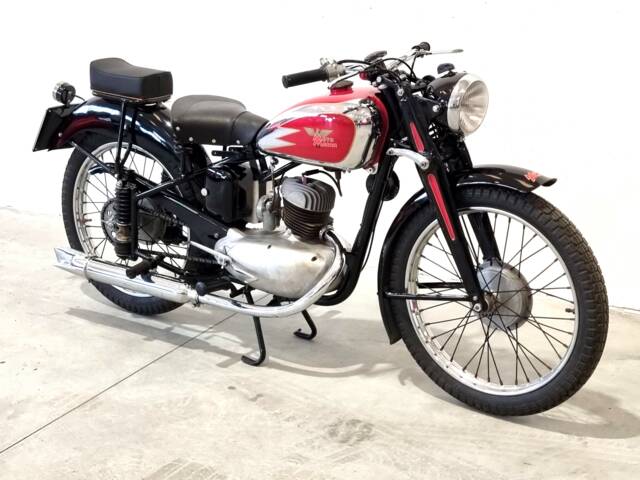
1951 | Moto Morini 125
125 Turismo primo tipo
Newsletter
The best Moto Morini listings, straight to your inbox
Get hand-picked Moto Morini listings, plus the best of cars, motorbikes, and auctions on Classic Trader — all in one place.
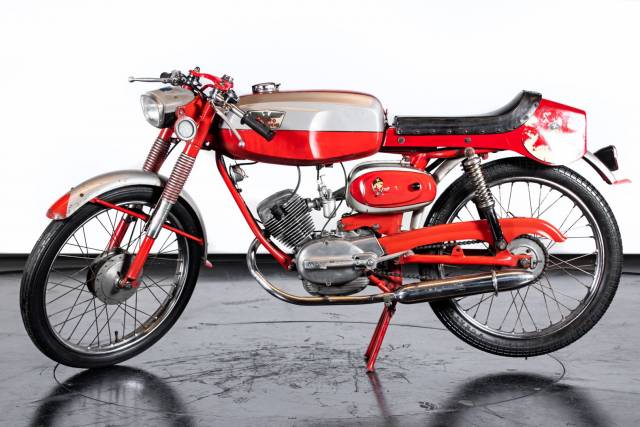
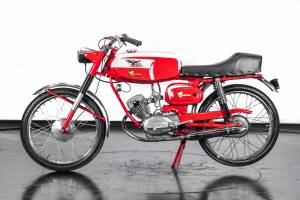
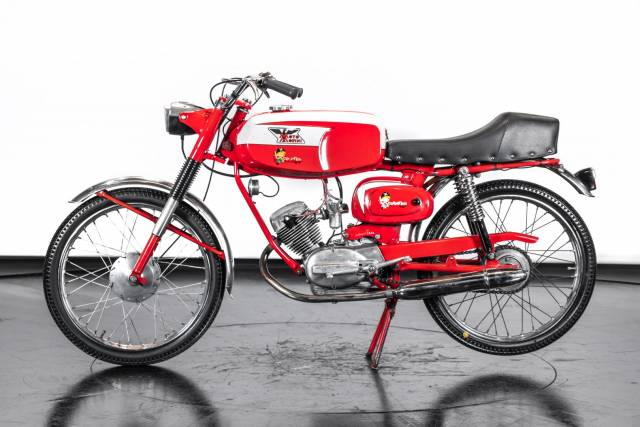
1966 | Moto Morini Corsarino Z
ZZ ULTRA SPECIAL !!! Very rare !!!
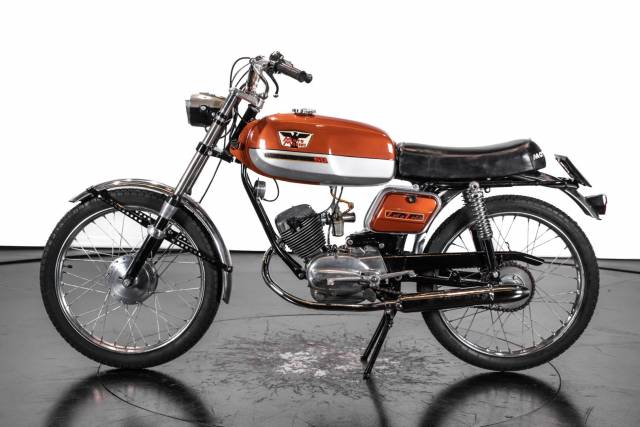
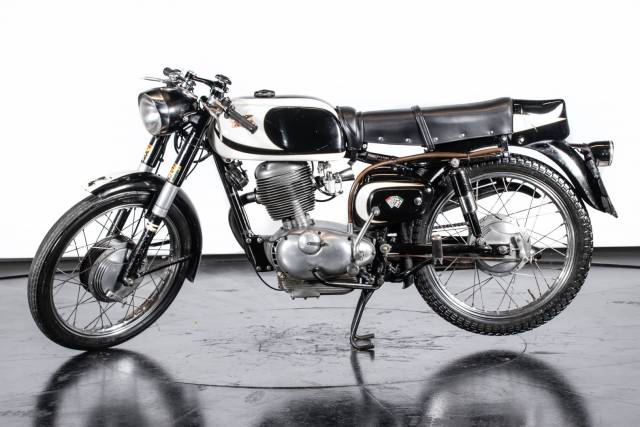
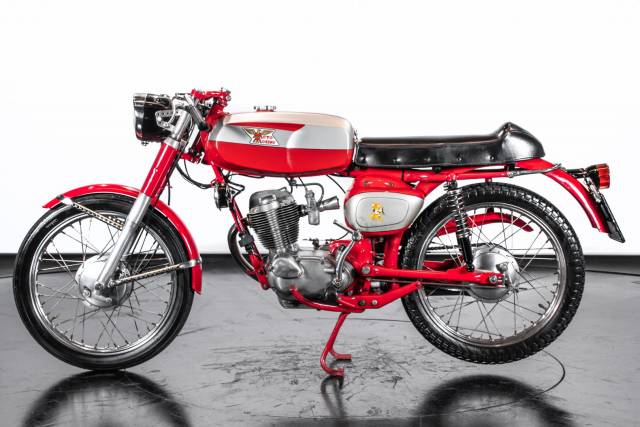
1962 | Moto Morini Corsaro Veloce
Very rare !!! SPORT VELOCE 125 !!!
Moto Morini listing references from Classic Trader
Below you will find listings related to your search that are no longer available on Classic Trader. Use this information to gain insight into availability, value trends, and current pricing for a "Moto Morini" to make a more informed purchasing decision.
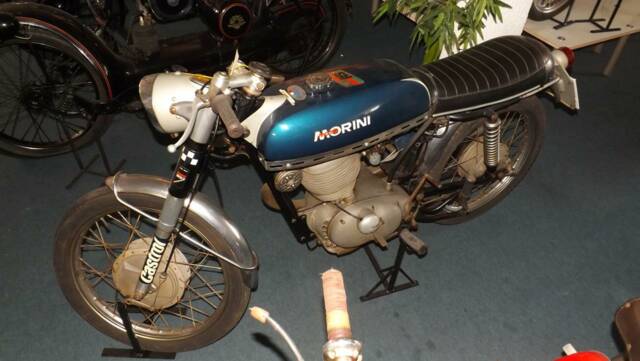
1962 | Moto Morini 175 Turismo
-
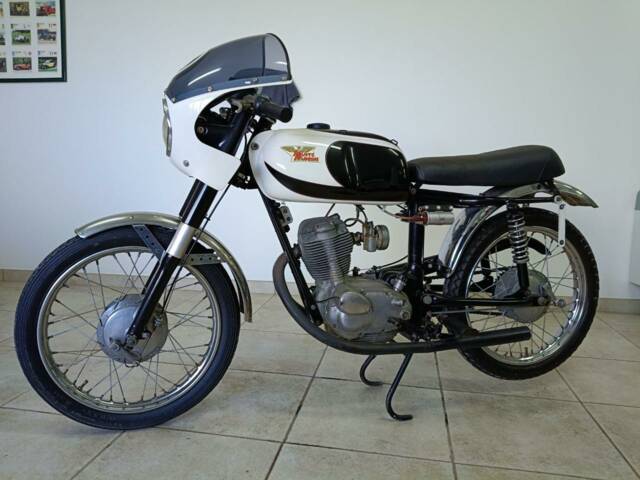
1961 | Moto Morini Corsaro 125
-
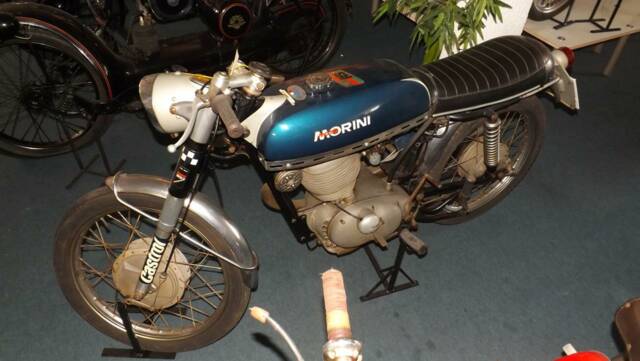
1962 | Moto Morini Tresette Sprint
-
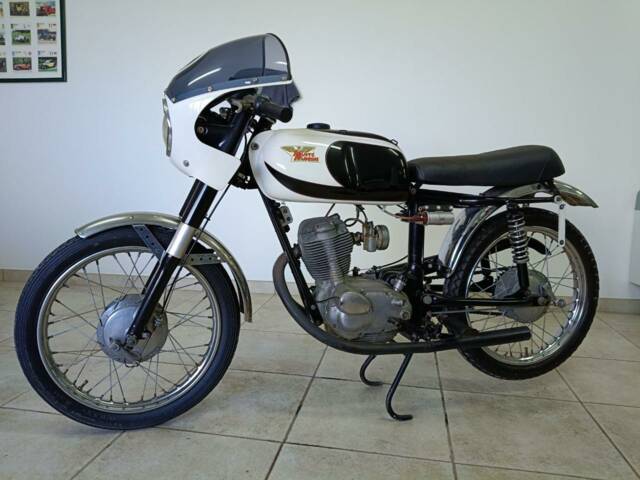
1961 | Moto Morini Corsaro 125
-
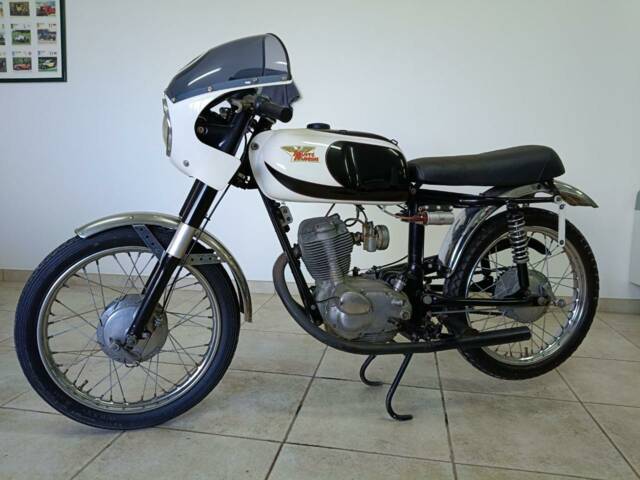
1961 | Moto Morini Corsaro 125
-
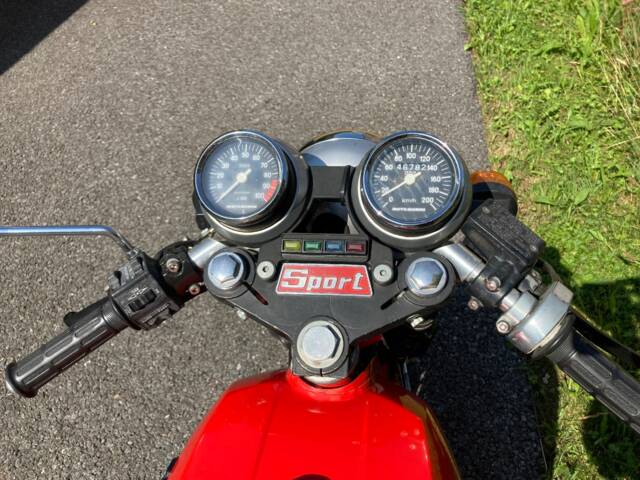
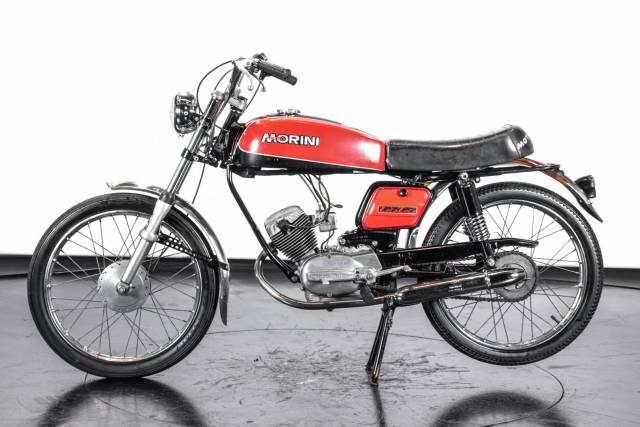
1981 | Moto Morini 500 V
Moto Morini 500w Sport

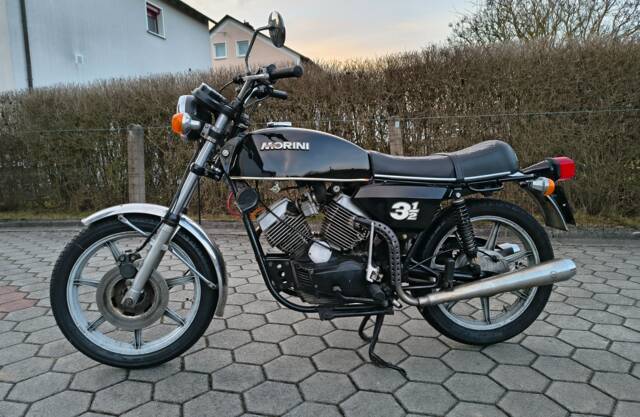
1989 | Moto Morini 3 1/2
Touring

History & Heritage
Alfonso Morini founded his company in Bologna in 1937, initially manufacturing three-wheeled cargo vehicles. After World War II, the company pivoted to motorcycles, launching the 125 Turismo in 1946—a two-stroke lightweight that was technically ahead of its time. Inspired by the DKW RT 125 but developed further by Morini's engineers, the Turismo spawned sport and supersport variants. By 1948, the Competizione debuted, winning the Italian championship in the hands of Raffaele Alberti and later ridden by Umberto Masetti and Alberto Pagani. These early years established Moto Morini's racing DNA, a philosophy that would define every machine leaving the Bologna factory.
Throughout the 1950s, Moto Morini transitioned to four-stroke engines. The Settebello 175 (1952–1958) became the benchmark: 175 cc, 11–13 horsepower depending on specification, a road-legal racer that competed in the Giro d'Italia and Milano-Taranto endurance events. The Gran Turismo offered 11 hp, whilst the Supersport variant delivered 13 hp. Alongside it came the Briscola (1956) as an affordable alternative, followed by the Tresette (1958), which solidified Morini's reputation for reliability and sporting ambition in the middleweight segment. Production numbers remained modest compared to giants like Fiat or Piaggio, but this exclusivity became part of the brand's appeal.
The breakthrough arrived in 1973 with the 3½ Sport: 344 cc, 72° V-twin, six-speed gearbox, Grimeca double-drum front brake. Franco Lambertini's steel tube frame offered rigidity without excess weight. With 39 horsepower and a dry weight of just 135 kg, the 3½ Sport outpaced many larger-capacity rivals. In 1975, the 500 Sport followed with 478 cc and disc brakes—a direct response to Ducati's 450 models. Both machines defined the brand through the 1980s and remain the heart of Morini's legacy today. The 3½ Sport is the model most collectors associate with the marque.
Alfonso Morini passed away in 1969; his daughter Gabriella Morini took the helm until the Castiglioni brothers (Cagiva Group) acquired the company in 1986. Under Cagiva, Moto Morini shifted toward choppers: the Excalibur and New York (350/501 cc) emerged as soft-choppers. The 1989 Kanguro and Coguaro enduros (350/501 cc) were technically refined but commercially unsuccessful. Production ceased in 1991, a period many purists view critically—the brand had abandoned its sporting identity for market trends that didn't suit its heritage.
In 1999, Maurizio Morini (Alfonso's nephew) reacquired the nameplate. From 2004 onwards, Moto Morini returned with large-capacity V-twin naked bikes: the Corsaro 1200, Scrambler, and adventure tourer Granpasso. Production remained small, emphasising handcrafted quality and exclusivity. Today, under new ownership (Chinese manufacturer Zhongneng Vehicle Group acquired the brand in 2018), Moto Morini is experiencing a renaissance. The 2025 model year brings the new 3½ Sport (350 cc V-twin), the Rumble bobber, and the Alltrhike 450 adventure bike—a deliberate return to the brand's roots, bridging tradition with contemporary engineering.
Highlights & Special Features
The 3½ Sport remains the defining machine: a 72° V-twin with Heron combustion chamber head and wet-sump clutch delivering 39 hp from 344 cc. The Grimeca double-drum front brake (early models to 1975) is now a prized detail; later versions adopted disc brakes. The lightweight steel tube frame and precision handling made it a race winner in the 350 cc class, proving that displacement alone doesn't determine performance. Collectors prize original examples, particularly those with matching numbers and period-correct components.
The Settebello 175 (1952–1958) remains highly sought: a road-legal racer with single-cylinder four-stroke engine, overhead camshaft, and genuine competition heritage. Production was limited, making originals rare. The Corsarino Z/ZZ (1970s) and Corsara 125 (1960s) demonstrate Morini's skill in small-capacity machines—characterful, reliable, and now popular entry-level classics for younger collectors.
The 1980s Kanguro (350/501 cc) and Dart enduros employed the V-twin in adventure geometry—unusual when single-cylinders dominated. The Camel 500 combined touring ambitions with V-twin character but remained niche. The Dart 350/400 was an interesting attempt at a fully-faired sport bike using the V-twin, though it struggled against Japanese competition.
Post-2004, the Corsaro 1200 marked the return: 117 hp from 1187 cc (87° V-twin), modern technology (Öhlins suspension, Brembo brakes), wrapped in classic naked-bike aesthetics. Production stayed limited—Morini never built more than a few hundred units annually. The Corsaro Veloce and Avio variants offered additional performance for discerning riders.
The 2025 3½ Sport revival is significant: a 350 cc 60° V-twin in a modern steel tube chassis, honouring the original's name and layout whilst incorporating contemporary engineering. The Alltrhike 450 adventure bike (450 cc parallel-twin, 43.5 hp) targets the Royal Enfield Himalayan segment. The Corsaro GT (750 cc V-twin) aims at CFMoto's 800MT. These launches signal Morini's commitment to the Australian market.
Technical Specifications
Notes: OHV = Overhead Valve, OHC = Overhead Camshaft, DOHC = Double Overhead Camshaft. The 3½ and 500 Sport utilise Heron combustion chamber heads (flat cylinder head, combustion chamber in piston crown)—a design reducing heat and simplifying maintenance. Dell'Orto carburettors (typically PHF or PHM) require careful tuning; modern ethanol fuels can attack seals. Early 3½ Sport models (pre-1975) with Grimeca drum brakes are particularly collectible. Electronic ignition from Ducati Elettrotecnica was advanced for its era but can be expensive to repair today.
Market Overview & Buying Tips
Moto Morini availability in Australia is limited but growing. The Australian market has historically favoured Japanese and European adventure bikes, yet Morini's recent expansion—particularly the X-Cape 650 and new 2025 models—is changing that. Current listings on bikesales.com.au show approximately 4–8 Moto Morini motorcycles at any given time, predominantly modern models (X-Cape, Seiemmezzo) and occasional classic 3½ Sport or Corsaro examples.
Modern Models (2021–present)
The X-Cape 650 (2021–present) is the most accessible entry point. Australian retail prices range from A$8,500–A$10,200 (ride-away, including GST and dealer delivery). Used examples (2021–2023) with moderate mileage sell for A$6,500–A$8,000. The Seiemmezzo STR 650 (naked roadster) and SCR 650 (scrambler) command similar pricing. The X-Cape 700 (2025 model) is priced around A$10,500–A$11,500 ride-away. These bikes are reliable, parts availability is improving through Australian dealers, and warranty support is solid.
Classic Models (1970s–1980s)
The 3½ Sport is the most sought-after classic. Australian private sales typically range from A$4,500 (project basis) to A$9,500 (excellent condition). Well-maintained examples with service history command A$6,500–A$8,000. Early models (1973–1975) with Grimeca drum brakes fetch premiums, sometimes exceeding A$9,000. The 500 Sport is rarer; expect A$7,000–A$10,500 for good examples. The Kanguro/Coguaro enduros are more affordable, ranging A$3,500–A$5,500, though collector interest is lower.
Corsaro 1200 (2005–2011)
Modern classics command A$7,000–A$13,000 depending on mileage and condition. Low-mileage examples from first owners can exceed A$12,000. High-mileage machines start around A$6,500. Parts availability is reasonable through European suppliers, though Australian stock is minimal.
Rarity & Import Considerations
Moto Morini is genuinely rare in Australia. The 25-year import rule allows classic models (pre-2000) to bypass standard compliance if used for personal use, creating opportunities for collectors. However, importing a classic Morini from Europe involves:
- Shipping costs: A$1,500–A$2,500 from Italy to Australia (container consolidation)
- Import duties & GST: Approximately 10% of declared value (GST) plus potential customs duty
- Compliance: Vehicle Import Approval (VIA) required; pre-2000 bikes may qualify for concessional entry
- Registration: State-based; some states (NSW, VIC) have dedicated classic vehicle registration schemes with reduced fees
Total landed cost for a European classic can be 20–30% higher than Australian purchase price, but availability of specific models (e.g., early 3½ Sport with Grimeca brakes) may justify the investment.
Parts Availability
Modern models (X-Cape, Seiemmezzo) benefit from CFMoto parallel-twin engine parts (shared platform), improving availability. Australian dealers stock basic consumables; specialist European suppliers (Wemoto, Louis Moto) ship to Australia with 2–3 week lead times. Shipping costs for parts are significant—expect A$30–A$80 per parcel depending on weight.
Classic models (3½ Sport, 500 Sport) require patience. Bespoke parts (tanks, side panels, seats) are scarce and expensive. Mechanical components (pistons, rings, bearings) can be sourced through German specialists or Italian clubs. A complete engine overhaul typically costs A$2,500–A$4,000 at specialist workshops. Full restoration budgets should anticipate A$8,000–A$12,000 in labour and parts, often exceeding market value—a labour of love rather than investment.
Buying Checklist
3½ Sport & 500 Sport:
- Inspect crankshaft play and gearbox (especially second gear)
- Check frame for cracks around the steering head
- Dell'Orto carburettors must be perfectly synchronised
- Compression test before purchase (both cylinders should be even)
- Verify original components; many were modified in the 1980s–90s
- Heron pistons should be inspected for cracks (overheating risk on mountain passes)
Modern Models (X-Cape, Seiemmezzo):
- Service history is critical; CFMoto engines are robust but require regular oil changes
- Check for water ingress in electrical connectors (adventure bikes see rough conditions)
- Suspension and brake fluid condition
- Tyre wear and chain condition
- Electronic systems (ABS, fuel injection) should be fault-free
Riding Experience & Character
The 3½ Sport is purpose-built for twisty roads. The 72° V-twin runs smoothly and vibration-free. From 4,000 rpm, torque builds; at 7,500 rpm, full power arrives. The 135 kg dry weight makes it exceptionally nimble—a significant advantage on tight Alpine-style passes or Australian mountain roads like the Oxley Highway or Putty Road. The riding position is sporty but manageable for day tours through the Blue Mountains or Snowy Mountains. The lightweight frame and direct steering inspire confidence in corners. Braking (especially early drum-brake models) requires technique; modern disc-brake versions are more forgiving.
The 500 Sport delivers noticeably more mid-range punch. It pulls harder from lower revs, making it the relaxed choice for longer tours. At 145 kg, it's still a featherweight. On Australian highways, the 500 feels more composed than the 3½, though it sacrifices some of the smaller bike's agility.
Kanguro/Coguaro Enduros: The V-twin in adventure geometry feels slightly front-heavy but is manageable on gravel. The comfortable riding position and smooth power delivery suit explorers tackling Australian outback tracks or coastal byways. They're not true off-roaders but handle unsealed roads competently.
Corsaro 1200: A genuine performance machine. The 117 hp V-twin is direct and muscular. Öhlins suspension and Brembo brakes deliver track-day capability. This is a bike for experienced riders; the power is immediate and unforgiving. On Australian roads, it's overkill for commuting but thrilling on weekend blasts through the Dandenong Ranges or Grampians.
Modern X-Cape 650 & Seiemmezzo: The CFMoto-sourced parallel-twin is smooth, linear, and predictable. The X-Cape's adventure geometry suits mixed terrain; the Seiemmezzo's naked roadster stance is nimble in traffic. Both are user-friendly, making them ideal for riders transitioning from Japanese bikes. The 60 hp is adequate for Australian highways without being intimidating.
Design & Philosophy
Moto Morini's design philosophy is functional minimalism. The 3½ Sport exemplifies this: a simple, elegant silhouette with no unnecessary ornamentation. The visible steel tube frame, solo seat, and classic red or black tank with white pinstripes are timeless. Designer Franco Lambertini created a machine where every element serves a purpose. The narrow profile and compact dimensions reflect an era when motorcycles were mechanical sculptures, not fashion statements.
The Settebello 175 evokes 1950s racing heritage with abundant chrome and a slim profile—a road-legal racer's aesthetic. The Corsaro 1200 bridges retro and modern: a round headlight and exposed frame nod to classics, whilst the technology (fuel injection, ABS) is contemporary. The design is aggressive yet elegant, quintessentially Italian.
The X-Cape 650 (designed by freelancer Angel Lussiana) breaks from tradition with a distinctive adventure-bike stance: tall windscreen, protective bodywork, and purposeful lines. It's visually distinctive in a market dominated by Japanese and European designs. The Seiemmezzo range (STR naked, SCR scrambler) offers retro styling with modern ergonomics—appealing to riders seeking character without sacrificing comfort.
The 2025 3½ Sport revival is a deliberate design statement: honouring the original's proportions and spirit whilst incorporating modern safety (ABS, LED lighting) and emissions compliance. It's a bridge between heritage and contemporary expectations.
Market Culture & Community
Moto Morini has a devoted but small following in Australia. The brand lacks the mainstream recognition of Ducati or Moto Guzzi, which paradoxically is part of its appeal—owners are enthusiasts, not trend-followers. Australian Moto Morini riders often connect through online forums, Facebook groups, and adventure-bike communities rather than formal clubs. The brand's rarity means spotting a Morini on the road generates conversation.
The classic 3½ Sport has cult status among Australian collectors. Vintage motorcycle shows and classic bike meets regularly feature examples. The bike's lightweight, nimble character suits Australian riding conditions—tight mountain passes, coastal roads, and outback exploration. Restoration projects are undertaken by dedicated enthusiasts; the small but engaged community shares knowledge through forums and specialist workshops.
The modern X-Cape has gained traction in the adventure-touring segment, competing with Royal Enfield Himalayan and Triumph Street Scrambler buyers. Australian dealers (particularly in Sydney and Melbourne) stock the range, and word-of-mouth is building awareness. The brand's Chinese ownership (Zhongneng) ensures ongoing investment in new models and parts availability.
Conclusion
Moto Morini represents a deliberate choice: character over conformity, engineering over marketing. The 3½ Sport remains the gateway—a lightweight, nimble classic that rewards spirited riding on Australian roads. It's affordable (A$6,500–A$8,000 for good examples), mechanically straightforward, and visually timeless. Restoration is feasible for dedicated owners, though costs can exceed market value.
The 500 Sport offers more torque for touring; the Corsaro 1200 delivers modern performance wrapped in retro aesthetics. The 2025 model expansion—3½ Sport, Alltrhike 450, Corsaro GT—signals Morini's commitment to the Australian market, improving parts availability and dealer support.
Whether you're seeking a classic V-twin for weekend canyon carving, a modern adventure bike for outback exploration, or a performance naked for spirited riding, Moto Morini offers authenticity and Italian engineering at a fraction of mainstream prices. In Australia's diverse riding landscape—from Alpine passes to coastal roads to remote tracks—a Moto Morini is a statement of individuality and genuine passion for motorcycling.