- Car
- Tempo (2 offers)
Buy Tempo Classic Cars
Tempo of Hamburg-Harburg built some of Germany's most distinctive working vehicles, from lightweight three-wheelers to capacious forward-control vans. Find a Tempo classic car for sale on Classic Trader and assess its structure, completeness and import papers as carefully as its considerable charm.
Search results
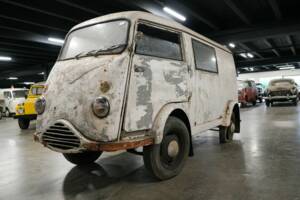
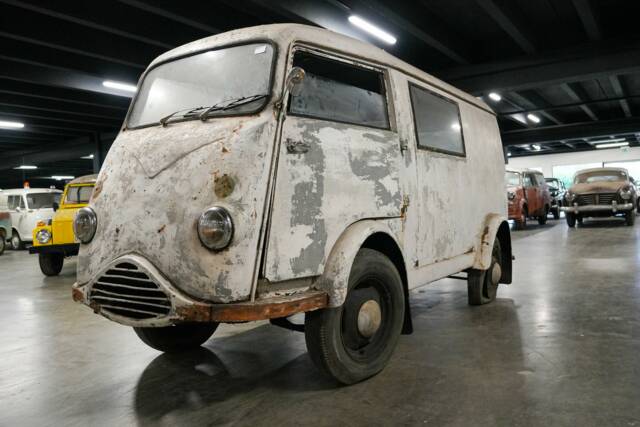
1955 | Tempo Matador
Tempo Matador wiking M0415

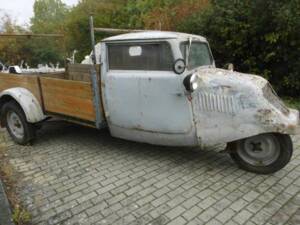
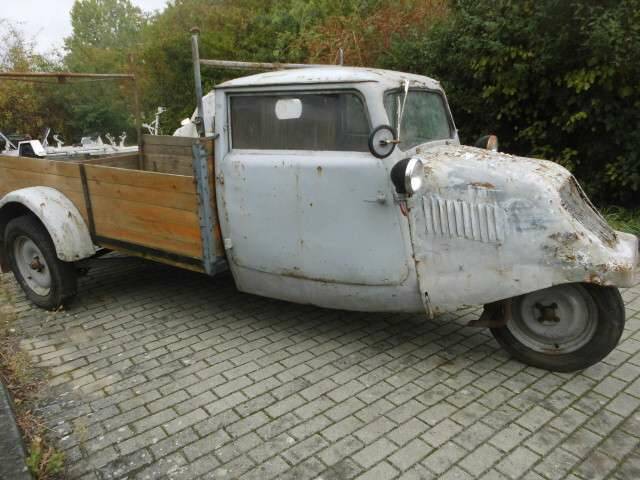
1940 | Tempo A 200
Oldtimer Tempo A 200

Auctions ending soon

Loading…
Loading…
Loading…
Loading…
Tempo listing references from Classic Trader
Below you will find listings related to your search that are no longer available on Classic Trader. Use this information to gain insight into availability, value trends, and current pricing for a "Tempo" to make a more informed purchasing decision.
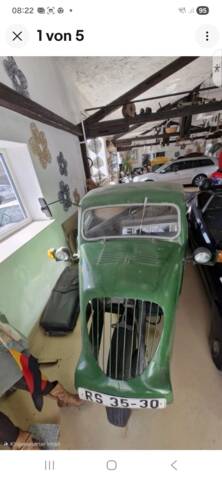
1938 | Tempo A 400
Dreirad
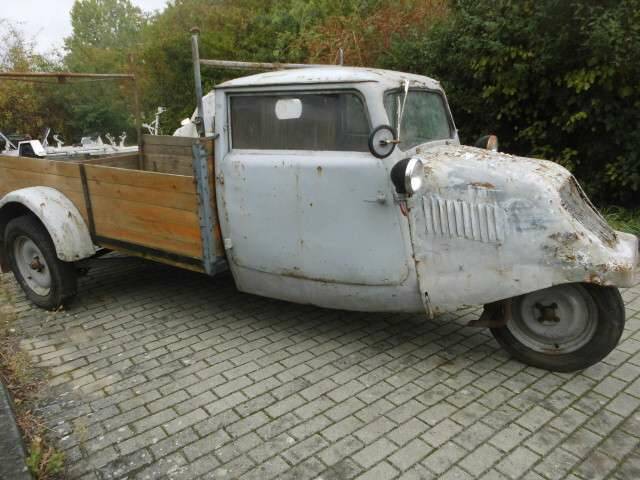
1940 | Tempo A 200
Oldtimer Tempo A 200
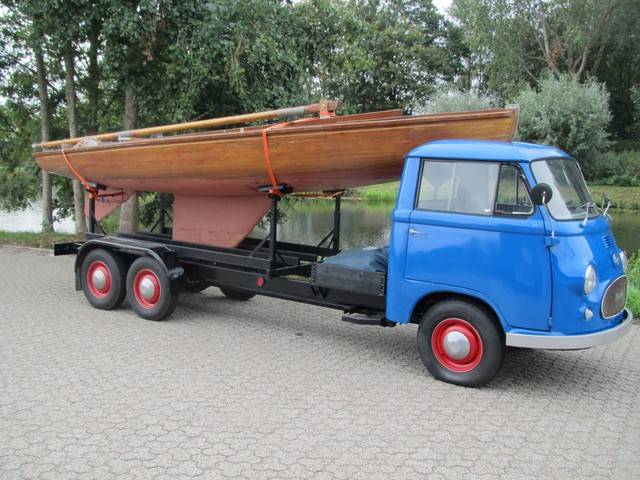
1965 | Tempo Matador E
Oldtimer Tempo
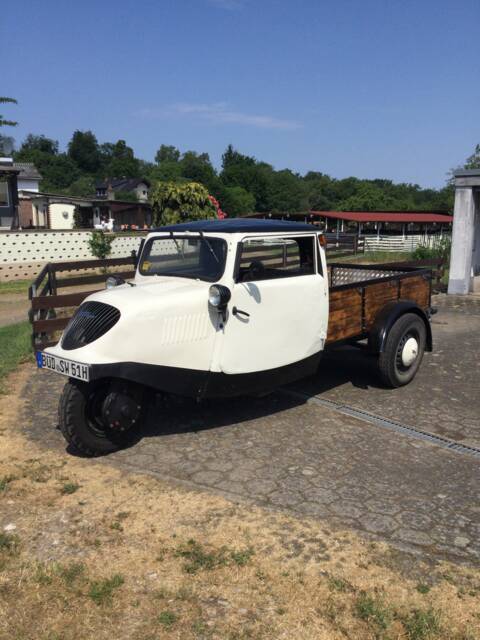
1951 | Tempo Hanseat
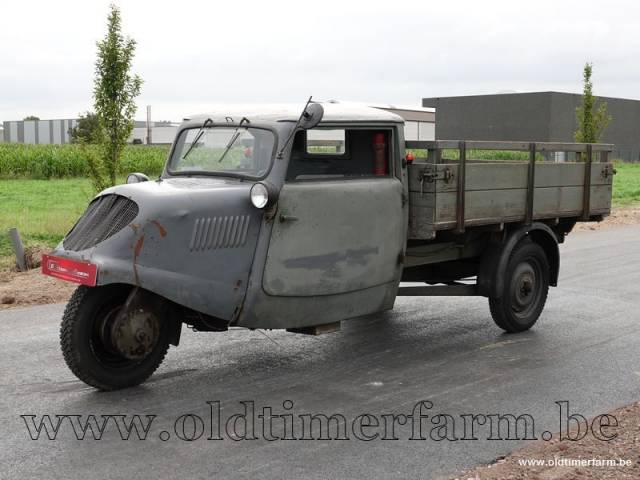
1941 | Tempo A 400
1941 Tempo A 400 '41

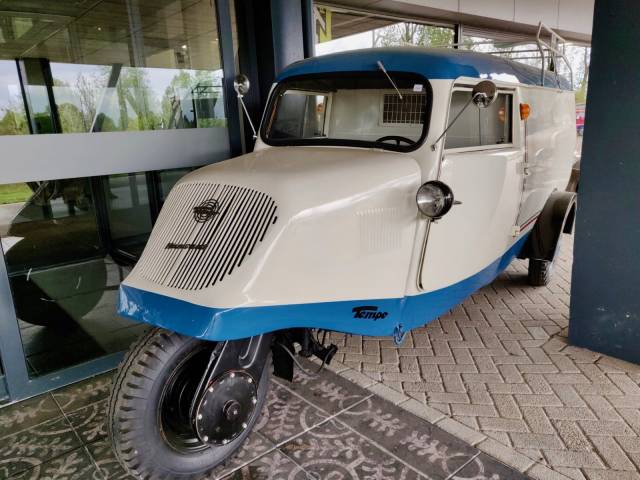
1940 | Tempo A 400
Online Auction "Classics, Sports Cars & Specials". From 9th to 22nd of May
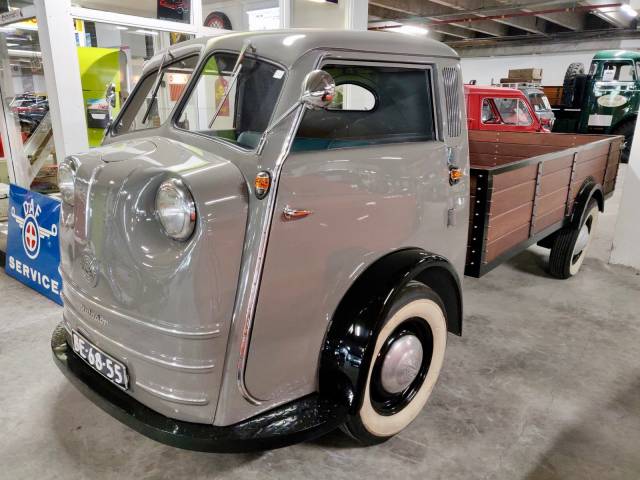
1951 | Tempo Matador
Online Auction "Classics, Sports Cars & Specials". From 9th to 22nd of May

1958 | Tempo Viking I
Tempo Viking Kein T1 oder Samba
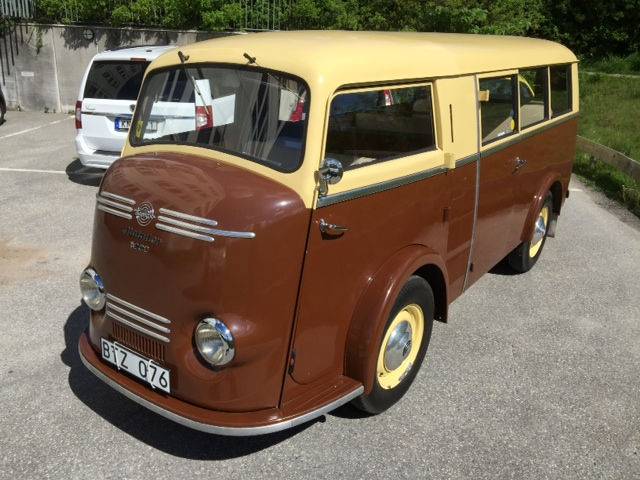
1953 | Tempo Matador
Tempo Matador 1953 9 Personen
Tempo: Hamburg's independent commercial-vehicle marque
Vidal & Sohn Tempo-Werk of Hamburg-Harburg occupied a singular place in German vehicle history. From 1928, it made light commercial vehicles for shopkeepers, tradesmen, market traders and delivery businesses: vehicles intended to earn their keep rather than embellish a driveway. That purpose is central to the appeal of a Tempo today. A surviving van or three-wheeler can carry the atmosphere of a bakery round, a tool merchant or a small family business more directly than a contemporary saloon ever could.
The early story was built on three wheels. German licensing and tax rules favoured three-wheeled vehicles with engines below 200 cc, and Tempo exploited that opportunity with compact, economical carriers. The E- and A-series machines were narrow, deliberately simple and exceptionally practical in crowded streets. Tempo-Dienst records 111,501 three-wheelers built between 1928 and 1956. That is a substantial total, though the survival rate of working vehicles is naturally far lower. They were repaired, altered and used hard, so a convincing survivor is now much more than a quaint novelty.
Tempo's post-war range shows a maker adapting to a changing economy. Businesses needed greater payload, range and weather protection, while still valuing small external dimensions. The Wiking and Rapid represent the useful light commercials of that period. A more ambitious direction appeared in 1949 with a front-wheel-drive Tempo powered by a Volkswagen industrial engine. Its 1,131 cc unit produced 25 PS, and Tempo-Dienst gives a total of 13,621 Volkswagen-powered examples. This was a serious move beyond the little three-wheeler, but it remained true to the marque's practical character.
The 1936 G 1200 reveals another side of Tempo: imaginative engineering on a remarkable scale for a small manufacturer. Otto Daus designed it with all-wheel drive and all-wheel steering, using a 596 cc two-cylinder ILO engine at each axle. Technik Museum Sinsheim records 2 × 19 PS and production of 1,335 vehicles. It was not a conventional delivery van with a clever feature added; its entire layout was an unusual answer to difficult terrain and manoeuvrability.
By the 1960s, Tempo had reached the larger-van class. The 1963–67 Matador E was the last major Tempo-era commercial vehicle, with 40,330 built according to Tempo-Dienst. Its underlying design continued through Hanomag, Hanomag-Henschel and, later, Mercedes-Benz. On a make page, it is useful as the culmination of the Tempo story rather than as a substitute for its dedicated model category. The same applies to the A 200: both are best explored through their respective Classic Trader categories when a buyer has settled on that particular type.
Why a Tempo is unlike most classics
A Tempo is appealing precisely because it does not pretend to be a sports car or a miniature luxury vehicle. Its shapes were governed by load space, access and economy. The early three-wheelers have a purposeful, almost hand-made directness: a narrow track, tall driving position and compact body shaped around one modest task. Later vans are bolder and more architectural, with upright panels, generous openings and a visual honesty that has made working classics increasingly welcome at shows, brand events and carefully chosen business displays.
For collectors, that working-vehicle authenticity is often the main attraction. A period signwritten body for a grocer, brewer or local tradesman can be compelling if supported by photographs, invoices or known ownership. It should not be confused with recently applied, invented advertising. Equally, a plainly finished vehicle with correct hardware, coherent paint history and a documented restoration may be the more persuasive example. Tempo ownership rewards attention to the story behind the vehicle, not simply the loudest livery.
The make also offers unusually varied collecting routes. An early E- or A-series three-wheeler suits someone who wants a compact pre-war commercial with a mechanical simplicity that is easy to understand, if not necessarily easy to source parts for. A Wiking or Rapid has the character of a post-war local delivery vehicle. The G 1200 is for the technically curious collector prepared for a rare and specialised machine. A later Tempo van offers the greatest road presence and useful interior space. These are not interchangeable propositions, and the intended use should guide the search from the outset.
Tempo's individuality also creates a caution. Commercial vehicles were routinely rebuilt in service. Bodies, cargo floors, lights, engines and fittings could be replaced when there was work to do on Monday morning. A vehicle with a Tempo badge is therefore not automatically an accurate Tempo. The most satisfying cars combine sound original fabric, correct or well-explained mechanical specification, and evidence linking chassis, body and registration history. Honest patina can be preferable to an immaculate restoration that has lost its original construction logic.
Key Tempo models and technical data
The following figures provide a make-level orientation, not a substitute for inspecting the exact vehicle. Engine, body and transmission details may differ within a range, particularly after decades of commercial repairs. A vendor should be able to explain what is fitted and why.
The figures show why a generic description can be misleading. The G 1200's twin-engine, twin-axle arrangement is integral to its value and to the cost of maintaining it. A Volkswagen-, Heinkel- or Austin-related engine may make a prospective owner assume that every related part is readily interchangeable. It is not. Mountings, ancillaries, gearing, cooling arrangements and the specific connection to the Tempo chassis matter. Verify the exact year, chassis number and engine identity before buying components or accepting claims of originality.
Coachwork deserves equal scrutiny. A box van is defined by its expansive body panels, roof joints and access doors; a pickup depends on a structurally sound and correct load area. Wooden cargo floors, where fitted, need inspection from above and below, not a quick glance at fresh paint. Bespoke fittings such as hinges, catches, lamps, instruments and body mouldings can be much harder to replace than a service item. A coherent vehicle is one where the cab, cargo body, floor, doors and fixings make sense together and align with its known history.
Market overview and buying tips
The British Tempo market is small and largely import-led. Most examples offered in the UK will be left-hand-drive European imports, commonly from Germany or neighbouring markets, and that is normal for the make rather than a defect in itself. It does, however, affect how a buyer should budget. Purchase price is only the start: transport, shipping or collection, insurance, HMRC and registration requirements where applicable, number plates, an MOT or other roadworthiness evidence where needed, and possible light or speedometer changes all deserve a place in the file before money changes hands.
Public price evidence is sparse and must be handled with care. A now-expired Classic Trader listing showed a Tempo at £42,940. Classic Car Auctions recorded a 1965 Tempo selling for €1,000 in 2020, while a 1951 example carried a €35,000 estimate. Those figures are neither a price guide nor a neat range: they concern different years, conditions, degrees of completeness and sale circumstances. A 2024 enthusiast advert also recorded the transfer of a running, largely original 1965 vehicle together with a 1938 E400, without a published price. The practical conclusion is clear: value the individual vehicle, not the name on its grille.
Start with the version that suits your intended ownership. A three-wheeler can be a charming, space-efficient historic vehicle and a strong conversation piece, but it asks for sympathy with modest performance and specialised configuration. A later van offers more scope for display, carrying light event equipment or representing a business, yet also has more sheet metal, greater physical size and potentially more costly restoration work. The G 1200 should be approached as a specialist engineering project unless it comes with unusually comprehensive provenance and expert support.
On any Tempo, place the chassis and body structure ahead of paint. Examine chassis corrosion, cab floors, lower seams, roof edges, body-to-floor joins and the underside of any wooden load bed. Look for distorted panelwork, crude repairs, filler bridging seams and evidence that drainage paths have been closed. Fresh underseal alone is not proof of condition. Photographs taken during restoration, invoices for fabrication and an inspection on a lift are more useful. A missing bespoke panel can require costly one-off metalwork in the UK, even when a competent restorer is available.
Then assess completeness. Correct doors, catches, lamps, badges, seat frames, instruments, load-area fittings and Tempo-specific mechanical parts can take longer to locate than a buyer expects. There is a genuine support network: Tempo-Dienst lists parts for the Matador 50, Wiking brake components and a catalogue of more than 500 remanufactured parts for early Matadors. That is a valuable resource, but not a blanket guarantee. Confirm exact application by chassis, year and type; a component for a related Hanomag, Volkswagen, Heinkel or Austin application is not automatically correct for the vehicle in front of you.
Mechanical inspection should cover brakes, steering, gearbox, engine number and the relationship between the engine and the chassis. A cold start, extended test drive and careful check for smoke, leaks, unusual transmission noises and wandering steering are more revealing than a short movement around a yard. With the G 1200, seek a person who understands the twin-engine layout. With all versions, invoices that state what was rebuilt and which parts were used carry more weight than a vague claim that the engine is "overhauled".
For a UK import, documents are part of the vehicle. Ask for the foreign registration papers, proof of ownership, chassis number photographs, import and customs evidence where relevant, restoration records and a clear account of when the vehicle arrived in Britain. Establish the route to DVLA registration and an age-related registration mark before committing, particularly if the identity is incomplete or the vehicle has been in pieces for years. LHD is authentic and manageable for a Tempo, but its suitability for your roads, parking and intended journeys is a personal consideration worth testing before purchase.
Driving a Tempo today
Driving a Tempo is an encounter with the pace and priorities of its working life. You often sit upright, close to the controls, looking over a short nose or through a compact, upright cab. The sounds and vibrations are part of the experience; refinement was less important than visibility, access and the ability to carry goods. A careful owner learns the vehicle's braking distances, steering response and comfortable cruising speed rather than expecting modern traffic manners.
An early three-wheeler feels especially immediate. Its reduced size makes every control input noticeable, and a relaxed route suits it far better than a hurried dual carriageway. Later vans feel more substantial but retain the straightforward, functional character of a small business tool. They are rewarding at a local show, on a rural run or arriving at an event with period display material in the rear, provided the journey is planned around their age and capability.
The range offers contrasting pleasures. The G 1200 fascinates through mechanical ingenuity; the post-war light commercials make their appeal through usability; the larger vans give the driver a distinctive view of the road and an imposing but friendly presence. None should be judged against a modern car. For an owner who values involvement, modest speed and a visible connection with twentieth-century working life, a properly prepared Tempo can be unusually memorable.
Design shaped by work
Tempo did not use design as a luxury statement. Its styling emerged from function, and that is why it has aged so well. The three-wheelers have compact, almost sculptural proportions born from their narrow mechanical layout. The later vans use tall sides, broad doors and uncomplicated surfaces to create volume and access. Their appeal is not ornamental; it lies in the confidence of a vehicle that looks exactly like the job it was made to do.
Across the range, one can see a move from the economical small carrier to a more capable and more sophisticated commercial vehicle. Yet the core idea remained consistent: make useful transport viable for small businesses. The later continuation of the van design within Hanomag, Hanomag-Henschel and Mercedes-Benz underlines how sound that practical concept was. A Tempo still reads as the product of an independent Hamburg maker, however, because its proportions and details retain a character separate from mass-market vans.
When viewing a car, tie appearance to authenticity. A correct cargo floor, appropriate fittings and evidence-based signwriting say more than over-restored paint. Use-worn surfaces may be entirely desirable if the structure below is sound and the vehicle's story supports them. The ideal is not a generic showpiece but a Tempo whose details make its original task understandable.
Summary: buying a Tempo with confidence
Tempo represents an engaging branch of German commercial-vehicle history: early Hamburg three-wheelers, resourceful post-war carriers, the extraordinary G 1200 and the move towards full-sized vans. Its representative models offer several distinct collecting experiences while retaining one shared quality: they were designed for work, transport and everyday usefulness.
Anyone looking to buy a Tempo classic car should be patient and selective. Prioritise structural condition, correct and complete fittings, mechanical identity and documentary continuity over a quick cosmetic impression. In Britain, allow sensibly for an LHD import, registration work and bespoke body repairs. Parts and club support can be excellent, but the right vehicle remains one with a credible history and sound fabric. Find a Tempo on Classic Trader that brings those elements together and it can become both a rare collector vehicle and a vivid piece of working-road history.