- Car
- Talbot (5 offers)
Buy Talbot Classic Cars
Talbot means very different things to different British enthusiasts: pre-war Roesch engineering, the sculptural glamour of Talbot-Lago, and the hard-edged rally fame of the Talbot Sunbeam Lotus. On Classic Trader you can browse Talbot classics from elegant six-figure coachbuilt machines to rare 1980s drivers’ cars with strong UK nostalgia.
Search results
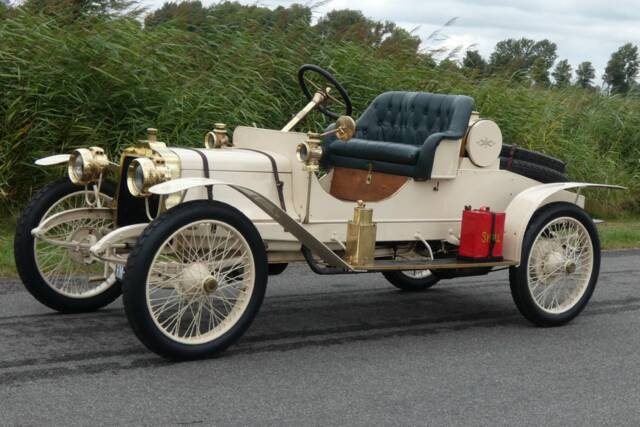
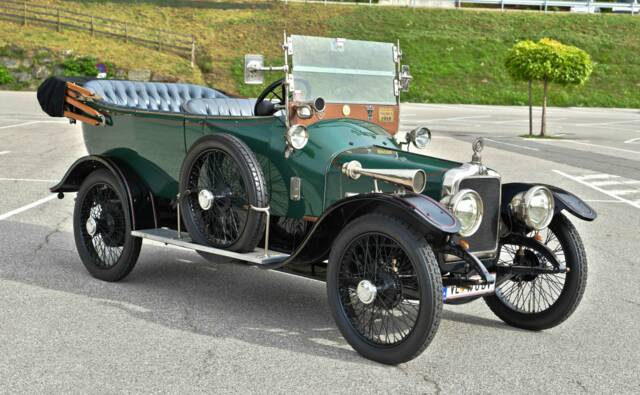
1910 | Talbot 12 hp
Good driving Brass car !


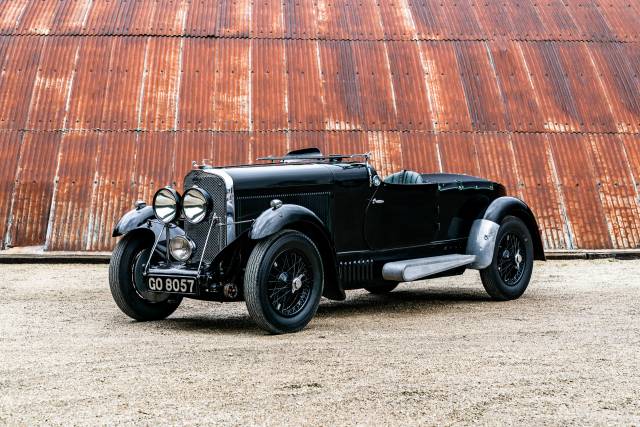
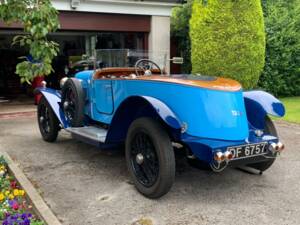
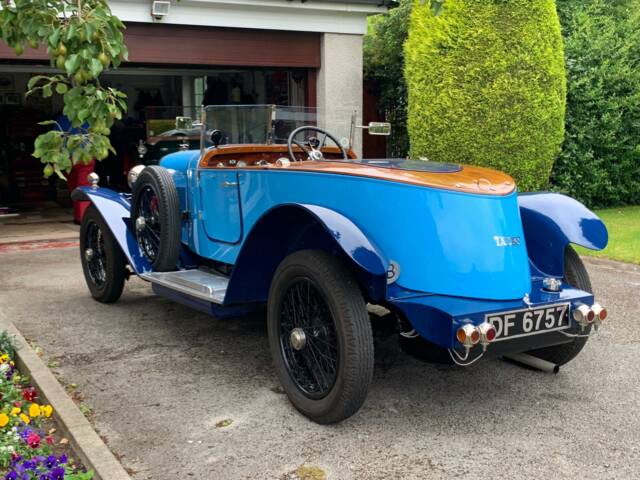
1931 | Talbot AM 90
AO75/90 "GO8057"


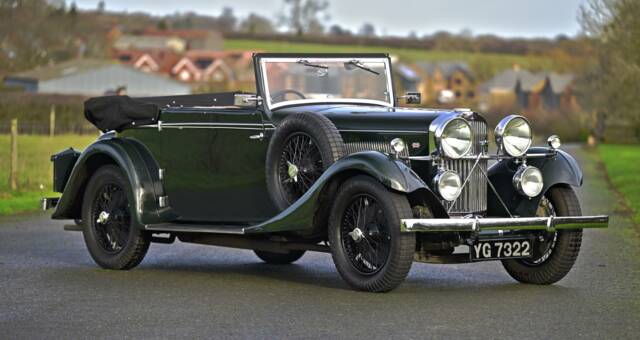
Newsletter
The best Talbot listings, straight to your inbox
Get hand-picked Talbot listings, plus the best of cars, motorbikes, and auctions on Classic Trader — all in one place.

Talbot listing references from Classic Trader
Below you will find listings related to your search that are no longer available on Classic Trader. Use this information to gain insight into availability, value trends, and current pricing for a "Talbot" to make a more informed purchasing decision.

1979 | Talbot Simca 1150
MATRA-SIMCA BAGHEERA S TROFEO (1979) ISCRITTA ASI CON C.R.S. – CONSERVATO – SUPERPREZZO

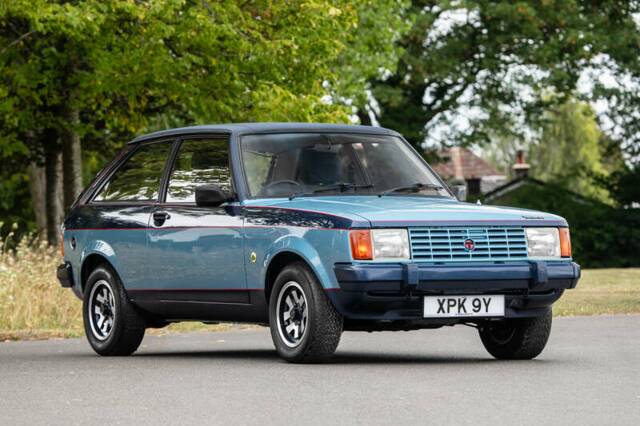
1983 | Talbot Sunbeam Lotus
1983 Talbot Sunbeam Lotus 'Avon Limited Edition'

1961 | Talbot Solara
SIMCA ARONDE MONTHLERY - ISCRITTA FIVA – SICURA RIVALUTAZIONE – RARA (1961)
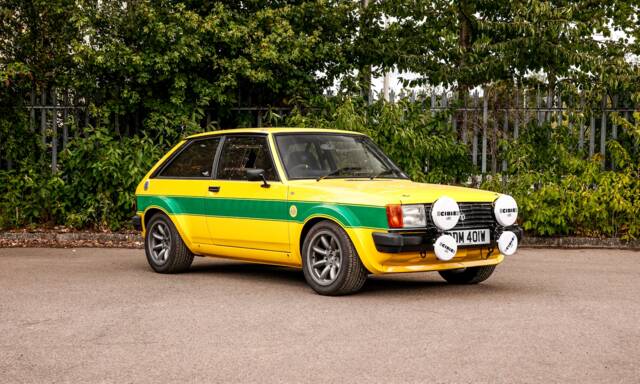
1981 | Talbot Sunbeam Lotus
1981 Talbot Sunbeam Lotus 'Tolman Special'
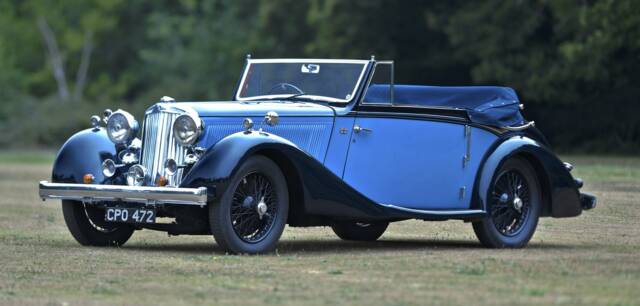
1936 | Talbot T 110
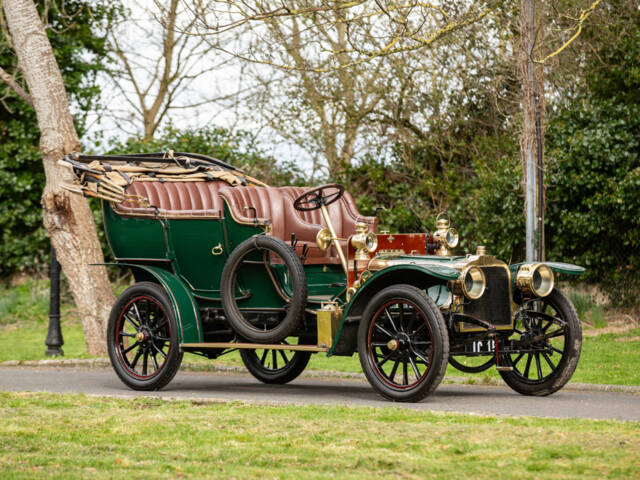
1905 | Talbot 15 HP
1905 Clément-Talbot Model 4VB 15 HP Tourer
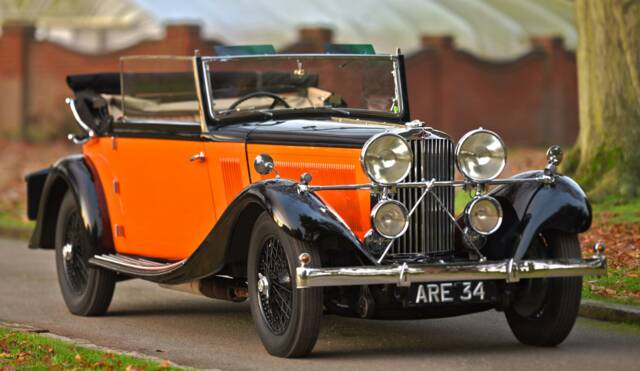
1934 | Talbot BA 105 Sports Tourer
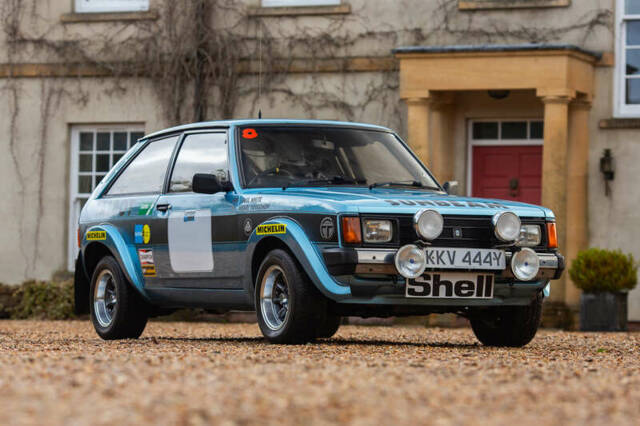
1982 | Talbot Sunbeam Lotus
1982 Talbot Sunbeam Lotus Series 2 'Group 4' Works Tribute
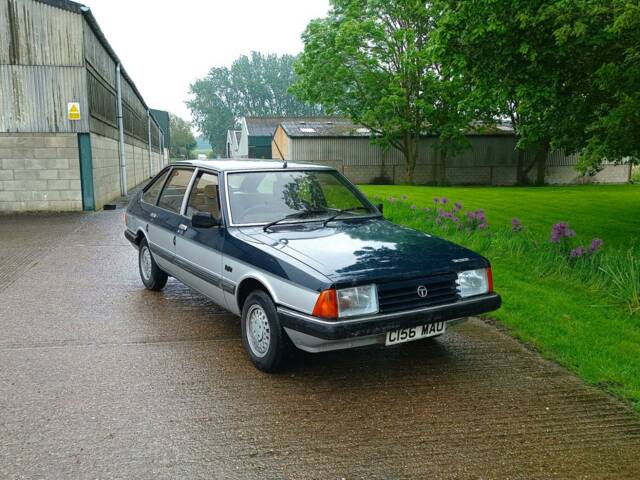
1985 | Talbot Alpine
TALBOT ALPINE
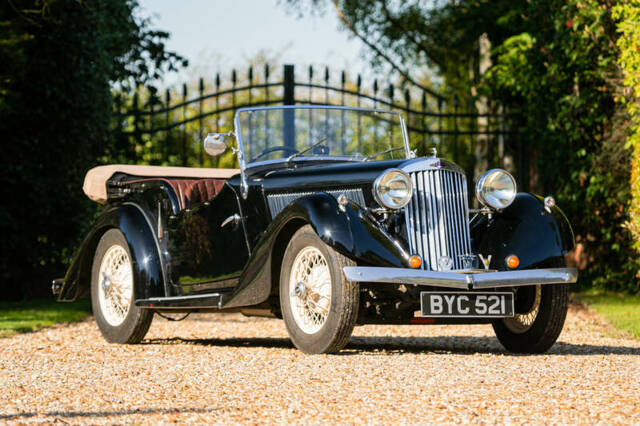
1936 | Talbot T 110
1936 Talbot Ten 10hp Sports Tourer
History & Heritage
For a UK buyer, Talbot is not one single story but several overlapping ones. That complexity is exactly why the marque attracts serious enthusiasts. Depending on age and taste, Talbot can mean Clement-Talbot in London, the Roesch-era sporting saloons of the 1930s, the glamorous French Talbot-Lago years, the later Rootes/Sunbeam-Talbot link, or the short-lived PSA-era rebirth that gave us the Sunbeam Lotus, Samba and Murena.
The British chapter starts in 1903, when the Earl of Shrewsbury and Talbot began importing French Clément cars and selling them in Britain under the Talbot name. From there, Talbot developed into a serious Anglo-French marque with its own identity. By the late 1920s and early 1930s, the big collector car in British Talbot history was the Talbot 105, developed under the gifted engineer Georges Roesch. These were fast, durable, genuinely successful competition and touring cars, and they helped establish Talbot as a proper sporting name rather than a badge-engineered curiosity.
That early British heritage still matters in the UK because it never fully disappeared. The Talbot Owners’ Club traces its origins back to 1934, formed with direct support from Clement Talbot Ltd., and today it remains an active home for owners of Roesch-era and related Talbots. For a buyer looking at a pre-war Talbot, that club structure is not just social decoration; it is part of the ownership case. Dating help, archive knowledge, period-correct detail and event culture are all stronger when a marque has an organised memory.
The next decisive change came when the broader STD group collapsed and the French Talbot factory at Suresnes passed into the hands of Antonio Lago. Under Lago, Talbot became Talbot-Lago, and the character of the marque changed from British sporting saloon builder to one of the most glamorous French high-performance manufacturers of the late 1930s and post-war years. This is the chapter that creates the blue-chip end of the Talbot market today.
The defining Talbot-Lago collector cars are the T150-C SS, the T26 Record and above all the T26 Grand Sport. These were never ordinary classics. They were coachbuilt, expensive when new, technically ambitious and often bodied by major names such as Figoni et Falaschi, Saoutchik, Dubos Frères and Barou. The T150’s flowing teardrop forms turned Talbot into rolling Art Deco sculpture. The T26 then carried the story into the late 1940s and early 1950s with a big 4.5-litre straight-six, a Wilson pre-selector gearbox and real motorsport credibility, including the 1950 Le Mans win for Louis and Jean-Louis Rosier.
Then comes the twist that matters most for British readers of a certain generation. The Talbot name did not simply die; it reappeared in a different world. After Chrysler Europe passed to PSA, Talbot returned in the late 1970s as a badge for former Chrysler/Simca products. On paper that sounds corporate and unromantic. In practice it produced one of the most charismatic British-market performance hatchbacks of its era: the Talbot Sunbeam Lotus.
That car matters because it tied together Rootes, Lotus, British rally culture and Talbot’s final genuine halo moment. Built from the compact Sunbeam hatchback but fitted with a Lotus-developed 2.2-litre 16-valve engine and rear-wheel drive, it won the 1981 World Rally Championship for manufacturers. In Britain, where the Ford Escort RS and hot-hatch story dominate so much of the nostalgia market, the Sunbeam Lotus sits in a slightly different place: rarer, rougher-edged, more specialist and increasingly understood.
The same PSA-era Talbot range also produced the Samba Cabriolet, styled and built by Pininfarina, and the Talbot Matra Murena, one of the most unusual affordable sports cars of the early 1980s with three-abreast seating and a galvanised chassis. They were never mainstream collector darlings in Britain, which is exactly why they now matter. Talbot is a marque where obscurity and significance often live in the same car.
For make-level buyers, five collector reference points explain Talbot best: Talbot 105, Talbot-Lago T150-C SS, Talbot-Lago T26 Grand Sport, Talbot Sunbeam Lotus, and Talbot Samba Cabriolet, with the Murena close behind for buyers who like left-field engineering.
Highlights & Features
What makes Talbot so compelling is range. Few classic marques allow you to move from pre-war British sports-tourer culture to French concours royalty and then straight into 1980s UK rally nostalgia without leaving the badge.
The first highlight is historical breadth. A Talbot buyer is not choosing one fixed brand image. You can choose the precise version of Talbot that suits you: vintage British, French coachbuilt, Rootes-adjacent or PSA-era cult classic.
The second is club support in Britain. The modern Talbot Owners’ Club remains rooted in the marque’s early UK history, while the Sunbeam Lotus Owners’ Club, formed in 1991, is one of the strongest ownership resources attached to any niche 1980s homologation special. SLOC says it has more than 350 members worldwide owning over 300 Sunbeam Lotus cars, offers valuations, technical help and remanufactured parts, and is recognised by Motorsport UK and linked to the Rootes Archive Centre Trust. For a buyer, that matters. It means the best Talbots do not have to be lonely cars.
The third is real collector hierarchy. At the top, Talbot-Lago is internationally important and expensive. In the middle, the Sunbeam Lotus is now a serious British-market collectible, especially in right-hand-drive, matching-numbers form. At the more accessible end, the Samba Cabriolet and Murena still offer rarity and charm without requiring seven-figure budgets.
The fourth is distinct driving character. A Roesch Talbot 105 feels long-legged and mechanical. A T26 Grand Sport feels aristocratic, torquey and surprisingly usable for such a valuable object. A Sunbeam Lotus feels short-wheelbase, alert and slightly wild. A Samba Cabriolet is light and sociable rather than fast. A Murena feels balanced and technically odd in all the right ways.
There is also a practical highlight for UK buyers: the market is still unevenly educated. Everyone knows what a 911, E-Type or Escort RS means. Far fewer buyers fully understand Talbot. That can work in your favour if you do the homework, especially on cars such as the Samba Cabriolet, Murena or honest Sunbeam Lotus road cars that have not been over-restored into museum pieces.
The caution is equally clear. Talbot is rarely the right marque for someone who wants easy, local, fully interchangeable parts supply and zero explanation at every fuel stop. Talbot rewards buyers who enjoy provenance files, club contacts, specialist advice and cars with stories.
Technical Data
For UK buyers the useful split is simple. Pre-war Talbots are historic sports-tourers and competition cars. Talbot-Lago is blue-chip concours and event territory. Sunbeam Lotus is the hard-driving British hero. Samba and Murena are left-field entry points for enthusiasts who want rarity and character over mainstream status.
Market Overview & Buying Tips
Talbot’s market in 2026 is not one market. It is at least three.
1. Talbot-Lago: global money, specialist buying
At the top end, Talbot-Lago values are driven by provenance, coachbuilder, originality and event eligibility more than by simple condition alone. If you are shopping this level, you are not comparing Talbot with ordinary classics; you are comparing it with Delahaye, Bugatti, Alfa 6C and other major pre- and post-war collector cars.
Recent public results show the scale clearly. A 1949 Talbot-Lago T26 Grand Sport Coupé by Barou sold through RM Sotheby’s Tegernsee 2024 for €961,250. RM Sotheby’s then sold a 1951 T26 Grand Sport in Paris 2026 for €708,125. The broader market still reaches far beyond that for standout bodies and provenance: The Classic Valuer’s 2026 guide records a T26 Grand Sport high of £1,931,824 since 2020, while the Talbot-Lago T150 guide shows a 1938 T150-C SS Teardrop at £5,942,348 in 2024 and a historical high above £10 million.
For British buyers, the rule is brutal: buy provenance before paint. Matching engine, gearbox and axle matter. Old concours entries matter. Coachbuilder identity matters. A cheaper Talbot-Lago with weak history, dubious restoration choices or incomplete documentation can become the most expensive car you ever buy.
Inspection priorities are equally specific. Check chassis identity, period-correct body details, evidence of old accident repair, cooling-system integrity, brake condition, pre-selector gearbox operation and the quality of any older restoration. On cars with famous coachwork, correcting a few “small” trim errors can turn into a specialist international project. On any T26, budget for the reality that even routine recommissioning is expensive.
2. Sunbeam Lotus: proper UK collector territory now
This is the Talbot most British buyers will actually chase. The Sunbeam Lotus is no longer cheap, and the very best cars are solidly into serious-money hot-hatch territory.
The 2024-2026 numbers show why. Iconic Auctioneers sold a 1982 Talbot Sunbeam Lotus for £33,750 in June 2024. Mathewsons sold a 1981 Sunbeam Lotus for £20,400 in February 2025. The strongest public result widely tracked in the current market is £58,500 for a 1983 Series 2 at Iconic Auctioneers in 2025, while a restored 1983 Avon Limited Edition made £37,688 later the same year. The Classic Valuer’s 2026 guide gives a median of £24,475 and confirms how wide the condition spread still is.
For UK buyers, RHD matters here in a way it does not on a Samba or Talbot-Lago. The Sunbeam Lotus was built for Britain, and good right-hand-drive cars with strong history, correct trim and original mechanical specification are the benchmark. Many surviving cars have seen rally use, shell repairs, engine swaps, gearbox changes or competition modifications. That does not make them bad buys, but it does split the market sharply between collectible road cars and fast historic competition tools.
The main inspection points are body-shell first, mechanicals second. Check front inner wings, strut tops, sills, rear spring mounts, rear arches, hatch aperture, front panel seams, floorpans and spare-wheel area. Ask who rebuilt the engine, when the timing belt was last done, whether the car retains the correct Lotus 2.2-litre unit, and whether the ZF gearbox feels right. Documentation is crucial, because so many cars have been rebuilt, re-shelled or modified over time. Club support helps enormously here; SLOC membership is often worth it before you buy, not after.
3. Samba Cabriolet and Murena: still niche, still affordable by comparison
The Samba Cabriolet remains the affordable Talbot with the best visual charm-to-price ratio. Public UK-facing results are still modest. The 2026 Classic Valuer guide shows a median of £3,373, while a 1986 Samba Convertible sold in May 2025 for £3,200 and a 1986 Samba Style made £2,350 at SWVA in late 2024. That is still sensible money for a rare Pininfarina-bodied 1980s cabriolet.
The buying risk is rust and parts scarcity, not purchase price. Inspect sills, floorpans, front wings, rear arches, suspension pick-up points and hood condition. Mechanical parts are less frightening because of PSA family connections, but trim, weather seals, cabriolet-specific fittings and correct interior details are harder.
The Murena sits slightly above the Samba in engineering interest and often in price. It is not rust-proof despite the galvanised chassis reputation; the notorious issue is rear trailing arms rotting from inside out. Add cooling issues, electrical gremlins and model-specific trim scarcity, and you have a car that rewards specialists rather than casual bargain hunters.
UK import, MOT and registration realities
Talbot buyers in Britain often need to import. GOV.UK states that after bringing a vehicle into the UK permanently, you must tell HMRC within 14 days through the NOVA process, and the car cannot be registered until that is done. That matters for continental Talbot-Lago cars, French-market Sambas and many Murenas.
Roadworthiness rules matter too. In Britain, a vehicle over 40 years old can be MOT-exempt if it has not been substantially changed, but it must still be roadworthy. From 1 April 2026, vehicles built before 1 January 1986 can also move into the historic vehicle tax class, subject to the usual process. That is relevant for many Talbots, but buyers of modified Sunbeam Lotus cars should be careful: if a car has been substantially changed, do not assume exemption applies.
On imported classics over 30 years old, buyers and agents still pay close attention to collector-vehicle classification, originality and customs treatment before committing. On higher-value Talbot-Lago purchases, professional import advice is not optional.
Driving Experience
Talbot driving is wonderfully inconsistent, and that is a compliment.
An early Talbot 105 feels like Britain before the war still believed engineering could be both sporting and gentlemanly. The controls are mechanical but not crude, and the car encourages long-distance momentum rather than frantic effort.
A Talbot-Lago T26 Grand Sport feels grand, deliberate and cultured. The straight-six does not shout; it gathers itself and then moves with deep, expensive confidence. The Wilson pre-selector gearbox is part of the whole ritual. Once you understand the rhythm, it feels less awkward than outsiders expect. What surprises most modern drivers is not just the theatre but the sense that the car was built to cover real distance quickly.
The Sunbeam Lotus is the opposite. It feels compact, energetic and permanently a little impatient. The engine has genuine bite, the rear-wheel-drive balance is alive beneath you and the short body makes the car feel smaller and more alert than its rivals. On a British B-road it is easy to understand why owners stay loyal for decades. The car has that rare quality of feeling serious at legal speeds.
The Samba Cabriolet is a warmer, easier pleasure. It is not quick, but quickness is not why you buy one. The delight is in the size, visibility, open roof and the sense that you are driving something few people remember but almost everyone smiles at.
The Murena is the intellectual Talbot. You sit differently, sense the mass differently and feel the mid-engined balance in a way that instantly separates it from ordinary front-engined 1980s coupes. It is a thinking enthusiast’s car.
Design & Coachwork
Design is where Talbot becomes almost absurdly varied.
The Roesch Talbots are handsome in the traditional British manner: long bonnet, upright cabin, discipline rather than ornament. They look engineered first and styled second.
Then Talbot-Lago arrives and everything changes. With Figoni et Falaschi, Saoutchik, Dubos or Barou involved, Talbot stops being merely elegant and becomes sculptural. The great T150-C SS teardrop cars are among the most dramatic forms of the 1930s, full stop. Even the subtler T26s carry the look of money, custom craft and a Europe that still believed the motor car could be couture.
The PSA-era Talbots are far humbler, yet still interesting. The Sunbeam Lotus is all function: squat stance, practical hatchback shape, just enough attitude. It does not need exotic coachwork because the whole point is that such a potent drivetrain was packed into something so compact.
The Samba Cabriolet is different again. Here the design hook is Pininfarina’s restraint. It is a small car, but it does not feel cheap visually. The proportions are clean, the open roof suits it naturally and the car has a light Mediterranean neatness that many bigger convertibles lack.
The Murena shows Matra’s aerospace-minded weirdness in the best possible way: wedge profile, pop-up lamps, three-abreast seating and a body/chassis concept that still feels refreshingly unorthodox.
Motorsport, Clubs & Cultural Weight
Talbot’s competition history is not decorative trivia; it genuinely shapes values.
For Talbot-Lago, the big anchor is post-war endurance racing. The 1950 Le Mans victory remains one of the defining moments in the marque’s history, and racing T26s are still welcomed in the highest-level historic events. That matters directly to price.
For Britain, though, the emotional centre is the Sunbeam Lotus. Its 1981 WRC manufacturers’ title gives Talbot a place in every serious discussion of great British-market rally homologation cars. The owners’ club scene keeps that memory active rather than museum-distant. SLOC runs social events, technical support, track and sprint activity, and remains plugged into Motorsport UK, the Federation of British Historic Vehicle Clubs and the Rootes Archive world. That is a strong ecosystem for such a niche car.
The older Talbot Owners’ Club provides the parallel world for pre-war and earlier Talbots, keeping the British side of the marque alive through archives, magazine culture, touring and competition support. That continuity is worth noting because it means Talbot in Britain is not a dead badge; it is a live enthusiast network with long memory.
Culturally, Talbot also benefits from being just off-centre. It is famous enough to matter, obscure enough to intrigue, and fragmented enough that ownership tends to sort the genuinely interested from the fashion-led.
Summary
If you want the most important Talbot money can buy, look at Talbot-Lago, especially the T150-C SS and T26 Grand Sport. If you want the Talbot that makes the most sense for a committed UK driver, buy a well-documented Sunbeam Lotus. If you want stylish rarity without top-tier spend, the Samba Cabriolet is still one of the cleverer overlooked buys of the 1980s. If you enjoy engineering oddities, do not ignore the Murena.
For British buyers, the formula is clear: use the club network, inspect bodywork and identity before cosmetics, take NOVA and registration seriously on imports, and do not assume every older car automatically qualifies for historic exemptions if it has been substantially altered. Most of all, buy the Talbot chapter you actually want to live with.
That is the appeal of the marque in 2026. Talbot still offers cars with genuine depth, genuine difference and, in the right version, genuine upside for informed buyers.