- Motorcycle
- Motobécane (1 offer)
Buy Motobécane Motorcycle
Motobécane defined French urban mobility for decades and left a lasting mark on the British moped scene through its partnership with Raleigh. From the legendary Mobylette to the cult Vélosolex, these machines offer a charming entry into classic ownership.
Search results
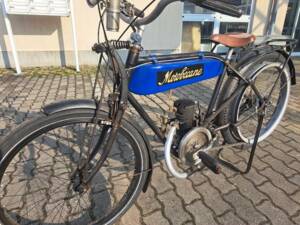
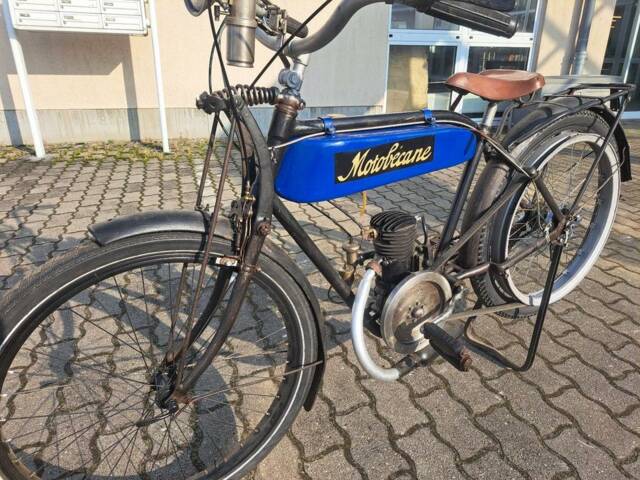
1900 | Motobécane MB1
Motobecane MB 1

Motobécane listing references from Classic Trader
Below you will find listings related to your search that are no longer available on Classic Trader. Use this information to gain insight into availability, value trends, and current pricing for a "Motobécane" to make a more informed purchasing decision.
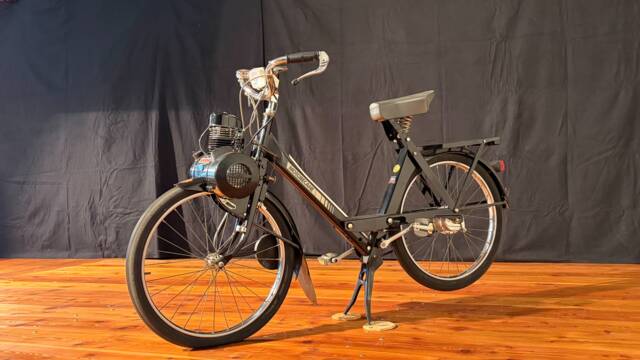
1966 | Motobécane Vélosolex Model 3800
A piece of post-war European two-wheeler culture

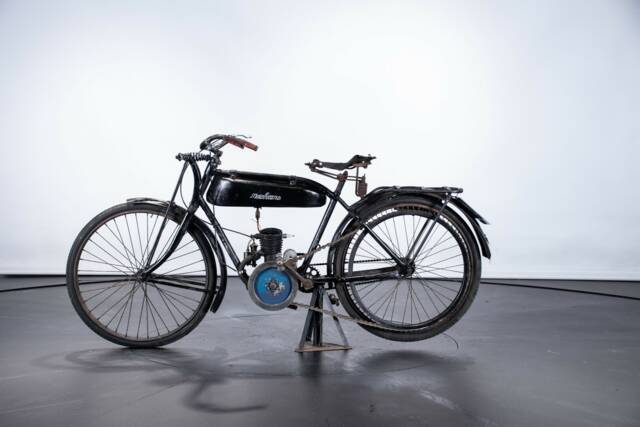
1924 | Motobécane 175 Mirimin
Motobecane MB1

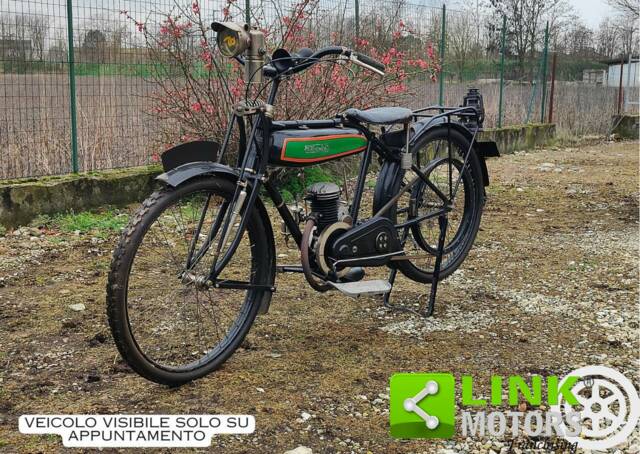
1926 | Motobécane moped
MOTOBECANE Motocomfort MC2
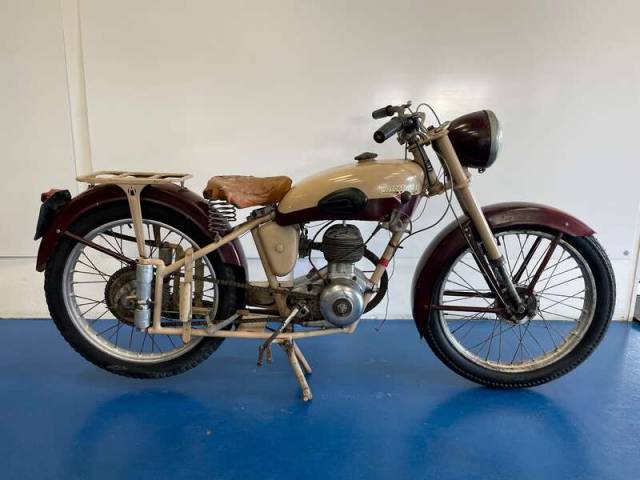
1932 | Motobécane 125
c.1952 Motobecane D45S 125cc

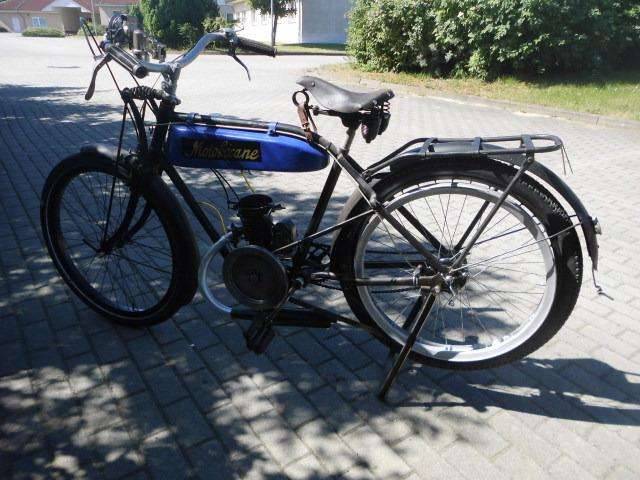
1925 | Motobécane 175 Mirimin
Motobecane MB1
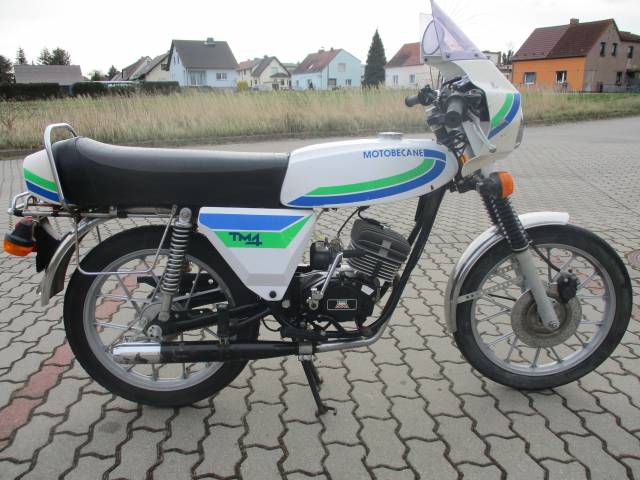
1980 | Motobécane Moby
Motobecane TM 4
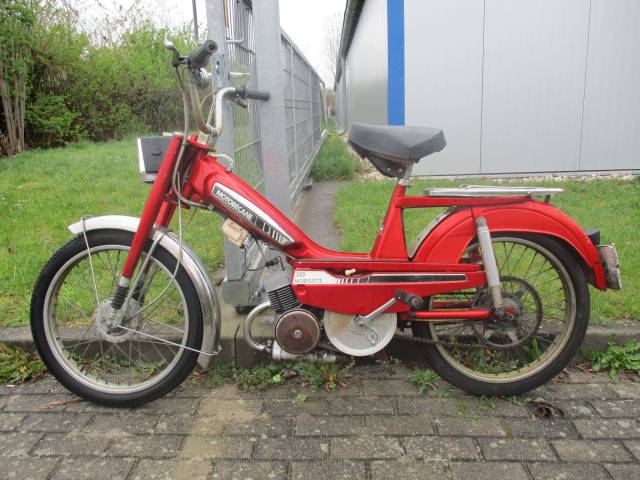
1979 | Motobécane Mobylette N150
Motobecane Mobylette N150
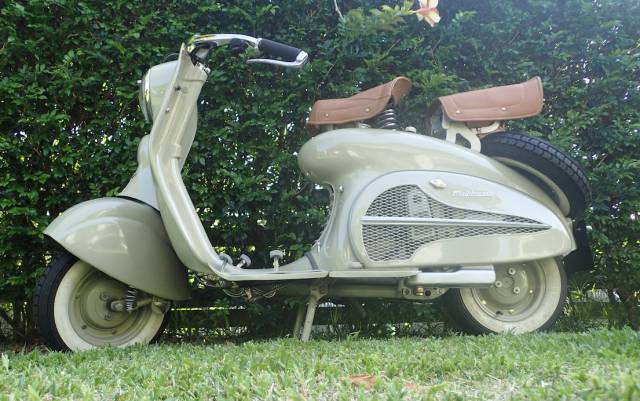
1954 | Motobécane Mobylette 125
Beautiful Rare 4-Stroke French Scooter Designed by Géo Ham
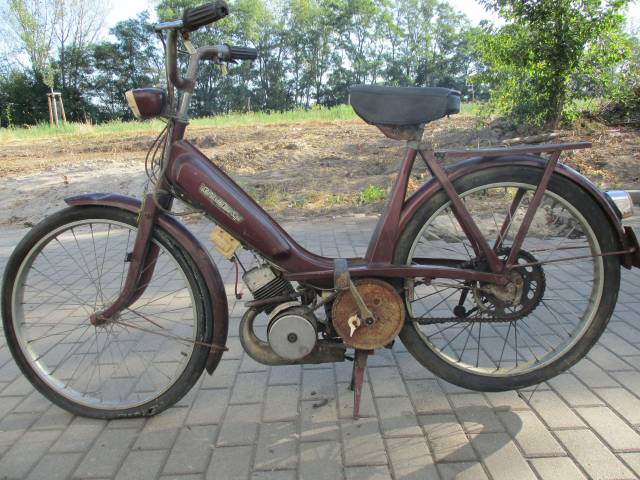
1971 | Motobécane moped
Motobecane M 11
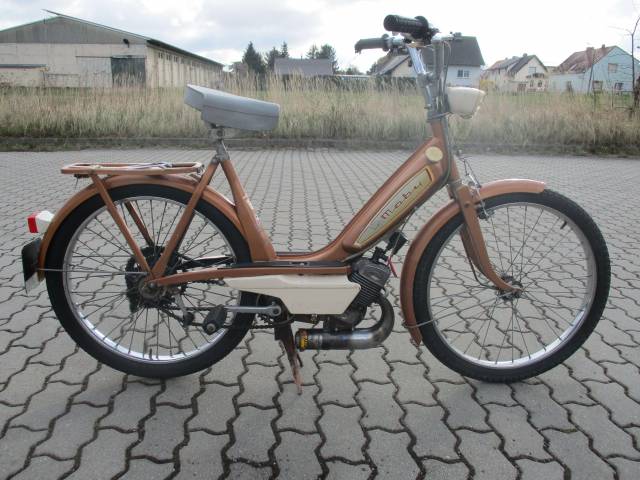
1977 | Motobécane Moby
Motobecane M1 Moby
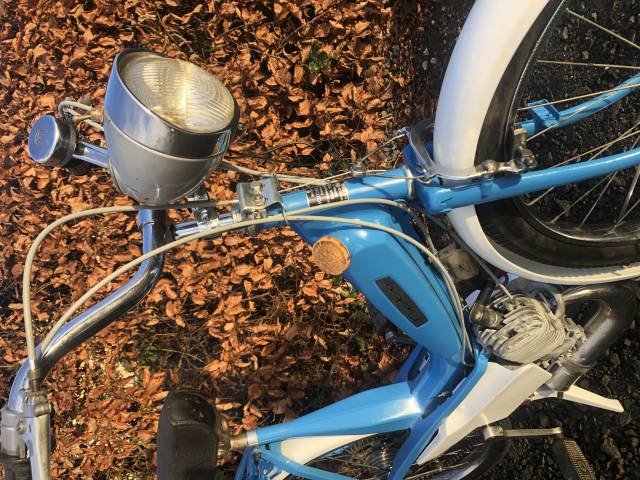
1968 | Motobécane MB1
Minimoby,Neu aufgebaut, von Rost befreit, grundiert, lackiert, Tank versiegelt
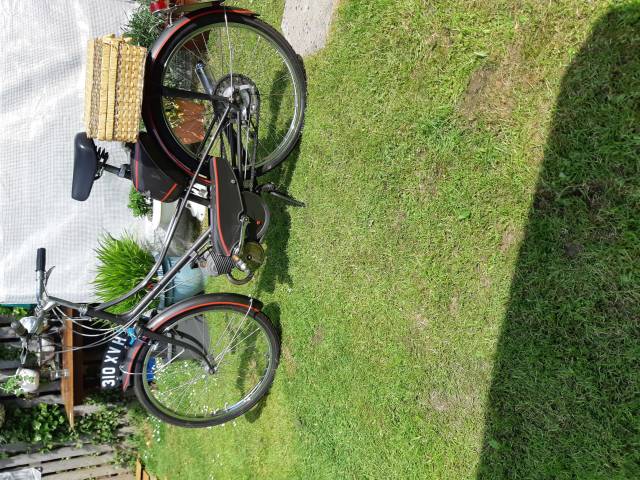
1958 | Motobécane Mobylette AV33
Mobecane MOBYLETTE AV33 de Luxe
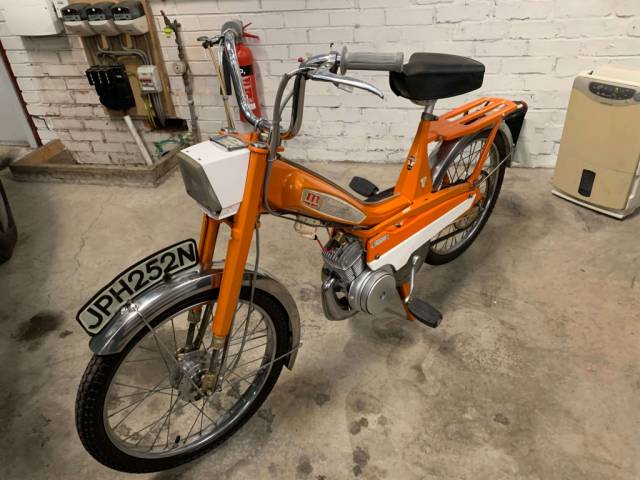
1974 | Motobécane Mobylette AV50
1974 Mobylette 50cc
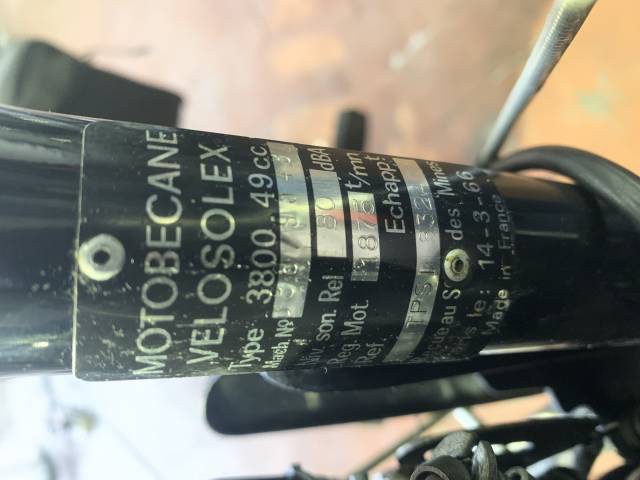
1966 | Motobécane Vélosolex Model 3800
Unico propietario 268 km
History & Heritage
The story of Motobécane is a cornerstone of European industrial history, representing the peak of French engineering for the masses. Founded in 1923 in Pantin, near Paris, by Charles Benoît, Abel Bardin, and financier Jules Benezech, the company quickly rose to become France's largest manufacturer of two-wheeled vehicles. The name itself is a clever play on words: "Moto" (motorcycle) and "Bécane" (French slang for bicycle). This philosophy of creating "motorised bicycles" that were as accessible and reliable as their pedal-powered counterparts guided the company for over sixty years.
In its early years, Motobécane focused on simple, robust machines. Their first model, the MB1 of 1923, was a 175cc two-stroke that set the standard for affordable transportation. During the 1930s, the company expanded its horizons, producing a wide range of motorcycles, including impressive 500cc and 750cc four-cylinder models with shaft drive. These machines were technically advanced and highly successful in endurance racing, notably at the Bol d'Or, where they proved their reliability under extreme conditions. To reach an even broader audience, the company introduced the Motoconfort brand in 1930, which offered technically identical models through a different dealer network.
The post-war era brought a shift in focus. Europe needed cheap, efficient transport to rebuild, and Motobécane responded with the Mobylette in 1949. This single model would go on to change the face of urban mobility. With over 14 million units produced until production finally ceased in 1997, the Mobylette became the world's most successful moped. In Great Britain, the Mobylette found a unique path through a licensing agreement with Raleigh. From 1960, Raleigh produced their own versions of the Mobylette, known as the Raleigh RM series, including the famous RM6 Runabout. This partnership made the French design a common sight on British roads, often serving as the first motorised transport for thousands of teenagers and commuters.
During the 1960s and 70s, Motobécane was at the height of its power, employing thousands and exporting to every corner of the globe. They also produced high-quality racing bicycles that were used in the Tour de France, further enhancing the brand's reputation for performance and quality. However, the late 1970s brought challenges in the form of fierce competition from Japanese manufacturers and a changing market. Despite efforts to modernise, Motobécane filed for bankruptcy in 1981. In 1984, Yamaha took over the remains of the company, rebranding it as MBK Industrie. While the Motobécane name faded from new showrooms, its legacy continues to thrive in the classic vehicle community.
Highlights & Features
The undisputed star of the Motobécane lineup is the Mobylette. Its success was built on a brilliantly simple technical concept: a 49cc two-stroke engine driving the rear wheel via a belt and chain. A key feature was the pivoting engine mount, which allowed for easy belt tensioning without complex mechanisms. The introduction of the Dimoby automatic centrifugal clutch made riding incredibly easy—just twist the throttle and go. This simplicity made it the perfect vehicle for the "Mod" era in Britain, where it served as a budget-friendly alternative to the more expensive Italian scooters.
Another cult classic is the Vélosolex, which Motobécane produced under license for Solex. With its engine mounted over the front wheel and a friction roller drive, it is one of the most distinctive vehicles ever made. In the UK, the Solex became a symbol of minimalist style and intellectual cool, often favoured by students and those who appreciated its quirky, efficient design. The 3800 model, produced from 1966 to 1988, remains the most popular version among British collectors today.
Market Prices in the UK (2024–2025):
- Mobylette 50V / AV88 / Raleigh RM series: In the UK, running examples in decent condition typically fetch between £350 and £850. Exceptionally well-restored models or rare early versions can reach £1,500 to £2,000. Raleigh-branded versions are particularly popular among British enthusiasts for their local heritage.
- Vélosolex 3800: The Solex remains a sought-after classic. Prices for a running machine start around £450. Fully restored examples with correct UK registration can command between £1,200 and £2,500.
- Early Motorcycles (e.g., D45, Z-series): These are rarer in the UK than on the continent. When they do appear, prices range from £2,000 to £5,000 depending on condition and rarity.
The appeal of Motobécane classics lies in their approachability. The technology is easy to understand for the home mechanic, and parts availability is excellent thanks to a dedicated network of specialists in France and a strong UK club scene. For many British riders, a Mobylette or a Raleigh Runabout represents a nostalgic link to their youth and a simpler time of motoring.
Technical Data
The following table provides an overview of the key Motobécane and Raleigh-licensed models that are of interest to collectors in the UK. These specifications highlight the evolution of the brand's most successful designs.
Technical Details: Most mopeds used the reliable Gurtner carburettor, which is simple but can be sensitive to modern ethanol-blended fuels. Ignition is typically via a flywheel magneto. Early models (pre-1978) used a 6-volt electrical system, which can result in dim lighting. Later models were upgraded to 12 volts, significantly improving reliability and visibility. A standout feature of many Mobylette models is the Variator (indicated by the "V" in model names like 50V), which provides a continuously variable transmission, making them much better at handling hills than fixed-gear mopeds.
Market Overview & Buying Tips
The UK market for Motobécane and Raleigh-licensed mopeds is active and friendly. While prices have risen in recent years, they remain an affordable way to enter the world of classic vehicle ownership.
What to look for when buying in the UK:
- Registration and Paperwork: Ensure the vehicle has a V5C registration document. Registering a moped without paperwork can be a lengthy process involving the DVLA and owners' clubs. Check that the frame and engine numbers match the document.
- Frame Condition: The pressed steel frames of the Mobylette and Raleigh models are prone to rust, especially in the hollow sections and around the engine mounts. Since the fuel tank is often integrated into the frame, check for internal rust which can lead to leaks and carburettor issues.
- Engine Health: A two-stroke engine that has been sitting for years will likely need new crank seals and a thorough carburettor clean. Check for good compression by turning the engine over by hand or using the pedals.
- Originality: Many mopeds were modified in the 1970s and 80s. Original parts like the correct headlamps, speedometers (often by Huret), and badges are becoming harder to find and can be expensive to replace.
- Vélosolex Specifics: On a Solex, the friction roller is the most critical part. If it is worn or oily, it will slip on the tyre, especially in the wet. Also, check the fuel pump diaphragm, as these often perish over time.
Restoration Costs: A basic mechanical recommissioning (tyres, cables, brakes, carb clean, and ignition service) will cost around £300 to £500 if you do the work yourself. A full professional restoration, including paintwork and an engine rebuild, can easily exceed £1,500. Given the market value of many models, a full restoration is often a labour of love rather than a financial investment.
Parts Availability: Parts for the Mobylette and Vélosolex are surprisingly easy to find. There are several UK-based specialists, and many parts can be ordered directly from France. Raleigh-specific parts (like certain trim pieces or badges) can be more challenging but are often available through dedicated Raleigh owners' clubs.
Riding Experience & Performance
Riding a Motobécane is an exercise in "slow motoring" and pure enjoyment. When you mount a Mobylette, you are not just riding a moped; you are experiencing a piece of history. Acceleration is gentle, and the top speed of around 30 mph is perfectly suited for quiet country lanes or urban commuting. On steep hills, you may need to provide some "pedal assistance," which adds to the charm and involves the rider in the mechanical process. The engine produces a characteristic two-stroke "pop-pop" sound that is instantly recognisable.
The handling is light and agile, thanks to the low weight (often under 50 kg). The Mobylette can be flicked through traffic with ease. Braking is handled by small drum brakes, which are adequate for the speed but require a proactive riding style. Comfort varies by model; early versions with rigid frames rely on the tyres for suspension, while later models with telescopic forks and rear shocks offer a surprisingly smooth ride.
The Vélosolex offers a completely different experience. The front-wheel drive pulls the bike along, and the steering feels heavier due to the weight of the engine on the forks. It is a vehicle for the flat and for short distances—a true "genussmittel" (pleasure tool) that never fails to draw a crowd and start a conversation.
Design & Accessories
Motobécane design was always a blend of French elegance and practical simplicity. The Mobylette, with its flowing lines and integrated tank, is a classic of industrial design. The "Bleu Motobécane" colour is particularly iconic and remains the most popular choice for restorers.
Popular Accessories:
- Panniers: Classic leather or canvas bags are both practical and stylish, enhancing the vintage look.
- Windshields: Large Perspex screens were a popular period accessory, offering protection from the British weather.
- Leg Shields: These metal fairings gave the moped a more substantial, scooter-like appearance and kept the rider's legs dry.
In the UK, many owners choose to keep their machines in "oily rag" condition, preserving the original patina, while others go for a full "concours" look with gleaming paint and chrome.
Other
Cultural Significance in the UK: In Great Britain, the Motobécane and Raleigh RM series played a vital role in the mobility of the 1960s and 70s. They were the "first wheels" for a generation, providing freedom and independence. While they didn't have the high-fashion status of the Vespa or Lambretta, they were respected for their reliability and ease of use. Today, they are celebrated at vintage moped rallies and classic vehicle shows across the country.
The connection to Raleigh is particularly important in the UK. Raleigh was a household name, and their adoption of the Motobécane design gave it a level of trust and familiarity that helped it succeed in a competitive market.
Summary
Motobécane offers a wonderful and affordable entry into the world of classic motorcycles. Whether you choose a charming Mobylette, a British-built Raleigh Runabout, or a quirky Vélosolex, you are buying into a legacy of simple, honest engineering and timeless style.
For the UK buyer, these machines are easy to live with, cheap to run, and provide an immense amount of fun. With a strong community of enthusiasts and good parts support, there has never been a better time to discover the joy of Motobécane. Look for a machine with good paperwork and a solid frame, and you'll have a classic that will provide years of smiles and reliable service. Motobécane is more than just a moped; it's a piece of social history on two wheels.