Mercedes-Benz SL-Class Classic Cars for Sale
From the 300 SL Gullwing to the V12-powered R129, the Mercedes-Benz SL-Class combines sports-car engineering with grand touring comfort. Its history spans distinctive designs, including the W113 Pagoda and the long-running R107 roadster.
Search results
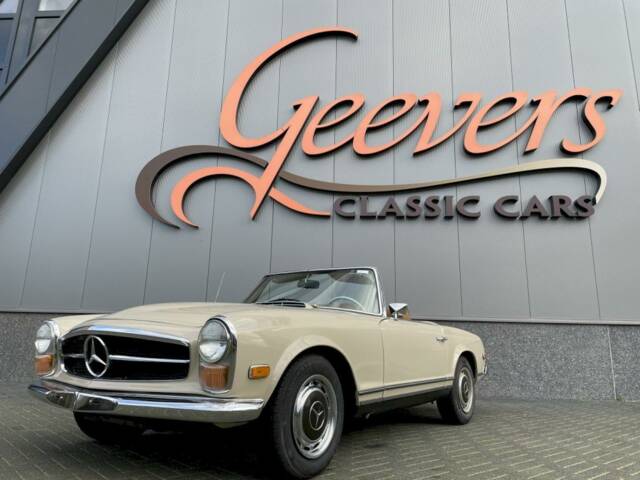
1970 | Mercedes-Benz 280 SL
Mercedes Benz 280SL Pagode 2 tops Cabriolet

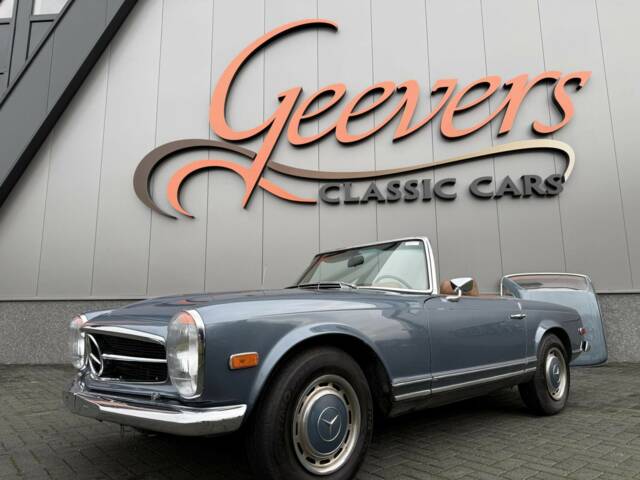
1969 | Mercedes-Benz 280 SL
Mercedes Benz 280SL Pagode automatic met hardtop
Auctions ending soon

Loading…
Loading…
Loading…
Loading…
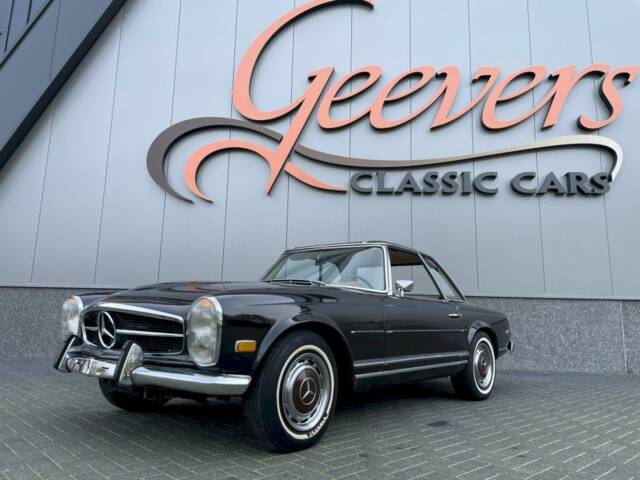
1969 | Mercedes-Benz 280 SL
Mercedes Benz 280SL Pagode 2 tops Cabriolet
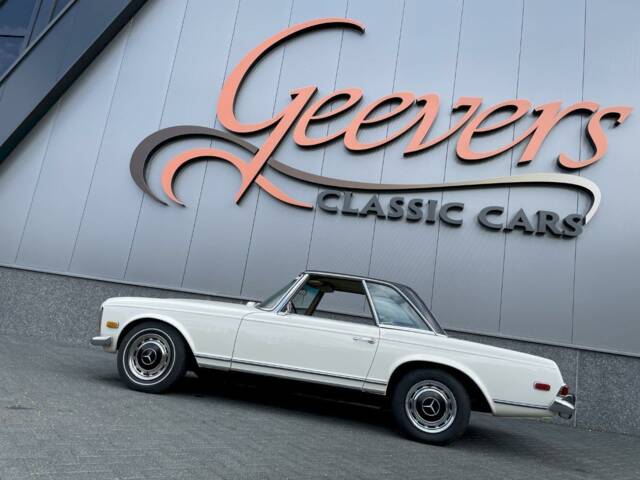
1969 | Mercedes-Benz 280 SL
Mercedes Benz 280SL Pagode automatic Cabriolet
Newsletter
The best Mercedes-Benz listings, straight to your inbox
Get hand-picked Mercedes-Benz listings, plus the best of cars, motorbikes, and auctions on Classic Trader — all in one place.
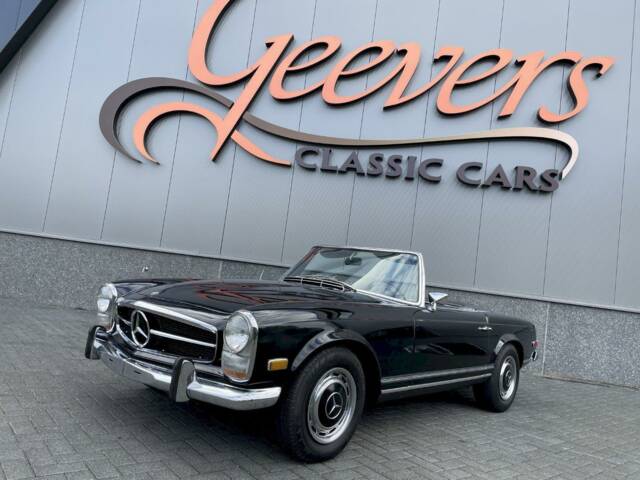
1968 | Mercedes-Benz 280 SL
Mercedes Benz 280SL Pagode automatic 2 tops Cabriolet
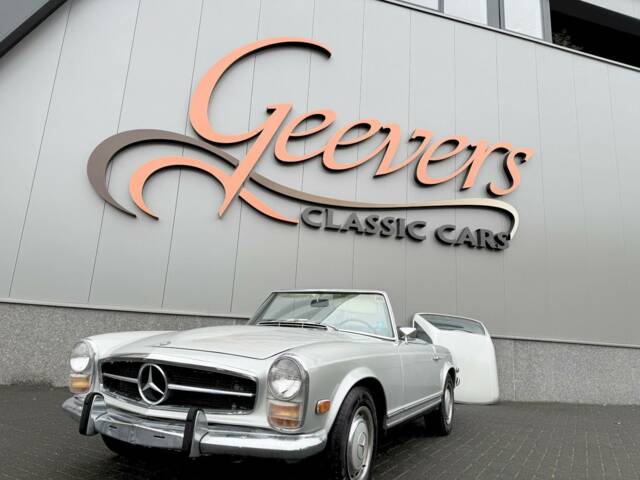
1969 | Mercedes-Benz 280 SL
Mercedes Benz 280SL Pagode automatic 2 tops Cabriolet
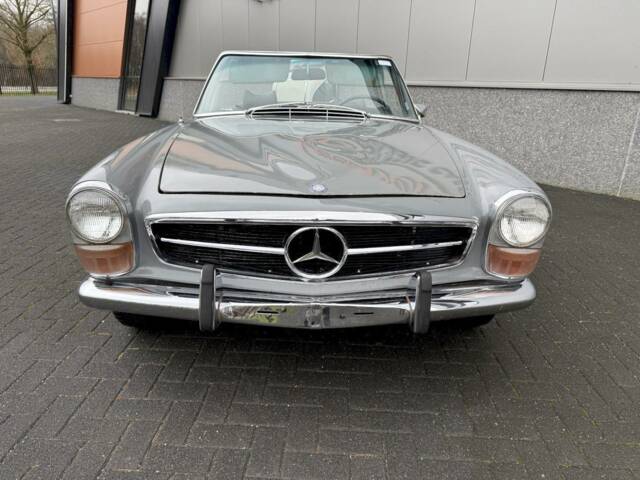
1970 | Mercedes-Benz 280 SL
Mercedes Benz 280SL Pagode automatic 2 tops Cabriolet
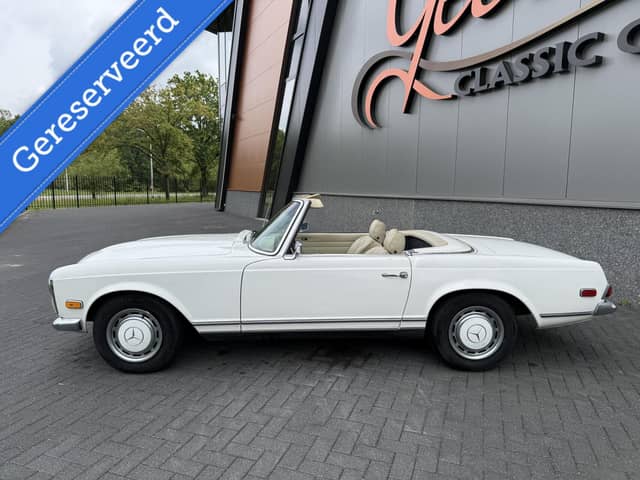
1969 | Mercedes-Benz 280 SL
Mercedes Benz 280SL Pagode automatic 2 tops Cabriolet
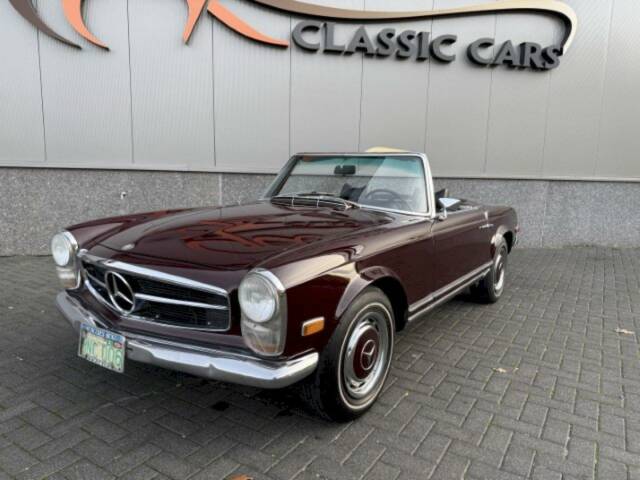
1969 | Mercedes-Benz 280 SL
Mercedes Benz 280SL Pagode handgeschakeld 2 tops Cabriolet
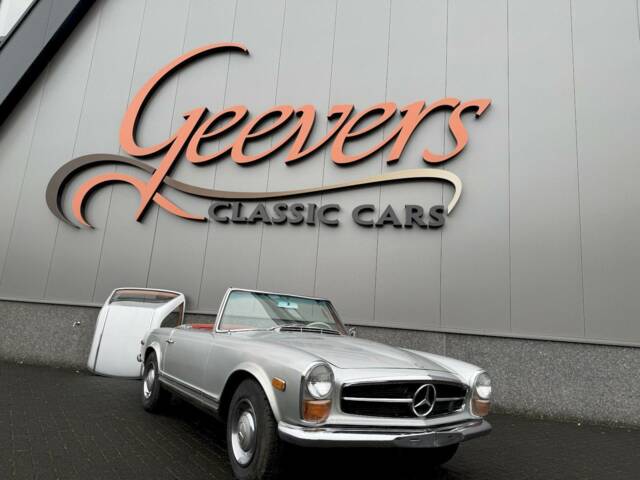
1965 | Mercedes-Benz 230 SL
Mercedes Benz 230SL Pagode
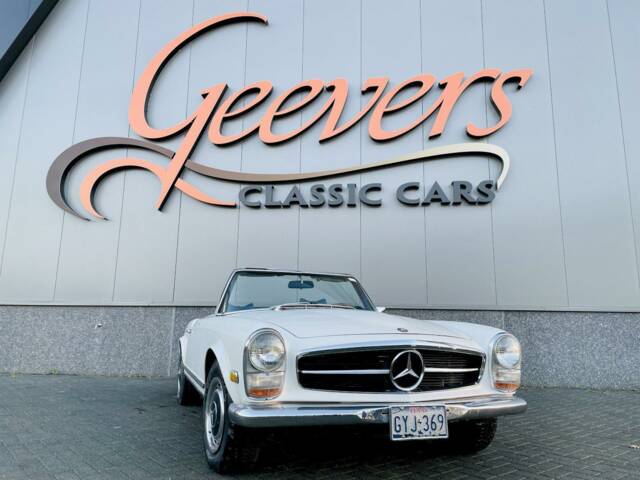
1969 | Mercedes-Benz 280 SL
Mercedes Benz 280SL Pagode automatic Cabriolet
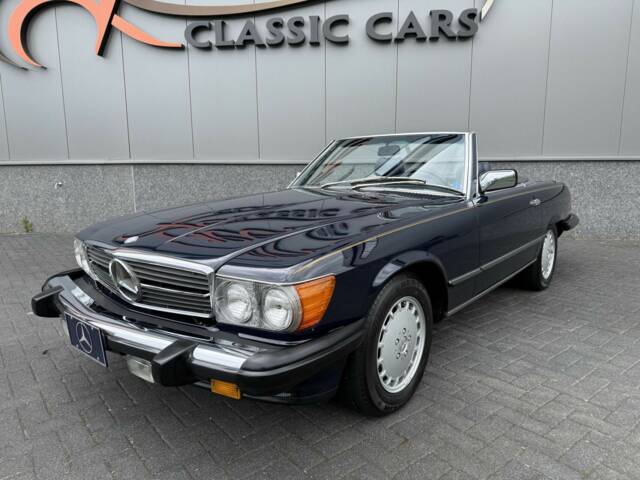
1986 | Mercedes-Benz 560 SL
Mercedes R107 560SL
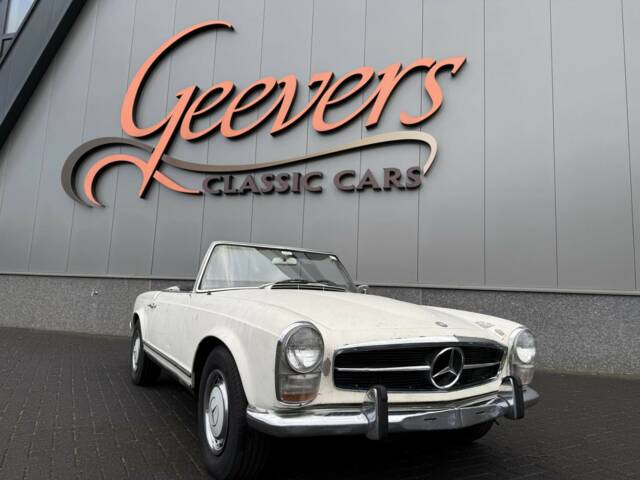
1966 | Mercedes-Benz 230 SL
Mercedes Benz 230SL Pagode
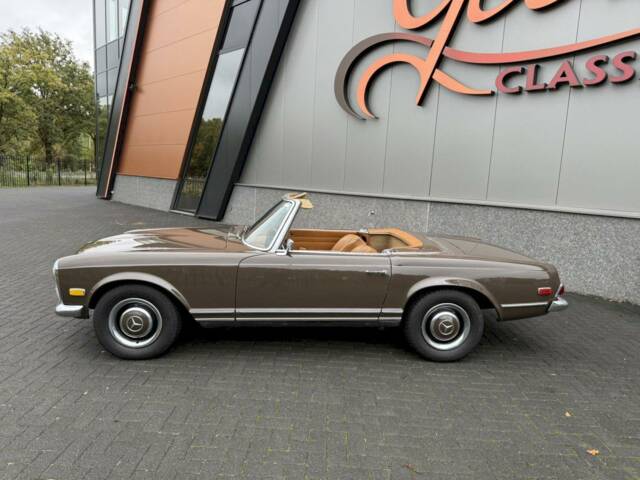
1968 | Mercedes-Benz 250 SL
Mercedes Benz 250SL Pagode
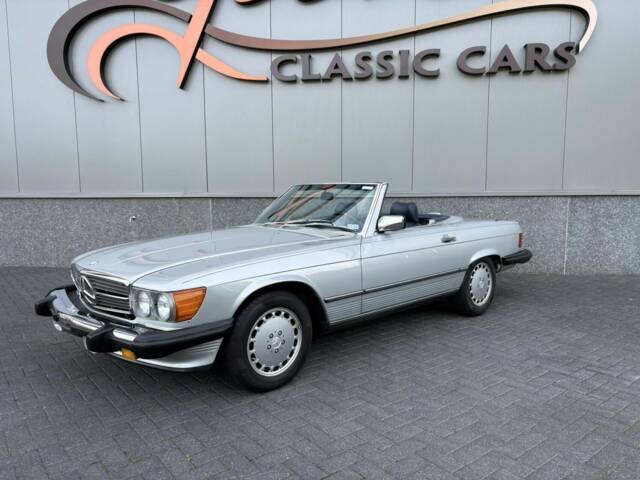
1986 | Mercedes-Benz 560 SL
Mercedes R107 560SL
Mercedes-Benz SL-Class Classic Cars: Prices & Market Values
The History of the Mercedes-Benz SL-Class
The SL story began on the racetrack with the W194, which won the 24 Hours of Le Mans and the Carrera Panamericana in 1952. Mercedes-Benz brought the concept to the road in 1954 with the 300 SL Gullwing coupé, followed by the 300 SL Roadster in 1957.
The initials SL have been interpreted as both Super-Leicht and Sport-Leicht: super-light or sports-lightweight. The less expensive 190 SL offered a different take on the idea, pairing styling reminiscent of the 300 SL with a 1.9-litre four-cylinder engine.
Mercedes-Benz SL-Class Generations
- W198 300 SL: The Gullwing coupé was built from 1954 to 1957; the Roadster followed until 1963.
- W121 190 SL: Produced from 1955 to 1963, this four-cylinder roadster offered a more accessible alternative to the 300 SL.
- W113 Pagoda: The 230 SL, 250 SL and 280 SL replaced the earlier cars in 1963. Production continued until 1971.
- R107 SL and C107 SLC: The R107 roadster ran from 1971 to 1989, alongside the longer-wheelbase SLC coupé.
- R129 SL: Produced from 1989 to 2001, it introduced an automatically deploying roll bar and an electro-hydraulic soft top.
- R230 SL: Built from 2001 to 2011, it replaced the R129’s soft top with a retractable Vario Roof.
- R231 SL: Introduced in 2011, the R231 continued the SL roadster line.
What Makes the Mercedes-Benz SL-Class Distinctive?
The 300 SL Gullwing’s upward-opening doors distinguish the original road-going coupé, while the 300 SL Roadster uses conventional doors. The W113 earned its Pagoda nickname from its slightly concave removable hardtop.
The W113 also brought a rigid passenger cell and crumple zones to the Mercedes roadster. The later R129 added an automatically deploying roll bar, combining open-top motoring with a further safety feature.
Mercedes-Benz SL-Class Technical Data
Mercedes-Benz SL AMG Models
AMG produced several high-performance SL variants. The SL 73 AMG was built in a stated run of just 85 cars and used a V12 producing 525 bhp. The SL 60 AMG employed a 6.0-litre V8, while the SL 70 AMG used a 7.0-litre V12.
What to Check When Buying an SL-Class
Check that the roof equipment supplied with the car operates as intended: an R129’s electro-hydraulic soft top and an R230’s retractable Vario Roof are very different systems. On a W113 or R107 with a removable hardtop, check its fit and condition as well as that of the soft top.
Confirm the specification against the car’s documentation, including its engine, transmission and any removable hardtop. Equipment, bumpers, lighting and emissions hardware can differ between European, US and Japanese-market cars.
Engines, Gearboxes and Driving Character
The SL range encompasses the 190 SL’s four-cylinder roadster layout, the W113’s straight-six engines and the R107’s six-cylinder and V8 choices. The R129 added a 6.0-litre V12 in the 600 SL and SL 600, producing around 394 hp.
Manual and automatic gearboxes were offered on W113 and R129 models. Many R107s were automatic, although manual versions were also available. The R129’s traction-control technology and the R230’s Active Body Control illustrate the increasing role of electronics and hydraulics in later SLs. 1. 190 SL: A 1.9-litre four-cylinder roadster with around 105 hp and a four-speed manual gearbox. 2. 280 SL Pagoda: A 2.8-litre straight-six roadster producing around 170 hp. 3. 450 SL R107: A 4.5-litre V8 model, mainly paired with an automatic gearbox. 4. SL 500 R129: A 5.0-litre V8 model producing approximately 320–326 hp, according to year and market.
SL-Class Design and Equipment
The W113 Pagoda, designed by Paul Bracq and Béla Barényi, takes its nickname from the shape of its hardtop; many cars also have aluminium roofs and boot lids. The R107 adopted broader lines and chrome trim, while the R129 brought a more modern shape associated with Mercedes-Benz designer Bruno Sacco.
R107 equipment could include leather seats, air conditioning, electric windows, a Becker radio and a hardtop with a heated rear window. R129 removable hardtops were generally body-coloured, with a panoramic glass roof offered on some cars.
Which Mercedes-Benz SL-Class Is Right for You?
The 190 SL offers four-cylinder roadster motoring, while the W113 adds straight-six power and its distinctive Pagoda hardtop. For V8 touring, the R107 and R129 provide a broad choice; the R129 also offers V12 power. The R230 adds the convenience of a folding hardtop. When comparing cars, establish which roof equipment and documentation accompany the vehicle.
FAQs
Why are Mercedes-Benz SL classics so popular?
Mercedes-Benz SL classics offer a unique blend of luxury, driving pleasure, and timeless design, making them one of the most sought-after classic car series globally. Since the debut of the first model, the 300 SL "Gullwing" in the 1950s, they have stood for innovative engineering. Their motorsport heritage, especially successes in international races and rallies, further enhances their legendary status.
How can I find spare parts for Mercedes-Benz SL classic cars?
Mercedes-Benz continues to offer original spare parts for many SL models. Additionally, there are numerous specialized dealers that provide rare parts. The strong community of SL enthusiasts and specialized clubs worldwide facilitates the exchange of knowledge and resources, aiding in the maintenance and restoration of these classics.
What should be considered when buying a Mercedes-Benz SL classic car?
When purchasing a Mercedes-Benz SL classic, it's crucial to focus on the condition, authenticity, and maintenance history of the vehicle. The availability of spare parts is also important. A well-documented service book that records all maintenance work can provide insight into the car's upkeep and any potential restoration costs.