- Car
- Mercedes-Benz
- Mercedes-Benz 220 (47 offers)
Mercedes-Benz 220 classic cars for sale
The Mercedes-Benz 220 stands as a symbol of automotive craftsmanship, technical innovation, and varied luxury spanning from its post-war beginnings in the early 1950s to the classic designs of the 1960s. Models like the W187, W180, and W111 have each left a unique mark on Mercedes history – from hand-built cabriolets and rare coupés to advanced safety features and distinctive luxury equipment.
Search results
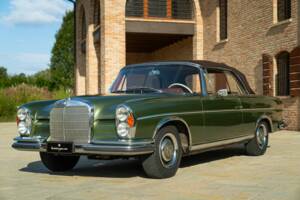
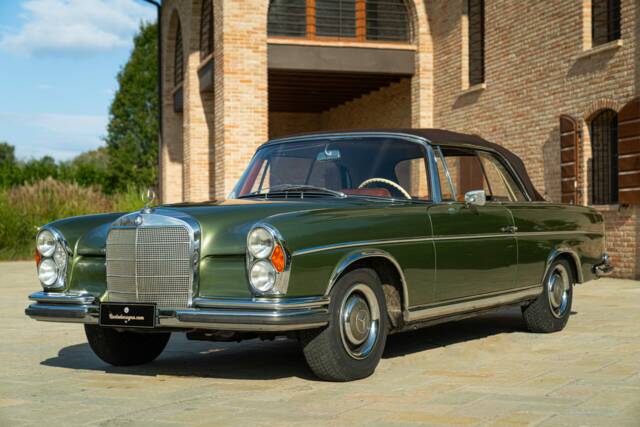
1964 | Mercedes-Benz 220 SE b
Mercedes-Benz 220 SE CABRIOLET

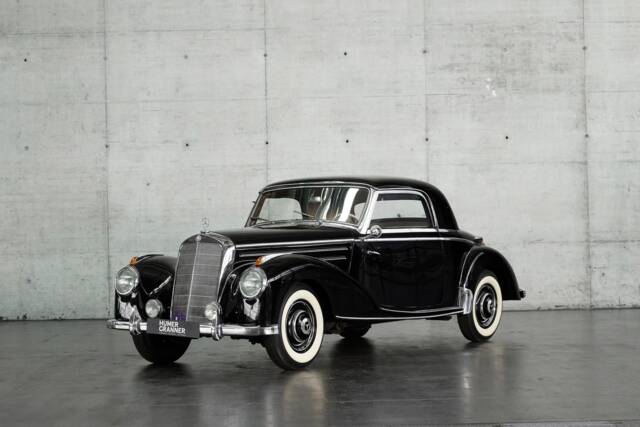
1954 | Mercedes-Benz 220 Coupe
1954 Mercedes-Benz 220 Coupé. Im Auktionsverkauf. Schätzwert: 45.000 € - 65.000 €. Ohne Mindestpreis!

Auctions ending soon

Loading…
Loading…
Loading…
Loading…
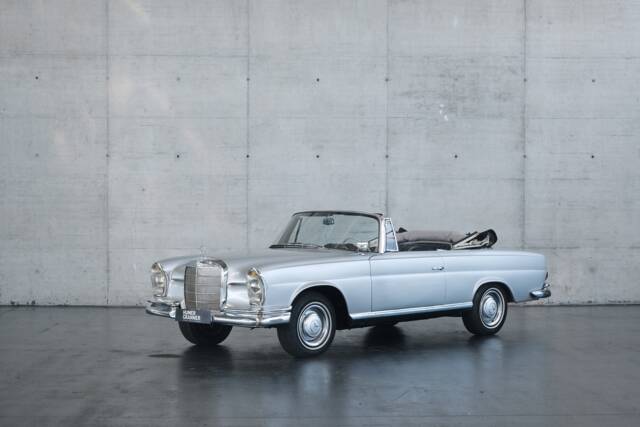
1962 | Mercedes-Benz 220 SE b
1962 Mercedes-Benz 220 SEb Cabriolet. Im Auktionsverkauf. Schätzwert: 40.000 € - 60.000 €. Ohne Mindestpreis!
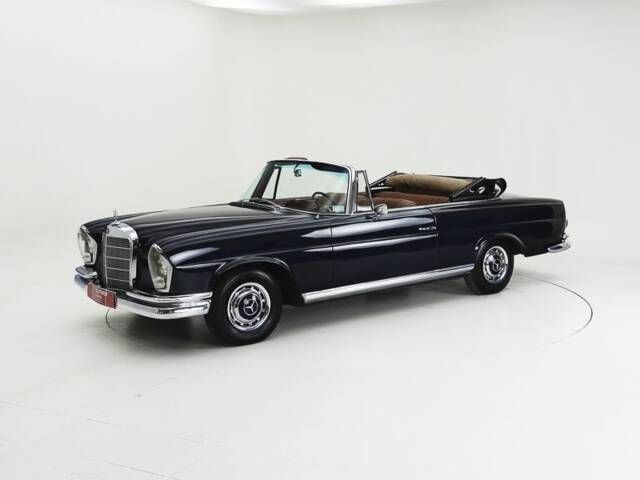
1964 | Mercedes-Benz 220 SE b
1964 Mercedes-Benz 220 SE Cabriolet '64

Newsletter
The best Mercedes-Benz listings, straight to your inbox
Get hand-picked Mercedes-Benz listings, plus the best of cars, motorbikes, and auctions on Classic Trader — all in one place.
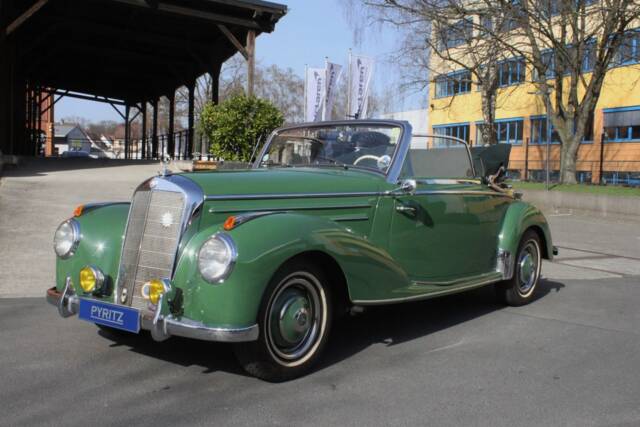

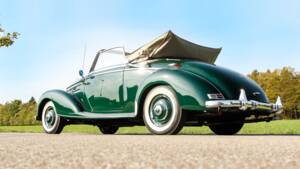
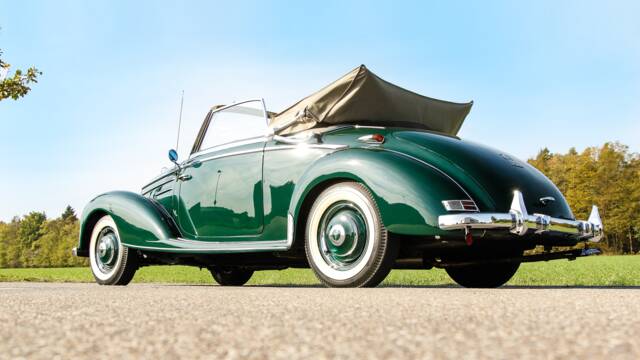
1952 | Mercedes-Benz 220 Cabriolet A
Mercedes-Benz 220A Cabriolet W187
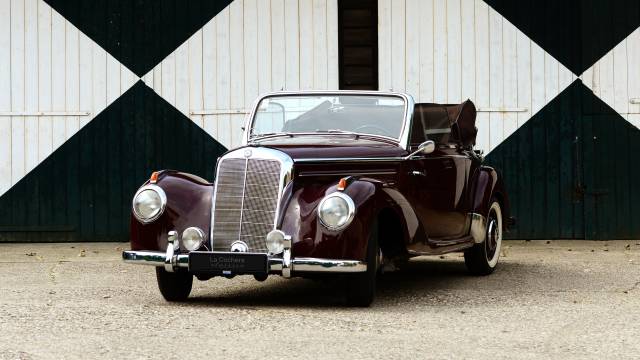
1953 | Mercedes-Benz 220 Cabriolet A
restored to the original condition !!!
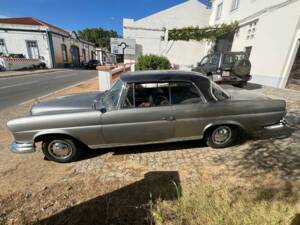
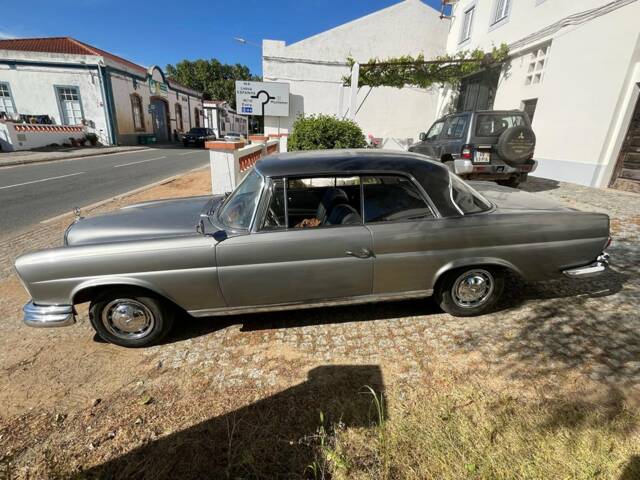
1961 | Mercedes-Benz 220 SE b
Mercedes-Benz 220 SEb Coupé | 1961 | Route 66 Auctions - For sale by auction. Estimate 21600 EUR

1963 | Mercedes-Benz 220 SE b
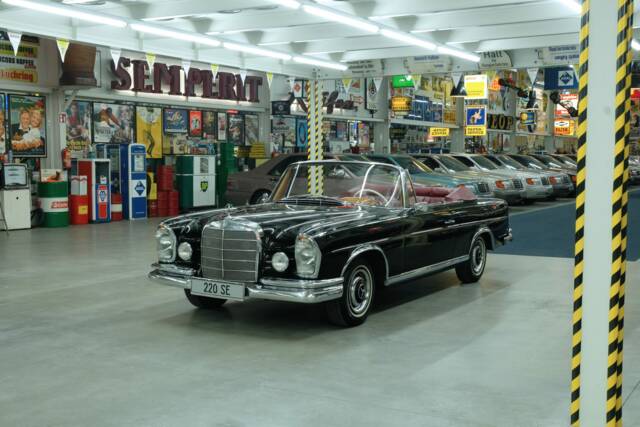
1963 Mercedes-Benz 220 SEb Cabriolet · schwarz · 92.000 km · Automatic · No reserve
1961 | Mercedes-Benz 220 SE b
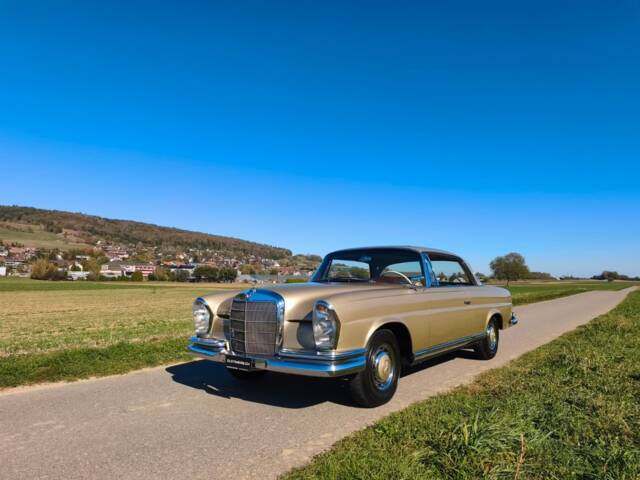
Dream classic – Swiss delivery – MFK 09.2023 Veteran!

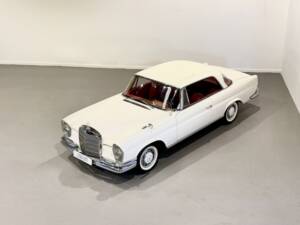
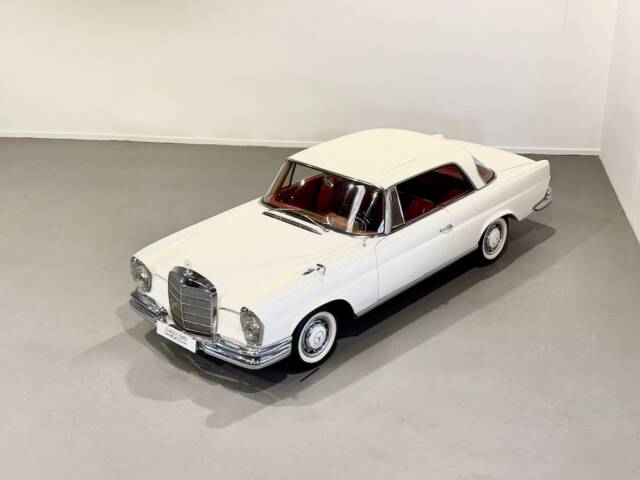
1963 | Mercedes-Benz 220 SE b
Mercedes-Benz Coupé | Year of manufacture 1963 | approx. 48,000 km | Former diplomatic vehicle | Red leather upholstery
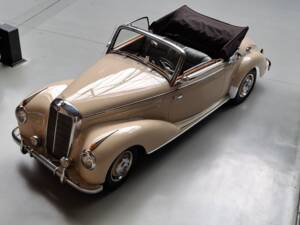
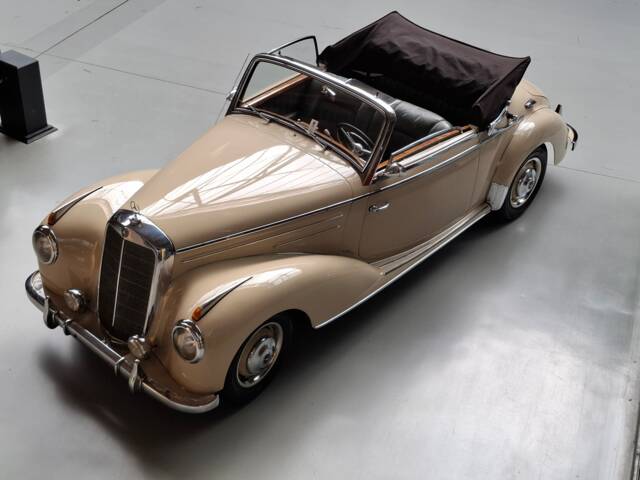
1953 | Mercedes-Benz 220 Cabriolet A
In family ownership since 1965
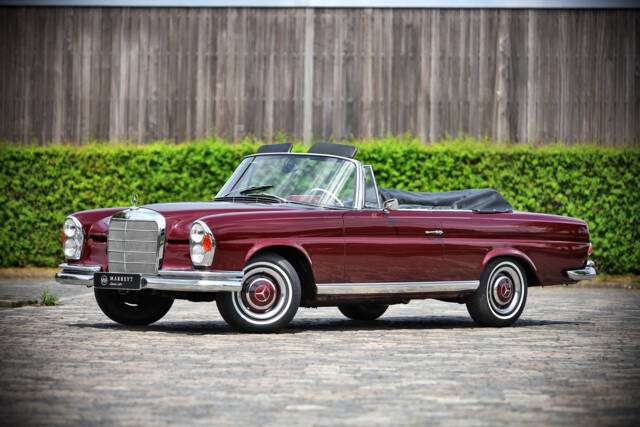
1961 | Mercedes-Benz 220 SE b
Early example in restored condition - Condition 1-

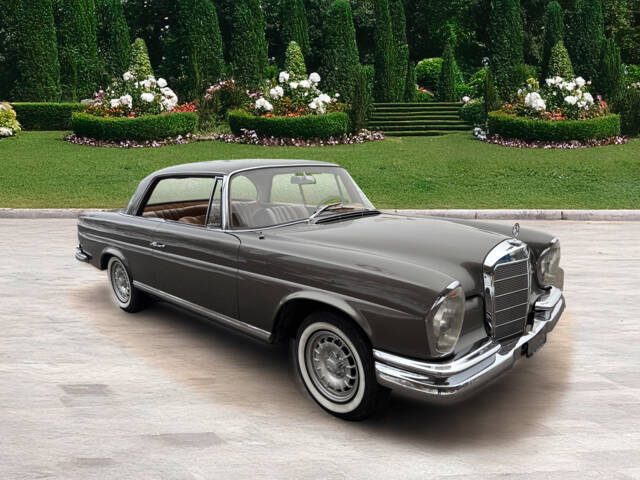
1964 | Mercedes-Benz 220 SE b
Ab MFK mit Veteranen-Zulassung
VAT is reclaimable
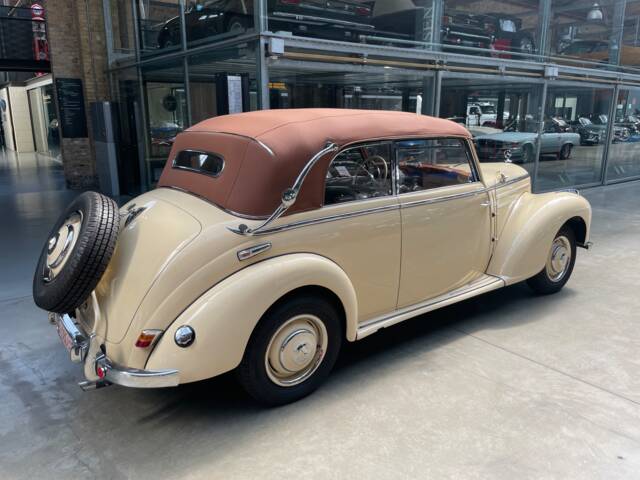
Mercedes-Benz 220 Classic Cars: Prices & Market Values
The market value of Mercedes-Benz 220 classic cars is primarily determined by the specific manufacturer code and variant, as well as technical condition, originality and mileage. Additional factors include rarity, history and documentation. A well-maintained, largely original vehicle with low, verifiable mileage and complete history including appraisals and documentation typically achieves significantly higher prices than a comparable vehicle with deferred maintenance, many modifications or unclear provenance.
Mercedes-Benz 220: Market Prices & Value Trends
Classic Trader marketplace data from January 2021 to January 2026 shows a broadly stable-to-firm market for the Mercedes-Benz 220 family, with values mainly driven by body style and provenance rather than short-term swings. In Europe (especially Germany, the Netherlands and Belgium), the most commonly seen 220 SEb saloons from the early-to-mid 1960s (typically 120 hp) cluster around roughly €45,000 to €120,000 for well-presented cars, while project-grade examples occasionally appear below that and should be treated as outliers. At the top end, rarer open cars such as the 220 Cabriolet A and B (early 1950s) regularly sit in a much higher bracket, most often around €110,000 to €180,000 in the current dataset, reflecting restoration costs, scarcity and collector demand for factory cabriolets. Overall, today’s market rewards documented history, original specification and high-quality restoration, helping the best cars to hold their ground and gently appreciate, while average-condition saloons remain more price-sensitive.
History of the Mercedes-Benz 220
The Mercedes-Benz 220 series began in 1951 with the W187, a car that marked both the German automotive industry's recovery and a technological leap forward in post-war Europe. Debuting at the Paris Motor Show, the W187 was presented as an executive saloon, coupé, and convertible, each radiating class and solid engineering. Its introduction of a six-cylinder engine with an overhead camshaft brought notable performance improvements over the pre-war 170 S.
The 220 line mirrored the social and economic landscape of the era: the Ponton models (W180/W128) reflected Germany's mid-century optimism, sporting self-supporting bodies and pioneering suspension designs. By the late 1950s, upper-class aspirations and growing exports influenced design cues and technical progress. The W111 'Große Flosse' (Big Fin) models continued this path, introducing crumple zones and safety cells, a testament to Mercedes' commitment to advanced engineering and safety.
Model History
The Mercedes-Benz 220 lineage is complex, with several distinct model generations. The earliest, the W187 (1951-1955), drew heavily on the 170 S, yet distinguished itself with a new 2.2L inline-six M 180 engine and integrated fender headlights. The W180 (1954-1959) – known as the 'Ponton' – brought innovations like a swing axle and was offered as 220a, 220S, and 220SE. Variants included sedans, coupés, and cabriolets, each with escalating trim and performance.
The W128 (1958-1960) amplified luxury, offering fuel injection on the 220SE. From 1959, the W111 series introduced the iconic tail fins and framed the new face of the Mercedes upper class. Later, the W115 (1968-1973) and even compact W202 C220 (1994–1997) show how the 220 badge evolved as a symbol of Mercedes-Benz craft, balancing luxury with technical evolution.
Highlights of the Mercedes-Benz 220
What sets the Mercedes-Benz 220 apart is its commitment to luxury, safety, and engineering at every stage. The W187 introduced the overhead camshaft six-cylinder engine; the W180/W128 featured a self-supporting 'Ponton' body and pioneering rear suspension derived from Formula One. The W111 further raised the bar with crumple zones, robust passenger safety cells, and available power steering and automatic transmissions. Interiors across the range showcased high-grade leather, rich wood veneers, and comprehensive instrumentation, underlining the craftsmanship involved – especially in hand-built coupés and cabriolets.
Technical Data
Special Editions and Collectible Models
Hand-built versions, especially Cabriolet A, Cabriolet B, and Coupé of the W187 (with only about 85 Coupé examples made), are among the rarest post-war Mercedes cars. The W111 220SEb Coupé and Cabriolet were also produced in limited numbers and represented the final hand-crafted models of the era. Rare factory 'Tropen' versions with enhanced cooling for export markets, as well as full sets of original accessories (like matched suitcase sets and Becker radios), further distinguish collector cars.
Engine and Performance, Transmission and Handling
Performance varied significantly by model and year. The W187’s 2.2L inline-six delivers 80–85 PS, allowing speeds up to 150 km/h – impressive for the early 1950s. The 220S/220SE (W180/W128) improved on this, with twin carburettors or fuel injection, and stronger braking systems. The W111 220SEb achieved up to 120 PS and up to 180 km/h, with advanced ride quality thanks to independent suspension and optional power steering. Coupés and cabriolets are heavier, which subtly impacts dynamism but enhances comfort and stability.
Popular 220 models for collectors include:
- W187 Coupé – extremely rare, hand-built luxury.
- W187 Cabriolet A/B – exclusive, open-top experience.
- W111 220SEb Coupé/Cabriolet – high performance, safety innovations, and last of the handcrafted Mercedes-Benz era. undefined
Interior, Comfort, Exterior and Design
Design across 220 models varies from pre-war elegance (W187), with chromed bumpers and deep fenders, to the smooth 'Ponton' lines of the W180 and the distinctive tail fins of the W111. Interiors feature authentic leathers (red, cognac, green), genuine wood trims (walnut, rosewood), and distinct analog gauges. Options included period-correct Becker or Telefunken radios, whitewall tyres, chrome detailing, and matched suitcase sets. The W111 introduced refined elegance with a wider cabin, advanced safety, and user-focused ergonomics – its Paul Bracq-penned lines are unmistakable. Special accessories such as factory-fitted radios, Hirschmann antennas, or bespoke luggage enhance the period-correct appeal.
Other Notable Details
Original documentation (operating manuals, data cards, period service booklets) adds significant value for enthusiasts. Many surviving cars remain true to factory records (matching numbers), and the existence of seldom-seen special editions or export models (such as 'Tropen' versions) further deepen the historical story. Period colours like black, stone grey, or cream underscore the prestige, and H-plates (historic registration in Germany) confirm originality and collector status.
Summary
The Mercedes-Benz 220 series forms a key chapter in the marque’s post-war and luxury legacy, with engineering and design advances visible from each generation. High-specification equipment, innovation in ride comfort and safety, and the presence of hand-built, limited-production examples place these cars among the stand-out classics for enthusiasts and collectors. Whether W187, Ponton, or W111, a 220 offers history, substance, and unmistakable Mercedes-Benz character.