- Car
- Mercedes-Benz
- Mercedes-Benz E-Class (96 offers)
Mercedes-Benz E-Class Classic Cars for Sale
The Mercedes-Benz E-Class stands for engineering precision and ground-breaking safety in the executive car segment. This model line, especially the W124 series, set new standards in comfort, reliability, and versatility across saloon, estate, coupé, and cabriolet bodystyles. With a wide spectrum of robust engines and a reputation for long-term durability, the E-Class remains a preferred choice among enthusiasts seeking a blend of sophistication and everyday usability.
Search results
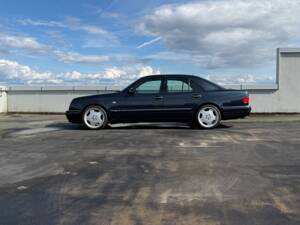
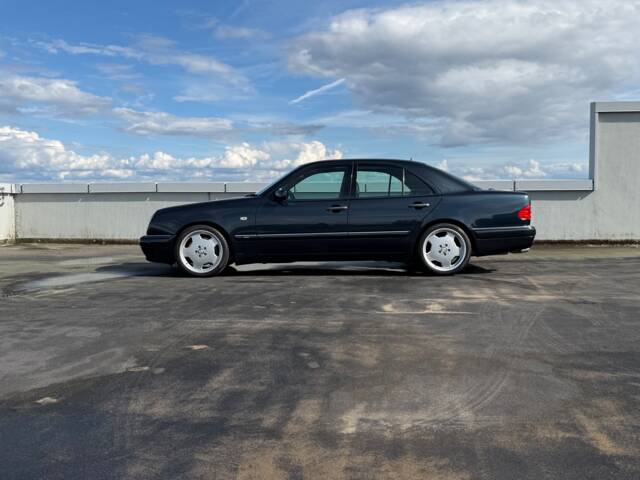
1997 | Mercedes-Benz E 50 AMG
**Designo**Rostfrei**Unikat**Neuwertig**Note2**

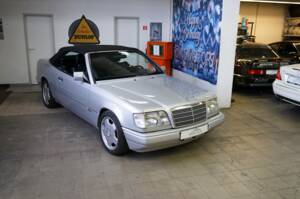
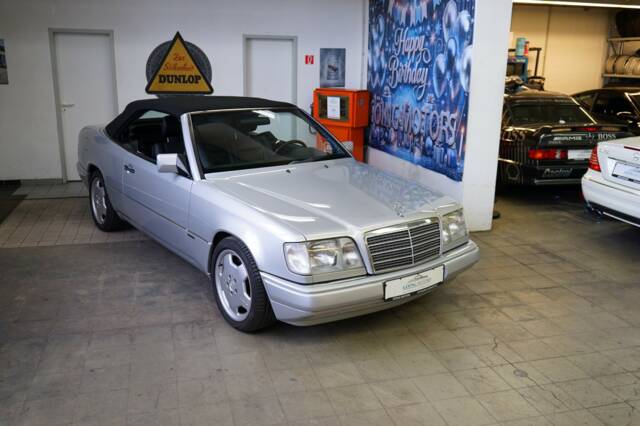
1997 | Mercedes-Benz E 320 "Final Edition"
E500 / E55 AMG 8-CYLINDER REBUILD
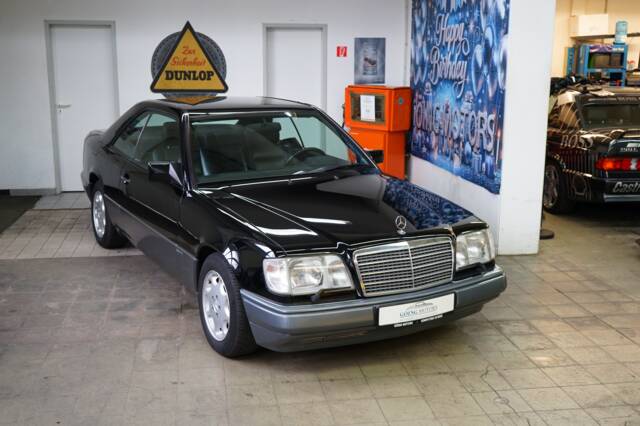
1993 | Mercedes-Benz E 320
040 Black / Sportline
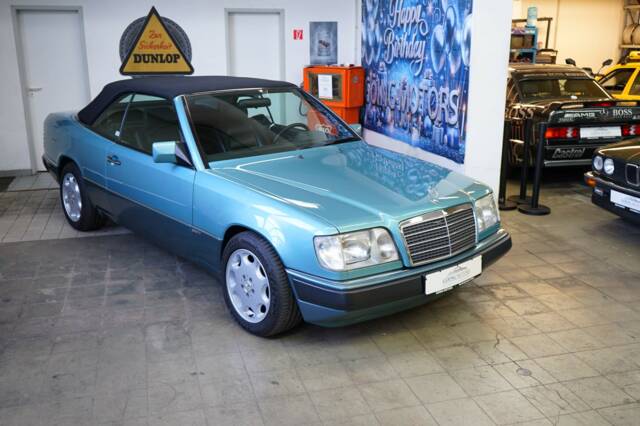
1993 | Mercedes-Benz 300 CE-24
Sportline
Newsletter
The best Mercedes-Benz listings, straight to your inbox
Get hand-picked Mercedes-Benz listings, plus the best of cars, motorbikes, and auctions on Classic Trader — all in one place.
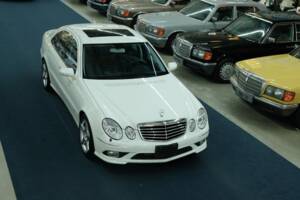
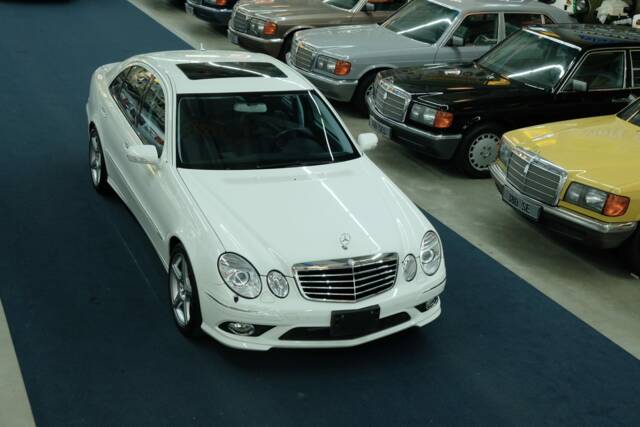
2007 | Mercedes-Benz E 500
2007 Mercedes-Benz E 550 · calcitweiß · 41.000 km · Automatic · No reserve

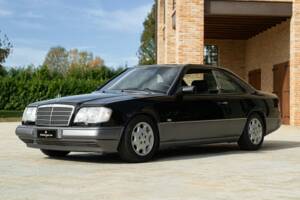
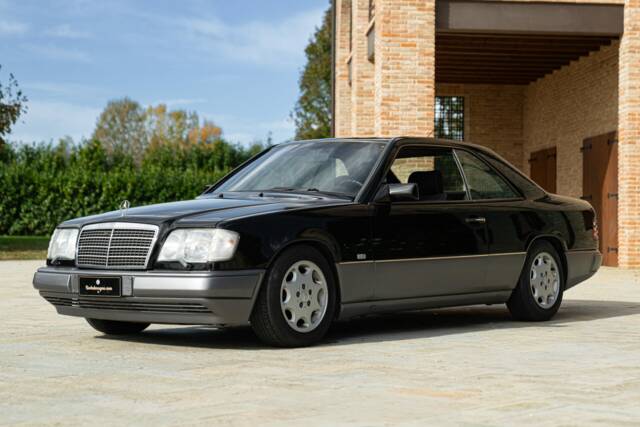
1990 | Mercedes-Benz 200 CE
Mercedes-Benz CE 200 COUPE'

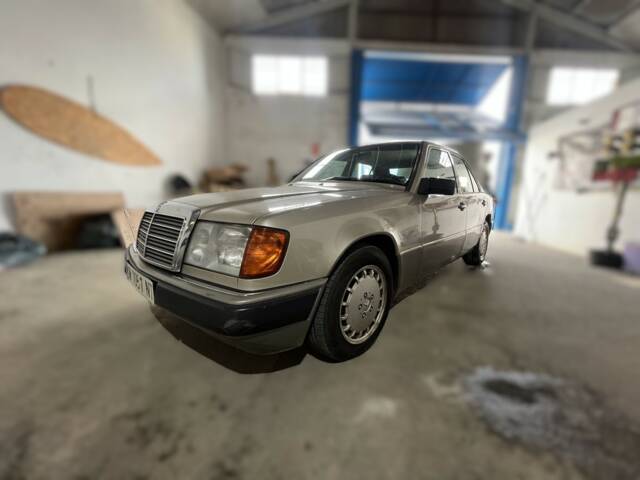
1992 | Mercedes-Benz 300 E-24
Mercedes-Benz 300 E-24 | 1992 | Route 66 Auctions - For sale by auction. Estimate 6000 EUR

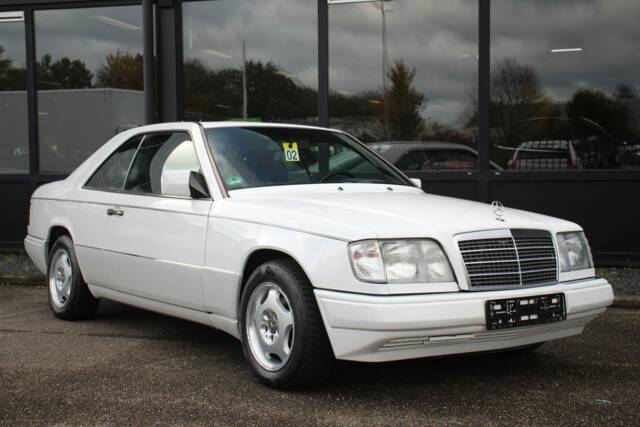
1993 | Mercedes-Benz 220 CE
Mercedes-Benz 220 CE | 1993 | Route 66 Auctions - For sale by auction. Estimate 4200 EUR
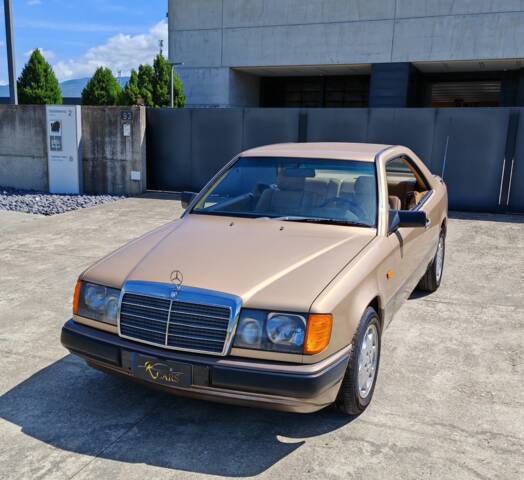
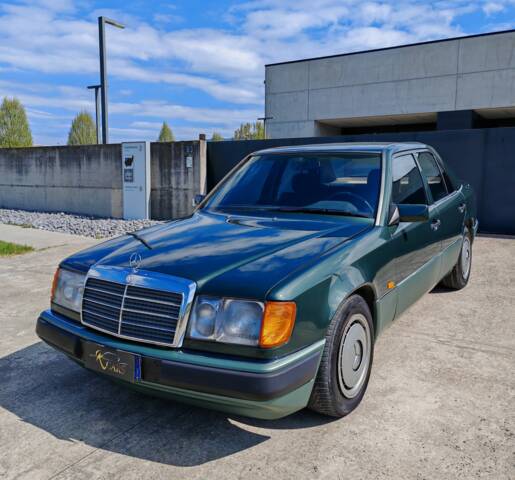
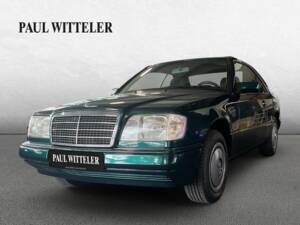
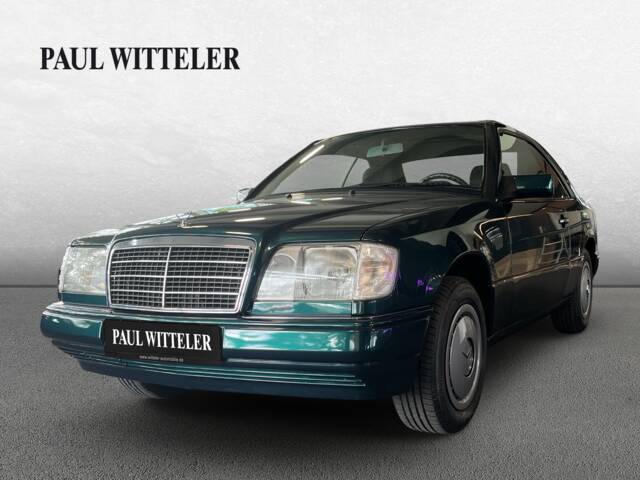
1996 | Mercedes-Benz E 200
Sunroof/Air conditioning
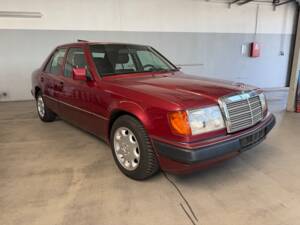
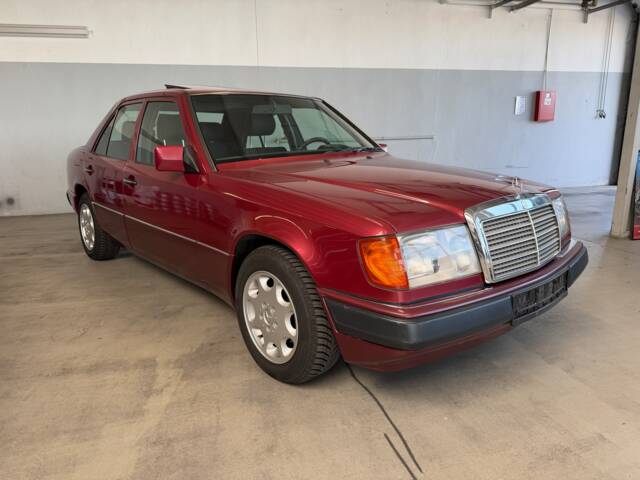
1992 | Mercedes-Benz 230 E
German vehicle
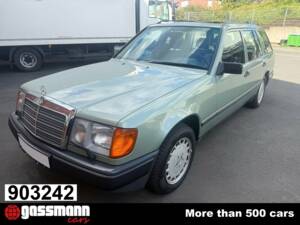
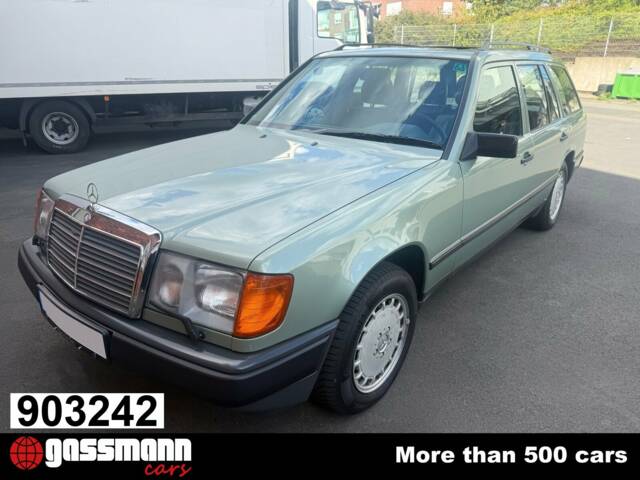
1988 | Mercedes-Benz 300 TE 4-Matic
300 TE Kombi / Voll Ausgestattet S124
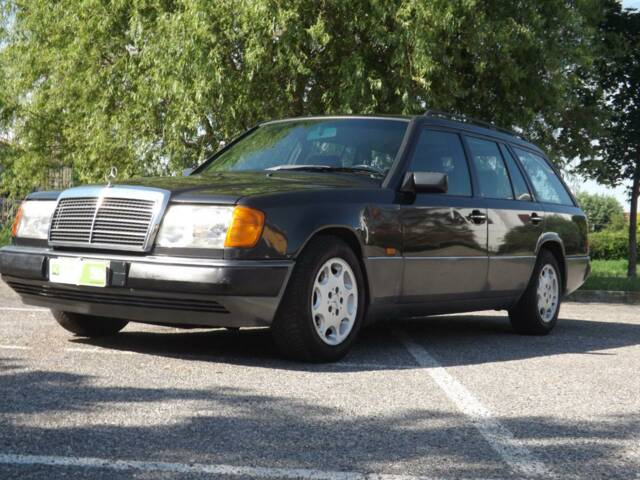
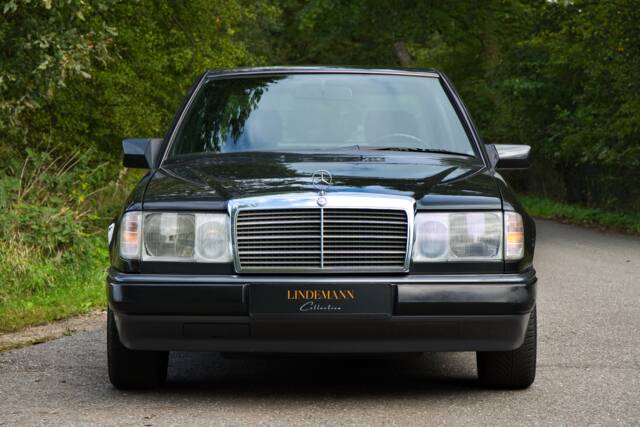
1993 | Mercedes-Benz 220 E
Mercedes-Benz W124 E220 | 134.644 km | Automatic | Sunroof
Mercedes-Benz E-Class Classic Cars: Prices & Market Values
The market value of Mercedes-Benz E-Class classic cars is primarily determined by the specific manufacturer code and variant, as well as technical condition, originality and mileage. Additional factors include rarity, history and documentation. A well-maintained, largely original vehicle with low, verifiable mileage and complete history including appraisals and documentation typically achieves significantly higher prices than a comparable vehicle with deferred maintenance, many modifications or unclear provenance.
Mercedes-Benz E-Class: Market Prices & Value Trends
Based on sales data from the Classic Trader marketplace, the Mercedes-Benz E‑Class classic market in Europe has remained broadly stable from early 2021 through January 2026, with the biggest price movements driven more by specific models and originality than by short-term swings. Most mainstream W124-era cars (such as the E 200, E 220 and E 320 from the early to mid‑1990s) typically cluster in a realistic €8,000–€30,000 band depending on condition, mileage, history and whether the car is a saloon, estate (T‑Model) or coupé. Higher-performance and limited-production variants command a separate tier: E 500/500 E examples commonly sit around €55,000–€90,000, while rare AMG-related cars (e.g. E 50 AMG or 300 CE‑24 AMG conversions) can push well into six figures; these should be treated as specialist outliers rather than the “average” E‑Class. For today’s buyers, this means solid W124 cars remain attainable, while the best-kept V8 and provenance-led models underpin gentle long-term appreciation.
History of the Mercedes-Benz E-Class
In 1993, Mercedes-Benz rebranded its upper mid-range vehicles as the E-Class, building on the technical and stylistic foundations of the W124 series, which had been in production since 1984. Originally, the 'E' suffix denoted fuel injection, but with the facelift, it became a designation for the entire executive line. The E-Class replaced the W123 and was eventually succeeded by the W210 series. Thanks to its aerodynamic design and advanced crash safety features, the W124 swiftly gained a reputation for dependability and comfort. Safety innovations, such as high-strength steel bodies, crumple zones, and extensive crash testing—including pedestrian safety measures—established new benchmarks in the segment.
Model History of the E-Class
The first generation E-Class (W124) offered a saloon, estate (S124), coupé (C124), cabriolet (A124), and even extended limos (V124). Mercedes slimmed down variants in later generations: for example, after the 1995 launch of the W210, coupé and cabrio models moved to the CLK line, only to return to the E-Class designation with the 2009 W212/A207/C207. Throughout these generations, the E-Class saw comprehensive updates in safety, comfort, and drivetrain technology. The model became a countrywide benchmark in Germany for the executive class, with nearly 2.7 million units of the W124 produced.
Highlights and Key Features
The E-Class W124 set standards with its aerodynamic body (drag coefficient as low as 0.28), sturdy steel construction, and innovative safety cell concept. Notable for its variety, it covered a spectrum of engines from four- and six-cylinder units to V8s, as well as highly regarded diesel options—including early CDI common rail engines from 1997. Standout models include the 500 E/E 500, developed with input from Porsche, and various AMG performance versions (E 36 AMG, E 60 AMG). Options such as automatic climate control, electric seats, airbag systems, multi-link rear suspension, unique panoramic wiper arm, and special luxury and sport trims (such as Sportline and AMG) make each vehicle highly configurable.
Technical Data
Special Editions and Collectible Models
Noteworthy special models include the 500 E/E 500—with its broader bodywork, 5.0L V8 engine, and bespoke production by Porsche—plus low-volume AMG models such as the E36 AMG and E60 AMG. Cabriolet versions (A124) revived the four-seater open Mercedes after a long hiatus and Volvo-unique structural reinforcements. Other rare finds: limousines with six doors (V124). Extensive equipment codes for individualisation and special market versions (like US specs) also contribute to collectability.
Maintenance and Common Issues
Original parts for the W124 and successors remain widely available through Mercedes-Benz and specialist suppliers. Common issues include corrosion at jack points, door sills, and boot lids (especially post-1990 models), electrical troubles with engine harnesses (notably on 24V/8-cylinder engines), as well as hydraulic faults in cabriolet soft tops and estate rear suspension. Air conditioning and central locking faults may require period-correct upgrades (e.g., R12 to modern refrigerants). Despite these, the E-Class is known for high-mileage reliability, with engines regularly surpassing 500,000 km.
Engine, Transmission and Road Characteristics
E-Class models deliver a wide dynamic range. The famed inline-six-cylinder engines, especially the M103/M104, combine smooth power delivery with renowned longevity, while the V8 M119 brings impressive performance (up to 326 PS in the 500 E). Manual gearbox options are rare on higher-powered models, but standard on four-cylinders. The multi-link rear axle, well-damped ride, and precise steering lend the saloon a composed yet engaging drive. Standout models include: 1. 500 E / E 500 (W124): 5.0L V8, 326 PS. Porsche-influenced assembly, specialist brakes, and bespoke chassis tuning. 2. E36 AMG / E60 AMG: V8 with up to 381 PS. Special chassis and AMG mated gearboxes. 3. Cabrio (A124): Advanced hydraulic roof system, extra structural reinforcement. 4. Estate / T-Modell (S124): Large load capacity, available third row for 7-seater versatility. Robust rear air suspension. 5. All diesel variants: Noted for extraordinary engine lifespans and fuel economy.
Interior, Comfort, Exterior and Design
The W124, penned by Bruno Sacco, features a wind-cheating silhouette with low drag, defined character lines, and understated quality. Coupé and cabriolet models display pillarless side windows and reinforced A-pillars. Interiors offer a choice of fine leathers, velours, and wood trims (walnut, root wood), complemented by features like heated seats, full electric adjustments, sunroof, and cruise control. Typical paint codes include 744 Silver, 040 Black, 568 Signal Red, with rare finishes like Tourmaline Green seen. Optional accessories range from factory-fit mobile phones to CD changers and rear sunblinds, enhancing comfort and usability.
Other Features
Many E-Class classics are now eligible for historic (H) registration after 30 years, often retaining a high degree of originality and value. Estate variants were popular in taxi fleets for their reliability. Market-specific features for US, Japanese, and European models yield a wide variety of equipment and cosmetic details, such as side markers and dashboard layouts. Modern upgrades, including retrofitted Xenon headlights or modern audio systems, are popular amongst enthusiasts seeking contemporary everyday usability without compromising originality.
Summary
The Mercedes-Benz E-Class, especially the W124 and its variants, remains a gold standard for executive classic cars, merging robust engineering, forward-thinking safety, and notable comfort. Its broad spectrum—saloon, estate, coupé, cabrio—with engines and options to suit any preference, enduring build quality, and steady supply of parts have solidified its reputation among classic car aficionados. Fully documented examples with special equipment or AMG, cabrio or Porsche-assembled models stand out within the classic car market—both as daily drivers and as collectable investments.