- Car
- Maserati (145 offers)
Buy Maserati Classic Cars
Maserati classic cars combine Modena racing pedigree with long-distance Italian character, from six-cylinder grand tourers to muscular V8s and later V8 coupes. Find the right Maserati for Australian roads on Classic Trader.
Search results

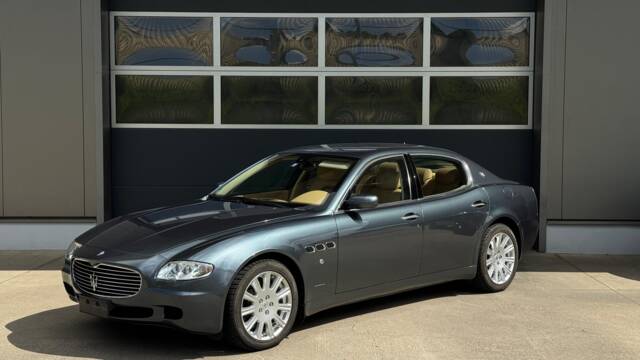
2004 | Maserati Quattroporte 4.2
*Perfekter Zustand*25.000km*Komplette Historie *


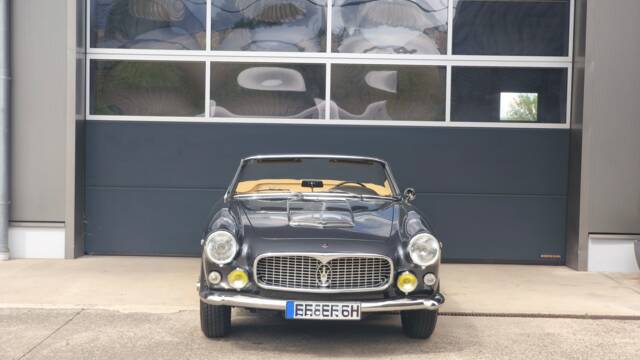
1962 | Maserati 3500 GT Spyder Vignale
*Frame Off*Historie*All Matching*
Auctions ending soon

Loading…
Loading…
Loading…
Loading…

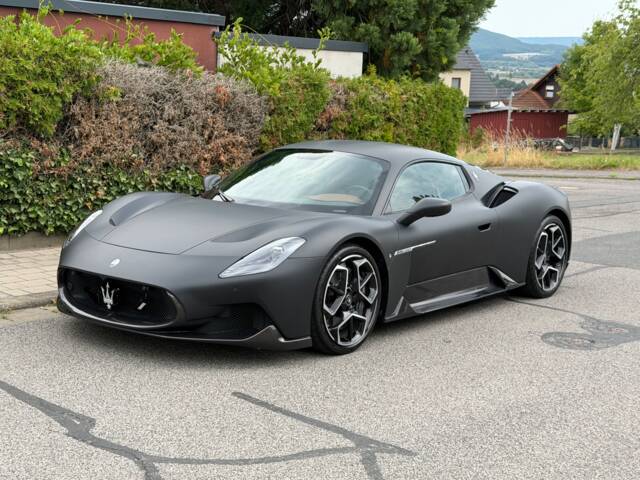
2024 | Maserati MC20
*19% Steuer*Deutsch*Unfallfrei*2.Hand*Perfekt Gepflegt*
VAT is reclaimable
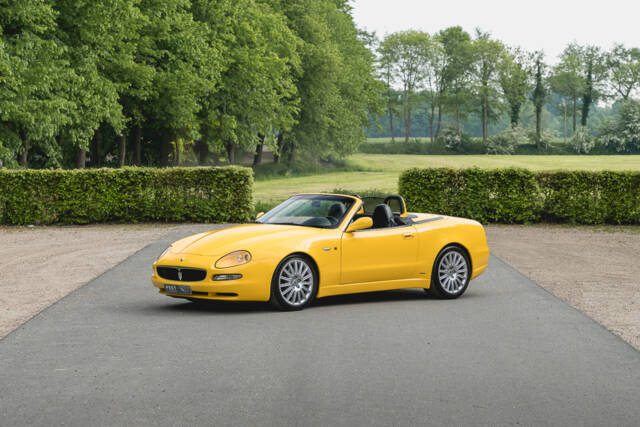
2003 | Maserati Spyder 4200 Cambiocorsa
manual transmission

Newsletter
The best Maserati listings, straight to your inbox
Get hand-picked Maserati listings, plus the best of cars, motorbikes, and auctions on Classic Trader — all in one place.
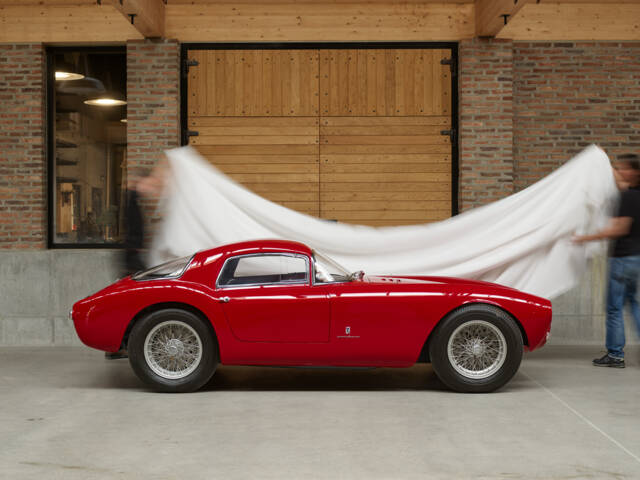
1953 | Maserati A6GCS Berlinetta Pininfarina
Stunning build

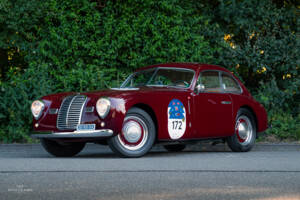
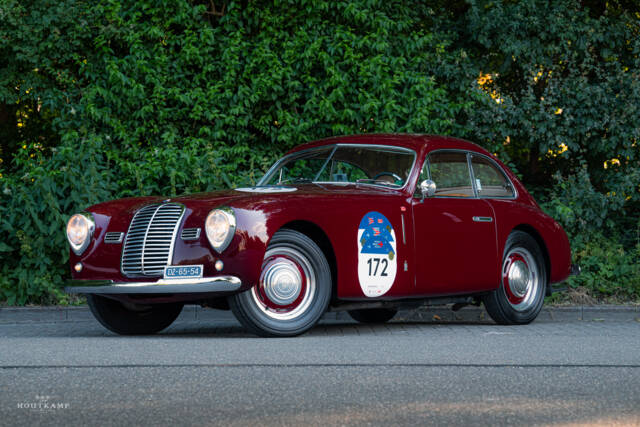
1948 | Maserati A6 1500 Turismo Berline
Mille Miglia Eligible, one of 8 examples built in 1948
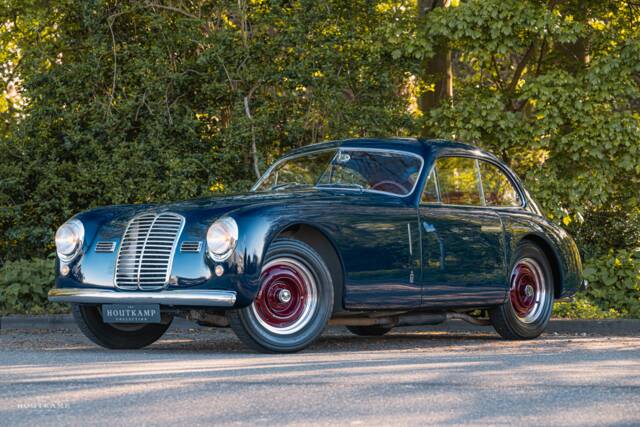
1949 | Maserati A6 1500 Turismo Berline
Mille Miglia Eligible, one of 61 examples Built

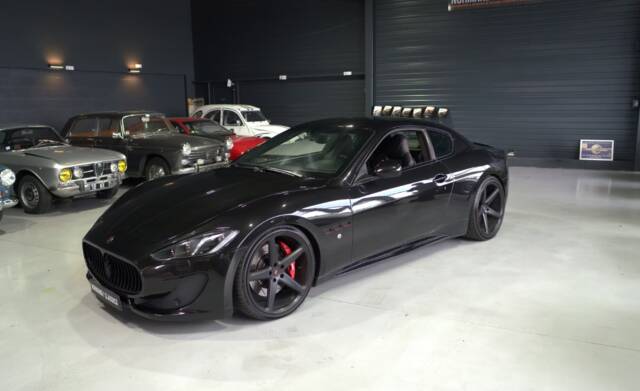

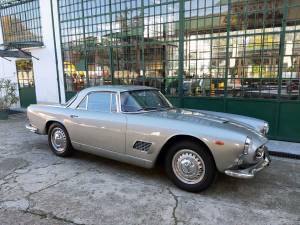
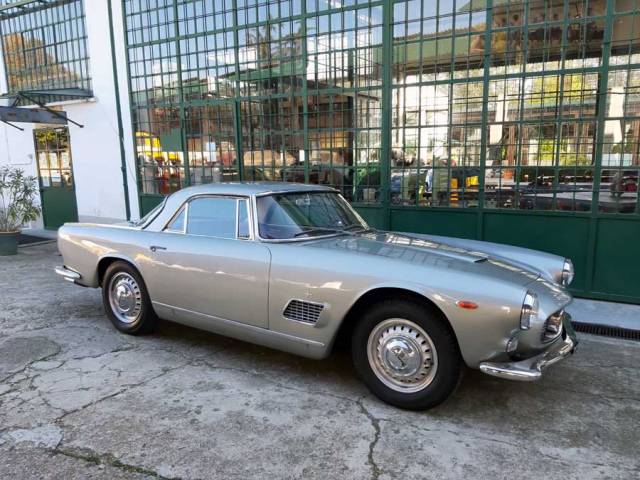
1961 | Maserati 3500 GTI Touring
Maserati 3500 GTi Coupè Touring – 1961

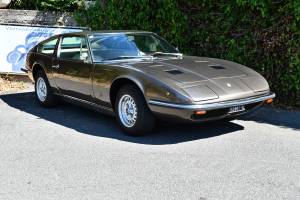
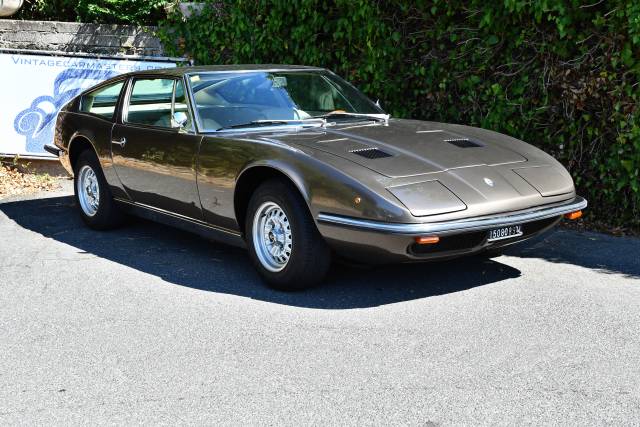
1972 | Maserati Indy 4700
4700 America in ottime condizioni. Targa Oro ASI
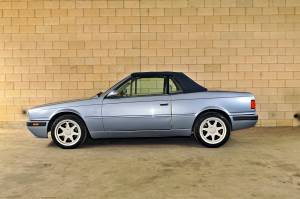
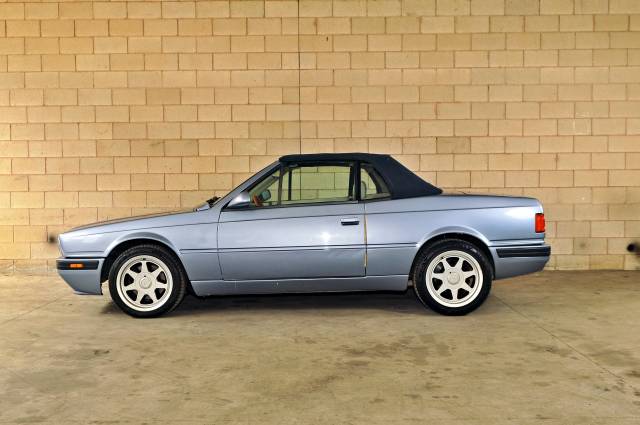
1994 | Maserati Spyder
V6 - 24 Valve - 240 HP - Originale conditions.
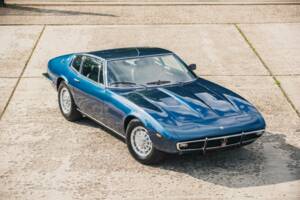
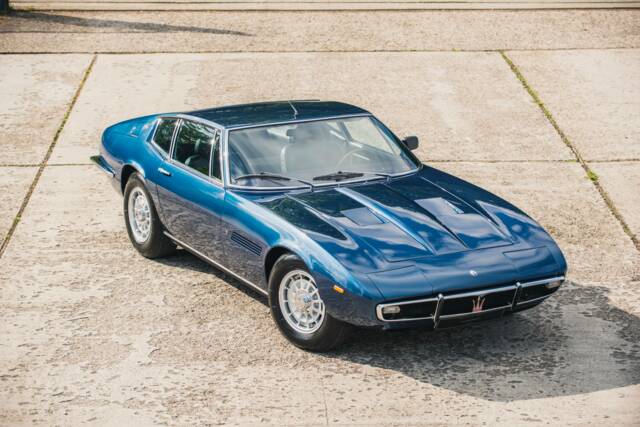
1970 | Maserati Ghibli SS
Matching numbers | Most sought-after 4.9 version | Superb sound


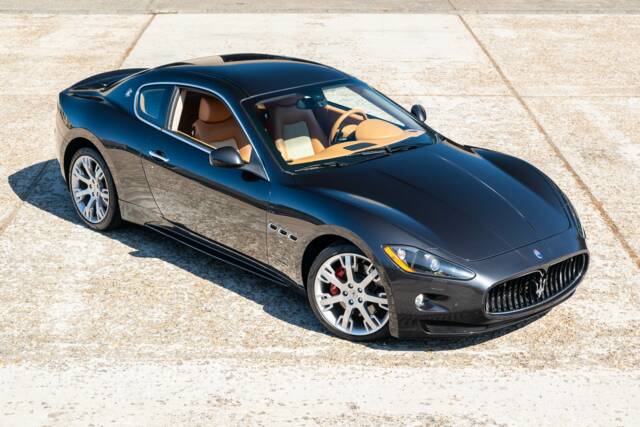
2010 | Maserati GranTurismo S
MC Shift - Ferrari derived 4.7L V8 engine - Finished in Grigio Granito over a stylish Cuoio leather interior - VAT qualifying!
VAT is reclaimable

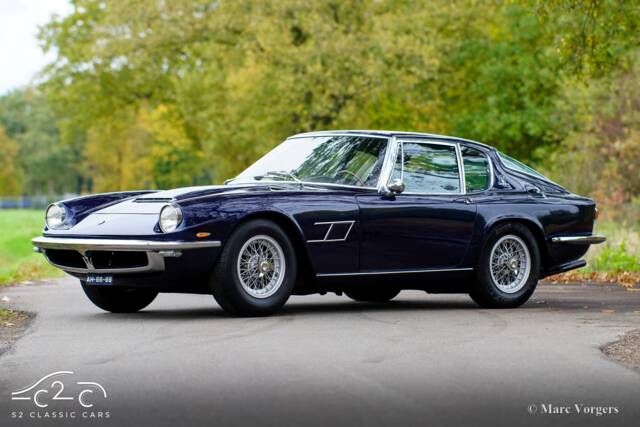
1966 | Maserati Mistral 4000
Has been in the same family for over 43 years!
Maserati: racing roots and grand touring range
Maserati is not a marque with one predictable formula. A car wearing the Modena trident may be a graceful, six-cylinder 1950s grand tourer, a low and uncompromising four-cam V8 coupe, a Citroën-era mid-engined exotic, a compact twin-turbo saloon, or a later naturally aspirated V8 capable of crossing Australia in real comfort. That breadth is its appeal, but it makes informed buying essential. A fine Mistral, Ghibli, Bora, Biturbo or GranTurismo can each be a convincing Maserati; they simply suit very different owners, budgets and roads.
Alfieri, Ettore and Ernesto Maserati founded Officine Alfieri Maserati in Bologna on 1 December 1914. Their brother Mario drew the trident, inspired by Neptune's fountain in Bologna's Piazza Maggiore. The badge first won its class at the Targa Florio on the 1926 Tipo 26. After the Orsi family acquired the company, Maserati moved to Modena in 1939. Its racing reputation was already substantial: the 8CTF won the Indianapolis 500 in 1939 and 1940, while Juan Manuel Fangio drove a Maserati 250F to his fifth Formula One World Championship in 1957.
Those achievements give the road cars a credible competition background, but Maserati's defining post-war product was the rapid, civilised gran turismo, not a barely tamed racing car. The 1957 3500 GT made the point clearly. Its twin-cam straight six had competition ancestry, yet Touring's Superleggera body, proper luggage space and ZF transmission made it a car for Europe-wide journeys. It also marked Maserati's move into meaningful series production. The 3500 GT was followed by the elegant Sebring and the practical Mistral, while the first Quattroporte of 1963 established the fast luxury saloon as another Maserati specialty.
The 1966 Ghibli brought a completely different visual and mechanical statement: a Giorgetto Giugiaro design for Ghia wrapped around Maserati's dry-sump, four-cam V8. At the other end of the 1970s range, Bora and Merak placed their engines behind the cabin. The former combined an all-alloy V8 with a five-speed transaxle; the latter used a V6 and was more attainable, but no less distinctive. Citroën ownership left both cars with fascinating engineering, including hydraulic systems in early examples.
The oil crisis hurt this small maker of thirsty, expensive cars. Alejandro de Tomaso's 1981 Biturbo took Maserati in a more compact direction with a V6 and two turbochargers. It spawned numerous coupes, saloons and Spyders, and its early cars require exceptionally careful history checks. Fiat acquired Maserati in 1993; Ferrari took operational control from 1997 and helped reshape the modern range. The 3200 GT, Coupe, Spyder, fifth-generation Quattroporte and GranTurismo consequently offer a more recent route into ownership, without abandoning the marque's emotional character.
What makes a Maserati distinctive
Maserati traditionally delivers speed with a sense of occasion rather than clinical detachment. In a 3500 GT, the straight six is smooth and purposeful, the driving position is airy, and the car feels built to cover a full day rather than win a traffic-light contest. The Mistral is shorter and more intimate, with an unusually useful hatchback coupe body. A Ghibli has the drama of a huge engine beneath a long bonnet, but is still a front-engined touring car. The Bora and Merak move the driver into a lower, more concentrated world, with the engine close behind the occupants.
The technical variety is remarkable. Maserati used Weber carburettors, Lucas mechanical fuel injection, ZF gearboxes, Salisbury differentials, Girling brakes and Marelli ignition alongside parts designed specifically in Modena. Coachbuilders and designers were equally important: Touring, Vignale, Pietro Frua, Ghia, Giugiaro, Bertone, Gandini and Pininfarina all contributed. This mixed parentage can help with service parts, because some mechanical consumables have identifiable supplier origins. It does not mean that every part is easy or inexpensive. Correct trim, instruments, switches, glass, brightwork and body panels may require a patient search through Italian and international specialists.
Low production brings real exclusivity but never guarantees an easy investment. A rare car with a rusted structure, missing hydraulic service evidence or an incorrect engine can cost more to put right than a better, more common example. The key buying principle is simple: pay for documented structural condition, correct specification and specialist maintenance before paying for a glamorous model name. On an Australian inspection, a lift examination and a marque-aware mechanic are more useful than a general online valuation.
Later Maseratis have their own attraction. The 3200 GT's 3.2-litre twin-turbo V8 is recognisable from its boomerang tail-lights, while the Coupe and Spyder brought Ferrari-derived V8 power in a more familiar package. A GranTurismo offers four seats, a rich naturally aspirated V8 soundtrack and genuine interstate ability. It is not a lightweight sports car, but it is very much a Maserati: beautiful proportions, theatre at the starter button and an appetite for distance.
Technical data for key Maserati models
Figures below are useful orientation only. Specifications vary with year, carburettor or injection form, export equipment and method of measurement. They are not a substitute for identifying the precise car offered for sale.
The 3500 GTI was among the early Italian production cars fitted with Lucas fuel injection in 1961. Its fuel system, as well as Weber-equipped cars, should be assessed by a workshop familiar with the model rather than treated as generic old-car equipment. The Ghibli's V8 is charismatic and robust when serviced correctly, but it is neither cheap nor forgiving of deferred cooling, ignition or carburettor work. Original air-cleaner assemblies, carburettor specification and dry-sump components add both value and restoration cost.
The Bora deserves its reputation as an engineering event. Independent suspension, a 4.7- or 4.9-litre V8 and Citroën high-pressure hydraulics for braking, pop-up lamps, seat and pedal adjustment make it unlike a conventional Italian coupe. Its system must hold pressure, operate smoothly and use the correct fluid; vague assurances that it has been “sorted” are insufficient. Early Meraks share elements of that hydraulic world, while later cars changed some arrangements. Check clutch action, gearchange quality, cooling system condition and the areas around the side fuel tanks carefully.
For Biturbos, documented cambelt intervals, oil changes, turbocharger condition, vacuum hoses, boost control and electrical repairs are vital. A cheap car without evidence is not necessarily a bargain. In later V8 cars, check diagnostic records, battery health, air-conditioning, suspension dampers, brake discs and, where fitted, clutch-wear data for DuoSelect transmission. A recent bill is useful only if it states exactly what was measured and replaced.
Market overview and buying tips in Australia
Australia is a small but engaged Maserati market. The strongest local cars are often Australian-delivered, right-hand-drive examples with an unbroken state registration trail, old service invoices and owners who were active in the marque community. Those records can reveal much more than a glossy restoration file: where the car lived, whether it spent years near the coast, how often it was driven, and which specialist understands it. Long-term NSW, Victoria, Queensland, South Australian or Western Australian registration history is useful provenance, not automatic proof of condition.
Australian-delivered right-hand-drive cars command attention because they suit local roads and avoid the uncertainty of a conversion. Still, a left-hand-drive Maserati is not automatically unsuitable. Many significant European cars were always LHD, and originality can be preferable to an old, poorly documented RHD conversion. Registration rules are administered by states and territories, so prospective owners should first speak to their local authority or an approved engineer about the specific vehicle, its age, steering position, modifications and intended registration. Historic or club registration can bring concessions in some jurisdictions, but eligibility, permitted use and inspection requirements are not uniform; it is not a substitute for roadworthy mechanical condition.
Imported RHD cars may come from the United Kingdom, Japan, South Africa, New Zealand or other right-hand-drive markets. Their suitability depends on more than the steering wheel. Verify chassis numbers, overseas title documents, odometer units, lighting specification, rust history and whether prior repairs meet Australian expectations. Japanese-market cars can be well preserved but may need close inspection of auction history and stored-condition deterioration. UK cars can offer RHD authenticity but deserve especially thorough corrosion scrutiny. A European LHD car may have better dry-climate bodywork, but compliance and registration need to be resolved before money changes hands.
For a private import, calculate landed cost, not merely the hammer price or foreign asking price. Budget for overseas inspection, buyer's premium, inland transport, shipping, marine insurance, exchange-rate movement, customs duty where applicable, GST, import processing, port and quarantine charges, storage risk, compliance work, state inspection, registration and first service. Australian authorities' import-approval and biosecurity requirements apply before shipping; leave enough time for documents and cleaning. A vehicle advertised as “eligible” overseas is not a guarantee it can be registered in every Australian jurisdiction. Get written advice for the actual VIN and retain every import document.
Recent international auction evidence shows why condition and body style must be separated from broad model averages. RM Sotheby's sold a Mistral in 2024 for US$395,500. In the same year, RM Sotheby's achieved US$775,000 for a Ghibli SS, while Bonhams sold a Ghibli for US$596,250. RM Sotheby's recorded US$156,800 for a Bora in 2026. These are real sale results, not guide prices, yet they concern particular cars and sale contexts. Open cars, rare specifications, restoration quality, matching numbers, Classiche documentation and provenance have a major effect. They should never be applied directly to every coupe in Australia after currency conversion.
At the accessible end, a maintained Biturbo or later V6 can be less expensive to buy than a period V8, but restoration needs can quickly erase that difference. Good 3200 GTs, Coupes, Spyders, Quattroportes and GranTurismos have a broader local audience, though transmission type, service history and deferred electronics matter greatly. Six-cylinder 1950s and 1960s GTs, Ghiblis and mid-engined cars sit in a more specialised market. A properly restored car with correct trim and a deep history file often represents better value than a cheaper project requiring body fabrication and parts hunting from the other side of the world.
Inspect bodywork before paint quality. Put the car on a hoist and examine sills, jacking points, floorpans, wheel arches, windscreen surrounds, battery tray, suspension mounts and hidden cavities. Fresh underbody coating with no photographic restoration record deserves questions. On steel-bodied cars, uneven panel gaps, bubbling near seams, new carpet concealing poor floors and inconsistent welds are all price-defining evidence. Meraks merit a close look at front suspension mounting areas in the luggage-compartment floor and at corrosion around the side tanks. Salt-air exposure in Australia can be as consequential as a northern winter, especially where a car spent decades near the coast.
Assess systems cold and hot. Start from cold, watch oil pressure and coolant temperature, then drive long enough for fans, gearbox, brakes and charging system to reveal themselves. Australian summer conditions make cooling capacity central. Check radiator core condition, hoses, water pump history, fan operation, shrouds and whether any electric-fan conversion was engineered cleanly. Overheating can warp budgets as well as engines. Air-conditioning is not essential to originality on every early Maserati, but a later touring car advertised for Australian use should have a functioning system with documented work rather than a regassed promise.
The Maserati experience on Australian roads
Australian ownership rewards using a Maserati rather than preserving it as static garage sculpture. A 3500 GT suits a sweeping morning road unusually well: the straight six gathers pace smoothly, the cabin remains relaxed and the car's proportions make a weekend away feel natural. The Mistral is more compact and its hatch gives it an everyday practicality that photographs conceal. Neither needs to be driven hard to be enjoyable; their strength is covering distance with mechanical texture and elegant visibility.
The Ghibli is more extrovert. Its long bonnet dominates the view, the V8 has decisive mid-range force and the cabin feels like a 1960s Italian answer to the fast interstate coupe. Its age, steering and live rear axle mean that rough, cambered country roads should be approached with respect, particularly on old tyres. On open, well-sighted roads it settles into a deeply satisfying rhythm. A Bora places the driver lower, with more limited rearward vision and a much closer relationship to its engine. It feels purposeful rather than delicate; a Merak offers a lighter, higher-revving alternative with a different balance.
Biturbos can surprise drivers expecting only soft luxury. Once their turbochargers come on boost they feel compact and urgent, although abruptness and thermal load make maintenance quality crucial. The GranTurismo is the bridge for owners wanting a recognisably classic experience with modern-distance capability. Its V8 sound, wide stance and four-seat layout make it compelling for a club run from Melbourne to the Mornington Peninsula, a Sydney hinterland drive or a longer interstate tour. It asks for fuel, tyre and servicing budget, but gives genuine ceremony in return.
Heat changes the ownership equation. A car that idles happily during a cool European inspection may behave differently in Adelaide, Perth or Queensland traffic. Test the temperature gauge in stop-start conditions, confirm the heater does not leak into the cabin, and ensure fuel lines and carburettor insulation are tidy. A discreet, reversible cooling improvement can be sensible where it is documented and professionally executed. Avoid improvised wiring, undersized fans and modifications that make future diagnosis harder.
Italian form, from Touring to Pininfarina
Maserati's visual history is a survey of Italian coachbuilding. Touring gave the 3500 GT its light, restrained Superleggera body, in which aluminium panels were supported by a small-diameter tubular framework. Frua shaped the Mistral with clean sides and a large rear opening. Ghia and Giugiaro produced the Ghibli's extraordinary low-roofed silhouette: long bonnet, pop-up lamps and a tail that needs no ornament to communicate power.
Giugiaro's Bora is a sharp-edged 1970s statement with its dark stainless-steel roof panel; Gandini's Khamsin took the wedge theme in a more radical direction with a glazed rear section. The Biturbo was intentionally more formal and compact, a reflection of its different market. The 3200 GT's boomerang lamps announced the turn of the millennium, while Pininfarina's GranTurismo returned to traditional long-bonnet, short-tail grand-touring proportions.
Originality should not mean refusing sensible safety or reliability work. It means that body, engine, gearbox, colour, trim and significant options should correspond with the car's documented identity. This is especially important with cars that spent years at low values, including some Biturbos and 1980s derivatives. Non-standard engines, makeshift interiors, substituted instruments and undocumented colour changes can make a usable driver, but the price should recognise them. Photograph chassis and engine numbers, compare them with factory or club documentation where available, and ask whether restoration photos actually show the structure beneath the final paint.
Ownership, clubs and supporting documentation
Maserati ownership in Australia is made easier by the social side of the hobby. State-based Italian-car and Maserati communities, concours events, club runs and specialist workshops can connect a new owner with people who know particular cars and parts sources. That network is often more valuable than a generic workshop manual. It can also help clarify historic-registration procedures, but owners must independently confirm the current rules with their own state or territory authority.
The marque's competition background remains a meaningful part of this culture. Fangio's 250F title, the 8CTF's Indianapolis victories and the Birdcage sports racers explain why even comfortable road Maseratis have an engineering edge. The later MC12's FIA GT success continued that thread. Racing heritage is context, however, not a substitute for an inspection. Celebrity claims and old stories only add value when the ownership chain is documented.
The best file includes registration papers, import approval where relevant, customs and compliance records, workshop invoices, old roadworthy reports, restoration photographs, manuals and a clear chronology of ownership. Maserati Classiche material, a register entry and matching numbers can be important for rare examples, but they should support rather than replace physical examination. Set aside a meaningful contingency after purchase for a baseline service, fluids, tyres, brake inspection and fault diagnosis. For a complex V8 or hydraulic mid-engined car, that reserve should be substantial.
Choosing the right Maserati classic car
To buy a Maserati classic car well is to choose the version of the trident that matches the intended life. A 3500 GT or Mistral offers six-cylinder elegance and touring usability. A Ghibli gives V8 theatre; Bora and Merak offer technical boldness and mid-engined presence. A Biturbo can be rewarding for the committed owner who buys history rather than low entry price, while a GranTurismo combines a classic-minded V8 experience with practical Australian touring range.
Prioritise a dry, sound body, coherent numbers, a complete record and servicing by the right specialist. For Australian buyers, Australian-delivered RHD provenance, state registration history, heat management and clear import documentation deserve particular weight. Establish total landed and registration costs before bidding on an imported car, inspect it on a hoist, and reserve funds for recommissioning. Find Maserati classic car offers on Classic Trader and choose condition, documentation and suitability over the cheapest headline price.