- Motorcycle
- Čezeta (1 offer)
Buy Čezeta Scooters
A torpedo on two wheels – born in 1957 Czechoslovakia, the Čezeta remains one of the world's most distinctive scooters. Over 115,000 rolled off the production line before 1964, yet in the West it stayed a hidden gem. Today, finding a Čezeta in Australia guarantees attention.
Search results
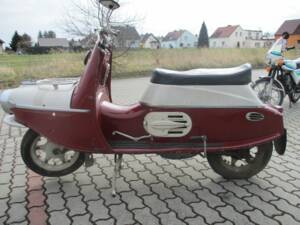
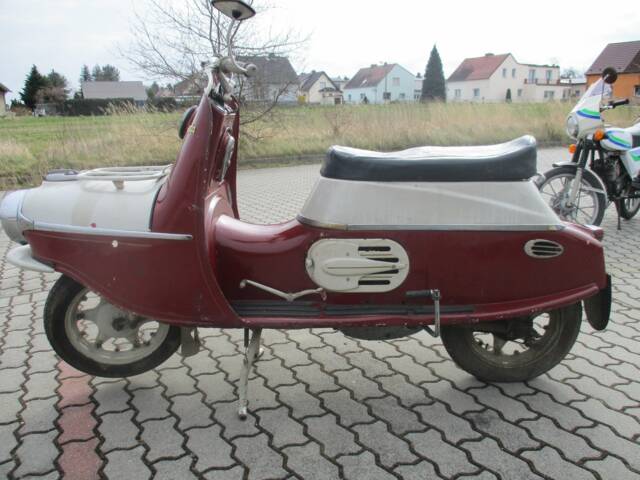
1962 | Čezeta 502
Jawa Tatran Roller Cezeta 501

Čezeta listing references from Classic Trader
Below you will find listings related to your search that are no longer available on Classic Trader. Use this information to gain insight into availability, value trends, and current pricing for a "Čezeta" to make a more informed purchasing decision.
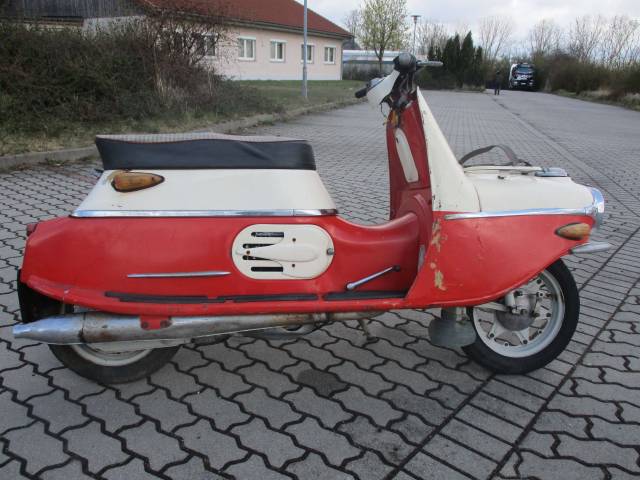
1962 | Čezeta 502
Jawa Tatran Roller Cezeta 502
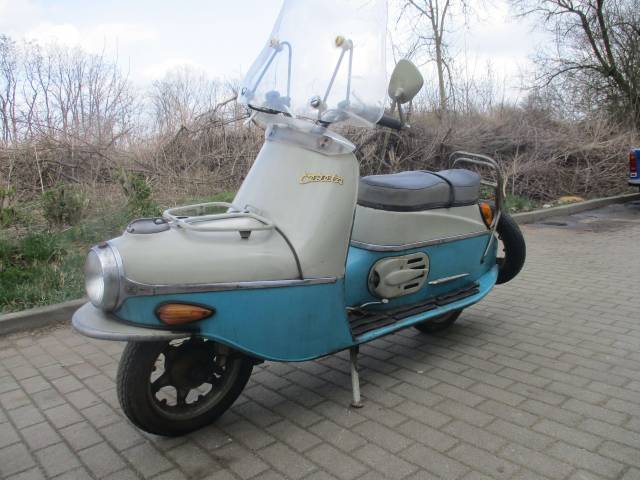
1962 | Čezeta 502
Jawa Tatran Roller Cezeta 502
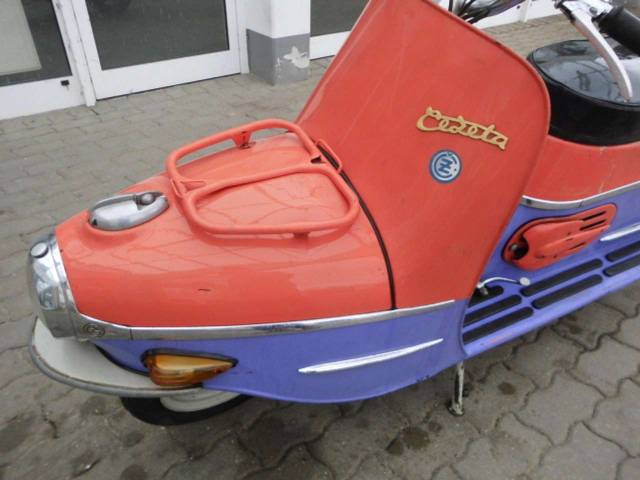
1962 | Čezeta 502
Jawa Tatran Roller Cezeta 502
History & Heritage
The Čezeta story begins not with scooters, but with weapons. Česká Zbrojovka Strakonice (ČZ), founded in 1919 as a firearms manufacturer, pivoted to motorcycles after 1945. From 1935, they built motorcycles; by 1957, they'd created something entirely different.
Designer Jaroslav František Koch – a racing driver, engineer, and visionary – conceived the Type 501 in the shadow of Sputnik. The Soviet satellite had just orbited Earth, and the Space Age euphoria gripped the world. Koch's design reflected this optimism: a 175 cc two-stroke single-cylinder engine, a monocoque steel-sheet body, and a distinctive torpedo shape stretching 2 metres long. The form was radical – no other scooter looked like it.
The Type 501 debuted in 1957 to polarised reactions. Too long, too futuristic, too impractical, critics said. Yet Czechoslovakia needed affordable mobility for the masses. The Čezeta cost less than a motorcycle, offered weather protection via its long running boards, and seated two people comfortably. The 175 cc motor (later refined in the 502 variant) produced 7–8 horsepower – modest, but sufficient for 85 km/h on flat roads.
In 1963, the Type 502 replaced the 501: improved four-speed gearbox (up from three), refined electrics, enhanced reliability. The core design remained unchanged – monocoque construction, kickstarter, left-side foot shift, oil-bath clutch, chain drive to the rear wheel. A 12-litre fuel tank sat beneath the running boards; above it, a luggage rack rated for 15 kg. Under the hinged seat: a lockable compartment for tools and battery.
Production ceased in Czechoslovakia in 1964 after approximately 115,000 units (501 and 502 combined). The tooling migrated to New Zealand, where the scooter was manufactured as the NZeta from 1961 onwards. JNZ Manufacturing Ltd in Auckland assembled imported Czech parts with local content – a strategy to circumvent New Zealand's punitive import duties. The NZeta featured upgrades: a dynastarter (combined generator and starter motor), 12-volt electrics, and batteries mounted at the front – a design innovation unique to the New Zealand variant. A three-wheel pickup variant, the "Rickshaw," emerged for transport duties, popular across Asia and Oceania.
In 2017, the brand resurrected itself with the Type 506 – an electric scooter retaining 1950s aesthetics. Limited production (500 units), priced around €7,000 (approximately AUD $11,500). The classic 501/502 models, however, remain the true Čezetas – icons of Eastern Bloc modernity.
Highlights & Distinctive Features
The monocoque construction sets the Čezeta apart from Italian competitors. No tubular frame – instead, a self-supporting steel-sheet body. This saves weight (Type 502: ~95 kg dry) but complicates repairs. Sheet-metal damage demands specialist tools and fabrication skills.
The 175 cc two-stroke engine (Jikov carburettor, Bosch spark plug) runs air-cooled, requiring a petrol-oil mixture (1:25 to 1:33 ratio, depending on manufacturer guidance). Output: 7–8 PS at 5,000–5,200 rpm. Modest power, yet at 95 kg, the scooter achieves 85 km/h. The engine tolerates neglect poorly – incorrect oil ratios accelerate piston-ring wear; regular maintenance is non-negotiable.
The four-speed gearbox (Type 502) shifts via left-side foot lever; clutch controlled by left-side hand lever. Gear changes from second onwards operate semi-automatically via centrifugal clutch assistance – unusual for 1960s scooters. The gearbox runs in an oil bath; service every 3,000 km is mandatory.
The 2-metre length provided genuine two-person comfort: extended seat, full-length running boards, forward luggage capacity. Weather protection? Partial – leg shields exceed Vespa's, but rain seeps through at speed. The design prioritised style and space over practicality.
Cultural significance: Čezeta scooters featured in Eastern Bloc films of the 1960s–70s – symbols of youth, freedom, and modernity within the Communist sphere. In the West, Vespa and Lambretta dominated; the Čezeta remained invisible, exotic. This absence makes it a rarity today outside Central Europe – a genuine conversation starter.
Technical Specifications
Key Notes: Kickstarter on right side. Oil mixture 1:25–1:33 (petrol:two-stroke oil). Gearbox oil change every 3,000 km. Lubrication points: swing-arm pivot, steering head bearing, chain – regular greasing essential.
Market Overview & Buying Guide
The Type 502 dominates the collector market; the Type 501 is rarer. Pricing varies significantly by region and condition.
Western European Pricing (2024–2025)
- Project basis, non-running, rust damage, engine overhaul needed: €800–€1,500
- Running, cosmetically aged, wear visible, engine functional, registration possible: €2,000–€3,500
- Good condition, restored, fresh paint, engine overhauled, minimal rust: €4,000–€6,500
- Concours condition, full restoration, original parts, documented history: €7,000–€9,000
Eastern European Pricing (Czechia, Poland, Slovakia)
Prices run 30–40% lower than Western Europe. Running examples from €1,200; restorations from €3,000.
Australian & New Zealand Market (2026)
NZeta variants command similar prices to Type 502 models. A running NZeta in fair condition: AUD $3,500–$5,500. Restored examples: AUD $6,500–$9,500. The rarity factor in Australia elevates prices compared to Europe.
Shipping costs from Europe to Australia: AUD $3,500–$5,500 via sea freight (6–8 weeks). Air freight: AUD $6,000–$8,500 (2–3 weeks). Import duties and GST apply; budget an additional AUD $800–$1,500 for customs clearance and compliance certification.
Buying Advice
Bodywork: Monocoque rust occurs at predictable points: underside running boards (spray exposure), rear swing-arm mounts (moisture traps), front luggage-rack attachment (paint failure). Rusted-through panels require fabrication – expensive and time-consuming. Original panels are scarce; Czech reproduction suppliers (e.g., Čezeta Club, cezeta.cz) offer replacements from AUD $400–$600 per panel. Paint: Original finishes increase value; repaints show colour variation at welds. Typical colours: aqua blue, red, cream, grey.
Engine: Kickstarter wear – test if the starter slips (worn sprocket). Compression test mandatory (target: 7–8 bar). Spark plug (Bosch W240 equivalent): check electrode gap (0.5–0.6 mm). Jikov carburettor clogs after storage – cleaning required; replacement carbs from Czech suppliers cost AUD $200–$300.
Gearbox: Oil change history – many owners neglect the 3,000 km service. Old oil causes gear wear. Listen for grinding shifts (damage) or rattling neutral (clutch wear). Gearbox oil: SAE 80 mineral.
Electrics: 6-volt magneto system (Bosch). Stator coils in the engine cover can burn out – replacement from Czech sources: AUD $120–$200. Wiring often brittle; complete harness kits: AUD $200–$350.
Suspension: Telescopic fork – seals wear, oil leaks. Replacement seals (SKF standard) are affordable; corroded fork tubes require professional honing. Rear shocks: often seized or leaking; Polish/Czech reproductions: AUD $150–$300 per pair.
Parts availability: Czech Republic is the primary source. Gasket sets: AUD $60–$90. Piston & rings: AUD $120–$180. Carburettor complete: AUD $200–$300. Shipping from Czech suppliers: 2–4 weeks; budget AUD $50–$100 for postage.
Restoration costs: Full engine overhaul: AUD $900–$1,800. Repainting: AUD $1,200–$2,200. Suspension rebuild: AUD $450–$900. Complete restoration: AUD $4,500–$7,500 – economical only for rare colour variants or documented provenance.
Australian registration: The 175 cc engine classifies the Čezeta as a light motorcycle (not a moped). Licensing requirements vary by state – check with your local transport authority. Most states require a motorcycle licence; some allow car-licence holders to ride 50 cc equivalents. Compliance certification may be necessary for imports; budget AUD $400–$800 for engineering assessment.
Riding Experience & Character
The Čezeta rides unlike any modern scooter. The 2-metre length creates inertia – turning feels deliberate, not nimble. Wendekreis (turning radius) exceeds Vespa or Lambretta significantly. On straights, however, the long wheelbase (1,400 mm) delivers stability at 80 km/h – the scooter tracks true, resisting crosswinds better than shorter rivals.
The 175 cc two-stroke produces a distinctive raspy knatter – not the refined hum of a Vespa four-stroke, but a raw, mechanical sound. Acceleration is leisurely: 0–50 km/h in ~10 seconds; 80 km/h requires sustained throttle on flat terrain. Uphill (10% gradient), speed drops to 60 km/h. Fuel range: ~250 km on a 12-litre tank (4–5 litres/100 km consumption).
Seating: Upright, relaxed posture. The long bench accommodates two comfortably; the passenger sits behind the driver without cramping. Full-length running boards allow leg extension – unusual for scooters, enhancing comfort on longer rides.
Braking: Drum brakes front and rear – adequate but not powerful. Wet-weather stopping distances lengthen noticeably. Modern sintered-metal brake pads (available from Czech suppliers) improve performance.
Practicality: Ideal for short urban commutes (10–20 km). Longer journeys (100+ km) prove fatiguing – no windscreen, firm suspension, engine noise. The Čezeta is a sympathetic companion, not a touring machine.
Design Philosophy & Cultural Context
Jaroslav František Koch designed the Čezeta during the Atomic Age – Sputnik orbited in 1957, Gagarin flew in 1961. The scooter embodied this optimism: torpedo form, streamlined, futuristic. The 2-metre length underscored the space-age aesthetic – a vehicle from tomorrow, arriving today.
The monocoque steel body enclosed mechanics completely – protection from dirt, water, and prying eyes. Maintenance hatches on the sides provided access. The colour palette reflected 1950s optimism: aqua blue, cream, grey, red – pastels suggesting modernity and progress.
The Čezeta symbolised Eastern Bloc modernity – proof that Communist industry could produce stylish, functional machines. It represented mobility for the masses, youth culture, and a vision of socialist prosperity. In the West, Vespa and Lambretta dominated; the Čezeta remained exotic, unknown.
Today, the design reads as retro-futuristic – instantly recognisable, utterly distinctive. No competitor copied the form; it remains uniquely Čezeta.
Cultural Legacy & Rarity
The Čezeta became legendary in Eastern European youth culture. Films of the 1960s–70s featured the scooter as a symbol of freedom and rebellion within the Communist sphere. Clubs and rallies organised by enthusiasts – the Čezeta Club International (based in Czechia) still hosts annual gatherings attracting 200–300 machines.
The NZeta variant (New Zealand production, 1961–1970s) added local engineering: dynastarter electrics, 12-volt systems, front-mounted batteries. These machines are rarer than Czech originals, commanding premium prices among collectors.
The Rickshaw three-wheel pickup – a stretched NZeta chassis with cargo bed – served transport duties across Asia and Oceania. Surviving examples are scarce; restored Rickshaws fetch AUD $7,500+ from specialist collectors.
Export markets: The ČSSR shipped Čezetas to Vietnam, Cuba, Mongolia – Communist allies. Cuban examples still operate; their survival in tropical climates speaks to the design's robustness.
Western absence: Unlike Vespa or Lambretta, the Čezeta never penetrated Western markets significantly. Quality issues (rust, electrical fragility) and Cold War politics limited exports. This absence makes Western ownership a statement – a deliberate choice of the unconventional.
Summary & Collector's Perspective
The Čezeta is not a scooter for pragmatists. Reliability and parts availability don't match Vespa's ecosystem. The Čezeta appeals to enthusiasts who value design history, Eastern Bloc heritage, and mechanical character over convenience.
Pricing remains moderate: AUD $3,500–$9,500 for running to fully restored examples. Parts source from Czechia; expect 2–4 week lead times. Restoration costs are substantial but manageable – AUD $4,500–$7,500 for a complete rebuild.
The 2-metre torpedo design guarantees attention. Riding character is deliberate, mechanical, honest – a two-stroke knatter and honest feedback from drum brakes. Performance is modest but adequate for urban and rural roads.
Owning a Čezeta means possessing a rolling historical document: a symbol of 1950s Space-Age optimism, Eastern Bloc engineering pride, and a design that refused to follow Italian conventions. In Australia, where Vespa and Lambretta dominate classic scooter culture, a Čezeta stands apart – rare, distinctive, unforgettable.
The scooter's rarity in the Western market, combined with its distinctive design and mechanical charm, makes it a compelling choice for collectors seeking something genuinely different. Whether you're drawn to its futuristic 1950s aesthetics, its Eastern European heritage, or simply the guarantee of turning heads on every ride, the Čezeta rewards patience and mechanical sympathy with a unique ownership experience.