- Motorcycle
- Peripoli Giulietta (1 offer)
Buy Peripoli Giulietta
Peripoli Giulietta motorbikes are rare, light on weight and full of 1960s Italian character. For Australian buyers, they are a niche classic with real charm, sensible entry prices and a parts hunt that rewards patience.
Search results
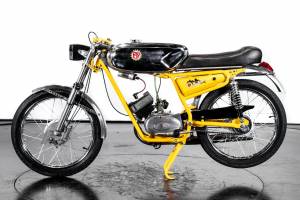
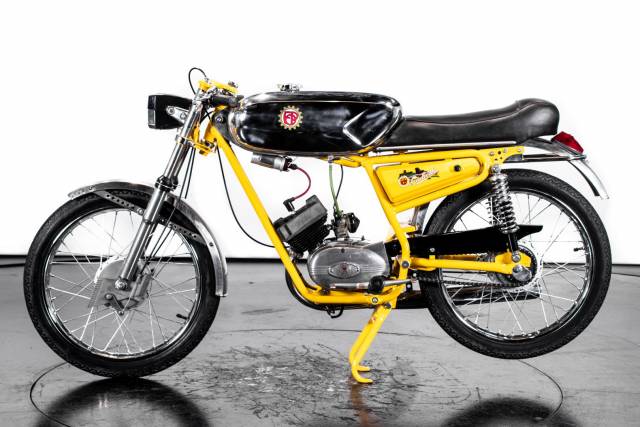
1969 | Peripoli Giulietta Super Sport
RESTORED !!!

Peripoli Giulietta listing references from Classic Trader
Below you will find listings related to your search that are no longer available on Classic Trader. Use this information to gain insight into availability, value trends, and current pricing for a "Peripoli Giulietta" to make a more informed purchasing decision.
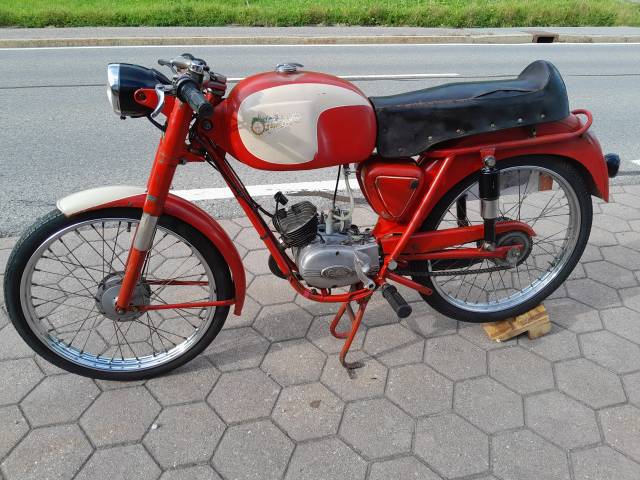
1961 | Peripoli Giulietta Sport 50
Peripoli Giulietta Sport 50, Mokick in Original Zustand

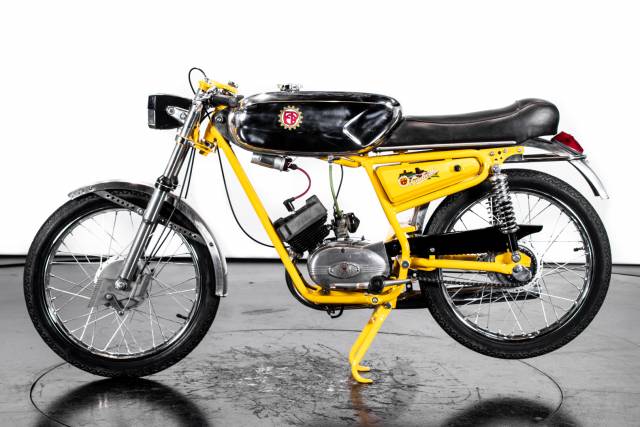
1969 | Peripoli Giulietta Super Sport
-
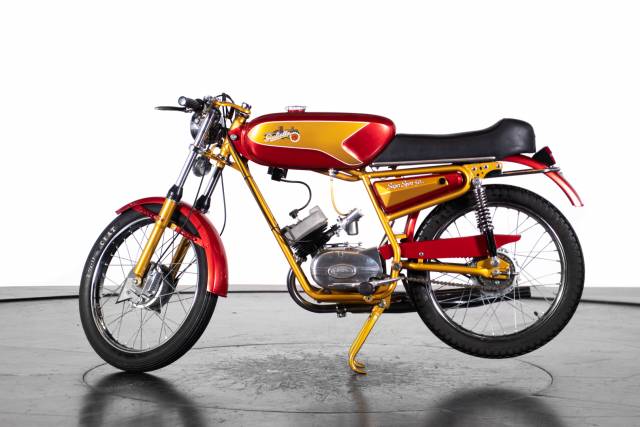
1971 | Peripoli Giulietta Super Sport
-
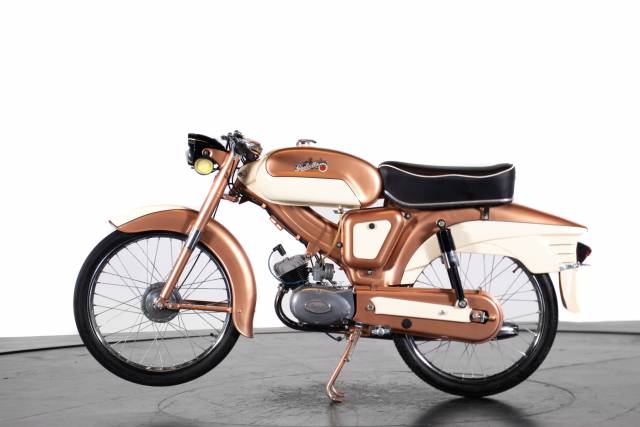
1962 | Peripoli Giulietta Sport 50
-
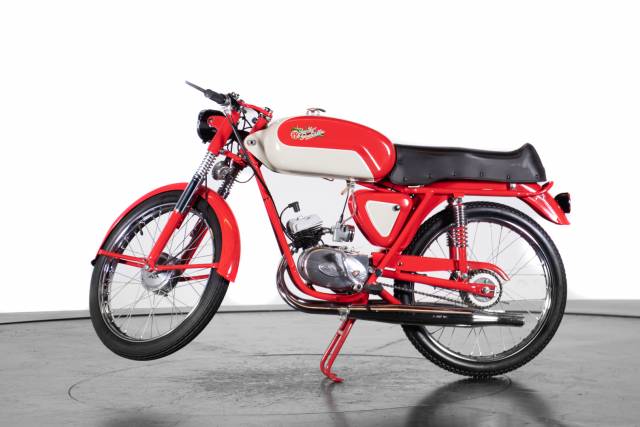
1964 | Peripoli Giulietta Super Sport
-
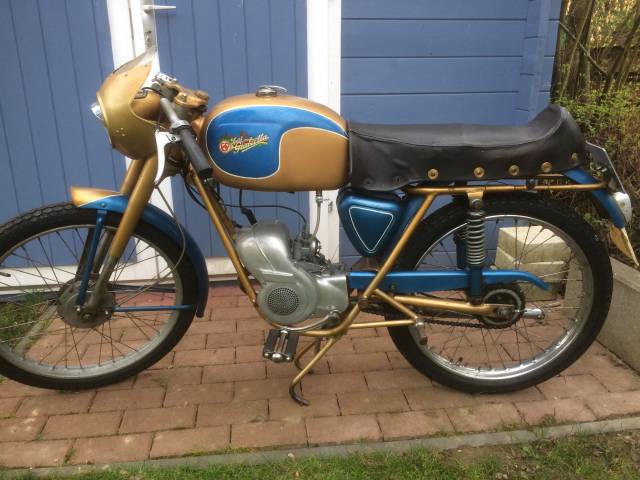
1959 | Peripoli Giulietta Sport 50
Typ SS Superpsort

History
The Peripoli Giulietta comes from a very specific slice of post-war Italian motorcycling: the period when small-displacement machines were not just transport, but a first taste of freedom. Peripoli, founded by Luigi Peripoli in Montecchio Maggiore in the Veneto, began building motorcycles in 1957 and quickly became known for compact two-strokes with an appealing mix of style and practicality. By the late 1960s, the company had grown into one of Italy’s better-known small-bike makers, and the Giulietta name had become the umbrella for a wide range of 50cc derivatives.
For buyers in Australia, that history matters because the Giulietta was never a mass-market import here. Very few were officially sold new in Australia, which means most examples now arrive through private imports, estate sales or specialist collectors. That rarity gives the model a genuine talking point at club meets, but it also means the local market is thin. When a Giulietta appears on the Australian scene, it often has to be judged more like an individually sourced European classic than a bike with an established local price guide.
The Giulietta family evolved quickly. Early versions leaned toward compact, elegant road machines, while later variants such as the Super Sport, GS, GSS, Oxford and Monster pushed the same basic formula into more expressive territory. In export markets the bikes were also rebadged: the same Peripoli lineage appeared as J-Be in the US, AJW in the UK and Typhoon in parts of Europe. That rebadging is useful for Australian buyers because it broadens the pool of reference material, parts clues and restoration photos when you are searching overseas.
The strongest reason collectors chase a Giulietta today is simple: it captures the era when a 50cc bike could still be styled with pride. It is not about brute force. It is about lightness, ingenuity and the kind of engineering that made small Italian motorcycles feel lively even when the numbers were modest.
Highlights
What makes the Peripoli Giulietta stand out is not one single headline feature, but the balance between design, packaging and usable performance. It sits in the sweet spot between charming moped and proper small motorcycle, which is exactly why it still attracts enthusiasts.
Key attractions include Italian provenance, a strong connection to 1960s export culture and a surprisingly broad model family. The best-known variants are the Super Sport / GSS, the GS / SGS, the Oxford, the Monster and the more unusual export or market-specific versions. The GSS models are usually the most desirable because they carry the sportier frame and a sharper visual identity. The Oxford is often the easiest to understand as a rider’s machine, while the Monster brings the best mix of oddball appeal and dirt-road attitude.
For Australian buyers, the highlight is the ownership experience. A Giulietta is small enough to store easily, light enough to load into a van or trailer without drama and rare enough to feel special every time it is rolled out. At the same time, it is not so exotic that it becomes unusable. Franco Morini and related small-capacity two-stroke hardware have enough surviving knowledge in the market to keep restoration possible.
The other big draw is conversation value. A Peripoli Giulietta is the sort of classic that collectors notice because it is different. In a shed full of Hondas, Yamahas and Suzuki trail bikes, a Giulietta looks like it has walked out of an Italian magazine spread.
Technical Data
These figures vary by year, market and export specification. That variability is part of the appeal, but it also means Australian buyers should never rely on a generic description alone. Confirm the exact engine stamping, frame plate, gearbox count, wheel size and bodywork before buying.
The biggest technical lesson is that Giulietta models were built to a price, but not carelessly. They were simple enough to maintain, yet detailed enough to reward originality. A correct carburettor, the right ignition bits and the proper frame style can make a big difference to value.
Market Overview & Buying Tips
The Peripoli Giulietta market in 2024-2025 is still very small, which means pricing is driven more by rarity, completeness and presentation than by any broad auction average. Two recent Iconic Motorbike Auctions results show the spread clearly: a 1968 Peripoli Giulietta sold for US$2,249 in August 2024 and another sold for US$1,200 in October 2024. For Australian readers, that places real-world sale values at roughly A$1,800 to A$3,500 before shipping, import paperwork and local compliance costs, depending on exchange rates and condition.
On European market sites, restored or well-presented Giuliettas commonly sit in the low-thousands of euros, while project bikes can trade for far less if they are incomplete. That means the buy-in can look attractive, but only if you understand the landed cost. Shipping a motorcycle from Europe to Australia is rarely cheap. Once you add crating, sea freight, port handling, customs clearance and biosecurity-related cleaning or inspection, the bill can quickly move into the A$1,500 to A$3,500+ range, with more if the bike needs special handling or the seller cannot prepare it properly. In practice, a “cheap” Giulietta abroad can become an ordinary-priced bike by the time it arrives in Australia.
Australia’s import rules also matter. A road motorcycle generally needs a Vehicle Import Approval before it arrives, and imported goods are usually subject to GST on the taxable importation value. For a classic like the Giulietta, the good news is that customs duty is often manageable, but the paperwork and landed-cost calculation still matter. If you are buying from Italy or another European country, budget for freight, insurance, GST and the possibility of inspection delays. A clean, well-documented bike is worth more than a cosmetically fresh one with vague papers.
From a local ownership perspective, club-based historic registration is the main advantage. In states such as NSW, the Historic Vehicle Scheme and Classic Vehicle Scheme can suit older motorcycles that are at least 30 years old, with club membership and originality or modification rules applying. Other states have their own equivalent club permit systems. For a mostly original Giulietta, that is a real plus: these schemes can make an otherwise niche classic much easier to own, use and insure.
If you are buying in Australia, search with a practical mindset:
- Best value: complete but tired bikes with matching numbers and usable trim.
- Best collectors’ piece: original paint, correct decals, known history and paperwork.
- Best restoration candidate: solid frame, decent engine core and as many hard-to-find parts as possible.
Common buying traps are missing side panels, wrong engines, home-made brackets, non-original carbs and electrics, and rust hidden in pressed-metal sections. On the Giulietta, originality is not just about pride; it affects ease of restoration and eventual resale.
For Australian buyers, also think about parts logistics. Small mechanical items can be sourced from Europe without too much pain, but one-off body panels, trim and correct badges may take weeks or months to find. A modest parts order from Italy can end up costing more than expected once postage and exchange rates are added. That is why many buyers prefer to pay a little more for a more complete bike up front.
Performance
The Giulietta is not a performance machine in the modern sense, but that is missing the point. The appeal lies in the way a small, light two-stroke can feel energetic at sensible speeds. Even a modest 50cc Peripoli can feel brisk around town because there is so little mass to move. The engine character is busy, mechanical and a little eager, with the gearbox always part of the experience.
On the road, the best Giuliettas feel nimble rather than fast. Steering is light, the riding position is upright and the whole bike reacts quickly to small inputs. That makes sense in Australian conditions, where a bike like this is most at home on back streets, club runs and short scenic rides rather than long highway stints. The drum brakes are period-correct and adequate when maintained, but they are not a reason to buy a rough bike. Cables, linings and hubs need to be right.
The best riding versions are usually the sportier GSS and related road-biased variants. They feel more focused than the utility-orientated models and tend to offer the strongest emotional return for collectors. The Oxford is simpler and often better suited to everyday use, while the Monster adds a more relaxed, playful feel. In all cases, a healthy Giulietta should start willingly, idle with a faintly uneven two-stroke cadence and pull cleanly through the gears without excessive vibration.
For an Australian enthusiast, that matters because the bike is less about outright pace and more about the feel of riding something rare, light and historically honest. On a cool Sunday morning, it is the sort of machine that makes a short ride feel like an event.
Design
Peripoli knew how to make a small bike look interesting. That is one reason the Giulietta has lasting appeal. The styling is compact, neat and often surprisingly elegant, with a distinctly Italian sense of proportion. Even the simpler machines carry a little visual flair that many Japanese small bikes of the same era never tried to match.
Early Giuliettas often used sculpted bodywork, bright paint and chrome details to create a more upscale impression. The Super Sport and GSS models, in particular, have a lively stance thanks to their tubular frames and sportier silhouettes. Later variants moved toward a cleaner, more functional look, but they still retained the brand’s eye for visual character. The result is a family of bikes that feels cohesive without being repetitive.
Australian collectors often respond well to that kind of design because it stands out at shows and club events. A Giulietta does not need a huge engine or loud graphics to attract attention. It has a scale and honesty that suits the classic-bike scene. The parts that matter most are visible: the frame layout, the tank shape, the wheels, the seat profile and the stance of the bike on its stands.
There is also a useful practical dimension. The Giulietta’s modest size makes it easy to display, store and transport. For owners in apartments, suburban garages or shared workshops, that is a real benefit. A classic that can be moved by two people is easier to live with than a heavy restoration project that needs a winch every time it changes position.
Summary
The Peripoli Giulietta is a smart buy for Australian enthusiasts who want rarity, style and a genuinely European small-bike story. It is not common here, it is not overdone in the market, and it sits at a price point that can still make sense if you choose carefully. The best bikes combine originality, completeness and documented history.
Recent international sales show that real market money is still reachable: a 1968 Giulietta sold for US$2,249 in August 2024 and another for US$1,200 in October 2024, giving Australian buyers a realistic reference for imported examples. Once freight, GST and landing costs are added, the finished number can be much higher, so the cheapest overseas bike is not always the cheapest purchase.
If you are ready to Buy, Find and discover now, focus on the best-preserved example you can afford. For Australians, a well-sorted Giulietta with clear papers, sensible shipping and club-registration potential is the right kind of rare: unusual enough to matter, simple enough to own and charming enough to keep.
Browse Peripoli Giulietta Offers & Prices on Classic Trader and discover the right one for your garage.