- Motorcycle
- Zündapp (5 offers)
Buy Zündapp Motorbike
For nearly 70 years, robust motorcycles left the Nuremberg factory – from the heavy KS 750 sidecar outfits to the stylish Bella scooter. Every machine carried the reputation: "Wer Zündapp fährt, bleibt unversehrt" (He who rides a Zündapp, remains unharmed).
Search results
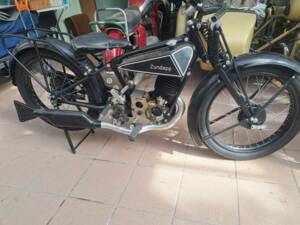
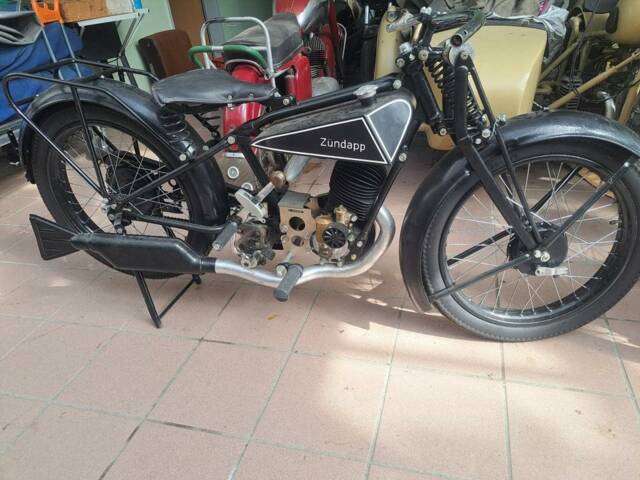
1929 | Zündapp Z 200
Zündapp Z 200

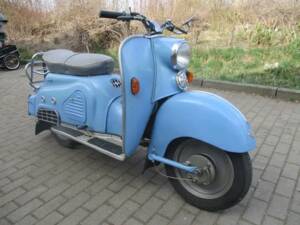
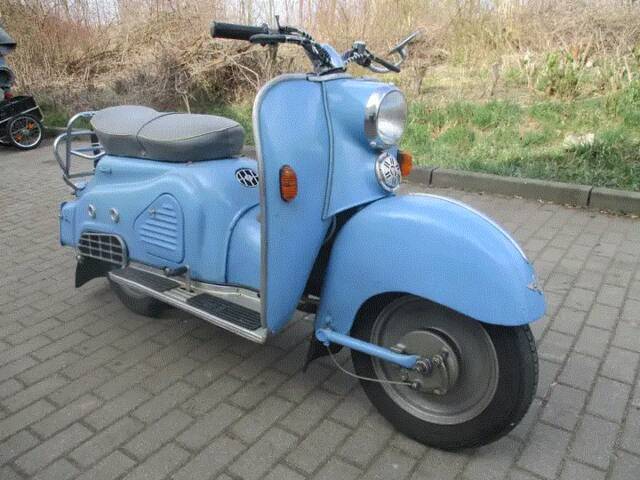
1959 | Zündapp Bella R 200
Zündapp Bella Roller Bella 201 / 203 Nr.48022
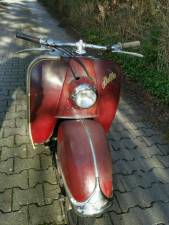
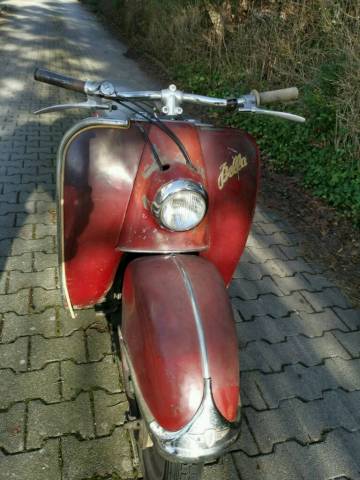
1955 | Zündapp Bella R 150 Sport
Zundapp Bella R150 1955 for restauration

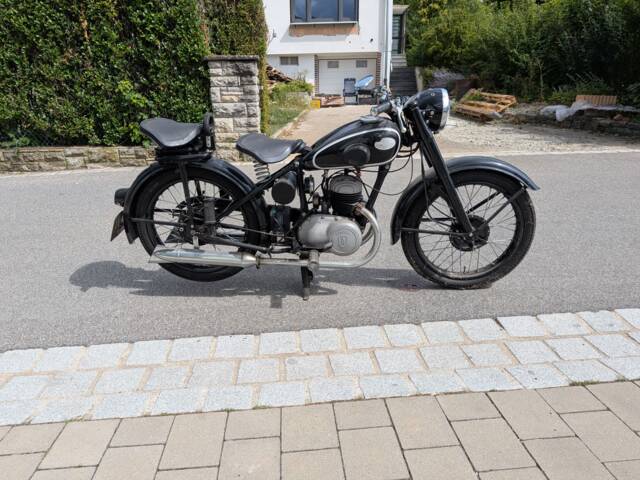
1950 | Zündapp DB 201
Restauriert - Verkauf wegen Auswanderung
Newsletter
The best Zündapp listings, straight to your inbox
Get hand-picked Zündapp listings, plus the best of cars, motorbikes, and auctions on Classic Trader — all in one place.
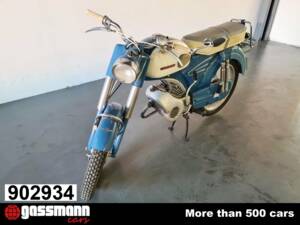
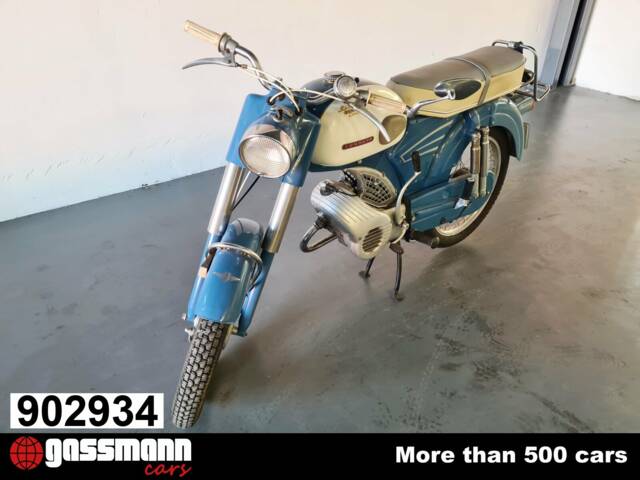
1963 | Zündapp Combinette
Mokick, Sport Combinette -R90S - Restauriert
Zündapp listing references from Classic Trader
Below you will find listings related to your search that are no longer available on Classic Trader. Use this information to gain insight into availability, value trends, and current pricing for a "Zündapp" to make a more informed purchasing decision.
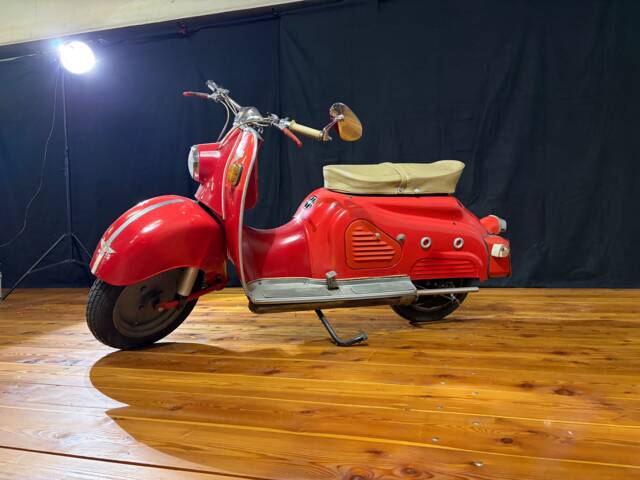
1958 | Zündapp Bella R 154
Comfort-oriented classic from the economic miracle era

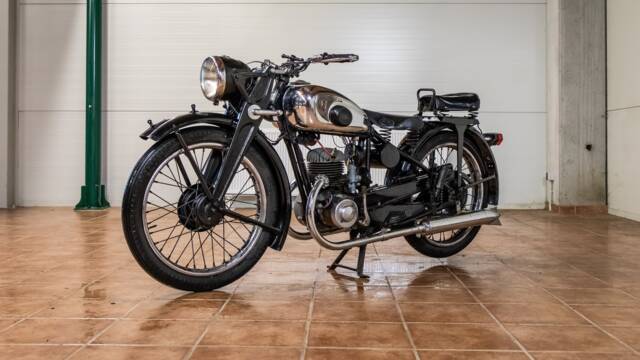
1938 | Zündapp DB 250
Pre-war motorcycle from the late 1930s
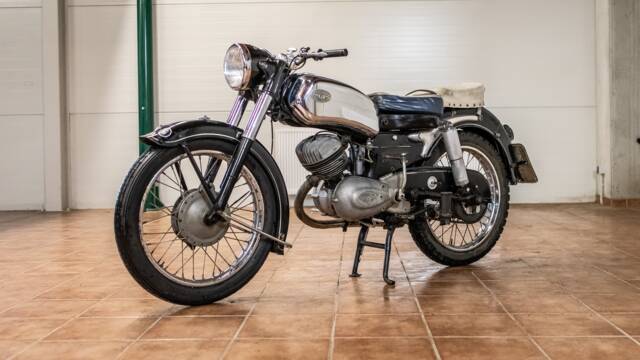
1954 | Zündapp DB 255 "Elastic 250"
Solid mid-class motorcycle from the economic miracle years
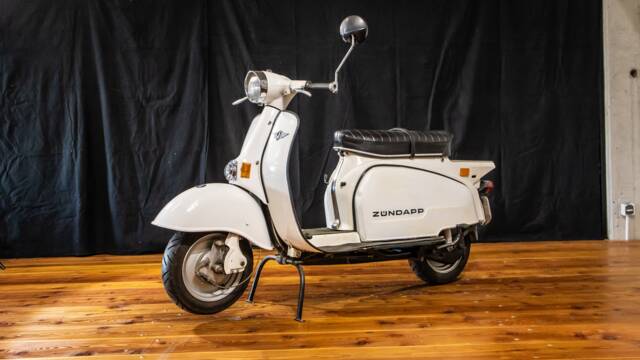
1977 | Zündapp R 50
Classic small scooter from the late 70s
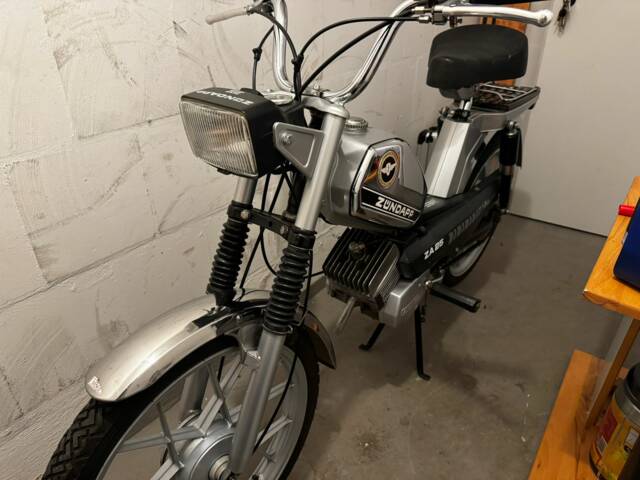
1982 | Zündapp ZA 25
Zündapp ZA25
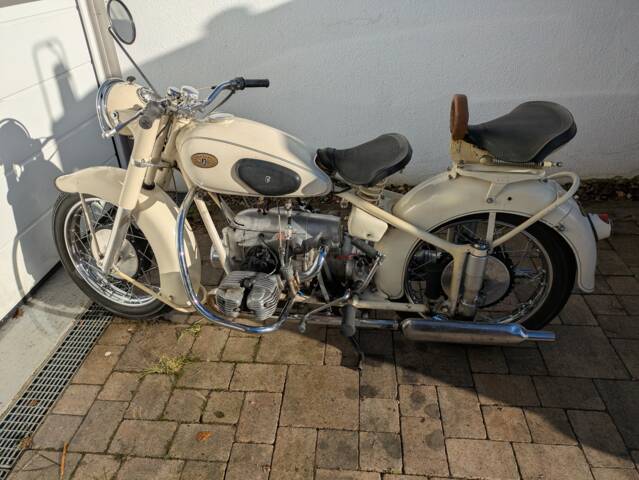
1952 | Zündapp KS 601
A True Classic of Motorcycle History!
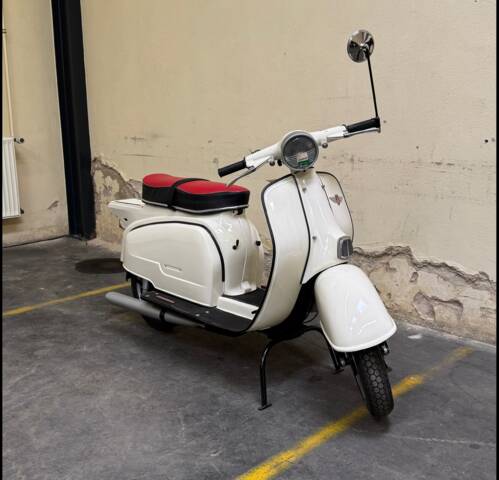
1964 | Zündapp R 50
Mokick
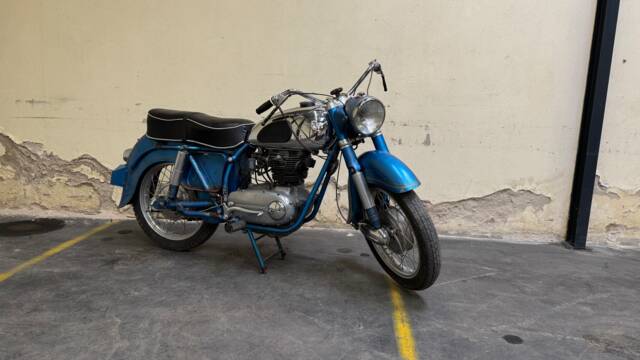
1958 | Zündapp Citation 500
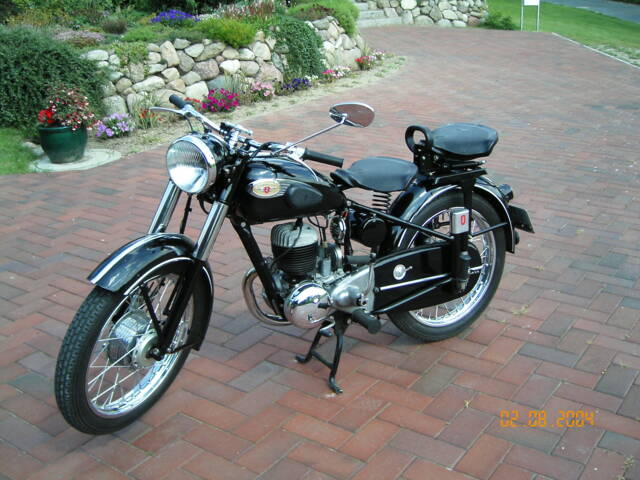
1953 | Zündapp DB 234
Norma Luxus
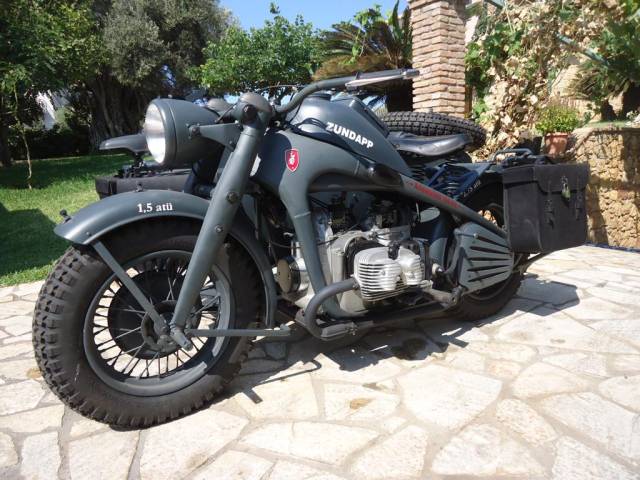
1941 | Zündapp KS 750
Unique - original - rarity

Since emerging from the Zünder- und Apparatebaugesellschaft in 1917, Zündapp evolved into one of Germany's leading motorcycle manufacturers. The Nuremberg brand stood for practical, long-lasting designs – everyday machines that shaped generations. The famous advertising slogan "Wer Zündapp fährt, bleibt unversehrt" reflects the brand promise: robustness and reliability rather than speed records. In Australia, these machines are rare treasures, often imported by dedicated enthusiasts who appreciate German engineering in the Southern Hemisphere.
History & Heritage
Fritz Neumeyer founded the Nuremberg Zünder- und Apparatebaugesellschaft in 1917 to produce military detonators. After World War I, Neumeyer sought new business fields – the 1920 Berlin Motorcycle Exhibition provided the inspiration for motorcycle construction.
1921-1930: The Beginnings – The first model, the Z22, still resembled a bicycle with an auxiliary motor. From 1933, the K-series followed with enclosed crankcases and shaft drives – powerful machines that showed technical maturity. By 1924, the ten-thousandth motorcycle had already left the line, thanks to assembly line production. By the late 1930s, Zündapp was among the five largest European motorcycle manufacturers.
1939-1945: War Production – The heavy KS 750 sidecar outfit was delivered in large numbers to the military. The sidecar-capable machine with 750 cc proved itself under the most extreme conditions. Today, these are highly sought after by Australian collectors of military memorabilia, often commanding premium prices at local auctions like Burns & Co.
1950s: Post-War Bloom – After the war ended, Zündapp began with four-stroke boxer engines. The highlight: the KS 601 (1951-1958, approx. 5,600 units). Journalist Carl Hertweck from "Das Motorrad" magazine dubbed it the "Green Elephant" because of its lime green paint and substantial torque. The 597 cc machine with 28 hp (Sport version: 34 hp) became the fastest German production motorcycle of its time. The annual Elefantentreffen (Elephant Rally) in the Bavarian Forest still celebrates this machine today, a spirit shared by Australian vintage clubs during winter rallies.
In 1953, Zündapp presented its first scooter, hitting the zeitgeist perfectly. The Bella R 150 became a bestseller during the 1950s scooter boom. With elegant design and reliable technology, it found rapid sales. In Australia, the Bella is perhaps the most "common" Zündapp, though still rare compared to Vespas, often found in unrestored "barn find" condition in rural sheds.
1960s-1980s: The Decline – In the early 1950s, Zündapp ceased four-stroke production and concentrated on two-stroke engines. The Falconette-Combinette series and the Z-series with moped and mokick models (50-80 cc) dominated the program. The 1980s brought the KS 80 with a water-cooled engine and 8.6 hp, as well as the K-models (50-350 cc).
The strategic commitment to two-strokes proved to be a mistake: Japanese four-cylinders pushed into the market from the 1960s with superior technology and lower prices. Zündapp lost touch – by 1984, they were still using 25-year-old designs with manual fuel taps and kickstarters. In 1984, Fritz Neumeyer's grandson filed for bankruptcy. The production facilities were sold to China.
Highlights & Features
Zündapp motorcycles are characterised by solid engineering – not racing machines, but well-thought-out everyday companions. Five models stand out:
KS 601 "Green Elephant" (1951-1958) – The most famous Zündapp of all. The 597 cc boxer engine with 28 hp (Sport: 34 hp) delivered powerful torque for sidecar operation. Telescopic forks, shaft drive, and a robust tubular steel frame made the machine indestructible. The lime green paint became the trademark.
KS 750 (1939-1945) – The military workhorse. 751 cc, 26 hp, sidecar design with a locking differential and off-road gearing. Over 18,000 units were produced – today, they are highly coveted collector machines. In Australia, finding an original, non-replica KS 750 is a significant event for the local scene.
Bella R 150 / R 200 (1953-1964) – Zündapp's scooter answer to Vespa and Lambretta. With a fully enclosed body, 150-200 cc single-cylinder two-stroke, and up to 10 hp, the Bella offered contemporary comfort. Special feature: the well-designed leg shield and high-quality finish.
DB 200 "Elastic" (1951-1957) – The touring workhorse. 198 cc single-cylinder two-stroke (note: the German text mentioned four-stroke for DB 200 but it was a two-stroke, the DB series were two-strokes) with 10 hp, plunger rear suspension, and chain drive. Reliable and low-maintenance.
Combinette / Falconette (1960-1969) – The bridge between moped and light motorcycle. 50 cc two-stroke with pedal-start assistance. Thousands of young riders had their first kilometres on these machines.
Technical Data
Zündapp KS 601 "Green Elephant" (1951-1958)
Zündapp Bella R 200 (1958-1964)
Market Overview & Buying Tips
Zündapp motorcycles cover a wide price spectrum – from affordable moped classics to high-priced pre-war rarities. In the Australian market, prices are generally higher than in Europe due to the rarity of the machines and the significant costs of shipping and import compliance.
KS 601 "Green Elephant" – The most desirable Zündapp. Roadworthy examples in Australia start at A$20,000-A$30,000 (average condition with patina). Restored machines in concours condition can reach A$40,000-A$55,000. With an original Steib sidecar (TR 500 or S 500), prices can climb to A$50,000-A$75,000. Sport and Elastic versions (swingarm rear suspension) command a 10-20% premium over standard models. Unrestored project bikes are rare but might be found for A$10,000-A$15,000 if the engine and frame are intact.
KS 750 Military Sidecar Outfit – Extremely rare and expensive in Australia. Complete, restored outfits change hands for A$70,000-A$100,000. Original Wehrmacht machines with documented history can exceed A$120,000. Be cautious: many Eastern European replicas are in circulation – verifying frame numbers and casting marks is essential.
Bella R 150 / R 200 – Affordable entry-level classics. Roadworthy Bella R 150s start from A$6,000-A$10,000, while the more powerful R 200 ranges from A$8,000-A$13,000. Top-restored examples can reach A$18,000-A$22,000. Early Bella models with round headlights (until 1957) are rarer and fetch a 20% premium. Projects with storage damage start from A$2,500-A$4,500.
DB 200 "Elastic" – An underrated tourer. Roadworthy machines: A$7,000-A$12,000, fully restored: A$15,000-A$22,000. Originality is key – later modifications with modern components can reduce the value by up to 30%.
Combinette / Falconette – Budget nostalgia. Running mopeds: A$1,500-A$3,000, restored: A$4,500-A$7,000. Rarer sport versions (e.g., Falconette Sport): A$5,000-A$8,500.
What to look for when buying:
KS 601 specific:
- Engine block cracks – Boxer engines are prone to cracks between cylinders if overheated. Visual inspection and pressure tests are vital.
- Shaft drive play – Wear on universal joints is common. Lift the rear wheel and check for side play. Repairs can cost A$1,500-A$2,500.
- Frame corrosion – Check the down-tube and the area around the engine mounts. Rust-through is common at weld seams.
- Telescopic fork damage – Fork seals harden after long periods of standing. A complete revision costs A$700-A$1,200.
- Paint originality – Lime green paint is a trademark. Resprays can reduce value by 10-15%. Colour code: RAL 6018 (Yellow Green).
Bella specific:
- Body corrosion – Sills and floorboards rust through. Replacement panels are available from Europe but are labour-intensive to fit.
- Two-stroke piston seizures – Many Bellas were run on lean mixtures. A compression test is mandatory. Engine revision: A$1,000-A$2,000.
- Wiring harness – Original cables are often brittle. A complete replacement harness costs A$350-A$600.
General considerations for Australia:
- Parts availability – For the KS 601 and Bella, parts availability is good thanks to an active scene in Europe (e.g., specialists like Zandri NL, Matton Oldtimers). However, shipping costs to Australia for heavy items like cylinders or frames can be substantial. Wear parts like brake pads, gaskets, and bearings are readily available.
- Import costs – If buying from Europe, factor in A$3,000-A$5,000 for shipping, plus GST (10%) and potential customs processing fees. Machines over 25 years old benefit from easier import rules in Australia.
- Specialist knowledge – Finding a mechanic in Australia familiar with Zündapp's specific quirks (like the KS 601's gearbox) can be challenging. Joining the Zündapp Fool's Club or local European bike groups is highly recommended.
Riding Experience & Character
KS 601 "Green Elephant" – The riding experience begins with the characteristic boxer engine sound: a deep, rhythmic rumble that rises to a rich bark as revs increase. The engine runs smoothly up to 4,000 rpm, becoming coarser above that. The 28 hp doesn't manifest in sprint performance but in torque – the Elephant pulls smoothly from low revs, perfect for Australian country roads and winding mountain passes.
The chassis is surprisingly comfortable: the telescopic forks soak up bumps smoothly, while the early plunger suspension (until '56) feels firm. The later swingarm (from '57 Elastic) provides a softer ride. The high weight (220 kg) ensures highway stability up to 110 km/h – beyond that, it becomes strenuous as the handlebars begin to vibrate. In corners, the Elephant feels planted but requires physical effort – the steering is direct but heavy. Modern radial tyres significantly improve handling.
With a Steib sidecar, the character transforms: the Elephant becomes a long-distance cruiser. The outfit stabilises from 70 km/h, and steering work becomes easier. Full load (two people + luggage) challenges the engine – you shift earlier, using the torque. The brakes are adequate solo, but in a sidecar outfit, you must plan your stops well in advance.
Bella R 200 – A completely different experience. The two-stroke engine tinkles on a cold start, puffing blue-white smoke until warm. Then it develops a cheerful two-stroke rattle – lively up to 5,000 rpm. The 10 hp is enough for a brisk 80 km/h, though hills are taken at a more leisurely pace. The gearshift works precisely, and the twist grip feels good in the hand.
The chassis is typically soft for a scooter, swallowing cobblestones or rough Australian bitumen without complaint. The 10-inch wheels make the scooter nimble but susceptible to crosswinds. Highway tours are possible but tiring – the Bella lacks wind protection and power reserves. It shines in city traffic: quick acceleration from the lights, a narrow silhouette, and easy parking. The Bella's charm lies in its relaxed nature – not a racing machine, but a friendly companion for Sunday rides to the local café.
Combinette – Pure 1960s moped feeling. The 50 cc two-stroke roars like an angry hornet, and pedal assistance helps on hills. Top speed is 45 km/h – modern traffic is stressful, but backroads are home. Simple technology, every move is understandable. Pure nostalgia.
Design & Styling
Zündapp design follows the maxim "Form follows Function" – not Italian elegance, but German practicality. Nevertheless, the brand developed unmistakable design features.
KS 601 – The lime green paint (RAL 6018) became the brand identity, inspired by British military colours. The massive tubular steel frame, chromed mudguards, and gleaming chrome exhaust pipe provide clear contrasts. The design breathes solidity: no playful lines, just robust proportions. The boxer engine dominates visually – the horizontally protruding cylinders are an eye-catcher and a functional element (optimal cooling). Neumeyer's designers prioritised ease of maintenance: side covers give access to valves, and the tank can be removed without tools.
Bella – Here, Zündapp's attempt to combine Italian scooter elegance with German solidity is evident. The fully enclosed body follows Vespa proportions but appears more angular, less fluid. The leg shield is higher than that of competitors, offering better weather protection – a plus for the unpredictable Australian climate. The two-tone paint (often cream/red or cream/green) gives the Bella a cheerful, optimistic character – typical of the 1950s economic miracle era. The chromed Zündapp lettering on the leg shield is proudly placed. Designer Wilhelm Gutbrod created a body that prioritises space and protection – the Bella is wider than a Vespa, offering more storage space under the seat.
Military Models (KS 750) – Olive drab paint, angular sidecar body, welded mounts for machine guns and tools. Pure functionality, no concessions to aesthetics. Yet today, a unique appeal has developed – the patina of 80 years of history gives these machines a martial beauty.
Branding – The Zündapp logo (stylised lettering with a flourish) adorned the tank and engine covers. The brand relied on chroming as a quality feature – mudguards, exhaust, and headlight rings shone as status symbols.
Racing & Competitions
Zündapp's racing history began early: as early as 1923, after only three years of motorcycle production, factory rider Hans Hieronymus took victory at the Berlin Avus race on a 246 cc Zündapp. This early dominance established Zündapp's reputation – not as the fastest, but as the most reliable machines.
Long-Distance Dominance (1920s-1930s) – Zündapp concentrated on reliability trials rather than circuit racing. At the International Six Days Trial (ISDT), Zündapp riders collected dozens of gold medals. The robust frames and low-maintenance shaft drives proved themselves on gravel roads and Alpine passes.
Off-Road Era (1950s-1980s) – Zündapp's greatest successes were in motocross and enduro. Almost continuously represented in the off-road class, Zündapp won nearly 50 European Championship titles over the company's history. The light two-stroke models (125-250 cc) particularly dominated in the 1970s. Riders like Adolf Weil and Gerrit Wolsink (1974 European title on a Zündapp 125) shaped the era.
Technical Specialities – Zündapp racing machines used longitudinally mounted two-strokes with rotary valve control. The frame constructions were unconventionally stiff, providing handling advantages off-road. The 1970s GS series (125/175/250 cc) became an enduro legend.
Elefantentreffen – Since the 1950s, hundreds of KS 601 riders have gathered every January for the Elefantentreffen in the Bavarian Forest. Originally started as a winter reliability trial, it is now a cult event – riders brave snow and ice, often on 70-year-old machines. In Australia, enthusiasts often hold their own "mini-Elefant" gatherings during the colder months in the Great Dividing Range.
Summary
Zündapp motorcycles embody German engineering in its purest form: solid, well-thought-out, and designed for longevity. The brand did not succumb to technological limits but to economic pressures – the fixation on two-strokes came too late to stop the Japanese advance.
For today's Australian collectors, Zündapp classics offer an authentic riding experience without Italian temperament or British whims. The KS 601 "Green Elephant" is the first choice for sidecar riders and long-distance tourists – robust, low-maintenance, and full of character. The Bella appeals to scooter fans who want to combine Vespa charm with German quality. Beginners find affordable, easy-to-maintain vintage bikes in mopeds like the Combinette.
The scene is active – even in Australia, where the rarity of the machines fosters a tight-knit community of enthusiasts. While parts often need to be sourced from Europe, the parts supply is better than for many competitors thanks to specialised dealers. When you buy a Zündapp, you acquire a piece of German mobility history – and a machine that still lives up to its old advertising slogan today: "Wer Zündapp fährt, bleibt unversehrt."