Volkswagen Golf Typ 19E classic cars for sale
The Volkswagen Golf Typ 19E, better known in Britain as the Golf Mk2, was built from 1983 to 1992. Available as a three- or five-door hatchback, it combined a 410-litre boot with engines ranging from modest 1.3-litre petrol units to the 137 hp GTI 16V, G60 and Syncro variants.
Search results
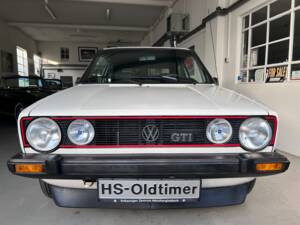
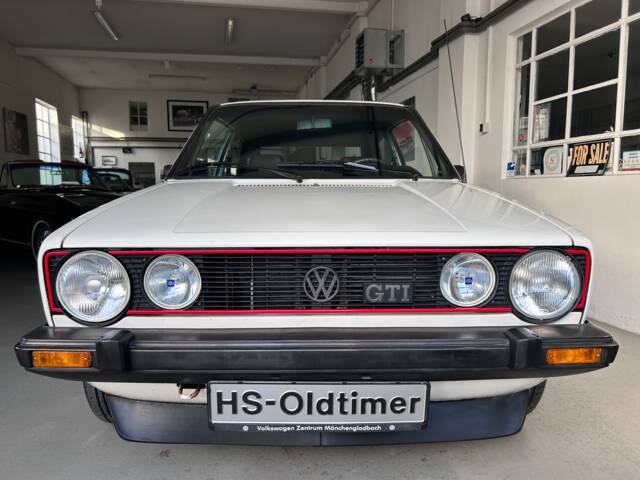
1984 | Volkswagen Golf Mk II Gti 1.8
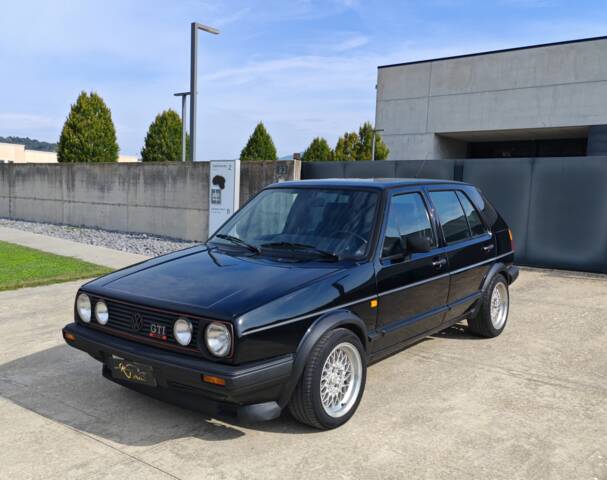
VW Golf GTi Special (Sweden) last model year


Auctions ending soon

Loading…
Loading…
Loading…
Loading…
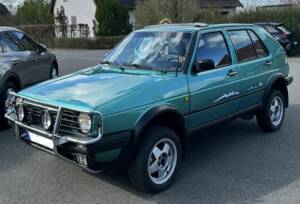
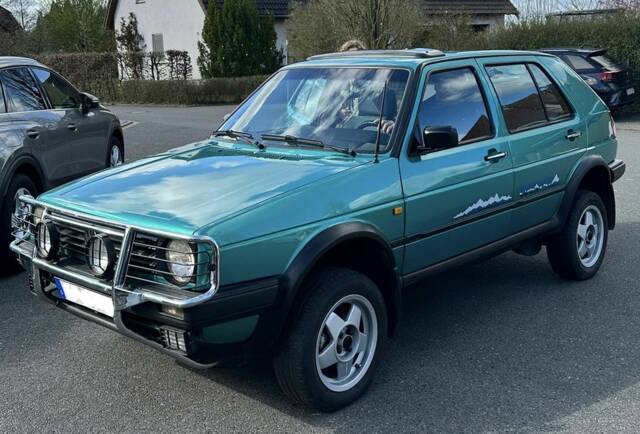
1991 | Volkswagen Golf Mk II Country Syncro 1.8
Volkswagen Golf Country | 1991 | Route 66 Auctions - For sale by auction. Estimate 8400 EUR

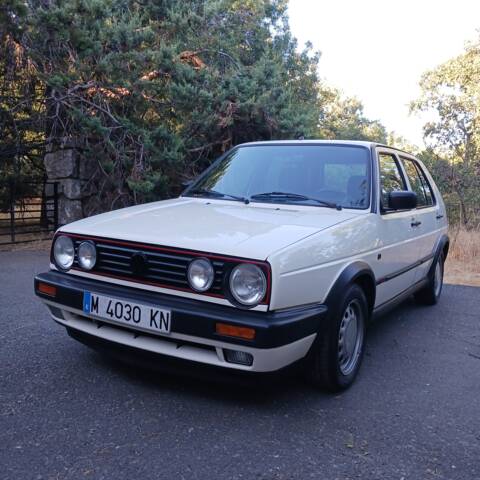
1989 | Volkswagen Golf Mk II GTi 1.8
One owner from new. Originally sold new in Spain in 1989.

Newsletter
The best Volkswagen listings, straight to your inbox
Get hand-picked Volkswagen listings, plus the best of cars, motorbikes, and auctions on Classic Trader — all in one place.
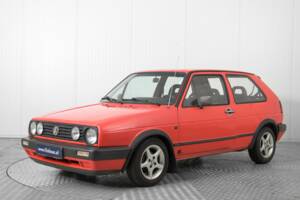
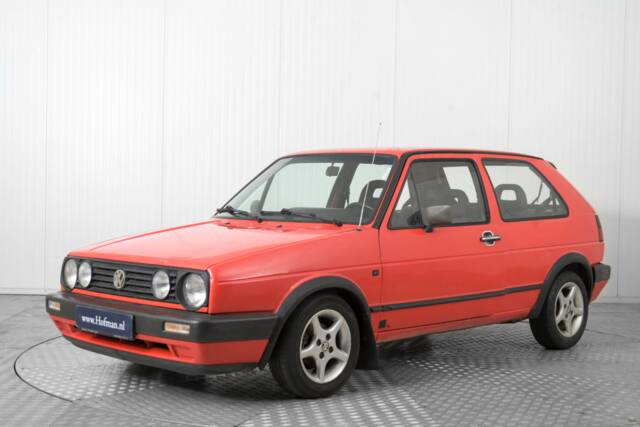
1986 | Volkswagen Golf Mk II GTD 1.6
Volkswagen Golf 1.6 GTD .
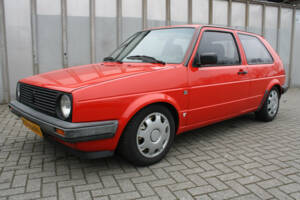
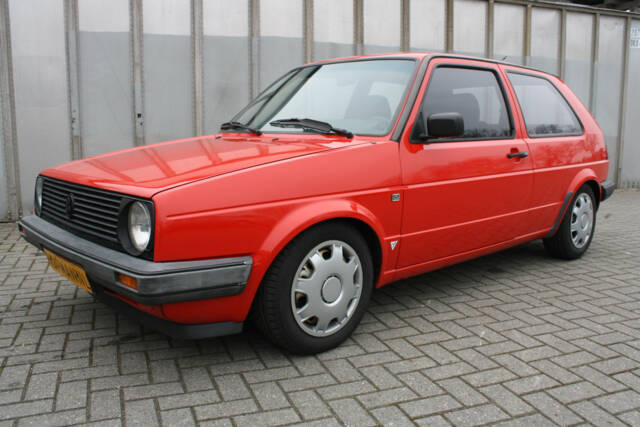
1984 | Volkswagen Golf Mk II GTD 1.6
Volkswagen Golf 1.6 TD
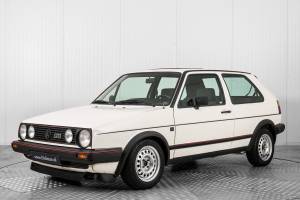
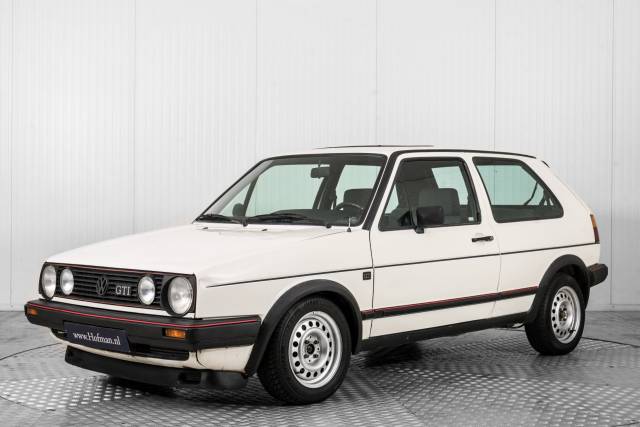
1987 | Volkswagen Golf Mk II GTi 1.8
Volkswagen Golf 1.8 GTI
Volkswagen Golf Typ 19E listing references from Classic Trader
Below you will find listings related to your search that are no longer available on Classic Trader. Use this information to gain insight into availability, value trends, and current pricing for a "Volkswagen Golf Typ 19E" to make a more informed purchasing decision.
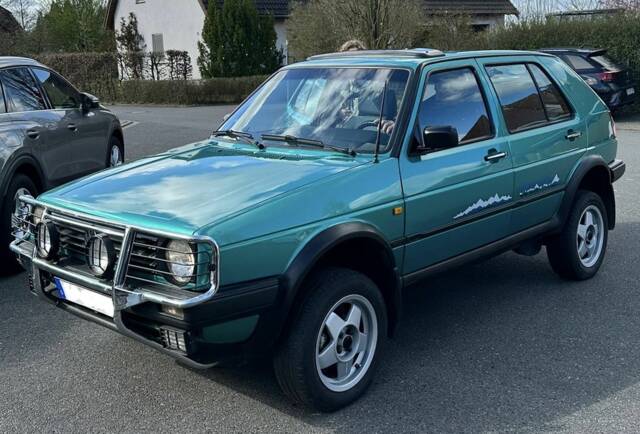
1991 | Volkswagen Golf Mk II Country Syncro 1.8
Volkswagen Golf Country | 1991 | Route 66 Auctions - For sale by auction. Estimate 8400 EUR
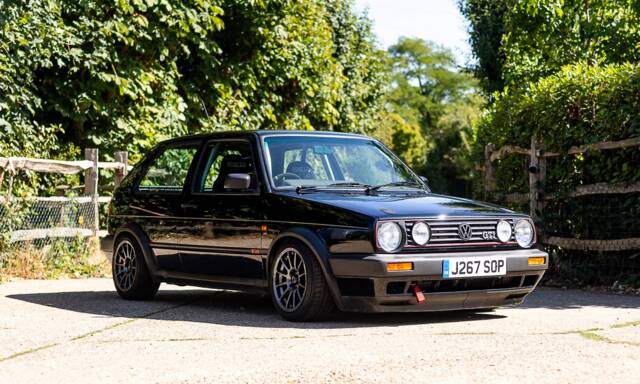
1991 | Volkswagen Golf Mk II GTi 1.8
1991 Volkswagen Golf GTi Mk. II

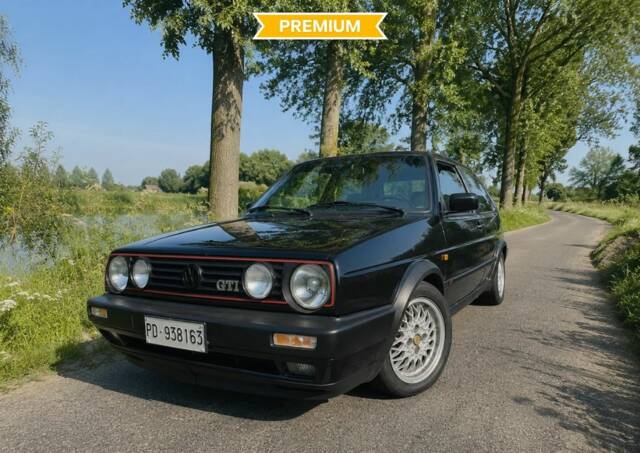
1988 | Volkswagen Golf Mk II GTi 1.8
Volkswagen Golf | 1988 | Route 66 Auctions - For sale by auction. Estimate 7800 EUR
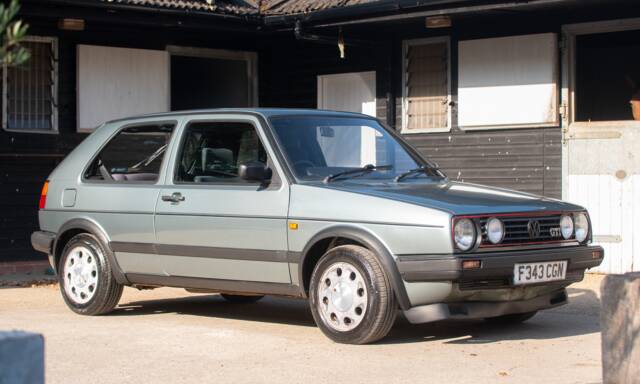
1988 | Volkswagen Golf Mk II Gti 1.8
1988 Volkswagen Golf GTi
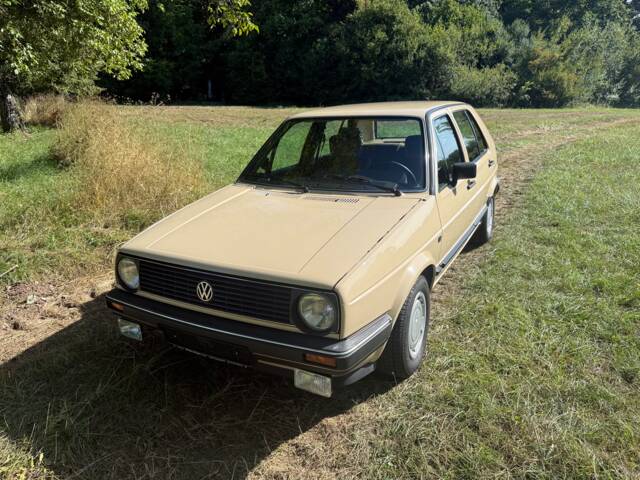
1987 | Volkswagen Golf Mk II 1.8
VW Golf 2 GL 1.8 GX Automatic – 1 Owner – only 24.162 km – Top condition
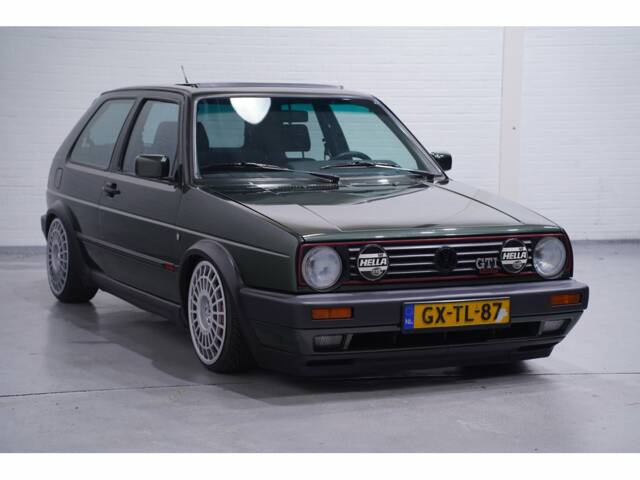
1989 | Volkswagen Golf Mk II GTi 16V 1.8
Volkswagen Golf GTI | 1989 | Route 66 Auctions - For sale by auction. Estimate 13800 EUR
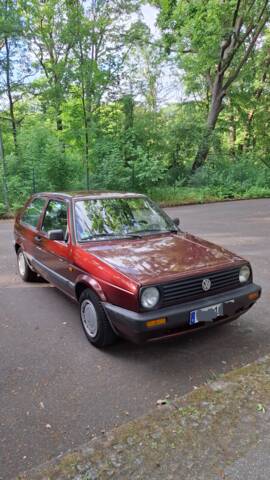
1991 | Volkswagen Golf Mk II 1.6
Sehr schönes Rentnerfahrzeug
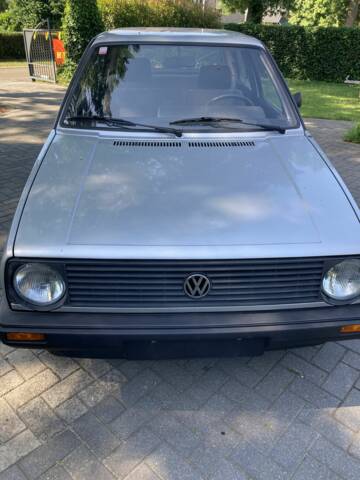
1984 | Volkswagen Golf Mk II 1.3
Volkswagen Golf | 1984 | Route 66 Auctions - For sale by auction. Estimate 3500 EUR
Volkswagen Golf Typ 19E Classic Cars: Prices & Market Values
History of the Volkswagen Golf Typ 19E
Volkswagen introduced the Golf Mk2 in Europe at the Frankfurt Motor Show in September 1983; right-hand-drive cars followed in March 1984. The Typ 19E retained the transverse-engined, front-wheel-drive hatchback formula of the first Golf, but grew in every important direction: its wheelbase was around 3 inches longer, overall length rose by 7.1 inches and width by 2.2 inches. The extra size brought markedly more usable cabin and luggage space, although kerb weight increased by roughly 120 kg.
German production ended late in 1992. Across its production run, approximately 6.3 to 6.4 million Mk2 Golfs were built. The range covered straightforward 1.3- and 1.6-litre family hatchbacks, diesel and GTD models, and increasingly specialised performance cars including the GTI 16V, G60, Rallye and raised Golf Country.
Golf Mk2 model history
The Typ 19E is the second-generation Golf, succeeding the Golf Mk1. Unlike its predecessor, the Mk2 was not offered as a factory convertible; the Mk1 Cabriolet continued during the Mk2 era.
Most cars were conventional front-wheel-drive three- or five-door hatchbacks. Volkswagen broadened the mechanical range with diesel and turbodiesel versions, the sporting GTI models and Syncro four-wheel drive. The Rallye and Country used Syncro transmission, while the Country added raised suspension and an unusual off-road-influenced body treatment. The Golf Mk2 was followed by the Golf Mk3 after production ended in 1992.
Volkswagen Golf Typ 19E highlights
The Typ 19E's defining strength is the breadth of its range. A standard hatchback offers five seats, a 410-litre boot and up to 1,360 litres with the rear seat folded; roof load is rated at 75 kg. Beneath the familiar hatchback body, buyers could choose carburettor and fuel-injected petrol engines, diesel and turbodiesel power, automatic or manual transmissions, and—on selected versions—Syncro four-wheel drive.
For enthusiasts, the 1.8 GTI range is central: the eight-valve GTI develops about 112 hp, while the 16-valve version reaches about 137 hp. At the far end sit the mechanically supercharged G60 and the Rallye, which pairs a 1.8-litre G-Lader engine with Syncro. The Rallye is also identifiable by its box arches and rectangular headlamps.
Golf Country models stand apart with their raised suspension, dedicated subframe, underbody protection, bull bars and tailgate-mounted spare wheel. They are not merely a Golf with taller springs: the Country combines that package with the 98 hp 1.8-litre engine and Syncro drivetrain.
Technical data for the Golf Typ 19E
Special editions and unusual variants
The Golf Rallye was a Group A homologation model, with 5,000 built, mostly in left-hand drive. Its 1,763 cc supercharged engine was reduced from 1,781 cc for FIA homologation; it combines about 160–161 hp, Syncro four-wheel drive, wide arches, rectangular lamps, Sebring alloy wheels and Recaro part-leather seats.
The Golf Country transformed the hatchback into a raised Syncro model with skid plates, bull bars and an externally mounted spare wheel. The Country Chrome Edition added chrome trim, upgraded interior trim and leather.
Other named editions include Match from 1985, Madison, the 1 in 10 Million campaign edition, Edition Blue with blue paint and leather, and the Dutch-market GTS. Equipment and colours vary by market and year, so an original brochure, build sticker and period documentation are especially useful when assessing an advertised special edition.
Known weak spots and buying checks
No model-specific weak spots have been supplied for the Golf Typ 19E. A buyer should therefore avoid assuming that equipment is standardised across the range: power steering, ABS, sunroofs, air conditioning, central locking, electric windows and heated seats were dependent on year, trim and market.
On performance and special versions, verify the specification rather than relying on exterior cues. A genuine Rallye should combine its wide-body shell and rectangular lamps with Syncro and the G-Lader installation; a Country should have its raised suspension, distinctive subframe, protection bars and rear-mounted spare-wheel arrangement. Service records and evidence of correct mechanical specification matter particularly where a car is advertised as a GTI, G60, Rallye or Country.
Engines, transmission and driving character
The ordinary Typ 19E range used four-cylinder petrol engines from 1.3 to 1.8 litres, plus 1.6-litre diesel and turbodiesel units. Petrol cars were offered with carburettors or fuel injection, including Bosch K-Jetronic mechanical injection and Bosch Digifant electronic management. Gearboxes were usually four- or five-speed manuals, with three- or four-speed automatics available on selected cars.
The 1.8-litre GTI 8V produces approximately 112 hp and reaches 100 km/h in about 8.6 seconds. The GTI 16V raises output to around 137 hp, cuts the 0–100 km/h time to approximately 8.0–8.3 seconds and has a stated top speed of up to 216 km/h. The G60 brings the characteristic sound and torque delivery of the mechanical G-Lader supercharger.
- GTI 8V — 1,781 cc, about 112 hp, approximately 0–100 km/h in 8.6 seconds.
- GTI 16V — 1,781 cc, about 137 hp, approximately 0–100 km/h in 8.0–8.3 seconds and up to 216 km/h.
- Rallye — 1,763 cc G-Lader engine, around 160–161 hp, Syncro four-wheel drive, approximately 0–100 km/h in 8.3 seconds and up to 216 km/h.
- Golf Country — 1.8-litre eight-valve engine with about 98 hp and Syncro four-wheel drive. undefined
Body, interior and equipment
The Mk2 Golf is recognisable by its upright hatchback proportions and larger body than the Mk1. Most cars have round headlamps, while the Rallye uses rectangular Jetta-style units, body-coloured bumpers and pronounced box arches. Country versions are visually distinct again, sitting higher on their unique subframe and carrying bull bars, skid plates and a spare wheel on the tailgate.
Cabins usually feature cloth or velour upholstery in grey, black or patterned finishes. GTI cars commonly have patterned sport seats, red grille detailing, alloy wheels, a leather steering wheel and MFA trip computer. Recaro seats appeared on some performance and special models, while Edition Blue used blue paint and leather or part-leather trim.
Period-correct details can include BBS, Pirelli, Le Castellet or P-slot alloy wheels, a Blaupunkt or VW Alpha/Beta cassette radio, fog lamps, tinted glass and a sunroof. Colours include Tornado Red, Oak Green metallic, Diamond Silver, Stratos Blue, Alpine White, Monza Blue—specified for the 16V—Helios Blue and Moonlightblue pearl effect.
Equipment, practicality and registration context
The Golf Typ 19E was specified very differently across its lifetime. Base cars may lack a radio, alloy wheels, central locking or air conditioning, while higher-specification, GTI and special-edition cars are more likely to carry power steering, ABS, electric mirrors or windows, a sunroof, sports suspension and MFA. Airbags were not normally fitted; three-point belts were provided in front and sometimes in the rear.
The standard fuel tank holds 55 litres. Typical payload is 491–595 kg, and gross vehicle weight can reach around 1,430 kg depending on version. Later cars could sometimes be improved in emissions terms through retrofit, but the standard classification is Euro 0.
Summary: buying a Volkswagen Golf Typ 19E
A Volkswagen Golf Typ 19E is a 1983–1992 Golf Mk2 hatchback offered in three- and five-door form, with petrol, diesel, turbo-diesel and selected Syncro four-wheel-drive drivetrains. Its practical 410–1,360-litre luggage capacity sits alongside a wide mechanical spread, from 1.3-litre cars to the GTI 16V, G60, Rallye and Country.
When comparing cars for sale, establish the exact engine, gearbox, drivetrain, factory equipment and edition from documentation. This is particularly important for cars presented as GTIs, G60s, Rallyes, Countrys or named special editions, since these versions differ substantially in powertrain, suspension, trim and exterior components.