- Car
- Volkswagen
- Volkswagen Kübel (3 offers)
Volkswagen Kübel Oldtimer kaufen
The Volkswagen Kübelwagen stands as one of the very few truly utilitarian classics built for versatility on all terrains, developed originally for the German military and later enjoying a multifaceted civilian life. Its unmistakable angular shape and robust mechanics still make it a sought-after classic for enthusiasts worldwide.
Search results
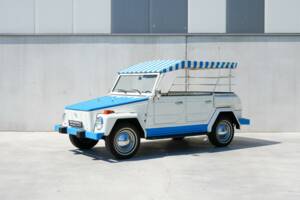
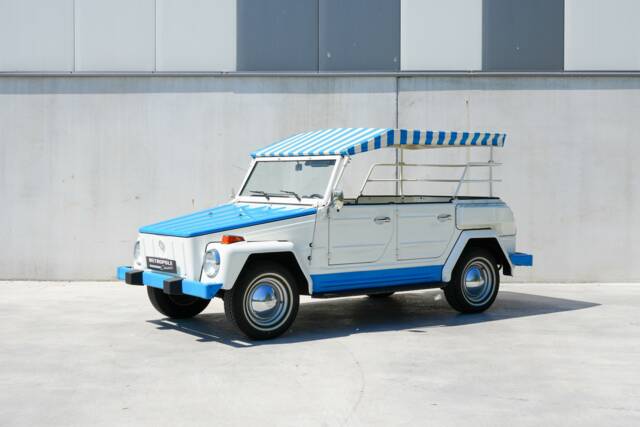
1974 | Volkswagen Thing 1600
Volkswagen 181 THING M1204

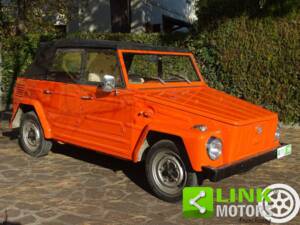
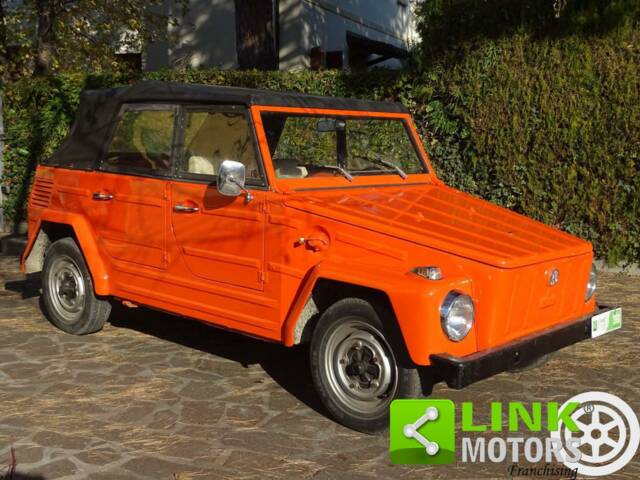
1971 | Volkswagen Thing 1600
VOLKSWAGEN 181 Pescaccia 18/H1 Cabrio - 1971 ASI

Auctions ending soon

Loading…
Loading…
Loading…
Loading…
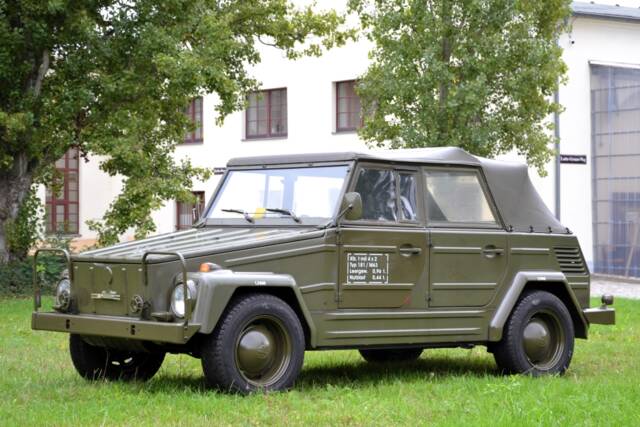
1975 | Volkswagen Thing 1600
Vollrestauration, Top-Zustand

Volkswagen Kübel listing references from Classic Trader
Below you will find listings related to your search that are no longer available on Classic Trader. Use this information to gain insight into availability, value trends, and current pricing for a "Volkswagen Kübel" to make a more informed purchasing decision.
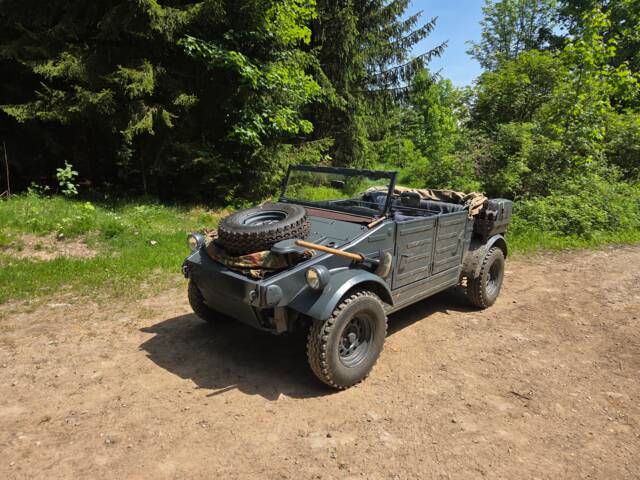
1991 | Volkswagen Kübel
Verkaufe seltenen VW Typ 82 Kübel Replica in BLECH-Ausführung.
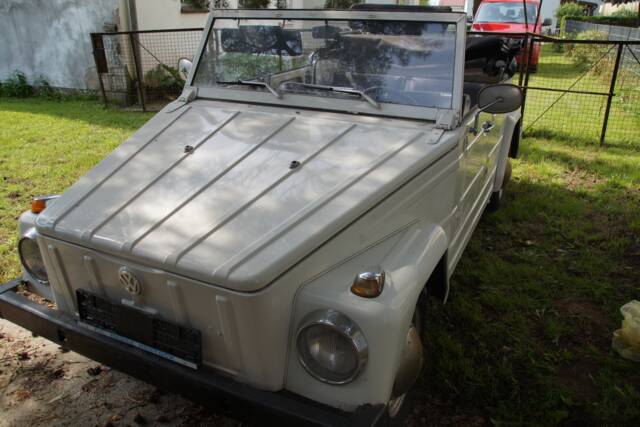
1971 | Volkswagen Thing 1600
VW Typ 181 Kübelwagen Bj. 1971 | H-Kennzeichen | Oldtimer-Gutachten | Originalzustand | Fahrbereit
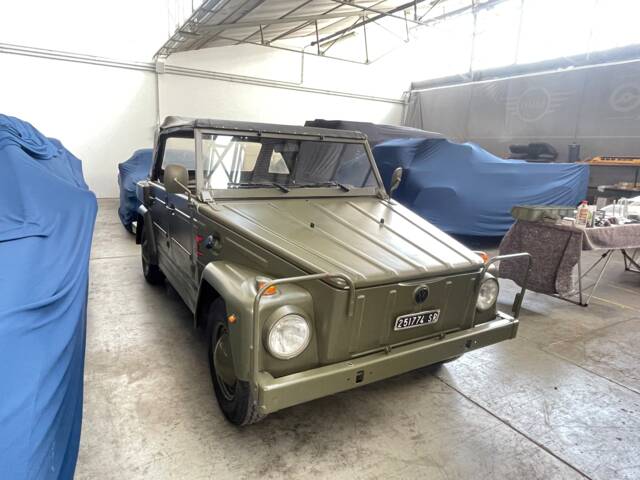
1976 | Volkswagen Thing 1600
Restaurata pronta a partire
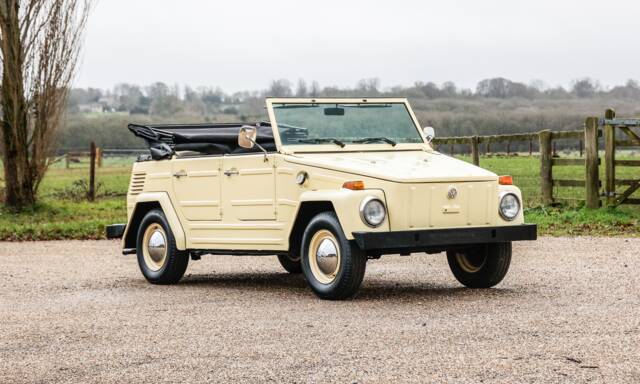
1978 | Volkswagen Thing 1600
1978 Volkswagen Type 181 Trekker 'The Thing'

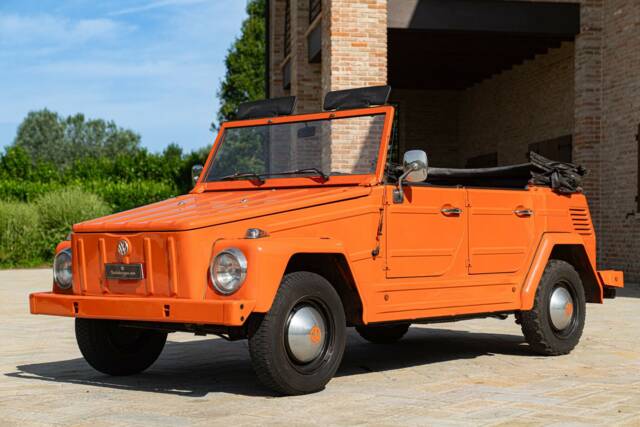
1973 | Volkswagen Thing 1600
Volkswagen PESCACCIA
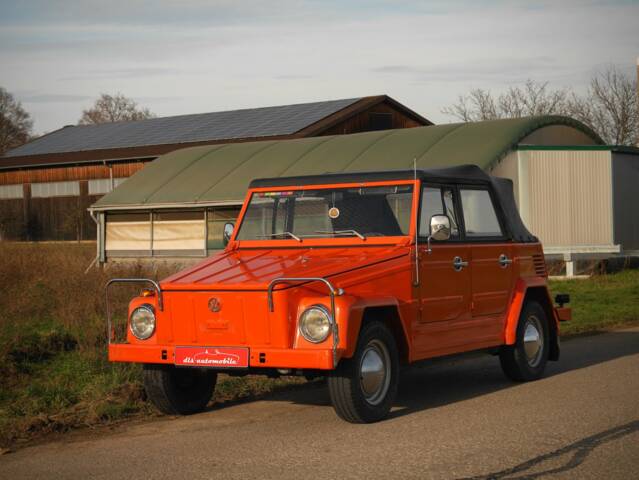
1971 | Volkswagen Thing 1600
Volkswagen 181 Zivil-Kübelwagen // unrestauriert // ungeschweißt // Erstlack aus Italien
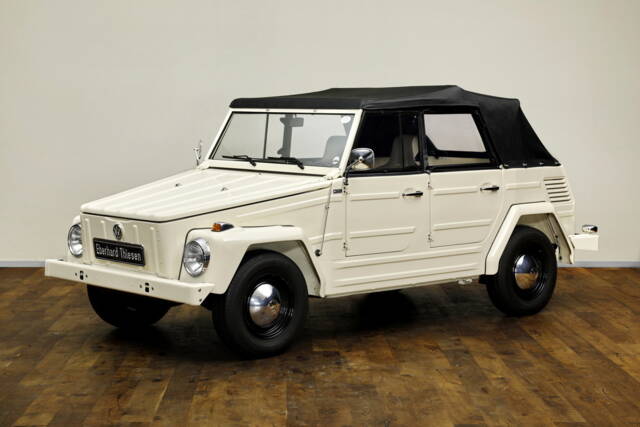
1978 | Volkswagen Thing 1600
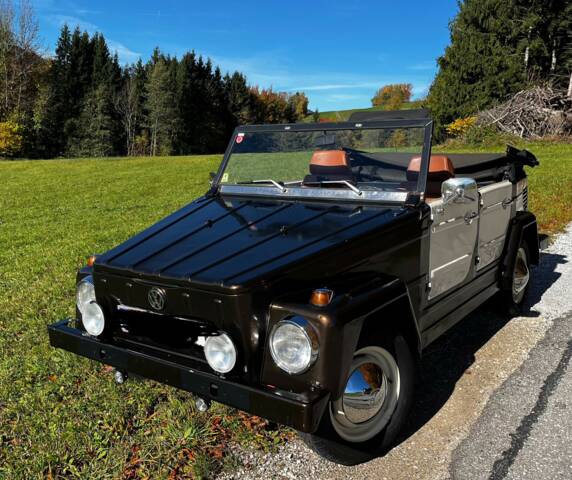
1973 | Volkswagen Thing 1600
A beautiful piece of History and still fully running....

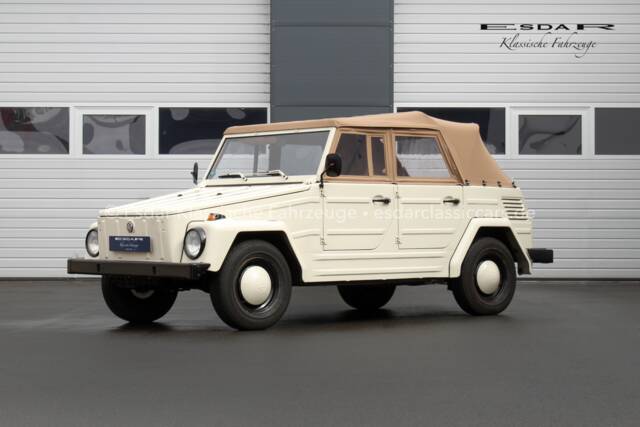
1978 | Volkswagen Thing 1600
Kübelwagen 18-63
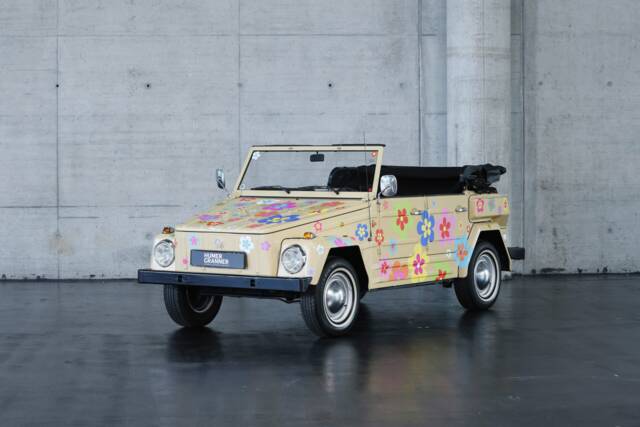
1981 | Volkswagen Thing 1600
1981 Volkswagen Typ 181 Kurierwagen. Im Auktionsverkauf. Schätzwert: 12.000 € - 18.000 €. Ohne Mindestpreis!
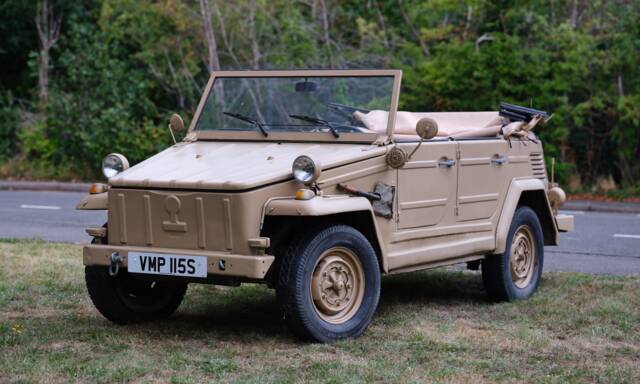
1974 | Volkswagen Thing 1600
1974 Volkswagen Type 181 'Kurierwagen'
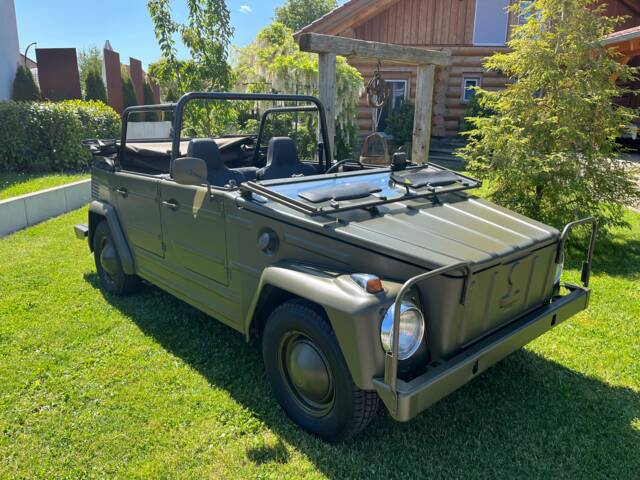
1972 | Volkswagen Thing 1600
Typ 181 Bj. 1972 "Leistung 32PS" Restauriert, TÜV neu
Volkswagen Kübel Classic Cars: Prices & Market Values
The market value of Volkswagen Kübel classic cars is primarily determined by the specific manufacturer code and variant, as well as technical condition, originality and mileage. Additional factors include rarity, history and documentation. A well-maintained, largely original vehicle with low, verifiable mileage and complete history including appraisals and documentation typically achieves significantly higher prices than a comparable vehicle with deferred maintenance, many modifications or unclear provenance.
Volkswagen Kübel: Market Prices & Value Trends
Based on Classic Trader marketplace sales data from February 2021 to December 2025, the Volkswagen Kübel/Thing (typically 1500–1600 models from 1969–1978) shows a broadly stable to mildly firmer market, with most recent asking prices clustering in the mid-teens to low-£20,000s. Across European adverts (notably Germany, Italy, the Netherlands and Austria), a realistic mainstream price band sits at roughly £11,000–£25,000, reflecting condition, originality and the quality of restoration rather than small year-to-year differences. Cheaper entries around £5,000–£8,000 appear occasionally and are best treated as outliers or project-grade cars, while well-presented examples can push towards £30,000. A single wartime Kübelwagen-style listing at £73,261 is clearly atypical for the broader “Thing 1600” market and should not be used as a benchmark. For buyers, this points to steady demand for usable, characterful air-cooled classics with simple mechanics and strong nostalgia appeal, keeping values supported rather than volatile.
History of the Volkswagen Kübelwagen
The story of the Volkswagen Kübelwagen begins in the late 1930s, with the birth of the Typ 82 during World War II as a light, open-body utility vehicle for military purposes. Its success arose from its simplicity, low weight, and renowned dependability, achieved by using a flat-four air-cooled engine and minimalistic bodywork. The model was revived almost three decades later as the Typ 181, initially as a military project for the post-war Bundeswehr in West Germany and soon expanded for worldwide civilian markets. Manufactured from 1968 to 1983 in Germany, Mexico, and Indonesia, the Kübel adapted to an array of roles, from police patrol vehicle to fun summer convertible, embodying adaptability and resourcefulness above all.
Model History and Development
The original Kübelwagen, Typ 82, was Volkswagen’s WWII answer to military mobility and featured essential bodywork and parts interchangable with the contemporary Käfer. After production ceased in 1945, demand for a utilitarian military and leisure vehicle led Volkswagen to develop the Typ 181. Released in 1968, the Typ 181—also marketed under names like Kurierwagen, Trekker, The Thing, Safari, and Pescaccia—utilized a widened Karmann-Ghia platform with many Käfer and transporter components, offering both military and civilian specs. Civilian sales ended in 1980, but production for armed forces continued to 1983. Earlier models had swing axles; later ones, dual-joint rear axles (IRS), improving handling. The Kübel’s adaptability is further evidenced by its global assembly, including Wolfsburg, Hannover, Puebla, and Jakarta.
Highlights and Unique Features
Striking for its minimalistic, angular silhouette, the Kübel is engineered for functionality: detachable doors, fold-down windscreen, and simple, waterproofed interiors designed for frequent exposure to the elements. Engine placement at the rear offers excellent traction for off-road applications, with high ground clearance and spare, durable running gear allowing use well off paved roads. The basic construction makes for straightforward restoration and maintenance, with a high percentage of parts shared with other classic Volkswagens, ensuring ease of service and long-standing reliability. The model typifies shrewd German engineering for its era—capable, robust, and efficient on any terrain.
Technical Data
Special Editions and Collectible Models
Several unique editions forged the Kübel's cult status. The Italian-market 'Pescaccia' offered a beach-friendly take with minimal weather protection, while US-market versions, branded as 'The Thing', featured safety and emissions adaptations for American buyers. A ‘Spiaggina’ variant was aimed at leisure, with no roof and enhanced for sun and fun. Military versions differ through specialized air filters, reduction gears, and communication prewiring, often commanding special attention among purists.
Weak Spots and Common Issues
Although renowned for mechanical simplicity and ready spare parts availability (Käfer compatibility), the Kübel car’s basic design leads to low crash safety (failed to meet certain US safety standards from 1975). Potential buyers should inspect for rust, especially on the sills and underbody, and check convertible top mechanisms for wear. Its drivetrain, while easily maintained, can suffer from neglected servicing, and original military equipment may require extra attention due to age.
Engine and Performance, Transmission and Handling
In typical trims, the Kübel's flat-four delivers roughly 44 PS (32 kW), enough for a top speed of 110 km/h, though driving at 80 km/h feels notably dynamic given the open body and upright stance. High ground clearance and simple suspension provide resilience on poor surfaces. Rear-engine traction and the option for reduction gears made it effective off-road, while the later independent rear suspension (IRS) improved handling in civilian models. - VW Kübel Typ 181: Most popular, with broad parts interchangeability, easy maintenance, and strong supply/demand statistics.
- Typ 82: Sought after mainly among military vehicle collectors.
Interior, Comfort, Exterior and Design
All Kübelwagen models are defined by their angular, upright silhouette, built more for practicality than aesthetics. Interiors are sparse—steel doors, basic seats, and exposed painted sheet metal dominate—delivering durability and fuss-free maintenance. Optional equipment varies: different canvas or hardtops, auxiliary heaters, military radio wiring, and sports steering wheels. Colours range from utilitarian olive drab and sand, to eye-catching civilian hues like orange, yellow, or Capri blue. Some versions came with removable doors and windshields, echoing the car’s commitment to multi-role adaptability.
Other Notable Features
VW Kübel is renowned for its versatility and customisability. It saw use far beyond military deployment: as a beach buggy, festival vehicle, or parade car. TÜV and road tax exemptions are available for some historic vehicles in various regions, boosting its practicality as a classic.
Summary
With its unique blend of minimalist engineering, practical design, and wide model diversity, the Volkswagen Kübelwagen—especially Typ 181—remains a staple of classic car scenes from Europe to America and beyond. It is prized for its utility, ease of maintenance, parts availability, and adaptability, whether as a restored military relic, lively leisure vehicle or durable off-road classic.