- Car
- Volkswagen
- Volkswagen Karmann Ghia (21 offers)
Volkswagen Karmann Ghia classic cars for sale
The Volkswagen Karmann Ghia stands out with hand-crafted bodywork marrying Italian design and German engineering. Combining the reliability of the Beetle’s mechanics with the distinctive silhouette penned by Ghia and built by Karmann in Osnabrück, the Karmann Ghia offers a truly unique experience for classic car enthusiasts. Explore the various coupe and convertible models, their technical refinements, and what makes each version a sought-after choice in the classic car world.
Search results
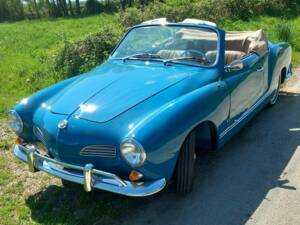
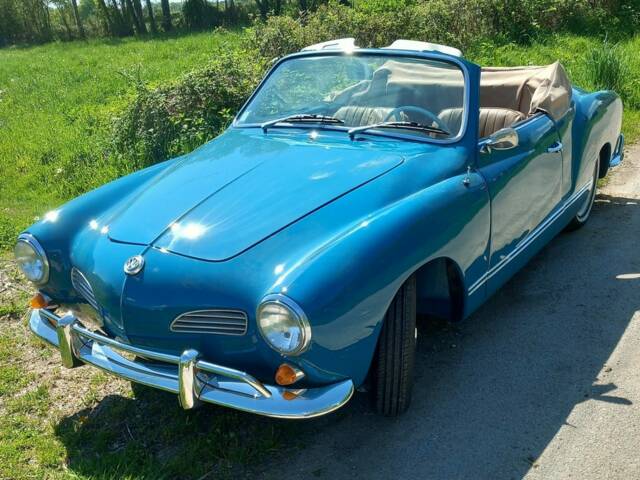
1966 | Volkswagen Karmann Ghia 1600
Volkswagen Karmann Ghia Cabriolet | 1966 | Route 66 Auctions - For sale by auction. Estimate 22200 EUR

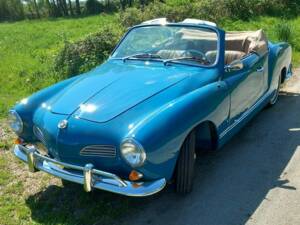
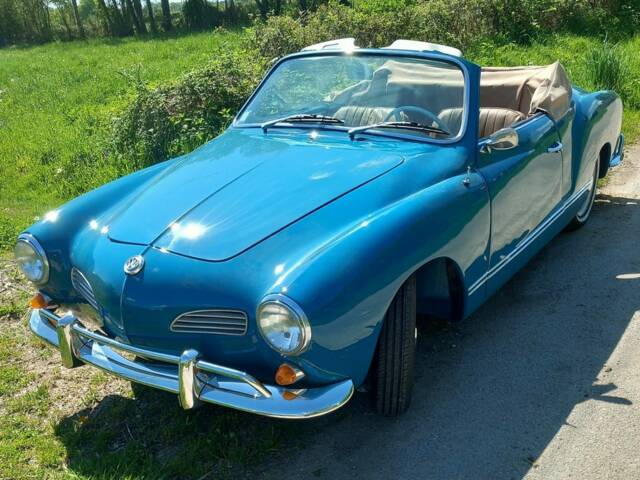
1966 | Volkswagen Karmann Ghia 1600
Volkswagen Karmann Ghia Cabriolet | 1966 | Route 66 Auctions - For sale by auction. Estimate 22200 EUR
Auctions ending soon

Loading…
Loading…
Loading…
Loading…
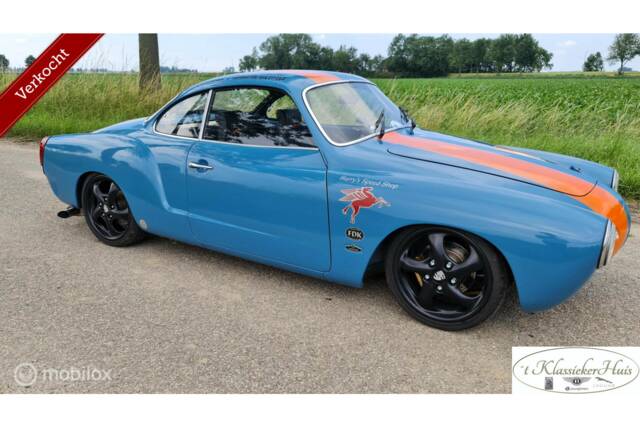
1974 | Volkswagen Karmann Ghia 1600
Volkswagen Karmann Ghia coupé 180 pk porsche nieuw
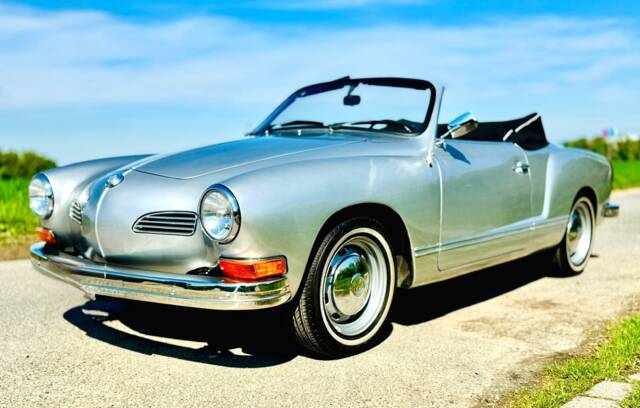
1973 | Volkswagen Karmann Ghia 1600
Lovingly restored convertible

Newsletter
The best Volkswagen listings, straight to your inbox
Get hand-picked Volkswagen listings, plus the best of cars, motorbikes, and auctions on Classic Trader — all in one place.
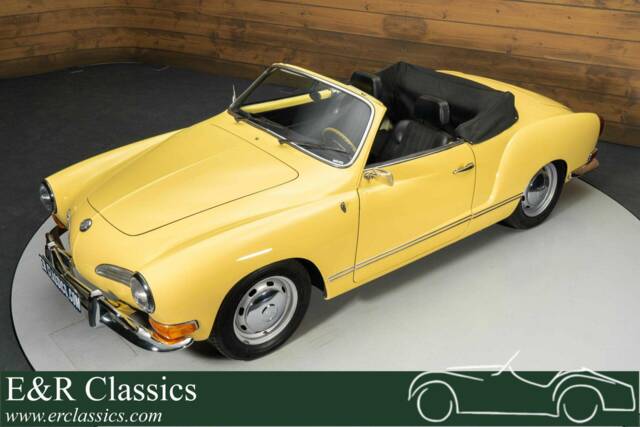
1971 | Volkswagen Karmann Ghia 1500
Volkswagen Karmann Ghia
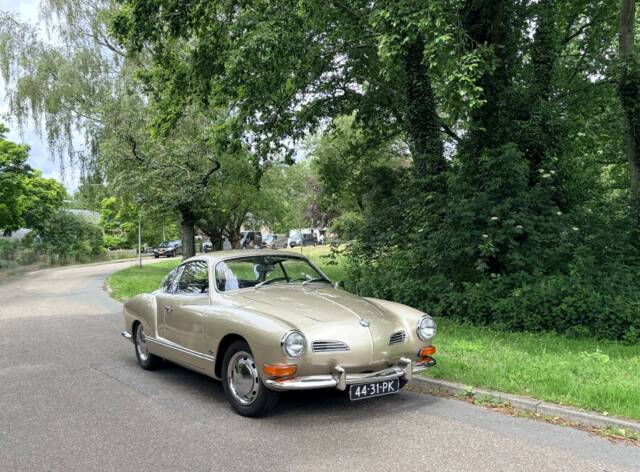
1971 | Volkswagen Karmann Ghia 1600
YOUR CLASSIC CAR SOLD-VENDU-VERKAUFT
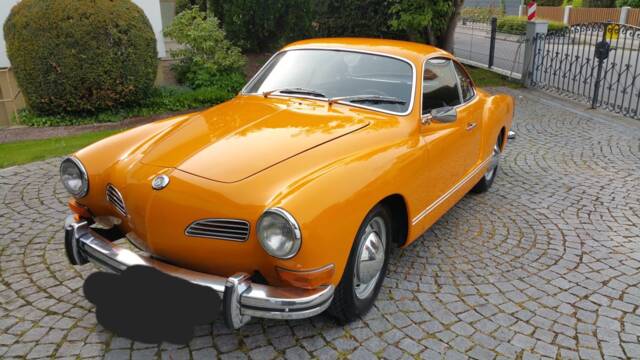
1971 | Volkswagen Karmann Ghia 1600
ein Hingucker Karmann Ghia 1600 Typ 14, deutsches Fahrzeug
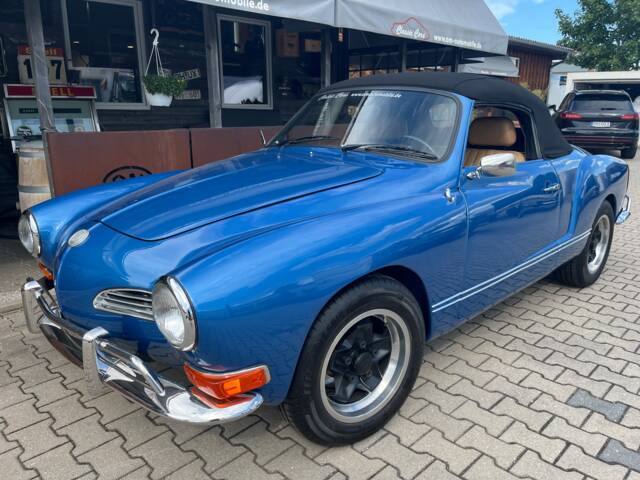
1974 | Volkswagen Karmann Ghia 1600
*1.8 Liter * Scheibenbremsen * restauriert *
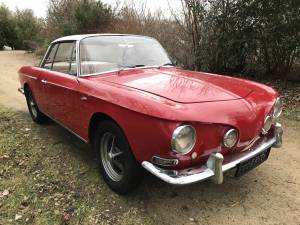

1963 | Volkswagen Karmann Ghia 1500
KARMANN GHIA TYPE 34

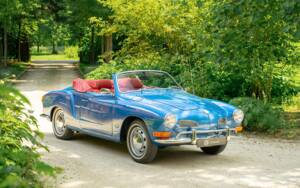
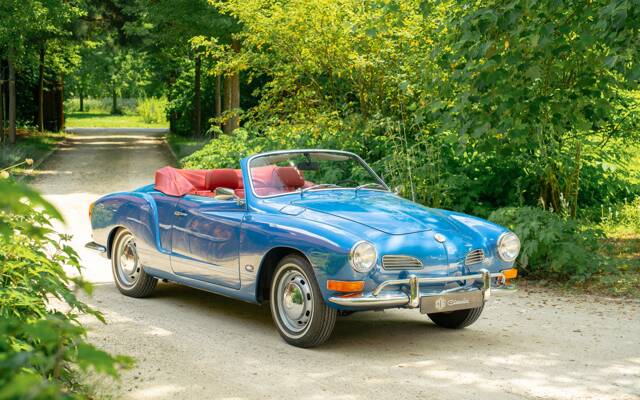
1970 | Volkswagen Karmann Ghia 1600
Vollständig restaurierter Zustand!
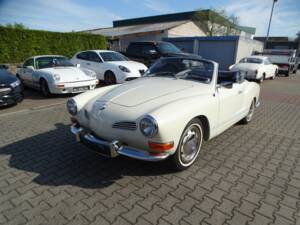
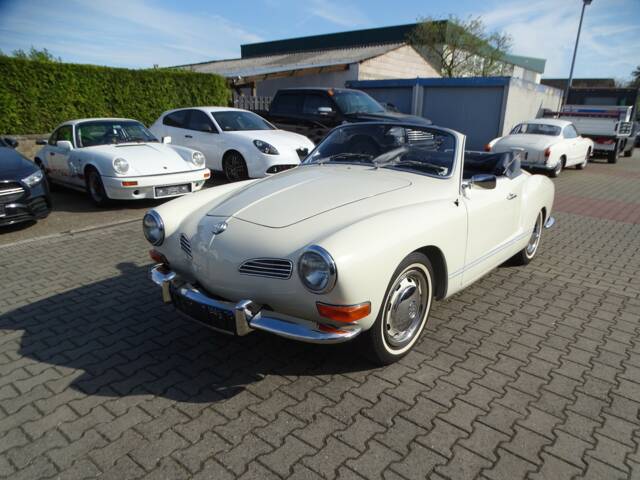
1971 | Volkswagen Karmann Ghia 1600
vollständig restauriert
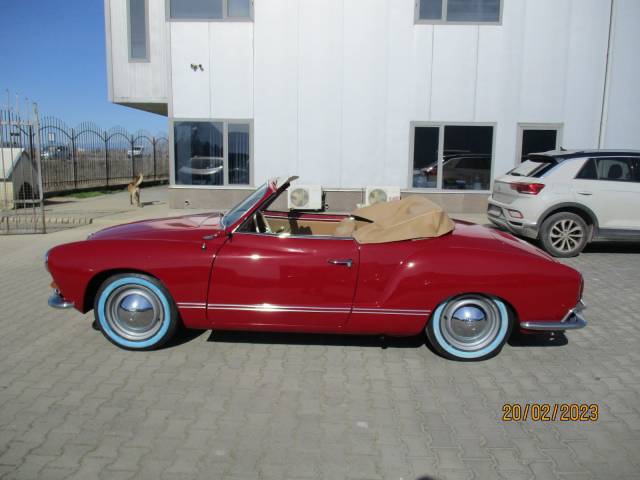
1964 | Volkswagen Karmann Ghia 1200
Cabrio vollständig restauriert
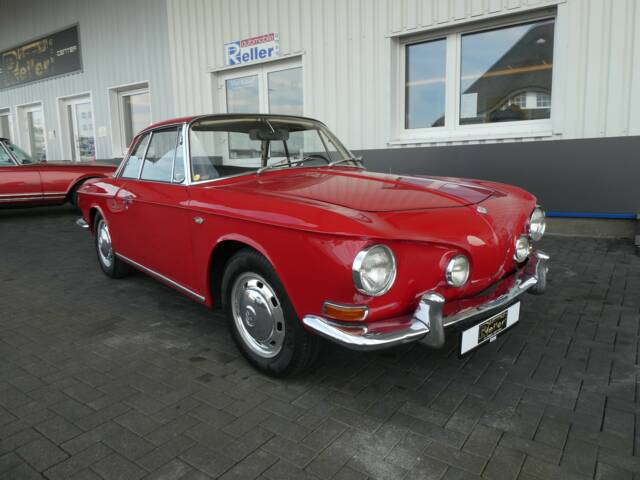
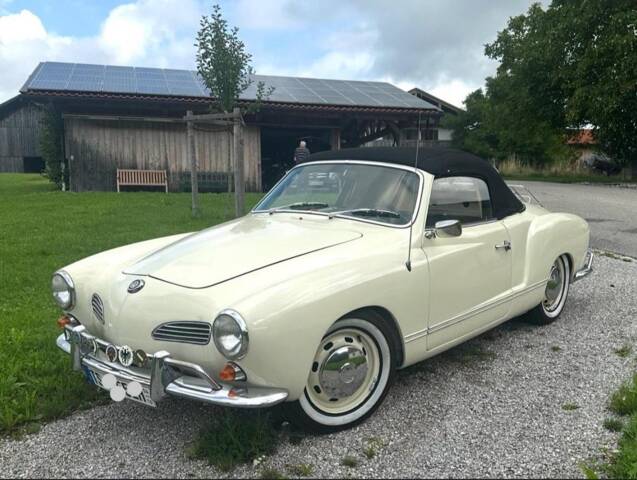
1967 | Volkswagen Karmann Ghia 1500
Ein Traum- Cabriolet fürs Frühjahr
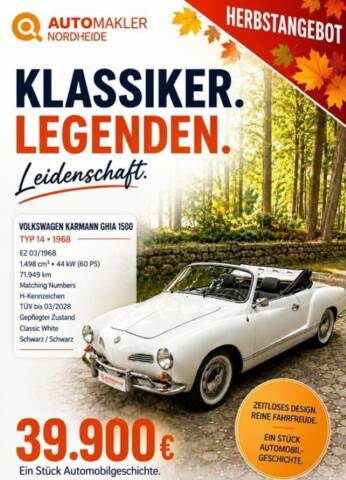
1968 | Volkswagen Karmann Ghia 1500
VW Karmann Ghia Convertible - Restored Condition 2+
Volkswagen Karmann Ghia Classic Cars: Prices & Market Values
The market value of Volkswagen Karmann Ghia classic cars is primarily determined by the specific manufacturer code and variant, as well as technical condition, originality and mileage. Additional factors include rarity, history and documentation. A well-maintained, largely original vehicle with low, verifiable mileage and complete history including appraisals and documentation typically achieves significantly higher prices than a comparable vehicle with deferred maintenance, many modifications or unclear provenance.
Volkswagen Karmann Ghia: Market Prices & Value Trends
Based on Classic Trader marketplace sales data from 2021 to January 2026, the Volkswagen Karmann Ghia market in Europe looks broadly stable with a gentle upward bias for well-restored, correctly specified cars. Asking prices still span widely, but most activity sits in the mid-market rather than at the extremes. Across common variants such as the Karmann Ghia 1200, 1500 and 1600 (including 1600 L) from the late 1950s through the mid-1970s, realistic current values typically cluster around €18,000 to €45,000, depending heavily on bodywork quality, originality and documented restoration. Germany and the Netherlands provide a large share of the data and show strong pricing for tidy, road-ready examples, while cheaper adverts often indicate projects or cars needing structural attention. Very high figures (well above €60,000) and very low ones (sub-€10,000) appear in the dataset but should be treated as outliers. For buyers, this means good cars remain liquid but require careful condition checks; for sellers, provenance and rust-free presentation are the key drivers of any premium.
History of the Volkswagen Karmann Ghia
The Karmann Ghia was introduced in 1955, emerging as a collaboration between Volkswagen, renowned coachbuilder Karmann, and Italy’s Carrozzeria Ghia. Unlike the mass-produced Beetle, the Karmann Ghia featured a hand-formed steel body that required meticulous craftsmanship, including the use of English pewter for smoothing welds. Early models quickly became associated with the newfound prosperity of post-war Germany, marketed as an upmarket yet practical alternative to the Beetle. Roughly two-thirds of all Karmann Ghias produced were exported to the United States, highlighting its appeal beyond Europe. In total, between 443,000 and 500,000 units rolled out of the Karmann factory in Osnabrück until production ceased in 1974, replaced by the VW Scirocco and Porsche 914. The Type 14 forms the bulk of production, but rarer variants like the Type 34 and Type 145 testify to the model’s diverse range. Brazilian production continued briefly after German assembly halted.
Model history of the Karmann Ghia
Three key Karmann Ghia model variants exist: the original Type 14, introduced in 1955 as a coupe and from 1957 as a cabriolet; the more advanced and luxurious Type 34 (1962–1969), based on the VW Type 3 chassis; and the Type 145 TC, assembled in Brazil from 1970, boasting the highest power output of the series. Early Type 14s, recognisable for their ‘Lowlight’ features, are highly prized by collectors. Throughout production, engine sizes increased from 1.2 to 1.6 litres, with power outputs from roughly 30 to 54 PS. While the Karmann Ghia never had a direct predecessor, it drew heavily on the Beetle’s running gear. Its role as VW’s stylish flagship sports coupe ended in 1974 with the introduction of the Scirocco and concurrent expansion of VW’s portfolio.
Highlights of the Volkswagen Karmann Ghia
The Karmann Ghia’s most notable features are its hand-built body, Italian-inspired flowing lines, and construction quality surpassing the more utilitarian Beetle. Its seamless body panels, integrated bumpers (on later models), chromed details, and various rare factory colour options make each car distinct. Its production process—requiring more human labour than almost any other VW at the time—has resulted in classic cars with attention to detail and craftsmanship rarely matched elsewhere in Volkswagen’s lineup.
Technical Data
Special Editions and Collectible Models
Early ‘Lowlight’ examples (1955–59) are particularly prized due to their distinct design features: lower headlamp placement, narrower bumpers, and simpler body styling. The rare Type 34, with fewer than 2,000 estimated to remain driveable worldwide, also stands as a highly valued collector's car. On the Brazilian side, the Type 145 TC, also called the Karmann Ghia TC, boasted unique styling and a 1600 cc engine, making it the most powerful Karmann Ghia variant and a rarity outside South America. Accessories like electrified sunroofs, tinted glass, Nardi steering wheels, and period-correct radios (e.g., ‘Emden’) also define special ‘specimens’ within existing cars.
Weak Spots and Common Issues
The Karmann Ghia is generally robust due to shared VW mechanicals, but rust is a well-known issue. Vulnerable areas include sills, wheel arches, window frames, and especially the floorpan—for Type 34 models, body parts are expensive and rare. Water drainage (notably around the front and rear screens) deserves regular attention. Electrical systems for early 6V cars may require updating, and sourcing undamaged body panels—especially for Type 34—can prove challenging. Thanks to wide availability of Beetle-derived mechanical parts, keeping a Type 14 running is relatively straightforward compared to body restoration.
Engine and Performance, Transmission and Handling
Karmann Ghia models deliver ‘sporty’ driveability relative to their Beetle origins. All use rear-mounted, air-cooled flat-four engines varying from the 1200cc (30 PS), 1.5-litre (44 PS) to the late 1.6-litre unit (54 PS for Type 34 and TC). Handling is aided by a slightly widened track, front anti-roll bar, and a stiffer body compared to the Beetle. Early models top out at around 116 km/h; the TC can reach up to 150 km/h. The four-speed manual transmission is robust and maintenance-friendly. While not a true sports car by contemporary standards, the Karmann Ghia offers solid handling and a comfortable ride. Popular models with specs:
- Type 14 Cabrio: 1.2–1.6L engines, 30–54 PS, 4-speed manual, 2+2 seating.
- Type 34: 1.5–1.6L, up to 54 PS, more luxurious interior, rare.
- Type 145 TC: 1.6L engine, 65 PS (Brazil), distinguished by unique styling.
Interior, Comfort, Exterior and Design
Penned by Ghia’s Luigi Segre, the Karmann Ghia is celebrated for its elegant curves, low profile, and chromed trim. Hand-built bodies were smoothed with English tin, giving an unusually refined finish. Inside, dashboards were simple with two large gauges, while premium details like Nardi wood steering wheels, special upholstery, and rare ‘Emden’ radios appeared in special configurations. ‘Lowlight’ cars have unique, small-diameter headlamps and minimalist bumpers; later models add US-mandated bumper overriders. Paint codes include a range of pastels, metallics, and bold 1970s hues. Convertible models feature neat folding roof mechanisms, and factory accessories include sunroofs, electric windows, and period-correct alloys such as Mahle or Fuchs wheels.
Other noteworthy aspects
Important documentation such as the original ‘Pappbrief’, operating manuals, and factory certificates can significantly enhance a car’s value. Many surviving examples qualify for historic vehicle registration (H-Kennzeichen), reflecting their age and originality. Technical and chassis components remain widely available thanks to shared Beetle and Type 3 underpinnings. High demand in key export markets like the USA influences both availability and price trends.
Summary
The Volkswagen Karmann Ghia series spans the 1955–1975 era and stands as a collaboration between German engineering and Italian design. With hand-built bodywork, reliable VW mechanicals, and striking lines from Ghia, the Karmann Ghia offers variety across the Type 14, Type 34, and Type 145 TC. Models to suit every enthusiast range from early ‘Lowlight’ collectables to rarer, high-spec editions. Plenty of surviving cars, especially the Type 14, make this an accessible classic, but attention to corrosion and authenticity is essential during purchase or restoration. The Karmann Ghia remains a symbol of international flair, insightful engineering, and enduring appeal in the classic car landscape.