- Car
- Volkswagen
- Volkswagen LT (1 offer)
Volkswagen LT classic cars for sale
The Volkswagen LT stands for exceptional versatility in the world of classic vans. Designed for heavy-duty transport, its hallmark is adaptability — from fire service vehicles to spacious Westfalia campers. With robust engines and numerous factory and aftermarket conversions, the LT opens up a world of usage possibilities for enthusiasts and professionals alike.
Search results
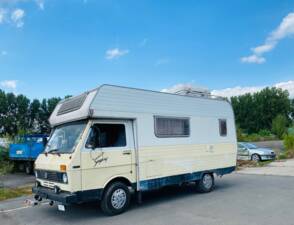
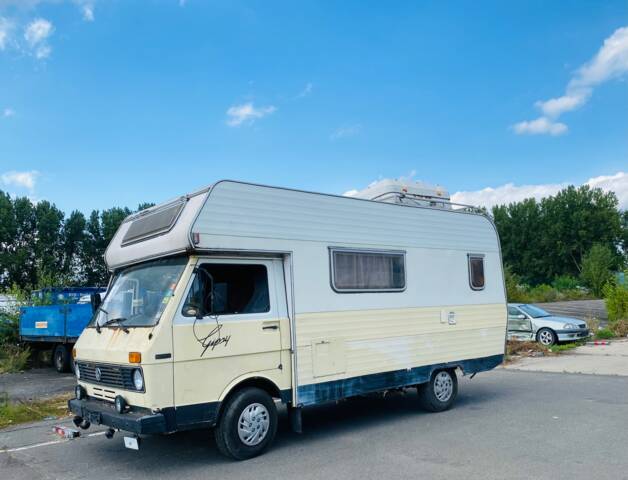
1980 | Volkswagen LT 28 Karmann Mobil
VW LT 28 Karmann motorhome – Original interior – Restoration project – 1980

Volkswagen LT listing references from Classic Trader
Below you will find listings related to your search that are no longer available on Classic Trader. Use this information to gain insight into availability, value trends, and current pricing for a "Volkswagen LT" to make a more informed purchasing decision.
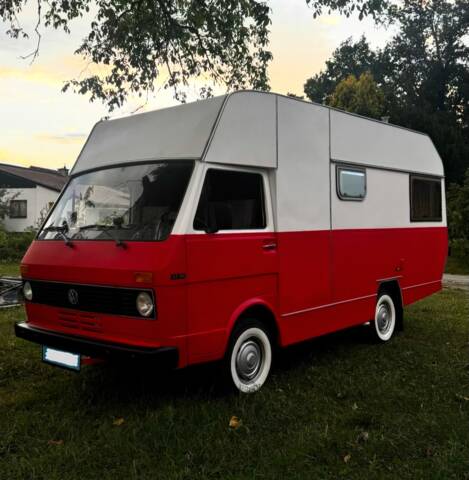
1977 | Volkswagen LT 31
VW LT31 Wohnmobil

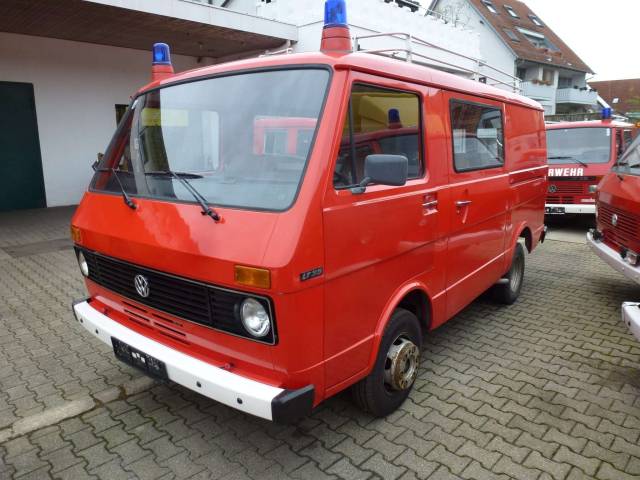
1978 | Volkswagen LT 35
Volkswagen LT LT 35 * Oldtimer * Heckklappen * Zulassungsfertig
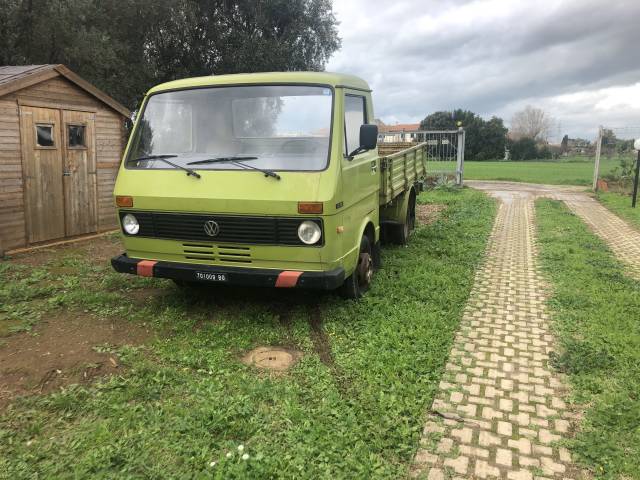
1977 | Volkswagen LT 35
Volkswagen lt35 cassone fisso

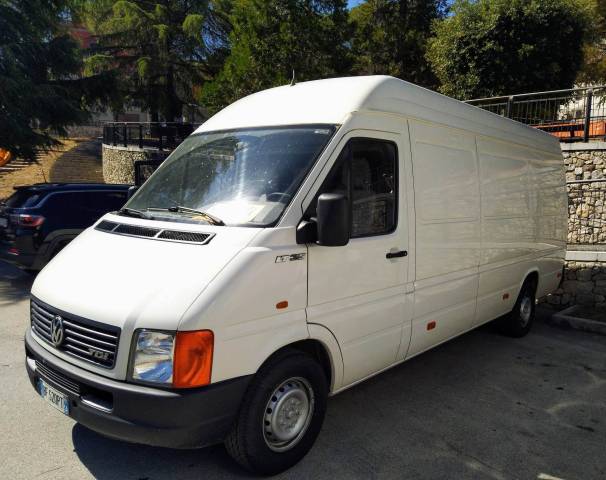
1999 | Volkswagen LT 28 2.5 TDI
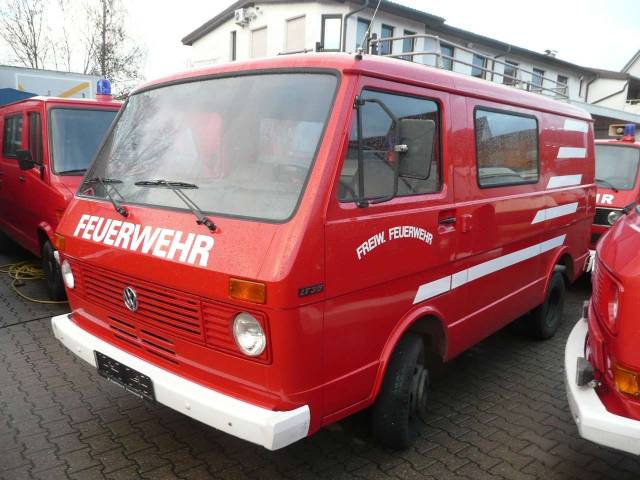
1981 | Volkswagen LT 35
Volkswagen LT LT 35 mit H-Kennzeichen, Hecktüren und Sperre !
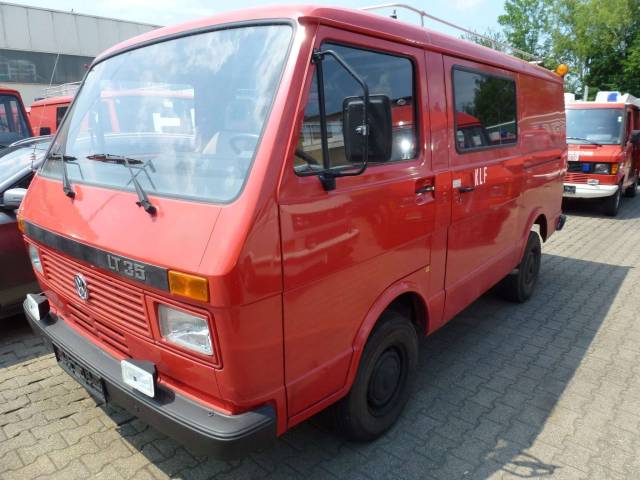
1987 | Volkswagen LT 35 2,4
Volkswagen LT LT 35 * Oldtimer * Heckklappen * AHK *
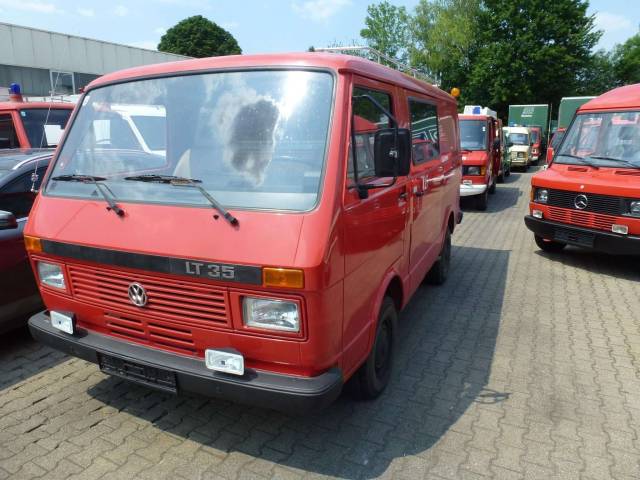
1987 | Volkswagen LT 35 2,4
Volkswagen LT LT 35 * Oldtimer * Heckklappen * AHK *
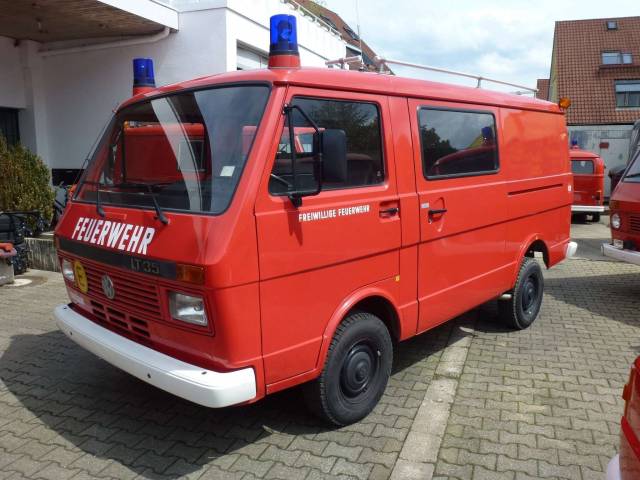
1989 | Volkswagen LT 35 2,4
Volkswagen LT LT 35 2 Schiebetüren, Heckklappen, 1. Hand
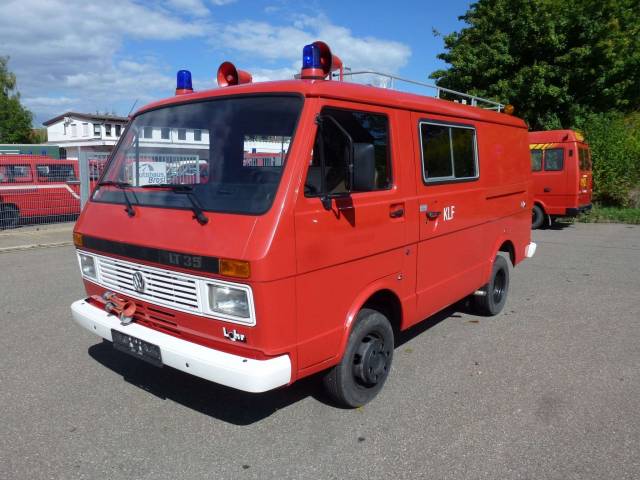
1986 | Volkswagen LT 35 2,4
Volkswagen LT LT 35 2 Schiebetüren, Heckklappen, 5-Gang, Oldi
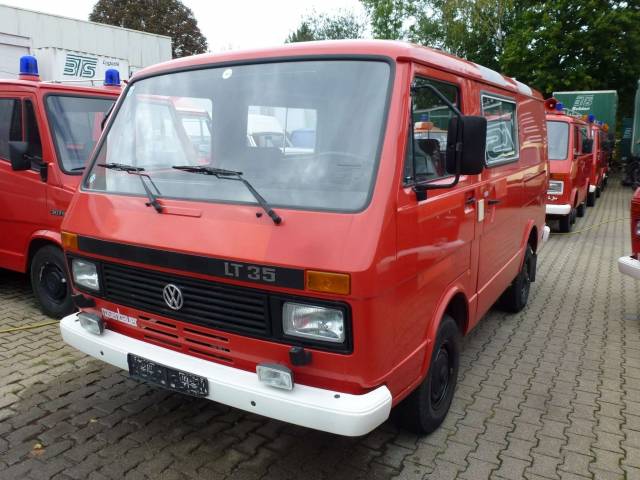
1988 | Volkswagen LT 35 2,4
Volkswagen LT LT 35 2 Schiebetüren, Heckklappen, 5-Gang
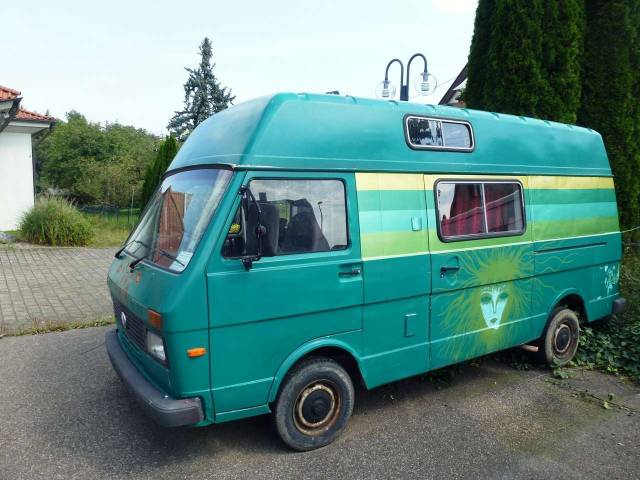
1986 | Volkswagen LT 28 2,4 D
Volkswagen LT LT 35 Wohnmobil Hochdach Rechtslenker RHD !
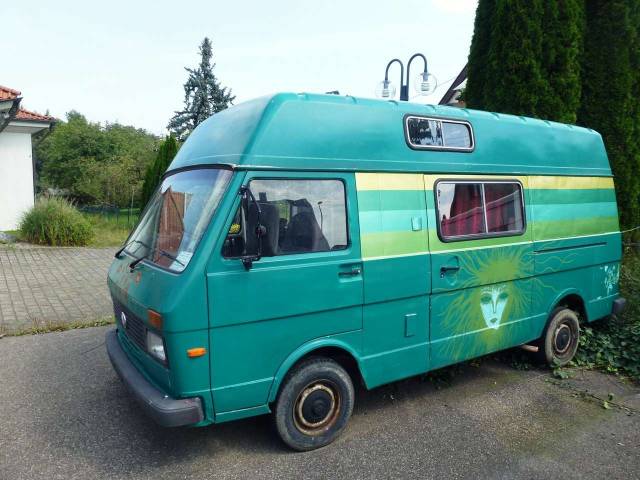
1986 | Volkswagen LT 35 2,4 D Camper
Volkswagen LT LT 35 Wohnmobil Hochdach Rechtslenker RHD !
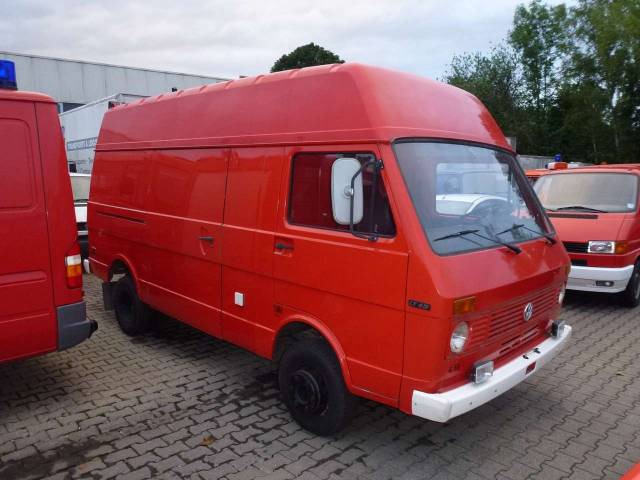
1980 | Volkswagen LT 35
Volkswagen LT LT 35 / LT 45 * Hochdach * Langversion * wenig km
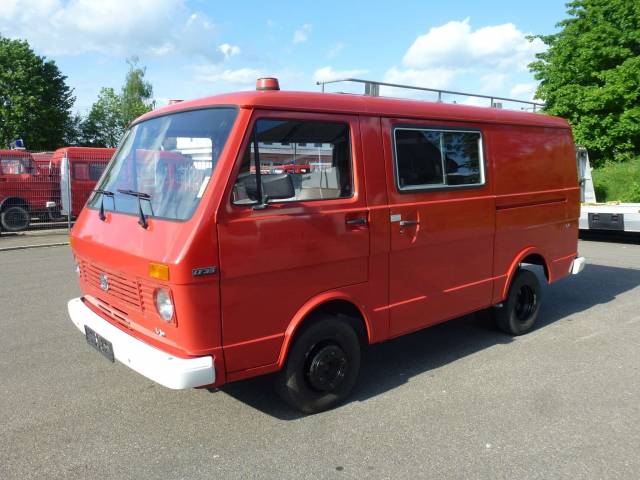
1984 | Volkswagen LT 35 2,4
Volkswagen LT LT 35 * Oldtimer * Heckklappen * Zulassungsfertig
Volkswagen LT Classic Cars: Prices & Market Values
History of the Volkswagen LT
Launched in 1975, the Volkswagen LT ('Lasten Transporter', German for 'cargo transporter') established itself as VW's heaviest light commercial vehicle, remaining in production over three decades until 2006. From the start, it was available in several configurations: LT 28, LT 31, and LT 35, referring to different weight classes ranging from 2.8 to 3.5 tonnes. In 1985, the model range expanded to include the LT 55, pushing the upper weight limit further. Over the years, mechanical updates kept the LT relevant: it debuted with front-mounted engines and independent front suspension, later evolving to boost payload and specialise for numerous industries. Its wide range of engine options, both petrol and diesel, made it a top choice for many applications, and the adaptable bodywork allowed the LT to serve as ambulance, minibus, electrician’s van, and even motorhome.
Model History
Two official generations of the LT were produced between 1975 and 2006. The first generation (1975–1996) was purely Volkswagen’s own development, with a focus on robust utility, while the second generation (introduced in the mid-1990s) resulted from a cooperation with Daimler, sharing bodywork with the Mercedes Sprinter but retaining VW powertrains and distinctive features. The LT’s naming convention reflected its gross weight (LT 28 up to LT 55). Predecessors include Volkswagen's smaller T2 series, but the LT introduced a new level of capacity and engineering for the brand. From 2006 onwards, the Crafter became VW's large van, ending the LT era.
Highlights of the Volkswagen LT
The LT’s hallmark is its flexibility: available as a panel van, minibus, chassis cab, and continually sought after for fire department, utility, or motorhome conversions. Standout features in camper layouts include a double-burner kitchen, full bathroom facilities, large freshwater and waste tanks, and effective stand-alone heating. The LT’s interior configuration, especially in camper conversions like the Westfalia ‘Sven Hedin’, offers sleeping space, efficient use of under-seat storage, and numerous modular furnishings. Notably, the LT debuted with a remarkable engine range, including a practical 2.0-litre petrol used also in Audi and Porsche applications, and a 2.4-litre, five-cylinder diesel known for economy and longevity.
Technical Data
Special Editions and Collectible Models
The Westfalia ‘Sven Hedin’ camper conversion is considered the most desirable LT special edition, equipped with premium interiors including a kitchen with 2-burner stove, bathroom with warm water shower and WC, large water tanks, dual battery system, effective diesel heater, and innovative modular furniture. Fire brigade and service vehicle conversions are also valued, especially when they come with original equipment like ladders, blue lights, and sirens. Some late models feature the Mercedes-based body, pairing VW engines with Sprinter panels for distinct technical hybridisation.
Engine and Performance, Transmission and Handling
The LT’s engine range spanned practical petrol engines and robust diesels, tailored for extended commercial use. The renowned EA827 petrol (from 2.0 litres upward) and a 2.4-litre, 5-cylinder turbodiesel offered strong torque for heavy loads—up to 80 kW (108 PS) in some later versions. Autobahn travel at 120 km/h was possible with the petrol engine, while fuel consumption was moderate for the class (around 10–12 litres per 100 km). The transmission featured long gearing for relaxed highway travel and was matched to the engines’ broad powerbands. The rigid chassis and, in some variants, independent front suspension contributed to stable handling under load and in conversions. - Volkswagen LT 28/31/35 (early generations)
- LT 55 (heavier version from 1985)
- LT with Westfalia Sven Hedin conversion
- LT fire brigade/service variants
- Post-1996 LT/Mercedes hybrid models
Interior, Comfort, Exterior and Design
The design philosophy of the LT is function-driven: large, square lines prioritise cargo space and adaptability. Van and bus versions were straightforward, with wide-opening doors and high roofs available. In camper and special variants, the interior was upgraded with thoughtful details: foldable seating for extra sleeping areas, modular kitchen and bathroom units, extensive cupboards and under-seat storage, and multi-mode lighting. Westfalia editions added features like integrated awnings, adjustable tables, clever ventilation hatches, mosquito screens, and optional bike racks. Paint finishes were typically utilitarian but well-protected with underbody coating; late models sometimes offered custom paint and trim. Standard accessories included AM/FM radios, security alarms, specialised roof racks, and, for fire service: sirens and emergency lighting.
Other Features
Thanks to shared VW and Mercedes technology in later models, spare parts availability is favourable for many mechanical components. Aftermarket and original outfitting are both common, with a thriving supply network due to the LT platform’s popularity in commercial fleets and as a base for camper conversions.
Summary
The Volkswagen LT remains synonymous with robust versatility and adaptability in the world of classic vans. Its longevity, huge range of engine and conversion options, and reputation for practical engineering have made it a favourite for enthusiasts needing more capacity and flexibility than VW’s T-series. Whether as a fully equipped Westfalia Sven Hedin camper, a fire service survivor, or a well-maintained panel van, the LT stands for practical, timeless design and unmatched adaptability in the classic commercial vehicle segment.