- Car
- Maybach (7 offers)
Buy Maybach Classic Cars
Maybach built some of the most exclusive pre-war automobiles ever made: hand-built, technically advanced, and priced far beyond ordinary luxury cars of the day. On Classic Trader, Australian buyers can find rare Maybach classics with the provenance, craftsmanship, and presence that still stop a room.
Search results
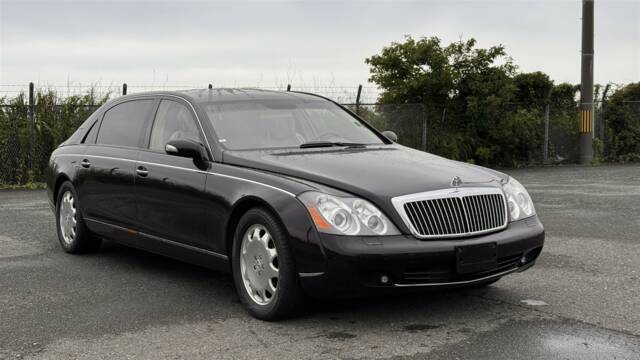
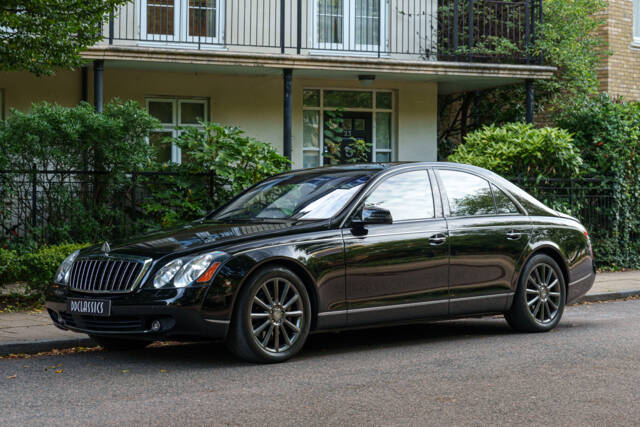
2006 | Maybach 62
Rare Model & Like New!
VAT is reclaimable

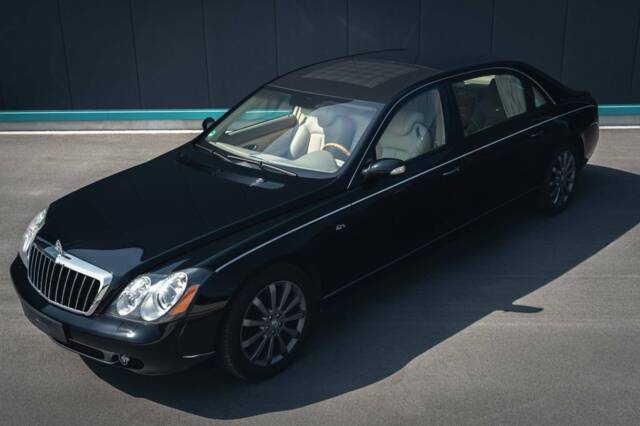

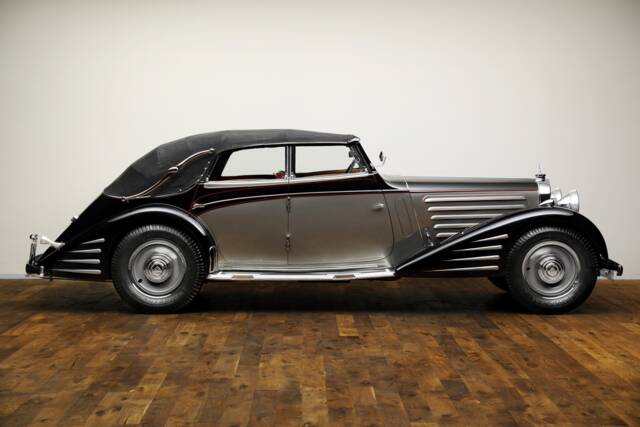
1934 | Maybach Zeppelin DS 8
Streamline Convertible, original One-off body

Newsletter
The best Maybach listings, straight to your inbox
Get hand-picked Maybach listings, plus the best of cars, motorbikes, and auctions on Classic Trader — all in one place.
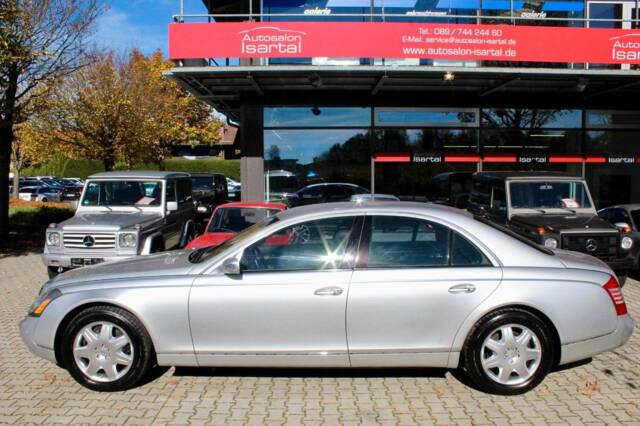
2004 | Maybach 57
Maybach 57
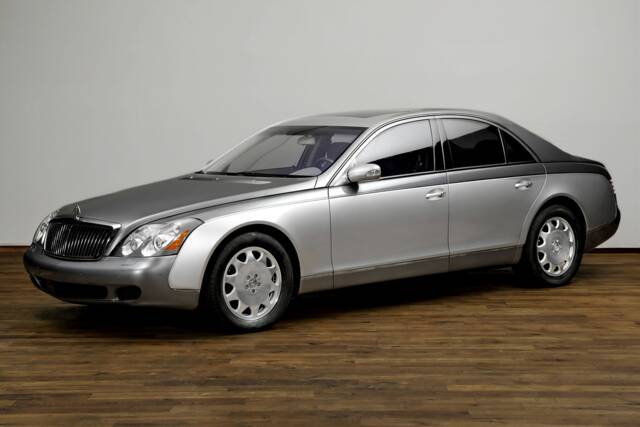
2003 | Maybach 57
Top condition with only 36,500 km
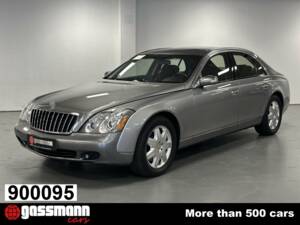
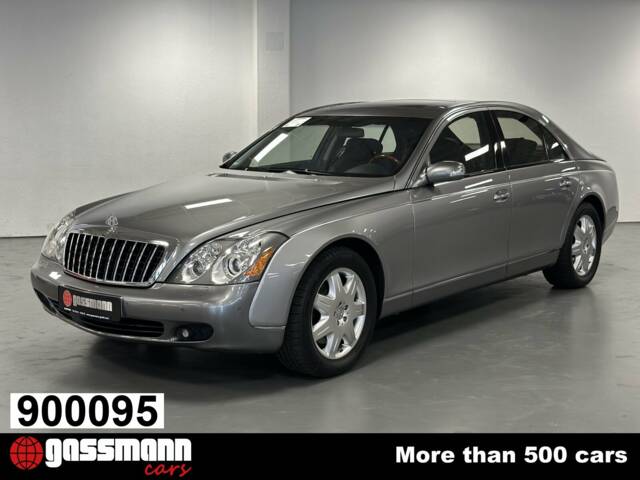
2005 | Maybach 57
57 - Deutsches Fahrzeug
VAT is reclaimable
Maybach listing references from Classic Trader
Below you will find listings related to your search that are no longer available on Classic Trader. Use this information to gain insight into availability, value trends, and current pricing for a "Maybach" to make a more informed purchasing decision.
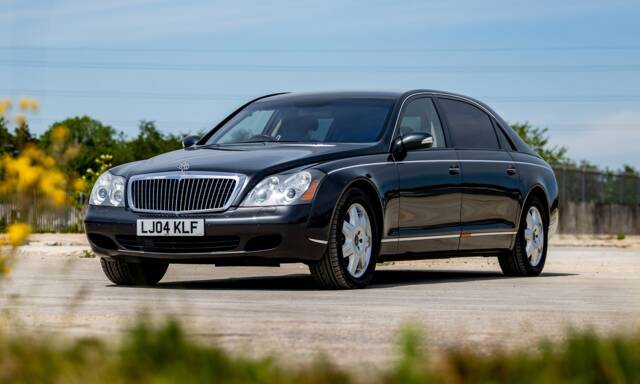
2004 | Maybach 62
2004 Maybach 62
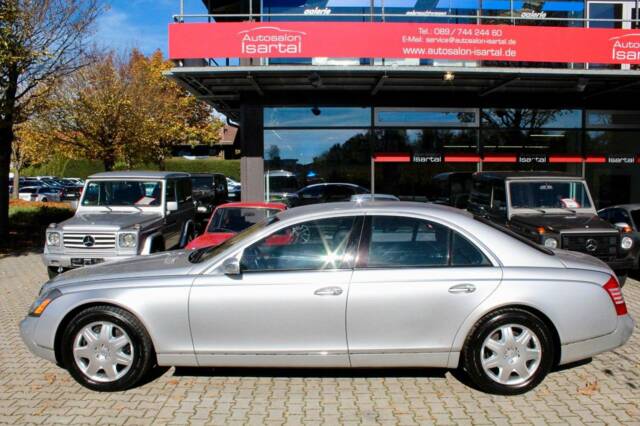
2004 | Maybach 57
Maybach 57 - dt. Werkswagen - toporiginal - 69tkm !
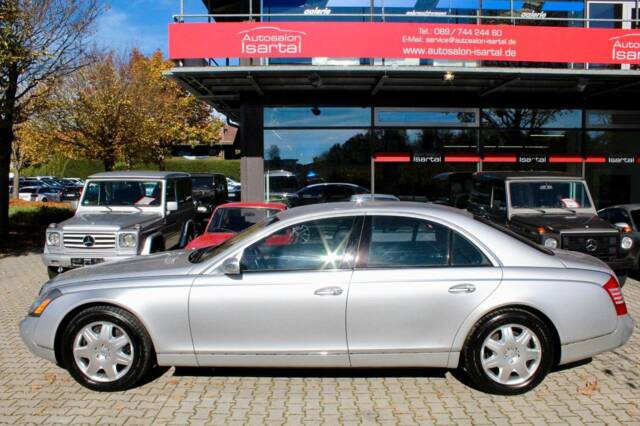
2004 | Maybach 57
Maybach 57 - dt. Werkswagen - toporiginal - 69tkm !
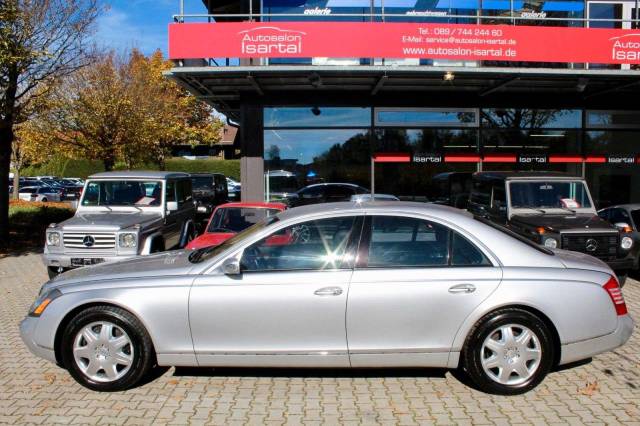
2004 | Maybach 57
Maybach 57 - dt. Werkswagen - toporiginal - 69tkm !
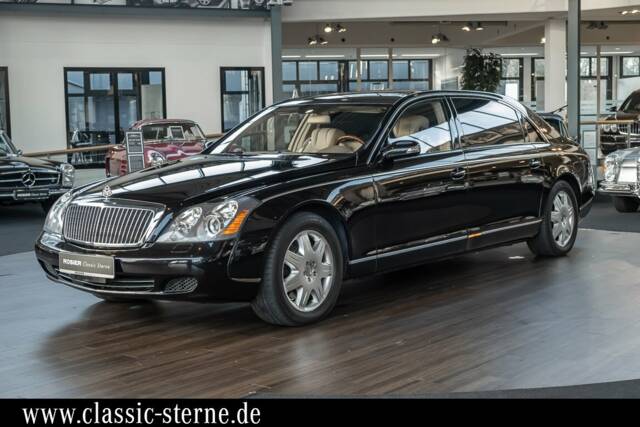
2004 | Maybach 62
62
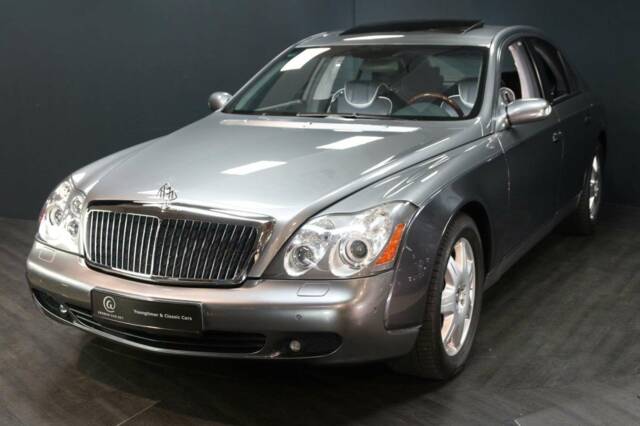
2007 | Maybach 57
Maybach 57 nur 51.500 km, EU-Auto !
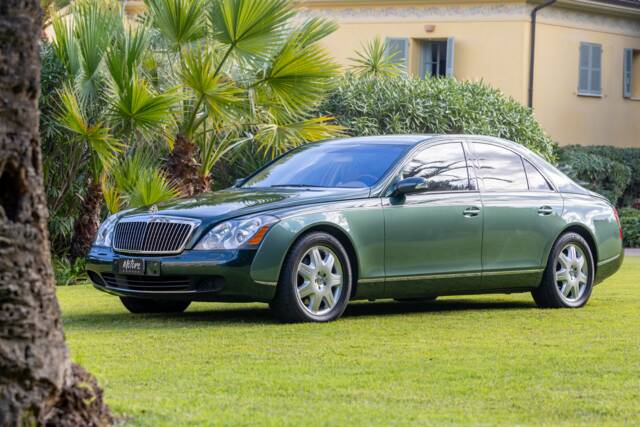
2003 | Maybach 57
MAYBACH 57 de juillet 2003, limousine

History
Maybach is one of those names that does not need much introduction among serious collectors. Founded by Wilhelm Maybach and developed further by Karl Maybach, the marque began in engine building and aviation before moving into cars after the First World War. That background matters, because even the earliest Maybach road cars were not designed as ordinary transport. They were built as state-level machines for long distance travel, prestige and technical confidence.
The first series Maybach passenger cars arrived in the early 1920s, when the German luxury market was still defining itself after the war. The W3 set the tone with a big six-cylinder engine, advanced braking and a level of engineering that made it one of the most serious cars in Europe. It was followed by the W5 and W5 SG, which pushed performance and refinement further while keeping the same understated authority. By the late 1920s and early 1930s, Maybach had moved into its most famous era: the Zeppelin line.
The Maybach Zeppelin DS7 and DS8 are the cars most collectors know first. They were enormous, powerful and highly individual, often bodied by coachbuilders such as Spohn, Erdmann & Rossi, Glaser, or Wendler. Each chassis could become a different car altogether, from formal limousine to sporting roadster. The result is that two Maybachs can share a badge and a chassis family yet look and feel entirely different.
Later pre-war Maybachs, especially the SW35, SW38 and SW42, are often the most realistic purchase targets for buyers today. They kept the same grand character, but added more modern suspension and a more usable character on the road. For many collectors, the SW38 in particular is the sweet spot: rare enough to matter, technical enough to intrigue, and still the kind of car that can be driven with real satisfaction.
For Australian buyers, Maybach also carries a special appeal. These cars suit a market that respects engineering, provenance and club culture. In a country where historic vehicle circles are strong, a Maybach is not just a trophy; it is an event car, a concours contender and a conversation piece rolled into one.
Highlights
What makes a classic Maybach so compelling is not only rarity. It is the way the brand combined a measured exterior with engineering depth beneath the skin. Where some luxury marques leaned on ornament, Maybach relied on silent authority.
Technical ambition is one of the first things buyers notice. The Zeppelin cars used large V12 power, while the SW family refined the experience with a strong inline-six and sophisticated transmission options. The famous Variorex and DSG gearboxes gave Maybach a character that was far ahead of its time, with a level of mechanical theatre that still fascinates collectors.
Coachbuilt individuality is another major draw. A Maybach was usually sold as a chassis and powertrain, then finished by a body builder to the customer’s taste. That means the market is full of unique silhouettes, special interiors and one-off details. No two cars are quite the same, and that makes originality, documentation and coachbuilder identity central to value.
Presence without flash defines the brand. A Maybach does not shout like an exotic sports car. It arrives with long bonnet proportions, deep radiator presence and a formality that feels almost architectural. It is the sort of car that suits collectors who appreciate restraint, engineering and rarity rather than obvious flamboyance.
Key collector models include the W3, W5 SG, Zeppelin DS8, SW38, and SW42. If you are browsing listings, these are the names that usually matter most, whether you are looking for a concours restoration, a preservation-class survivor or a project with matching numbers and papers.
Technical Data
These figures vary by body style and source, because many cars were coachbuilt and not all records survived the war. That is exactly why documentation matters so much in the Maybach world.
Market Overview & Buying Tips
The Maybach market is tiny, global and highly informed. There is no broad supply curve and no easy replacement if you miss a good car. In practice, buyers are choosing between the very rare pre-war classics, the more attainable SW family, and the modern 2002–2012 Maybach 57 and 62 models that now sit in the young collector zone.
Current price context
For pre-war Maybachs, condition and originality dominate price far more than mileage or cosmetic appeal. A fully restored Zeppelin DS8 with high-quality coachwork and clear provenance can sit well into the US$1.5 million to US$5 million range, with the best cars capable of more. Auction history from major international houses shows how thin the market is, and how quickly a documented example can jump when the right buyer appears.
The SW38 is the best-known buying point for serious enthusiasts. Recent auction activity has shown a wide spread: project-grade cars can appear around the US$100,000 to US$175,000 level, while top restorations and strong provenance examples have reached roughly US$500,000+ in 2024 sales. In Australian dollars, that places the better cars broadly in the A$150,000 to A$800,000+ territory depending on exchange rate, originality and body style.
The modern Maybach 57 and 62 are now far more accessible. In the 2024–2026 market, good used examples often sit around US$30,000 to US$120,000 overseas, with special editions and low-mileage cars climbing above that. For Australian buyers, landed costs, compliance and shipping still matter, but these cars can look very attractive compared with their original sticker price.
Australia-specific buying notes
Australia is a good place to own a classic Maybach, but the import path needs care. The most important rule is the 25-year pathway: vehicles 25 years old or more can usually be imported under the older vehicle route rather than SEVS, which suits pre-war and early post-war classics perfectly. That makes a Maybach a practical import for collectors who are prepared to handle paperwork, shipping and local registration.
Customs charges are also important. In Australia, classic cars generally attract 10% GST on the taxable import value, which includes the car, freight and insurance. Older historic vehicles may benefit from 0% import duty under the relevant concessions, while newer passenger cars can attract duty depending on origin and rules. On top of that, buyers should budget for biosecurity cleaning, broker fees, inland transport and any necessary compliance work.
The right-hand-drive question also matters. Most classic Maybachs were built left-hand drive, and that is normal for the marque. For Australian registration, older historic vehicles can often be accepted in LHD form depending on state rules, club status and vehicle age. Many owners leave them as built, especially where originality is important. For a car of this calibre, preserving the original steering layout is often preferable to conversion unless there is a very specific local need.
Club and culture fit
Australia has a strong historic motoring culture, and that helps Maybach ownership. Clubs affiliated with the Australian Historic Motoring Federation and state-based classic car communities provide the kind of support rare cars need: event access, historic registration help, and a knowledgeable audience that appreciates pre-war engineering. A Maybach suits this world perfectly. It belongs on a polished lawn, in a museum-quality shed, or on a carefully planned club run where people actually understand what they are looking at.
For Australian buyers, the ideal purchase is usually a car with: clear chassis records, known coachbuilder, original major components, and a restoration history that is documented rather than guessed. If the car has been imported already, check how it was brought in, whether the paperwork is complete, and whether state registration has been maintained with proper historic credentials.
Driving Feel
A Maybach does not drive like a big American luxury car or a fast pre-war sports machine. It drives like an engineered statement. The pace is calm, the controls are substantial, and the experience is focused on smooth momentum rather than drama.
In a Zeppelin, the sensation is immense. The long bonnet, heavy steering and huge drivetrain make the car feel deliberate at low speeds. Once moving, though, the car settles into an easy, torque-rich glide. The V12 is about refinement and authority, not noise. When the gearbox is mastered, the whole car feels like a mechanical instrument built for long journeys and patient owners.
The SW38 and SW42 feel more usable on real roads. Their suspension and packaging make them a little less overwhelming than the Zeppelin, and the chassis gives a more manageable flow through bends. These are still large, formal cars, but they feel lighter on their feet, more approachable and arguably more rewarding for owners who want to drive regularly rather than simply display.
On Australian roads, that character makes sense. A Maybach suits wide boulevards, country touring and club rallies far better than tight city parking. It rewards early planning, smooth inputs and a calm mood. If you enjoy the ritual of driving as much as the destination, a good Maybach delivers exactly that. It is not a machine for rushing. It is a machine for arriving properly.
Design
Maybach design is all about proportion, restraint and craftsmanship. The cars are long, formal and composed, but never excessive in a cheap sense. The visual language comes from engineering needs first: a long bonnet for large engines, a substantial grille for presence, and a body shape that reflects the customer’s status without turning theatrical.
The coachbuilt nature of the cars is what gives the design story its depth. Some Maybachs were built as dignified limousines; others were open tourers or sporting cabriolets. That means one car can look suited to a minister, another to a racing driver, and another to a private collector with a taste for bespoke luxury. The common theme is quality, not uniformity.
Spohn bodies are often among the most admired because they balance elegance with engineering honesty. Erdmann & Rossi cars can feel more formal and ceremonial. Glaser and Wendler often brought a more restrained, finely detailed look. The radiator, bonnet line, wings and cabin proportions all change the personality of the car, which is why bodymaker identity is such a major part of any serious purchase decision.
Inside, the best cars are spectacular in a quiet way. Wood, leather, metal trim and bespoke fittings create an atmosphere closer to a private club lounge than a road car. In the Australian context, that appeal is strong. Buyers who value workmanship, heritage and rarity over loud branding usually understand a Maybach immediately.
Other
Maybach’s reputation in the market is reinforced by its auction performance. In recent years, major international sales have continued to show strong appetite for the best cars, especially when provenance is clear and bodywork is correct. The 2024–2026 period has also underlined a broader point: top-tier collector money is still available for rare European pre-war cars, even if the market is selective.
Australian houses such as Shannons have historically been central to classic car culture, but Shannons ended its auction business in 2023 and now focuses on insurance and club support. That does not reduce the market; it simply shifts the action more towards specialist auctioneers and online platforms. For Maybach buyers, the key point is that the best cars now travel globally, and the right example may surface anywhere from Europe to the US.
If you are buying from Australia, remember the practical side: shipping, quarantine, valuation, GST and historic registration can all change the final cost materially. But for a marque like Maybach, those extra steps are often part of the attraction. The ownership experience is meant to be considered, careful and proper.
Summary
Maybach classics sit at the very top of the pre-war luxury pyramid. They are rare, expensive, coachbuilt and deeply technical, with the Zeppelin DS8 and SW38 standing out as the most important names for collectors today. For Australian buyers, they also make genuine sense: the 25-year import pathway, historic registration culture and strong enthusiast scene all support serious ownership.
If you want a Maybach, buy on provenance first, bodywork second, and cosmetics third. Originality, coachbuilder identity and documentation are what separate an excellent car from a merely expensive one. Find the right chassis, check the papers, inspect the body structure carefully, and buy the best example you can afford.
On Classic Trader, you can find and buy Maybach classic cars with the kind of detail that matters to informed collectors. Discover now the offers and prices that define one of Germany’s most refined and exclusive marques.