- Motorcycle
- MV Agusta (14 offers)
Buy MV Agusta Motorcycle
Since 1945, racing machines have left the Varese factory, each bearing the signature of a brand that claimed 38 world titles and continues to blend uncompromising performance with Italian design.
Search results
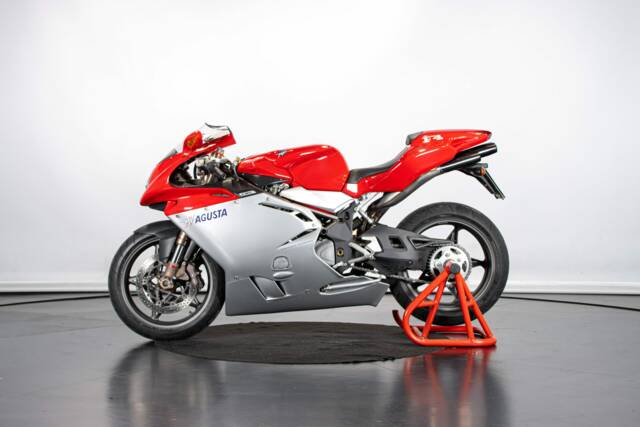
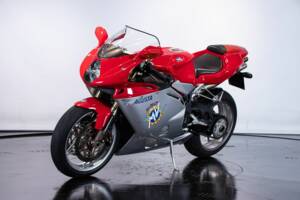
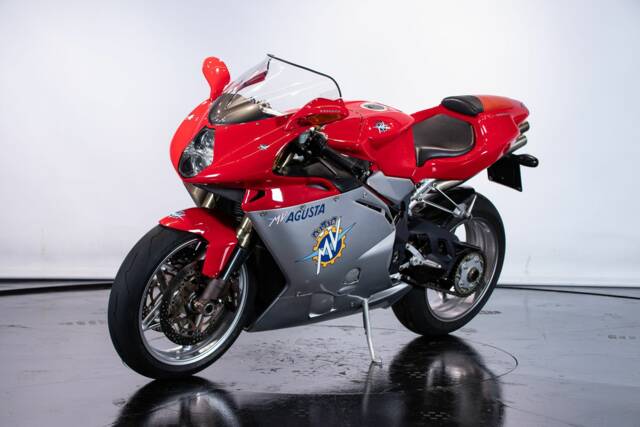
2000 | MV Agusta F4 750 S
MV Agusta F4 750 MONOPOSTO

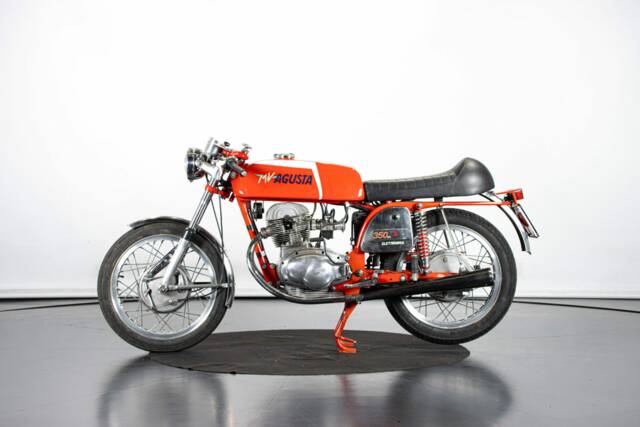
1972 | MV Agusta 350 S
MV Agusta 350 SPORT ELETTRONICA
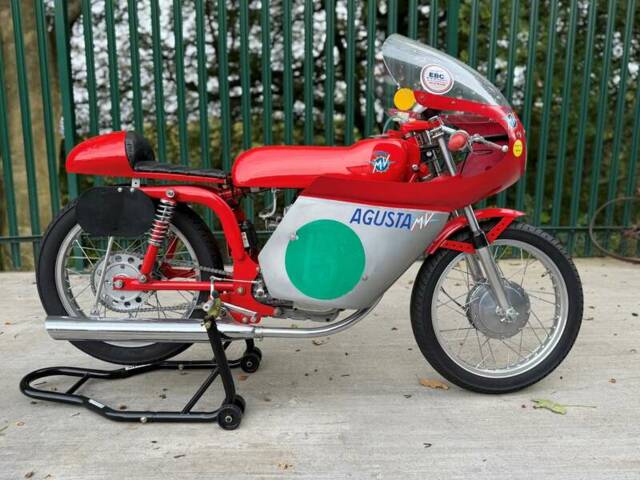
1966 | MV Agusta 125 GTL Race
c.1966 MV Agusta 125 GTL Race Bike 124cc

Newsletter
The best MV Agusta listings, straight to your inbox
Get hand-picked MV Agusta listings, plus the best of cars, motorbikes, and auctions on Classic Trader — all in one place.
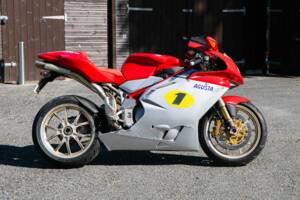
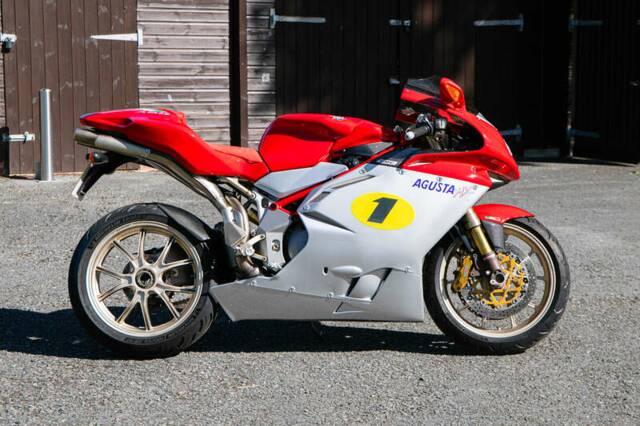
2004 | MV Agusta F4 1000 S
2004 MV Agusta F4 1000 AGO 998cc
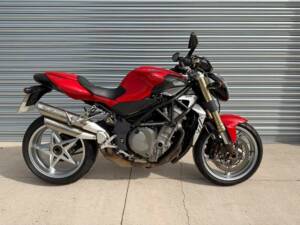
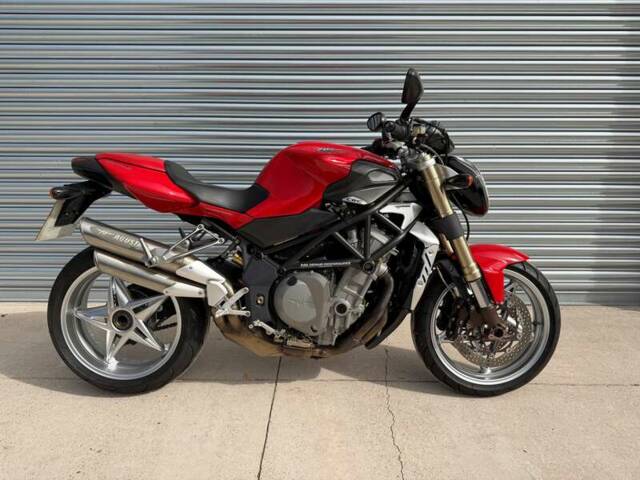
2006 | MV Agusta Brutale 750 S
2006 MV Agusta 750 Brutale E3 749cc
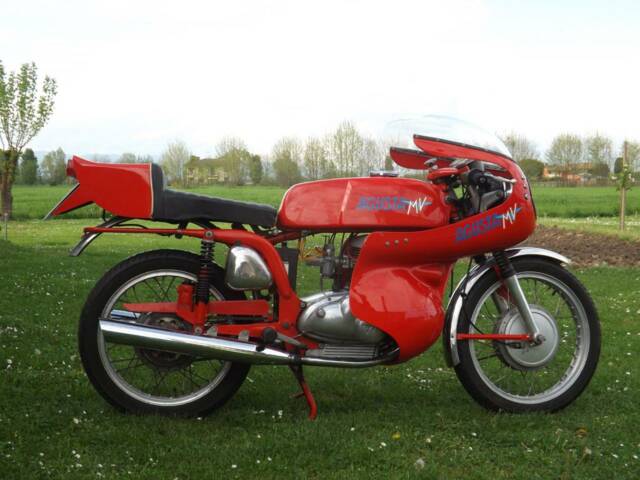
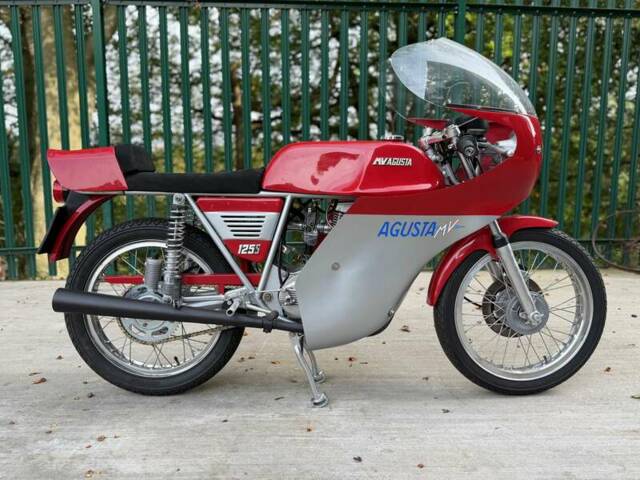
1975 | MV Agusta 125 Sport
1975 MV Agusta 125 Sport 124cc
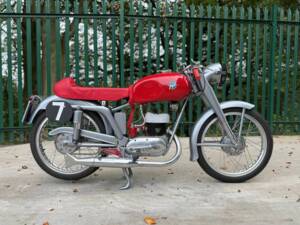
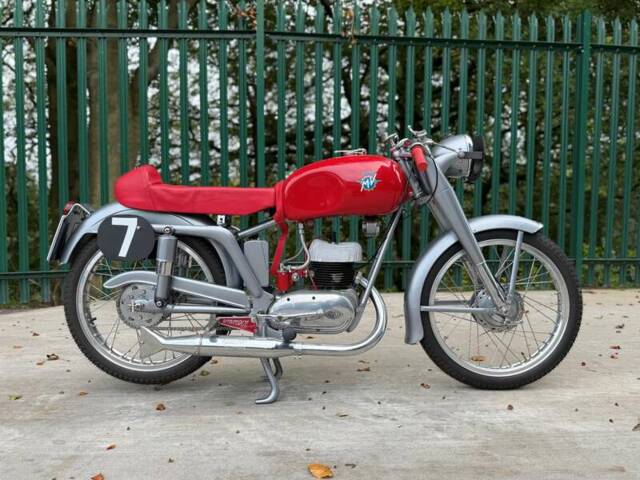
1953 | MV Agusta 150 Sport
1953 MV Agusta 150 TEL Sport Competizione 148cc
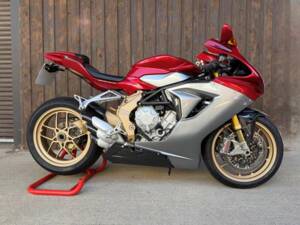
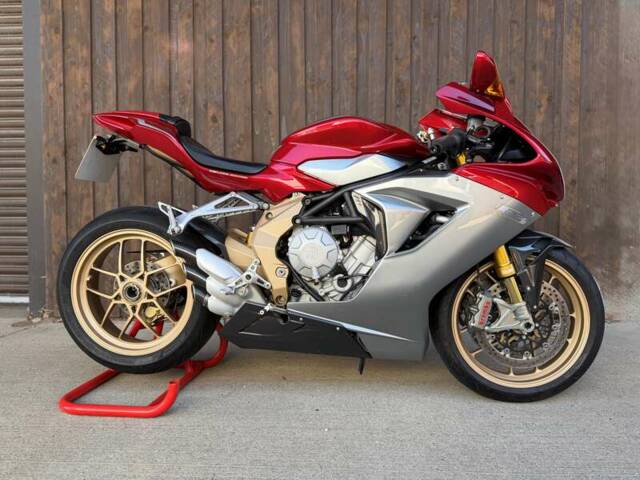
2012 | MV Agusta F3 675 Serie Oro
2012 MV Agusta F3 Serie Oro 675cc
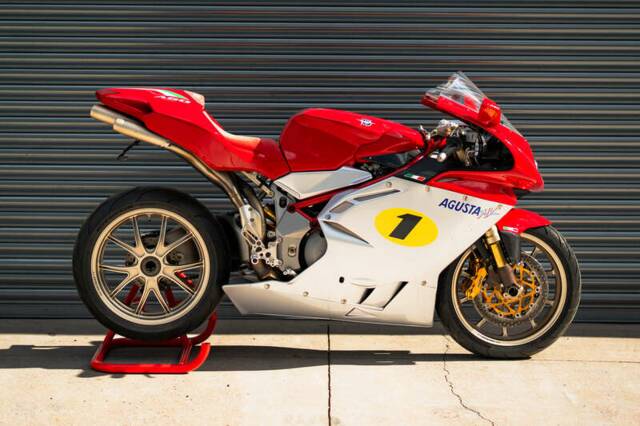
2005 | MV Agusta F4 AGO
2005 MV Agusta F4 1000 Ago 998cc
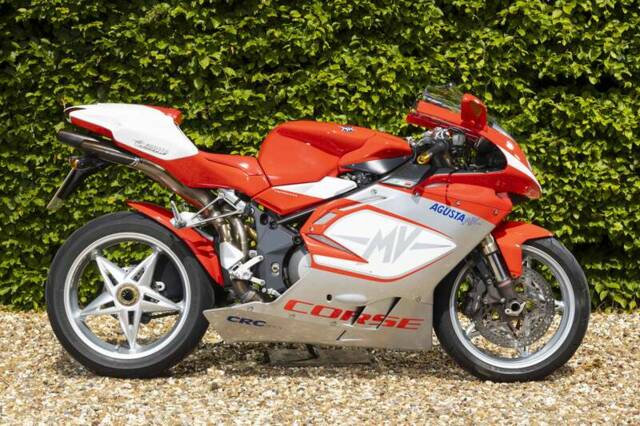
2006 | MV Agusta F4 1000 S
2006 MV Agusta F4 1000S Corse Biposto No. 1/300 998cc
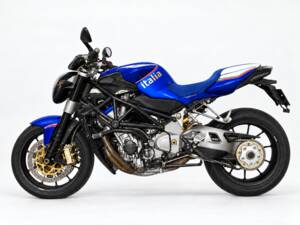
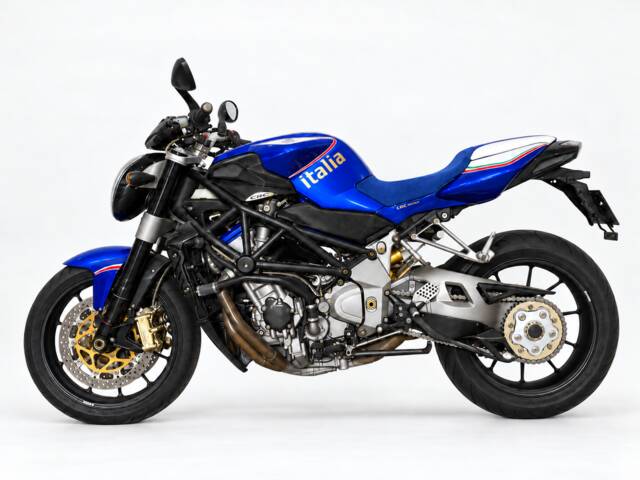
2007 | MV Agusta Brutale 910 R
Brutale 910 R Italia

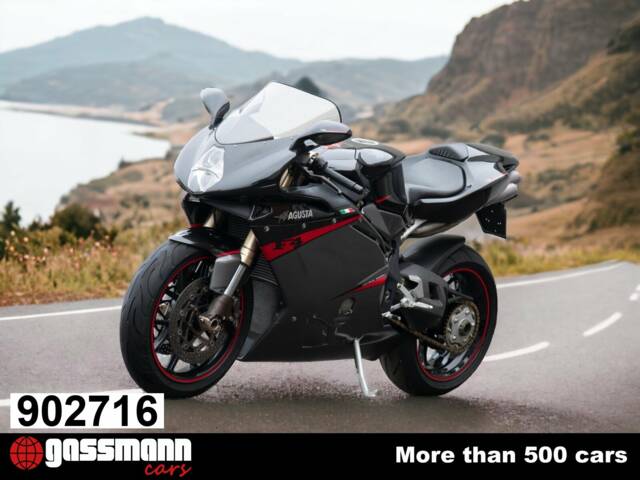
2006 | MV Agusta F4 1000 S
F4 1000 S - R312 Bodykit

MV Agusta listing references from Classic Trader
Below you will find listings related to your search that are no longer available on Classic Trader. Use this information to gain insight into availability, value trends, and current pricing for a "MV Agusta" to make a more informed purchasing decision.
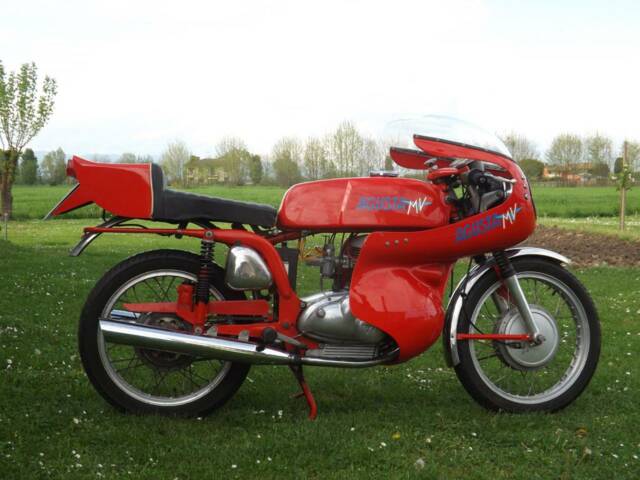
1972 | MV Agusta 350 Bicilindrica
-
MV Agusta, a name that represents racing DNA and Italian engineering at its finest. When Count Domenico Agusta founded the Meccanica Verghera factory in 1945, he laid the foundation for a brand that would collect 37 constructors' world championships and 38 riders' world titles between 1952 and 1974. John Surtees, Mike Hailwood, Giacomo Agostini, the greatest names in motorcycle racing rode for MV Agusta. However, after the economic collapse in 1980, the chapter seemed closed. That was until 1997, when the F4 debuted and put MV back on the map: Massimo Tamburini's design icon with a 750cc four-cylinder engine, which was exhibited in the Guggenheim Museum in 1999. Today, MV is back in Italian ownership and builds limited supersport machines like the Superveloce 1000 Serie Oro, with only 500 units produced worldwide.
For Australian enthusiasts, owning an MV Agusta is a statement of passion that transcends the challenges of distance. In a market dominated by Japanese reliability and German pragmatism, the Italian "Motorcycle Art" offers a visceral alternative. Whether you are carving through the Black Spur in Victoria or cruising the Old Pacific Highway in New South Wales, an MV Agusta demands attention and rewards the rider with a mechanical symphony unlike any other.
History & Heritage
The origin of the brand lies in aviation. Count Giovanni Agusta founded an aircraft manufacturer in 1907, and after his death in 1927, his son Domenico diversified into the motorcycle business. On February 12, 1945, the first MV 98 rolled out of the factory in Samarate, originally planned as the "Vespa 98", but the name was already taken by Piaggio. The two-cylinder two-stroke with 98cc cost around 70,000 lire and established MV as a manufacturer of motorcycles for the masses.
However, Domenico had greater ambitions. As early as 1948, the first racing machines were developed. In 1952, Cecil Sandford won the first 125cc world title, the start of an unparalleled era of dominance. The 500cc four-cylinders with chain drive and double overhead camshafts became the reference: between 1958 and 1974, MV won 16 out of 17 possible 500cc riders' world titles. Only in 1969 did Giacomo Agostini briefly lose out to Yamaha. Mike Hailwood (9 world titles), John Surtees (7 titles), Phil Read, they all shaped the golden era.
Parallel to the racing success, road models were developed: the 350 S Elettronica (1971) with electronic ignition, the 750 Sport America (1975-1977) with only 200 examples for Europe, and the 850 SS Monza (1978) with 120 hp from 837cc. However, the Japanese competition overwhelmed the market. After Domenico's death in 1971, the vision was lost. In 1980, the end came, production ceased, and the factory gates closed.
The rebirth came in 1992 through the Castiglioni brothers (Cagiva). They commissioned Massimo Tamburini, the mind behind the Ducati 916, to create a superbike. In 1997, the F4 750 Serie Oro debuted with a radial four-cylinder (126 hp, 187 kg dry) and a fairing that became a work of art. 300 units were produced, and they sold out immediately. In 2007, the F4 1000 Senna followed (only 300 units) with a carbon chassis and 198 hp. Harley-Davidson bought MV in 2008, then sold it back to Castiglioni in 2010 for a symbolic one dollar. Since 2019, MV has been owned by the Sardarov family (Art of Mobility), who, after a brief KTM involvement (2023-2025), are once again the sole owners.
In Australia, the history of MV Agusta is one of niche excellence. Early imports were rare, often brought in by private collectors or small specialist shops. It wasn't until the Tamburini era that a more formal dealer network began to take shape, though it has remained exclusive and sometimes volatile. The recent takeover of distribution by the KTM Group Australia in late 2023 marks a new chapter, promising better support and parts availability for Australian riders who have long had to rely on their own resourcefulness.
Highlights & Characteristics
What distinguishes MV from Ducati or Aprilia is exclusivity through limitation. Fewer than 10,000 motorcycles leave the factory annually, for comparison, Ducati produces over 60,000. Core features include:
- Radial Four-Cylinder: 90° crankshaft bearing for a compact centre of gravity, with a characteristic sound profile above 8,000 rpm.
- Tamburini Design DNA: Single-sided swingarm on the F4, under-seat exhaust system, and sculptural fairings.
- CNC-Machined Chassis: The F4 RC features a chromoly trellis frame, while the Brutale 1000 uses an aluminium bridge frame.
- Limited Editions: Senna (300 units), Ago (300), Claudio (2020, only 10 units at USD 109,000), and Serie Oro (500).
For the Australian buyer, these highlights come with a unique set of considerations. The exclusivity means that seeing another MV Agusta on a Sunday ride is a rare event, fostering a tight-knit community. However, this same exclusivity can make local servicing a challenge.
Weak points to consider: The sprag clutch on 3-cylinder models (Brutale 800, Dragster) up to the 2017 model year, a failure can lead to significant engine damage (repairs can cost $3,000-$5,000 AUD). Valve timing on early F4s (1999-2004): valve breakage can occur at over 14,000 rpm without a rev limiter. Spare parts: Specific parts (fairings, exhaust systems) are often only available through Italian or European dealers, with wait times of 4-8 weeks for shipping to Australia. Electronics: Error messages (Exhaust Error) on 2014-2016 models due to faulty sensors are common.
In the Australian climate, cooling can also be an issue. The high-performance engines generate significant heat, which can be taxing during a slow crawl through Sydney or Melbourne traffic in mid-summer. Owners often realise that upgrading the cooling system or using high-quality synthetic oils is essential for longevity in local conditions.
Iconic models for Australian collectors:
- F4 750 Serie Oro (1998-1999): $60,000-$100,000 AUD
- 750 Sport America (1975-1977): $30,000-$50,000 AUD
- 850 SS Monza (1978-1980): $25,000-$45,000 AUD
- F4 1000 Senna (2007): $55,000-$80,000 AUD
- Brutale 750 (2003-2007): $10,000-$18,000 AUD
Technical Data
Characteristic of all MVs are the short service intervals (valve clearance every 10,000 km for the F4, 15,000 km for the 3-cylinder models) and high maintenance costs (a major service in Australia can range from $1,000 to $2,500 AUD depending on the model and parts required).
Market Overview & Buying Tips
The Australian market for MV Agusta is unique due to its size and the logistical hurdles of being far from the Italian factory. Prices in Australia are typically 15-25% higher than in Europe or the US, reflecting import duties, GST, and the significant costs of shipping and compliance.
Price ranges by model series (as of 2024-2025):
Classic Era (1970s-1980s):
- 750 Sport America: $30,000-$55,000 AUD depending on originality. Matching-numbers examples with under 10,000 km fetch premium prices. Note: Many US export models (750 S America) have different specifications.
- 850 SS Monza: $25,000-$45,000 AUD. Projects requiring restoration start from $15,000 AUD. Original exhaust systems (replacement costs $5,000-$8,000 AUD) significantly increase value.
- 350 S Elettronica: $12,000-$22,000 AUD. Rarer than the 750s but with lower demand.
Tamburini Era (1998-2009):
- F4 750 Serie Oro: $60,000-$100,000 AUD. These are blue-chip investments. Standard models (2000-2004) range from $18,000 to $35,000 AUD.
- F4 1000 Senna: $50,000-$85,000 AUD. A highly sought-after tribute model that rarely appears on the Australian market.
- F4 RC (2015): Recent sales for low-mileage examples have reached $50,000-$60,000 AUD.
- Brutale 750 (2003-2007): $10,000-$20,000 AUD. An excellent entry point into MV ownership in Australia.
Modern Limited Editions (2010-present):
- Brutale 1000 RR (2020+): $35,000-$50,000 AUD (used, very few listings).
- Superveloce 800: $28,000-$42,000 AUD. The "S" models and limited editions like the "75 Anniversario" command higher prices.
- F3 800 Ago (2019): $30,000-$45,000 AUD.
Buyer Profile in Australia:
- Collectors: Focus on Serie Oro, Senna, and Ago models. These are investment-grade assets, with values appreciating 3-5% per year for bikes with under 2,000 km.
- Enthusiasts: Look for the F4 1000 R (2006-2009) or the Brutale 800/1000. These are "rideable classics" that offer modern performance with timeless style.
- Newcomers: The Brutale 750 or standard F4 750 (2000-2004) provide an entry into the brand from around $10,000 AUD.
Buying Advice for Australians:
- Check Service History: This is critical. Ensure valve clearances have been checked and the sprag clutch has been replaced (on 3-cylinder models). In Australia, look for receipts from known specialists like Brad the Bike Boy in Melbourne or Motomeccanica.
- Matching Numbers: For limited editions, matching numbers can add 20-30% to the value.
- Original Parts: Exhausts, fairings, and wheels are expensive and hard to find. A bike missing its original "organ pipe" exhaust on an F4 will be much harder to sell later.
- Sprag Clutch: For Brutale/Dragster 800 (2014-2017), ask for the replacement protocol. MV Agusta offered a recall, but not all Australian bikes may have been updated.
- Electronics: "Exhaust Error" is often just a sensor ($300 AUD), but can sometimes indicate a wiring loom issue ($2,500+ AUD).
- Import Reality: If you are looking at a bike recently imported from Japan or Europe, ensure all Australian compliance work has been completed and the bike is ready for registration in your state (e.g., VicRoads, NSW Service).
Parts Availability & Shipping: Genuine OEM parts can be ordered through the official MV Agusta portal or European sites like [shop.mvagusta-oemparts.com]. However, be prepared for 4-8 week wait times for shipping from Italy. Shipping costs to Australia are notoriously high, a small sensor can cost $200 AUD just to ship. Many Australian owners use the MV Agusta Forum (mvagusta.net) to source parts from other members or find workarounds. For engine rebuilds, expect to pay $10,000-$20,000 AUD for a full F4 restoration.
Market Trend: Limited-edition models (Senna, Ago, Claudio) remain stable or are increasing in value. Standard F4 and Brutale models have seen a flatter value curve since 2020. The Australian market is small, with often fewer than 20-30 high-quality MVs for sale nationwide at any given time, making it a "seller's market" for well-maintained examples.
Riding Experience & Character
F4 (1998-2019): The riding position is demanding, the pegs are high, the bars are low, and above 60 km/h, the aerodynamic pressure becomes noticeable. The engine is eager to rev but feels tame below 7,000 rpm (almost like a 75 hp bike). Above 10,000 rpm, the machine wakes up: the second resonance chamber opens, the sound changes from refined to a metallic shriek, and the thrust continues all the way to 13,500 rpm (on the F4 1000 R). The suspension is firm, the Öhlins forks are sensitive to weight transfer, and the rear follows precisely. The clutch is heavy (dry multi-plate), and gear changes are precise but loud. At speeds over 220 km/h, the wind protection is excellent thanks to Tamburini's aerodynamics.
750 Sport/850 SS: Pure old-school. The drum front brake (on early 750 Sport America series) and Dell'Orto carburettors require a delicate touch during cold starts. The engine vibrates between 4,000-5,000 rpm (the driveshaft transmits torque abruptly), but smooths out above that. The sound is low-frequency, the 4-into-4 exhaust has a characteristic bark when you roll off the throttle. The chassis is soft by modern standards but suitable for long-distance riding. The weight is noticeable in corners (220 kg), requiring forceful steering inputs. The brakes are weak by today's standards, and many owners in Australia have retrofitted Brembo components.
Brutale (2001-present): Naked aggression. Without a fairing, the wind blast is brutal above 120 km/h, forcing you to tuck behind the tiny screen. The engine (750: 112 hp, 1000 RR: 208 hp) pulls from idle, with maximum torque at 8,000-9,000 rpm. The steering geometry is nervous (short wheelbase of 1,400 mm), it rewards precise line choice but punishes indecision. The Quickshifter (from 2016) is buttery smooth, allowing the engine to rev through without clutch interruption. Brembo M50 Monoblocks (on the 1000 RR) provide one-finger braking. The traction control (8 levels) intervenes late, the rear wheel can dance on wet Australian roads.
Superveloce 800: Retro meets high-tech. The half-fairing recalls 1970s racing machines, but underneath is modern 798cc three-cylinder electronics. The three-cylinder character is different from the four-cylinder, the uneven firing interval (270°-90°-180°) creates a rhythmic bass, similar to a Triumph but shriller above 11,000 rpm. The suspension is more comfortable than the F4, yet still track-capable. The ergonomics are uncompromising: a seat height of 835 mm and sporty pegs, though it is more bearable than the F4 for a run through the Royal National Park.
The common thread of all MVs is a lack of everyday comfort. The stationary noise often exceeds 90 dB (an F4 with a racing system can hit 105 dB), the tank is small (16-17 litres, giving a range of 180-220 km), and the seats are hard. However, the emotional connection through the sound, the tactile feel of the forged aluminium levers, and the knowledge that you are riding one of only a few examples in the country makes it all worthwhile.
Design & Aesthetics
Massimo Tamburini (†2014), the man who also created the Ducati 916 and Bimota Tesi, defined MV Agusta's design language. His F4 (1997) broke conventions: the four-pipe under-seat exhaust (now copied worldwide), the single-sided aluminium swingarm with no visible struts, and organic fairing lines without hard edges. The Museum of Modern Art (MoMA) and the Guggenheim exhibited the F4 as a rolling work of art.
Colour Philosophy: MV remains true to its racing DNA, Red/Silver is the signature (inspired by the GP era), while limited editions often appear in Black/Gold (Senna) or White/Red/Green (Tricolore). Serie Oro models feature exposed carbon parts (tank, fairing, wheels) and gold-anodised fork tubes.
Target Group Historically vs. Today:
- 1950s-1970s: Privateers and gentleman racers, MV was the motorcycle equivalent of Ferrari (Count Agusta famously refused to sell to Honda).
- 1998-2010: Former Ducati owners and Tamburini fans, the F4 was the ultimate alternative to the 916/998.
- 2010-present: Wealthy collectors (average age 45-60), often owning an MV as a second or third bike alongside a Ducati Panigale or BMW S 1000 RR.
Design Elements:
- Asymmetrical Swingarm: On the F4, it is wider on the right (giving a driveshaft look, even though it is chain-driven).
- CNC-Machined Parts: The triple clamp, footpegs, and fuel cap, some components require up to 60 hours of machining time.
- Paintwork: A 9-layer process is used on limited models, with UV-hardened clear coat from the Varese factory.
A weakness to note for Australian owners: the long-term aesthetics can suffer if not cared for. Chrome on exhaust systems can corrode if exposed to salt air in coastal cities like Sydney or Perth. Clear coats can yellow after 15+ years of harsh Australian sun, and carbon delamination can occur if the bike is stored improperly.
Racing & Culture
GP Dominance (1952-1974): 37 constructors' world championships and 38 riders' world championships. The highlight was the 1960s: Hailwood won four consecutive 500cc titles from 1962-1965. Agostini added seven more between 1966-1972. The last world championship was in 1974 (Phil Read). The brand withdrew after that as Japanese dominance through Honda and Yamaha took over.
Famous Riders:
- John Surtees (1956, 1958-1960): The only world champion on both two and four wheels (F1 1964).
- Mike Hailwood: 9 world titles (4 with MV).
- Giacomo Agostini: 15 world titles in total, 8 with MV.
Comeback Attempts: Between 2014 and 2019, MV entered Moto2 (Forward Racing) with moderate success. In 2021, they returned to WorldSSP with the F3 800 (MV Agusta Reparto Corse), achieving their first wins in 2022 with Niki Tuuli.
Pop Culture: The F4 appeared in "The Matrix Reloaded" (2003), it was used as a replacement for the Ducati 996 after a contract dispute. Steve McQueen also privately owned and rode a 350 S. In Australia, the brand has a cult following, often appearing in local motorcycle magazines like AMCN (Australian Motorcycle News) as the benchmark for exotic performance.
Summary
MV Agusta is not a motorcycle for pragmatists. If you are looking for everyday utility, cheap maintenance, or a broad dealer network, you should choose a BMW or a Yamaha. MV means: exclusivity through limitation, design as a statement, and racing history as a motive for purchase.
For Collectors: The F4 Serie Oro, Senna, and Ago are investments with emotional value. For Enthusiasts: The Brutale 800/1000 or F4 1000 R (2006-2009) are rideable art with some everyday compromises. For Newcomers: The Brutale 750 or 750 Sport America offer an affordable entry into the brand.
Key models to watch:
- F4 750 Serie Oro (1998): Tamburini's masterpiece, museum quality.
- 750 Sport America (1975-1977): A classic era highlight, with only 200 units for the EU (and even fewer in Australia).
- 850 SS Monza (1978-1980): The 120 hp superbike of the 1970s.
- Brutale 750 (2003-2007): The first naked bike, starting from around $10,000 AUD.
- F4 1000 Senna (2007): A tribute to Ayrton Senna, 300 units, investment-grade.
Buying Decision: Always check the service history, confirm matching numbers for limited editions, clarify the status of the sprag clutch (on 3-cylinder models), and research parts availability. Buying an MV is a decision of the heart, once you have heard the four-cylinder at 13,000 rpm, you will understand why. In Australia, it is a commitment to a lifestyle that values "Motorcycle Art" above all else.