Buy a classic Porsche 356
The Porsche 356 was the company’s first production car: a lightweight, rear-engined sports car built from 1948 to 1965. From the early aluminium-bodied cars to the disc-braked 356 C, it evolved through four main generations and a range of coupé and open body styles.
Search results
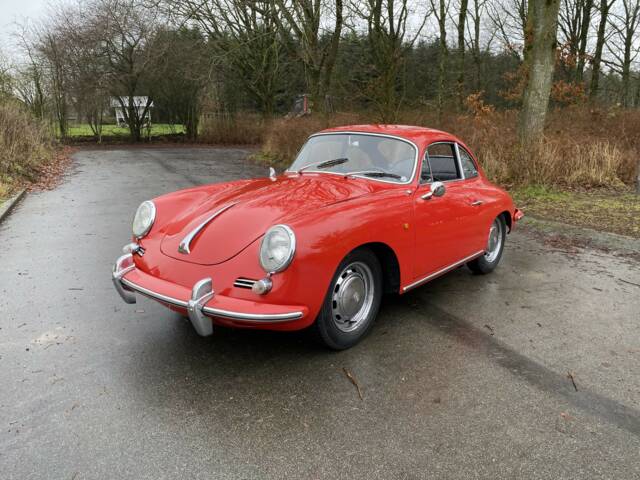

1963 | Porsche 356 B 1600 Super
Porsche 356

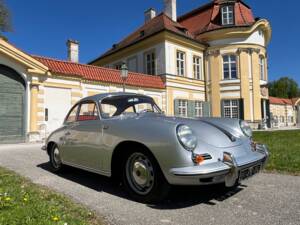
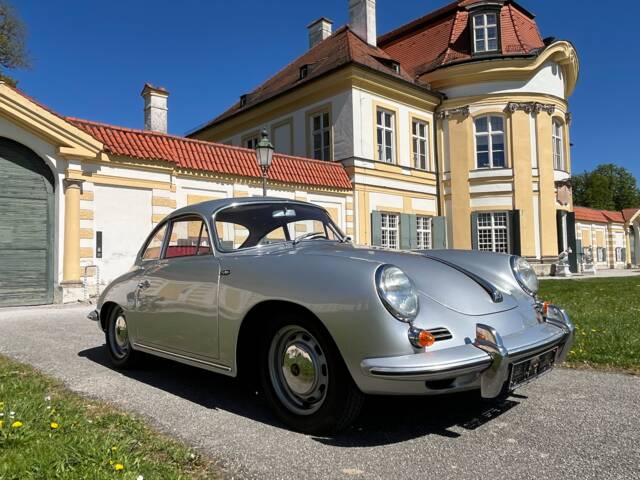
1964 | Porsche 356 C 1600
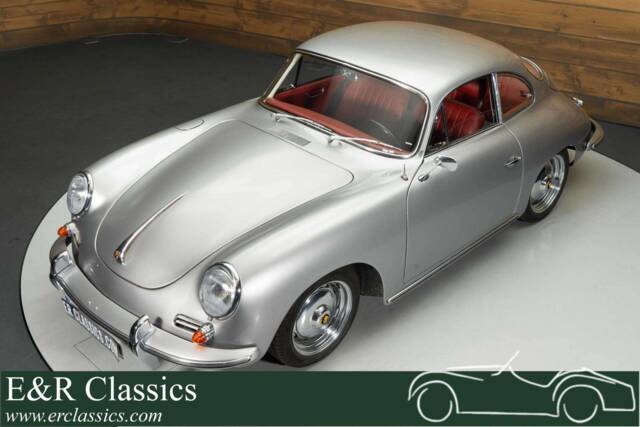
356 B 1600C From Italy Silver/Red

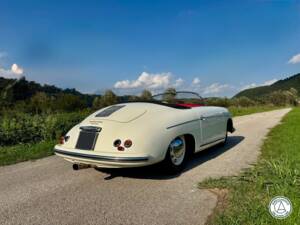
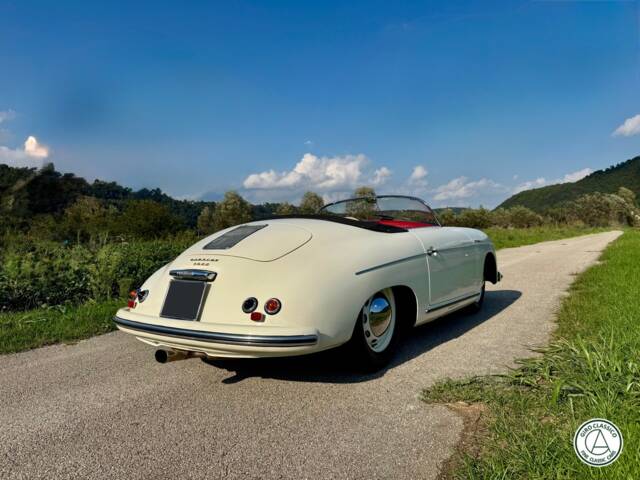
1955 | Porsche 356 1500 Speedster
1955 Porsche 356 Pre-A 1500 Speedster - Completely restored, eligible for the Mille Miglia

Newsletter
The best Porsche listings, straight to your inbox
Get hand-picked Porsche listings, plus the best of cars, motorbikes, and auctions on Classic Trader — all in one place.
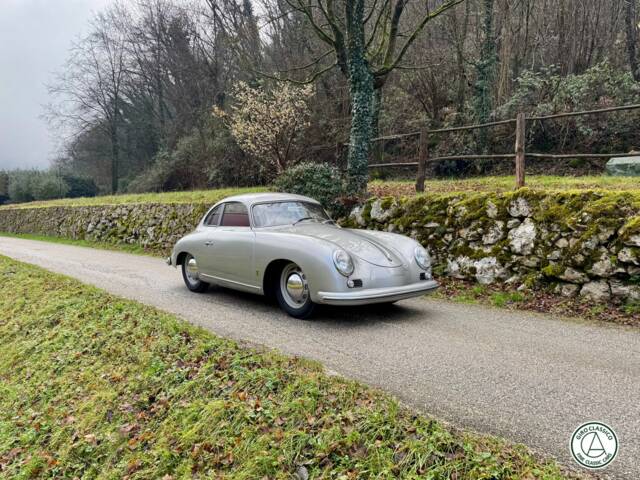
1955 | Porsche 356 1500
1955 Porsche 356 Pre-A 1500 Coupé - Restored, rare example with curved windows
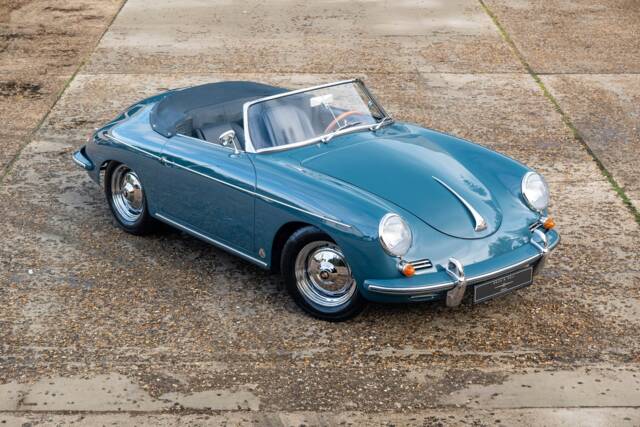
1961 | Porsche 356 B 1600 Roadster
One of just 2,649 Porsche 356 B T5 Roadsters ever built - Beautiful and elegant colour combination - The ultimate 356 for the true driving enthusiast

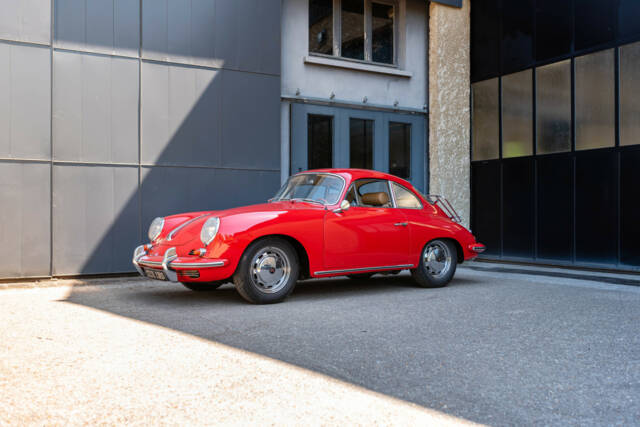
1965 | Porsche 356 C 1600
Porsche 356 C

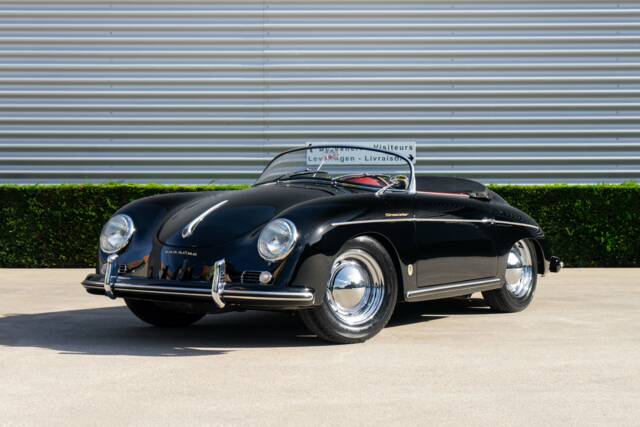
1957 | Porsche 356 A 1600 S Speedster
!VAT DEDUCTIBLE - export purchase at €285,000!
VAT is reclaimable
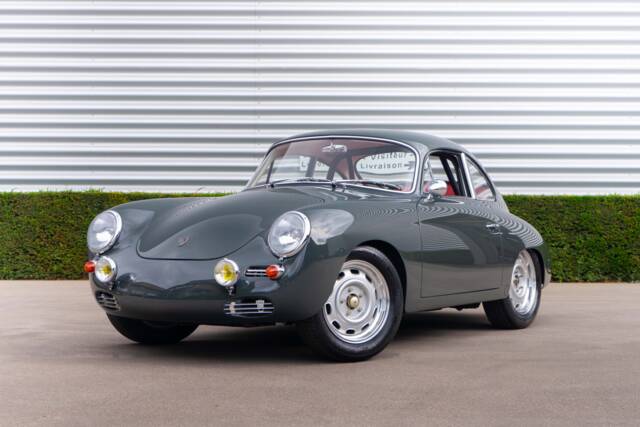
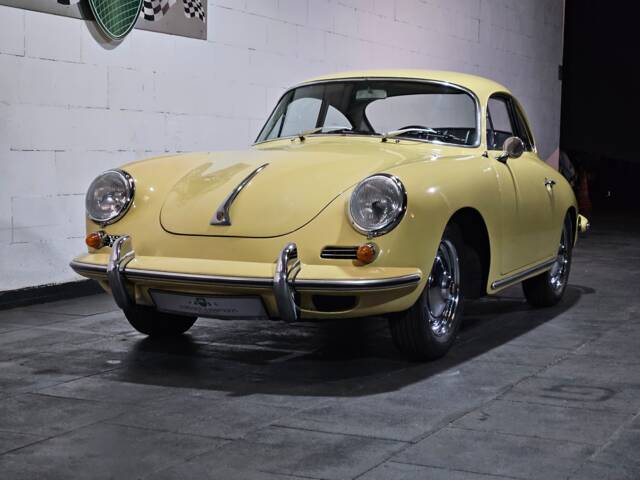
1963 | Porsche 356 B 1600 Super 90
Porsche 356 B/1600 Super 90 Coupe
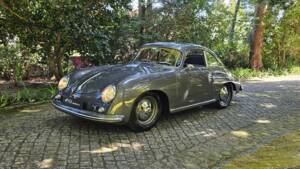
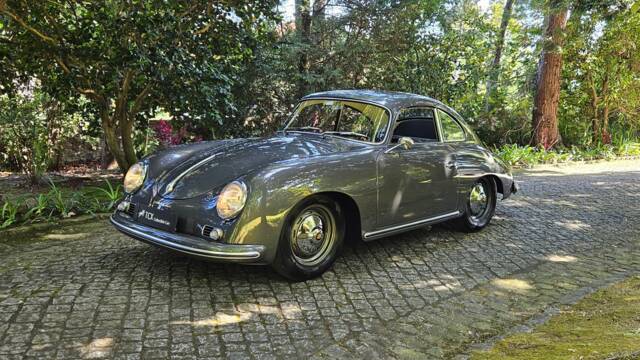
1958 | Porsche 356 A 1600
Porsche 356 A 1600 – 1958 Originally delivered new in Portugal.

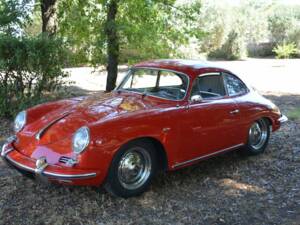
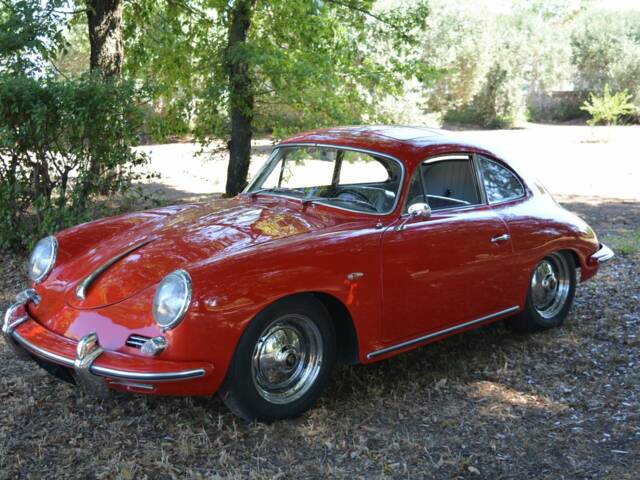
1960 | Porsche 356 B 1600 Super 90
Porsche 356 B Super 90 | 1960 | Route 66 Auctions - For sale by auction. Estimate 66000 EUR
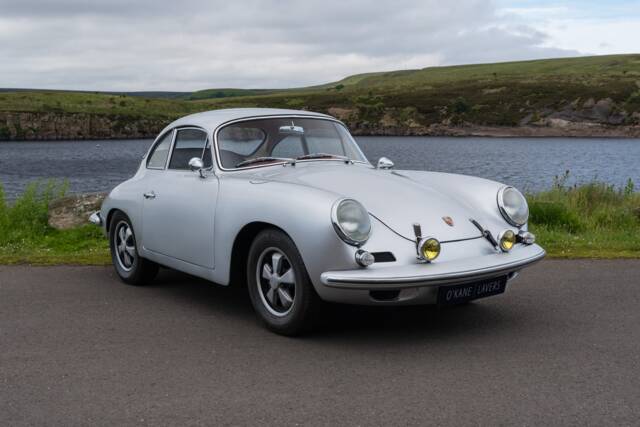
1964 | Porsche 356 C 1600
Recent bare-metal respray, presented in excellent condition

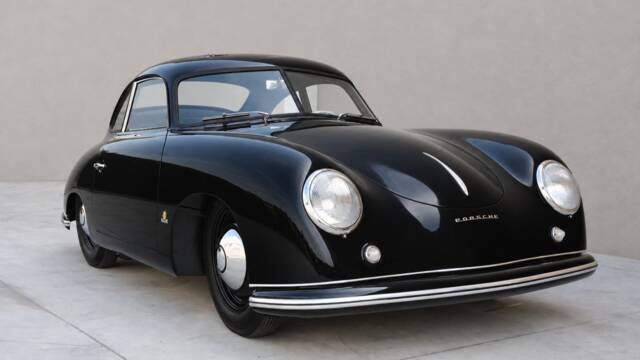
1950 | Porsche 356 1100
Pre-A Split Window Coupé · Full restoration SC Classic
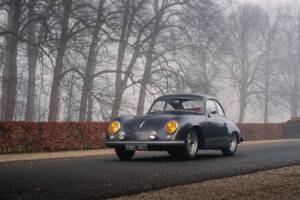
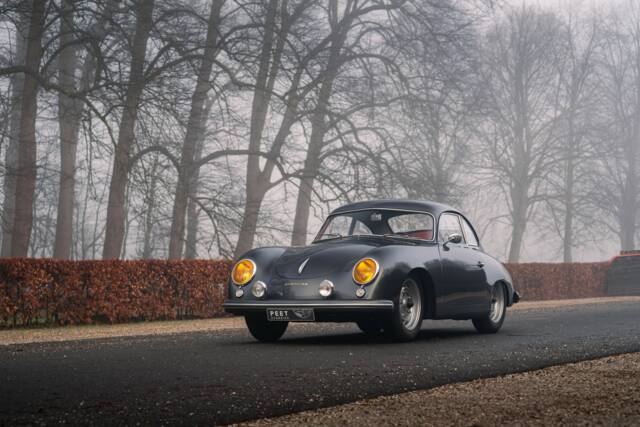
Porsche 356 Classic Cars: Prices & Market Values
The history of the Porsche 356
The first Porsche 356 production cars were built in Gmünd, Austria, in 1948. Around 50 aluminium-bodied cars were made there before production moved to Stuttgart-Zuffenhausen in 1950, where steel bodies became the norm.
The 356 drew on Volkswagen mechanical components, including its air-cooled flat-four engine, gearbox, brakes and suspension. Porsche progressively developed the car during its production run, which ended in 1965 after more than 76,000 examples had been built. It was succeeded by the Porsche 911.
Porsche 356 model history
- 356 Pre-A, 1948–1955: Early cars had a split windscreen; from 1952, a one-piece screen with a central bend replaced it. Coupé and cabriolet bodies were offered.
- 356 A, 1955–1959: A curved one-piece windscreen marked out the A, which also brought suspension improvements. Coupé, cabriolet and Speedster versions were available.
- 356 B, 1959–1963: Raised headlamps and bumpers distinguished the B. Its bodywork evolved from the T5 to the T6 configuration.
- 356 C, 1963–1965: The final series introduced disc brakes, along with new wheels and hubcaps. The 95 PS SC was its most powerful pushrod-engined version.
Porsche 356 highlights
The 356 combines a rear-mounted flat-four, rear-wheel drive and independent torsion-bar suspension. Early cars reveal their Volkswagen connections in components such as the gearbox and brakes, while the later Carrera models took a different mechanical route with Ernst Fuhrmann’s four-cam engine.
The 356 also competed in international motorsport. It won the up-to-1,100 cc class at Le Mans in 1952 and took further class wins in subsequent years.
Porsche 356 technical data
Porsche 356 special models
- 356 Speedster: Introduced for the US market at importer Max Hoffman’s request, the Speedster had a low windscreen and pared-back equipment.
- 356 Carrera: These sports versions used the Fuhrmann-designed four-cam engine. The Carrera 2 developed 130 PS from its 2.0-litre engine.
- Karmann Notchback: A distinctive hardtop coupé body style produced for a short period during the 356 range’s life.
What to check when buying a Porsche 356
Identify the series and body type before inspecting a 356: early Gmünd cars have aluminium bodies, while later production cars are steel-bodied. Check the braking specification as well, particularly when comparing an earlier drum-braked car with a disc-braked 356 C.
For a car described as retaining its original mechanical components, compare its engine and gearbox identification with the available documentation. A Porsche Certificate of Authenticity or Kardex can help establish its original specification.
Porsche 356 engine and driving experience
The 356’s light weight, direct steering and rear-engine layout give it a distinct driving character. Its air-cooled flat-four drives the rear wheels through a four-speed manual gearbox; synchromesh was introduced in the early 1950s.
Early 1.1-litre cars developed 40 PS, while the 356 A 1600 produced around 60 PS from 1,582 cc. Later choices included the 90 PS Super 90 and the 95 PS 356 SC. The four-cam Carrera 2, with 130 PS, sits apart from the pushrod-engined cars.
Porsche 356 design and interior
Erwin Komenda designed the 356’s body. Its shape evolved through details such as the Pre-A’s split or bent windscreen, the A’s curved screen and the higher-mounted headlamps and bumpers of the B. With the engine at the rear, luggage could be carried in the front compartment.
Interiors were available in leather or vinyl. Equipment and accessories included radios by Blaupunkt or Becker, luggage racks and, on some cars, a sunroof or additional gauges.
Porsche 356 summary
The Porsche 356 spans the company’s early production history, from aluminium-bodied Gmünd cars to the disc-braked C. Its four generations offer a choice of coupé and open bodies, with engines ranging from the early 40 PS flat-four to the 130 PS Carrera 2.
FAQs
Why is the Porsche 356 classic car so sought after?
The Porsche 356 is not only the first production car by Porsche, making it historically significant, but it's also cherished for its sporty driving experience and elegant styling. Its timeless design and aerodynamic shape make it an icon of 1950s and 1960s automotive design.
How can I find spare parts for the classic Porsche 356?
Spare parts for the classic Porsche 356 are widely available through specialized suppliers and Porsche clubs. Additionally, numerous workshops focus on the restoration and maintenance of the 356, offering both original and replicated components.
What should I consider when buying a Porsche 356 classic car?
Pay attention to the body condition and originality of the Porsche 356. Check the wheel arches, the underside, and the weld seams. Original engine and gearbox combinations, as well as properly restored body parts, add value to the Porsche 356 classic car. A complete history and restoration documentation increases the vehicle's value. Additionally, you should take a test drive to assess its mechanical condition and ensure it drives well.