Buy a BMW 700 classic car
The BMW 700 is a compact, rear-engined classic that helped restore the company’s finances. Built from 1959 to 1965, it combines Giovanni Michelotti’s styling with an air-cooled, two-cylinder boxer engine and BMW’s first monocoque car body.
Search results
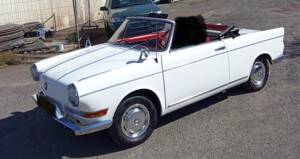
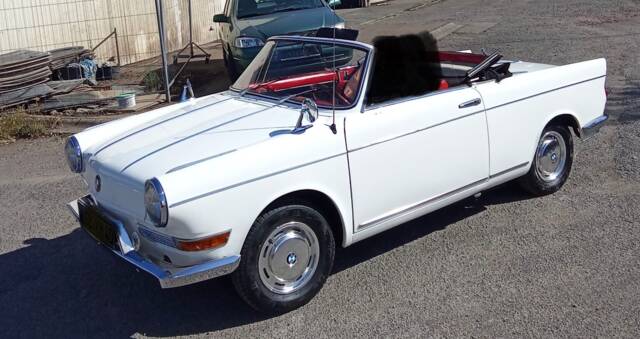
1962 | BMW 700 CS
BMW 700 CS

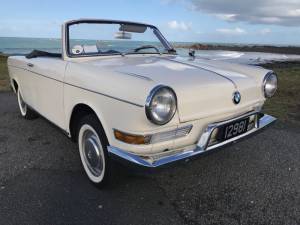

1962 | BMW 700 Convertible
Baur Cabriolet Sport

Auctions ending soon

Loading…
Loading…
Loading…
Loading…
BMW 700 listing references from Classic Trader
Below you will find listings related to your search that are no longer available on Classic Trader. Use this information to gain insight into availability, value trends, and current pricing for a "BMW 700" to make a more informed purchasing decision.
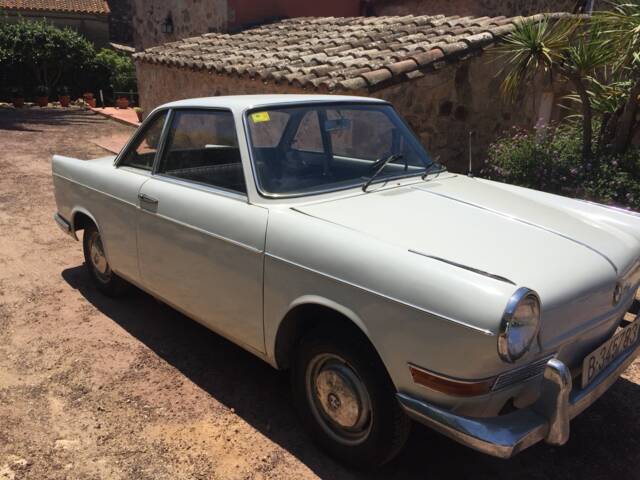
1963 | BMW 700 Coupe
Historic car in good condition, exempt from MOT

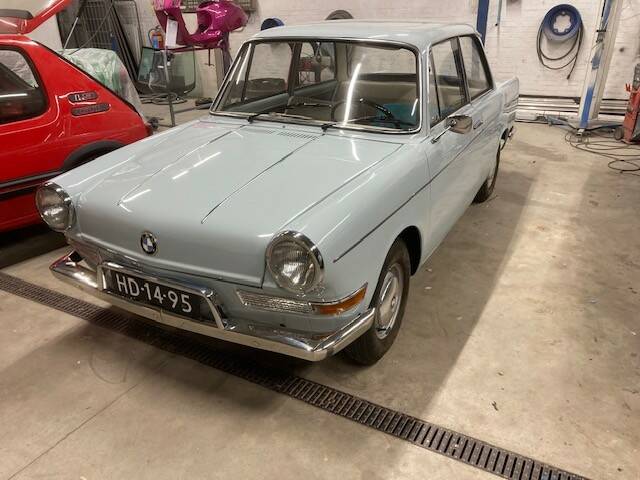
1962 | BMW 700 LS
In excellent condition

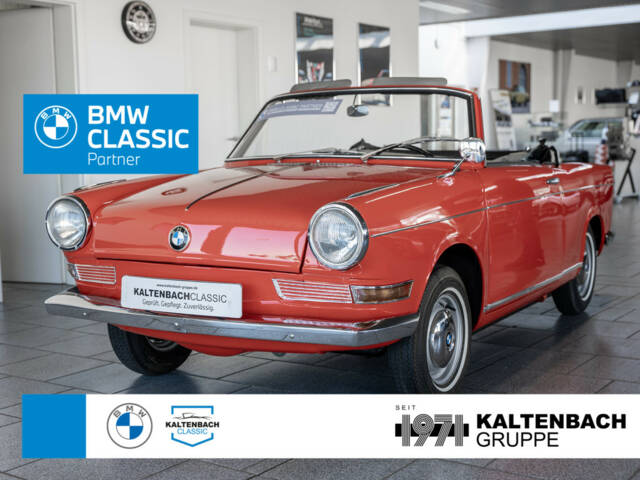
1964 | BMW 700 Convertible
Fully restored since then only 4km
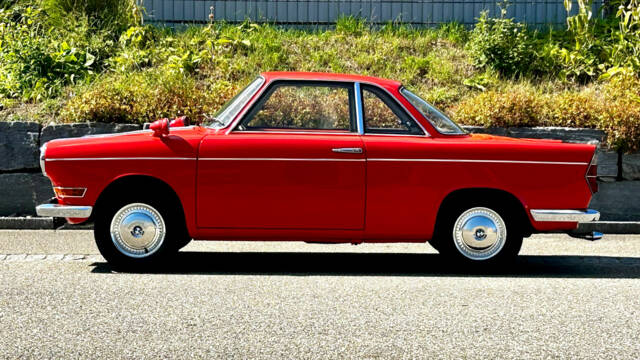
1963 | BMW 700 CS
Lot 17 BMW 700 CS (1963). Schätzpreis CHF 20'000 bis CHF 28'000

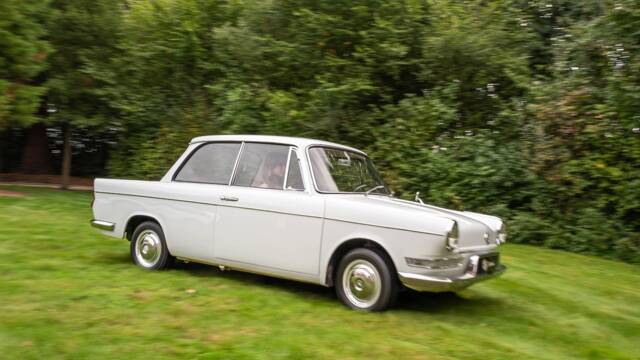
1965 | BMW 700 LS Luxus
Fantastisches Original mit Neuwagenrechnung und Serviceheft.

1963 | BMW 700 CS
Coupé Sport Auto Martini Original Willi Martini

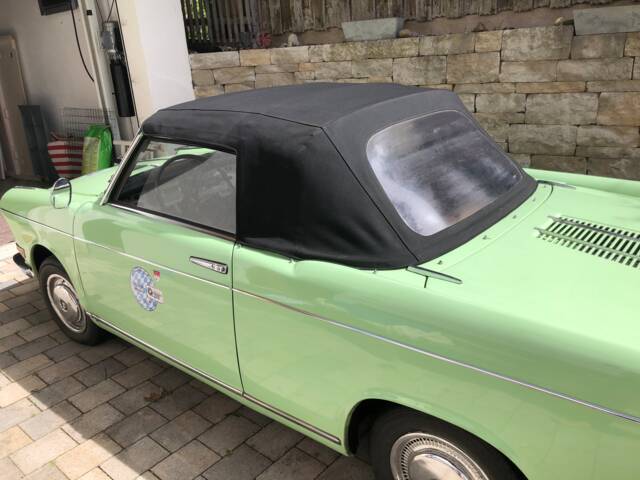
1962 | BMW 700 Convertible
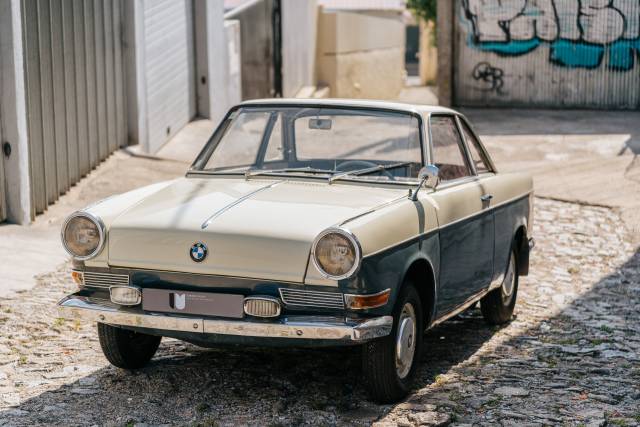
1960 | BMW 700 Coupe
1960 BMW 700 Coupe - Always a Portuguese - Never Restored

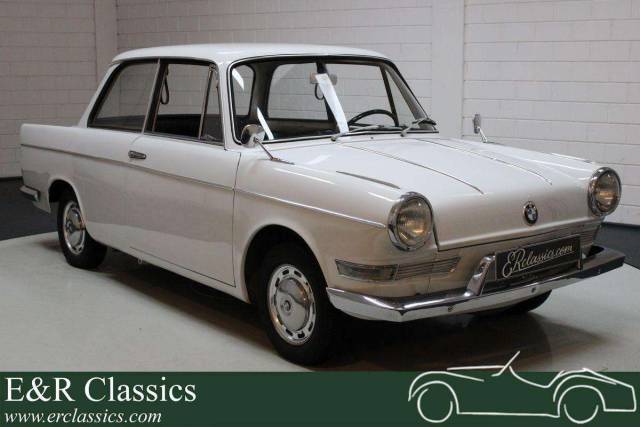
1965 | BMW 700 LS Luxus
BMW 700 goede staat 1965
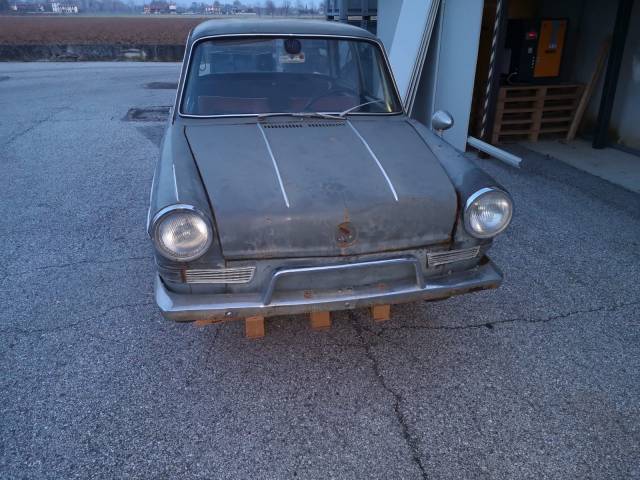
1962 | BMW 700 Coupe
Auto originale, da restaurare.

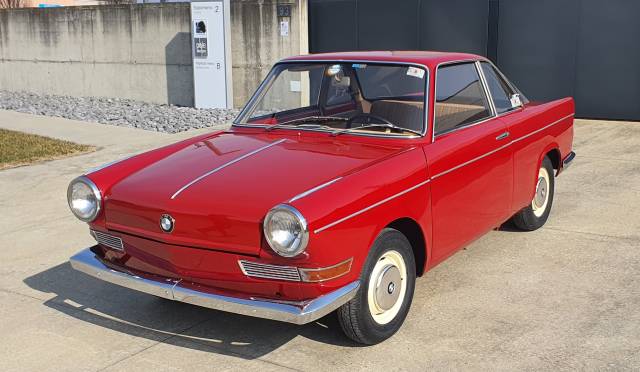
1963 | BMW 700 Coupe
Pristine !!! Best color combination
BMW 700 Classic Cars: Prices & Market Values
History of the BMW 700
Developed from the BMW 600, the 700 arrived in 1959 when BMW was close to financial ruin. Its coupé and two-door saloon were shown at the Frankfurt Motor Show that year, attracting 25,000 initial orders.
More than 188,000 examples were sold before production ended in November 1965. The 700’s success helped BMW through its financial difficulties; when the model was discontinued, the company left the economy-car market.
BMW 700 model history
The original range consisted of a coupé and a two-door saloon, followed by a convertible. The 700 Sport coupé appeared in 1960 with a 40 hp engine and was later renamed the 700 CS. A semi-automatic transmission became an option on the saloon in 1960.
The saloon range was subsequently developed into the 700 Luxus and 700 LS. In Argentina, Metalmecánica produced a version called the De Carlo 700.
BMW 700 highlights
The 700 was BMW’s first car with a monocoque body. Its 697 cc boxer engine sat at the rear, while its angular bodywork gave the small BMW a conventional car shape rather than the appearance of its BMW 600 predecessor.
The 700 also competed successfully in its class in motorsport, both in standard form and as the basis for the 700 RS racing special.
BMW 700 technical data
BMW 700 RS racing special
BMW built two hand-built 700 RS racing cars. Hans Stuck drove the RS to victory in the German Hillclimb Championship; one of the two cars is in the BMW Museum in Munich.
What to check when buying a BMW 700
Inspect the monocoque body for corrosion and assess the quality of any repairs and paintwork. On a restored 700, ask for details of work to the engine, brakes, electrical system and upholstery. Check the engine and chassis numbers against the documentation if originality is important to you.
Engine and driving characteristics
The BMW 700’s compact dimensions and rear-mounted boxer engine give it an agile character. The standard engine’s approximately 30–34 hp suits the car’s economy-car origins; the 40 hp Sport and CS provide a more performance-oriented alternative. Most examples use a four-speed manual gearbox, although a semi-automatic option was offered on the saloon.
BMW 700 design and interior
Italian designer Giovanni Michelotti gave the 700 an angular shape without BMW’s familiar twin-kidney grille. Its rear fins reflected a contemporary European styling trend. The convertible received a more luxurious finish, with bodywork associated with coachbuilder Baur.
The interior is simply appointed. Equipment on some cars included an analogue clock, a lockable glovebox and a radio. Period colour options included BMW Creme and Hennarot.
BMW 700 summary
The BMW 700 combines a significant place in BMW history with compact dimensions, Michelotti styling and an air-cooled boxer engine. Buyers can choose between saloon, coupé and convertible body styles, with the 40 hp Sport and CS offering a sportier interpretation.