Mercedes-Benz Ponton Classic Cars for Sale
Introduced in 1953, the Mercedes-Benz Ponton brought integrated bodywork and monocoque construction to the marque. The range grew from four-cylinder 180 saloons to six-cylinder 220 models, including hand-built coupés and cabriolets.
Search results
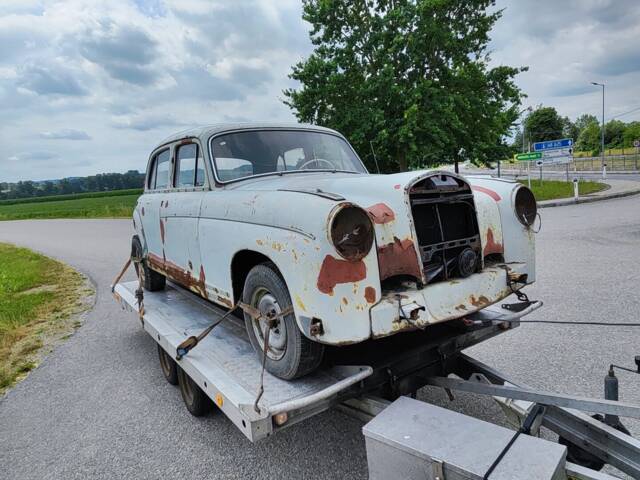
1958 | Mercedes-Benz 220 S
Unrestored 1958 Mercedes-Benz 220 S Ponton with data card, delivery note and documented Matching Numbers
€4,000 - €6,000

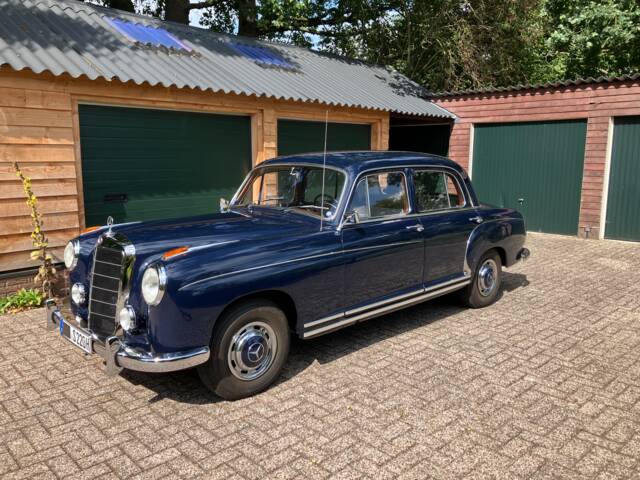
1957 | Mercedes-Benz 220 S
Mercedes 220 S, restored down to the smallest detail

Auctions ending soon

Loading…
Loading…
Loading…
Loading…
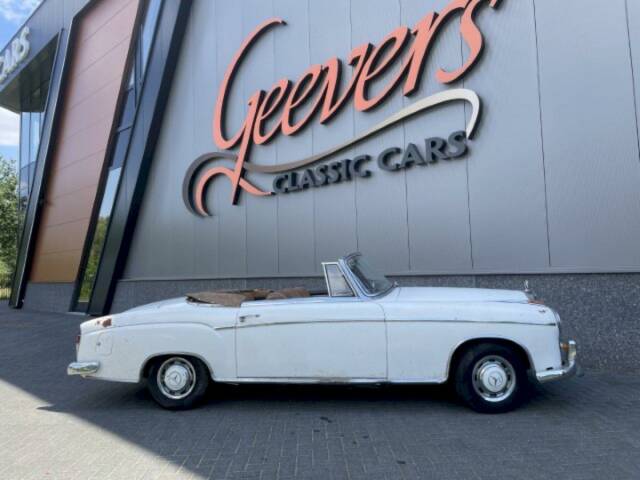
1960 | Mercedes-Benz 220 SE Cabriolet
Mercedes Benz Ponton 220SE Cabriolet
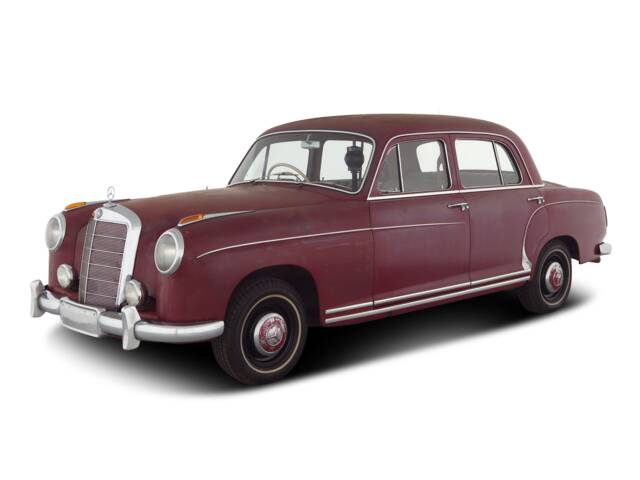
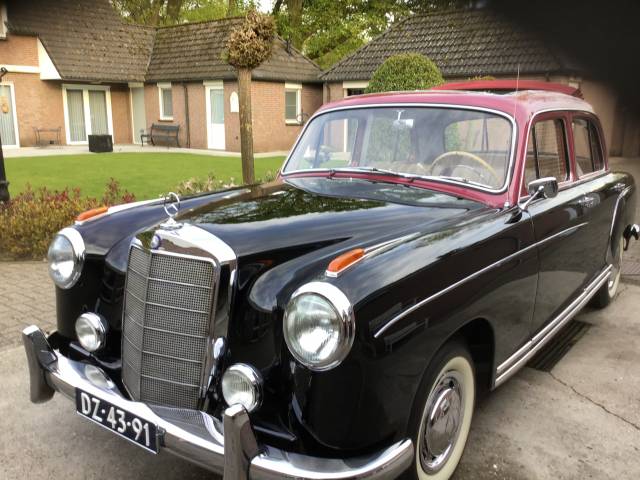
1957 | Mercedes-Benz 220 S
W 180 · Original paint DB 516 Medium Red · Right-hand drive · Restoration project

Newsletter
The best Mercedes-Benz listings, straight to your inbox
Get hand-picked Mercedes-Benz listings, plus the best of cars, motorbikes, and auctions on Classic Trader — all in one place.
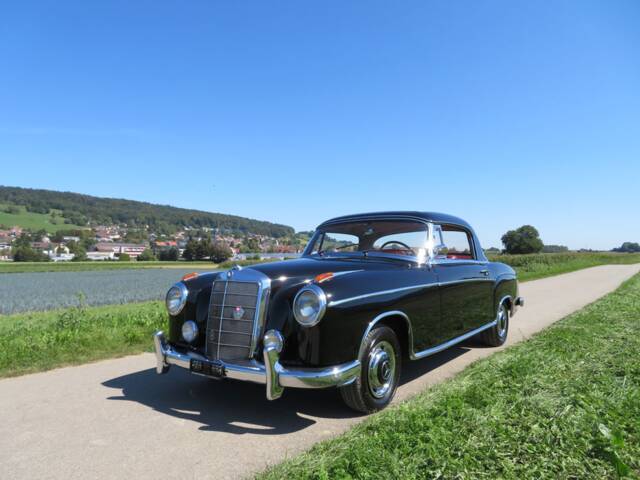
1958 | Mercedes-Benz 220 S
Swiss delivery - 3rd owner - MFK 2022 Veteran!

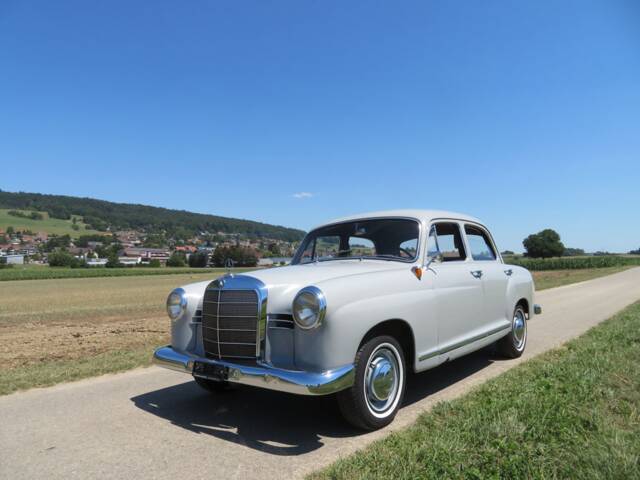
1960 | Mercedes-Benz 180 b
Top Original Condition - only 3 Previous Owners - MFK 03.2024 Veteran!
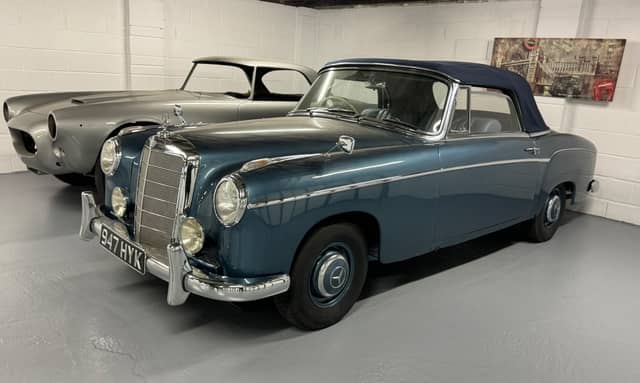
1960 | Mercedes-Benz 220 SE Cabriolet
1960 Mercedes-Benz 220 SE Cabriolet

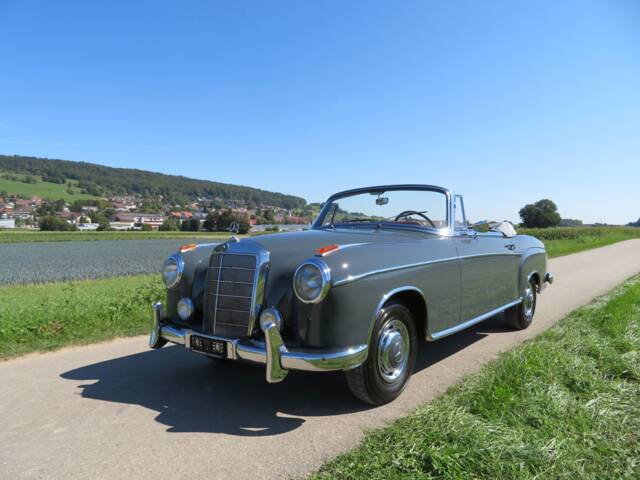
1957 | Mercedes-Benz 220 S Cabriolet
Dream Ponton Cabriolet - Perfectly restored - Swiss history - MFK 07.2022 Veteran!
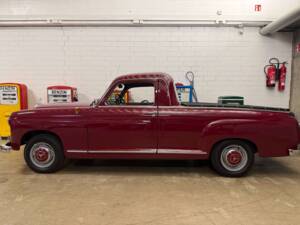
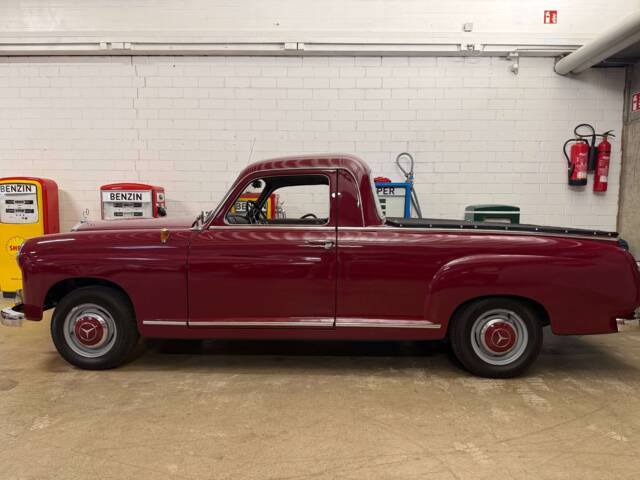
1954 | Mercedes-Benz 180 D
Mercedes-Benz 180
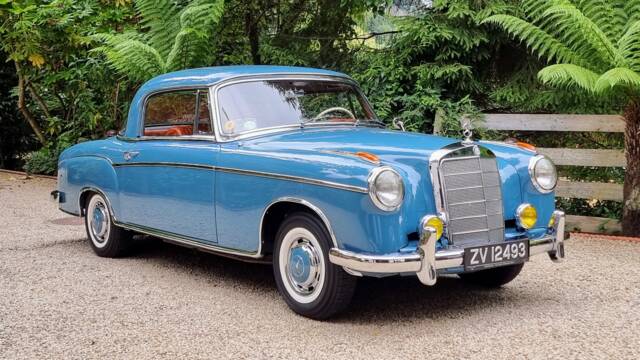
1960 | Mercedes-Benz 220 SE
1960 Mercedes-Benz 200 Ponton Coupe

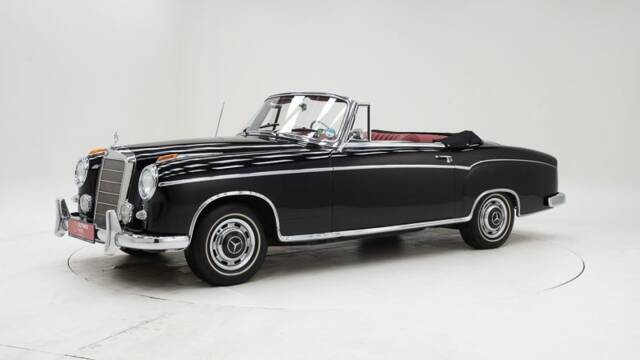
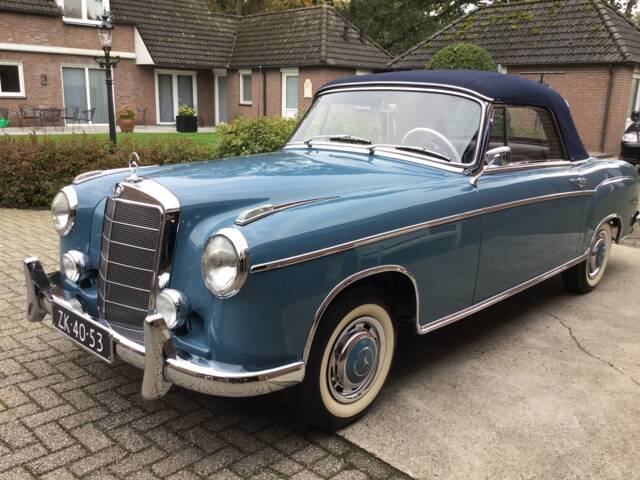
1958 | Mercedes-Benz 220 SE Cabriolet
1958 Mercedes-Benz 220 SE '58

VAT is reclaimable
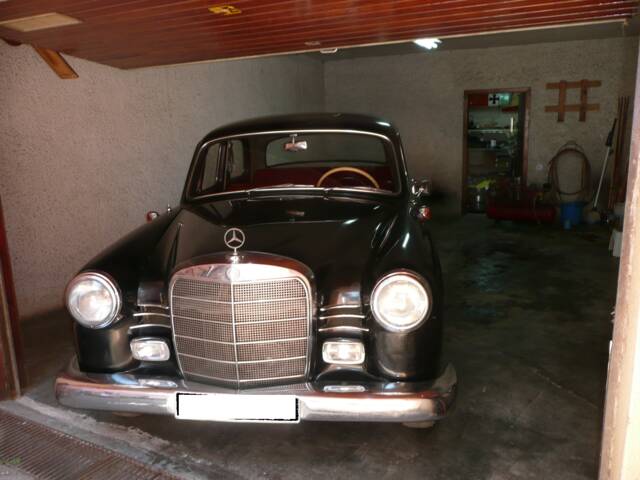
1961 | Mercedes-Benz 180 Db
Mercedes-Benz 180D (Ponton) 1961

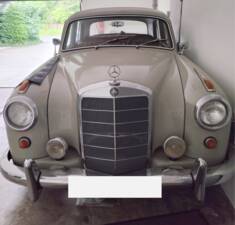
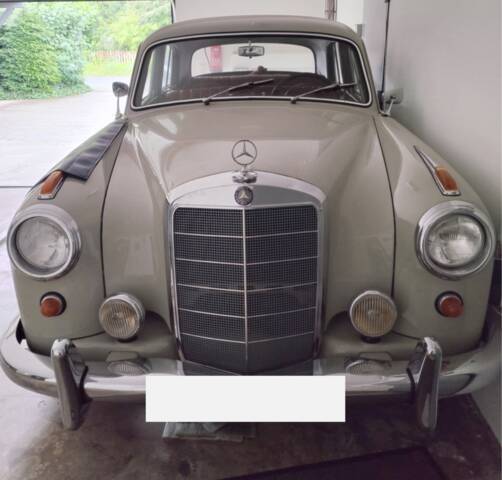
1959 | Mercedes-Benz 220 S
Ponton Limousine | vollständig restauriert | elfenbein
Mercedes-Benz Ponton Classic Cars: Prices & Market Values
History of the Mercedes-Benz Ponton
The Ponton was Mercedes-Benz’s first entirely new post-war model. It arrived in 1953 as the four-cylinder W120, replacing the W136. Its self-supporting body marked a departure from the earlier car’s separate chassis and wings.
The nickname ‘Ponton’ refers to the body style: the bonnet, wings and passenger compartment were incorporated into a single envelope, without separate running boards. Mercedes-Benz did not use the nickname itself at the time. Production of the Ponton range continued until 1962, with more than half a million cars built.
Mercedes-Benz Ponton Model History
The W120 180 and 180D were joined by the W121 190 and 190D, forming the four-cylinder Ponton family. The diesel saloons found a role as taxis as well as private cars.
Six-cylinder models began with the W180 220a in 1954. The 220S followed in 1956, while the W128 220SE arrived in 1958 with mechanical fuel injection. The W105 219 combined the front end and six-cylinder engine of the 220 models with the shorter cabin of the 190. Four-cylinder Pontons were predecessors of the modern E-Class line, while the six-cylinder cars helped shape the later S-Class line.
Mercedes-Benz Ponton Highlights
The Ponton’s integrated wings made a visual break with pre-war Mercedes-Benz saloons, but its engineering was equally significant: the W120 was the marque’s first model with a self-supporting body. The range also spanned petrol and diesel engines, from working 180D and 190D taxis to the fuel-injected 220SE.
Independent suspension used double wishbones and coil springs at the front, with a coil-sprung swing axle at the rear. Drum brakes were fitted throughout the range; higher-specification models gained power assistance and Alfin alloy drums during the 1950s.
Mercedes-Benz Ponton Technical Data
Ponton Coupés and Cabriolets
The hand-built six-cylinder coupés and cabriolets were produced in much smaller numbers than the saloons. Approximately 2,178 examples of the 220S Cabriolet were built, compared with around 1,112 220SE Cabriolets and 830 220SE Coupés. The 220SE combined these body styles with the W128’s mechanically injected engine.
What to Check When Buying a Ponton
Inspect the self-supporting body carefully, as its structure is integral to the Ponton rather than mounted on a separate chassis. Check the operation of the drum brakes and, where fitted, their servo assistance. On a 220SE, the Bosch mechanical fuel-injection system is a distinguishing component to examine; a 220S instead uses twin carburettors. Cars fitted with the optional Hydrak automatic clutch warrant an additional check of its operation.
Engines, Gearboxes and Driving
The four-cylinder diesel Pontons offered an alternative to the petrol saloons, while the larger six-cylinder cars were aimed at buyers seeking a more refined drive. The 2,195 cc straight-six in the 220a produced about 84 hp. Its 220S successor used twin carburettors and initially developed 100 hp, rising to 106 hp; the fuel-injected 220SE produced 115–120 hp.
Four-speed manual gearboxes commonly had a column change, although a floor change was available on some variants. Hydrak, offered on certain cars, operated the clutch automatically rather than replacing the manual gearbox.
Ponton Design and Interior
The Ponton body’s smooth sides and integrated wings replaced the separate-wing appearance of earlier Mercedes-Benz cars. The range included saloons as well as coupés, cabriolets and specialised utility bodies.
Coupés and cabriolets used extensive chrome, wood and leather. Higher-specification cars could feature wood dashboards and leather upholstery, with period equipment including an optional Becker radio, fitted luggage and windscreen heating.
Mercedes-Benz Ponton Summary
A Mercedes-Benz Ponton can mean a four-cylinder 180D saloon, a six-cylinder 219 or a hand-built 220SE Cabriolet. What connects them is the integrated Ponton bodywork and the move to self-supporting construction that began with the W120 in 1953.
FAQs
Why is the Mercedes-Benz Ponton classic car so popular?
The Mercedes-Benz Ponton is considered one of the most iconic classic cars of its era. Its popularity stems from its durable engines, innovative unibody construction, and timeless design, making it a sought-after classic. Known for longevity and remarkable mileage, it appeals to both collectors and drivers alike.
How can I find spare parts for the Mercedes-Benz Ponton classic car?
Spare parts for the Mercedes-Benz Ponton classic car are still readily available. Specialized dealers and the Mercedes-Benz Classic Center offer a wide range of parts. Additionally, numerous classic car clubs can assist in locating rare components.
What should I consider when buying a Mercedes-Benz Ponton classic car?
Pay close attention to the condition of the bodywork, especially with regard to rust. Having a complete history of the vehicle, including any restorations, greatly assists in making an informed purchase decision.