Jaguar E-Type classic cars for sale
Launched in 1961, the Jaguar E-Type combined Malcolm Sayer’s aerodynamic styling with independent suspension, four-wheel disc brakes and a claimed 150 mph top speed. Built as a roadster, coupé and 2+2, it evolved from a 3.8-litre straight-six sports car into a 5.3-litre V12 grand tourer.
Search results
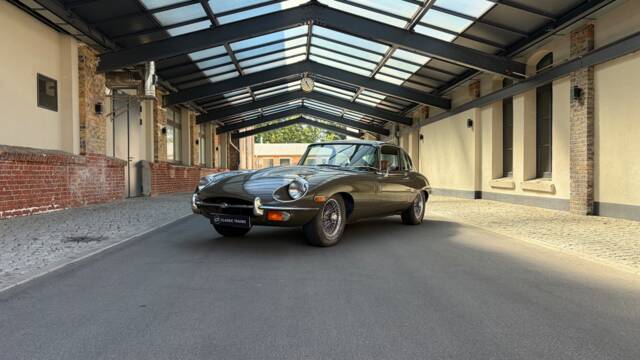
1969 | Jaguar E-Type (2+2)
US E-Type Series II 2+2 with honest patina, documented history since 2005 and rebuilt 4.2-litre engine
Current bid

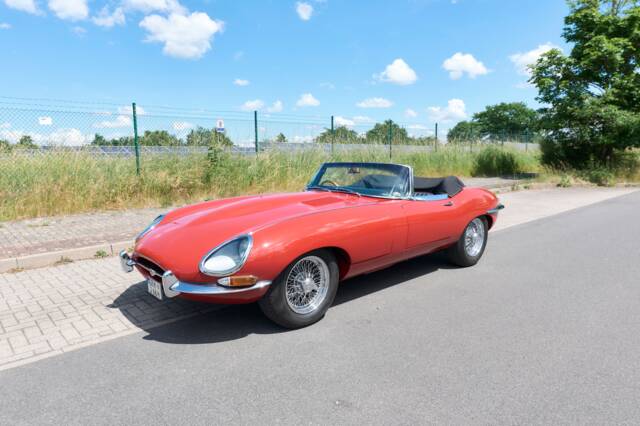
1966 | Jaguar E-Type 4.2
Jaguar E-Type Series I 4.2 Roadster with original interior and CT Inspection Report rated Grade 2
Preview
Auctions ending soon

Loading…
Loading…
Loading…
Loading…


1968 | Jaguar E-Type
Jaguar E-Type Series 1½ 4.2 Convertible "Matching number project" PRICE REDUCTION An interesting E-Type: You can tell that the car was fully restored back then and then put into storage,The engine runs beautifully—but the car hasn't been driven for a while, An “evening hours” project,Spent nearly 20 years with an early Willys MB in a barn on a French estate,"I don't think the children knew anything about the existence of Dad's Jaguar or Willys",

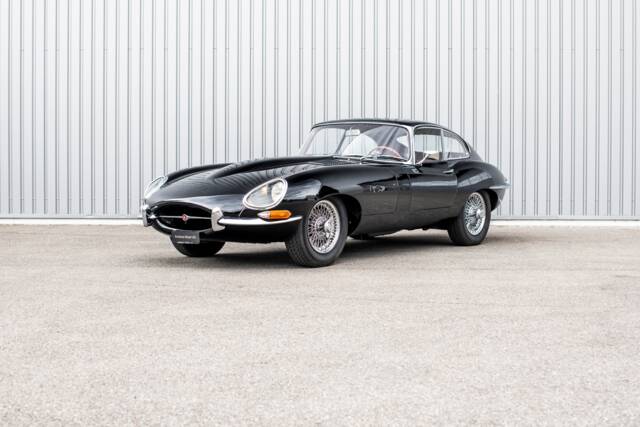
1963 | Jaguar E-Type 3.8
1963 Jaguar E-Type 3.8 Serie 1

Newsletter
The best Jaguar listings, straight to your inbox
Get hand-picked Jaguar listings, plus the best of cars, motorbikes, and auctions on Classic Trader — all in one place.
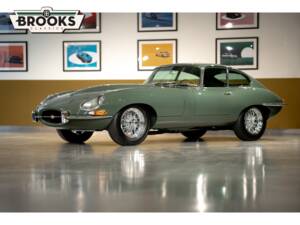
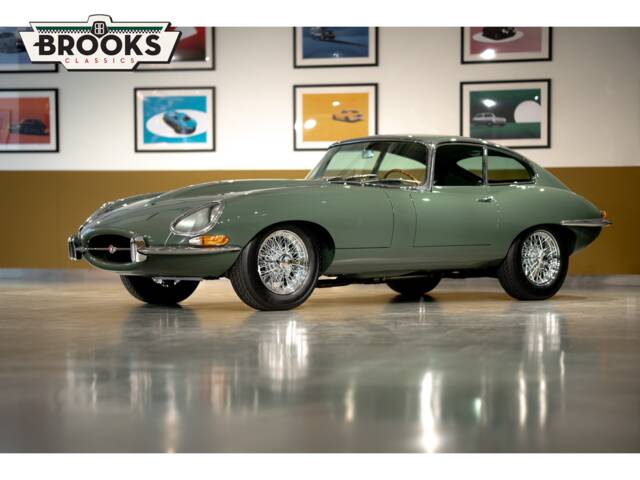
1966 | Jaguar E-Type 4.2
Jaguar E-Type series 1 4.2
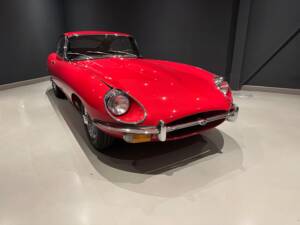
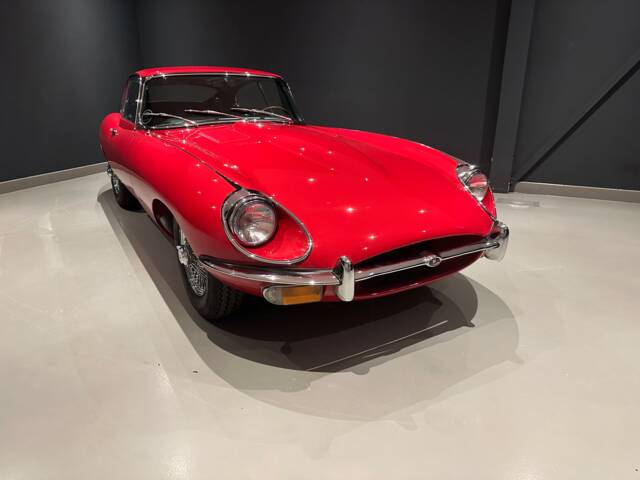
1970 | Jaguar XK-E
Unique, body-off restored 1970 Jaguar E-Type Series 2 Coupé 4.2
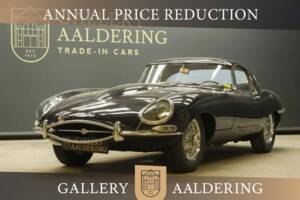
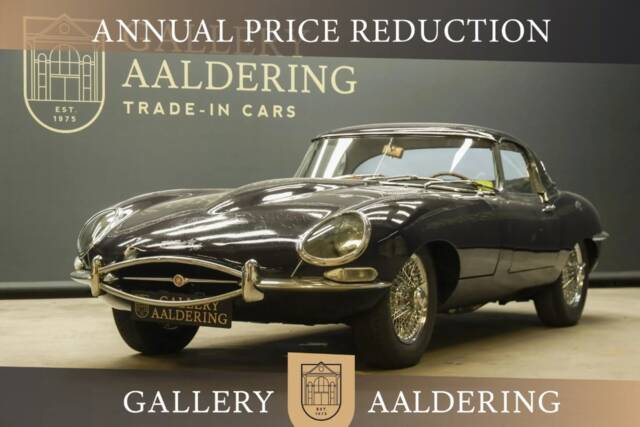
1963 | Jaguar E-Type 3.8
Jaguar E-Type Series 1 3.8 Litre Roadster "You can't beat originality" PRICE REDUCTION Astonishingly 100% original with factory hardtop, The bodywork is fair with correct fittings, Matching numbers and colors - Jaguar Heritage Certificate available, Recently technically inspected, Offered with the original factory documentation and booklets, Talking about a time capsule - "The hardtop has never been removed"
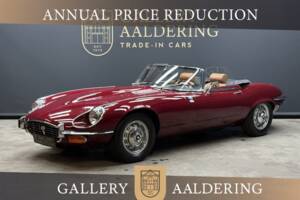
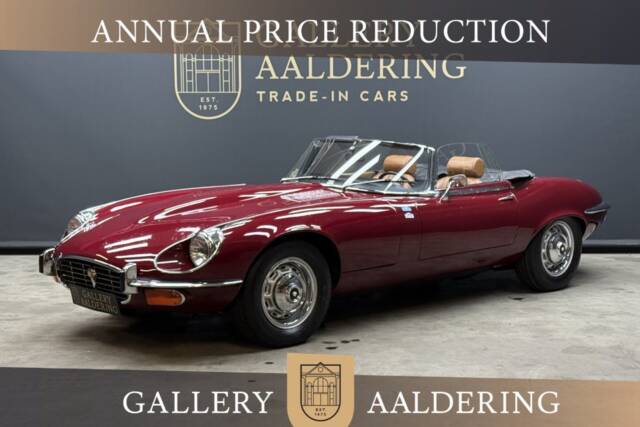
1972 | Jaguar E-Type V12
Jaguar E-Type V12 Series 3 Convertible "With manual gear" PRICE REDUCTION Ordered in 1972 and delivered in France,"Matching numbers and colours" - with Heritage Certificate,Fantastic project: Once restored—interior “like new”—but then set aside and forgotten?, Presented in Regency Red over Cinnamon leather,Coupe des Alpes participant in '06,"The car hasn't been driven for a while—what does it need?—love and attention",From a beautiful French estate
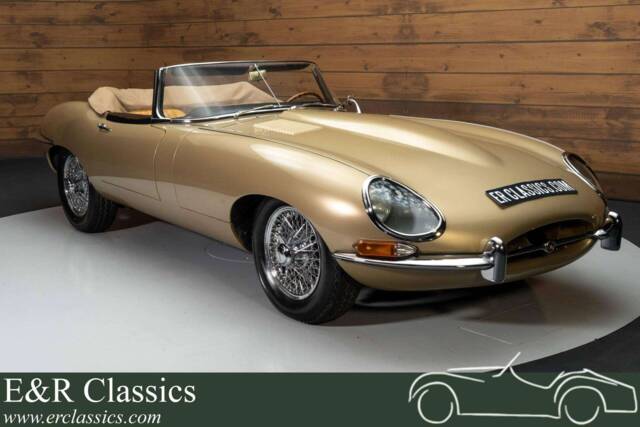
1967 | Jaguar E-Type
Jaguar E-Type
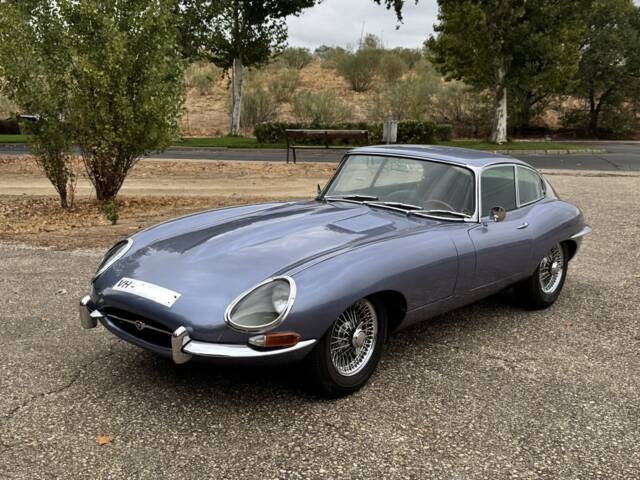
1963 | Jaguar E-Type 3.8
Jaguar E-Type Coupe | 1963 | Route 66 Auctions - For sale by auction. Estimate 54000 EUR
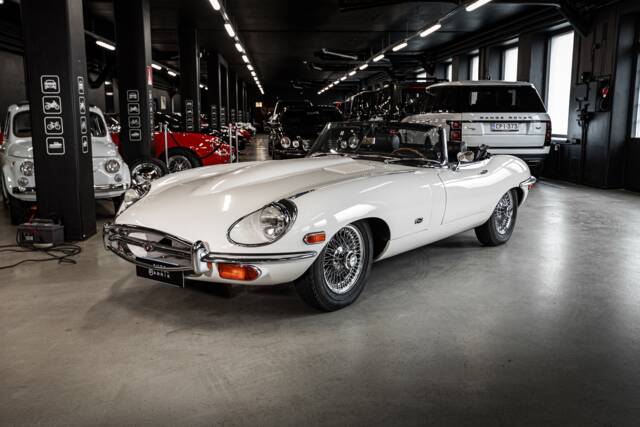
1970 | Jaguar E-Type
Series 2 Open two-seater 4,2l LHD

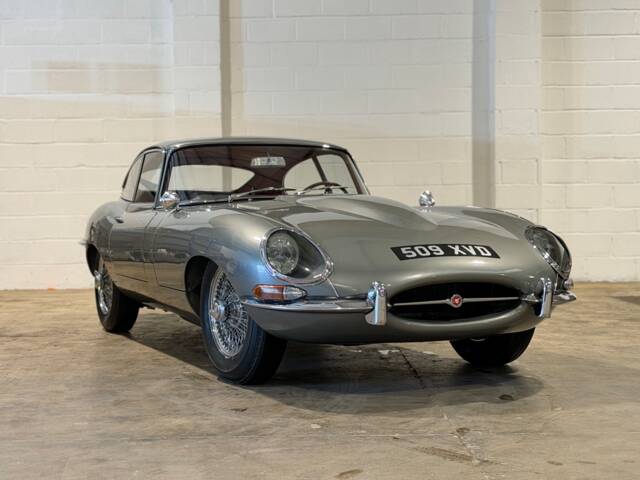
1962 | Jaguar E-Type 3.8
Matching Numbers - Heritage Cert.

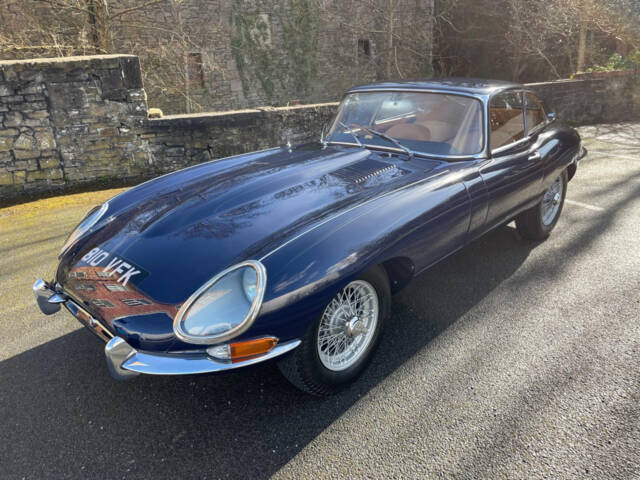
1962 | Jaguar E-Type 3.8
1962 Jaguar E Type 3.8 FHC.
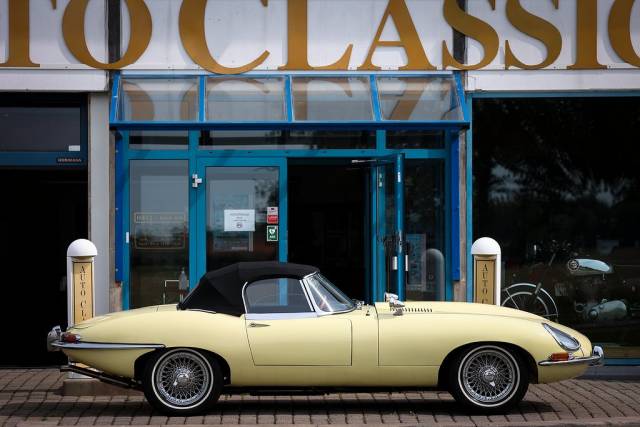

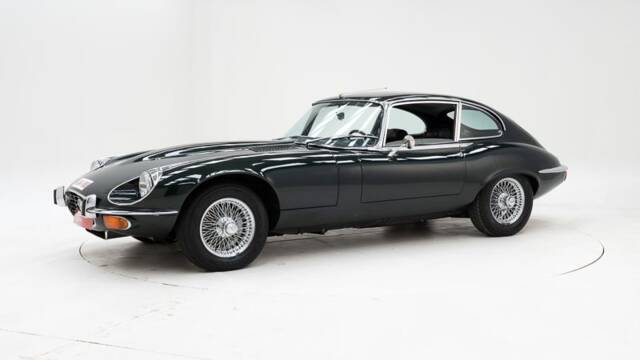
1973 | Jaguar E-Type V12 (2+2)
1973 Jaguar E-TYPE Series 3 V12 '73

Jaguar E-Type Classic Cars: Prices & Market Values
History of the Jaguar E-Type
Jaguar unveiled the E-Type at the Geneva Motor Show in March 1961 as the successor to the XK 150. Its XK straight-six engine had already powered the XK 150 S, but the new car paired it with a largely monocoque body and independent rear suspension. In North America, Jaguar sold it as the XK-E.
The E-Type drew on Jaguar’s racing experience: the E2A prototype, powered by a 3.8-litre engine, competed at Le Mans in 1960. The production car remained in manufacture until 1974, with around 72,500 built. Its successor, the Jaguar XJS, arrived in 1975.
Jaguar E-Type model history
Series 1, 1961–1968: The original E-Type used a 3.8-litre XK straight-six, enlarged to 4.2 litres in 1964. The larger engine came with a fully synchronised Jaguar four-speed gearbox and improved seats. A longer-wheelbase 2+2 coupé joined the range in 1966, with an optional BorgWarner automatic gearbox. Late transitional cars are often called Series 1½.
Series 2, 1968–1971: Retaining the 4.2-litre straight-six, the Series 2 gained open headlamps, a larger front air intake and rear lamps mounted below the bumper. Changes included improved brakes and cooling, while power steering and air conditioning were available.
Series 3, 1971–1974: The final series introduced a 5.3-litre V12, a wider track and standard power steering. It was offered as an open two-seater or a 2+2 coupé.
Jaguar E-Type highlights
The E-Type combined a steel monocoque main body with front and rear subframes, rack-and-pinion steering and independent suspension at both ends. Its four disc brakes included an unusual feature: the rear discs were mounted inboard beside the differential, reducing unsprung weight.
Jaguar offered the E-Type as a two-seat Fixed Head Coupé, an Open Two Seater roadster and, from 1966, a longer-wheelbase 2+2 coupé. Early 1961 cars can be distinguished by their flat floors and, on the earliest examples, external bonnet locks.
Jaguar E-Type technical data
Special Jaguar E-Type models
- Low Drag Coupé: Built in 1962 to explore a D-Type-inspired competition car with E-Type styling, the Low Drag used aluminium to save weight. Only one was completed.
- Lightweight E-Type: An aluminium-bodied development of the Low Drag concept, the Lightweight was built in a run of 12 cars and competed on the race circuit.
What to check when buying a Jaguar E-Type
Check the operation of the cooling system and brakes, remembering that the E-Type’s rear discs sit inboard beside the differential. On an early 3.8-litre car, assess the Moss gearbox with its period specification in mind; the later 4.2-litre gearbox is fully synchronised.
Establish which engine, gearbox and body style the car originally had, and review the restoration history. Jaguar Heritage Trust certification can help establish the original specification and matching numbers.
Engine, performance and driving
The early 3.8-litre straight-six was quoted at 265 hp, with a claimed top speed of around 150 mph. The 4.2-litre engine retained similar quoted power but delivered more torque. Jaguar’s claimed 0–60 mph time for the E-Type was under seven seconds.
The independent rear suspension and rack-and-pinion steering distinguished the E-Type’s chassis from more conventional British sports cars of its era. The V12 Series 3 added standard power steering, a wider track and the choice of a four-speed manual or three-speed automatic gearbox.
Jaguar E-Type design and interior
Aerodynamicist Malcolm Sayer gave the E-Type its long, forward-hinged bonnet, low body and rear-set cockpit. Series 1 cars have covered headlamps; the Series 2 exposes them and has a larger front opening. The Series 3 is recognisable by its cross-slatted grille, flared wheel arches and four exhaust outlets.
Leather upholstery, Smiths instruments, chrome fittings and a wood-rimmed steering wheel are characteristic details. Early cars used toggle switches and bucket seats; later cars gained more comfortable seating. Period colours included British Racing Green, Carmen Red, Old English White and Opalescent Silver Blue. A factory hardtop was available for the roadster.
Choosing a Jaguar E-Type
A Series 1 offers the original covered-headlamp shape and a choice of 3.8- or 4.2-litre straight-six engines. The Series 2 retains the 4.2-litre engine with revised cooling, brakes and styling; the Series 3 brings V12 power and a wider, longer-wheelbase configuration. Roadster, two-seat coupé and 2+2 body styles give each E-Type a different character, so specification and documented history matter when comparing cars.
FAQs
Why are Jaguar E-Type classic cars so popular?
The Jaguar E-Type classic car captivates with its timeless design and powerful performance. It is regarded as a symbol of British engineering and is considered a true collector's item. Legend has it that Enzo Ferrari called the E-Type "the most beautiful car ever made," which inspired him to create the GT/L 'Lusso'. The combination of its aerodynamic shape, performance, and luxury makes the E-Type a highly sought-after collector's vehicle.
How can I find spare parts for the Jaguar E-Type classic car?
Spare parts for the Jaguar E-Type classic car can be found through specialized suppliers, classic car clubs, and auctions. The availability of parts is particularly good for the 4.2-liter models. Notably, Jaguar Classic even offers reproductions of certain parts, making the restoration and maintenance of these classics easier.
What should be considered when purchasing a classic Jaguar E-Type?
When considering a classic Jaguar E-Type, pay close attention to rust, especially in the frame, sills, and wheel arches, as these areas are particularly vulnerable. Ensure that the vehicle has been regularly maintained and retains as much originality as possible. A comprehensive history of the car is crucial for potential buyers. The originality of the vehicle, including the engine, transmission, and interior, significantly affects its value and authenticity. Additionally, thoroughly check the condition of the electrical system and cooling system, as these can often present issues in older vehicles. Verifying the chassis number is essential for confirming the authenticity of the car.