- Car
- Tempo (2 offers)
Buy Tempo Classic Cars
Tempo’s Hamburg-built commercial vehicles range from pared-back three-wheelers to unusual four-wheel-drive workhorses and larger delivery vans. Find a Tempo classic car on Classic Trader and assess its structure, completeness and import pathway before you buy.
Search results
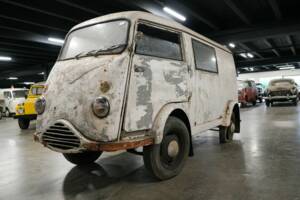
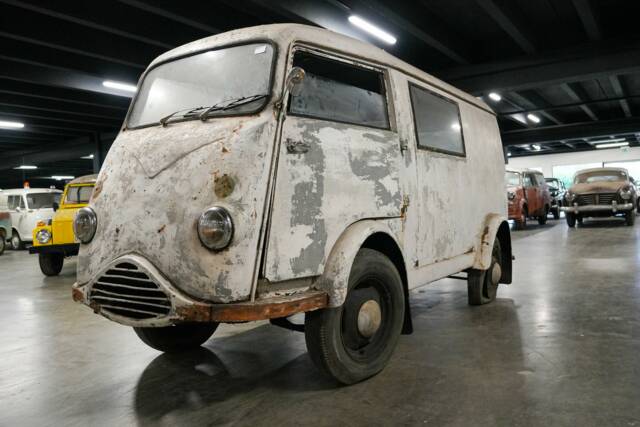
1955 | Tempo Matador
Tempo Matador wiking M0415

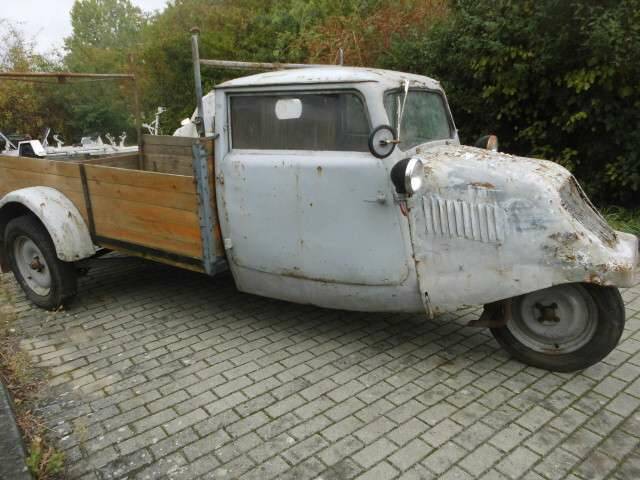
1940 | Tempo A 200
Oldtimer Tempo A 200

Tempo listing references from Classic Trader
Below you will find listings related to your search that are no longer available on Classic Trader. Use this information to gain insight into availability, value trends, and current pricing for a "Tempo" to make a more informed purchasing decision.

1938 | Tempo A 400
Dreirad
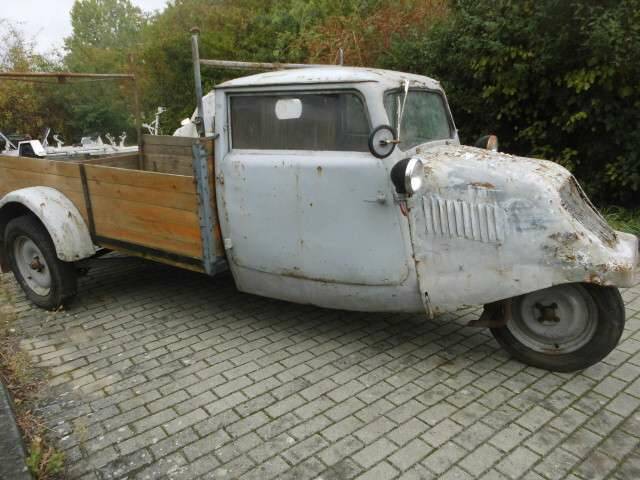
1940 | Tempo A 200
Oldtimer Tempo A 200
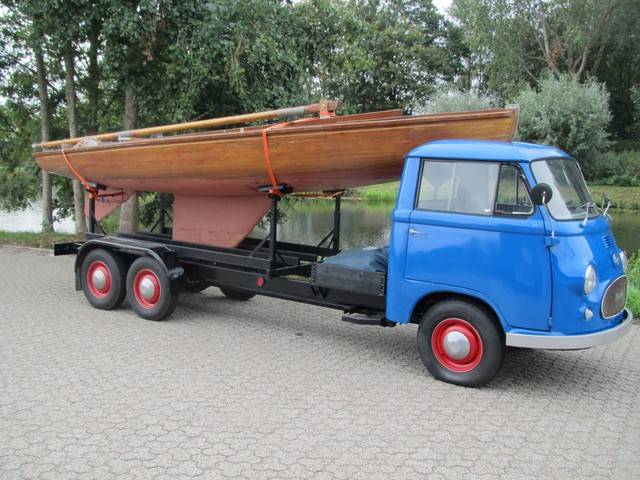
1965 | Tempo Matador E
Oldtimer Tempo
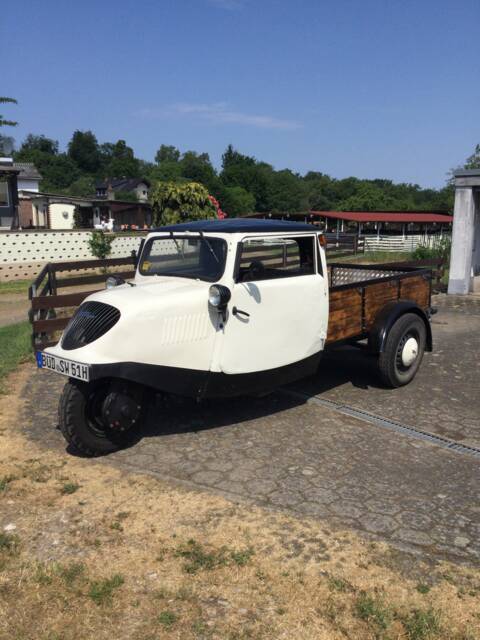
1951 | Tempo Hanseat
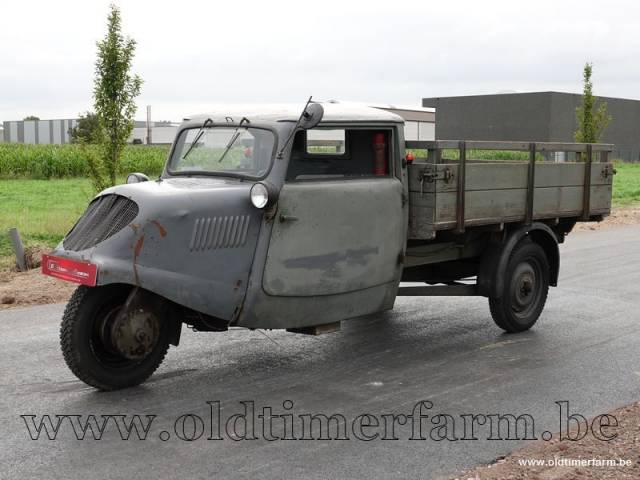
1941 | Tempo A 400
1941 Tempo A 400 '41

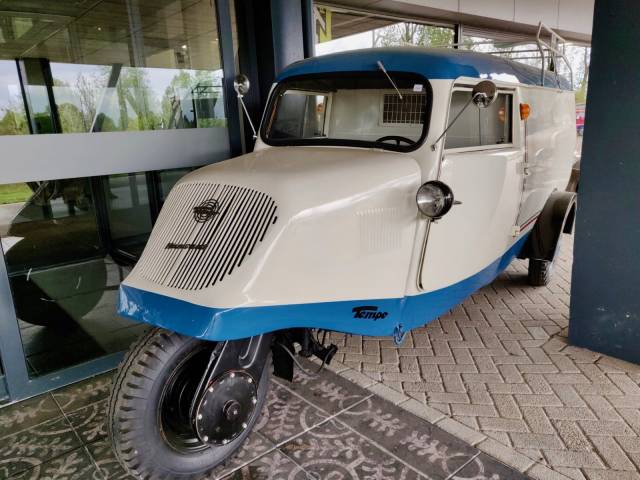
1940 | Tempo A 400
Online Auction "Classics, Sports Cars & Specials". From 9th to 22nd of May
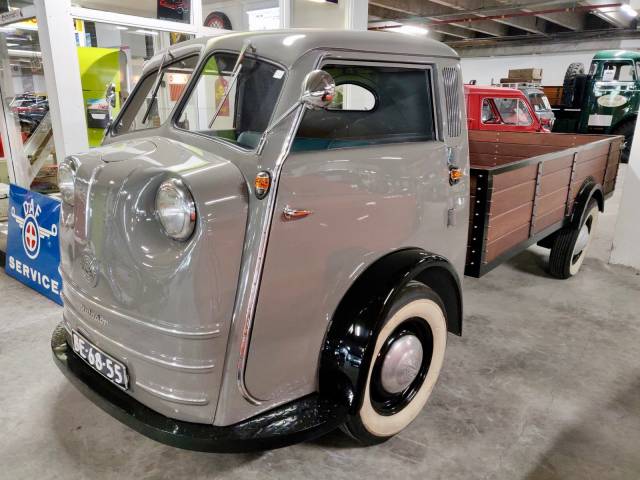
1951 | Tempo Matador
Online Auction "Classics, Sports Cars & Specials". From 9th to 22nd of May

1958 | Tempo Viking I
Tempo Viking Kein T1 oder Samba
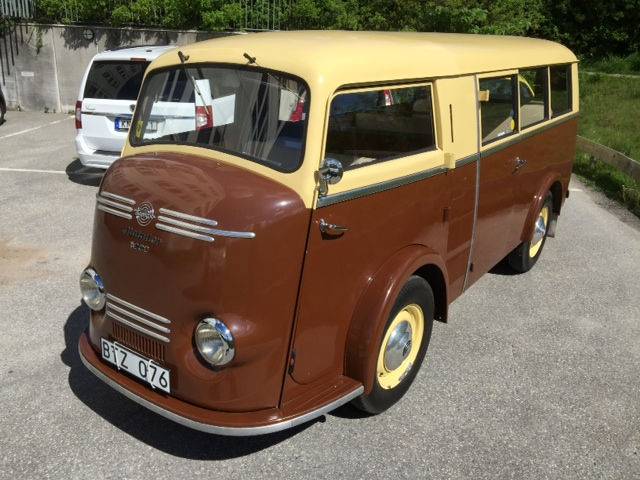
1953 | Tempo Matador
Tempo Matador 1953 9 Personen
Tempo: a Hamburg maker of working vehicles
Vidal & Sohn Tempo-Werk, based in Hamburg-Harburg, made commercial vehicles from 1928 and followed a very different path from the better-known German passenger-car makers. Tempo built machines for shopkeepers, tradespeople, market traders and delivery work: vehicles that could carry a useful load through narrow streets without the cost and bulk of a conventional truck. That purpose remains central to the appeal of a Tempo today. It is not simply an old van with an unusual badge, but a highly individual record of the small-business economy that kept German towns moving before and after the Second World War.
The earliest and most characteristic Tempo products were three-wheelers. German licence and tax rules of the period favoured three-wheeled vehicles with engines under 200 cc, and Tempo made intelligent use of that opening. Tempo-Dienst records 111,501 three-wheelers built between 1928 and 1956. The early E- and A-series therefore matter to the marque as a whole, even though their specification, bodywork and intended work could vary markedly. They were compact, economical load carriers rather than miniature automobiles. A surviving example can still convey that direct, almost improvised practicality: a narrow track, simple controls and a body shaped around the job of transporting goods.
Post-war customers needed more capacity and better range, but still valued compact dimensions. Tempo broadened its offer with light commercial types such as the Wiking and Rapid, while also making a more ambitious front-wheel-drive transporter from 1949. This vehicle used Volkswagen’s 1,131 cc industrial engine, rated at 25 PS. Tempo-Dienst attributes 13,621 VW-powered vehicles to this period. The figure is useful not as a shortcut to value, but as evidence that Tempo was capable of moving beyond its small-engine three-wheel origins while retaining its own engineering approach.
The G 1200 of 1936 shows just how unconventional that approach could be. Otto Daus designed it with all-wheel drive and all-wheel steering, using two 596 cc ILO twin-cylinder engines, one for each axle. Technik Museum Sinsheim records 2 x 19 PS and production of 1,335 vehicles. It is an extraordinary technical proposition for a light commercial vehicle of the period, and one that places a G 1200 in a very different ownership category from a straightforward delivery van. A buyer is acquiring two power units and a specialised driveline, not merely an unusual shape.
By the 1960s Tempo had progressed to larger, more conventional-looking transporters. The 1963–67 Matador E closed the independent Tempo chapter; Tempo-Dienst records 40,330 built. The design subsequently continued through Hanomag, Hanomag-Henschel and Mercedes-Benz. That succession is part of the history, but a Tempo should not be treated as interchangeable with its later relatives. The engineering lineage can help a restorer understand a component, yet exact chassis, year and body specification always decide whether a part or alteration is correct. This page considers the Tempo marque broadly; dedicated model categories are the right place for a focused search of individual ranges.
Why Tempo classics stand apart
Tempo’s charm is rooted in purposeful design. An early three-wheeler has no interest in pretending to be a touring car. Its proportions, exposed functionality and small footprint make its original task obvious. A later box van or tray-body vehicle is more substantial, but it is still defined by its load space, upright panels and easy access rather than by ornament. In Australia, where imported European commercial classics are far less familiar than local utes, a sound Tempo can make a memorable event vehicle, display piece or carefully used business promotion vehicle without looking like a generic vintage van.
The range also offers several distinct collector experiences. A pre-war three-wheeler suits someone attracted to the ingenuity and economy of an early light delivery machine. Wiking and Rapid variants offer the atmosphere of the rebuilding years. The G 1200 appeals to the technically curious collector who is prepared for rarity and complexity. A larger post-war Tempo has more visual presence and may provide a more practical platform for shows, but it also has much more body area, more opportunities for hidden corrosion and potentially greater shipping cost. These are different choices within one marque, not interchangeable versions of the same vehicle.
Commercial history can add real interest when it is documented. Period photographs, original fleet records, signwriting visible in old images, registration papers and long-term family ownership tell a persuasive story. A reproduction bakery or tradesman livery may be attractive, but it should be clearly presented as a later interpretation rather than evidence of provenance. The same applies to a polished restoration: attractive paint does not establish authenticity. On a rare working vehicle, correct hinges, lamps, instruments, seats, cargo fittings and body profile can be more important than an expensive finish.
That is especially relevant for Australian buyers. Most Tempo vehicles offered internationally began life in continental Europe and will be left-hand drive. Left-hand drive is not inherently unsuitable for a historic vehicle, but it changes the way the car is used on Australian roads and can affect registration options. A buyer who expects a right-hand-drive Australian-delivered classic should not assume that a conversion is sensible, legal or desirable. A poorly documented conversion can diminish historical integrity while creating engineering and registration questions. Retaining the original layout is often the sounder collecting choice, provided the intended state or territory will register the vehicle and the owner accepts its practical limitations.
Tempo technical data at a glance
The table below places representative Tempo vehicles in context. It is not a substitute for inspecting the individual vehicle: surviving commercial vehicles may have had replacement engines, altered bodies and running repairs during decades of work. A stated engine capacity or production figure should be verified against the exact chassis and supporting documents.
The G 1200 is the clearest reminder that Tempo mechanical assessment cannot be generic. Its twin-engine arrangement, drive system and steering demand a specialist who understands the vehicle’s intended configuration. A missing or substituted component may be considerably harder to resolve than an equivalent issue on a common post-war car. Conversely, a Volkswagen-, Heinkel- or Austin-related engine can create a misleading impression that every service item is easily sourced. Shared parentage does not prove that the ancillary equipment, gearing, mounts, cooling arrangement or controls are right for that particular Tempo.
Bodywork needs the same care as the mechanical specification. A closed van has large, flat panel areas where corrosion repairs can look acceptable from a distance but conceal poor joins or filler. Tray and pickup bodies require attention to the load bed, mounts and any timber structure. Check the relationship between roof, side panels, floors, doors and chassis rather than judging each item in isolation. For an Australian import, detailed underside photographs taken before export are particularly useful: once the vehicle has been cleaned, shipped and locally stored, evidence of its original condition can be much harder to interpret.
Market overview and buying tips
The Tempo market is thin and highly individual. That means there is no dependable one-line Tempo price and no responsible Australian dollar guide that fits every vehicle. Public evidence illustrates the spread rather than a price ladder: an expired Classic Trader listing showed a Tempo at £42,940, while Classic Car Auctions recorded a 1965 vehicle at €1,000 in 2020 and gave a 1951 example a €35,000 estimate. Those figures are neither current Australian transactions nor directly comparable. Condition, body type, completeness, sale format and the confidence of the buyer pool can move the result dramatically. A 2024 notice of a running, largely original 1965 vehicle and a 1938 E400 changing hands did not disclose a price.
For an Australian purchaser, the landed cost can matter as much as the purchase price. Freight from Europe, marine insurance, port and handling charges, customs processing, cleaning, storage, state inspection and rectification can transform an apparently inexpensive project into a costly one. Obtain written quotes and establish the full import route before committing to a vehicle. Australian Government requirements can change and differ from state registration rules; confirm the current Department of Agriculture, Fisheries and Forestry biosecurity requirements and the applicable vehicle-import approval process for the exact vehicle and shipment. Do not rely on a seller’s statement that a vehicle has been “exported before” or is “easy to import”.
Biosecurity deserves special attention with an old commercial vehicle. Soil, seeds, leaves, straw, insect nests, grease-heavy underbody deposits and material trapped in a cargo floor or chassis can all cause delay or cleaning charges. Ask for high-resolution images of wheel arches, underbody, engine bay, cabin corners, load area and any timber flooring before transport. A professional pre-export clean is usually preferable to discovering contamination at an Australian port. Cleaning should preserve evidence rather than hide corrosion; photograph the vehicle thoroughly before and after the work.
Registration is not a single national outcome. Historic-registration concessions, left-hand-drive eligibility, engineer certification, roadworthiness requirements and permitted use vary between Australian states and territories. Before bidding, speak to the relevant road authority or an approved engineer in the state where the vehicle will be garaged. Ask specifically about the vehicle’s build date, steering position, modifications, brake system, lighting, seatbelts where applicable, identification and intended registration category. Historic or club registration may have conditions on use, and it should never be assumed to be an automatic substitute for full registration. The safest purchase is one whose paperwork and configuration can satisfy the buyer’s home jurisdiction without speculative alterations.
The physical inspection should begin with chassis and body integrity. Look for corrosion in chassis members, floors, roof seams, lower panels and body-to-chassis mounts. Probe the cargo floor, especially where wood meets steel or where moisture can sit beneath coverings. Fresh underseal, paint over seams and recently fitted panels are not automatic faults, but they need invoices, photographs and a clear explanation. On rare utility vehicles, badly made structural repairs can be much more expensive to correct than ordinary mechanical wear.
Then examine completeness. Tempo-specific lamps, door furniture, instruments, seat frames, badges, cargo fittings and correct body details can consume time and money when absent. Tempo-Dienst lists current parts for the Matador 50, Wiking brake components and a catalogue of more than 500 remanufactured parts for early vehicles, which is encouraging. It is not a guarantee that the item required for a particular chassis is available. Ask for part numbers where possible, compare the chassis and year with the catalogue, and budget for specialist fabrication of panels, trim or timber if necessary.
Mechanical checks should include cold starting, engine identity, gearbox operation, steering free play, brakes, leaks and the condition of fuel and electrical systems. A vehicle that runs may still need a complete safety recommissioning after ocean freight and a long period in storage. For a G 1200 or any complicated, modified example, engage a marque-aware inspector before funds are transferred. An honest, unrestored Tempo with matching documentation and repairable faults may be a safer foundation than a glossy vehicle with an unclear engine, altered chassis or invented history.
Finally, make the documentation part of the inspection rather than an afterthought. Match the chassis number to overseas registration documents, invoices, photographs and any ownership trail. Keep copies of the bill of sale, export papers, shipping documents, import approval, customs entries and biosecurity clearance for Australian registration. If records are in German or another European language, a careful translation of the key identity documents can save time with an insurer, engineer or registration authority. Rare vehicles are valued as much for a coherent identity as for their paintwork.
The Tempo driving experience
Driving a Tempo is a close encounter with the working pace of another era. The driver often sits upright in a narrow, purposeful cabin, with a short nose or steep windscreen and a clear view of the vehicle’s corners. Controls, vibration and mechanical noise are part of the experience. These were designed to deliver bread, parcels and supplies, not to isolate occupants from the road. A well-sorted example rewards anticipation, sympathy and unhurried use rather than modern expectations of braking, acceleration or refinement.
An early three-wheeler feels particularly direct. Its size and sparse layout make every steering input and surface change noticeable; the driver needs to respect age, limited power, road camber and traffic conditions. A larger Tempo has a more substantial presence, yet it remains a commercial vehicle first. It can be deeply satisfying on a carefully chosen club run, at a village event or arriving at a display with period goods aboard, but it is not a fast freeway cruiser. On Australian roads, extra patience is required when driving left-hand drive, especially when overtaking visibility and parking position matter.
The variety within the marque is one of its strengths. The G 1200 offers engineering theatre, with its twin motors and unusual steering system. A light post-war vehicle has a more modest, intimate character. Later vans deliver the visual drama of a proper delivery body. None should be purchased for convenience alone. The right Tempo is for an owner who enjoys mechanical conversation, careful route planning and the public interest that an uncommon historic commercial vehicle attracts.
Function creates the design
Tempo design began with the job to be done. The early three-wheelers use narrow proportions and stripped-back construction because economy and manoeuvrability were essential. Later vehicles gain height, cargo volume and stronger visual mass, with broad sides, upright bodies and practical openings. The result is not decorative styling but a distinct visual language of German light commerce. It feels particularly fresh in Australia, where the vehicle’s unfamiliar silhouette makes its function immediately legible.
The progression from small three-wheelers to larger transporters also charts Tempo’s industrial development. The marque became more capable without abandoning its focus on useful, compact work. Its eventual connection to Hanomag and Mercedes-Benz shows how the idea of the functional European van entered larger manufacturing structures. Yet a Tempo remains recognisable as the work of an independent maker with its own solutions and proportions.
Authenticity should guide presentation. A structurally sound cargo area, correct handles and fittings, appropriate wheels and well-evidenced signwriting make a stronger vehicle than a show finish assembled from unsuitable details. Patina can be attractive when it is stable and documented; corrosion is not patina when it threatens the structure. For an imported Tempo, retain photographs of the vehicle as acquired and of restoration work. They support both future provenance and the practical task of explaining the vehicle to Australian inspectors, insurers and subsequent owners.
Summary: choosing a Tempo in Australia
Tempo offers a rare and rewarding branch of German commercial-vehicle history: economical three-wheelers, practical post-war carriers, the technically ambitious G 1200 and later large delivery vehicles. The range is broad enough to suit a collector of early engineering, a curator seeking a period business vehicle or an owner wanting an unusual event classic, while retaining a consistent identity built around work and transport.
To buy a Tempo classic car well in Australia, judge the actual vehicle rather than a headline price or a familiar engine name. Prioritise chassis and body condition, correct fittings, engine and gearbox identity, supporting documents and a credible parts plan. Cost the overseas purchase together with freight, biosecurity preparation, import paperwork and the registration route in your own state or territory. With that groundwork complete, a well-documented Tempo can be far more than an uncommon imported van: it can be a convincing, usable piece of transport history.