Maserati 250F Classic Cars for Sale
The Maserati 250F stands as a purpose-built Formula 1 racing machine, engineered for 2.5-litre regulations introduced from 1954. Powered by a straight-six engine and instantly recognisable by its elongated bonnet and slim silhouette, this model cemented its legacy with drivers like Juan Manuel Fangio at the helm. Its production run was limited, with only 26 original units constructed, making every example a highlight of classic motorsport history.
Search results
Currently, there are no matching listings for your search.
Create search alert
Let yourself be notified as soon as a listing is published that matches your search filters.
Create listing
Do you have a Maserati 250F that you want to sell? Then create a listing now.
Create listingMaserati 250F listing references from Classic Trader
Below you will find listings related to your search that are no longer available on Classic Trader. Use this information to gain insight into availability, value trends, and current pricing for a "Maserati 250F" to make a more informed purchasing decision.
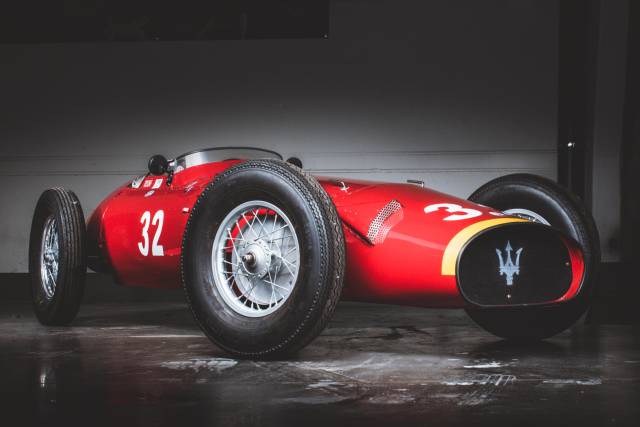
1957 | Maserati 250F
The Toy of Dreams! - Can Fit an Adult - No. 32

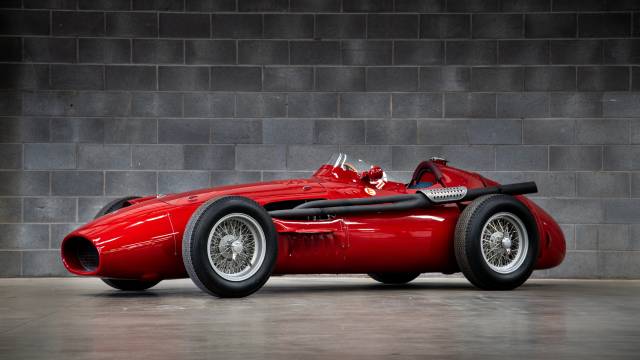
1957 | Maserati 250F
1957 Maserati 250F
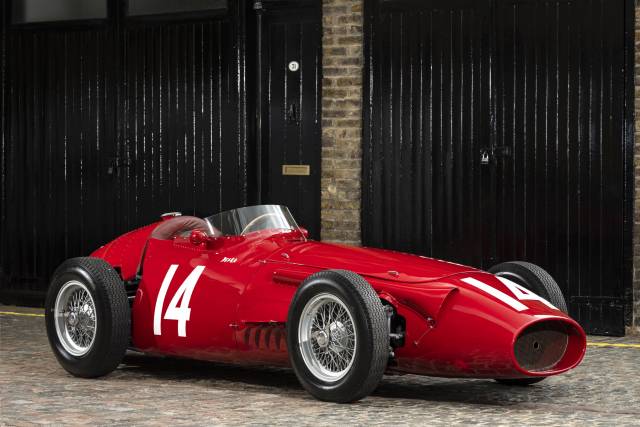
1954 | Maserati 250F
Create search alert
Let yourself be notified as soon as a listing is published that matches your search filters.
Create listing
Do you have a Maserati 250F that you want to sell? Then create a listing now.
Create listingMaserati 250F Classic Cars: Prices & Market Values
History of the Maserati 250F
Unveiled in January 1954, the Maserati 250F was Maserati’s response to the new Formula 1 regulations that limited naturally aspirated engines to 2.5 litres. Constructed as a Grand Prix racer, the car quickly distinguished itself on the international motorsport stage. Renowned for its advanced engineering at the time, it featured individual front suspension and a De-Dion rear axle. The 250F made an immediate impression, taking victories in its early outings with Juan Manuel Fangio—one of the sport’s greatest names—behind the wheel. Notably, Fangio drove the 250F to several significant wins, including his legendary 1957 Nürburgring comeback, adding to the model's competitive credentials. After major updates in 1957, including a lighter frame and enhanced engine output, the 250F continued competing until late 1960, when evolving Formula 1 technology saw most privateer entries withdrawing from active racing.
Model Series Evolution and Motorsport Legacy
The 250F followed Maserati’s earlier racing cars, but it was specifically engineered for the 2.5-litre Formula 1 era. Over its tenure, 26 original cars were made, but demand from privateers spurred the construction of authentic replicas, sometimes using up to 30% original Maserati components. Renowned racing teams such as Scuderia Centro Sud ran the 250F in major events, while subsequent reinterpretations by specialists like Cameron Millar extended the model’s competitive legacy into historic racing, including Goodwood Revival and HGPCA events. The 250F did not have a direct on-road successor, as Maserati’s racing direction shifted alongside the rapid changes in Grand Prix engineering at the decade’s close.
Highlights and Unique Features
The Maserati 250F’s distinction lies in its combination of technical prowess and aesthetic purity: it features a long and narrow aluminium body, aggressive red paintwork, and a shapely rear end tapering to its monoposto cockpit. The straight-six engine, De-Dion rear axle, and tubular chassis established new standards for mid-1950s racing machinery. Victories by drivers such as Fangio—particularly his monumental drive at the Nürburgring—cemented the car’s reputation. An important fact: private teams rather than a Maserati works effort kept the 250F active through most of its racing life. Modern eligibility for historic race events and period-correct FIA documentation for high-originality recreations underscore its persistent relevance in motorsport.
Technical Data
Special Editions and Notable Derivatives
While all original Maserati 250F cars are valued for their provenance, a subset of historically significant variants exists—such as those with the lightened chassis and uprated engines post-1957. Additionally, authentic continuation cars (notably by Cameron Millar) built from original Maserati parts receive historic racing papers (FIA HTP). These continuation cars are accepted at prestigious events and are particularly relevant for collectors seeking both originality and driveability in historic motorsport contexts.
Weak Spots and Maintenance Considerations
Owing to its racing heritage, Maserati 250F maintenance focuses on regular inspection of the tubular chassis and bodywork for signs of wear or fatigue—especially for examples frequently used in historic racing. The straight-six engine and De-Dion rear suspension require expertise for servicing and parts supply can be dependent on specialist sources. With some cars rebuilt or comprising varying degrees of original components, verifying authenticity and technical specification is crucial during transfer or restoration.
Engine, Performance, Transmission and Handling
The heart of the 250F is its 2.5-litre straight-six engine, renowned for high-revving performance, substantial torque, and race-prepared reliability. The chassis construction enables agile handling while maximising grip with the De-Dion rear axle setup. Paired with a manual transmission, its race-tuned dynamics deliver unfiltered feedback, requiring driver skill—much admired by enthusiasts. Updates introduced for the 1957 season, such as the lighter chassis, resulted in improved responsiveness and faster lap times. Among surviving examples, the 1957 250F works cars with lighter construction and higher-spec engines are particularly sought after for their combination of period accuracy and enhanced performance, both in contemporary and historic competition.
Design, Interior and Equipment
The 250F exterior is shaped by aerodynamic intent: a long, flowing bonnet, narrow nose, pronounced rear taper, and monoposto cockpit—an aesthetic evocative of mid-century Grand Prix cars. The aluminium bodywork is often finished in a signature deep Maserati red. Cockpit equipment remains minimal and function-driven: classic Smiths gauges, a wooden steering wheel, and a fixed bucket seat. Material choices prioritised weight reduction and driver focus. Special accessories include period-correct racing harnesses, auxiliary fuel tanks, and optional spares kits—especially for cars rebuilt for contemporary historic events.
Other Features and Unique Points
Original spares frequently trace their origin to the Scuderia Centro Sud, Maserati’s semi-official race team, which supplied crucial components through the car’s racing lifespan. Authenticity is a point of pride—recreations with higher ratios of original Maserati parts command additional respect on the historic circuit scene. Participation in premier events such as the Goodwood Revival underlines the enduring sporting value of both original and continuation 250F examples.
Summary
The Maserati 250F stands apart as a purpose-built Formula 1 racing car, engineered with precision for the 2.5-litre era and famed for its technical ingenuity—straight-six power, tubular chassis, and De-Dion suspension. Its design language and racing pedigree, most vividly displayed through victories by Fangio, have made it a touchstone of 1950s motorsport. Today, both genuine and high-originality continuation cars maintain high visibility and demand in the historic racing and collection arenas, solidifying the 250F’s place at the summit of classic Grand Prix machines.