Maserati Mistral classic cars for sale
The Maserati Mistral stands apart as a focused two-seat GT from 1963–1970, distinguished by its quintessential straight-six Maserati engine, elegant Frua styling, and technical advances like the Lucas mechanical fuel injection. With coupé and very rare Spider variants, the Mistral represents the finale of Maserati’s traditional inline-six era—crafted in limited numbers and renowned for their exclusivity, period luxury, and unmistakable Italian design.
Search results
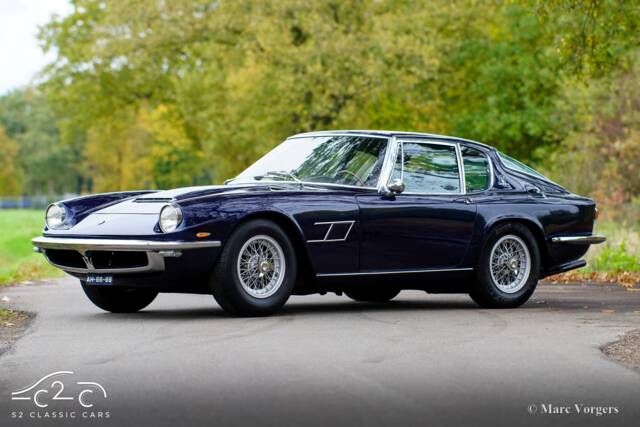
1966 | Maserati Mistral 4000
Has been in the same family for over 43 years!

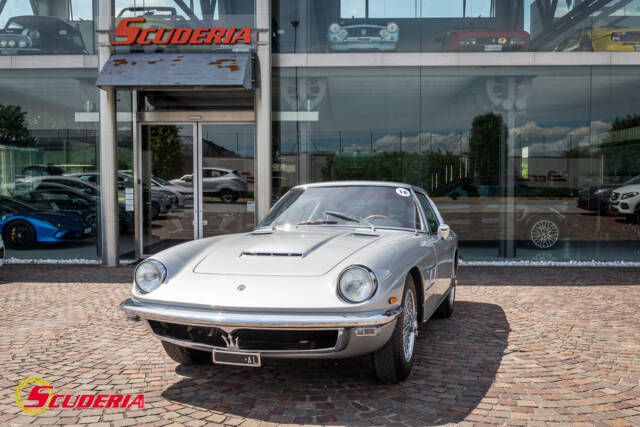
1965 | Maserati Mistral 3700
RESTAURO COMPLETO E MANIACALE!

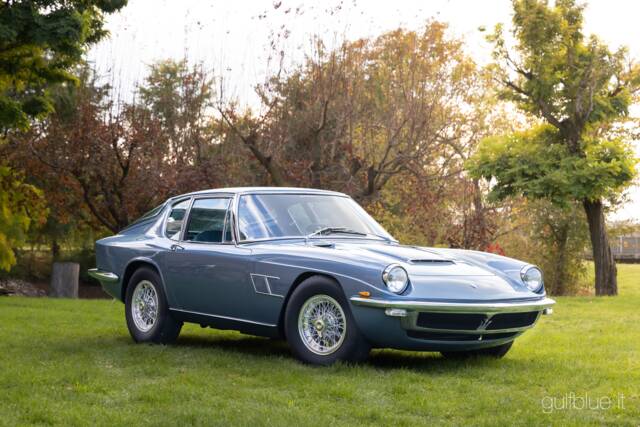
1968 | Maserati Mistral 4000
Recent high level restoration, rare color scheme, sold new in Milan, to be certificated soon by Maserati Classiche
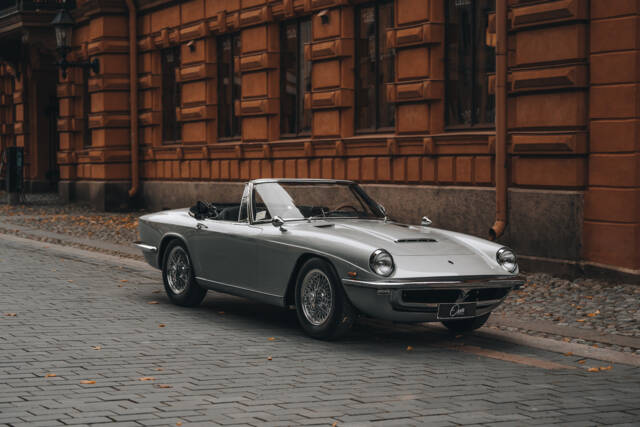
1964 | Maserati Mistral 3700 Spyder
Classic Data 1 condition. Museum-registerd

Newsletter
The best Maserati listings, straight to your inbox
Get hand-picked Maserati listings, plus the best of cars, motorbikes, and auctions on Classic Trader — all in one place.
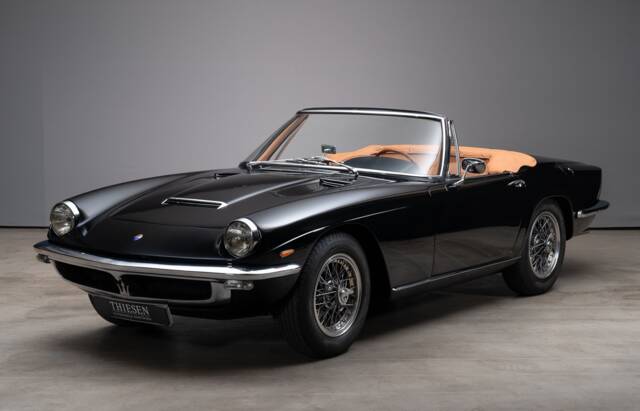
1965 | Maserati Mistral 3700 Spyder
Mistral 3700 - Spyder-

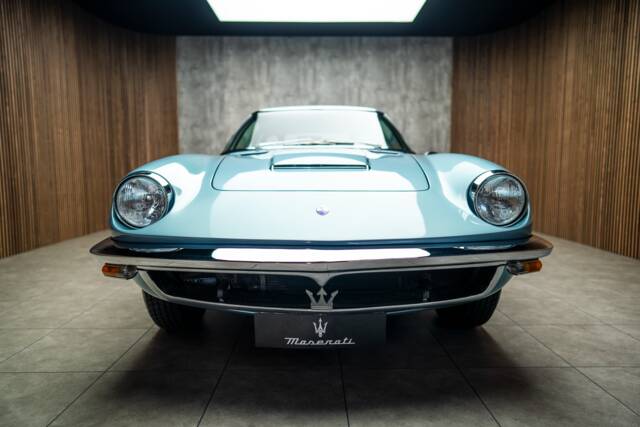
1965 | Maserati Mistral 3700
Tridente Colonia - Collezione perfetta del Curbs Club
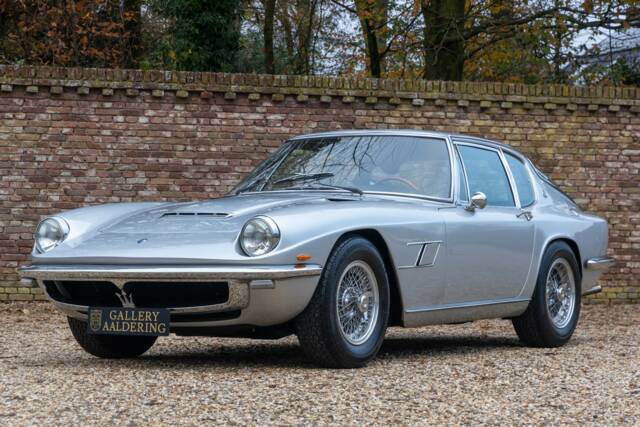
1966 | Maserati Mistral 4000
Maserati Mistral 4000 "Maserati Classiche certified" Thoughtfully restored, Maserati Classiche certified, A "matching numbers & colors" Mistral, European version, The most desirable 4 liter straight six engine, Presented in "Argento Auteuil" over black Connolly leather, One of 828 Mistral Coupés produced, Equipped with Borrani wheels, Enjoyed a long-term ownership,
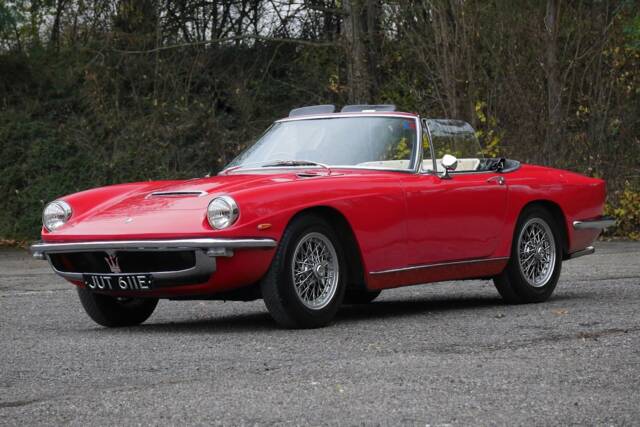
1967 | Maserati Mistral 3700 Spyder
Maserati Mistral 3500 Injection Spyder // one of 12 RHD
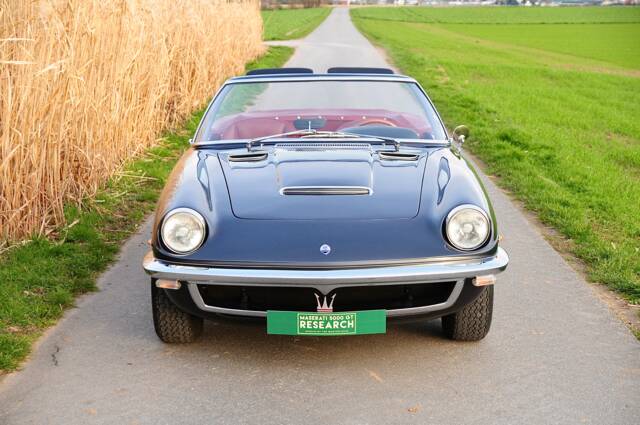
1967 | Maserati Mistral 4000 Spyder
The ultimate Mistral iteration, the Spyder with the 4.0-litre engine
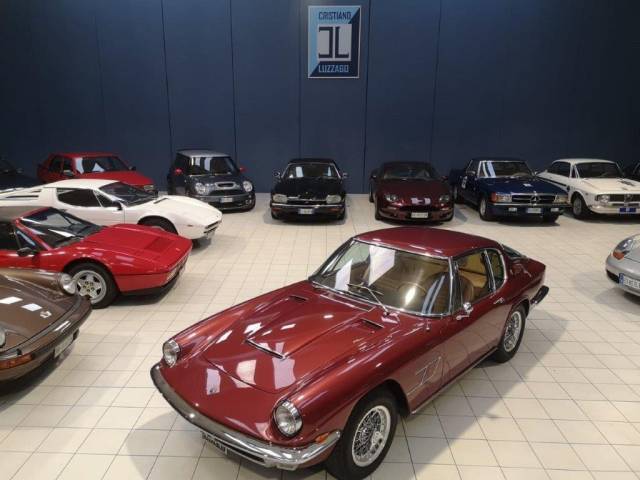
1968 | Maserati Mistral 3700
1968 MASERATI MISTRAL 3.700
Maserati Mistral listing references from Classic Trader
Below you will find listings related to your search that are no longer available on Classic Trader. Use this information to gain insight into availability, value trends, and current pricing for a "Maserati Mistral" to make a more informed purchasing decision.
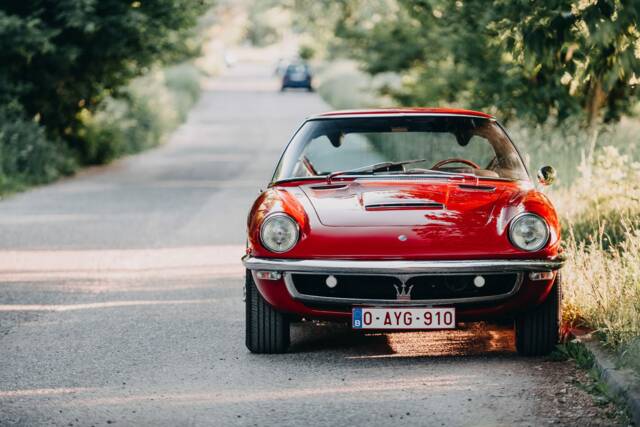
1967 | Maserati Mistral 4000
Matching numbers - concours restoration

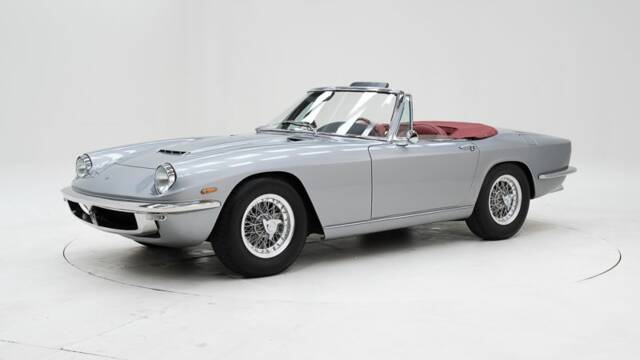
1965 | Maserati Mistral 4000 Spyder
1965 Maserati Mistral Spyder '65

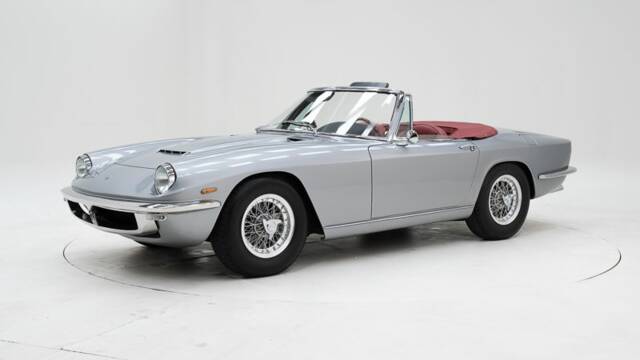
1965 | Maserati Mistral 3500 Spyder
1965 Maserati Mistral Spyder '65
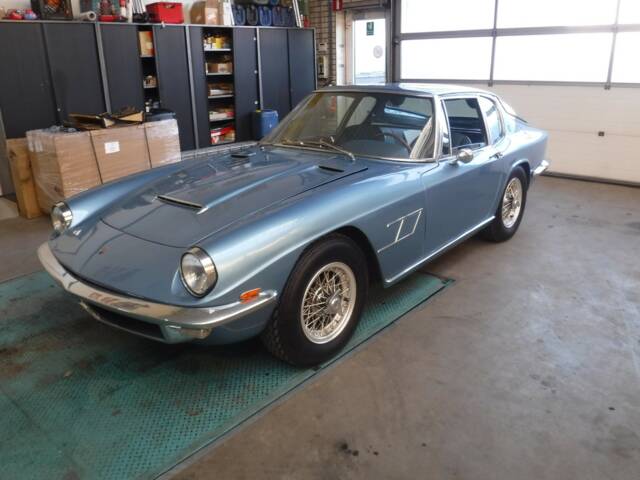
1967 | Maserati Mistral 4000
Maserati-Mistral 4 ltr Coupe
Maserati Mistral Classic Cars: Prices & Market Values
The market value of Maserati Mistral classic cars is primarily determined by technical condition, originality and mileage, as well as rarity, history and documentation. A well-maintained, largely original vehicle with low, verifiable mileage and complete history including appraisals and documentation typically achieves significantly higher prices than a comparable vehicle with deferred maintenance, many modifications or unclear provenance.
Maserati Mistral: Market Prices & Value Trends
Based on sales data from the Classic Trader marketplace, the Maserati Mistral market (1963–1969 cars shown) has looked broadly stable to gently rising over the period covered, from January 2021 to December 2025, with most “regular” coupés clustering in a consistent band while open cars command a clear premium. Across recent European activity (notably Italy, Germany, the Netherlands, Belgium and France), the bulk of Mistral 3700 and 4000 coupé prices sit at roughly £120,000–£210,000, with lower-priced adverts around £65,000–£100,000 typically reflecting condition, project status or specification differences and therefore best treated cautiously. By contrast, Spyder variants (e.g., Mistral 3500/3700/4000 Spyder, 1964–1968) most often appear in the £300,000–£600,000 region, underlining how rarity and body style drive values. For buyers, this points to a firm, quality-sensitive market: well-documented, correctly restored cars hold their money, supported by the Mistral’s low production, handsome Frua-era design and Maserati’s strong collector following.
Introduction and History of the Maserati Mistral
Launched at the 1963 Turin Motor Show, the Maserati Mistral was Maserati’s strategic answer to rivals like the Jaguar E-Type, built to replace the 3500 GT. Named after the cold mistral wind from southern France, it also inaugurated Maserati’s tradition of wind-based model names. Developed under engineer Giulio Alfieri and designed by Pietro Frua, the Mistral’s body combined pressed steel and, for doors and bonnet, lightweight aluminium. Both coupé and Spider forms saw production, with final assembly by Maggiora (coupé) and Vignale (Spider). The last Mistral left the factory in 1970, closing the chapter on Maserati’s legendary straight-six engine cars.
Model History
The Mistral directly succeeded the influential 3500 GT/GTI and retained much of its chassis architecture—namely, a shortened tubular steel frame. The ever-competitive market led Maserati to later introduce the Ghibli, which somewhat eclipsed the Mistral in sales, but as the last of the inline-six grand tourers, the Mistral now stands out in Maserati’s lineage. Production figures ranged from 828–844 coupés and 123–125 Spiders, reflecting its exclusivity. The internal code for the series is 'Tipo AM109.'
Highlights of the Maserati Mistral
With its dramatic fastback profile, the Mistral has an enduring appeal among enthusiasts for its purity of design and mechanical distinction. It features Maserati’s final straight-six engine with twin-spark, double overhead cams, and mechanical fuel injection—a direct evolution from the legendary 250F Grand Prix technology. All models offered a ZF five-speed manual gearbox and disc brakes on all four wheels. Interiors featured Connolly leather, Wilton carpets, Jaeger instrumentation, and polished wood fittings. Optional extras ranged from factory air conditioning, hardtops for Spiders, to rare automatics and limited-slip diffs.
Technical Data
Special Editions and Collectible Models
Among the rarest Mistrals are the Spider variants—especially those with the 4.0-litre engine, with only around 37 produced. A handful of Spiders left the factory with original aluminium hardtops (about 11 units known), which are highly prized. Matching-numbers examples and those with a Maserati Classiche certificate are considered the top tier among collectors.
Weak Spots and Common Issues
Typical weak points include corrosion—especially at chassis mounting points, sills, boot floor and suspension pick-up areas, exacerbated on early aluminium-bodied cars due to galvanic corrosion. Part availability for body and trim is limited and often requires bespoke fabrication. The original multi-layer head gasket can fail (composite replacements available, but costly), and Lucas injection systems are prone to seal deterioration, leading to dilution of engine oil by fuel—many cars have been converted to carburettors. Regular valve clearance adjustment and consideration for a complete engine overhaul are necessary. ZF gearboxes are robust, but the third-to-second synchromesh sleeve is a known issue, and replacement parts are becoming rare. Brake hydraulics and recirculating-ball steering suffer if maintenance lags. Electrical systems often require complete rewiring due to age. Interiors require specialist restoration. A thorough pre-purchase inspection and documentation are vital—neglected examples can entail substantial restoration risks.
Engine and Performance, Transmission and Handling
The Mistral’s straight-six, with direct ties to Maserati’s 250F Grand Prix lineage, delivers purposeful power, characterful twin-spark ignition, and mechanical injection (Lucas). The range produced between 235 and 255 hp, with the top 4.0-litre models achieving 0–100 km/h in near 6 seconds and a top speed of around 250 km/h, notable for the period. The ZF five-speed transmits power smoothly to the rear axle; all models are equipped with disc brakes and independent front suspension. The steering—recirculating ball—offers period-correct feedback but can develop play if neglected. Coupé and Spider models were both designed for comfortable high-speed touring, with the Spider trading rear-seat practicality for open-air driving. - Mistral Coupé 4.0: Most powerful, limited production, highly sought-after.
- Mistral Spider (3.7 and 4.0): Scarce, with the 4.0 especially rare.
- Special mention: Aluminium-bodied cars, optional factory hardtop-equipped Spiders.
Interior, Comfort, Exterior and Design
Designer Pietro Frua’s flowing coupe silhouette—with its long nose, glassy cabin, and unique fastback—is instantly recognisable. Spiders adapted Frua’s proportions with modifications by Giovanni Michelotti; bodies by Vignale. Door skins and bonnets were always aluminium, even after primary structures switched to steel. Interiors set a benchmark in 1960s GT design: Connolly leather upholstery, Wilton carpeting, prominent Jaeger dials, and fine wood or chrome details. Steering wheels were usually three-spoke mahogany. Quality was bespoke, with options for two-tone interiors, tinted glass, air conditioning, or custom luggage. Standard wheels were Borrani wire wheels, commonly chromed. Paintwork available in vivid 1960s shades; many cars had period-correct bespoke orders. Spider models’ rare aluminium hardtops are especially prized.
Other Features
A Mistral with matching numbers or Maserati Classiche certification draws particular attention. Many cars qualify for historic registration (H-plate). The model’s usability was better than many contemporary exotics—offering relative everyday comfort in a highly exclusive package. Factory-fitted accessories (such as air con, power windows, or specific radio/sound systems) are desirable when present.
Summary
The Maserati Mistral, produced from 1963 to 1970, concludes the storied era of Maserati’s inline-six GTs with an unrivalled mix of performance tech, hand-finished luxury, and distinctive Frua lines. Coupé and Spider versions—especially the latter with its limited build—are sharply defined collector’s pieces. While ownership demands proper restoration knowledge and parts diligence, the reward is access to one of the most authentic expressions of 1960s Italian grand touring artistry.