Maserati 4200 classic cars for sale
The Maserati 4200, successor to the 3200 GT, brings together true four-seater GT capability with a Ferrari-developed 4.2-litre V8 and Italian design flair. Produced from 2003 to 2007 and available as Coupé and Spyder, this series offers perfect balance between sporting performance, refined comfort and typically exclusive Maserati features.
Search results
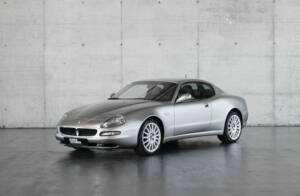
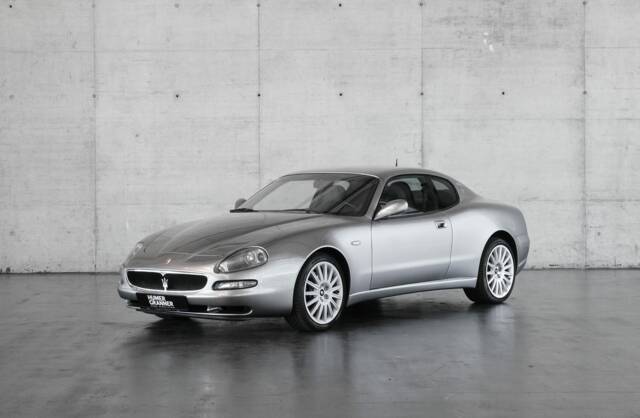
2003 | Maserati 4200
2003 Maserati 4200 Coupé. Im Auktionsverkauf. Schätzwert: 24.000 € - 30.000 €.

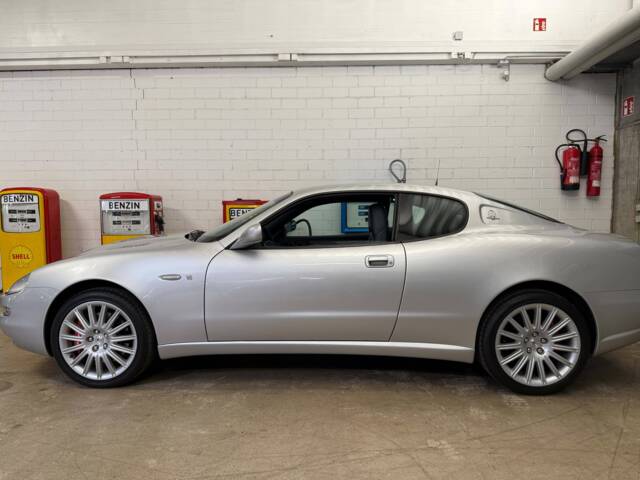
2006 | Maserati 4200
Maserati 4200


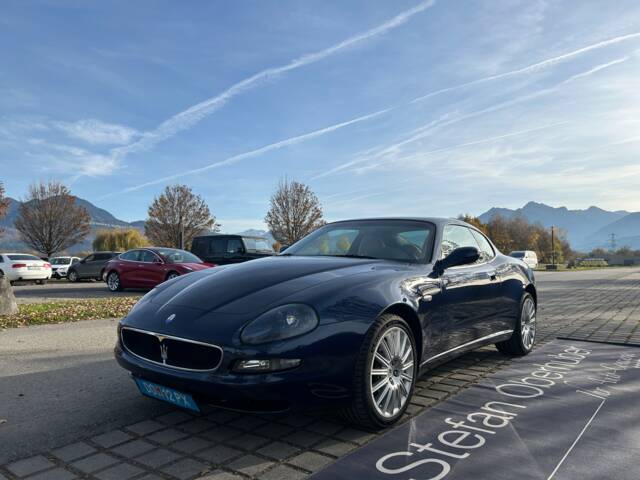
2003 | Maserati 4200 Cambiocorsa
Erstbesitz, nur 16.600 km
Maserati 4200 listing references from Classic Trader
Below you will find listings related to your search that are no longer available on Classic Trader. Use this information to gain insight into availability, value trends, and current pricing for a "Maserati 4200" to make a more informed purchasing decision.
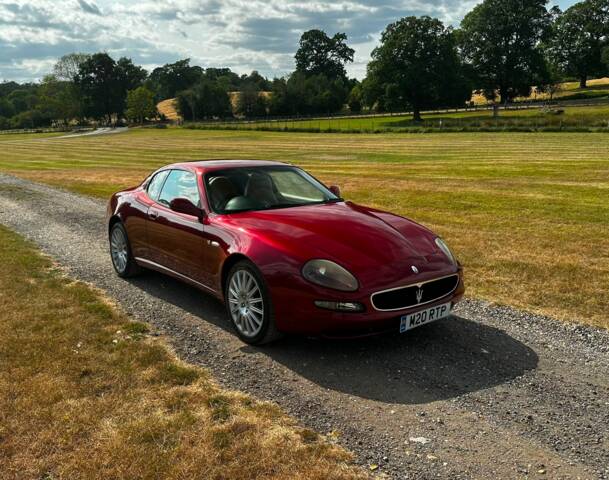
2003 | Maserati 4200 Cambiocorsa
2003 Maserati 4200 Cambiocorsa only 44k miles!

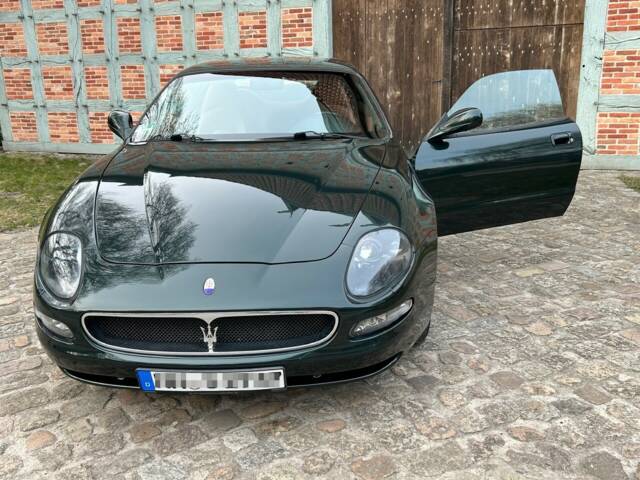
2002 | Maserati 4200
Coupé GT - Manual shift
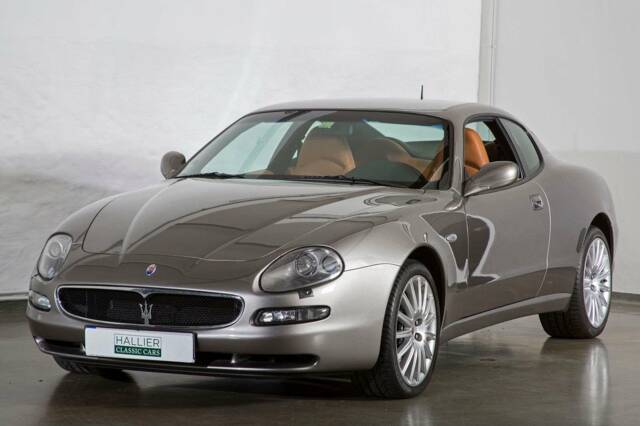
2002 | Maserati 4200 Cambiocorsa
Maserati 4200
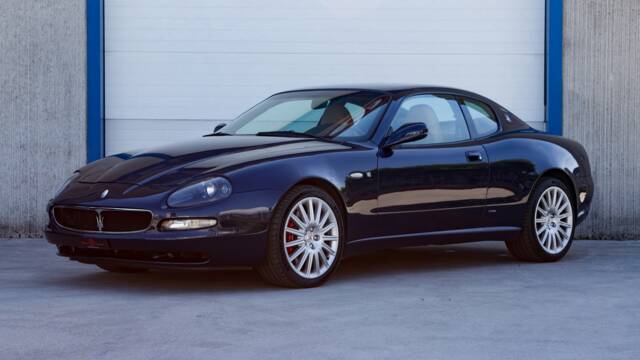
2003 | Maserati 4200 Cambiocorsa

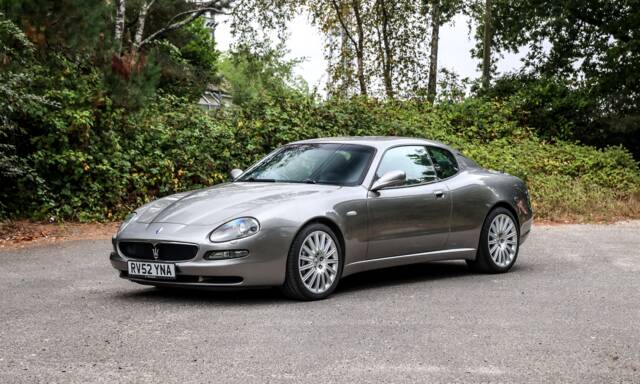
2002 | Maserati 4200
2002 Maserati Coupe GT (4.2 litre)
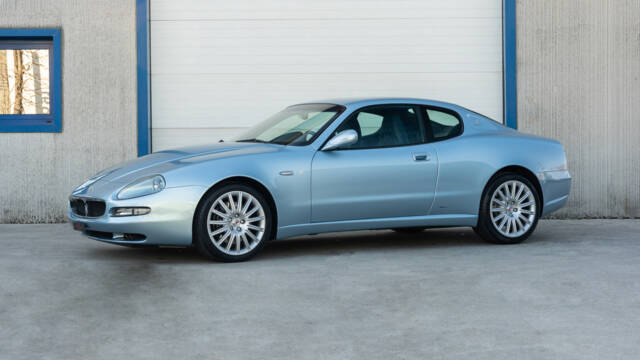
2003 | Maserati 4200 Cambiocorsa
Single Owner | Rare Colour Combination
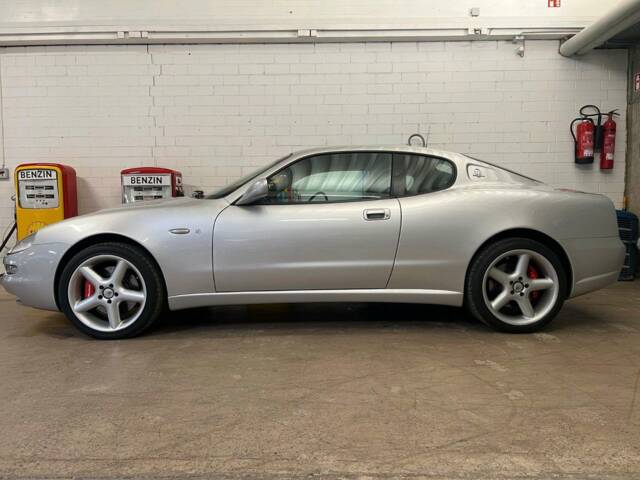
2003 | Maserati 4200 Cambiocorsa
Maserati 4200 Coupe Cambiocorsa
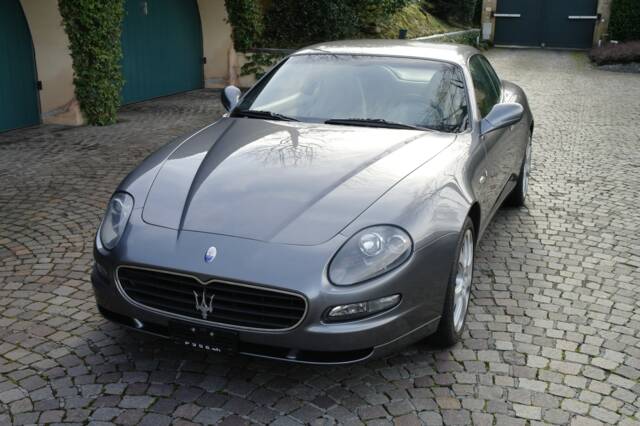
2006 | Maserati 4200
Cambio manuale – Schaltgetriebe – Boîte manuelle Restyling (1 of 8 in Switzerland)

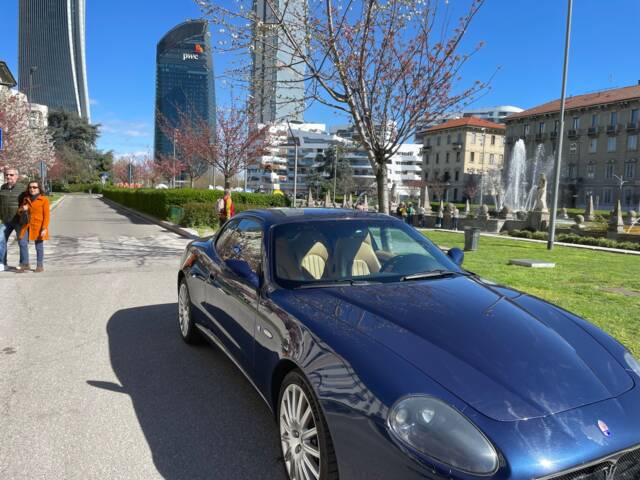
2002 | Maserati 4200
Coupé GT
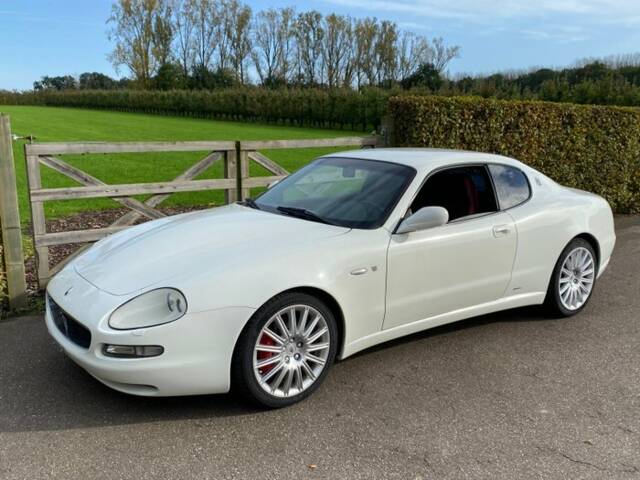
2004 | Maserati 4200 Cambiocorsa
Maserati - Cambiocorsa - 2004

Maserati 4200 Classic Cars: Prices & Market Values
The market value of Maserati 4200 classic cars is primarily determined by technical condition, originality and mileage, as well as rarity, history and documentation. A well-maintained, largely original vehicle with low, verifiable mileage and complete history including appraisals and documentation typically achieves significantly higher prices than a comparable vehicle with deferred maintenance, many modifications or unclear provenance.
Maserati 4200: Market Prices & Value Trends
Based on sales data from the Classic Trader marketplace, the Maserati 4200 market (covering March 2021 to January 2026) shows a broadly stable to gently rising trend for standard Coupé and 4200 Cambiocorsa cars, with a clearer uplift in the most recent 2025–26 entries. Most examples in European adverts cluster in the mid-£20,000s to mid-£30,000s, with a realistic current market range of roughly £20,000–£40,000 depending on mileage, condition, gearbox specification and history. Lower figures around £7,000–£12,000 appear occasionally and should be treated as outliers or cars needing significant work, while the rare 4200 Trofeo (seen at £77,943 and £164,730) sits in a separate collector bracket and does not represent mainstream values. Italian, German and Dutch adverts dominate the dataset, suggesting strong Continental supply. For buyers, this points to steady demand for early-2000s Maserati V8 GT character, with prices supported by limited good-condition cars and the model’s growing “modern classic” status.
History of the Maserati 4200
Launched at the 2002 Detroit Motor Show (Coupé) and shown as the Spyder at the 2001 IAA Frankfurt, the Maserati 4200 marked a turning point for the marque. Based closely on the 3200 GT, which was not officially sold in the US, the 4200 distanced itself with its enlarged engine, bringing displacement up to 4.2 litres and technical upgrades throughout. The distinct styling by Giorgetto Giugiaro (ItalDesign) established a new design language, blending Italian GT tradition with modern cues. The model was produced until mid-2007, serving as both an everyday grand tourer and a true driver’s sports car, with the Spyder offering open-air Maserati driving at its finest.
Model history
The Maserati 4200 replaced the 3200 GT and continued to be offered as a Coupé (four-seater) and a Spyder (two-seater convertible). Both leveraged an all-new Ferrari-derived V8 engine. Later, the GranTurismo would supersede the series. Special ‘Final Edition’ models in 2006 included subtle visual and technical enhancements, such as new bumpers and grille, making late cars particularly desirable for connoisseurs. The 4200 series established a reputation for both high-speed performance and genuine daily usability, moving away from the more temperamental reputation of earlier Maserati models.
Highlights of the Maserati 4200
Central to the 4200’s appeal is the naturally aspirated 4.2-litre V8 engine, developed in partnership with Ferrari, delivering 390 PS and 451 Nm of torque. The Cambiocorsa gearbox—an electrohydraulic system inspired by Formula 1 technology—brought an advanced touch to the driving experience, especially with its rear-mounted transaxle setup for ideal weight distribution. Equipment included high-quality leather interiors designed by Enrico Fumia, ergonomically optimised controls, and modern conveniences like climate control, Xenon headlamps, optional Skyhook adaptive suspension, and a choice of rare exterior colour combinations. The 4200 was the most prevalent Maserati of its time: according to Classic Trader data, it accounts for 100% of Maserati listings in this era, reflecting its central position in the marque’s early 2000s lineup. Listing view statistics mirror this, confirming the model’s ongoing relevance and popularity among enthusiasts and collectors alike.
Technical data
Special Editions and Collectible Models
The 'Final Edition' (MY06) introduced from model year 2006 featured new bumpers, a revised grille, and updated suspension and transmission setups. These late cars are sought-after for their technical refinements and subtle cosmetic changes. Throughout production, rare colours such as Mediterraneo Blue make certain cars stand out among collectors and enthusiasts.
Weak Spots and Common Issues
Typical issues for the Maserati 4200 include sticky soft-touch surfaces on buttons and controls, clutch wear—particularly on Cambiocorsa models—and occasional electronic gremlins. Maintenance costs can be significant, with items like clutch, timing variators, and spark plugs being pricey. Regular servicing and inspection are critical to preserving both driving experience and value; buyers should check for comprehensive service records and attend to all manufacturer-recommended intervals.
Engine, Performance, Transmission and Handling
The highly strung 4.2-litre V8 delivers spirited acceleration, a memorable soundtrack, and strong torque across the rev range. Manual models offer mechanical precision, while Cambiocorsa versions provide rapid shifts and allow for a more focused driving style, particularly with the Skyhook adaptive suspension option which adjusts damping in real time. Braking performance is reinforced by large Brembo brakes, and overall handling benefits from the rear transaxle layout delivering optimal weight distribution. The 4200 is firmly a driver’s GT, with rewarding handling and refinement even on long journeys. Coupé GT (6-speed manual), Coupé Cambiocorsa, Spyder (2-seater convertible), and Final Edition/MY06 models are highlights. Each comes with the Ferrari/Maserati V8 and a distinct driving character depending on equipment and transmission choice.
Interior, Comfort, Exterior and Design
Giorgetto Giugiaro’s styling for the 4200 is purposeful yet elegant, with generous dimensions, muscular haunches, and a balanced silhouette. The interior, signed by Enrico Fumia, is dominated by fine leather, traditional Maserati clock, and a distinctive dashboard. Comfort features like heated, electrically adjustable seats (many with memory), full leather trim incl. headliner and dash, as well as dual-zone climate control and Xenon headlights, elevate the ambience. Special touches can include two-tone leather, rare exterior colours (like Mediterraneo Blue), and optional equipment such as the Skyhook active suspension, navigation, and premium audio. Accessories typically include a comprehensive tool kit, owners’ documentation, and, for some cars, factory-fit sports exhaust or unique wheel finishes.
Other relevant features
Thanks to its Euro 3 emissions status, the 4200 presents higher running costs in terms of fuel consumption (combined: 18.6 l/100km; urban: 28.3 l/100km; CO2: 430 g/km), but this is expected for a car in this class and era. The model is typically delivered with extensive documentation and two sets of keys. Practical features like a 395 kg payload, large 88-litre fuel tank, and a real 2+2 layout (in the Coupé) underline the GT credentials, while various optional and standard safety features (front airbags, ABS, stability control) round out the package.
Summary
The Maserati 4200 embodies the intersection of Italian engineering, performance, and comfort. Its Ferrari-developed V8, balanced handling, luxurious interior, and rich equipment make it a benchmark among early 2000s grand tourers. According to Classic Trader's statistics, the 4200 is the definitive Maserati of its era, both in supply and demand. Special editions and rare colour/option combinations add further appeal. Regular maintenance and attention to common issues are vital, but in return, owners enjoy a finely crafted machine with true enthusiast credentials.