FIAT 500 Classic Cars for Sale
From the front-engined Topolino to Dante Giacosa’s rear-engined Nuova 500, the Fiat 500 tells the story of Italian small-car design. The classic Cinquecento combines a folding fabric roof, air-cooled twin-cylinder engine and compact dimensions suited to narrow city streets.
Search results
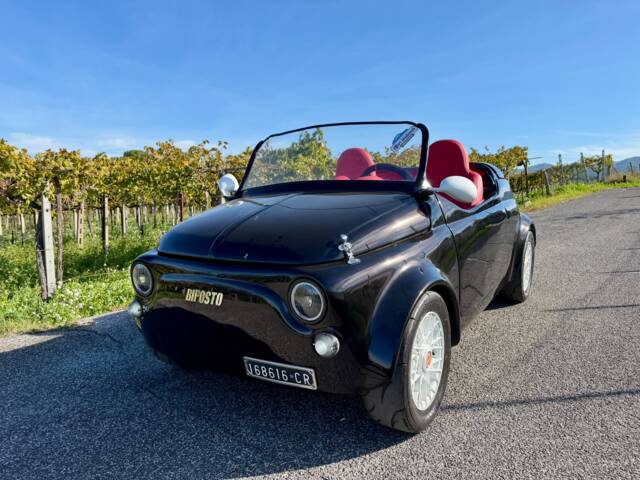
1970 | FIAT 500 Biposto
FIAT 500 Biposto by Affari Sbullonati – bespoke Italian open-top two-seater with a 595 cc engine and five-speed dog-leg gearbox
Current bid

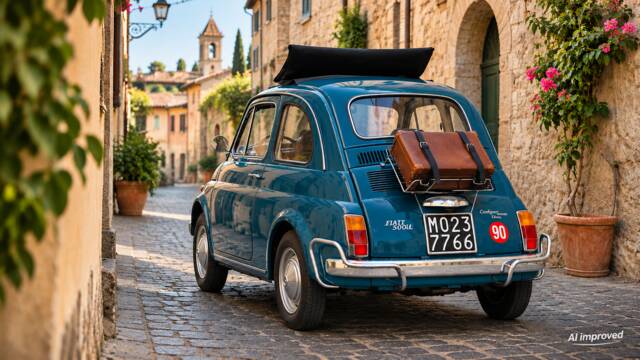
1970 | FIAT 500 L
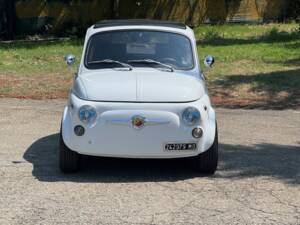
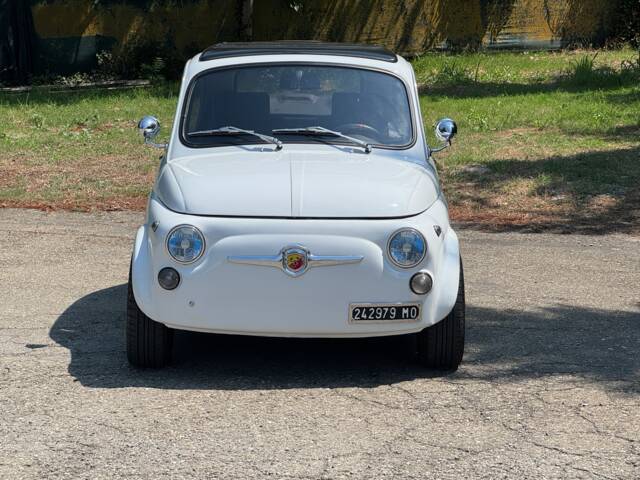
1971 Fiat 500L – Original teal blue, Modena license plate, 2019 restoration and historical documentation
€12,000 - €14,000
Auctions ending soon

Loading…
Loading…
Loading…
Loading…
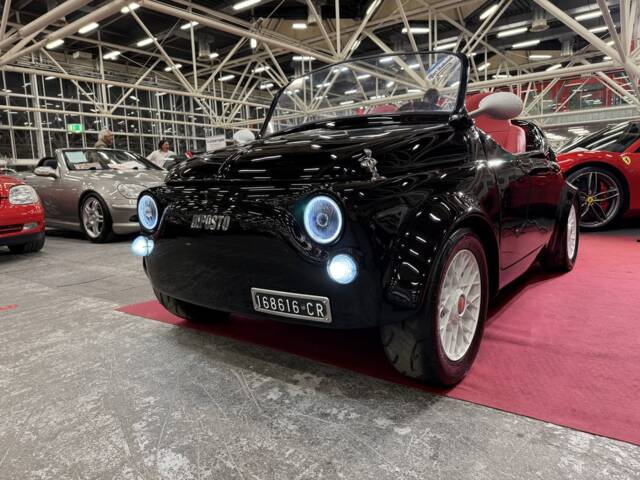
1970 | FIAT 500 Biposto
Fiat 500 Biposto | 1970 | Route 66 Auctions - For sale by auction. Estimate 21000 EUR

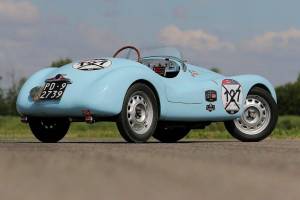
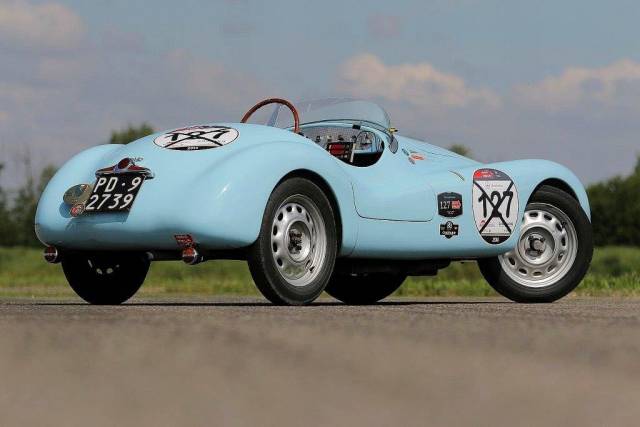
1938 | FIAT 500 A Sport Vedrame
FIAT 500A SPORT VENDRAME COMPETITION
Newsletter
The best FIAT listings, straight to your inbox
Get hand-picked FIAT listings, plus the best of cars, motorbikes, and auctions on Classic Trader — all in one place.
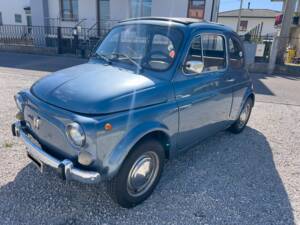
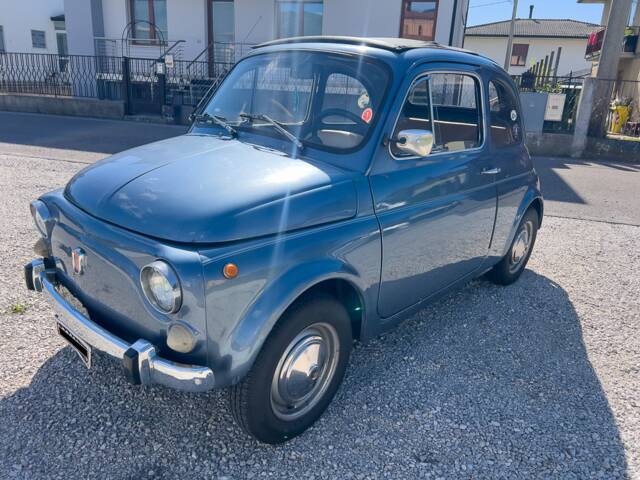
1967 | FIAT 500 F
Fiat 500 F (1967) Single Owner
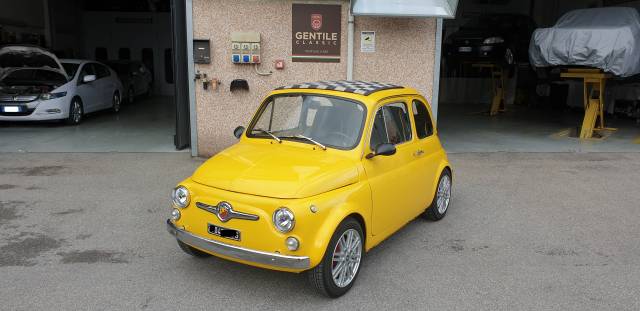
1974 | FIAT 500 R
RICOSTRUZIONE ABARTH !
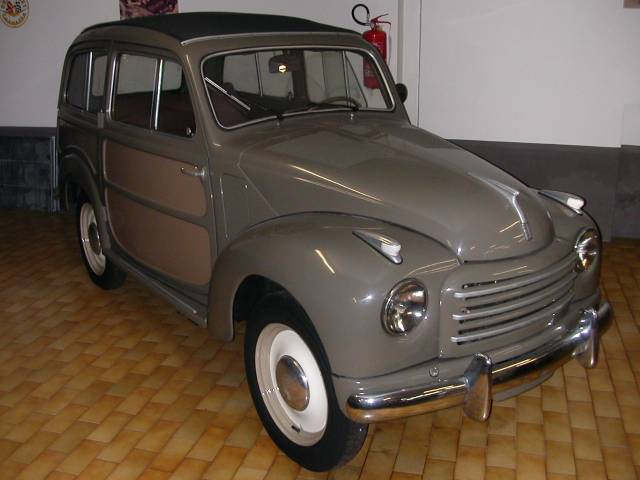
1952 | FIAT 500 C Belvedere
Fiat 500C Belvedere 1952
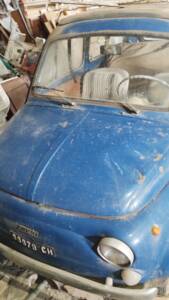
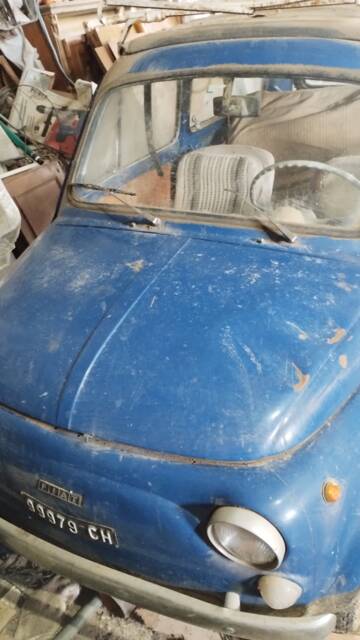
1965 | FIAT 500 Giardiniera
500 Giardiniera for restoration
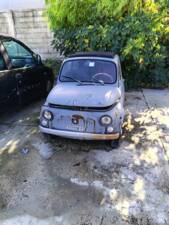
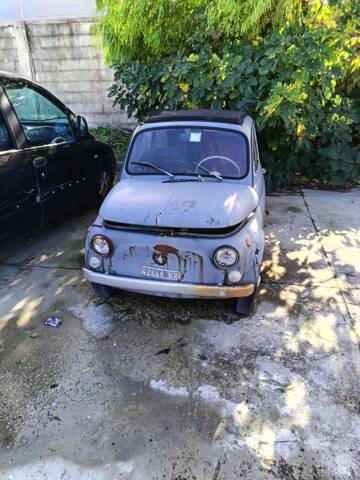
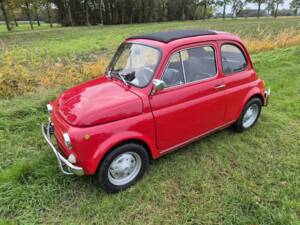
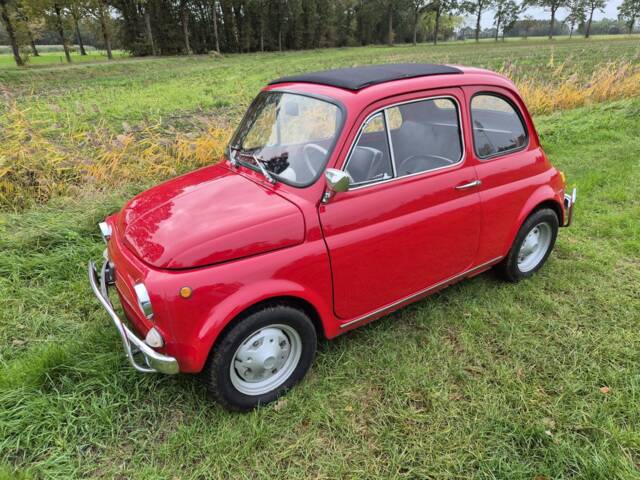
1969 | FIAT 500 F
Fiat 500 F | 1969 | Route 66 Auctions - For sale by auction. Estimate 4800 EUR
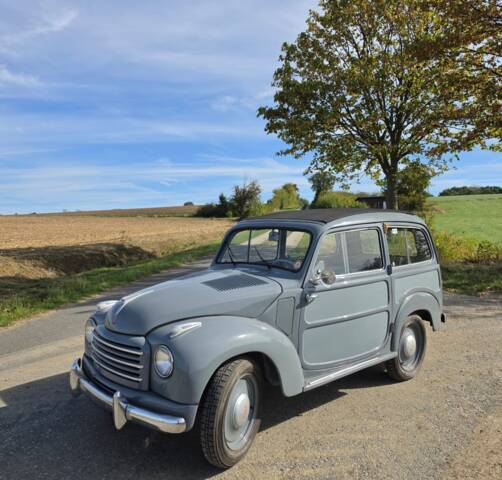
1954 | FIAT 500 C Belvedere
Fiat 500 C Topolino Belvedere classic car Year: 1954 Condition grade 2

FIAT 500 Classic Cars: Prices & Market Values
History of the Fiat 500
Fiat introduced the original 500, later nicknamed Topolino, in 1936. Designed by Dante Giacosa as an affordable small car, it used a front-mounted, water-cooled four-cylinder engine. Its radiator and fuel system relied on gravity, dispensing with water and fuel pumps.
Giacosa returned to the small-car brief with the Nuova 500 in 1957. Technically very different from the Topolino, it had a rear-mounted, air-cooled twin-cylinder engine, independent suspension and a luggage compartment at the front. More than 3.5 million classic Nuova 500s were built, bringing compact motoring to a generation of Italian drivers.
Fiat 500 model history
The Topolino evolved through the 500 A, B and C. The B arrived in 1948 with a more powerful engine; the C followed in 1949 with revised bodywork and headlights set into the wings. Estate versions added practicality to the small Fiat.
The 1957 Nuova 500 began with a 479 cc engine. The 500 D, introduced in 1960, increased capacity to 499.5 cc, while the 500 F of 1965 introduced front-hinged doors. The more generously trimmed 500 L, or Lusso, appeared in 1968. The final classic saloon, the 500 R, used a 594 cc engine associated with the Fiat 126, which succeeded it in Fiat’s range.
Classic saloon production ended in 1975, although Giardiniera estates continued until 1977. Fiat revived the 500 name in 2007 with a larger modern car inspired by the original.
What makes the Fiat 500 distinctive?
At approximately three metres long, the Nuova 500 made economical use of space: its engine sat behind the rear seats, leaving the front compartment for luggage and the spare wheel. A folding fabric roof was fitted to most classic examples; early Trasformabile versions had a full-length folding roof.
The Giardiniera estate took a different approach to packaging. Its engine was mounted on its side beneath the load floor, and its longer wheelbase provided additional room. Unlike the 500 F saloon, the Giardiniera retained rear-hinged doors throughout production.
Fiat 500 technical data
Special Fiat 500 models
- 500 Sport: Introduced in 1958, this two-seat version produced approximately 21 hp and had a quoted top speed of 105 km/h. It could be identified by a red stripe below the roof and, on some cars, two-tone paint.
- Giardiniera Legno: Based on the Topolino 500 B, this four-seat estate used ash and Masonite for its distinctive side panels. It was produced for just one year.
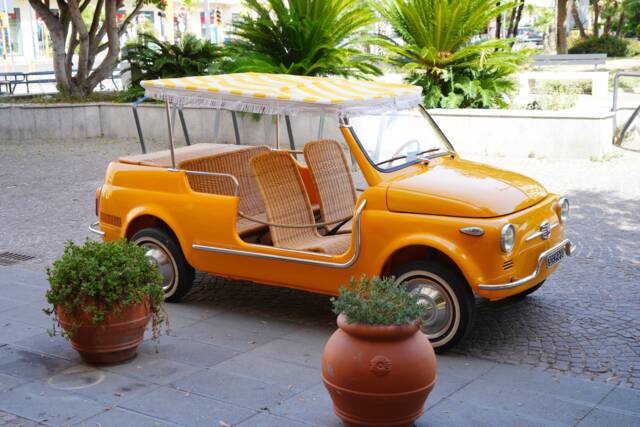
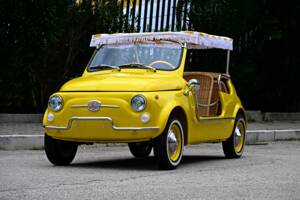
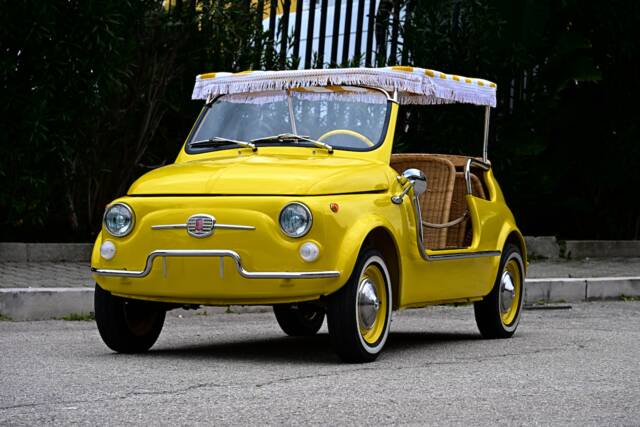
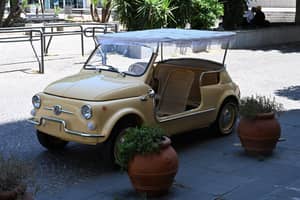
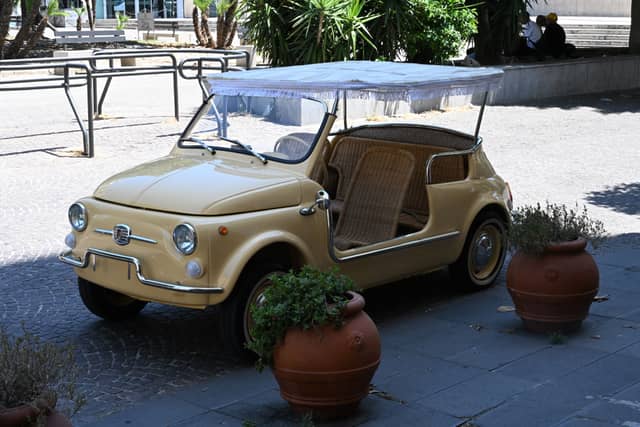
- Ghia Jolly: A coachbuilt beach-car interpretation with no doors, wicker seats and, often, a canopy in place of a conventional roof.
- Abarth and Giannini versions: Both Italian tuners developed sporting versions of the 500. In Austria, Steyr-Puch also produced its own 500 and the sporting 650 TR2.
Fiat 500 buying checks
When inspecting a classic Fiat 500, check the operation of the folding roof, door hinges and four-wheel drum brakes. Confirm that the engine and trim correspond to the model: a 500 F, for example, should have front-hinged doors, while the Giardiniera retained rear-hinged doors.
Early cars did not have seat belts fitted as standard, and classic 500s lack power steering and power-assisted brakes. Check the equipment fitted to an individual car and make sure you are comfortable with its period safety provisions. Restoration and spare-parts availability is generally good.
Engine and driving experience
The Nuova 500’s air-cooled twin and four-speed manual gearbox suit its modest size and low weight. The 500 D had a quoted top speed of 95 km/h; the more powerful 1958 Sport was quoted at 105 km/h. Independent suspension at all four corners and rear-wheel drive distinguish the Nuova from the earlier front-engined Topolino.
The driving position and controls reflect the 500’s simple brief: there is no power steering or brake assistance, and the front luggage compartment offers limited space, particularly with the spare wheel in place.
Fiat 500 design and interior
Dante Giacosa’s Nuova 500 has a compact two-door body, a short front luggage compartment and a fabric roof that opens up the cabin. Early saloons used rear-hinged doors; the 500 F changed to front-hinged doors in 1965 and gained a slightly larger windscreen.
The 500 L brought a more elaborate interior, with a rectangular instrument panel, black anti-glare dashboard, integrated fuel gauge, carpet and pleated leatherette upholstery. Outside, additional chrome and tubular bumper overriders distinguish it from more simply trimmed versions.
Buying a classic Fiat 500
The Fiat 500 range offers two distinct small-car designs: the water-cooled, four-cylinder Topolino and the rear-engined, air-cooled Nuova 500. Within the latter family, the F offers the straightforward saloon layout, the L adds trim and equipment, and the Giardiniera provides estate-car space. Check the roof, brakes, doors and model-specific details when assessing an example.
FAQs
Why are FIAT 500 classic cars so popular?
The FIAT 500 embodies the charming Italian lifestyle of the 1950s and 1960s. Its iconic design, compact size, and simple mechanics make it a desirable collector's vehicle. Furthermore, it offers a unique driving experience that perfectly combines nostalgia with driving pleasure.
How can I find spare parts for the classic FIAT 500?
Spare parts for the classic FIAT 500 are still readily available, especially through specialized dealers, online platforms, and classic car clubs. This accessibility and often affordable pricing significantly ease the maintenance of the vehicle, allowing enthusiasts and restorers to find the necessary components without hassle.
What should be considered when buying a classic FIAT 500?
When purchasing a classic FIAT 500, pay particular attention to the condition of the bodywork, especially regarding rust. It's also essential to conduct a thorough inspection of the engine and transmission to ensure both are functioning correctly. Additionally, the braking system should be carefully checked, as it is commonly prone to issues.