Alfa Romeo Giulia classic cars for sale
The Alfa Romeo Giulia name spans the sporting Tipo 105 saloon, Bertone coupés and Pininfarina Spiders, as well as a modern saloon introduced in 2015. For classic buyers, the twin-cam engines, rear-wheel drive and distinctive body styles make the 1960s and 1970s cars particularly interesting.
Search results
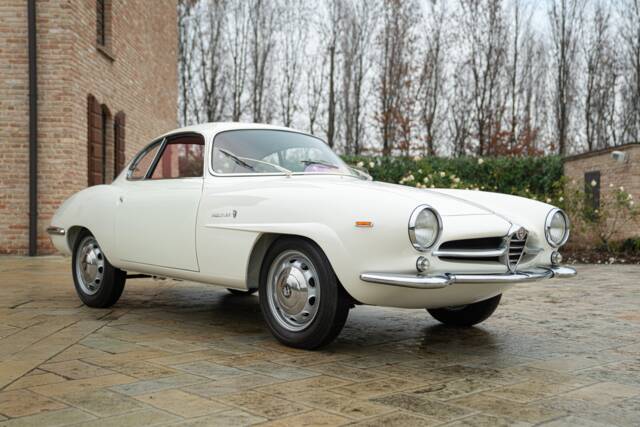
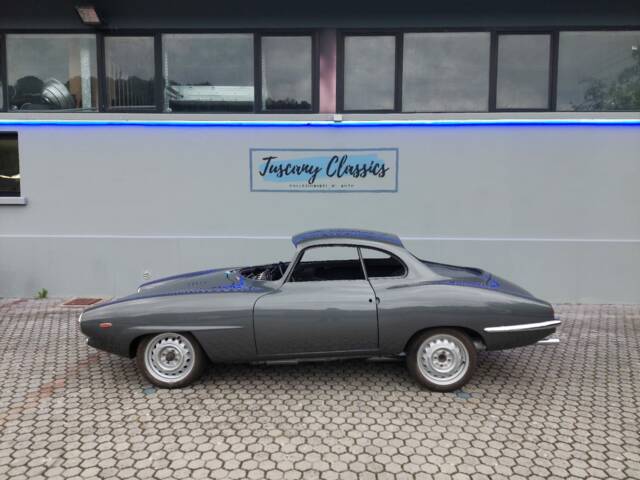
1964 | Alfa Romeo Giulia Sprint Speciale
1964 Alfa Romeo Giulia Sprint Speciale – rare Bertone coupé by Franco Scaglione with 112 hp and restored original engine
€120,000 - €140,000

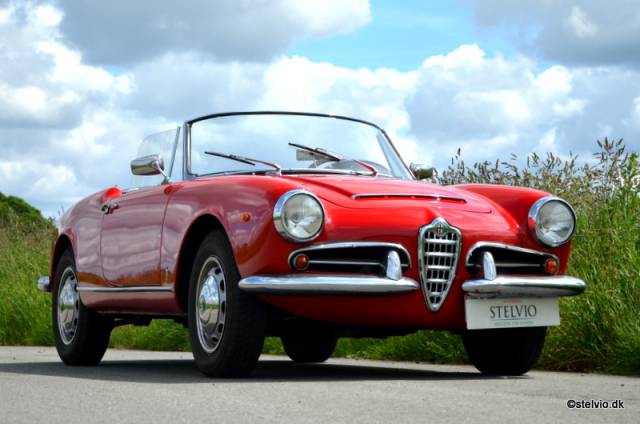
1964 | Alfa Romeo Giulia 1600 Spider
Extremely well driving car ready to be used

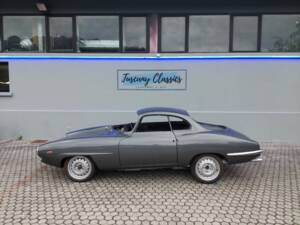
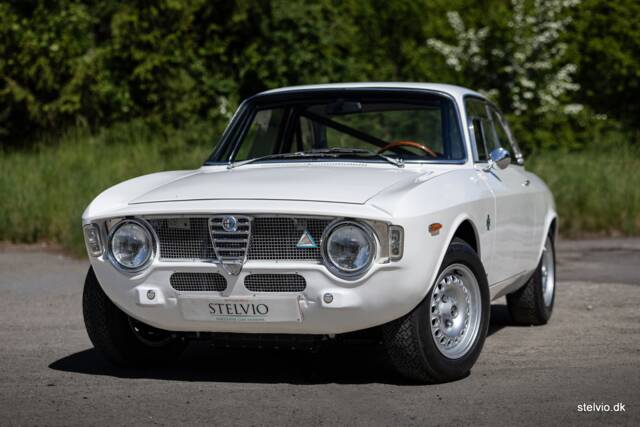
1965 | Alfa Romeo Giulia Sprint GTA
Original GTA Stradale with Autodelta history
Newsletter
The best Alfa Romeo listings, straight to your inbox
Get hand-picked Alfa Romeo listings, plus the best of cars, motorbikes, and auctions on Classic Trader — all in one place.
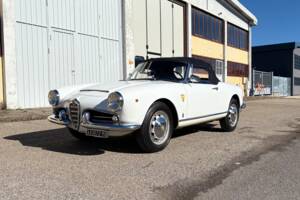
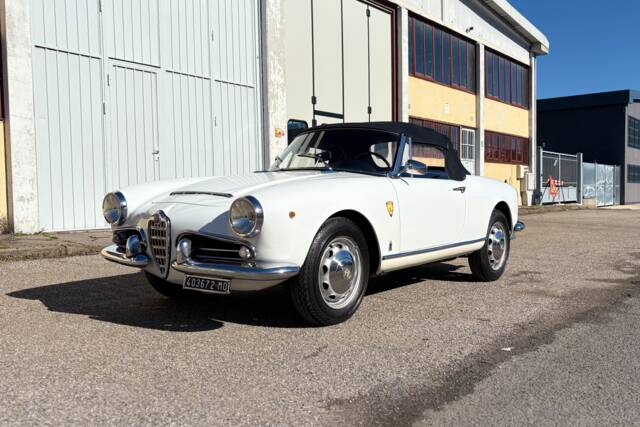
1963 | Alfa Romeo Giulia 1600 Spider
Veicolo di interesse storico e collezionistico ASI
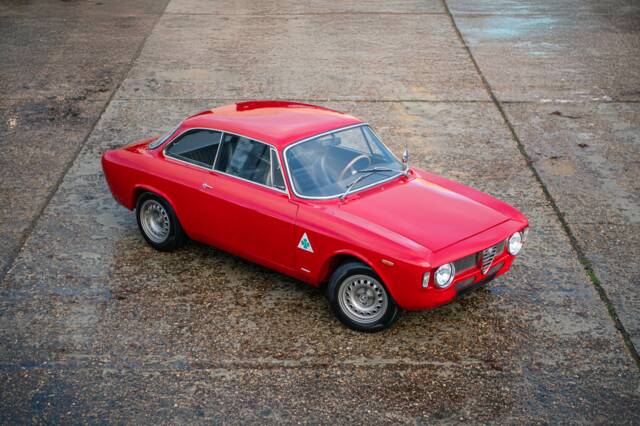

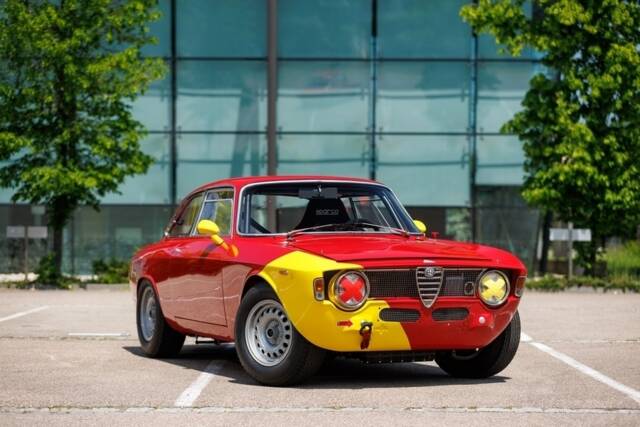
1965 | Alfa Romeo Giulia Sprint GTA
ex-Autodelta Alfa Romeo Giulia Sprint 1600 GTA
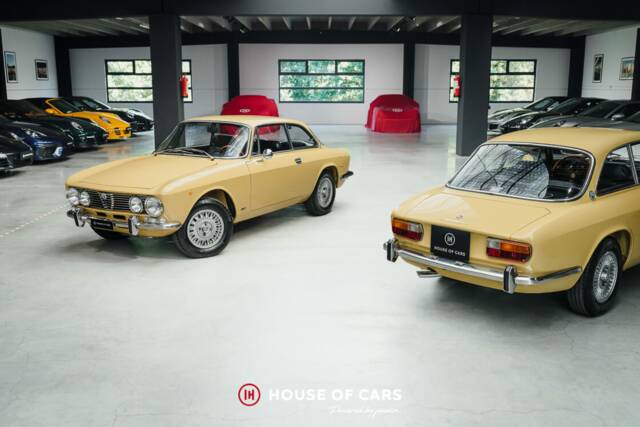
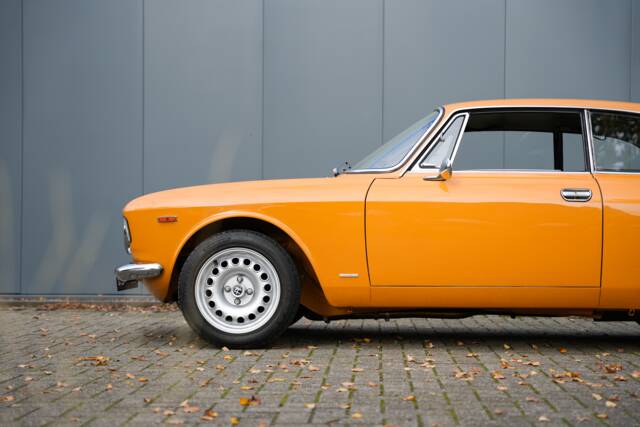
1972 | Alfa Romeo 2000 GTV
Bertone - Restored - Giallo Piper

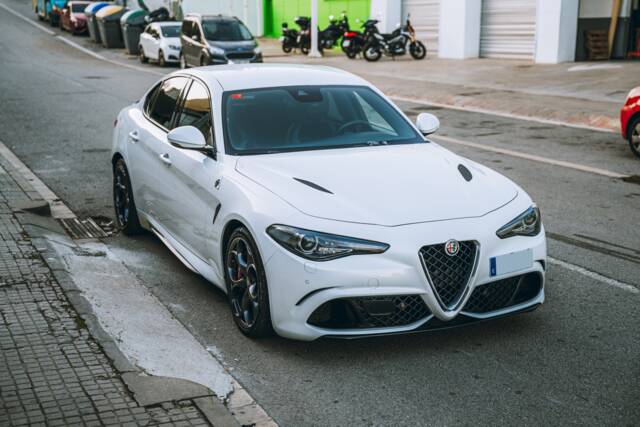

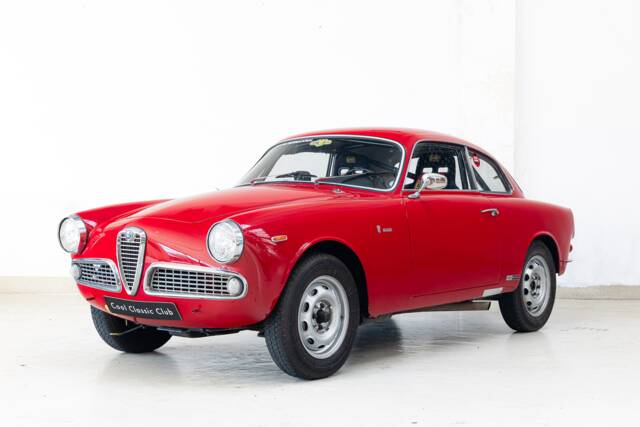
1963 | Alfa Romeo Giulia 1600 Sprint GT
1600 Bertone - Rally Prepared - Historic Papers -

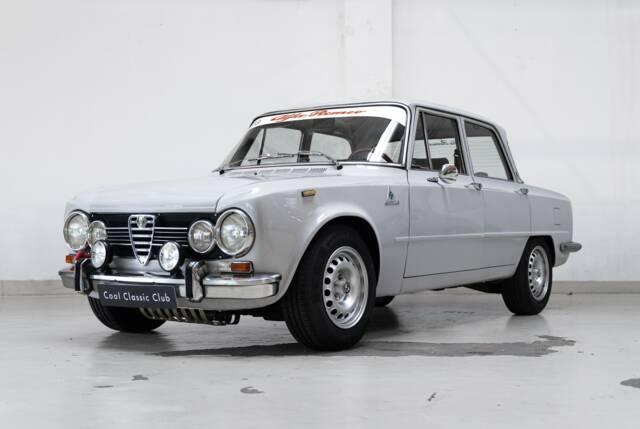
1974 | Alfa Romeo Giulia Super 1.3
Super - 2.0L - LSD - Grigio indaco -
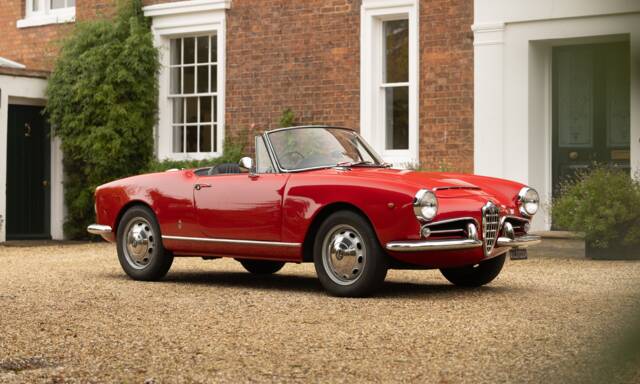

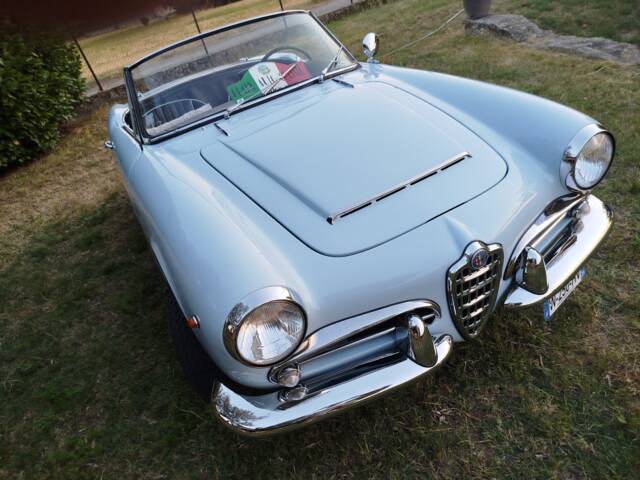
1965 | Alfa Romeo Giulia 1600 Spider Veloce
VELOCE - Très Rare - 891ex - Stupenda, Superbe, Beautiful -

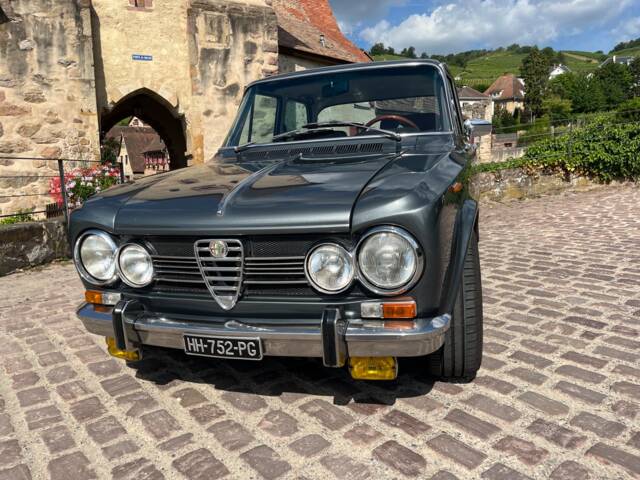
1969 | Alfa Romeo Giulia 1600 Super Biscione
ALFA ROMEO GIULIA SUPER 1600 BISCIONE 2 liter engine
Alfa Romeo Giulia Classic Cars: Prices & Market Values
History of the Alfa Romeo Giulia
Alfa Romeo presented the Giulia at Monza on 27 June 1962. Its name followed that of the Giulietta, but the new four-door saloon was larger and markedly more angular. Beneath its boxy appearance was a body developed with wind-tunnel testing and a Kamm-style tail designed to reduce drag.
The first Giulia TI had a 1.6-litre engine; a 1300 followed in 1964. Early production came from Portello while Alfa Romeo’s Arese factory was being prepared. The classic saloon remained in production until 1978, and also served with Italy’s Polizia and Carabinieri.
Alfa Romeo Giulia model history
The Giulia name has been used for several distinct Alfa Romeo model lines. Alongside the Tipo 105 saloon, Alfa Romeo applied it to updated Giulietta Spider, Sprint and Sprint Speciale models with 1.6-litre engines. The Giulia Sprint GT coupé arrived in 1963, followed by versions including the GT Junior, GTV and lightweight GTA.
The saloon range developed from the TI and 1300 to the Super and, in 1974, the Nuova Super. Carrozzeria Colli also converted saloons into estates. In 2015 Alfa Romeo revived the Giulia name for a new compact executive saloon, unrelated to the classic car in its engineering.
Alfa Romeo Giulia highlights
The classic Giulia combined a practical saloon body with rear-wheel drive and Alfa Romeo’s aluminium twin-cam four-cylinder engine. Four-wheel disc brakes became a feature of the range, while independent front suspension and a coil-sprung live rear axle formed the basis of its chassis.
The saloon’s angular shape concealed careful aerodynamic work. In contrast, the early Bertone coupés are recognised by the shallow step at the front of the bonnet, known to enthusiasts as the scalino or stepnose.
Alfa Romeo Giulia technical data
Special Alfa Romeo Giulia models
- Giulia TI Super: Introduced in 1963, this sporting saloon had a 112 PS engine; just 501 were built.
- Giulia GTA: The lightweight competition-oriented coupé used aluminium body panels, magnesium components and a twin-plug cylinder head.
- Giulia GTC: Touring built this open version of the coupé; approximately 1,000 were made between 1964 and 1966.
- Giulia Sprint Speciale: A streamlined Bertone-bodied model inspired by Alfa Romeo’s BAT concepts, with approximately 1,400 built between 1963 and 1966.
Alfa Romeo Giulia buying checks
Corrosion is an important consideration when inspecting a classic Giulia. Examine the body carefully and assess any repair work, particularly on a car presented as original or unrestored.
Check the service history and compare the car’s identity and specification with its documentation. A Certificato di Origine, FIVA card or confirmation of matching numbers can help establish a Giulia’s provenance.
Alfa Romeo Giulia engines and driving
The classic Giulia’s twin-cam engine is paired with rear-wheel drive, quick steering and a responsive chassis. Most cars use a five-speed manual gearbox; the characteristic exhaust note is part of the driving experience.
The 1.6-litre TI Super produced 112 PS, while the Giulia Super introduced in 1965 was quoted at 98 PS and 175 km/h. At the other end of the range, the later Nuova Super Diesel used a 1,760 cc Perkins engine producing 55 bhp.
The modern Giulia is a different proposition: the Quadrifoglio uses a 2.9-litre twin-turbo V6, with carbon fibre, aluminium and electronic systems.
Alfa Romeo Giulia design and interior
Orazio Satta Puliga’s Giulia saloon contrasted with the curvier Giulietta it succeeded. Its squared-off body and truncated tail were shaped with aerodynamics in mind. The coupés brought a different appearance, with Giugiaro’s work at Bertone represented in the Giulia range; Pininfarina produced the Giulia Spider body.
Inside, classic Giulias could have wood-rimmed or plastic steering wheels and round or strip speedometers, with Jaeger or Veglia instruments. Period equipment included radios, fog lamps, alloy wheels and cloth or leather upholstery.
Buying an Alfa Romeo Giulia
A classic Alfa Romeo Giulia can mean a practical Tipo 105 saloon, a Bertone coupé or an open Pininfarina Spider. Choose between them according to body style and intended use, then pay close attention to corrosion, specification and provenance. The 2015-on Giulia shares the name but is a separate, modern model.
FAQs
Why are Alfa Romeo Giulia classic cars so popular?
The Alfa Romeo Giulia is highly regarded in the classic car community for its combination of Italian design and exceptional driving dynamics. Its sporty character, along with advanced technology for its time—such as disc brakes and an aerodynamic body—make it a classic with cult status. Additionally, it represents the pinnacle of Alfa Romeo's motorsport era, further enhancing its allure.
How can I find replacement parts for the Alfa Romeo Giulia classic car?
Replacement parts for the Alfa Romeo Giulia classic cars are readily available due to the model's enduring popularity and long production run. There are specialized dealers focusing on Alfa Romeo classics, in addition to online marketplaces and clubs that serve as excellent resources for parts and networking opportunities. Furthermore, there are reproductions and replicas of rare or hard-to-find components available.
What should be considered when purchasing a classic Alfa Romeo Giulia?
When purchasing a classic Alfa Romeo Giulia, the condition of the bodywork is crucial, as rust is a common issue in these models. A thorough inspection of the mechanics, especially the engine and transmission, is equally important. The originality and accuracy of details such as the interior and paintwork should be checked to ensure the historical value is preserved. Additionally, it is advisable to inquire about the availability of maintenance records and the vehicle's history.