BMW Isetta Classic Cars for Sale
The BMW Isetta is a two-seat bubble car with a front-opening door, a motorcycle-derived engine and an Italian design. Built by BMW from 1955 to 1962, the Motocoupé offered economical transport in a remarkably compact package.
Search results
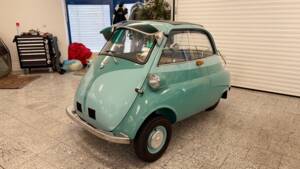
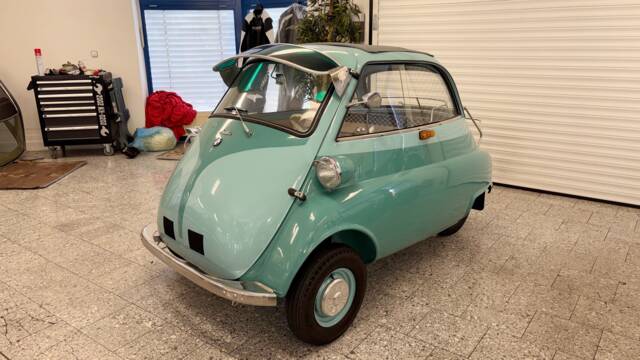
1959 | BMW Isetta 250
BMW Isetta 250 | 1959 | Fully restored | ClassicData 2+

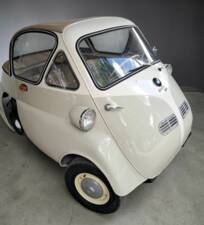
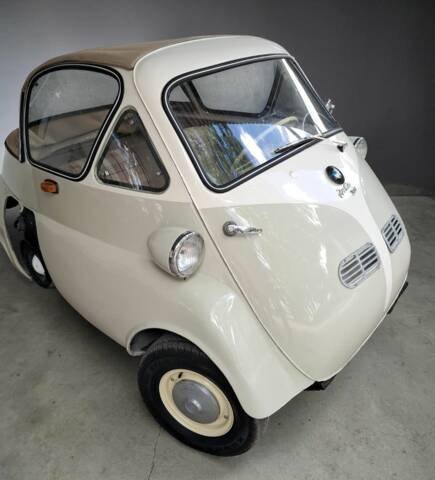
1960 | BMW Isetta 300
BMW Isetta 300 | 1960 | Route 66 Auctions - For sale by auction. Estimate 10800 EUR

Auctions ending soon

Loading…
Loading…
Loading…
Loading…
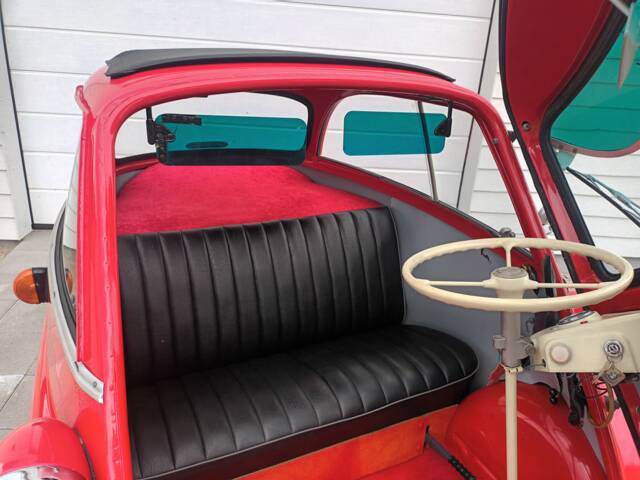
1962 | BMW Isetta 300
BMW Isetta | 1962 | Route 66 Auctions - For sale by auction. Estimate 12900 EUR
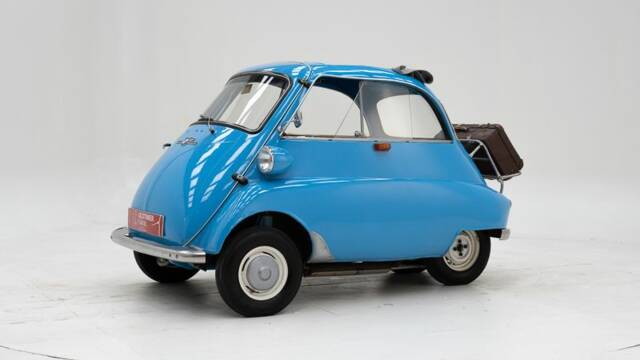
1960 | BMW Isetta 250
1960 BMW Isetta 250 '60

Newsletter
The best BMW listings, straight to your inbox
Get hand-picked BMW listings, plus the best of cars, motorbikes, and auctions on Classic Trader — all in one place.
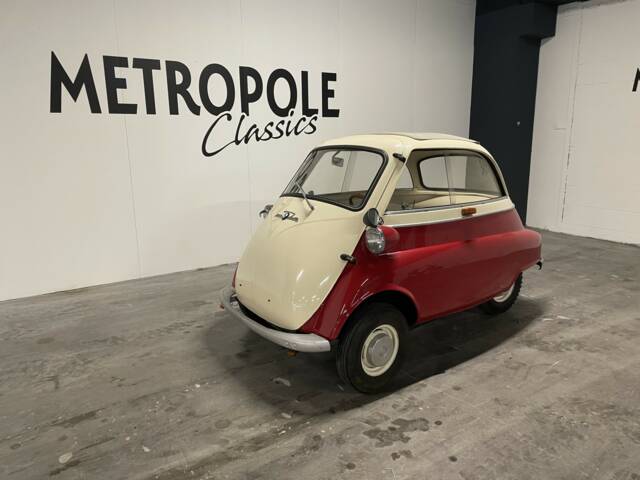
1955 | BMW Isetta 250
BMW Isetta 250 M0552
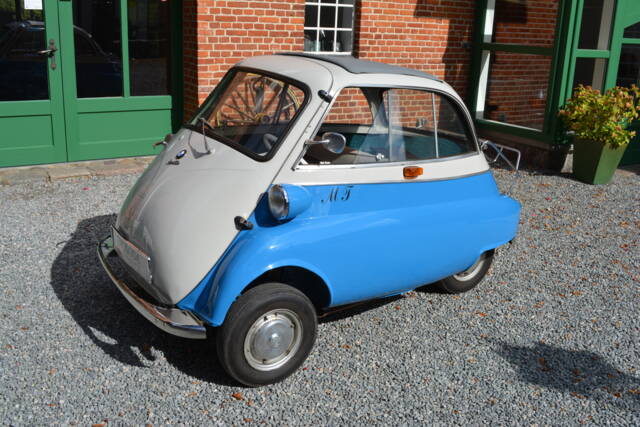
1958 | BMW Isetta 250
Cult classic: BMW Isetta 250 - driving fun in small format!
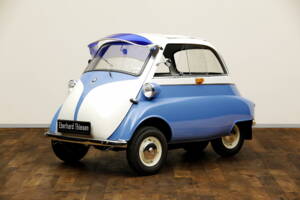
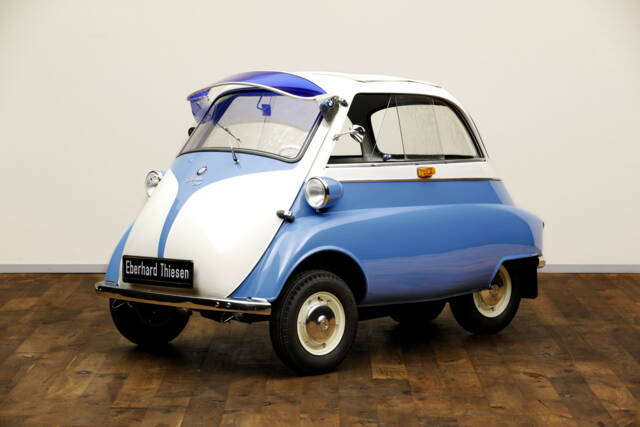
BMW Isetta listing references from Classic Trader
Below you will find listings related to your search that are no longer available on Classic Trader. Use this information to gain insight into availability, value trends, and current pricing for a "BMW Isetta" to make a more informed purchasing decision.
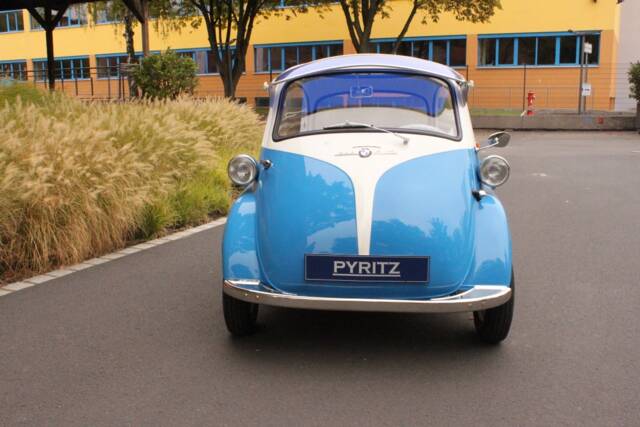
1958 | BMW Isetta 250
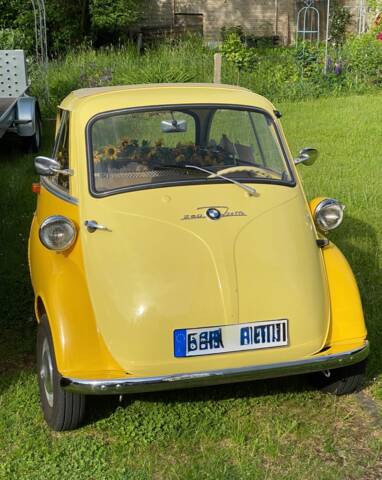
1960 | BMW Isetta 250
To be given to loving hands…
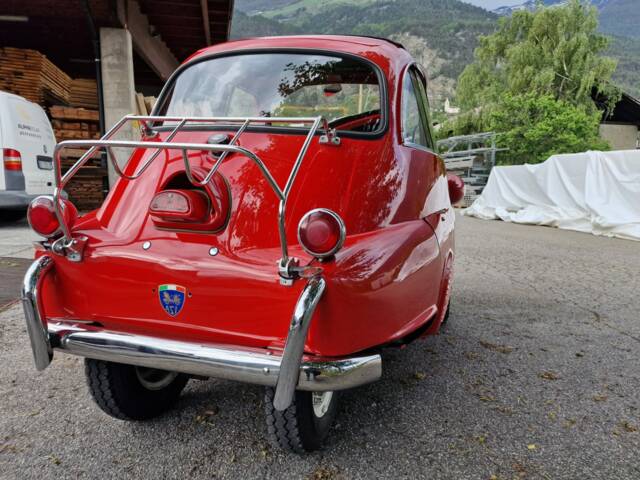
1959 | BMW Isetta 300
BMW Isetta 300 · Baujahr 1959 · ASI-zertifiziert

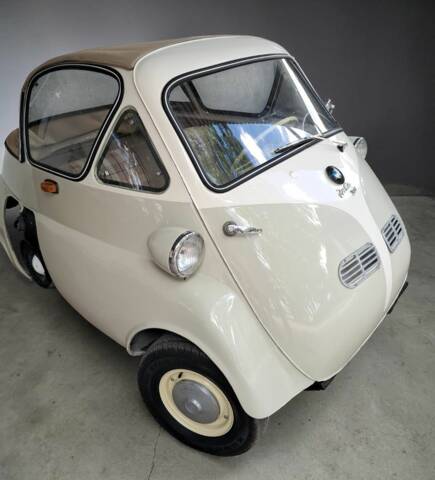
1960 | BMW Isetta 300
BMW Isetta 300 | 1960 | Route 66 Auctions - For sale by auction. Estimate 13500 EUR
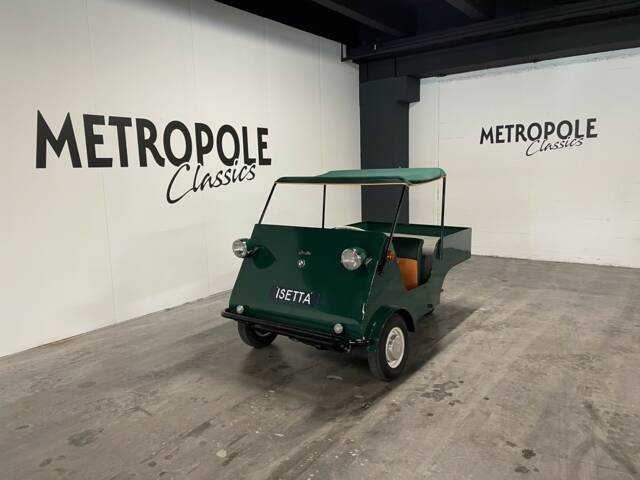
1955 | BMW Isetta hunting car
BMW Isetta M0553
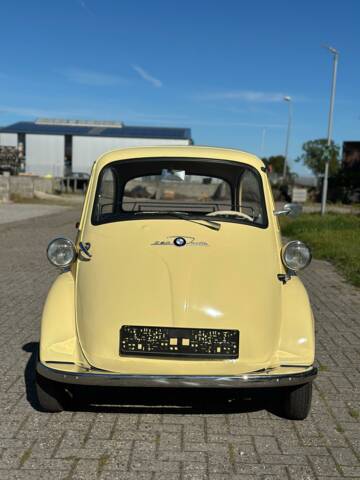
1959 | BMW Isetta 250
Top restauriert, fahrbereit, Note 2
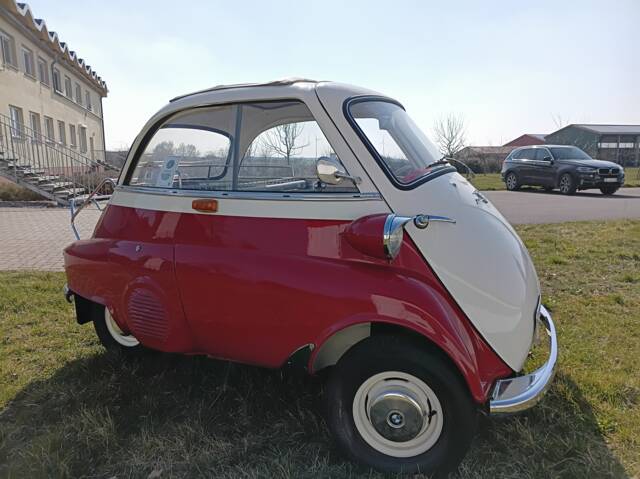
1960 | BMW Isetta 250
BMW Isetta 250 inkl. Anhänger
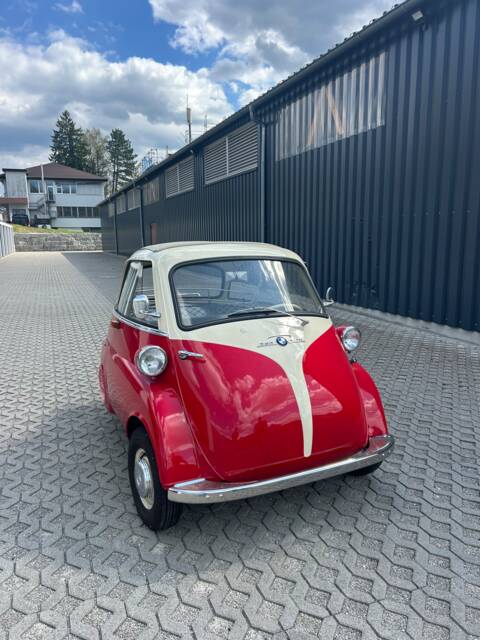
1960 | BMW Isetta 300
Isetta 250
BMW Isetta Classic Cars: Prices & Market Values
The history of the BMW Isetta
The Isetta began in Italy, where Iso introduced the egg-shaped microcar in 1953. Its name means ‘little Iso’. BMW acquired a licence to build the design and launched its own Isetta in Germany in 1955, at a price of 2,600 Deutschmarks.
For BMW, the Motocoupé helped bridge the gap between motorcycles and its larger luxury cars during a period of financial difficulty. BMW built more than 160,000 Isettas before production ended in 1962.
BMW Isetta model history
The BMW Isetta 250 appeared in 1955 with a 245 cc, four-stroke single-cylinder engine. BMW revised the original Iso design and fitted its own motorcycle-derived power unit in place of the Italian car’s two-stroke engine.
The Isetta 300 followed in 1956 with a 297 cc engine and 13 hp. Later cars featured sliding side windows. BMW also developed the larger 600 from the Isetta concept, retaining a similar front end while extending the body at the rear.
BMW Isetta highlights
The Isetta’s most distinctive feature is its single front door: the steering column moves out with it to make room for the occupants. Behind the two-person bench seat is luggage space, with provision for a spare wheel underneath.
The four-wheeled BMW has a rear track only about 50 cm wide. Despite its motorcycle-derived engine and tiny dimensions, the Isetta has a reverse gear.
BMW Isetta technical data
Three-wheeled BMW Isetta
BMW built an export three-wheeler in 1959–60 to take advantage of motorcycle classification and lower taxation in certain countries. Approximately 1,500 were made.
Buying and inspecting a BMW Isetta
When inspecting an Isetta, check that the front door and its attached steering column open and close together correctly. Examine the folding roof and, on sliding-window cars, the operation of the side windows. Restoration records can help establish what mechanical and electrical work has been carried out; some restored cars have upgraded bearings or electrical systems.
Engine and driving experience
The Isetta’s rear-mounted single-cylinder engine and compact body give it a character quite unlike that of a conventional saloon. The larger 300 engine improved performance at low speeds and on gradients, although its quoted maximum speed remained similar to that of the 250. Handling is nimble but basic, reflecting the car’s simple suspension.
BMW Isetta design and equipment
The rounded body and large windows gave the Isetta its bubble-car nickname. Inside, the bench seat accommodates two people, while the front door carries the steering column and instrument panel. A folding fabric roof provides another route out of the cabin.
Equipment and accessories included heating, two-tone paint, rear luggage racks, exterior mirrors and chrome trim. Sliding side windows distinguish later cars from earlier bubble-window versions.
BMW Isetta summary
The BMW Isetta combines Italian microcar design with a BMW four-stroke engine. Whether in 250, 300 or rare three-wheeled form, its front entry and compact dimensions make it a distinctive piece of post-war motoring history.