Aston Martin Virage Classics for Sale
Introduced at the 1988 Birmingham Motor Show, the Aston Martin Virage replaced the long-serving V8 with an aluminium-bodied grand tourer powered by a 5.3-litre, 32-valve V8. Hand-built at Newport Pagnell, it was offered as a coupé and a Volante convertible.
Search results
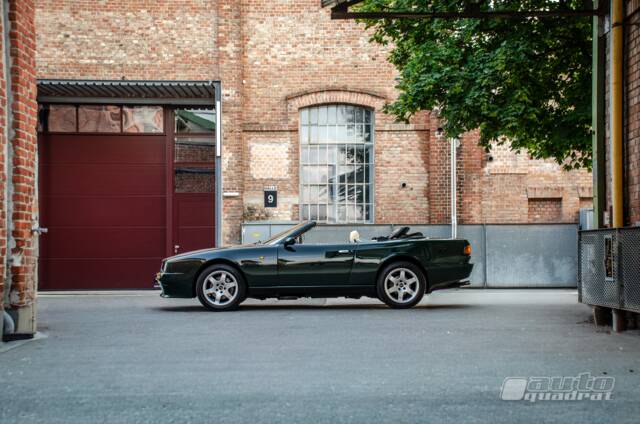
1992 | Aston Martin Virage Volante
LHD - Automatik - Cabrio


Auctions ending soon

Loading…
Loading…
Loading…
Loading…
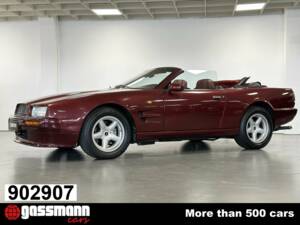
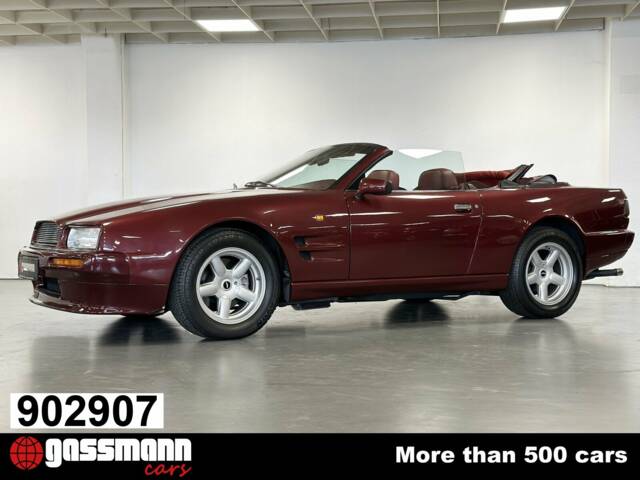
1993 | Aston Martin Virage Volante
Virage Volante 5.3 Cabrio - mehrfach verfügbar!

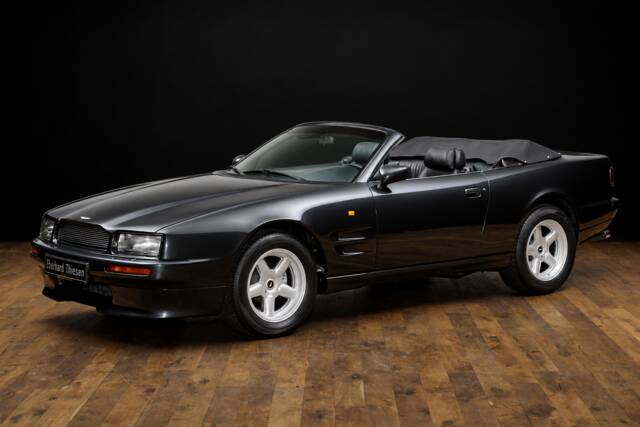
1994 | Aston Martin Virage Volante
"Triple black" and with overhauled engine!
Newsletter
The best Aston Martin listings, straight to your inbox
Get hand-picked Aston Martin listings, plus the best of cars, motorbikes, and auctions on Classic Trader — all in one place.
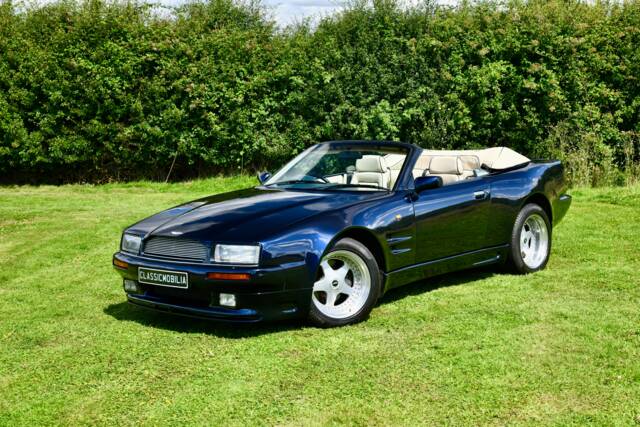
1995 | Aston Martin Virage Volante
Aston Martin Virage Volante Wide Body
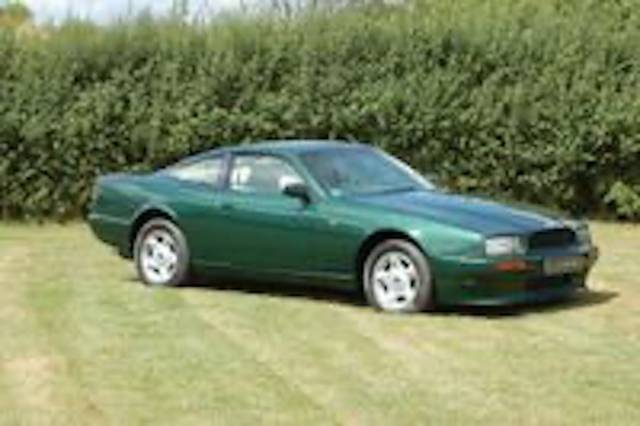
1990 | Aston Martin Virage
1990(G) Aston Martin Virage Coupe
1991 | Aston Martin Virage
1991(B) Aston Martin Virage Coupe
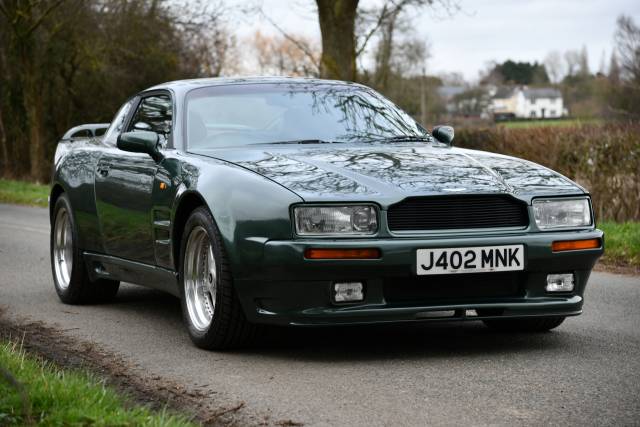
1991 | Aston Martin Virage 6.3 Litre
Aston Martin Virage 6.3 Coupe Works Demonstrator
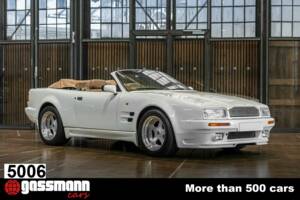
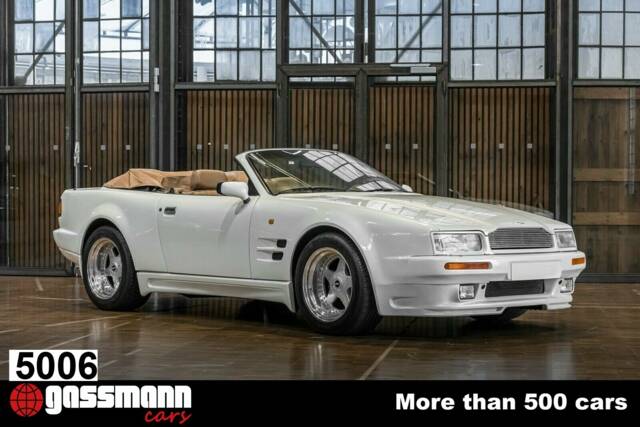
1993 | Aston Martin Virage Volante
Virage Volante 5.3, wide body
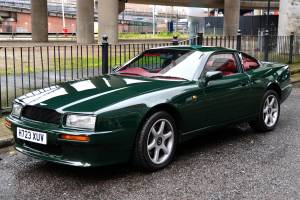
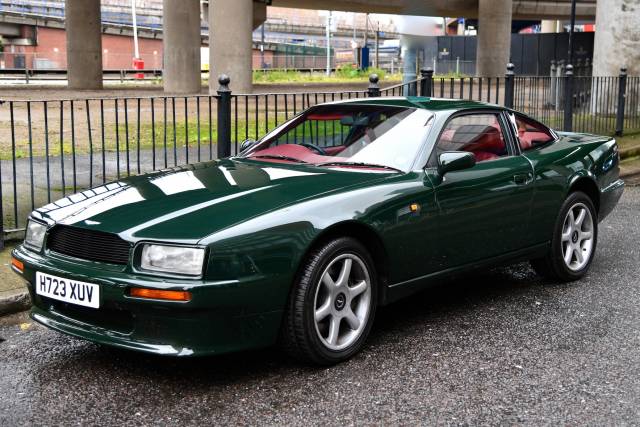
1990 | Aston Martin Virage
Aston Martin Virage Coupe Very Unique
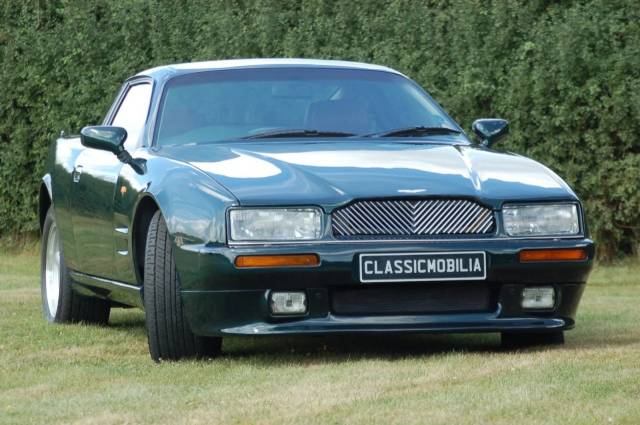
Aston Martin Virage listing references from Classic Trader
Below you will find listings related to your search that are no longer available on Classic Trader. Use this information to gain insight into availability, value trends, and current pricing for a "Aston Martin Virage" to make a more informed purchasing decision.
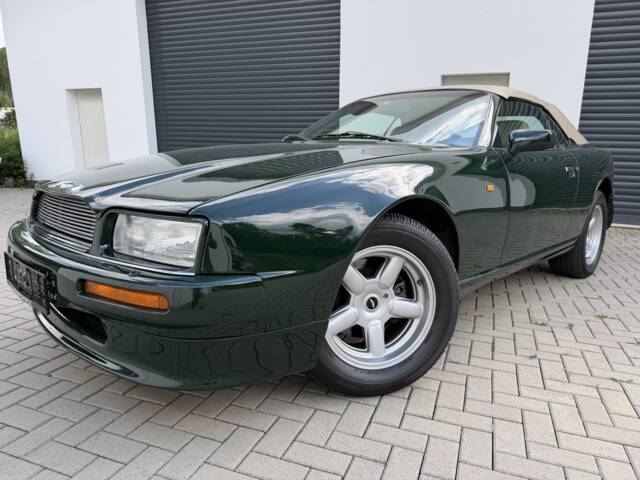
1993 | Aston Martin Virage Volante
5,4L V8 1/122 Last Hand Made Aston Martin
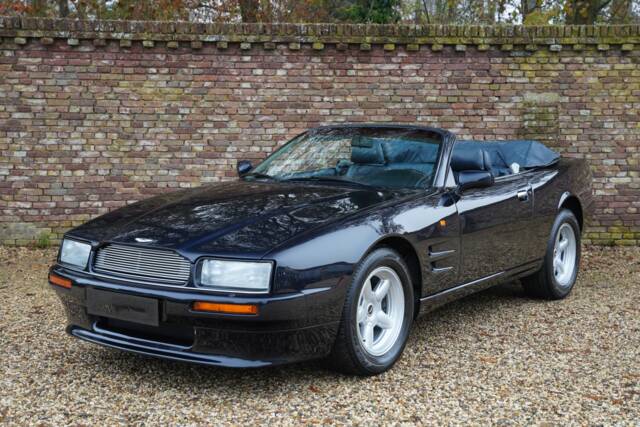
1994 | Aston Martin Virage Volante
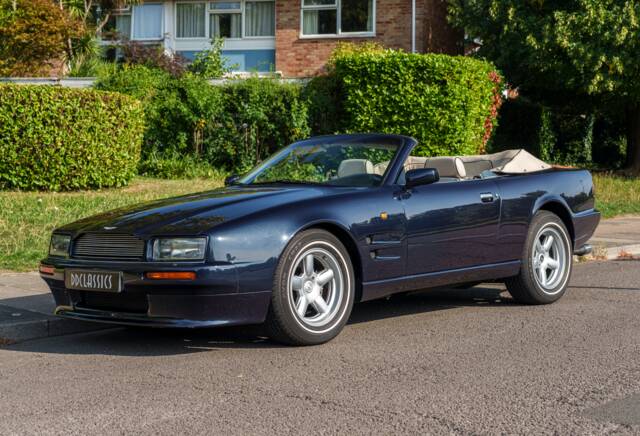
Aston Martin Virage Volante LHD "with only 26000 KMS!" Virage in full European specification - Newly delivered in the Netherlands, In Midnight Blue with fine Connolly leather in Caspian Blue, Booklets and manual in the board portfolio, If you saw this car in your rearview mirror back in the '90s - you'd better pull over, This Virage impresses with its details,

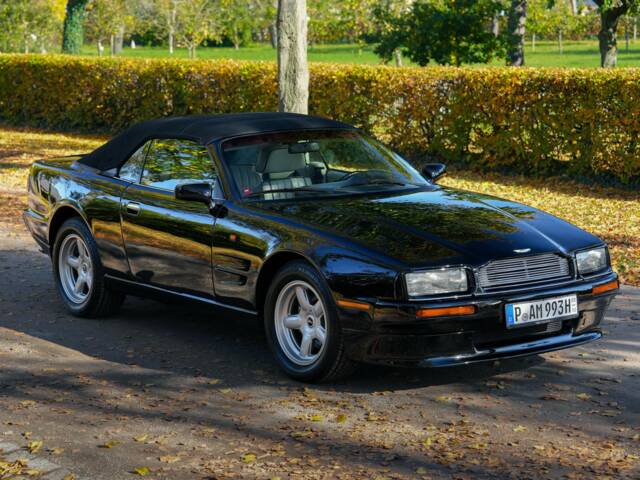
1993 | Aston Martin Virage Volante
Aston Martin Virage Volante | 1993 | Route 66 Auctions - For sale by auction. Estimate 32500 EUR
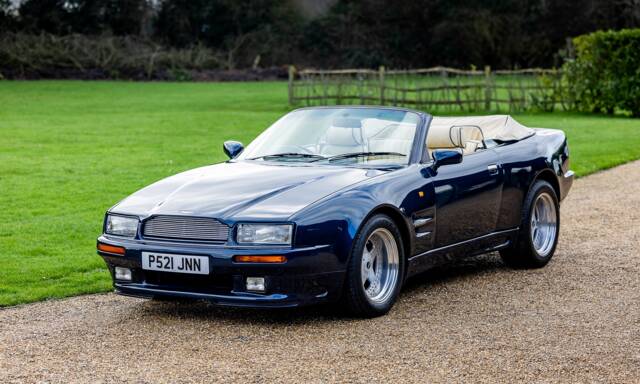
1997 | Aston Martin Virage Volante
1997 Aston Martin Virage Volante 'Factory Widebody' (5.3 litre)
Aston Martin Virage Classic Cars: Prices & Market Values
History of the Aston Martin Virage
The Virage marked Aston Martin’s first substantially new model in nearly two decades. Unveiled at Birmingham in 1988 and built from 1989, it succeeded the earlier V8 at a time when Ford held a majority stake in the company. Its name, chosen under chairman Victor Gauntlett, draws on the French word for a bend.
Built at Newport Pagnell in Buckinghamshire, the Virage combined an aluminium body and steel chassis with a revised V8. Callaway-designed 32-valve cylinder heads helped offset the power losses associated with catalytic converters.
Aston Martin Virage model history
The original Virage was a two-door, 2+2 coupé. The open-top Virage Volante appeared in final form at the 1991 Geneva Motor Show and joined the range in 1992. A high-performance Vantage followed in 1993.
In 1996, the standard car adopted the V8 Coupé name, while the coupé and Volante received front and rear styling influenced by the Vantage.
Aston Martin Virage highlights
The Virage paired hand-built bodywork with a four-valve-per-cylinder V8, electronic fuel injection and rear-wheel drive. Its De Dion rear axle, ventilated disc brakes and ABS connected traditional Aston Martin engineering with newer equipment.
Aston Martin Works Service also offered bespoke bodywork and performance conversions, ranging from the 6.3-litre upgrade to shooting brakes and long-wheelbase saloons.
Aston Martin Virage technical data
Special Virage models and conversions
- 6.3-litre Works upgrade: Introduced in 1992, this enlarged the V8 and could be accompanied by wider wings, side skirts and changes to the brakes, suspension and wheels.
- Virage Shooting Brake: A three-door estate created by Works Service, with approximately six built to order.
- Lagonda Virage: A long-wheelbase, four-door saloon built by Works Service in 1994; fewer than ten were made.
- Lagonda Virage Shooting Brake: A five-door, long-wheelbase estate, of which two were built.
What to check when buying a Virage
Examine the service history and maintenance invoices, and check whether the original handbook and Car Record Card remain with the car. On a Works-converted Virage, documentation is particularly useful for identifying the engine, brake, suspension and bodywork changes carried out.
Check the operation of equipment such as the air conditioning and memory seats. On a Volante, inspect the condition of the mohair hood as well as the leather and wood trim.
Engine, performance and driving
The standard 5.3-litre Virage delivers its power through the rear wheels. An automatic V8 can accelerate from 0–100 km/h in just over six seconds, though its substantial weight is an important part of the driving experience.
The Vantage took a different approach: its V8 used twin Eaton superchargers, with a quoted output of 550 PS and 746 Nm. It was the first road-going Aston Martin to exceed 300 km/h, with a quoted 0–100 km/h time of 4.6 seconds.
Virage design and interior
John Heffernan and Ken Greenley designed the Virage with references to the Lagonda and earlier Aston Martins, including a centrally raised grille and a sloping roofline. The aluminium body gave the coupé a markedly different appearance from its V8 predecessor.
Some exterior components came from other manufacturers: the headlights were from the Audi 200, the rear lights from the Volkswagen Scirocco and the mirrors from the Citroën CX. Inside, leather and burr walnut sat alongside components sourced from larger manufacturers. The Volante added a mohair hood to the 2+2 layout.
Aston Martin Virage summary
The Virage occupies a distinctive place between the earlier Aston Martin V8 and the later V8 Coupé. Its Newport Pagnell construction, 32-valve V8 and choice of coupé or Volante bodywork make it a substantial British grand tourer, while the Vantage and Works Service conversions show how far the platform could be developed.