- Car
- Aston Martin
- Aston Martin DB 2/4 (27 offers)
Aston Martin DB 2/4 Classic Cars for Sale
The Aston Martin DB 2/4 redefined practical sports car design in the 1950s, combining British engineering with innovative bodywork and rare hatchback practicality for a grand tourer. This limited-production series is available in Coupé, Drophead Coupé, and rare specialist versions, making it a highlight for collectors seeking genuine craftsmanship and engineering depth.
Search results
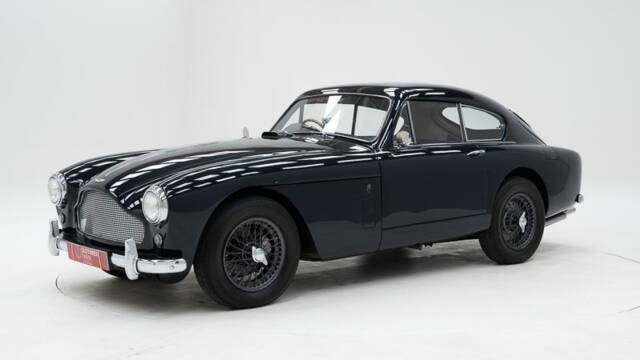
1958 | Aston Martin DB 2/4 Mk III
1958 Aston Martin DB 2 MKIII '58

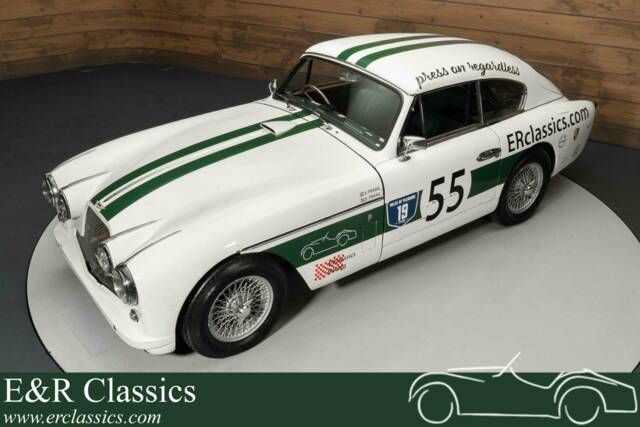
1955 | Aston Martin DB 2/4 Mk I
Aston Martin DB2/4

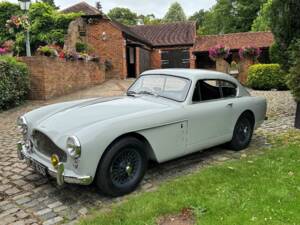
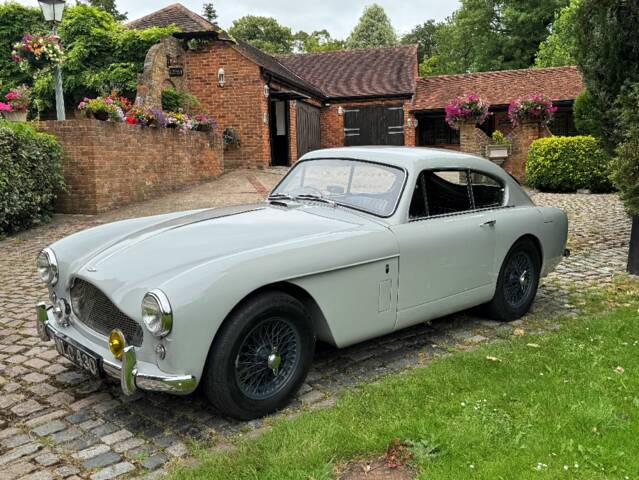
1959 | Aston Martin DB 2/4 Mk III
1959 Aston Martin DB MkIII finished in original Snow Shadow grey with dark blue hide interior

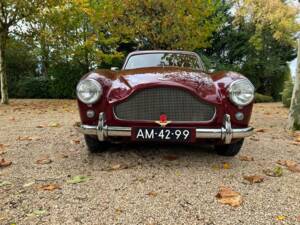
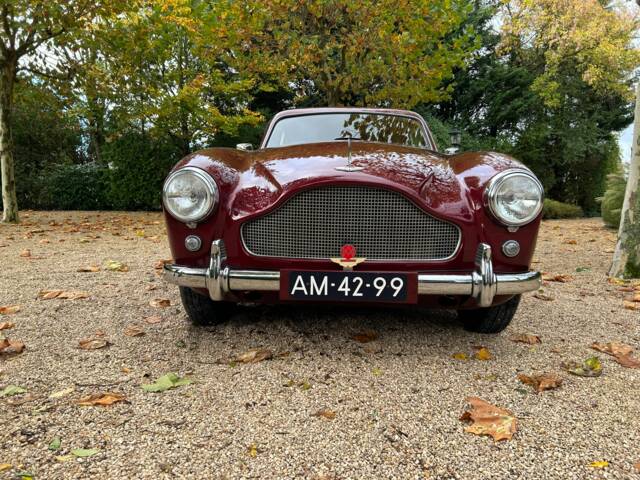
1958 | Aston Martin DB 2/4 Mk III
Een meesterwerk uit het David Brown-tijdperk en de voorloper van de iconische DB4 en DB5. Deze Saloon, waarvan er slechts 462 zijn gebouwd door de vermaarde carrosseriebouwer Tickford, is een uniek stuk Britse automobielhistorie. Met zijn originele 2.9 liter zescilinder motor en een prachtig gedocumenteerde historie, verkeert dit exemplaar in een uitzonderlijk authentieke en verzorgde staat. De dieprode metallic lak, het interieur met een prachtig patina en de klassieke spaakwielen maken deze auto tot een absolute blikvanger.
Newsletter
The best Aston Martin listings, straight to your inbox
Get hand-picked Aston Martin listings, plus the best of cars, motorbikes, and auctions on Classic Trader — all in one place.
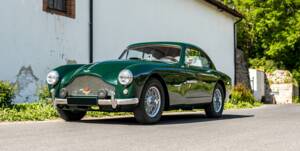
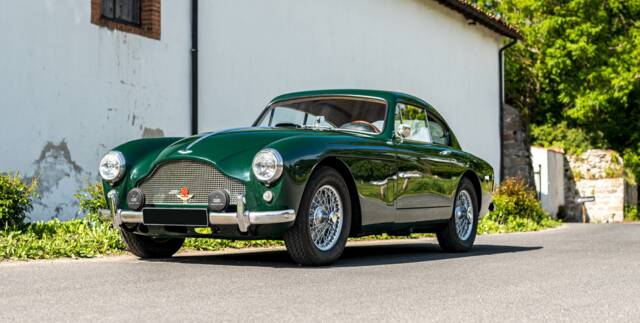
1957 | Aston Martin DB 2/4 Mk III
Aston Martin DB 2/4 Mk III DBA952

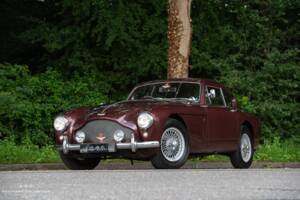
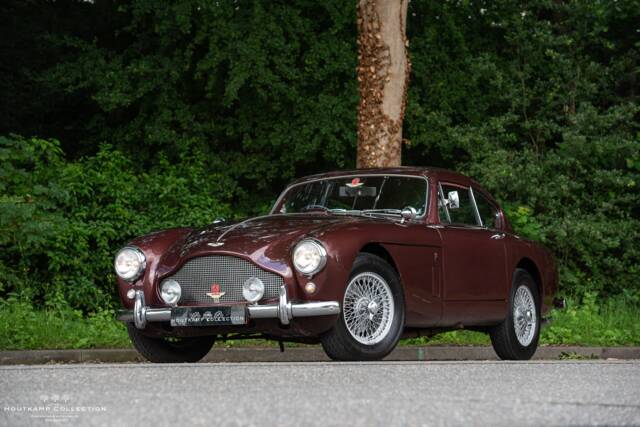
1958 | Aston Martin DB 2/4 Mk III
One of 462 MKIII Hatchback (2+2)
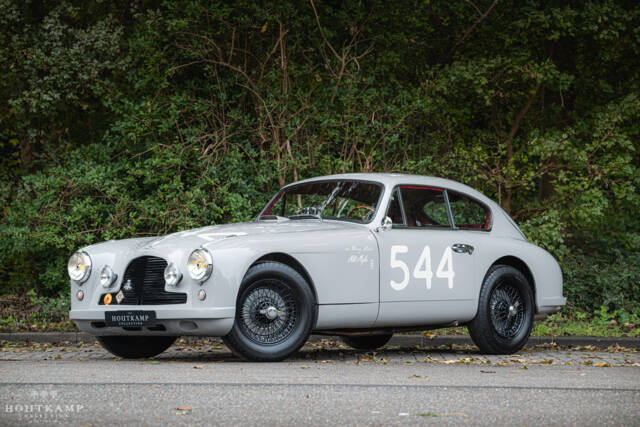
1953 | Aston Martin DB 2/4 Mk I
Factory left hand drive example, subscribed for the 1954 Mille Miglia
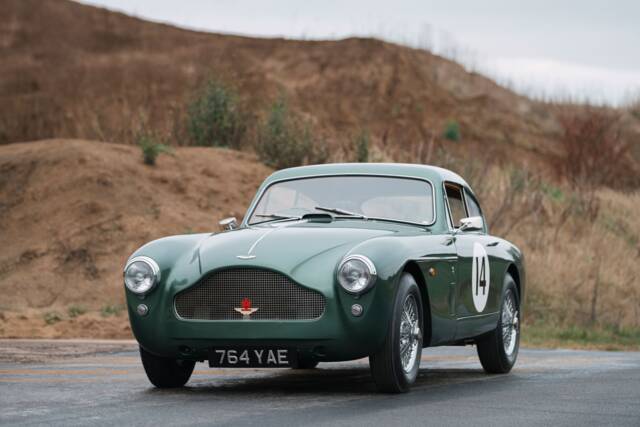
1958 | Aston Martin DB 2/4 Mk III
Quality restoration and coming from long term ownership.

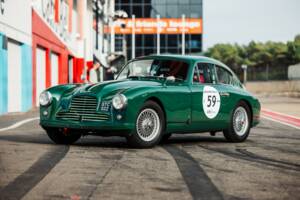
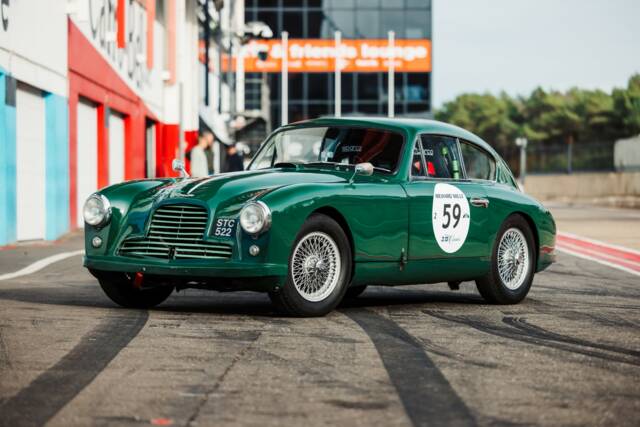
1954 | Aston Martin DB 2/4 Mk I
“Power, Beauty, and Soul”
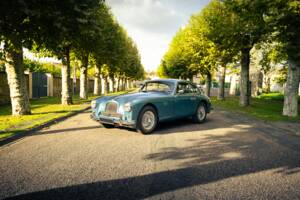
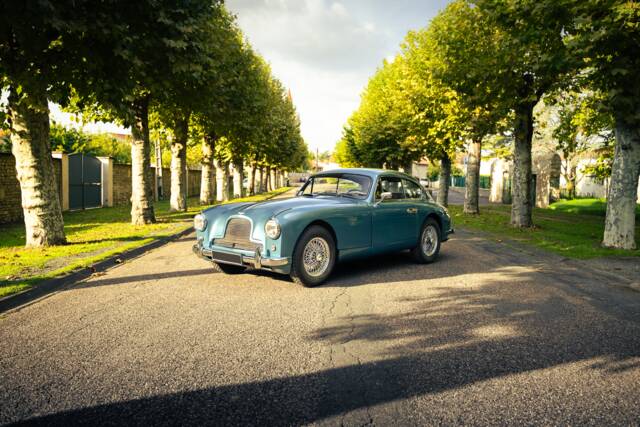
1953 | Aston Martin DB 2/4 Mk I
Authentique DB2- française, conduite à gauche, entièrement restaurée


1959 | Aston Martin DB 2/4 Mk III
1959 Aston Martin DB 2 MKIII '59
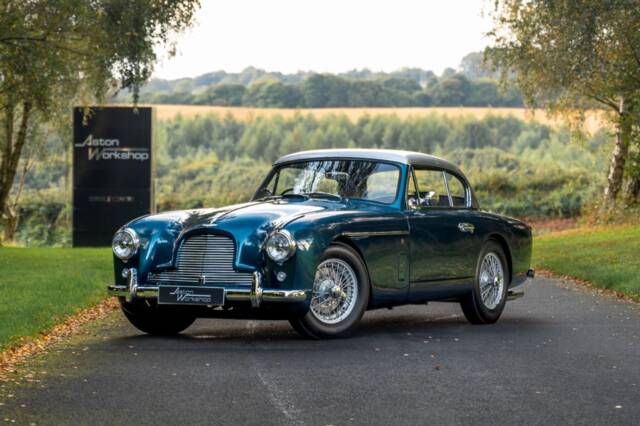
1957 | Aston Martin DB 2/4 Mk II
Aston Martin DB2/4 MkII FHC
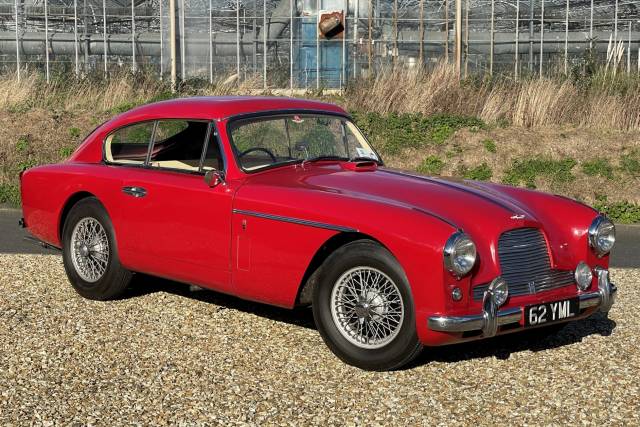
1956 | Aston Martin DB 2/4 Mk II
Aston Martin DB2/4 MkII
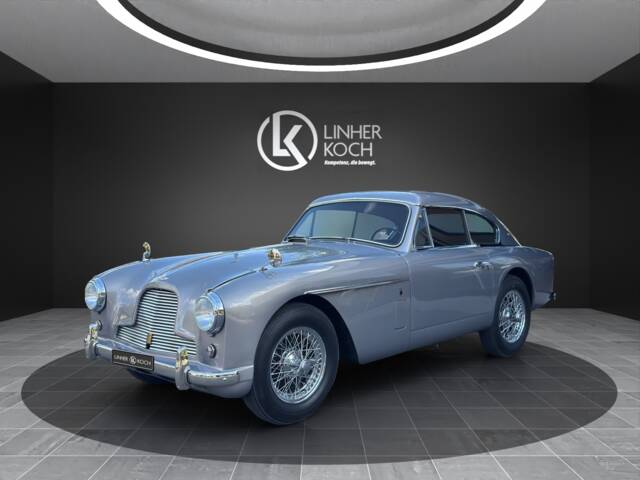
1956 | Aston Martin DB 2/4 Mk II
Dream condition-left-hand drive

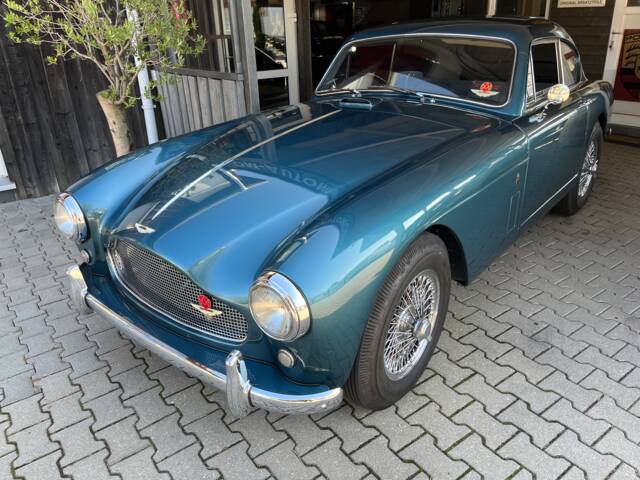
1958 | Aston Martin DB 2/4 Mk III
Tickford Body

Aston Martin DB 2/4 Classic Cars: Prices & Market Values
The market value of Aston Martin DB 2/4 classic cars is primarily determined by the specific manufacturer code and variant, as well as technical condition, originality and mileage. Additional factors include rarity, history and documentation. A well-maintained, largely original vehicle with low, verifiable mileage and complete history including appraisals and documentation typically achieves significantly higher prices than a comparable vehicle with deferred maintenance, many modifications or unclear provenance.
Aston Martin DB 2/4: Market Prices & Value Trends
Based on sales data from the Classic Trader marketplace, the Aston Martin DB 2/4 market in Europe has been broadly stable to slightly firmer over the period from January 2021 to January 2026, with most asking prices clustering well above entry-level classic GT money. Across the dataset, the bulk of DB 2/4s (notably DB 2/4 Mk I, Mk II and Mk III cars from the mid‑1950s, such as 1954–1958 examples) typically sit in a realistic market band of roughly €150,000 to €325,000, with condition, originality and matching-numbers provenance doing most of the pricing work. Convertibles (DHC) frequently command a clear premium, often trading in the €350,000–€500,000 bracket, reflecting rarity and stronger collector demand. There are also a few extreme outliers (including very low “project” style prices and a highly specialised Vignale at a multi‑million figure); these should not be treated as representative of the wider category. For today’s buyers, this points to a mature, thinly supplied market where well-presented cars hold value, supported by DB-line heritage and limited production.
The History of the Aston Martin DB 2/4
The Aston Martin DB 2/4 debuted at the 1953 London Motor Show, closely based on its predecessor, the DB2, but introducing crucial refinements aimed at making it a practical high-performance grand tourer. The model’s new 2+2 seating arrangement answered criticisms of the DB2’s limited space, offering foldable rear seats and the first top-hinged hatchback in this class, making the DB 2/4 known for unparalleled usability among sports cars. Its hand-crafted aluminium body came from Tickford Coachwork, soon fully integrated into Aston Martin’s operations at Newport Pagnell after David Brown’s acquisition. Over more than six years, production spanned three core iterations: Mark I, Mark II, and Mark III, each showcasing progressive technical and stylistic development.
Model Evolution: From DB2 to DB4
The DB 2/4 advanced the concept pioneered by the DB2, adding a practical hatchback and 2+2 interior. The Mark I, produced from 1953 to 1955, initially featured a 2.6-litre Lagonda straight-six, later upgraded to a 2.9-litre version. The Mark II arrived in 1955 with design tweaks—longer body, higher roof, and more chrome detailing—plus mechanical upgrades, and saw production move to Newport Pagnell. Mark III, launched in 1957, made further leaps with disc brakes, advanced engines, and more luxury options. Mark III’s styling influenced the DB4 and subsequent Astons, while its robust technical solutions ensured longevity in historic rallies and classic car events.
Highlights and Rarity of the Aston Martin DB 2/4
The DB 2/4’s standout features include its forward-thinking hatchback, fold-flat rear seats, and extensive customisation, from left- or right-hand drive to rare body style options. Hand-built aluminium construction and a luxurious leather-and-wood interior represent the best of British craftsmanship. The model gained additional credibility through high-profile uses, such as appearing in Hitchcock’s "The Birds" and James Bond’s literary adventures. The car’s practicality was matched by competition pedigree, with factory entries in the Monte Carlo Rally and Mille Miglia. These qualities and very limited production numbers—across all series, fewer than 800 units—contribute to the DB 2/4’s desirability among enthusiasts and collectors.
Technical Data
Special Editions and Limited Builds
Notable special editions include the Bertone-bodied Spiders—a trio produced for S.H. Arnolt in 1954, each with unique features and design by Franco Scaglione. Only 34 Mark II Tickford Notchback Coupés were made, and Mark III’s performance variants (DBA, DBB, DBD) provide distinct engineering and historical interest. Competition specials include the factory cars entered in the Monte Carlo Rally and Mille Miglia, further elevating desirability due to their rarity and motorsport heritage.
Engine, Driving Experience, and Handling
The DB 2/4’s evolution saw progressive improvements in both power and handling. Early Mark I cars with the 2.6-litre Lagonda-designed straight-six offered a rewarding drive, later surpassed by the 2.9-litre engines. Mark II and Mark III variants delivered stronger acceleration and top speeds, particularly with high-performance ‘L-head’ cylinder options and the triple-carburettor setup. Manual 4-speed transmissions were standard, with the later adoption of discs and optional overdrive improving control and refinement. The independent front suspension and rear live axle balance touring comfort with engaging road manners, while the relatively low kerb weight for its class means nimble responses for a grand tourer. The model is well regarded among historic rally competitors and events such as the Mille Miglia and Concours d’Elégance. - DB 2/4 Mark I: 2.6L and 2.9L, manual 4-speed, convertible and Coupé
- DB 2/4 Mark II: 2.9L 165 hp, available Notchback special
- DB 2/4 Mark III: Up to 196 hp in DBB configuration, front disc brakes optional
Interior, Comfort, Exterior and Design
Styling hallmark elements on the DB 2/4 include the signature fastback form with extended rear glass, the innovative hatchback for the period, and the use of hand-formed aluminium panels. Interiors are traditionally British, with Connolly leather in shades such as beige, green, or red, complemented by a wood dashboard and plush wool carpeting. Noteworthy equipment includes Smiths instruments, optional wire wheels, sports steering wheels (e.g., Moto-Lita), and cashmere headlining. Exterior colours span classic British Racing Green, Imperial Crimson, Moonbeam Grey and often two-tone schemes, granting each DB 2/4 an individual character. Accessories available ranged from driving lamps to period rally equipment. Whether specified as left- or right-hand drive, all DB 2/4s retain a bespoke and luxurious atmosphere.
Other Noteworthy Features
Documentation is key for DB 2/4s; many surviving vehicles are accompanied by records from the factory, FIVA Identity Cards, Heritage Certificates, and original service documentation. Factory options could include centre-lock wire wheels, upgraded brakes, steel exhausts, high-capacity fuel tanks, or period competition add-ons. Today, values strongly relate to history, originality, and maintenance record, which can be substantiated via official registry or heritage paperwork.
Summary
The Aston Martin DB 2/4 established a new benchmark in luxury grand touring by fusing advanced engineering, distinctive practicality, and bespoke British style. Available in an array of rare and individual variants, the DB 2/4 continues to appeal to enthusiasts seeking more than mainstream classics—a model that delivers both depth of engineering and unique road presence.